 4:25
DJ Advise on Construction of a Set in Pictures BY Ellaskins the DJ Tutor
Contents of the video
0:00 EDM track in a picture
Alright guys, this video is all about helping you construct a good set. Now let's think about EDM and let's have a look at an EDM track in a picture. Alright, very basic but beginning, the middle and it finishes off. So we have intro sort of 1632 bars, we have all the gumpf in the middle and then an outro of 1632 bars. So if we were to construct a decent mix, it would look something like this. Now this isn't your normal run-of-the-mill mix, this is an example of what we would class in the industry as a beginning and end mix. In other words, you're mixing in the last 32 bars with the beginning of the next track and so on and so on. But what's happening here is we've got dips in the track. Now these tracks may be in key, in time, in phrase, but we're lacking the energy here.
1:30 Work together, tracks those, example tracks
It's almost as though the energy is peaking here. We've got the vibe, the flow, the full potential of the track and then it just dips down into something else, something else and so on. Wouldn't it be better if we had a mix something like this where it started and then this track lifted up here. And let's imagine this is the beginning of the next. Track and then the next track is mixed in here and so on. And maybe at this point here, the or let's say that the track slowly dips down the beginning of the next track starts to mix in here and then so on. And then the beginning of the next track mixes in here and so on. Now what we've got here is we do have more of a constant flow but some points here to think about valid points.
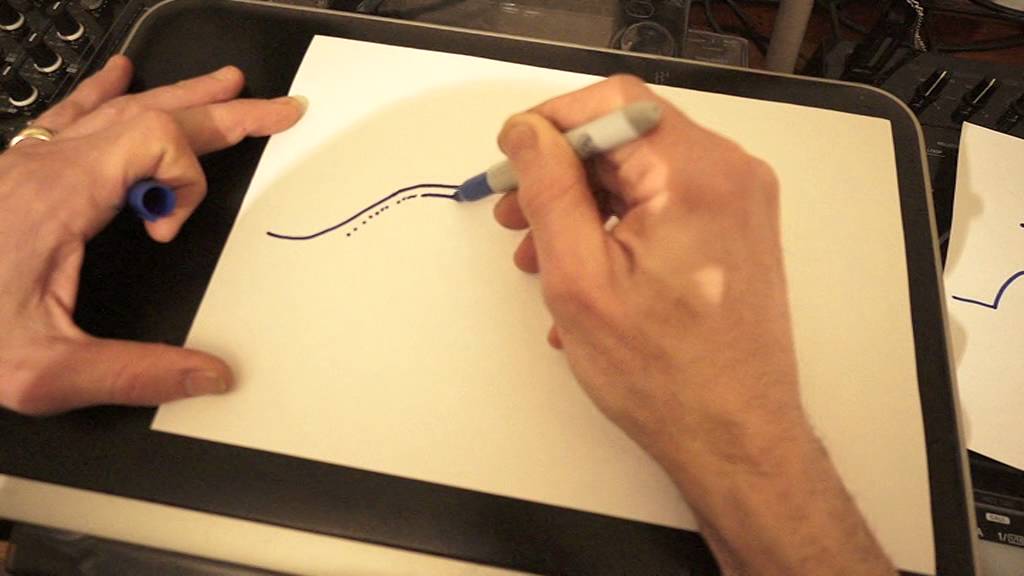
One. Is you can, for example, have all of the tracks in G major, F major, C sharp, A1, B2, whatever you're looking at, whether it be through Rekordbox, any other software, Camelot wheel perhaps. Even if you have the same that the tracks in the same key, those tracks say, for example, you have 100 tracks in A1. Well, those hundred tracks may. Work together musically, but they might not work together through feeling. So what you need to do is check the vibe in the tracks now this kind of mix here for people who are partially sighted. What I've done is I've drawn if you can picture sort of lines that have got a bit of a curve to them. So one line is curving up and slightly underneath that line. I've then started a new line.
2:54 Three humps, whereas this one is more of a flow
But halfway along the first line, the second line then has got a third line that starts halfway along that the fourth and so on. But instead of it being a continual line, it's like a wave. It's almost if you looked at that from a distance, it would be like hills starting to get higher and higher in the distance. So what this mix how this mix is different to say the first one, this one just looks like a rather dodgy camel. With. Three humps, whereas this one is more of a flow. It's more of a natural, steady increase in the vibe. So for example, we have track 123 and four four tracks around about that, say if you're mixing them sort of in the beginning towards the middle or third of the way through, or for that matter, maybe before the last 32 bars, you're probably looking at about, say, 10 minutes instead of maybe 71421 minutes just for three tracks.
So. What you're able to do is not only keep the flow of the music, but also you're able to join the flows of those tracks together to form one flow. So instead of it being 1234 tracks, you're actually making those four tracks into one track. I will be putting this into practice in future videos. I hope that's been a help practice and enjoy much as gracias. Thank you very much. Yeah, it's all good. Thank you.
This transcript was produced automatically from the audio of the video and may contain mistakes.