 3:31
Keeping a mix from being blocked
On YouTube this video is called DJ How to Not Get Your DJ Mix Set Blocked on Youtube.... Fact!
What this lesson teaches
A genuinely practical lesson about doing the boring thing first.
The problem
The sequence every DJ who posts mixes has been through: hours compiling the set, three or four takes to get a clean mix, the time to upload it - and then it is blocked in certain countries, muted, deleted, or you get a strike.
All of that work, discovered to be wasted after the fact.
The fix: check first
At the time he made this, the platform published a music policies directory - a searchable list of tracks with the current policy each rights holder had set.
You type in the title and artist, and the entry tells you what happens if you use that song: viewable everywhere except a particular country, not monetisable, and separate rules if you perform a cover rather than play the recording.
His search advice is practical: be precise. Do not type a vague phrase like "love you" or you will get hundreds of results. Give all the information you can.
The method
And this is the part that transfers regardless of which tool exists.
Take the tracks you intend to use - he says a hundred, which is a realistic mix - and put them through the checker before you record anything. Mark each one: a tick, a cross, a question mark for the ones not listed.
Then build the set from the ticks.
Yes, it takes time. His argument is the right one: a little bit of time here saves a lot of time and frustration later. Checking a hundred titles is an evening. Re-recording a blocked mix is the same evening plus the one you already spent.
What has changed
That directory page no longer exists in the form he describes, and the specific URL will not help you.
What replaced it does the same job better: the platform's own copyright check inside the upload process, which scans a video before it is published and tells you what each claim would do - monetised by the rights holder, blocked in certain territories, or blocked outright - with the option to remove or replace the offending segment before anybody sees it.
So the method is unchanged and now easier: find out before you publish, not after. Upload as unlisted or private, read the copyright report, and fix it there.
And he is doing it himself
The honest footnote: he made this video because one of his own had been blocked in certain countries, and he is now working through a pile of discs with ticks and crosses - so far I've got one tick.
Which tells you roughly what proportion of commercial dance music is freely usable, and why the lessons that follow in this course are about getting permission instead.
Contents of the video
0:00 Yes, stop your video getting blocked on YouTube, your mix video
Yes, stop your video getting blocked on YouTube, your mix video. Now it has been a grind for a lot of DJs since YouTube started, that some mixes are getting taken off, they're getting deleted, they're getting monetized, they are getting blocked in certain countries or they're even getting you a strike. Well, that should happen no longer if you pay attention to this video and you watch and you just follow some simple instructions. Right, there is a page on YouTube, I'll put a link in the description, it's youtube.com forward slash music underscore policies. I can see you writing it down right now. Now there, you'll get to a page which looks like that. And... This directory lists songs and their current policies set by copyright holders. Find out more if you want to.
1:10 Try and be as precise as you can, give all the information you can
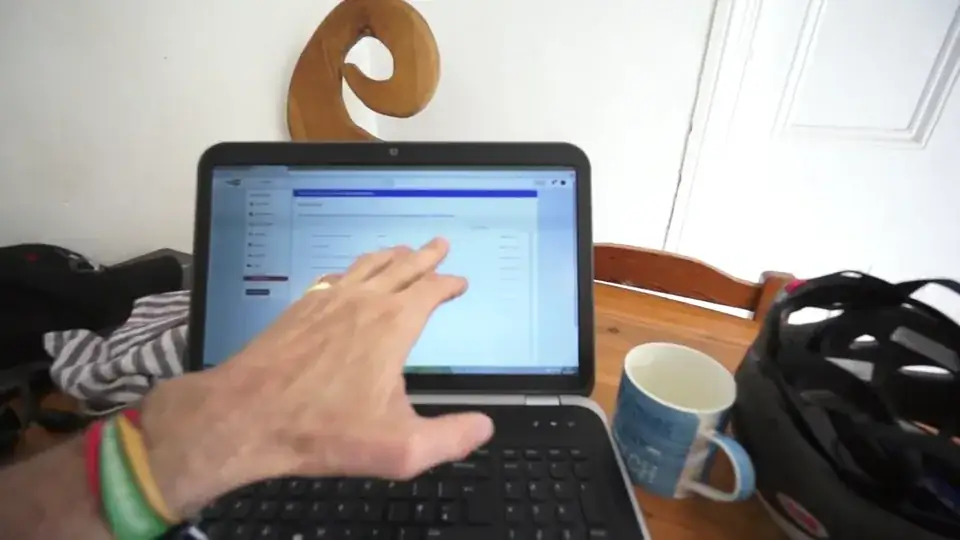
There's millions of tracks here. What you do is you write the title and artist here, and then the tracks will come up. Don't just bother writing love you or please release me because you'll get loads of titles and artists. Try and be as precise as you can, give all the information you can. What happens then is that if you click on the track, it will tell you if you're using this song, playback, viewable everywhere except Germany for this matter. Monetization, you can't monetize your video of course. If you perform a cover, it's viewable worldwide, eligible for revenue sharing. So what that means is that potentially you can get a bit of revenue. But I'm not on about if you perform a cover. We are DJs, and we want to know if we play the track.
2:22 How genius is that?
So what does this mean for you? Let's imagine you have spent hours getting your set together, compiling your set, which is a wicked set. Then you spend three or four takes trying to get a good mix. Then you upload it. Of course then you take time to upload it. Only to find it's blocked in certain countries, or it's deleted, or like, I don't know, your head explodes. Well, no. No longer, because now what you can do is you can get your hundred tracks that you want to use in your mix. You can, alright, yes it does take time. It will take time, but at least this way you know that your mix will not be taken down or it won't be muted or it won't be blocked in certain countries. You put your list, the tracks through this page and you can find out which tracks you can use and which tracks you can't.
How genius is that? Very simple. A little bit of time here saves a lot of time, frustrated. Only to find out that you can't, or your mix is blocked.
Anyway I'm doing just that now because I did a video using the CD Pull discs only to find that it was blocked in certain countries. So now I've got black marks and crosses, question marks on the ones that aren't on there, and ticks. And so far I've got one tick but I haven't gone through all the CDs. So I hope that's been a help. Go and check out youtube.com forward slash music underscore policies. I will put a link in the description. Practice and enjoy. Thank you very much.
This transcript was produced automatically from the audio of the video and may contain mistakes.
This video is part of
Related videos
-
How to Get a Better Fee for Your Mobile DJ Services
He disclaims it as not financial advice and notes that everything depends on where you are. Taken as a checklist of what justifies a higher…