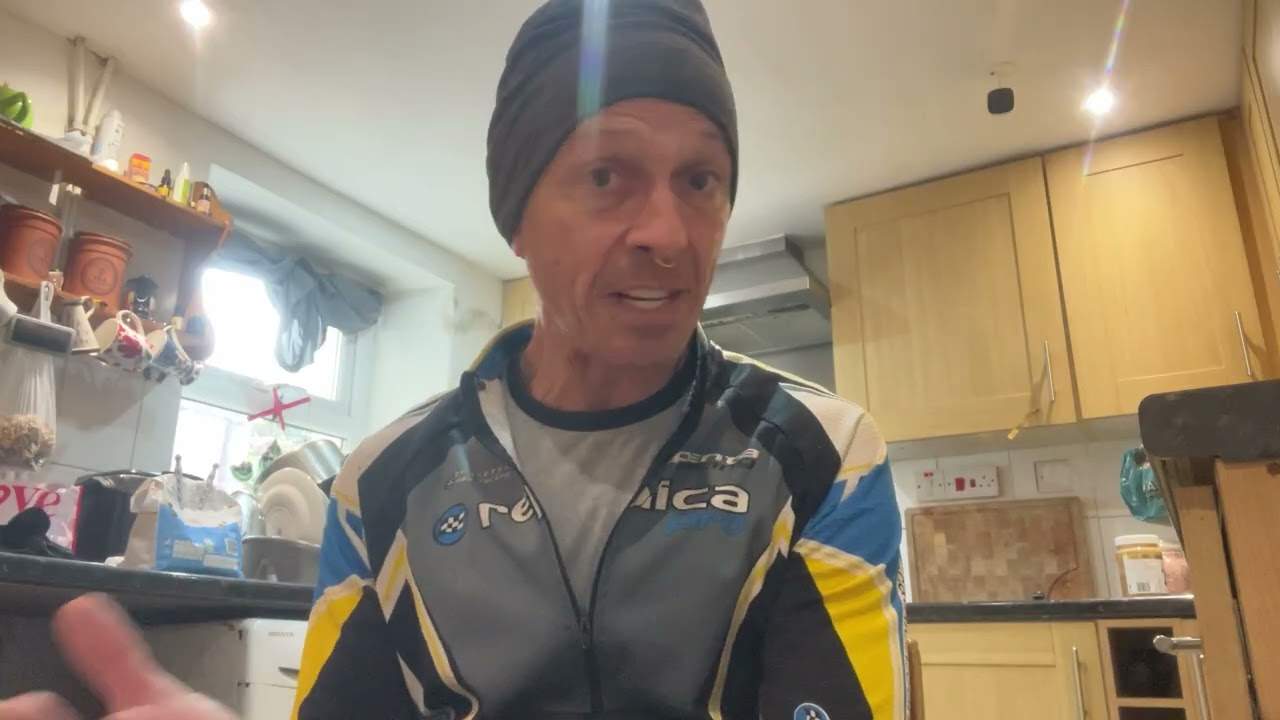
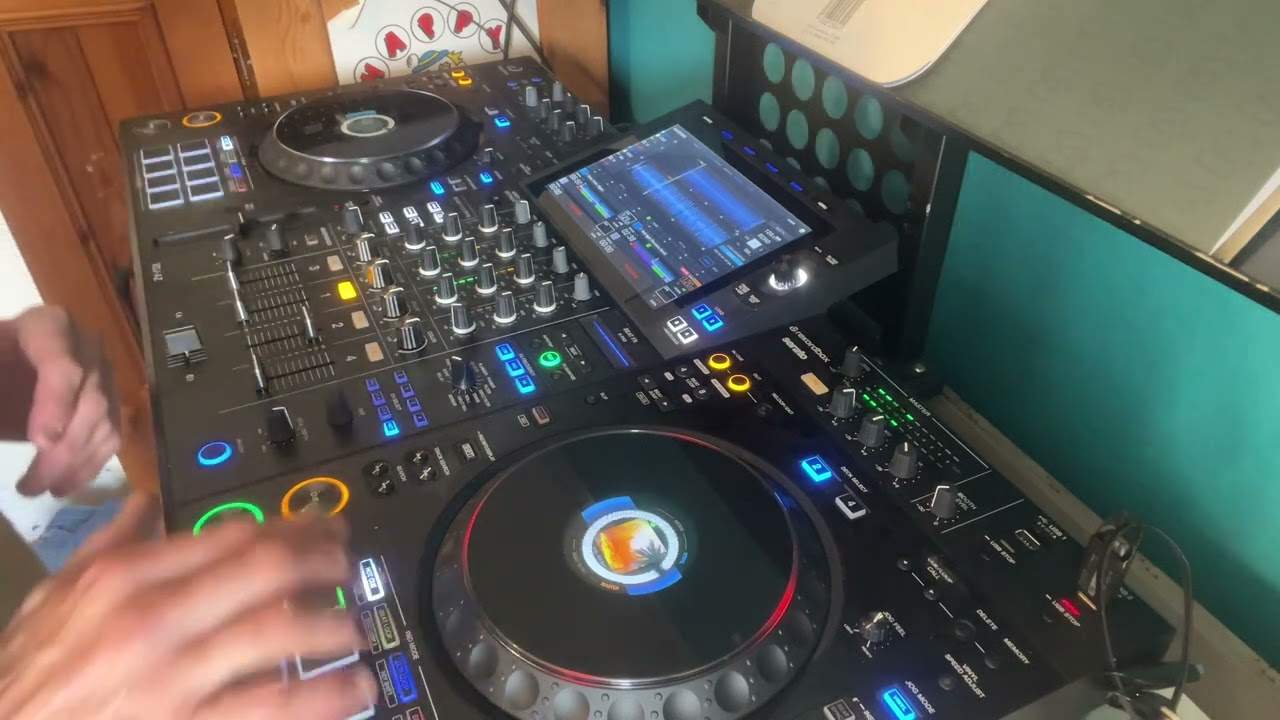
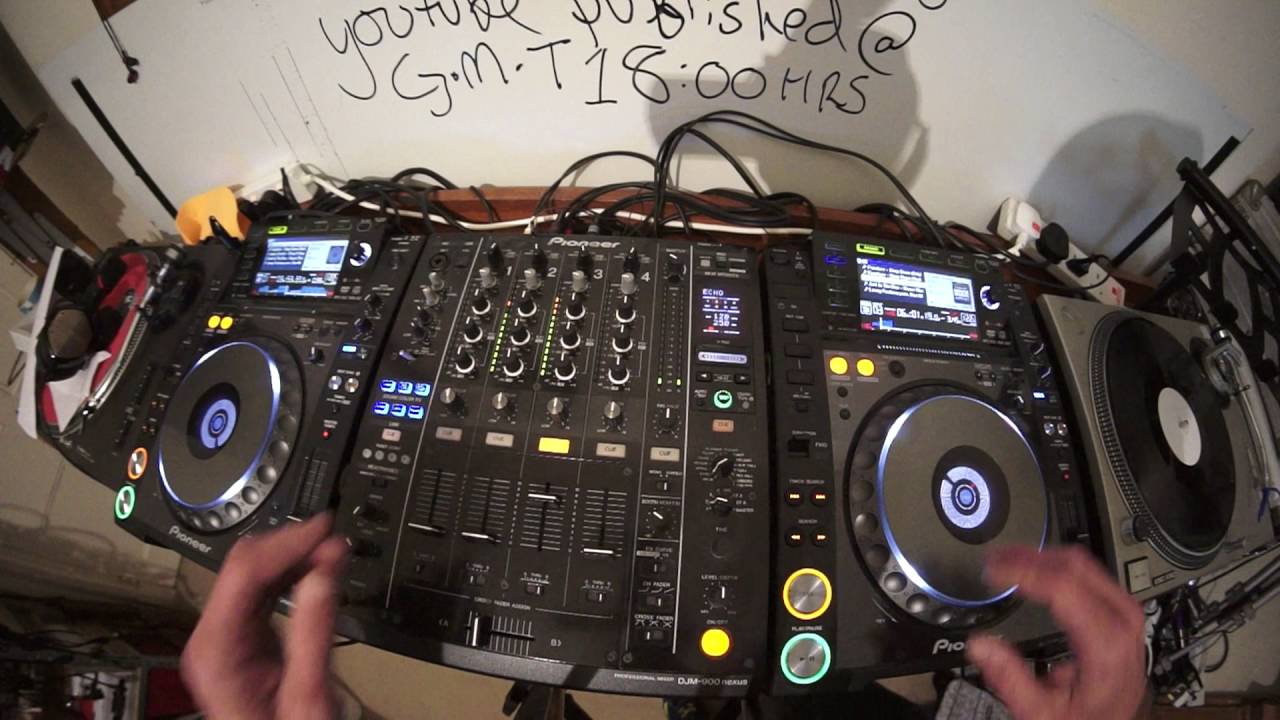
 49:59
Constructing a whole mix in key, step by step
On YouTube this video is called DJ Lesson on Constructing a Mix in Key Step BY Step Ellaskins the DJ Tutor
What this lesson teaches
The longest video in the curriculum, and the format is what makes it valuable.
What it is
He constructs a whole mix from scratch, using the Camelot wheel, and talks through every decision as he makes it - which track, why that one, what it does to the key, where it leaves him for the next choice.
He is explicit that he wants to work with you rather than demonstrate at you, and that he will show how his brain works while doing it.
Why the length matters
Every other lesson in this course shows one transition. A set is not a transition - it is a sequence of them, and the decisions compound.
Choosing a track because it is compatible with the one playing is easy. Choosing one that is compatible and leaves you somewhere you can get out of is the actual skill, and it only becomes visible when you watch somebody make eight such choices in a row and occasionally paint themselves into a corner.
That is what fifty minutes buys. You see the consequences.
The observation he opens with
Worth repeating, because it says something about how widespread this knowledge is.
He has talked to plenty of DJs on Skype who had never heard of mixing in key. Some were not sure whether they were doing it right or wrong. Shown the wheel, the reaction was consistently a eureka moment - the thing they had been hearing and could not name suddenly had a mechanism behind it.
If you are reading this and the wheel is new to you, you are in large and competent company.
How to use this lesson
Not as something to watch through. Put it on with your own equipment in front of you and stop it whenever he makes a choice - decide what you would do, then let him tell you what he did and why.
Agreeing with him is not the point. Noticing that there was a decision to make is.
Contents of the video
0:00 On the Camelot wheel
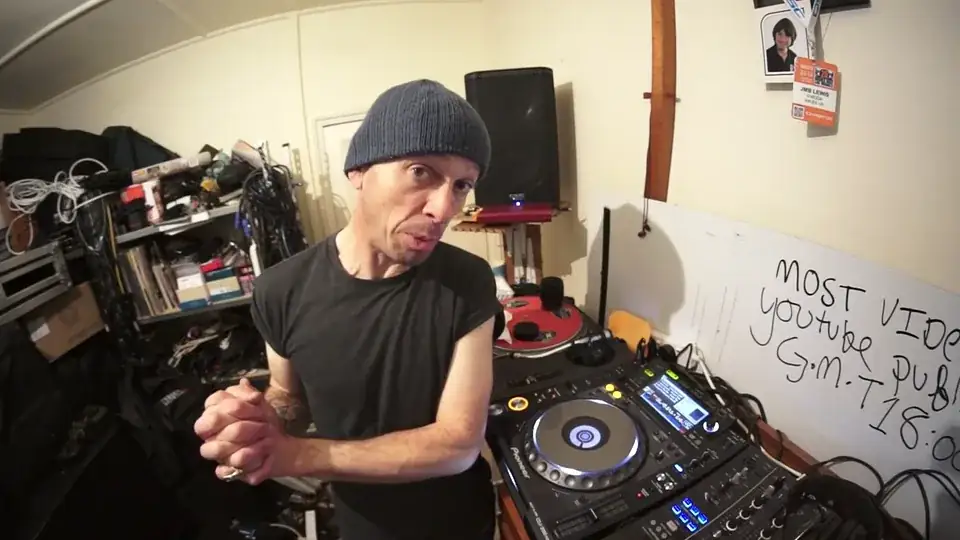
Alright guys, Jonathan the DJ Tutor here and this is going to be possibly quite a long video. What we're going to do is burp, construct a mix using tracks from Karmic Power Records, thank you very much Mr Lenny Fontana, and we're going to mix in key, we're going to use what's known as the Camelot wheel. Now if you're not familiar with that I will put a link in the description sort of about there, there, no down there, where you'll see more information on how to do it. On the Camelot wheel. Now I have talked to quite a few people on Skype and a few of them have never heard of it, they didn't even know what mixing in key was, they weren't sure about whether they were doing it right or wrong. Once I showed them a little bit about mixing in key, and also showed them the Camelot wheel, it was like bingo, eureka moment, it was like oh my god, this seems to make sense now and hopefully it will with you.
20:49 Listen track
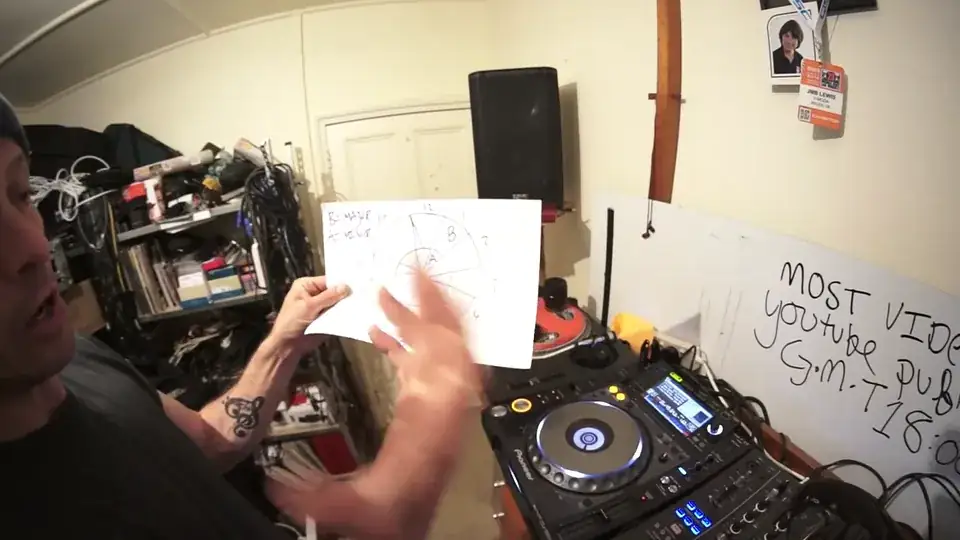
So, got a bunch of tracks, I've already sort of constructed one, one mix already, but I don't want to go any further because I want to sort of work with you and show you how my brain works. You don't really want to know how my brain works, oh my god, you do not want to know how my brain, it would bore you to tears, either that or kill you. Right so let's have a look at my version of the Camelot wheel, don't go away, right, oh you're still there, well done. Right now, I don't know if you can see that, ok B major keys A major keys. Now a good way of looking at them is minors, years ago digging out coal from the ground and they're quite deep, they're quite low down. So, a good way of remembering is a minor digs, a minor digs down in the ground and when you're down you feel low,
So the minor keys are sort of quite low and deep and vibrant whereas the major keys are higher, more euphoric, more up in the air and feel good. So, here's a tip inside this video, if you ever want to let's say build the crowd up, if you ever want to make the crowd feel a little bit more euphoric and happy, bung in a major key or a couple of tracks in the major key and you will not only see a difference, you'll feel a difference, the energy, the vibe of the room seems to just sort of like, it's a little bit like chucking a coin. I've seen people, marshmallows and putting marshmallows in their mouth and they're all really happy and jolly or they've just added acid or something like that. Right so, shut up, let's have a look.
Ok so, it's pretty much like a clock, 12 o'clock, 1 2 3 4 5 6 7 sorry and now on the outside we have, I've got here, I mean it doesn't matter inside or outside, it doesn't really matter. We have B major keys, I've got them on the outside and A minor keys on the inside. Now this is a simple way of looking at keys because you have sharps and all sorts so this isn't an in-depth way of looking at it from a musical point of view, alright? This is an easy way of looking at it but it will help. It will help immensely. So, what we're going to do in this video is we're not gonna jump because you can jump from left to right and all sorts but in a certain way. You can't just go from 4 to 1 and then nip over to 10 B and then go to 1 A and 9
You can't just go randomly all over the place because that's pretty much what you would have been doing if you weren't mixing in key. Just randomly selecting any song and going I'll put that one in and you're going well it's in beat, it's in phrase but it doesn't really sound very good but it's in beat and phrase so it's fine. It's not. If it's not in key you might as well not have it in beat or phrase because the idea is to make sure it's in key to get a good quality solid mix 3 major parts and minor In key In beat In phrase In phrase You get it like that and you've pretty much nailed it. Again there's more to it because you need to find the right tracks the right feel in the right tracks similar kind of tracks that work well together
You don't want to start trying to mix hip hop and house all night because you'll just blow your eardrums and people will get pissed off and start throwing bottles at you I don't want to do that
4:59 Stay maybe, rich moore, maybe tracks
Let's say for example before we go on the decks which we will a good way of beginning to mix in key and this is for a beginner start at 1 and then maybe go all your tracks just play a few tracks that are in the key of 1b or 1a and then maybe go to 2a so from 1a to 2a and then stay in 2a and then maybe from 2a go to 3a and then from 3a go to 4a What you can do as well you can go from 4a to 4b and then from 4b to 5b stay in 5b for a while and then from 5b maybe go to 5a so let's have a look down here and see what we have So, we have two tracks that are in the same key
I'm going to put that a little bit closer and we will give this mix a go Now let's have a listen to the end here This one here is Fracture A track entitled Deep Down Really good car Ok, Fracture KPR 101 And that's from Karmic Power Records Karmic Power Records 101 Ok, this one here is James Brach And this is Bring It Down Karmic Power Records again Compiled by Rich Moore Mixed by Rich Moore Official release date 29th of the 9th 2, something or other KPR 119 So it's KPR 119 KPR 119
33:19 Playing minute, track track, minute playing
Right so These tracks work well together because they are in the same key they are musically matched but that's not you know That's not all of it We need to make sure that when we do bring these two together They're phrased mix as well Now if we have a listen here I would say around about 16 bars in
8:30 Twiddle knob, slowly bring, bring bass
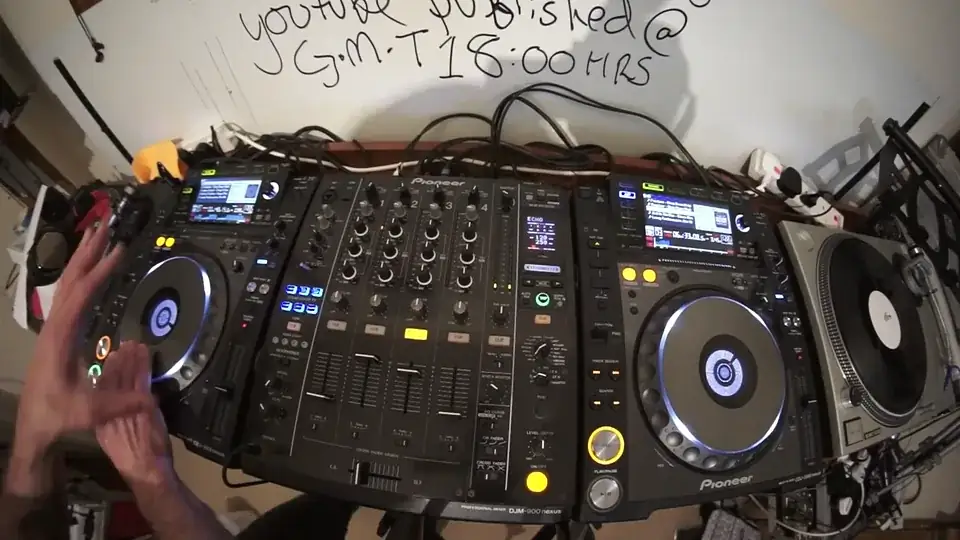
There We start having a melody
Again, long video Let's get this sorted from stage 1 Let's start Not just saying it could be Let's count how many bars we've got 1, 1, 2, 3 2, 1, 2, 3 3, 1, 2, 3 4, 1, 2, 3 5, 1, 2, 3 6, 1, 2, 3 7, 1, 2, 3 8, 1, 2, 3 Alright I'm not going to count any further because From the beginning of the track To where I set the first hot cue When I got to 8 bars We were half way In between that The beginning and A So that tells me that's 16 bars So if we go Sorry, just kicked something Let's have a look over here
Now there was a point here Where we had a break
There In the background you can still hear We've got that melody So let's count how many bars we've got With that melody playing Before the melody finishes Bearing in mind We've got about 48 seconds left Of this track as well
Now that is the beginning Of my next phrase Really important 1, 1, 2, 3 2, 2, 3 3, 1, 2, 3 4 5 6 7 8 9 10 11 12 13 14 15 16 Have a listen And There We've just got to kick So Potentially we could have A very good mix here So let's go back To that point there again My Beginning and ending phrase Just move back a little bit Now then What I'm going to do now Is I'm not going to use A cross fade I'm gonna turn the volume up A little bit I'm going to bring the bass down On the right hand side And I'm going to slowly Bring the up fader up As soon as I start this track Now I've already pretty much Beat matched them anyway So all I need to do Is start The James Brach track At the right time In the deep down track Slowly bring it in Bring the bass up And again
You know a lot of people ask When to take the bass in When to bring the bass out When to bring the treble in The mid out It's There's no set rule It's about How The tracks Sound Every single twiddle Of a knob Is different I mean come on Let's be honest You know You don't twiddle your knobs At the same time Do you You shouldn't Alright You know I mean You may want to twiddle Your knob now You may want to twiddle Your knob later on But You know Exactly what you're doing And it's It's a lot more fun Isn't it Because you can twiddle Your knobs As much as you want And I'll play this Here OK We're coming to the end of the phrase Slowly bring it in Again There's something I did notice Again That I didn't think of Earlier on With these two tracks Is
While The deep down track Was finishing At the end Of those 16 bars We just had If you have a listen There Apart from that Subtle Rumble Of a bass Bass sound In the background The actual Bass kick Finished After 16 bars Guess what On the right hand side The bass kick Didn't start Till After 16 bars So In a way There's no real need To mess around With the bass Because As one Bass Is finishing The other Bass Is starting To sing So This is why I said earlier You know Every single mix Is different You don't have to twiddle around All the time With bass Mid and treble The tracks Will tell you How much You need To mess around With them And again That just comes Through experience So Let's carry on Playing James Brach And let's have a listen At something else So
16:35 That cue Point Okay There
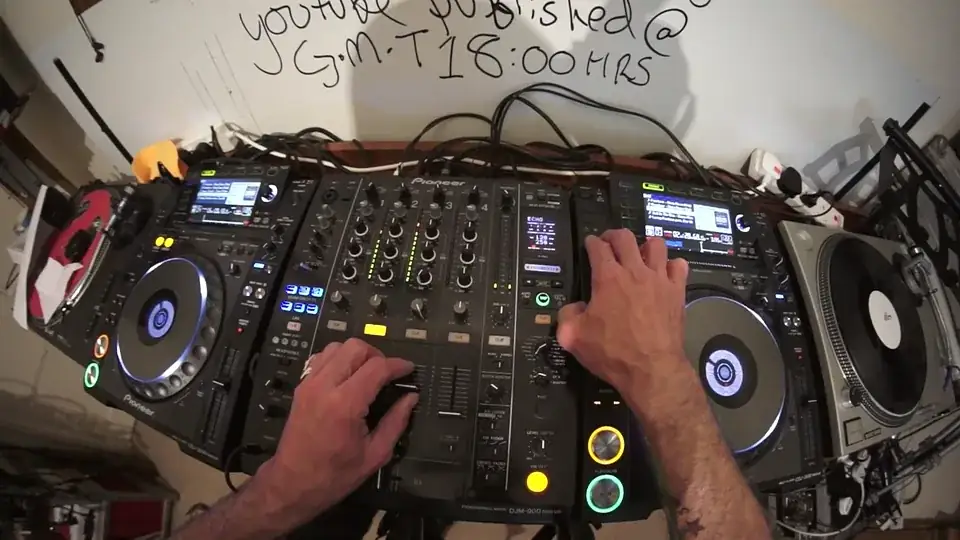
Well At this point What I'm going to do Is I'm going To try And choose A good time To bring The next track In But This time I don't want To do A beginning And end Mix Try Okay For a beginner It's Good idea Beginning And end Because You have An intro And an outro That will Make it The easier It becomes You may find That you want To be I don't know Just be Just look into It a little bit more Maybe think You know I want to experiment A little bit More I want To try And start Bringing tracks In In the middle Of tracks Not just The end And the beginning All the time So Let's have A listen To our Records Okay So What did I do I Found A cue Point On the Right hand Side Okay So Let's just Go to That cue Point Okay There Now Also I Started Here There Let's Just Start To Reduce The Mid Because
29:09 Three seven, three eight, seven three
We've Got A lot Of Melody Going On There Let's Have A Listen Again Now I'm Going To Try That Mix Again But Instead I've Got That Cued Up Bring The Volume Down Press Play I Know I've Got A Few Bars Before I Hit The Cue Point There Where I'm Going To Bring In Jerk In There If You're Going To Use The Camelot Wheel And Let's Say For Example You've Got 100 Tracks In A7 The Tracks You've Got In A7 They May Work On Track 1 Into 2 2 Into 3 3 Into 4 And So On And So On Then You're Wrong Because One Into Two Two Into Three And This Is A List That Is Completely Different To Track Three So If You're Trying To Keep A Nice Steady Flow On The Dance Law You May Find That As Soon As You Are Listening On The Headphones And Listening To The Vibe Itself Alright You Can Listen To The Track With Your Ears But You Also Need To Listen To The Song Then You Know What You're Halfway There Okay
25:01 Change
So Let's Carry On Playing Jerk In The Box Let's Go Towards The End Of This Track Just Trying To Get Into This One Here Which Is DJ Dextro And MJ White Again On Karmic Power Records I Will Get The Number Of This Track In A Little Bit When House Music Is Back Volume Three Okay So Let's Have A Listen To This Track Go Back To The Beginning Again Quite Jazzy It Does Get A Little Bit Soulful On Pass No Not That One Hold On Right No Sorry I Beg You Pardon This One Here Yeah That's The One I Beg You Pardon That Is The One To Go Back How Listen To This One Again You Know That That's More Kind Of Uplifting Disco Whereas This Here Yeah It's Got The Jazzy Vibe I Think It's Not In This Mix Because We're Trying To Keep It Quite Soulful So Let's Go Back To I Think It Was Not That One Yeah Okay Let's Just Take A Little Bit Of Time To Get A Perfect Cake They Don't Just Make It And There It Is
Or Yeah When They're Professional Yes Okay They're Able To Make A Little Bit Of A Little Bit Of Music And They'll Never Change But Music Will Change So It's A Very Similar Analogy But Not Exact Sorry Too Bad Now Then I Know I Can Make That Slightly Better By Moving My Start Point Eight Bars Back Because I Try To Form A Loop At The End Of The Next Change In Phrase Okay So One Two Three Two One Two Three Four One Two Three Six One Two Three Seven One Two Three Eight One Two Three Let's Try That Again I've Got This Setup Ready On My Headphones You Can Hear That So All I'm Going To Do Is I'm Going To Press B Which Is The Right Time To Do This So I Have Got All These Tracks From Comic Power Records It's So Much Better Everything Blocks Together So Much Nicer Okay So It's Too Much Vibe Going On So Imagine How We Do Want To Change The Vibe Let's Go To That Track Okay I Think
I Found The Perfect Place Actually So From Here One Two Three Two One Two Three Four One Two Three Five One Two Three Six One Two Three Seven One Two Three Eight One Two Three God House Music Is Back Volume Number Three Okay So Let's Press Play And Count How Many Bars We Have Before The End Of The First Phrase And We Come Out On The One Two Three Ten One Two Three Eleven One Two Three Twelve One Two Three Thirteen One Two Three Fourteen One Two Three Fifteen One Two bars of a break so what I'm going to do I'm going to start this track here eight bars in at the beginning of that break boom instead of then dropping the vocals in here we drop that track in there but let's have a look at this track here we're only gonna be playing I don't know a minute of it so is there any point in playing a minute well we're actually not gonna be just playing a minute we're
Gonna be playing pretty much the entire track but how can we do that if we're going to mix in the track on the left hand side in at a minute really simple now let's imagine we have or we are playing the track on the left-hand side the track we played prior to we're finding our other track which is what we did earlier on we found this track we find our cue point we set a hot cue which we've done then as the track that was playing earlier on on the left hand side is finishing we're bringing in the track in on the right hand side we let this play it can play carry on playing quite happily now again slightly more skill here but what I'm going to do is I am going to press the hot cue that will bring it to the
36:35 Somewhere else, place throw, monte carlo
Beginning of the phrase the break press the hot cue on this one so they both start at the same time and I've got to make sure when I press the hot cue here it works correctly with the phrasing okay that wasn't brilliant actually I'm not to be quite honest I'm not happy with that because that there's too much of a gap in between having a nice vibey kind of tune and something that's just bang full on so let's let's try try a different way let's have a listen and again it's like I said this is an experiment this is what happens I mean maybe we need to let this one fade out and fade that one in let's have a listen okay we've got that bass line in the background maybe this has to be a beginning and end let's have a listen okay again you see sometimes you know
The experimenting works don't just think that's the place to throw it in and then that is the place that you will throw it in try it there try it somewhere else and try it somewhere else and you never know the second try may be the best the first one may be the best or you never know you could have spent half an hour doing two mixes and then just chuck the third one in go to hell Eureka moment that's what it's like okay we'll try one more vibey track here we've got something that's still vibey bit more soulful more vocals I'm not liking that okay what I've done here we have Richmore Monte Carlo and it's Monte Carlo Deep the original mix again found on Karmic Power Records I've set or I will set a key point there okay let's just have a listen at the beginning of
41:16 Loop, track keep, start play
The track I'm gonna do something like that but not exactly the same as what I did just then let's go back a little bit right so the idea I've got is I'm gonna wait till the beat kicks in I'm gonna form a loop so we've got that nice kind of just well it's what I want to do is I want to keep this track going just try and keep it going for quite a while in the background I don't any melody or anything like that in this track I just want to keep that vibe the energy of that track and I can do that by of course forming a loop I want to also bring in bring in the beginning of this track so what I'm thinking now out loud is I need to form a loop as soon as we just get a kick and as soon as I form that loop I need to start to play this track so we don't all
Of a sudden have just a dip a loop and a beat and then oh two minutes later I'll start to play this track so what I want is I want as soon as that loop starts bring the next track in so the energy the vibe is still there so there's still there's always something going on so we don't have that beginning end beginning end and in the middle of the beginning and end it's just like this sea of tranquility where you've just got a kick and people are picking their noses and thinking what's happening so let's have a listen now again this is something that you'd be doing when you construct a mix and let's have a listen that lasted 30 odd seconds now we've got what have I done? wrong one let's go back a bit what I'm going to do
Is I'm not going to start my loop beginning and end of the phrase I'm going to sort of start it half way through let's go to about the 1 minute time
Start of the phrase
And I started that too early let's go back a little bit more playing the wrong track oh dear nightmare ok let's try that again one more time
Get ready to go in loop mode thought there was something wrong there
Again this video was very random it's one way of constructing a mix it is definitely not the best way but it is a good way of constructing a mix when you look at what's known as the camelot wheel now again looking at this and working with the camelot wheel will help but a lot of it is about using your ears, training your ears to think you know what that track it's not really working well with the track that's playing or oh that track actually works well with a track or I feel as though it would work well with a track I played 3 earlier it's experimenting now I hope that's been a help don't forget check out the link to the camelot wheel I'll put a link in the description and also check out Karmic Power Records all of the tracks used
In this video were from karmicpowerrecords.com thank you very much to Mr Lenny Fontana for letting me use his cuts from his label and I'll finish off with practice and enjoy thank you very much
This transcript was produced automatically from the audio of the video and may contain mistakes.