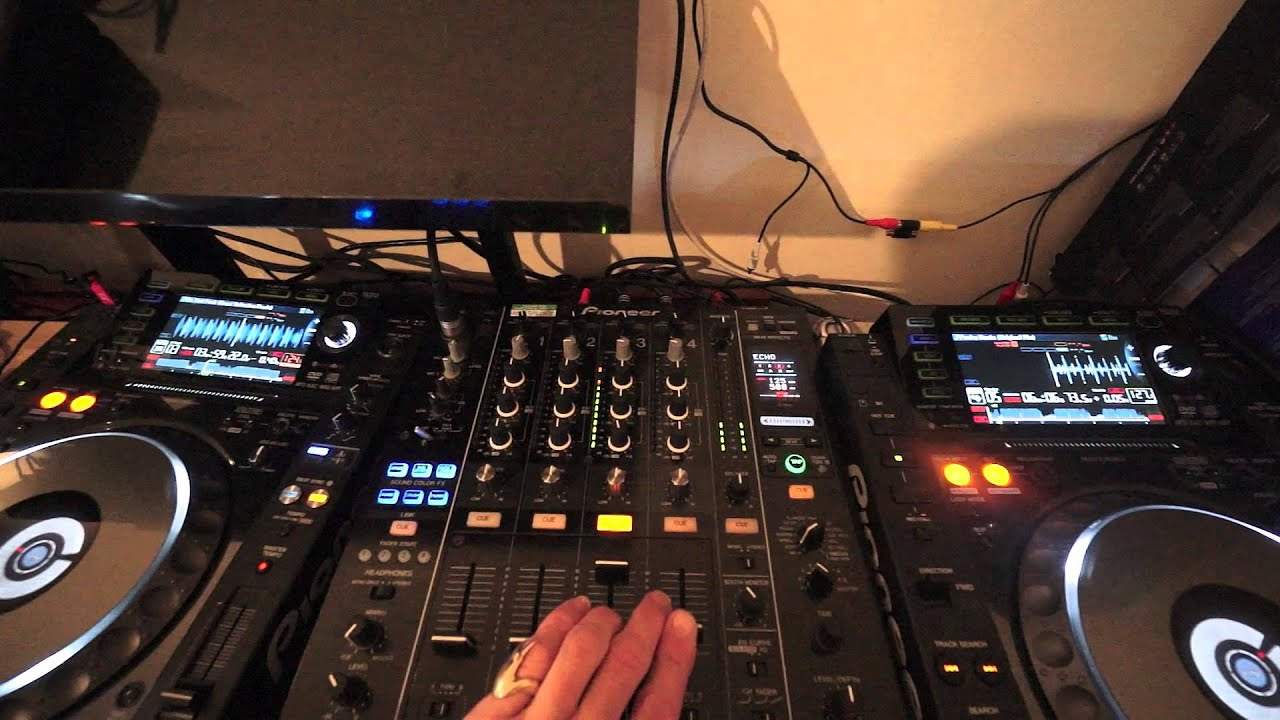
 7:18
Key and vibe together, using rekordbox
On YouTube this video is called DJ LESSON ON MIXING IN KEY AND KEEPING THE VIBE using Pioneer Rekordbox
What this lesson teaches
The best analogy in this course, and it corrects a misunderstanding that the wheel tends to encourage.
The roads
You are driving on a road. The road is a key.
Ahead of you are ten different roads, and every single one is the same key as the one you are on. All ten are compatible. All ten are harmonically correct.
And each one has a different vibe and feel.
What that corrects
The beginner's version of harmonic mixing is: find out what key you are in, look up what is compatible, play that.
But compatibility does not pick a record. It eliminates the ones that will clash and leaves you with everything else - which, in a decent library, is still dozens of tracks.
So the wheel is a filter, not an answer. It narrows your options and hands you the actual decision, which is the one that was always the job: which of these should the room hear next?
Choosing between the roads
His criteria are about energy and direction. Where do you want the floor to go? Should it stay at a constant, lift, or slip off slightly in another direction?
Those are not questions the software can help with. They depend on what has happened in the last twenty minutes, what the room is doing, and what you want the next twenty to be.
And the caveat he raises
Even when two tracks are in the same key, one of them may have a quality the other does not - a vocal that changes the register, a different weight, a different energy.
So in-key is not interchangeable. Two records at 8A can send a room in opposite directions, and knowing which is which is experience rather than notation.
The useful summary
Use the wheel to avoid the mistakes. Use your ears and your memory of the room to make the choice. The first is mechanical and can be learned in an afternoon; the second is the thing you spend a career on.
Contents of the video
0:00 It's great to do HD videos finally
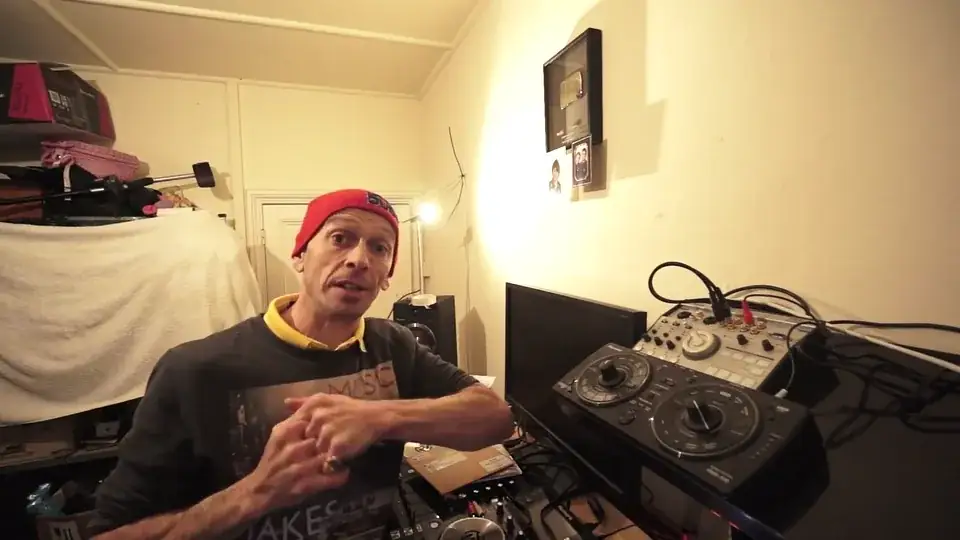
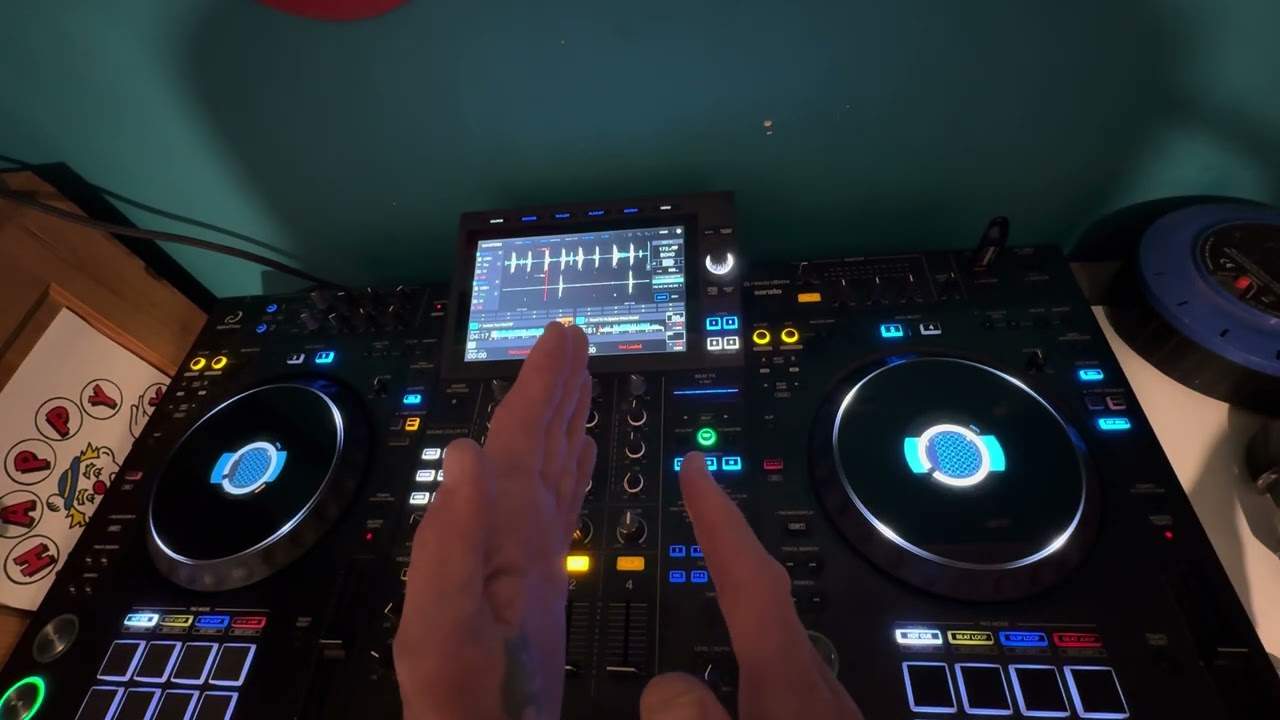
Alright guys, it's great to do HD videos finally. People have always been saying get a better camera. The camera's fantastic, just my upload speed's been crap. I'll give you an example. A 10 minute video would have normally taken me 24 hours to upload. Now, maybe about 20 minutes, so I'm happy with that. This video is all about mixing in key, but not only mixing in key, making sure that the two tracks you use work perfectly together. So, for example, let's take this analogy. You're on a road in a car. The road you're on is a key. A key in a track. B major, B minor, C, A1, A3, however you work and use keys in the mix. In front of you are 10 different roads. Each one of those 10 different roads is exactly the same key that you're on.
So, you're in A1. Every single one of those is A1. There just happens to be 10. A1 times A1. You could, for example, go on to A11 or you could go on to A12, A13, A14 and so on. But every single one of those other 10 roads will have a different vibe and feel in itself. So what you need to do is you need to be able to recognise the vibe that you want to take, the road you want to take, the energy you want to pass on to the crowd. The feel you want the dance floor to take from you. So it stays at a constant or maybe just slips off very slightly in another direction. Now, even if you mix in key, you may find that you have one track you're playing has a certain feel and you bring in another track that has the same key.
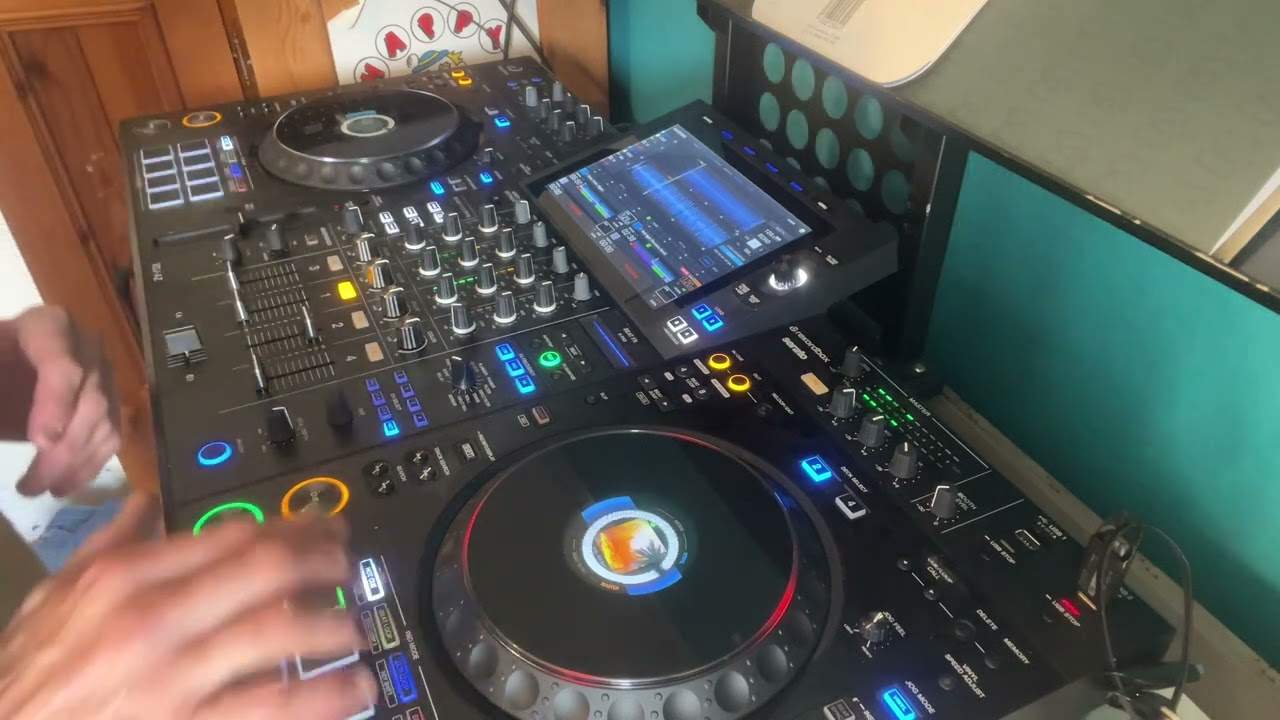
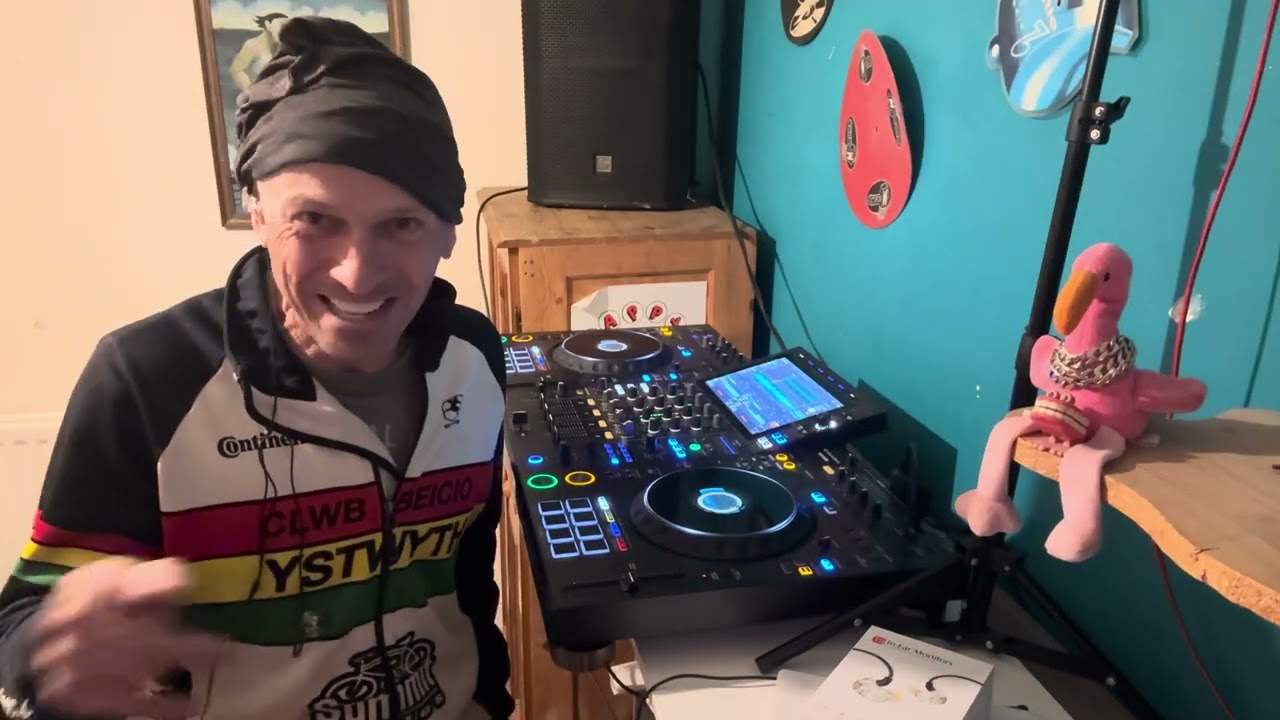
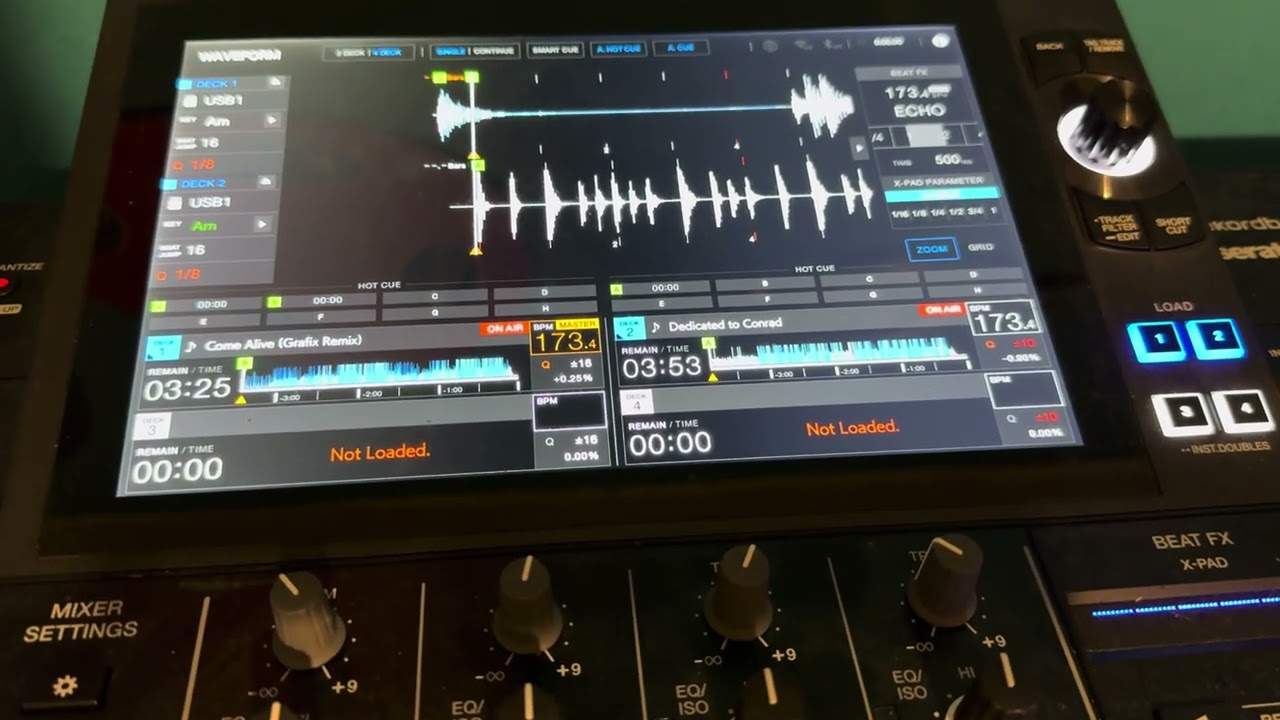
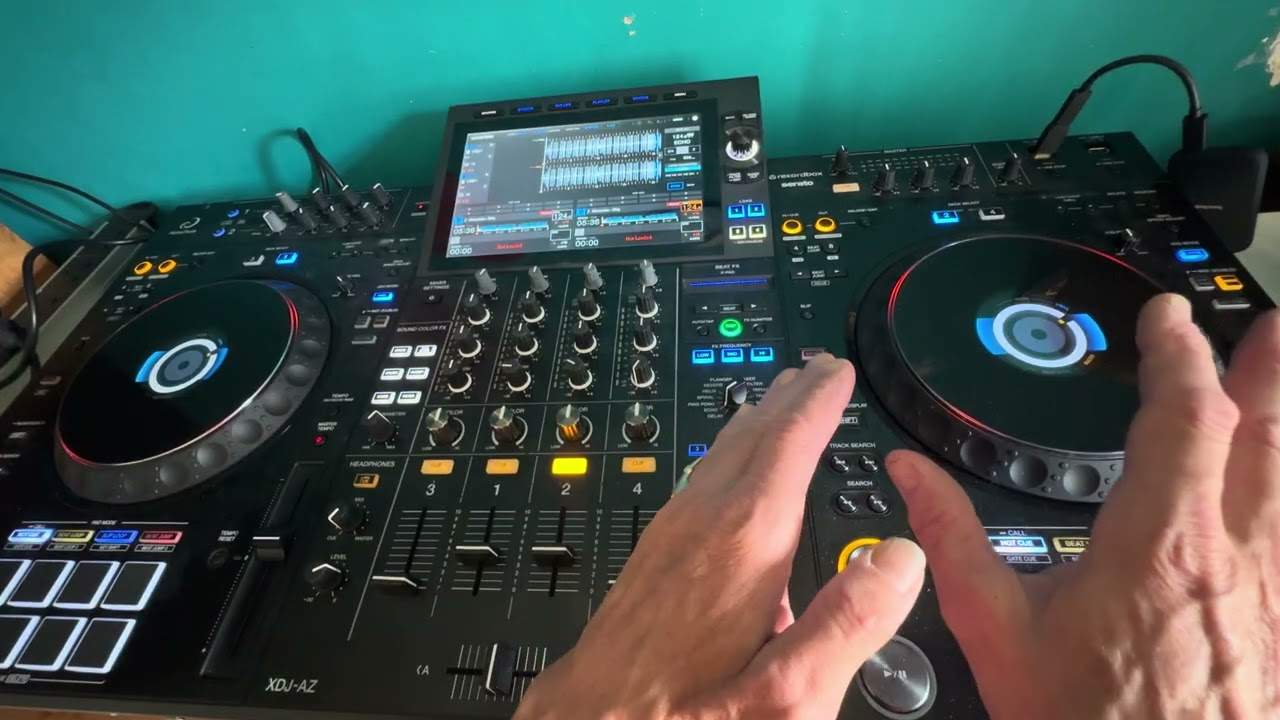
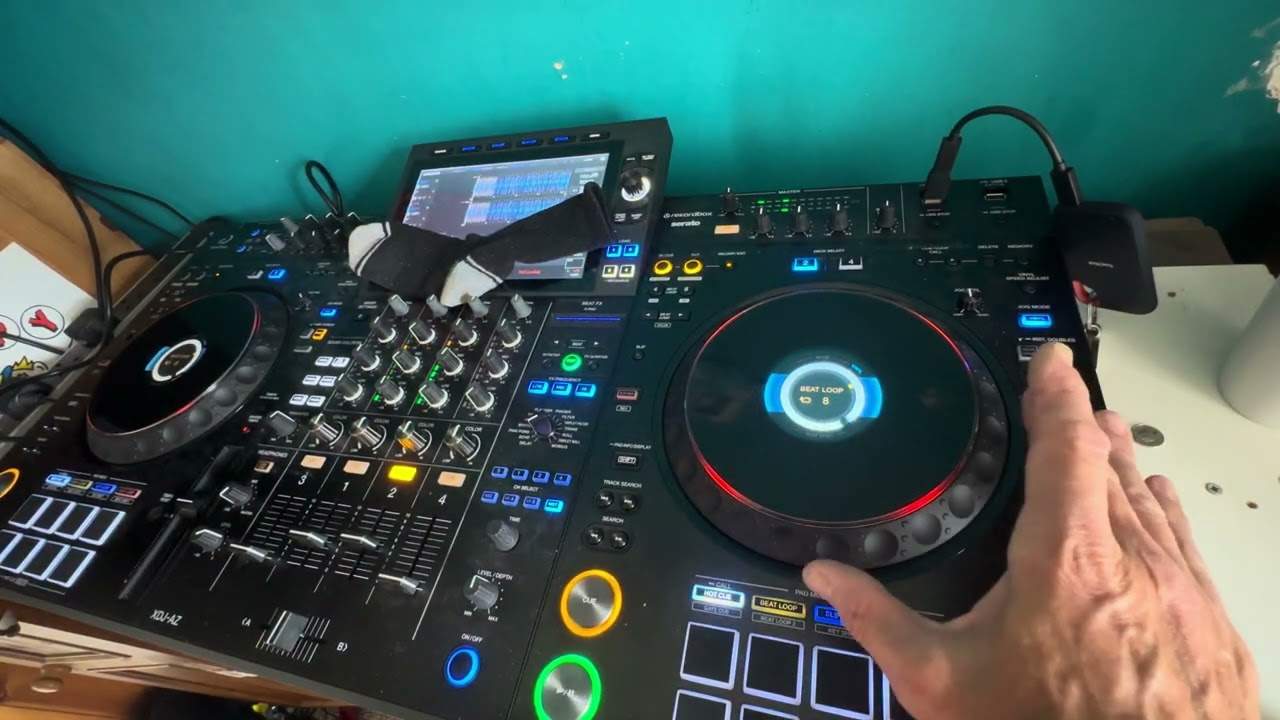
Should work. It does work. It's fine. But is it the same? Does it give the same energy as the first track did? So in this video I can show you. That not only I can show you that, you'll be able to see what's going on on the players. So I'll just move the camera around a little bit like that, turn it at a different angle and hopefully we will be able to go for it. So the first mix you will hear is two tracks, same key, same feel, same vibe. The next mix it will be, by the way, on the left hand side, we'll class this as track one on the right hand side. We'll class it as track two. And then on the right hand side, we'll class it as track three. So the first mix will be track one and track two. The next mix will be track one and track three.
Okay, so the one on the left hand side is Do That Funk. It's the Konky selection mix. C-O-Q-U-I, there you go. On the right hand side, Funky Beats. So I'm just going to press play here.
2:56 We've got a good funky feel
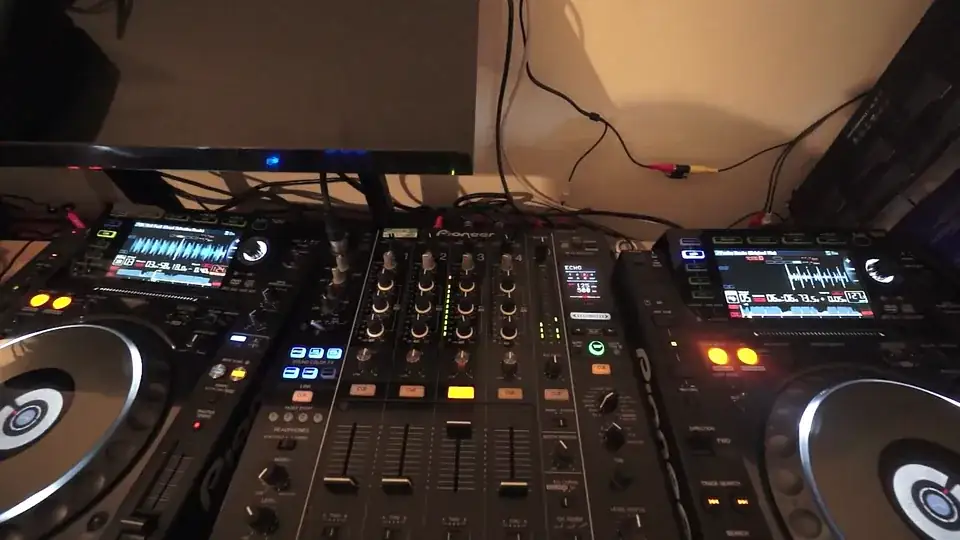
Okay, so we've got a good funky feel. A good nice bit of funky disco energy, and I have set cue points just to help with this tutorial as well. Not using headphones, so do beg your pardon if it goes slightly off. Yes, I could use the beat sync, but don't like doing that kind of thing. It's crazy. Okay, and this one here, Funky Beats.
All right, so I'll press play here. And what I've done, I set a cue point. I think it was B or C. Just for my music. Just for my reference, so I know where to bring the next track in.
I mean at this point if I wanted to, I could be using effects. But what I find is using effects in the mix can destroy the mix. You're better off just a bit of bass and treble usage, and use effects after the mix.
4:15 Let's filter Do That Funk out
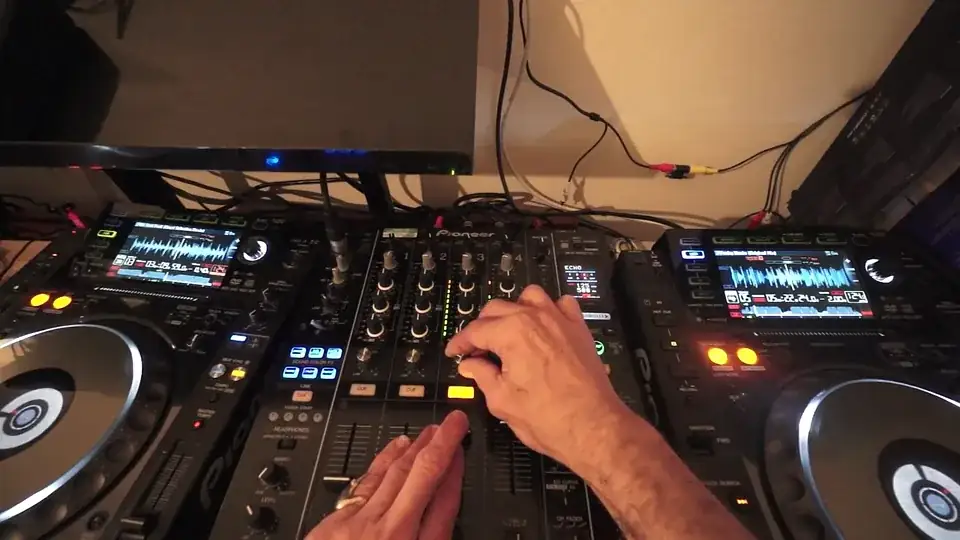
Let's filter Do That Funk out.
There you go. Okay, so what we've done, we've not only used tracks. In the same key, we've used tracks with the same feel, vibe, energy we've kept on that road. Right, let's go back to Do That Funk. Now I'm now going to select a different track. Okay, so we'll try this one. Let's have a listen first of all.
Just cue it up. Okay, right, that's 124.5, 124.5 and I'm going to bring this one in. At the same point where I brought the last one in. So let's just go back. Oh, there you go. We're roughly around about where we started off from to begin with anyway. Yeah, it's our cue point. Okay, here we go.
Keep the bass out on the one coming in. Be better, but I'm not using headphones or anything like that. But if you listen to this track now, it's a lot deeper. There's a lot more of a deeper vibe. So right, let me explain something. Let's go back to the analogy I did with the roads. You're on this road. The road directly in front of you is a track that's not only the same key, same feel, same vibe, same energy, same everything. If it's funky house with an uplifting feel that you're playing, you want to be playing an uplifting house with a funky feel in front of you. If the big question is, of course, if you want to keep the dance floor on that same constant, the track I played the second one. If we look at the left.
Yeah, sorry. The left of that is uplifting the vibe, and the right of that is just maybe downgrading it slightly. Then that track over there would may have been one of the roads to the right. I hope you understand this analogy, and I hope you get it on. I hope if you take this on board, it will help your mixes immensely practice and enjoy. Thank you very much.
This transcript was produced automatically from the audio of the video and may contain mistakes.