 13:04
DJ Lesson on Mixing Old School Disco Salsoul with No Constant BPM BY Ellaskins
Contents of the video
0:00 The explanation is far more important than the demonstration
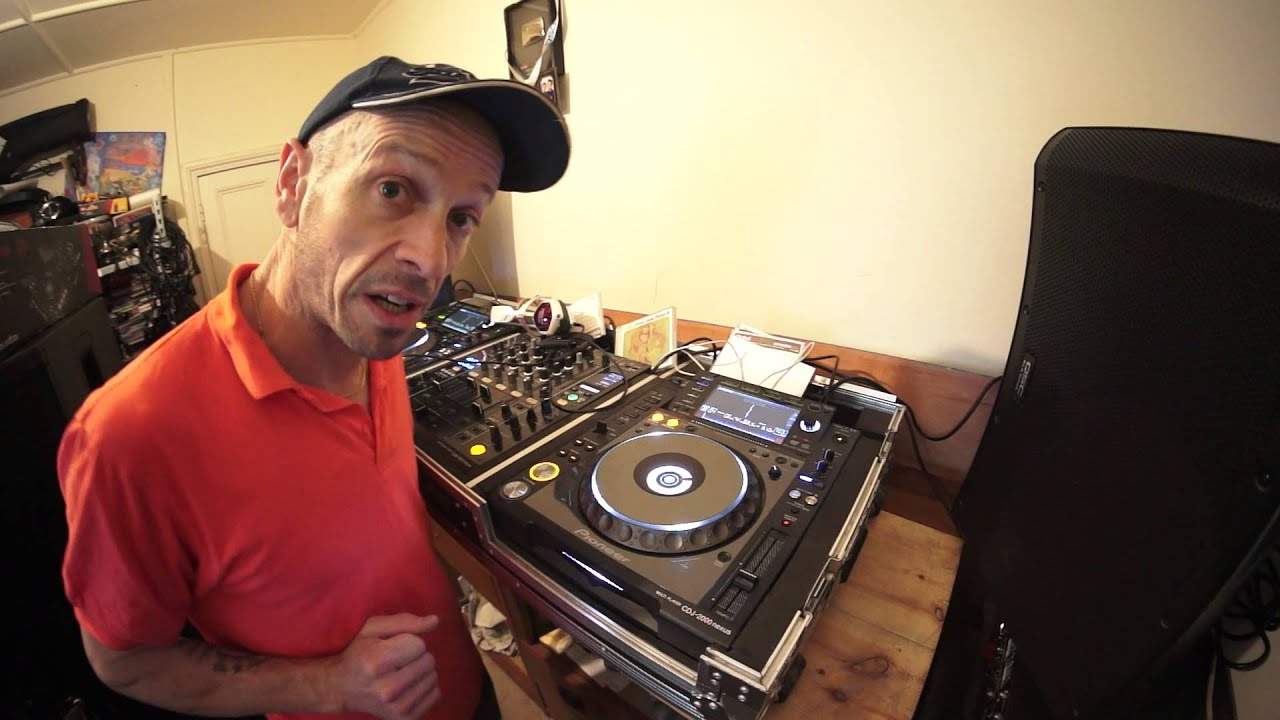
Alright ladies and gentlemen, we are going to be mixing some old school disco or rare groove, salsol, whatever you want to call it. So a lot of this video is going to be explaining what is going on. Now the explanation is far more important than the demonstration. You have to, you must listen. You've got to understand this, otherwise when you start to formulate some form of old school disco mix, it's going to be all over the place. It's going to be off beat, highly likely it's going to sound terrible and you're going to look an absolute bloody idiot. Okay, so you've just started DJing. Maybe you've been DJing since the mid-90s or maybe you are a pucker DJ and you started five years ago. You're in clubs and you know what? EDM is
You. But at some point, at some point, it is inevitable. You will be asked to do a house party. Someone will knock at your door and say, it'll be Aunty Joan from, you know, up the street, you haven't seen her in 10 years, and she'll say, listen Jimmy, listen Samantha, I need you to do my house party. We've got a few friends coming around, please do it. You will feel obliged and they'll want possibly, highly likely. It depends on the age group. They'll want old school, they'll want all different kinds of music. If you're only used to mixing EDM, which has a constant BPM and then all of a sudden you're asked to mix old school disco, you could be up shit creek. So bear this video in mind and watch it again. Understand it. And you know what? Everyone's as happy as
Larry. I'm just going to have a swig of the old drinky here. Okay, so two tunes I'm using by the way are from this album. It's Salsall Presents Disco Funk Flavours 2. There it is. Now I highly recommend this. I haven't been told to promote it. I just highly recommend it because it's got some really good disco flavours in here. These are the original cuts. Now a lot of people as well, you know, are full on for the modern day vibe. But if it wasn't for the old school disco vibe, we wouldn't have a lot of the tracks we have today. That is fact. Because a lot of the EDM and new school, all sorts, even hip hop R&B and soul, the new school tracks of today have sampled parts of the old school tracks. Chic Le Freak, a good example. I mean how many people have sampled that good times? How many
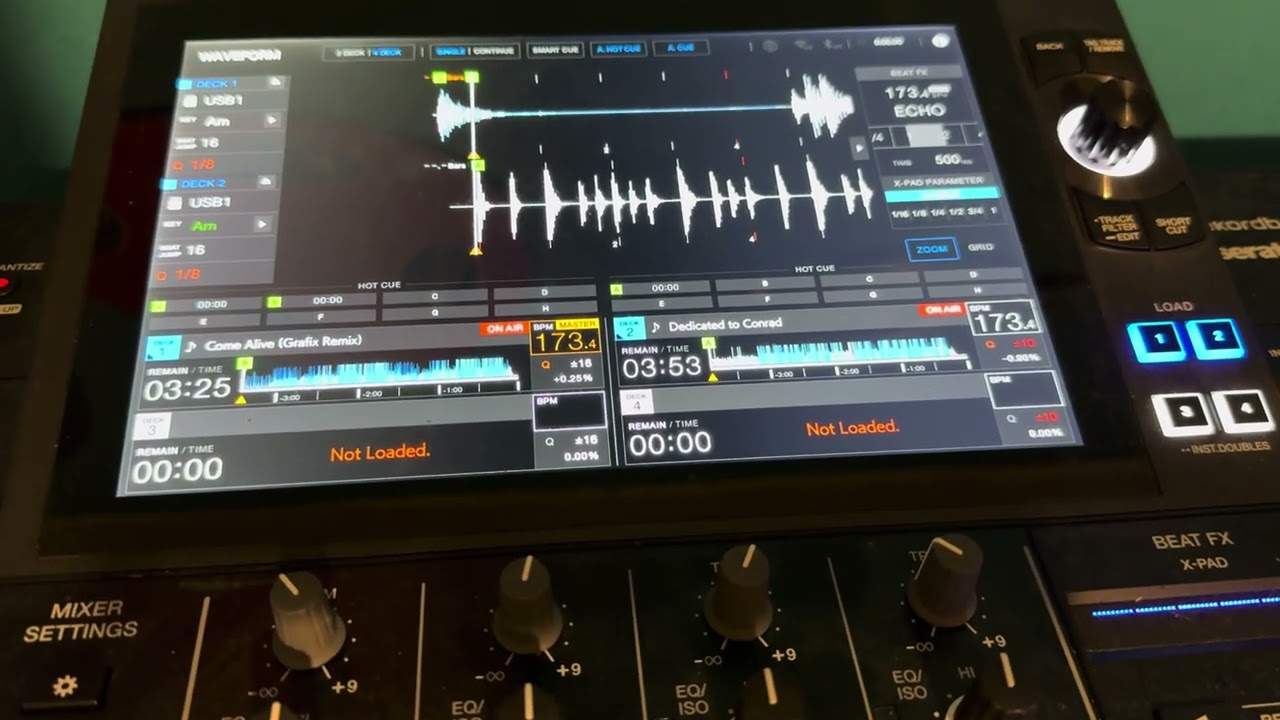
Times have you heard the good, good, good, good, good, good, good? Say no more. Okay, so in this video, I'm using track four from Disq. Number one, Dance, Dance, Dance, Claudia Barry, which is this. Have a listen.
3:08 You wouldn't normally have these as monitors in a room
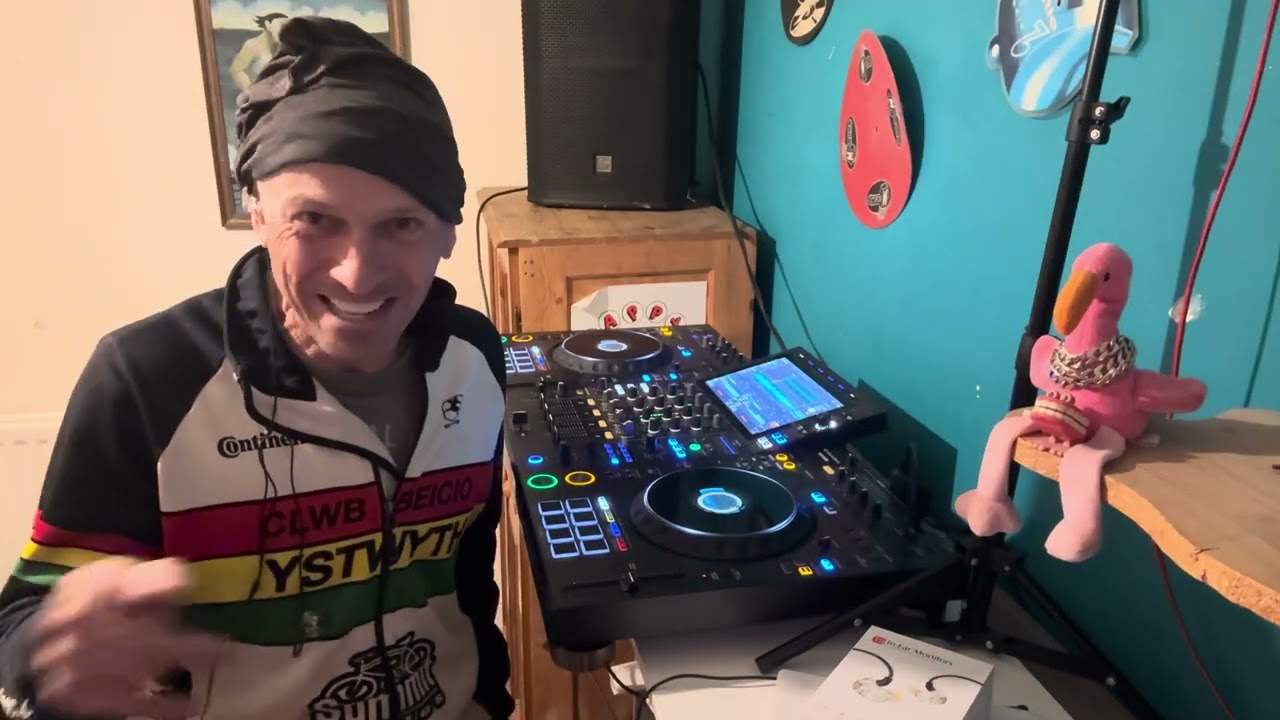
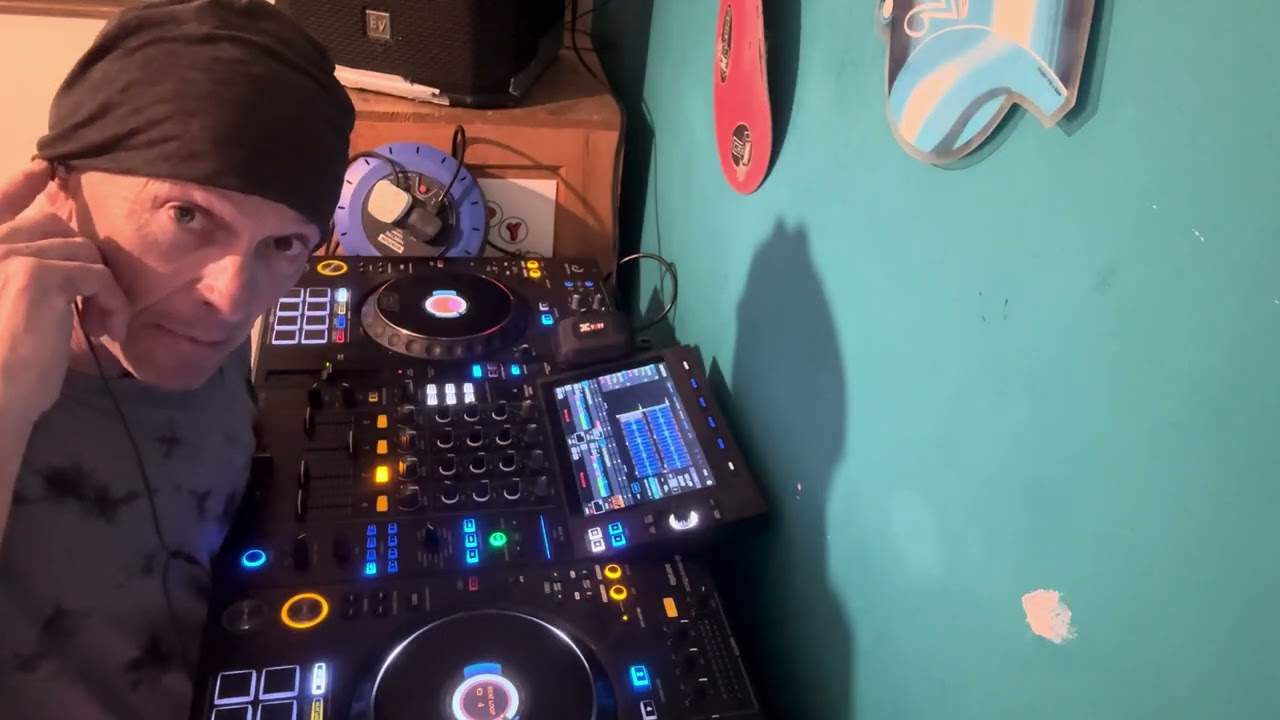
I'm sorry, I'm just laughing as well because seriously, I've got some QSC KLA Align Series speakers here for monitors. All right now you wouldn't normally have these as monitors in a room. But what I can only describe about the sound it's like, it's like actually having the physical person next to you
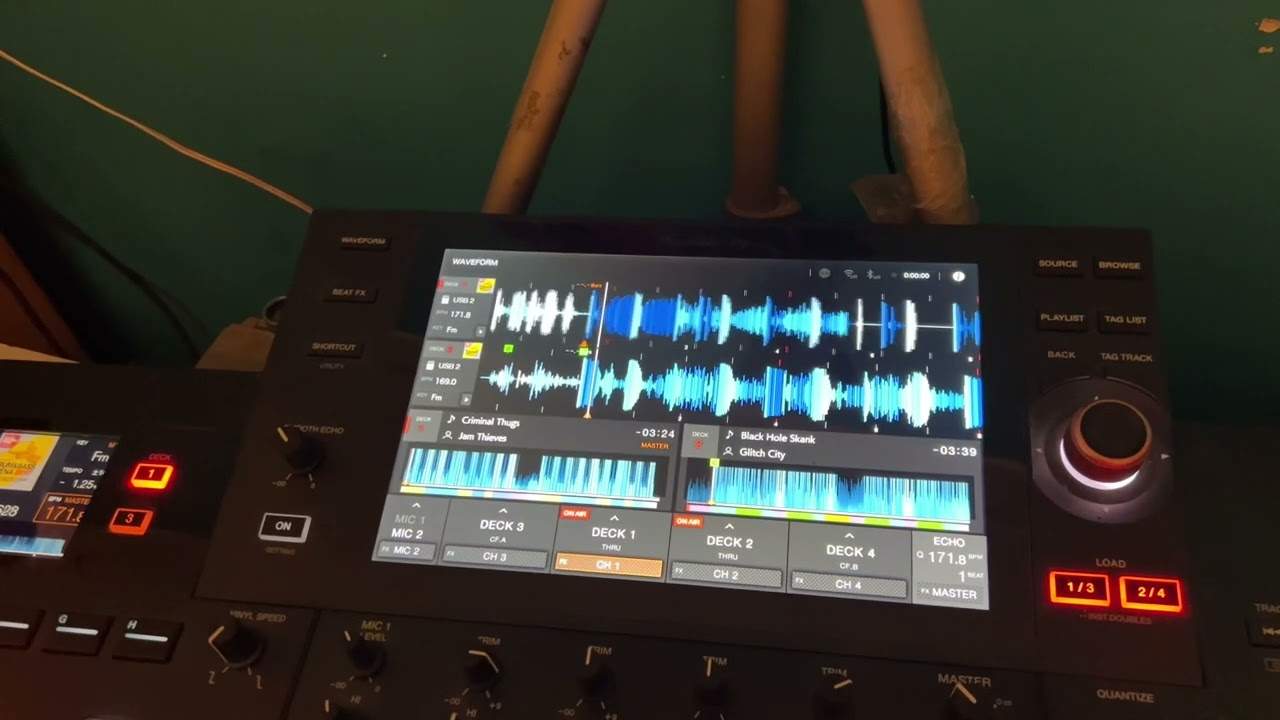
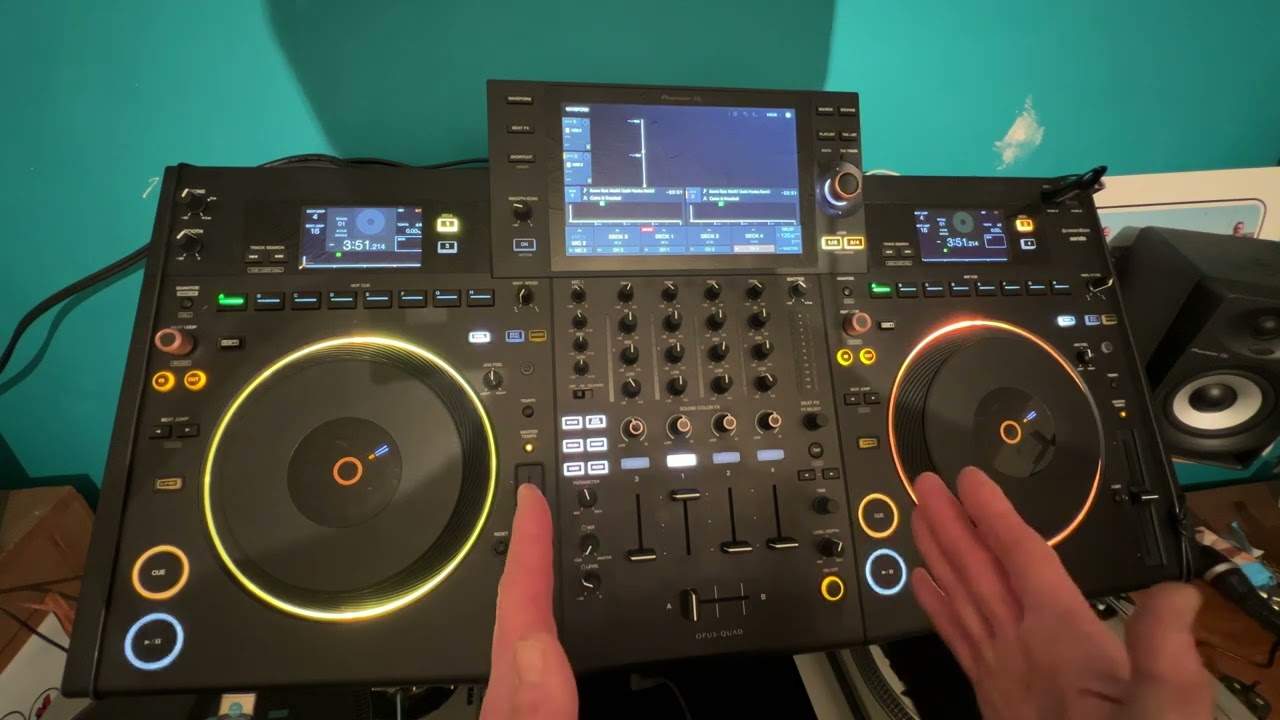
Talking, singing. The sound is so big. It's like just in your face, it's there. You've got to hear it to believe it. And anyone who was at the BPM show will just be going yeah, it is. I mean we never had a chance to even turn it up like to number two. Bear with me a second. No, sorry, just kidding. But it's a wonderful sound anyway. Sorry, back to, ow, that was my elbow. Right and on the left hand side track number three, Cosmic Dust, the instrumental version of Cosmic Dust. by Sharon Bailey. Okay, so the easiest thing to do is just Google that and then you'll know the tracks instead of could you write the names of the tracks down? So let's have a listen.
4:18 Where's this video going?
Okay, right. So where's this video going? It's more of an explanation than a demonstration, but I will demonstrate now I would say most off or let's start again practically every single modern day evening. The only time that a BPM track will be at the same BPM, the only from beginning to end. The only time they will ever fluctuate is if the producer or remixer has intended for that track to speed up or slow down very quick example, which is actually sort of late eighties in fact, which is little Louis French kiss. Did it? Yeah. And then it went that. Yeah. Uh huh. Uh huh. Uh huh. Yeah, sorry. Um and then and then it speeded up again, but pretty much all the same BPM um asthma, but I get used to it. So the opposite with old school disco because it was made by real people, real people, uh, the occasional drum
Machine, but real guitars, real bass. So the BPM will fluctuate. Now, this is where I need you to listen. Let's imagine you are playing one track and then so you've just mixed in this track. It's just come into the mix and you get your next track ready and then a third of the way through you beat match that track but you've beat matched that. This is important. Beat matched this track a third of the way through this track and then you wait for the end of this track and then you start to bring it in. No, I'm not saying it is. It will be, but there is a good possibility it will be out of time off beat why you're thinking? Well, you've already beat matched it. Why should it be offbeat? It should be the same.
Well, it it's highly likely it will be offbeat because during the course of that old school disco track the BPM has fluctuated very slightly because there are real people playing real instruments, not a drum machine going to giving you a perfect BPM beats per minute. So this is my advice now. This is where you have to construct your mix if you want to get it perfect. What you need to do is you need to find the point in the track where you are going to mix the next song in. Then you beat match. It at that point. So where you're going to do your mix is you've beat matched it, you know, it's perfectly in time with that point in the track and then of course you mix it in of course at that point, but you will make note of where you're going to mix it in.
So it's pretty much the analogy I'll give you is remember the old school maps. Now it's just you look at a box and directs you in some direction, some foreign language, or Chuck's verbal abuse at you if you turn the wrong way. Well, let's look back at old school maps prior to your journey. You would set out your journey. Well, you would, you'd set out your journey. You'd say, well, I go along the M3 then over the M4 and then she'd have almost like a list of where you're going. Well, this is pretty much exactly the same. If you don't have your list, you don't know where you're going. So your list is pretty much the BPM of your journey. So let's have a listen. So if I go to,
There's a bit more to this as well.
So loving that the sound is just beyond actually.
So I'm going to start mixing it in here.
8:51 You know, we've got two bars
That was slightly off there as well. But also you see that this is where this video could go any direction at all. So work with me now that track over there had two bars and then we came in with the bass line. So you know, we've got two bars. So if you're not very good at beat matching, that says you've pretty much only got two bars before belched.
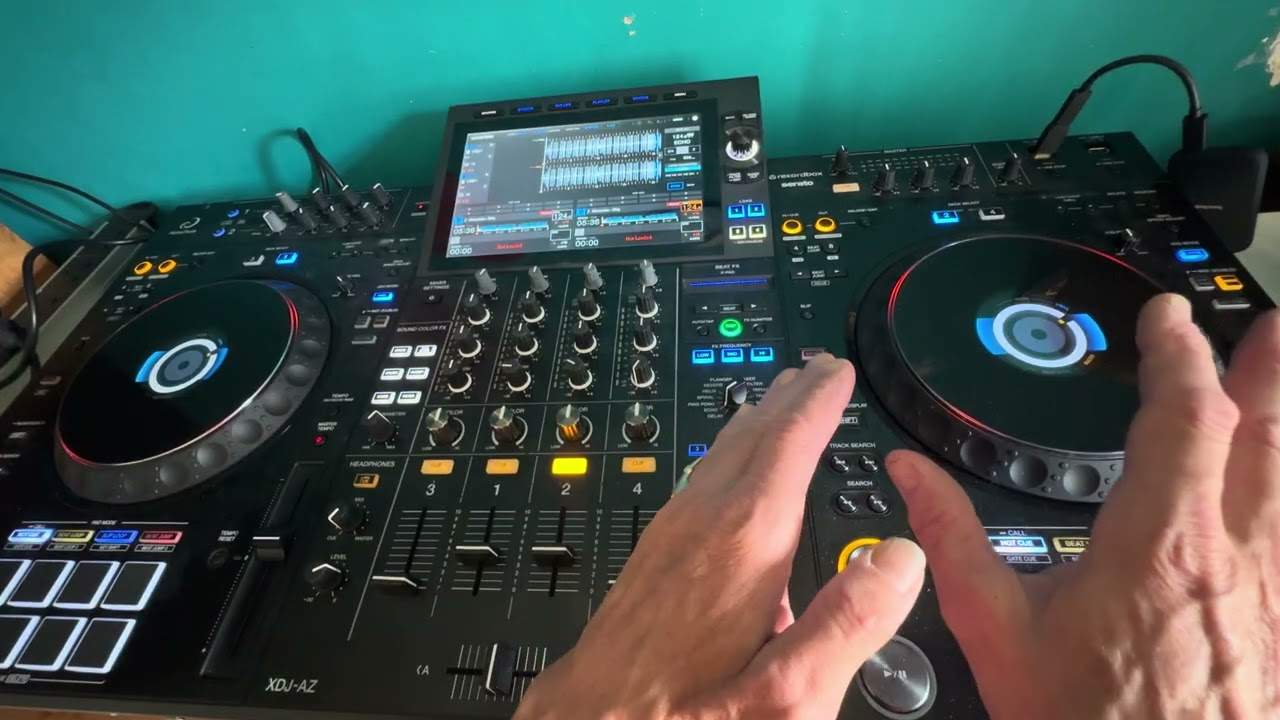
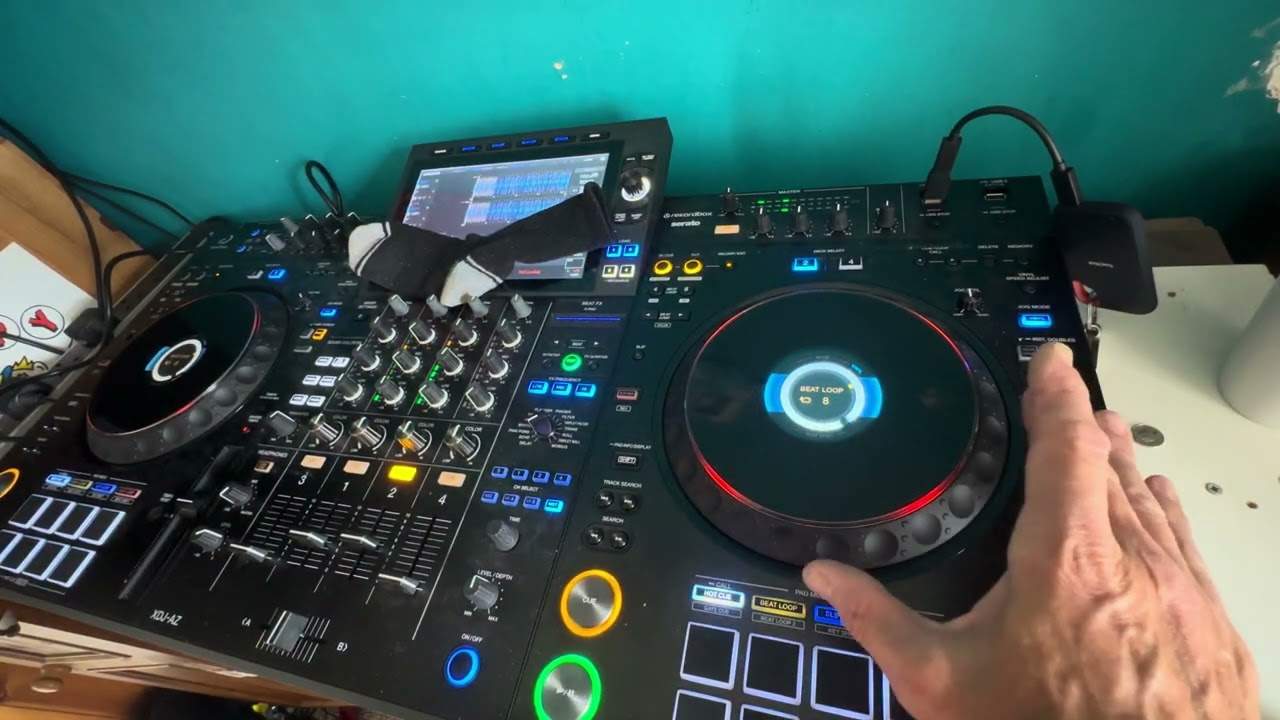
You know what? Some people say, yeah, why don't you edit? And I'm thinking so that I'm not going to edit anything. This is how it is, mate. Yeah, you've got two bars and then the track comes in. So how do we get around being able to mix a track perfectly in beat? In time with old school disco, when you've only got two bars and you want to bring it at a certain point and Bosch. There we go. Well, you form a loop. So right, I'm going to hit loop mode now this track here as soon as it starts, it's on its first kick.
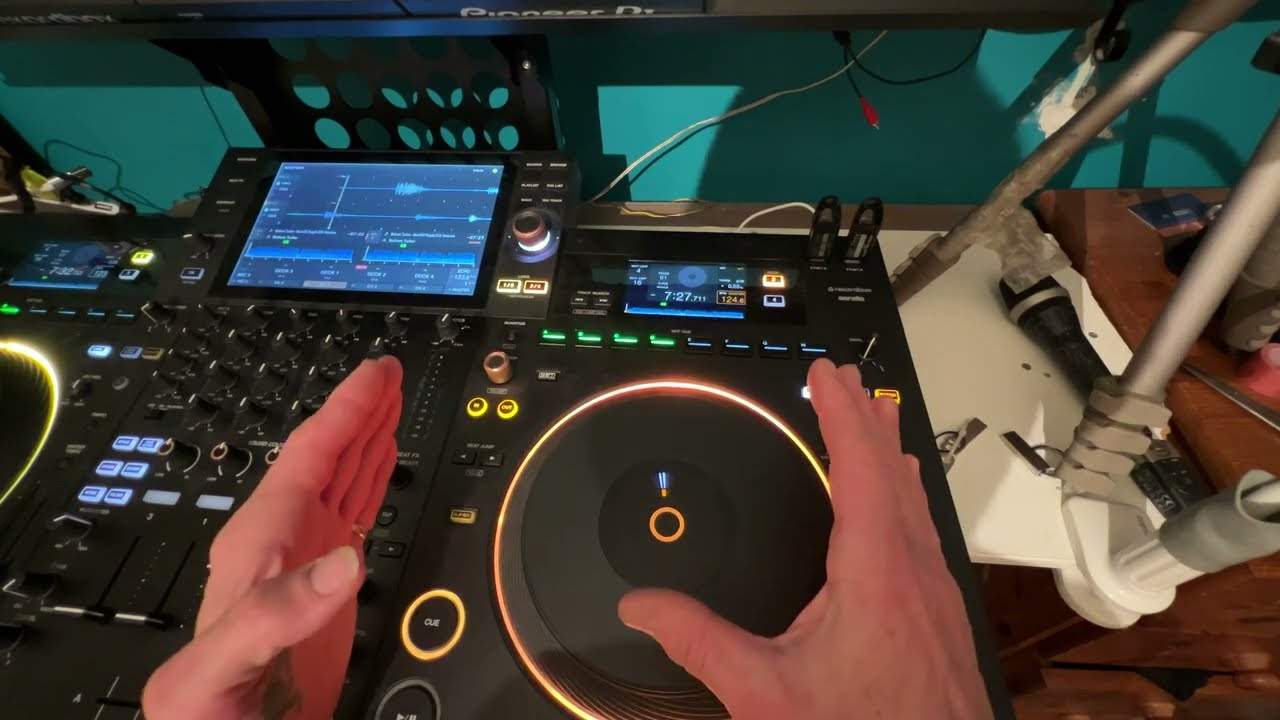
9:54 I'm just gonna press number eight, which is two bars
I'm just gonna press number eight, which is two bars. And now I've got two bar loop. It may not be absolutely perfect. It's damn near perfect. But now I can just carry on using this over this track until a such time as I want to bring it into the mix. So here we go. Okay, so now for me that sounded pretty damn good. It was pretty on time as well because I thought about my mix before just chucking it all together. So no, this video really, I'll be honest with you is targeted for the new DJ to say like someone who's been DJing for quite a while. Now, the pro DJ out there, you'd be looking at this thinking, I know that I can do that. Well, of course you can because the pro DJ would be playing a track pretty much all the way through partying having a load of fun.
Just flick to another track and he or she would know that. There's no point beat matching the track at the beginning of one that's playing because during the course of that track, the BPM will fluctuate. So the pro DJ will know when the point comes in when he or she wants to bring the next track in. They are not only going to have to think if you can't do it and they're not only going to have to think like hyper fast, but they're going to have their fingers on that pitch and move it around and keep it in time. Now, some tracks out there. The BPM is so off that if you have the pitch say there and it's in time for the first two or three bars, you can physically hear it go off because all of a sudden the track will speed up or slow down.
A perfect example. You try this is get Sylvester. You make me feel mighty real. And you have that and then did it did it did it did it? The BPM changes. Did actually I'm not sure if the BPM changes completely, but the drummer when he's going to do it like that. It's all over the place. And if you thought your beat matched at one point as soon as that did it did it did it comes in? It's off. Try that. All right, go and check it out. Disco Funk flavors. If you want practice and you want to learn how to really beat match, try disco practice and enjoy. Thank you.
This transcript was produced automatically from the audio of the video and may contain mistakes.