 6:08
How to structure your mix
On YouTube this video is called DJ Tutorial,How to structure your mix
What this lesson teaches
His definition of the gap this lesson closes is the right one. A good mix is two tracks in time where you can still tell where the join was. A pro mix is two structures fitting together.
What he does
He counts the incoming track and finds 16 phrases - 64 bars - before the vocals come in.
Then he looks at the outgoing track and finds the point near its end where the vocals have stopped and there are two phrases of just beat.
So he winds that record back 18 phrases from its end, and starts both at the same moment.
What happens as a result
The two run together for sixteen phrases. At that point the incoming track's vocals start - and at the same moment, the outgoing track's vocals finish.
No vocals over vocals. No basslines colliding. The first record hands over to the second at the exact point where one has stopped singing and the other has started.
That is a mix nobody can hear the join in, and it was achieved entirely by counting before anything was played.
The method, generalised
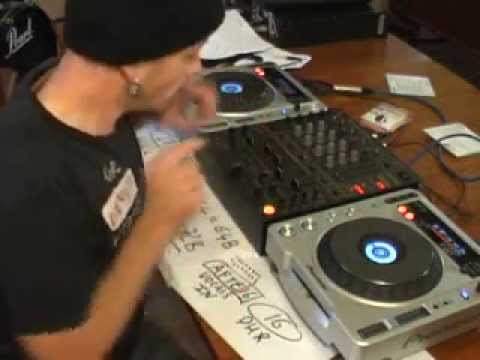
1. On the incoming track, count forward from the start to the point where the thing you care about begins. Write the number down. 2. On the outgoing track, find the point where you want that to land, and count backwards to work out where to start it. 3. Set both up and go.
He is explicit that you should write this on a piece of paper. At first it is laborious - three, four, five phrases, counted and noted. Eventually, he says, it becomes logical, and you stop needing the paper.
Why this is the step up
Beatmatching aligns two records in time. This aligns them in structure, which is a different thing and the one that separates a mix from a transition.
And his honest framing of who it is for: if you want something to listen to in the car, do not bother. If you want somebody to ask who made the CD, this is the work that earns that question.
Contents of the video
0:00 The melody, the key, the bassline, the beat etc
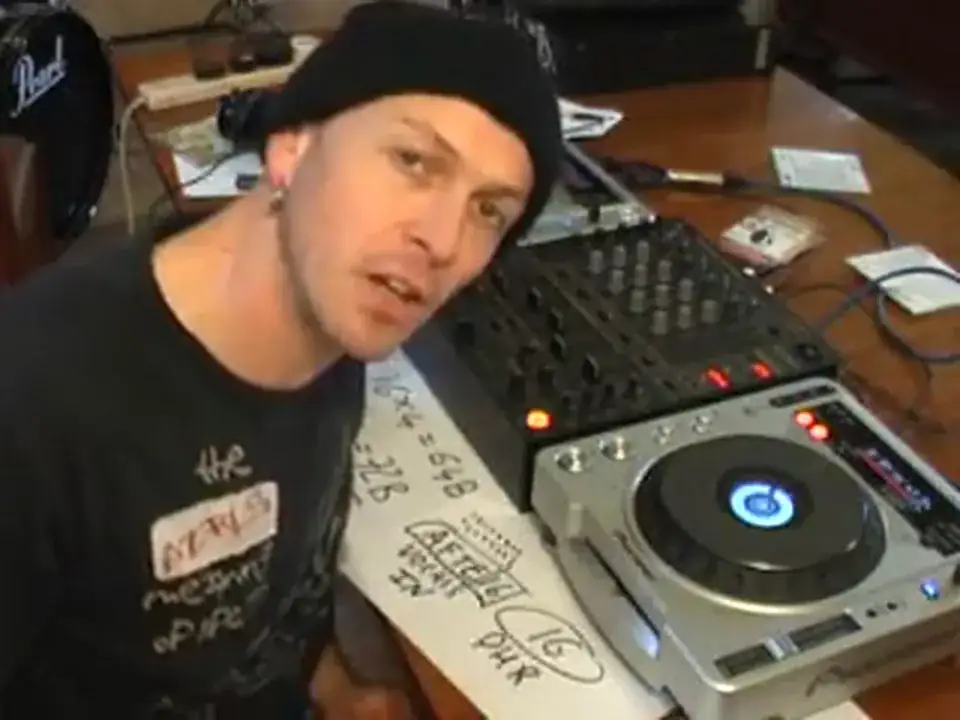
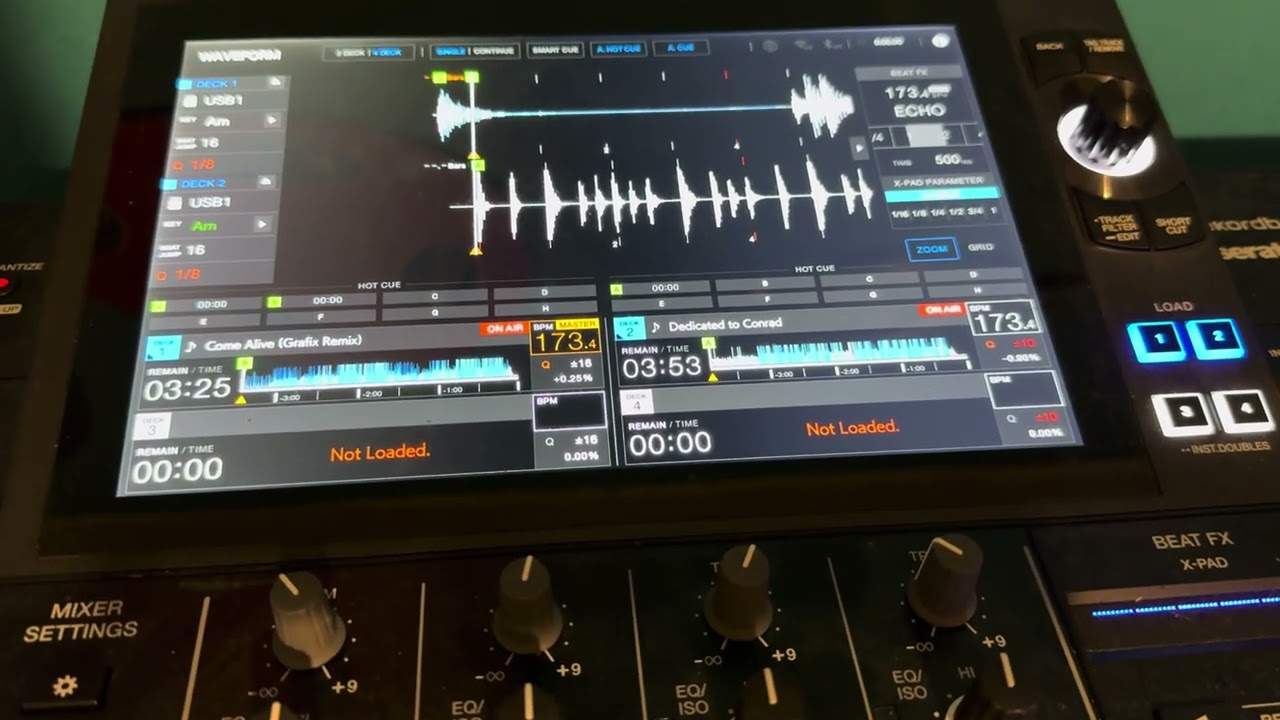
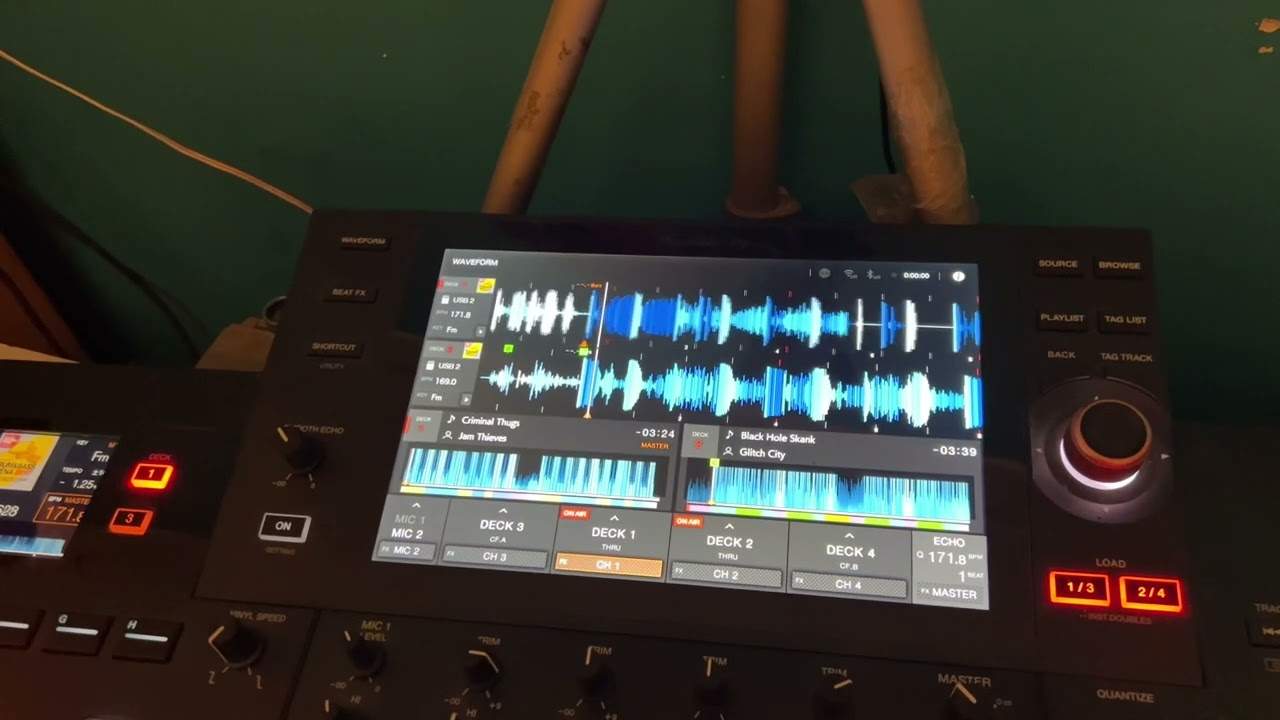
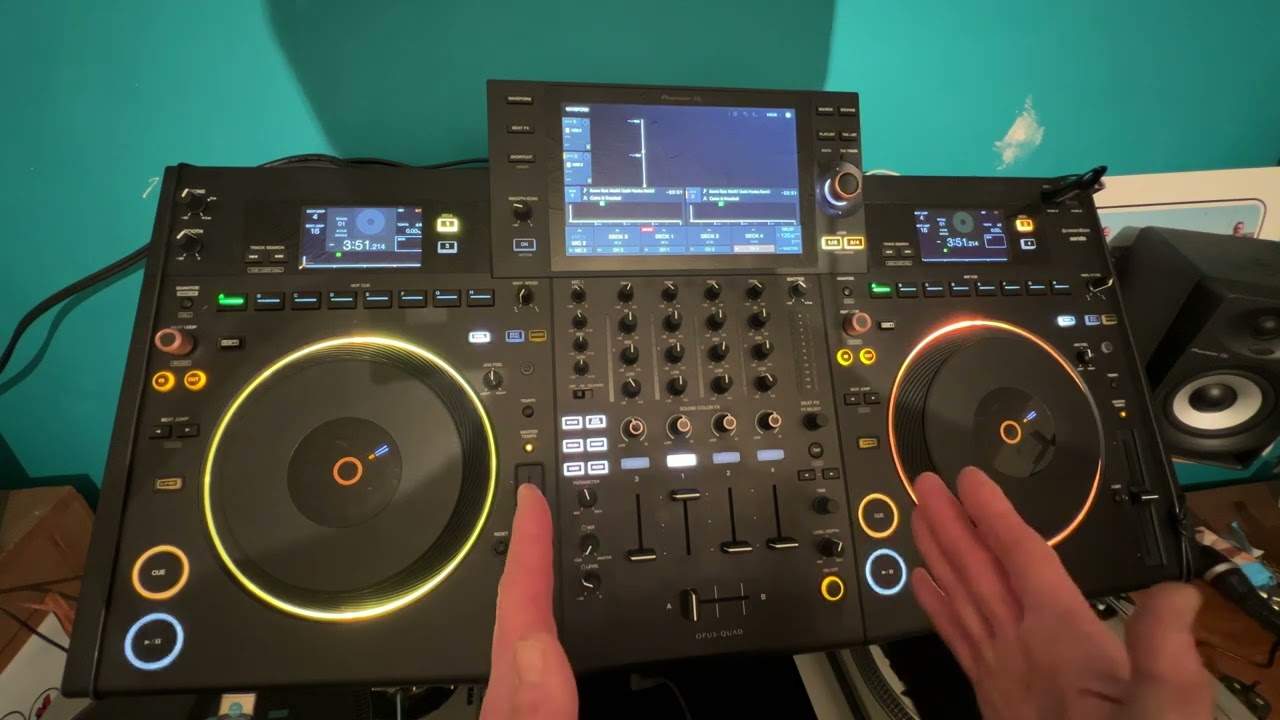
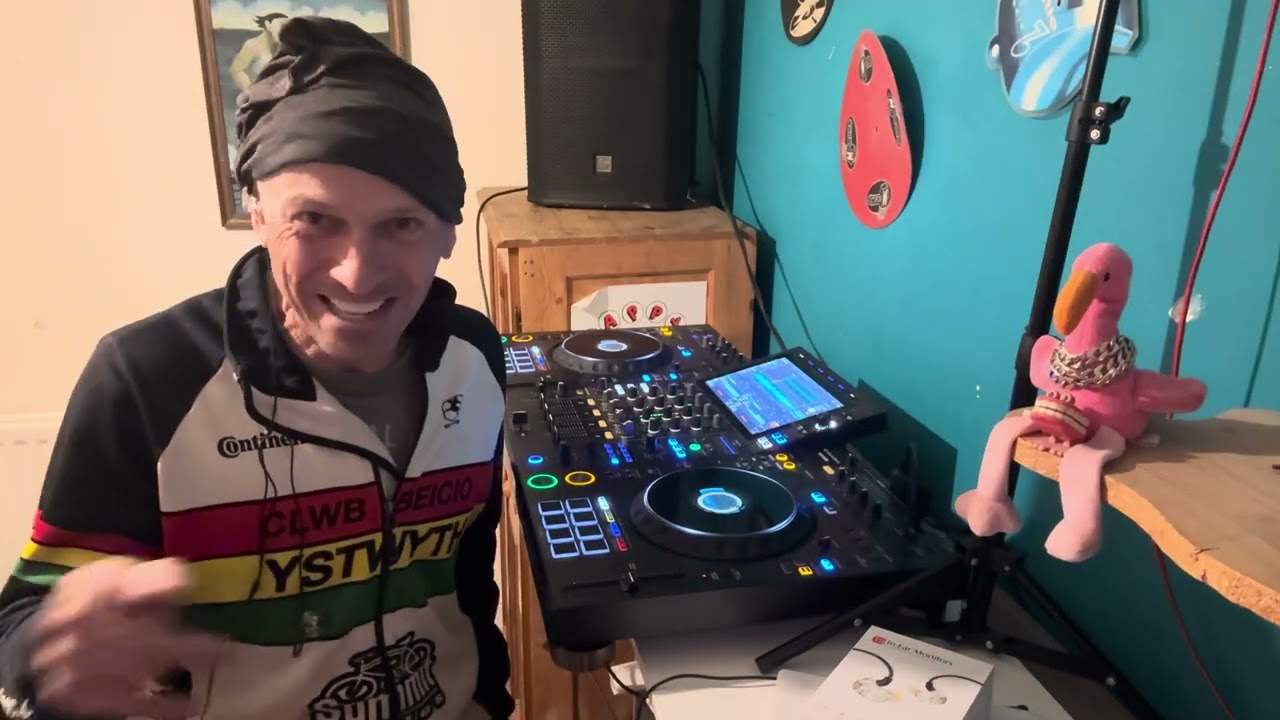
Alright folks, Jonathan here. This tutorial is all about getting your mix from a good mix to a pro mix. First of all, a good mix is whereby you've got one track, you bung another one in, it sounds alright, they're in beat, but you can tell where the join is. In a pro mix, the whole idea is the structure of the actual mix and the structure of those two tracks just fitting nicely together. That's what it's all about. The melody, the key, the bassline, the beat etc. But we're going one above there. The main thing is with this particular actual tutorial is we're going to be listening to or counting the bars and phrases. Here's the deal. I've listened to this track here. Now I know there are 16 phrases. Now 16 times 4, there are 4 bars in each phrase which is 64 bars. Now there are whichever way you want to look at it but I'm just going to talk about the phrases.
1:53 We're taking that mix that you're going to do to the next level
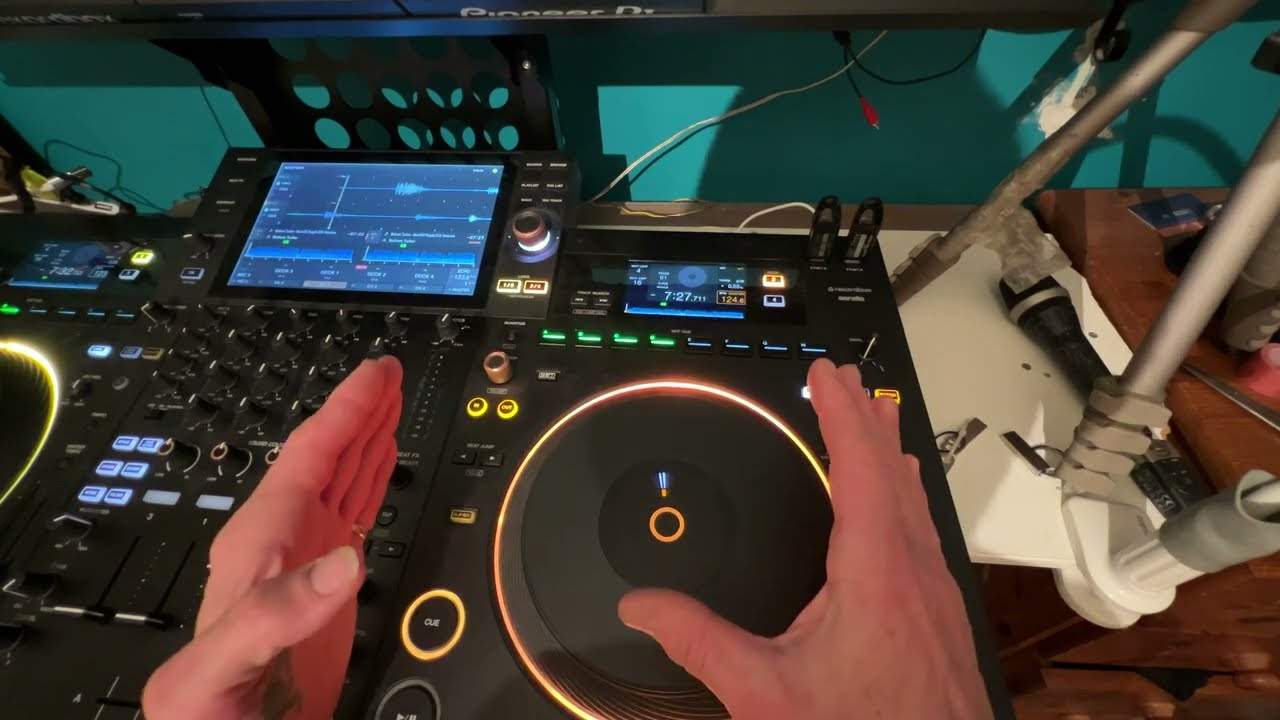
There are 16 phrases in this guy here. Now as soon as those 16 phrases finish, we have vocals come in. On this one here, we have two phrases at the end where there's just beat. And then I've gone back 18 all together. Now I'm going to start them both exactly at the same time. If I do that, what will happen is both of these will work together over 16 phrases. As soon as this one hits the 17th phrase, the vocals will start. As soon as this one finishes the actual 16th phrase, then we just have the beat. And believe it or not, as soon as this one finishes the 16th phrase, the vocals finish. So, vocals finish here, vocals come in exactly at the same point. Now why are we doing this? We're taking that mix that you're going to do to the next level. Now what's the point in doing this? Well of course it means that you're not going to get vocals over vocals, bassline over bassline and you can structure your mix. Now what you need to do is you need to get the beginning of this track and you need to count. Count 1, 2, 3, 4, 1, 2, 3, 4 with regards to the bars or 1, 1, 2, 3, 2, 1, 2, 3, 3, 1, 2, 3, 4, 1, 2, 3 with regards to the phrases.
Count how many phrases you've got and just jot it down on a piece of paper. Then what you need to do is this one over here that's going out, you want to do the opposite. You want to find the end of the track and then wang it backwards and count how many phrases, how many bars you've got there and then work it out. To begin with, this video may be like four, three, five phrases and you've got to do this but eventually you'll realise it's just logical. Now I've got this one set up at exactly the right point Whereby, if I press play the beginning of this track and start this one off, they'll both start off when I say it at the same time. I want to start off at that point because I've worked back 18 phrases. But I want to start this one off when I start this one. Here we go. So this is this track. Just look to the side of the video for any information about the tracks.
3:21 Like I said, don't just get a load of tunes and do the mix
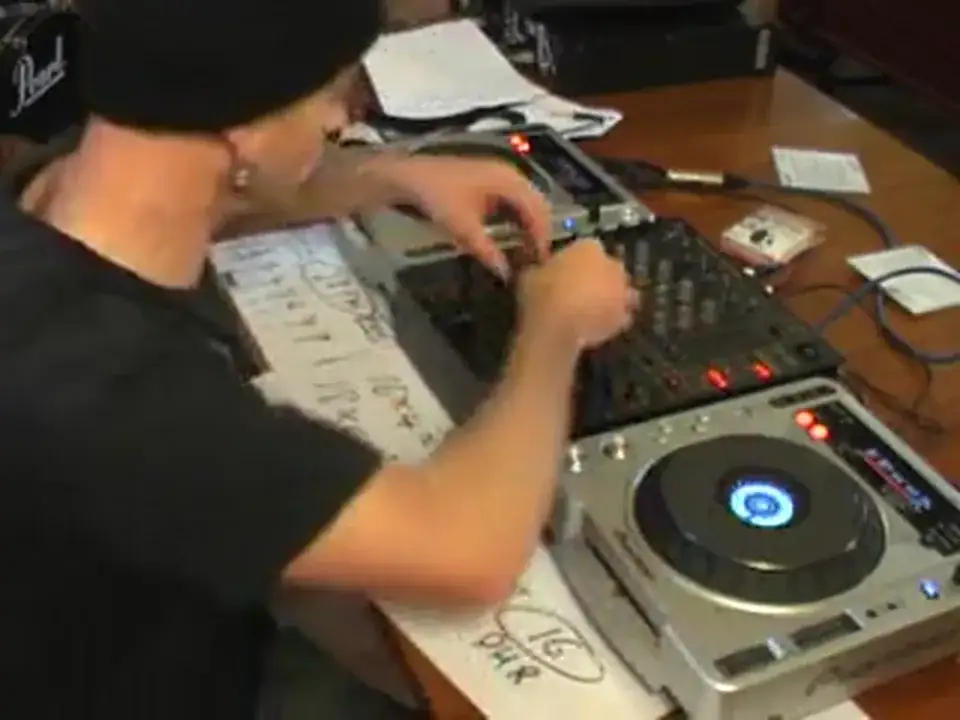
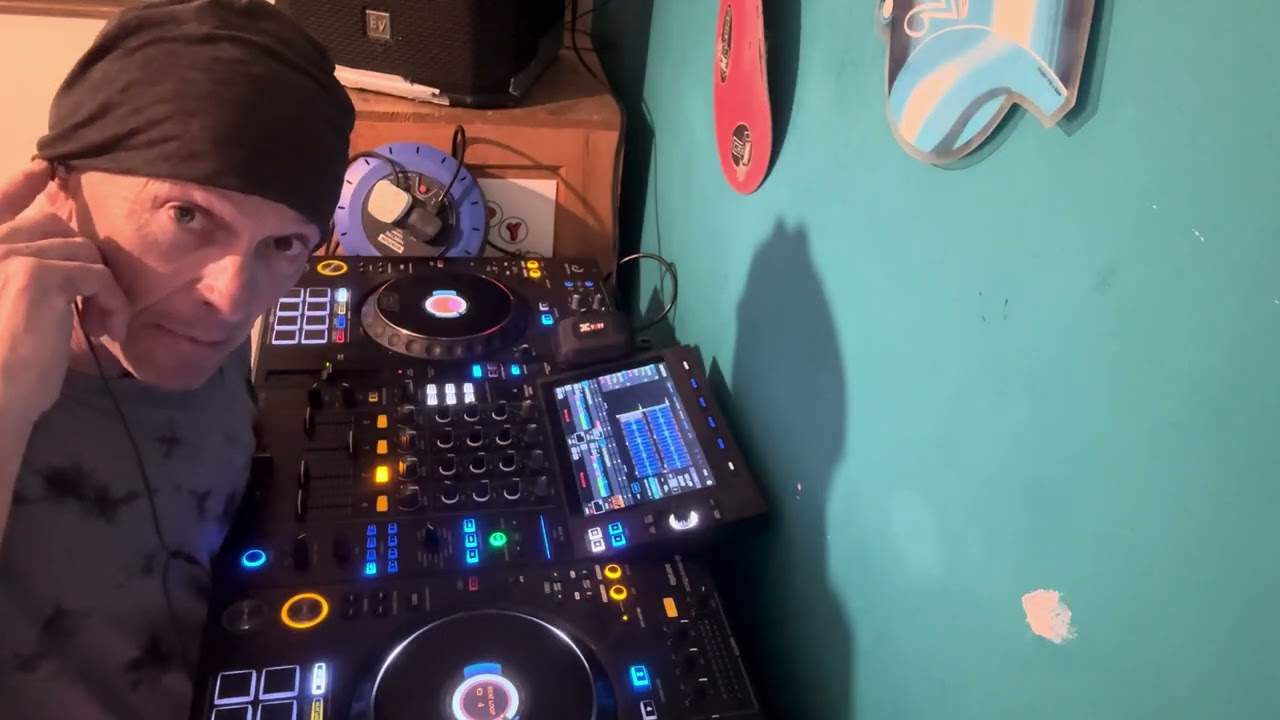
I would prefer you to have two days, two or three hours tutorial, so it's not going to be expert because I haven't got my headphones or anything like that. The whole idea of this particular video is to show you how you can take your mix to the next level. Like I said, don't just get a load of tunes and do the mix. Do that if you want to, if you're not bothered and you just want to listen to something in the car or on your iPod. But if you want to do a pro CD and you want to make people think, my God, who did this? You can just say, well, I did it. You know why? Because you spend a lot of time and it's worth it. Fantastic. This is what it's all about. Practice, practice, practice. Enjoy. Thank you very much.
This transcript was produced automatically from the audio of the video and may contain mistakes.