 7:13
Structure, seen rather than heard
On YouTube this video is called DJ Tutorial, Structure your mix, A visual look
What this lesson teaches
A follow-up to his Lego videos that adds the thing they were missing: the actual sound. The model and the music run together, so you can look at a shape and hear what it represents.
The progress bar
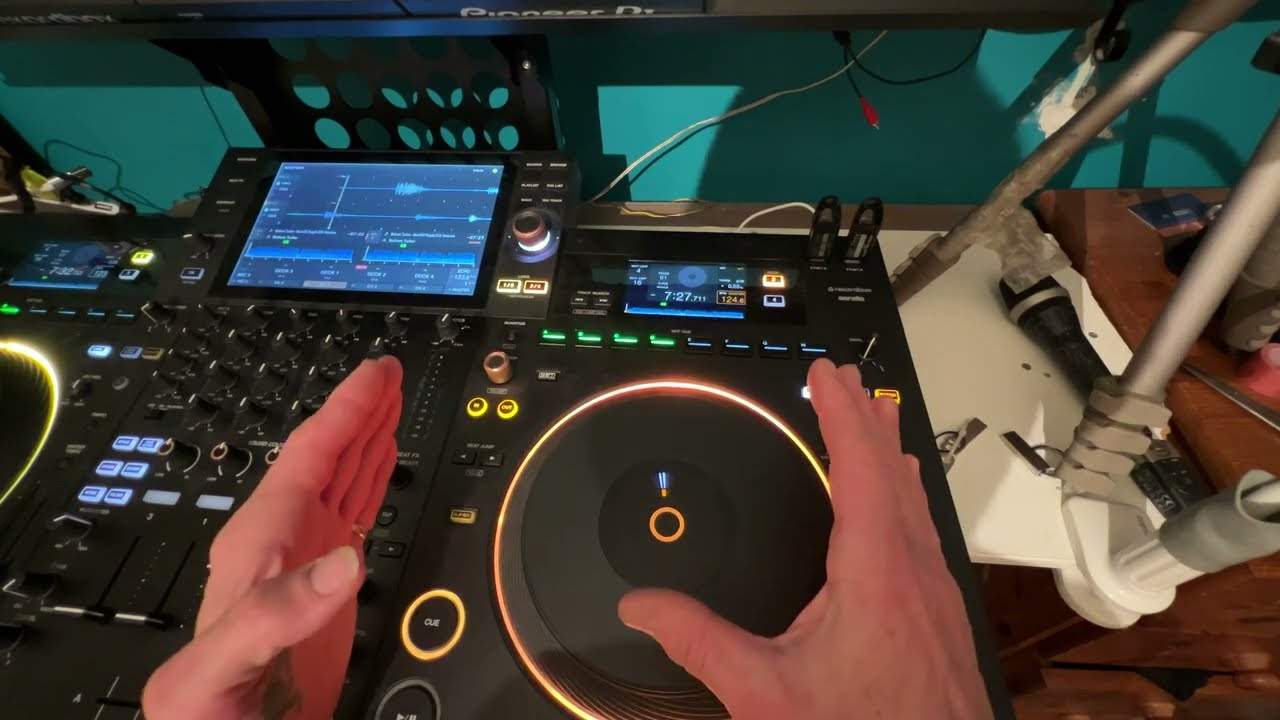
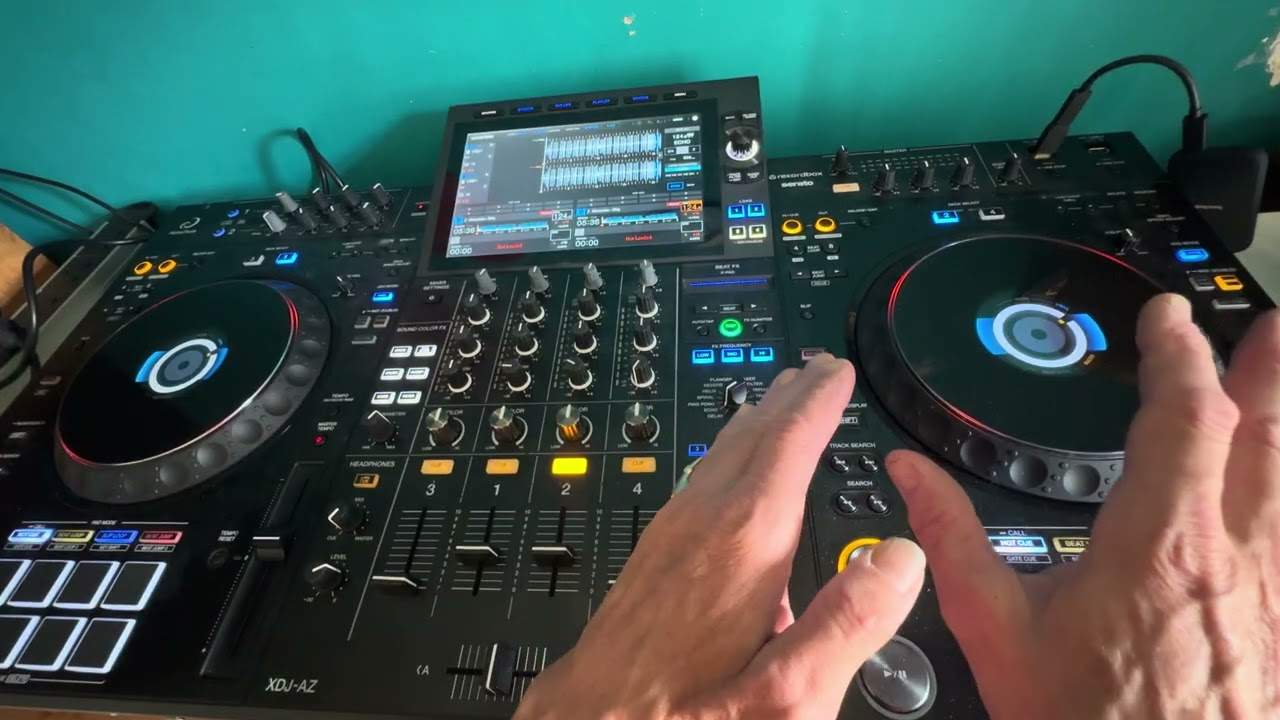
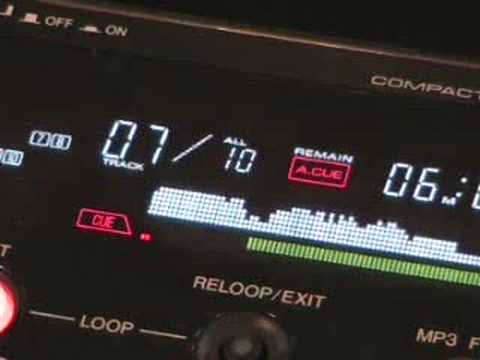
He starts with something incidental that is worth noticing. Searching through the track, the green bar on the player shrinks - and it is telling him three things at once: how fast he is travelling, how far through he is, and how much is left.
That is a crude waveform, and it is the same information the Lego is about to make physical.
The model
Each stud on the Lego is a count of four - one bar. Laid out left to right, the bricks are time.
The height is how much is playing. Full height is everything: bass, mid, treble, vocals, melody. Where the model dips, elements have dropped away - perhaps down to just the beat and the bassline, perhaps to the beat alone.
So the shape you are looking at is the arrangement: a rise as the layers come in, a dip at the break, a plateau where it is running on drums.
Why a physical model helps
Because it puts two different things in front of you at once, and they are the two things counting gives you.
Left to right is time - how many bars, where you are, how far to the next change.
Up and down is density - how much is playing, and therefore how much room there is for another record.
A waveform on a screen shows you the same pair, and most people look at it without ever consciously separating the two axes. Building the shape out of bricks makes the separation obvious, and once you have seen it you read waveforms better.
And it is approximate on purpose
He runs out of Lego and says to ignore the ends. That is fine. The model is not a transcription of a particular record - it is a way of thinking about what records are, and it works whether or not the bricks reach the edge of the baseplate.
Contents of the video
0:00 Satellite, beg your pardon

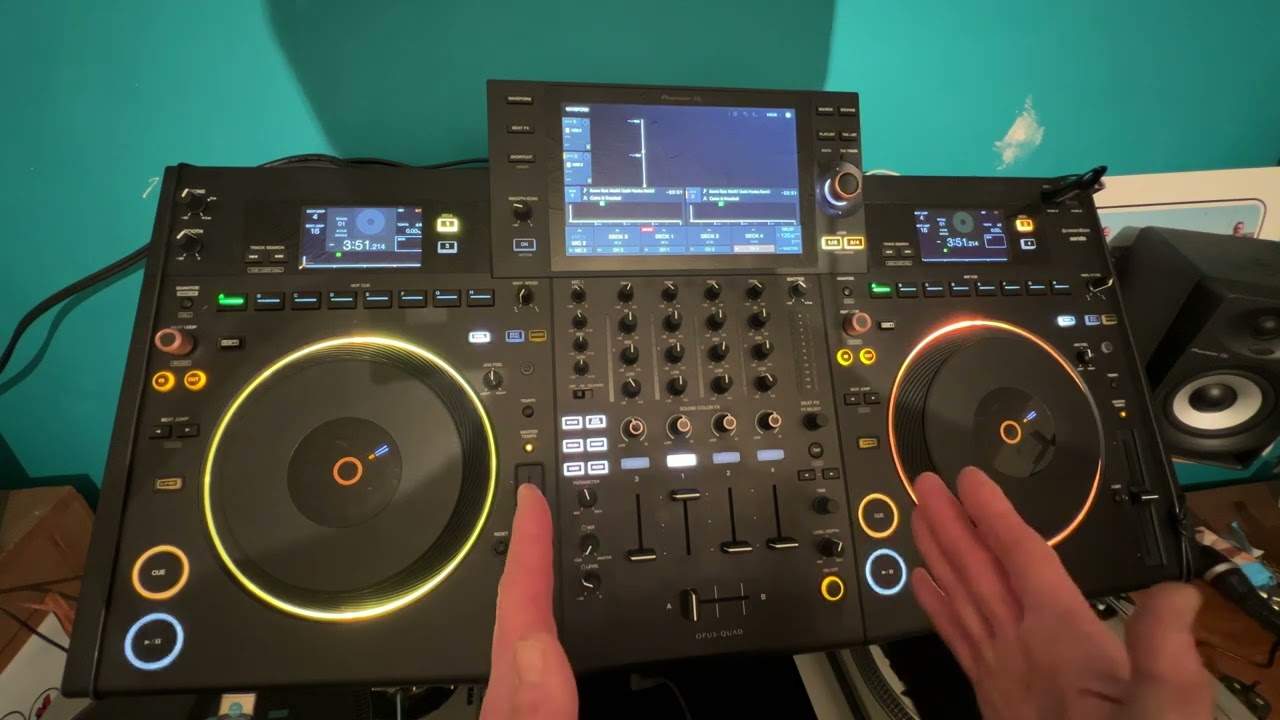
Alright folks, a while ago I did a couple of videos on the structure of dance music using Charles Lego. In this one we're not only going to have a visual but we're going to have an audio representation of the structure of dance music. I'm going to be using Charles Lego but also I'm going to be using a CD player as well to give us sort of a similarity so I'll pause the camera and we'll have a closer look. First off the track I'm going to be using is Static Revenger presents Love Song Surprise. Satellite, beg your pardon. It's on Salty Recordings and it's released August 08. Right, I'll play the music at the beginning, I'll move the player maybe about the middle position, play it a little bit more, and then we'll have a listen at the end. OK, what I'm going to do now is put my finger on the search button, move the jog wheel clockwise so we'll skip through the track a lot faster. Right, we'll do the same again.
Okay, a couple of things. Did you notice as well that while I was spinning it forward this green bar started to reduce? Well basically that's telling me how fast we're going through the track and also it's telling me how far we've gone through the track and also it's telling me how much more of the track we've got left. Alright, well first of all what on earth has this got to do with Lego? Well absolutely nothing but... What has Lego got to do with the structure of dance music? Well, quite a lot in a sense. Let's have a look at that. Right, first of all, ignore that area and ignore that area because I've basically run out of blinking Lego. Right, so just look at that middle section. Now if you imagine each one of these dots is a count of four. A count of four in dance music is one bar. So 1-2-3-4, 1-2-3-4, 1-2-3-4. We've got a dip, 1-2-3-4, another dip, 1-2-3-4.
2:32 This area, hopefully the camera will
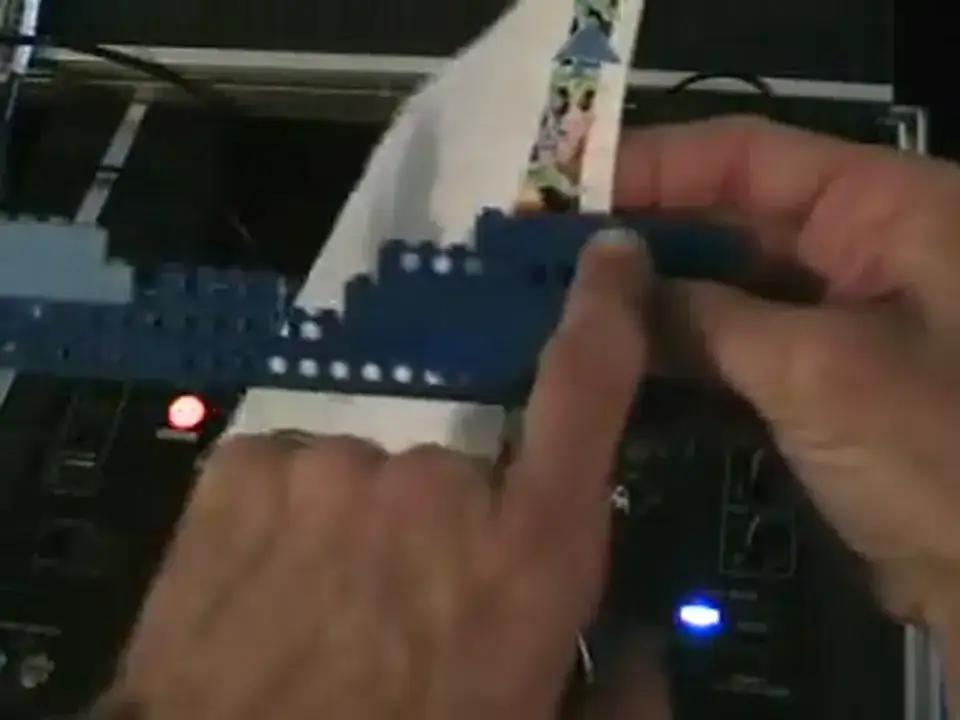
We've got four, lots of four there, a couple there, one, one, and then we're back up again. So what's happening here is if you imagine we've got bass, mid, treble, vocals, melody, the whole lot, all of a sudden it starts to disappear to about say here where maybe we've just got the instruments, not instruments sorry, maybe we've just got the beat and the bass line. Then maybe here we've got maybe the guitar coming back in, then it dips out just to beat and bass line, then we've got maybe the guitar or the keyboard coming back in. Maybe here, we've got some more sound effects. Back here, we're back to the full original sound we started off with. So if I can just go to this area, hopefully the camera will not go all fuzzy. Let's have a look. And blurry. Now what I showed you earlier on with the Lego isn't dissimilar to that area there. Just get a tiny bit closer. We can see it starting to dip and we've got a tiny peak.
And then it builds back up again. Now what I'm going to do, I'm going to move the player forward to just before it starts to dip and we'll have a listen. So I'll just put the volume down for a second and move this forward to about there. Now we'll have a listen. Volume back up, away we go. Okay, there's our break. And now it's building back up again. Right, so basically what this is telling me now, it's giving me an idea of the structure of this track. So say for example now I wanted to mix another track in. What I could do, I could look at these dips and think right I've got a break there so possibly that's a good position to start to mix the next track in to the mix. Not necessarily to start to mix it because if I wanted to bring the track in at that break precisely there I'd have to possibly start to mix the track maybe here.
4:41 This here is a representation of what's happening with the song
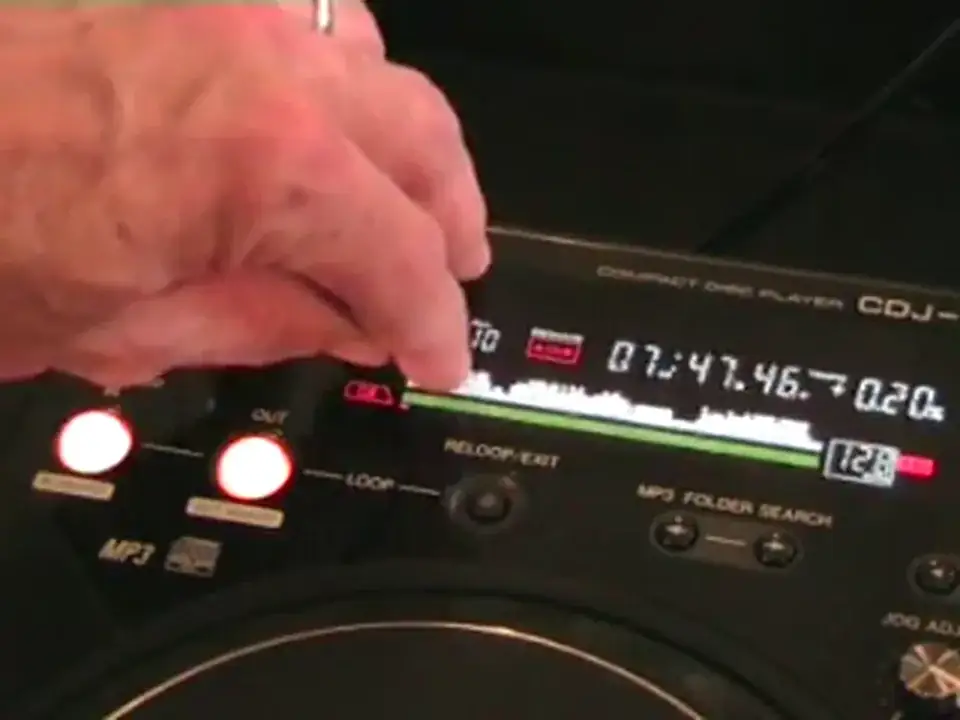
The reason being, I'd need to get it beatmatched first and then when it was beatmatched, I could bring it in at this point. Okay, if you're very good at beatmatching, you could just bung it in near enough straight away anyway. So this here is a representation of what's happening with the song. A lot going on, dips, more going on here, dips, more going on, less, less, even less, back up to a peak and there we go, we finish off with a beat and it drops off slightly. Alright, so what if you're one of the people who can't afford the best gear in the world? Then you're probably thinking, well how on earth is this going to help me? Well, it will help you because what I want you to do is understand the whole concept and philosophy behind the structure of dance music. Now let's say for example, you know, you're like a thousand other people out there, ten thousand, twenty thousand people out there. You've got ten of your best tracks and you would love to put those together to make a fantastic mix.
Now if you can listen to each one of your tracks and listen to the highs, the lows where the instrumental breaks are, where the melody comes in, where the bassline goes out, where the bassline comes in, where the vocals are, what you can do, you can start to form a mix based on the structure of each individual track. Now okay, they've got to be in time, they've got to sound well together but for example if you've got an area in that track where there's a dip If you've got an instrumental break, then maybe in that segment you can bring in another track where there's a lot going on. Alternatively, if there's too much going on in a track at a certain point, then you should be able to work out that it's not a good idea, possibly, to bring in another track where there's a lot going on. So, for example, you've got that there, you've got your break.
I can look and I think, well if I want to bring another track in, I could start to mix the track here through the headphones. At this point I could start to bring the volume up and then have the two working together. And then the second one I bring into the first one, I could carry that on and then this one here I could start to bring out. So in other words, by looking at the structure of music, looking at the structure of each individual track, We'll enable you to get a much better and smoother mix. Practice and enjoy.
This transcript was produced automatically from the audio of the video and may contain mistakes.