 10:13
Playing other people's music in an online mix
On YouTube this video is called How to Play Other Peoples Music on Youtube in a DJ Mix and Not Get Blocked
What this lesson teaches
Ten minutes, straight to the point by his own promise, on the one question every DJ who posts mixes has.
Option one: make your own
The only completely safe route, and he is strict about what counts.
Completely your own composition. Not a remix of somebody else's track - that is not your composition, however much you changed it, because their samples, melody and vocals are in it.
What does count: your own tracks made in production software, using the sample packs that came with the program, with your own ideas. And if a friend sings on it and gives permission, fine.
Then you can upload it anywhere knowing there is no issue, because you made it and you control it.
Option two: the green light
The useful half of the lesson, and it is the route he uses himself.
A green light is the industry term for a company giving you permission to use their music.
How to get one: research, and then ask. His emphasis - don't think they're going to come to you. You go to them, and you go to the right department: the people who handle promotion and advertising.
What to show them: subscriber and follower numbers, how often you post, and a decent amount of views. Because at that point it is in their interest - your videos are exposure for their music.
And the economics from the label's side, which he explains well. Twenty years ago getting a record to a DJ meant physically posting vinyl, a CD or a cassette, and that cost money. Now they add you to a mailing list and the next release reaches every DJ on it at no cost. You rate what you get out of ten; they get it played.
Try the independents. His best practical tip: the small labels - a back street in Manchester, a side street in New York - are far more likely to say yes than a major, because they need the exposure more.
Get it in writing
Stated firmly, and it is the thing people skip.
Do not ring them up and take a yes on the phone. Get it in an email, in black and white, from somebody identifiable at the company.
So that if anything ever happens, you can produce the message showing that the rights holder gave you permission. A verbal agreement with a label is worth exactly as much as a verbal agreement with a client - which the contracts lesson in this course explains is not much.
And do not abuse it
The part that makes the arrangement last, and he is blunt about it.
Never post the full track, clean, in stereo, with silence at the start and end - because that is a downloadable file, and you might as well invite people to take it. Don't be an idiot.
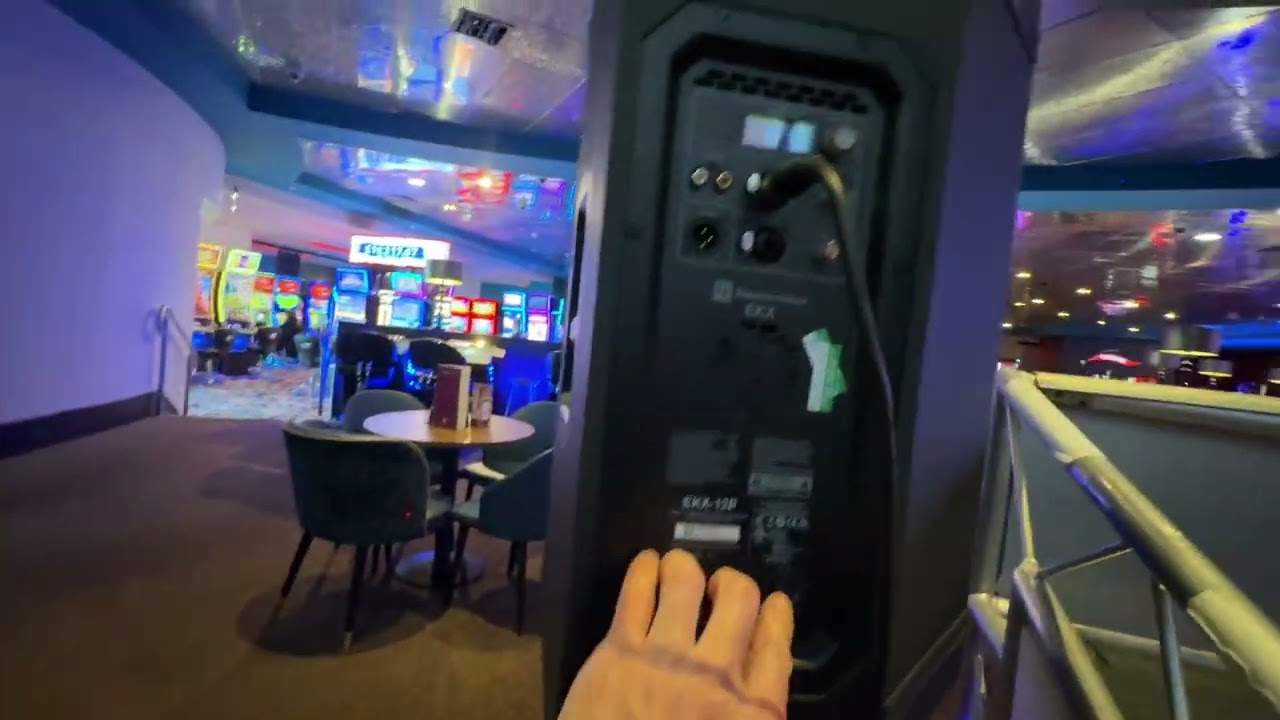
What he does instead: snippets, and often records the audio through the camera's microphone from a speaker in the room. The sound quality is poor on purpose - nobody is going to extract a usable copy from that - and it is still enough for a viewer to hear what the track is.
And every time he uses something he names the label and the artist and links to their site. That is his side of the bargain, and it is why the arrangement continues.
His summary of it: a win-win. It costs them nothing and the music gets heard.
And the lottery argument
For anybody who thinks a big company would never say yes: if you do not buy a ticket you cannot win. If you contact them and they say no, at least you tried.
Monetisation, briefly
He covers the mechanics - a subscriber threshold before the option appears, then a setting at upload and a set of rules to agree to.
The thresholds and the process have changed since, so check the current ones. What has not changed is the underlying rule the rest of this course explains: you cannot monetise somebody else's music unless they have given you permission to.
The better advice at the end
And this is worth more than the music part.
Once you can monetise, start thinking about content that does not need music at all - demos, tutorials, explanations of things you know and others do not.
Because that content has no copyright problem, cannot be blocked, and is entirely yours. His own channel is the proof: several hundred videos of a man explaining equipment, which is why there is a curriculum here at all.
His closing instruction: stop thinking about it and get on with it.
Contents of the video
0:00 First of all, you want to play music on YouTube with no copyright issu
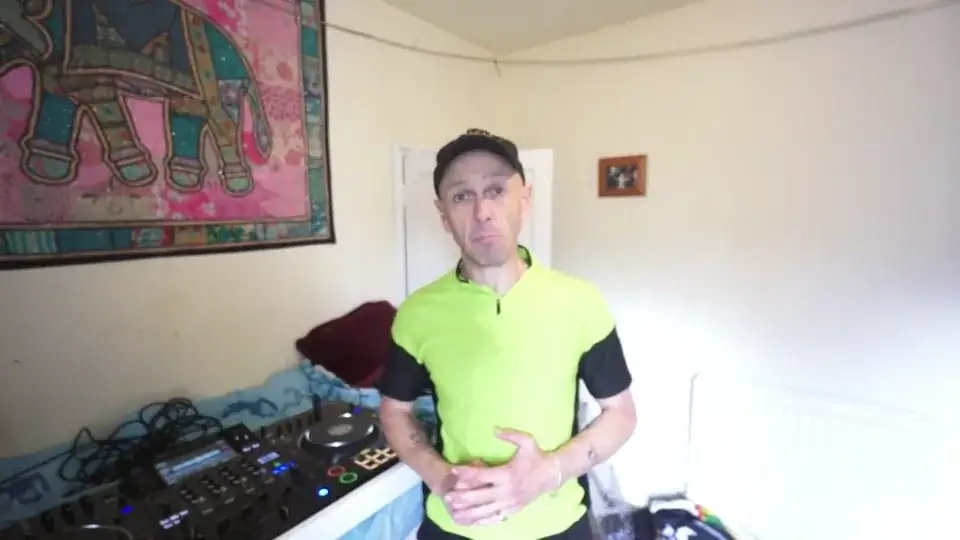
I'm going to cover as much as I can in this video, straight to the point with no bullshit. First of all, you want to play music on YouTube with no copyright issues. Not only that, but you want to start making revenue from those videos as well. Now you may think this is impossible, but it is very possible. First of all, the simplest way is for you to produce your own music. And when I say produce your own music, it has to be completely your own composition. You can't take someone else's track and remix it. That is not your own composition. Even if you completely change that track, it's still not your composition because it's by someone else, because it has their samples in, it has their melody, it has their vocals in.
That's a no-no. On the other hand, if you have the likes of maybe Ableton, Fruity Loops, Cubase and so on, and all of a sudden you start to design your own concepts, you make your own tracks with your own samples, okay, you can use the sample packs from said programs, that's fine. But you have to make your own composition. And if it is 100% your own composition, with maybe a girl from next door or the bloke from down the road who's the singer, and they give permission for you to use their voice. And so on, then you're fine. Then you can upload that music to any form of website knowing full well you won't get any issues because it's your composition. You made it. You are in charge of that music.
But how else can you play other people's music and get away with it? Well, there is something, there is a term in the industry known as a green light. Yes, green light normally is for go. Red, red and amber, green, amber, red. If you're stuck in front of traffic lights, think about that. That's true. Okay, so what does the green light word saying or sorry, green light two words mean? Well, basically, this is the term used from companies that give you permission to use their music. Now, how do you all right? Well, how do you go about asking them? Well, it's simple. Do some research. That's what I've done. All right. I mean, hello. You know, don't think they're going to come to you. They're probably not.
2:14 I work with some companies
You've got to go to them. And if you can show them, prove to them that you've got a certain amount of subscribers and followers and you know, you do so many videos per week or per month and you can show that you've got, you know, a decent amount of hits, then in a way it's in the company's best interest to send you music for you to play because it's going to give them exposure. Hello. Now, I work with some companies. I work with hospital records, a few others. I also work with comic books. I work with power records. They haven't have given me permission to use their music in my videos. Now, I don't blatantly play the entire track in proper stereo. In other words, I might as well write in the disclaimer, you know, in the description, download this track because it's all fantastic stereo quality. You're an idiot to do that. You know, we do have an agreement. I have an agreement with the companies where, you know, on the odd occasion, I'll maybe do a mix of their tracks.
I'll never play the entire track from start to finish with silence at the beginning and silence at the end because that's easily downloadable. Don't be an idiot. On the other hand, I'll play snippets of the track. More often than not, I will use said microphone on this camera so someone is listening to the track that's being recorded via the camera played through a speaker. Who wants to use that music? It's rubbish sound. But it works. Maybe not rubbish, but at least you get an idea of the track. And it's sort of foolproof because like I said, no one's really going to want to start playing that out and hearing scratching noises and cats screaming in the background. Okay, so I hope this has been a help. Now, also with YouTube, to monetize your videos, you need to get 1000 subscribers, then you can start monetizing your videos. Now you'll go through a process.
4:13 Making, people, dollars
Normally, you don't have a thousand subscribers you'll just have upload here and that's sort of about it really you know make sure it's suitable for children or not click a couple more icons jobs are good on the other hand when you get over a thousand you will have the opportunity to start monetizing your videos and then what you do when you upload you'll come to a little section where it'll say do you want to monetize you click yes you click save and then you'll go to another page that it will give a disclaimer based on what you're allowed to do and not allowed to do if you want to monetize just follow that procedure and then that's it you can start making money from your videos but it doesn't stop there because you see once you're able to monetize
Your videos i think i'm going a bit too bright there let me uh put that down a bit actually if i close the curtain that's a bit better you know once you're able to monetize your videos then start thinking about it other ways of making videos where you don't have to have music start doing demos and tutorials on something else use your head you have got a talent you've got some ideas that no one else has got share those ideas and you never know you could start making a few dollars a few cents on this video on that video it all adds up the end of the month you may end up looking like i've only got ten dollars but do you know what does it matter because you've enjoyed making the videos in making the content uploading it but then over time you'll have another ten dollars
And another and it'll go to fifteen twenty thirty forty sixty some people on the web now are making millions of pounds euros dollars per year because they're just giving some content for people to watch now back to the music content okay so you may think you've got a chance of contacting these big companies well you've still got a chance you know it's a little bit like i wish i won the lottery if you don't buy a lottery ticket you're not going to win are you if you buy a lottery ticket at least there's a possibility of you winning if you don't bother contacting the companies they're not going to contact you on the other hand if you contact them and they say no at least you've tried but you need to try the right people
Anr department who deal with excuse me the advertising and whatnot now another way of going about this is going to independent labels the small labels you know uh down the back street of manchester somewhere or in a side street in new york if they're still open that is anyway try these people because they're more than likely happy for you to use their music now please don't phone them up and say hello my name is here's my you can i use and they go yeah that's fine get it in an email make sure it's there in black and white so if anything did happen then you can show the email from said company and it's clearly written by said person who is the director or someone or the auntie of the nephew of the niece who owns the cat the dog next door to the person who happened to
7:42 Start money, company, nothing
Do the printing on the label of the last record they made 15 years ago yeah you know what i mean just make sure you've got some form of proof that that said company has allowed you to use your music and don't be an idiot like i said don't play the entire track play snippets and so on and start from day one okay that's how you start to make money by or one of the ways how you can start to make money on the web by playing music and continuing your passion and then if you do get involved with a lot of companies and they're all say the same style of music that you like then you can start doing a little bit of a mix and get away with it and monetize it and all you have to do is what i do is every time i use some music from a company i will say this is from hospital records this
Is x or y dj or x or y producer or this is from comic pro records this is x or y person and there is a link in the description to that website it's a win-win because the company what have they done they've just said yeah you can use the music you use a little bit of it it's cost them nothing nothing 20 years ago a company would have to send a piece of vinyl or a cd or a cassette to you and you then would play that so that's cost them a little bit of money what do they do now they've got a big pool of music and they just add you to an email and then as soon as they send then it goes out to all the djs they've done practically nothing you fill in a little form maybe based on if you like the track or if you don't you give it marks out of 10 so it's a way of saying how good or bad it is you
Never say how bad it well actually no you never say how bad it is but what i do is if i don't like it i just won't download it or use it so i'm not saying it's bad so if there's a track and i think it's crap i don't give it one out of ten and say this is a waste of money time or a load of crap i just don't say anything on the other hand if i like it it will be six seven eight nine and ten love it thumbs up smiley face give a bit of a comment and away you go you download the track and then you make your video you use the track or tracks in said video monetize that video jobs are good all right so
Just get off your ass and do it will you practicing no seriously seriously stop thinking about it get off your ass and do it practice and enjoy thank you
This transcript was produced automatically from the audio of the video and may contain mistakes.
This video is part of
Related videos
-
How to Get a Better Fee for Your Mobile DJ Services
He disclaims it as not financial advice and notes that everything depends on where you are. Taken as a checklist of what justifies a higher…