 8:45
How to Use the bass Low Mid and Top High in a Transition Mix
Contents of the video
0:01 Apart from being old, I am old school
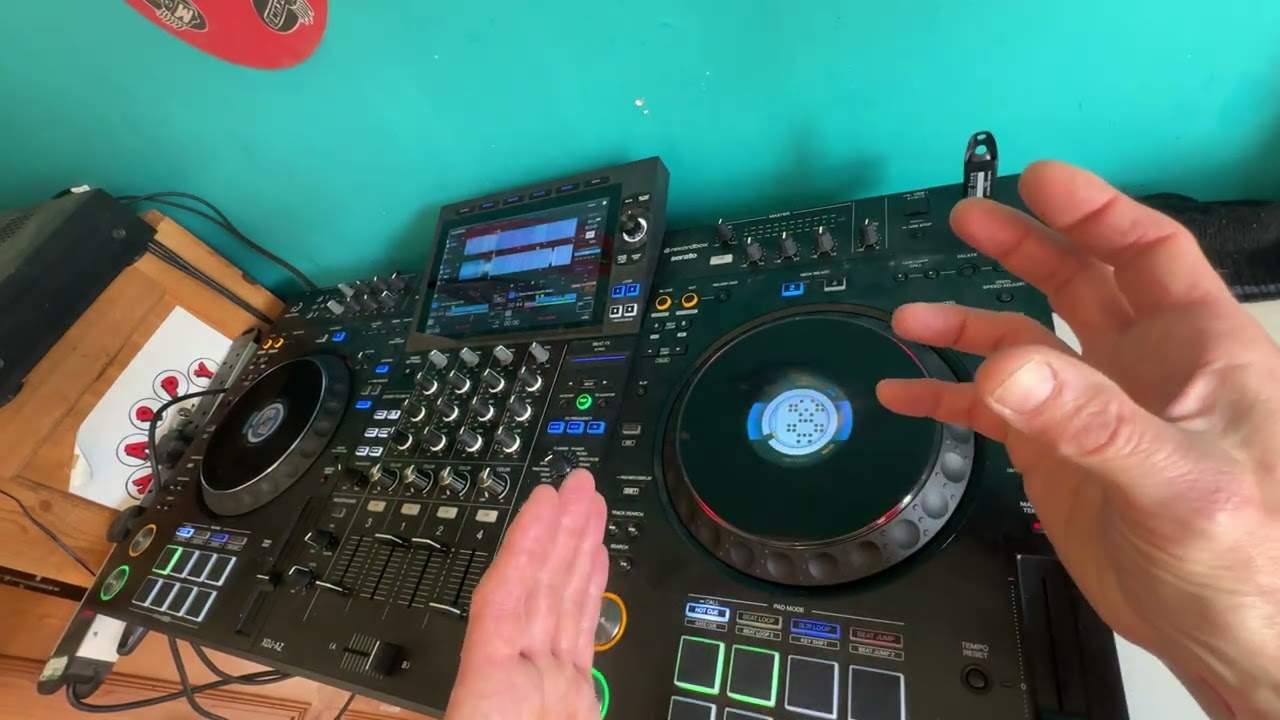
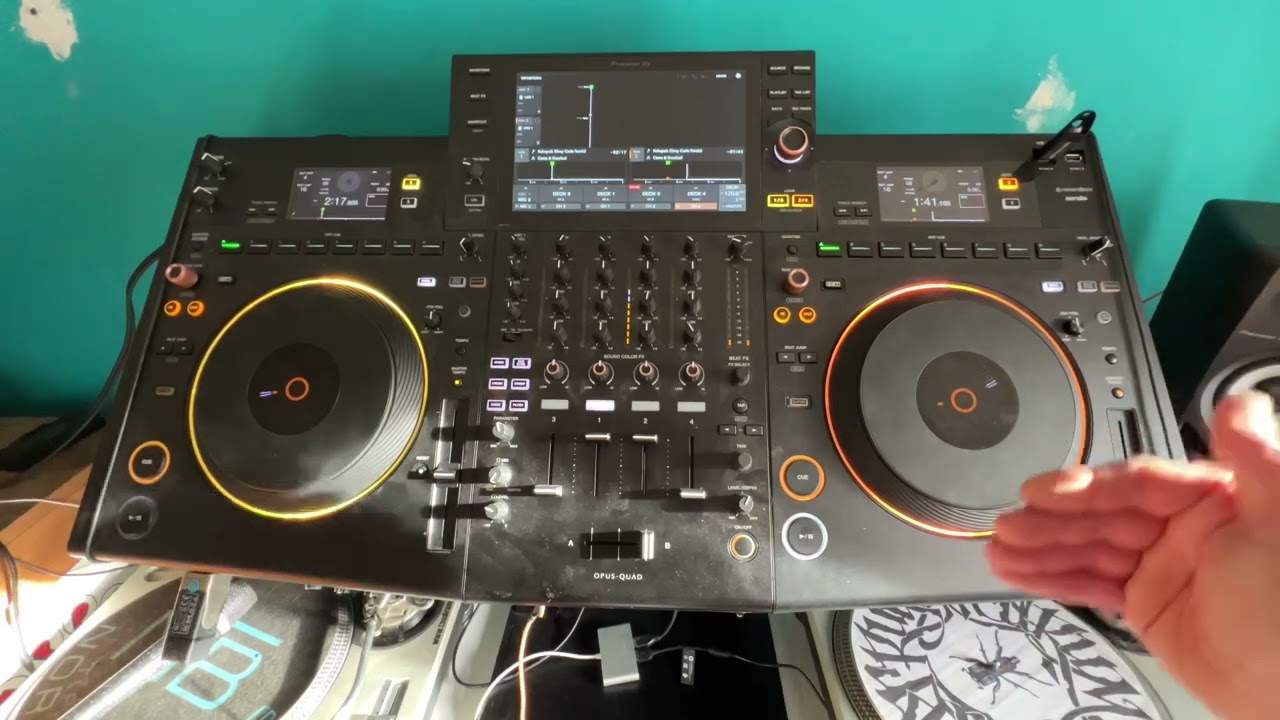
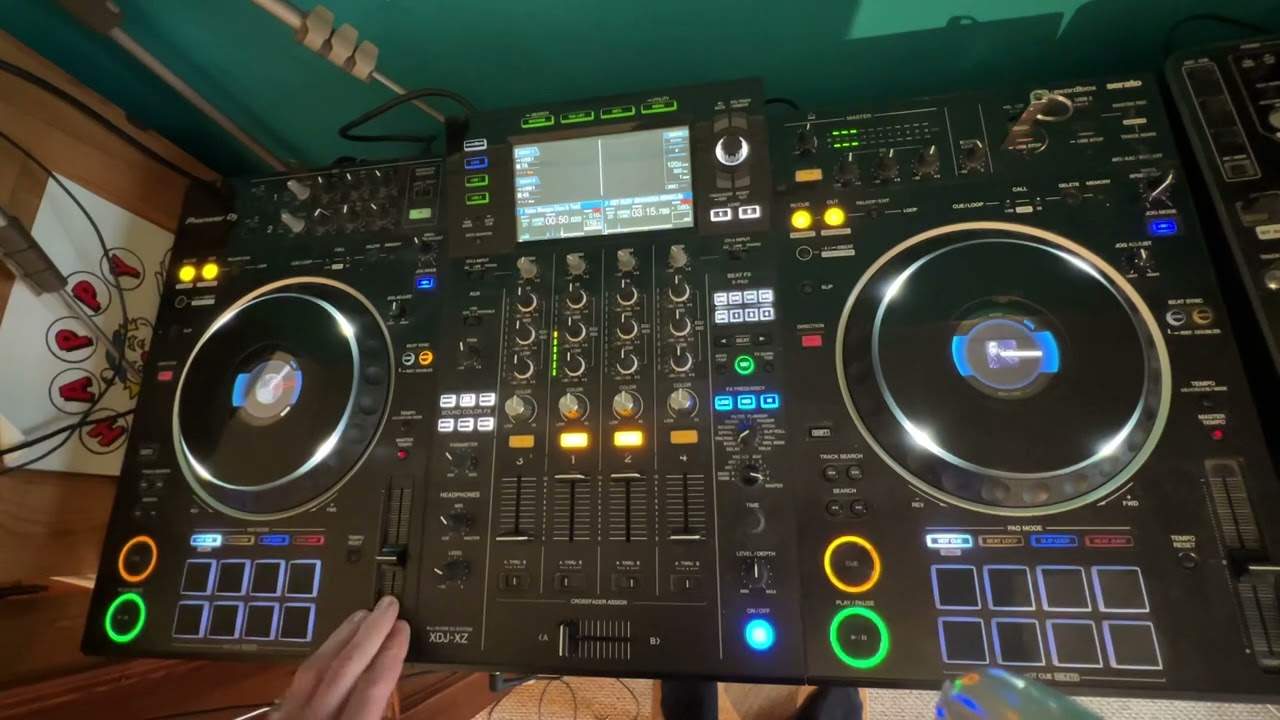
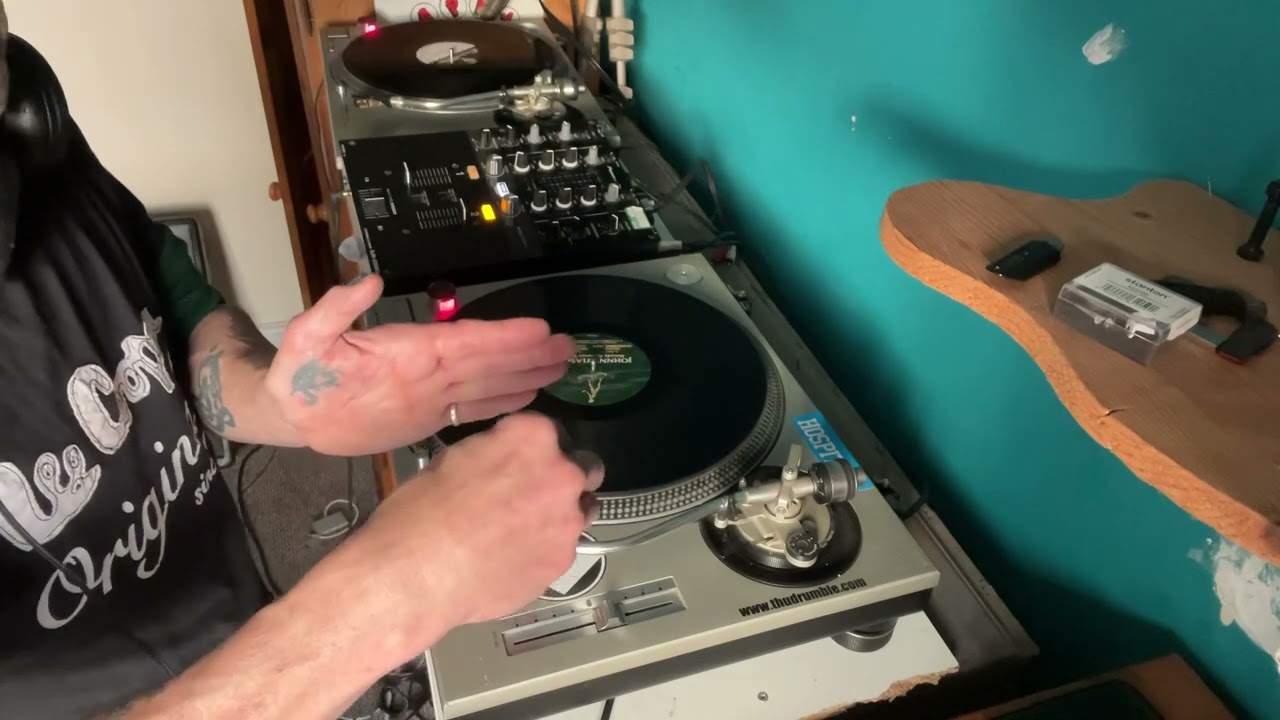
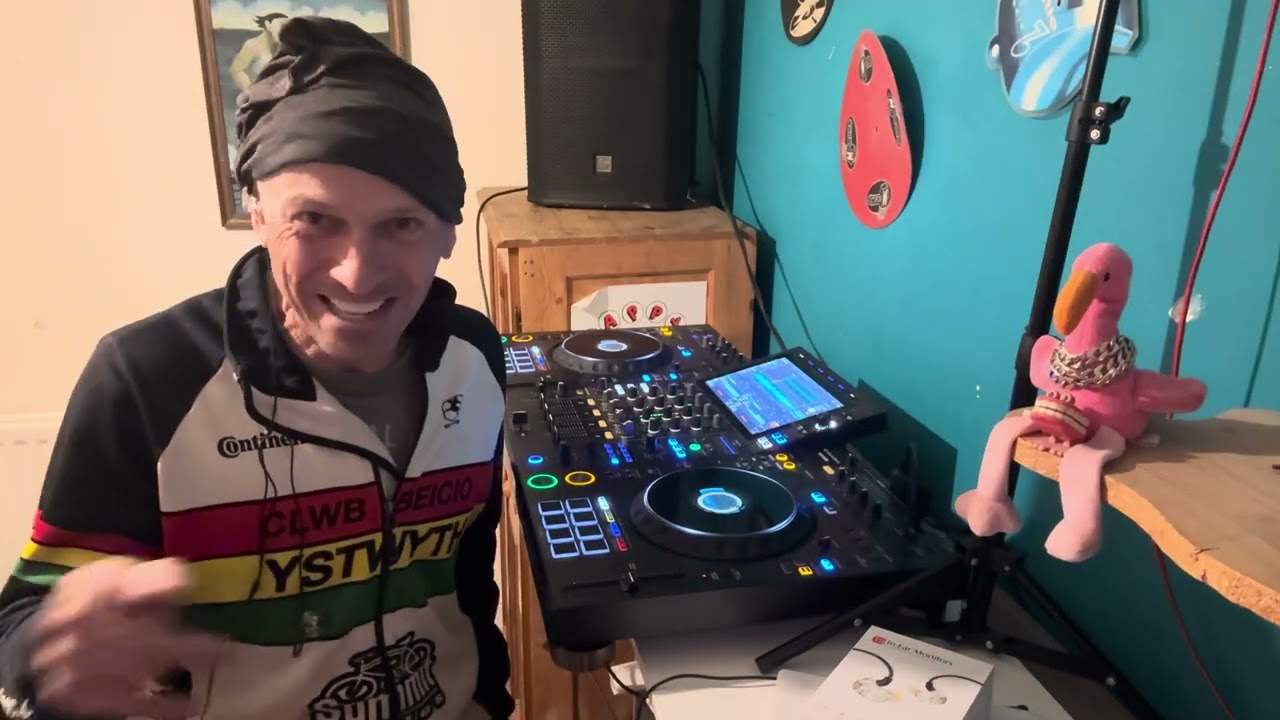
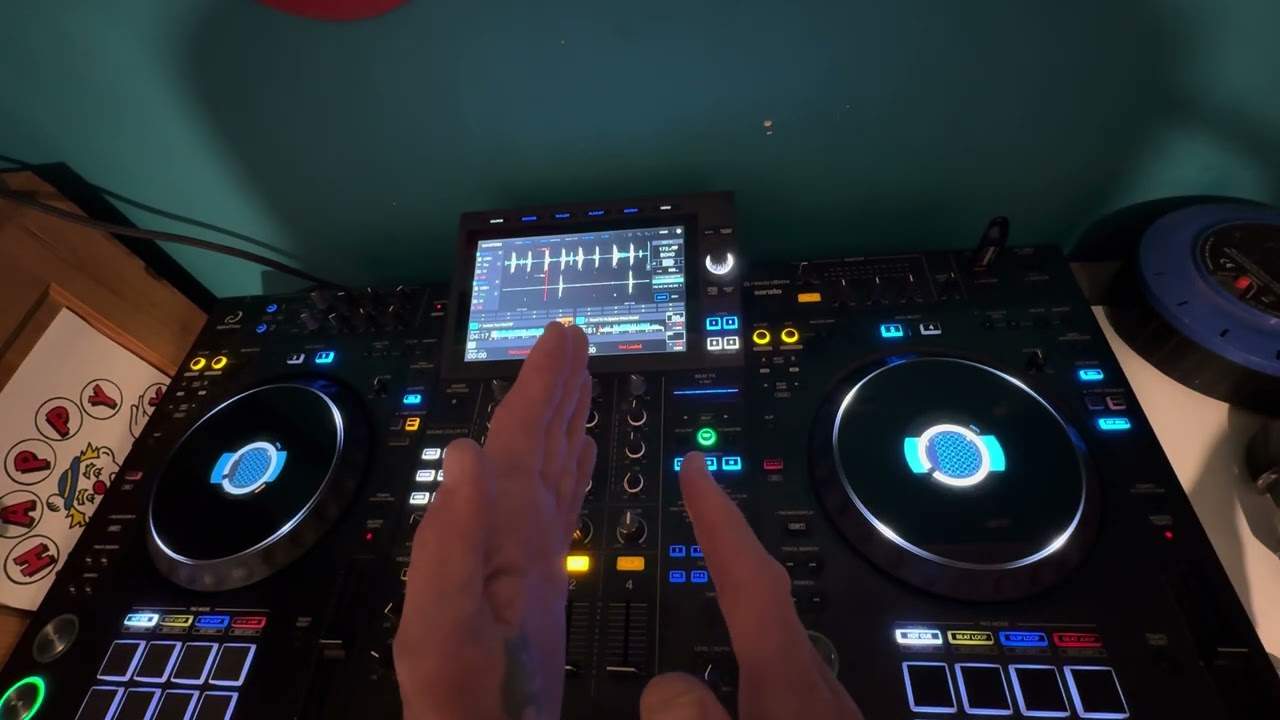
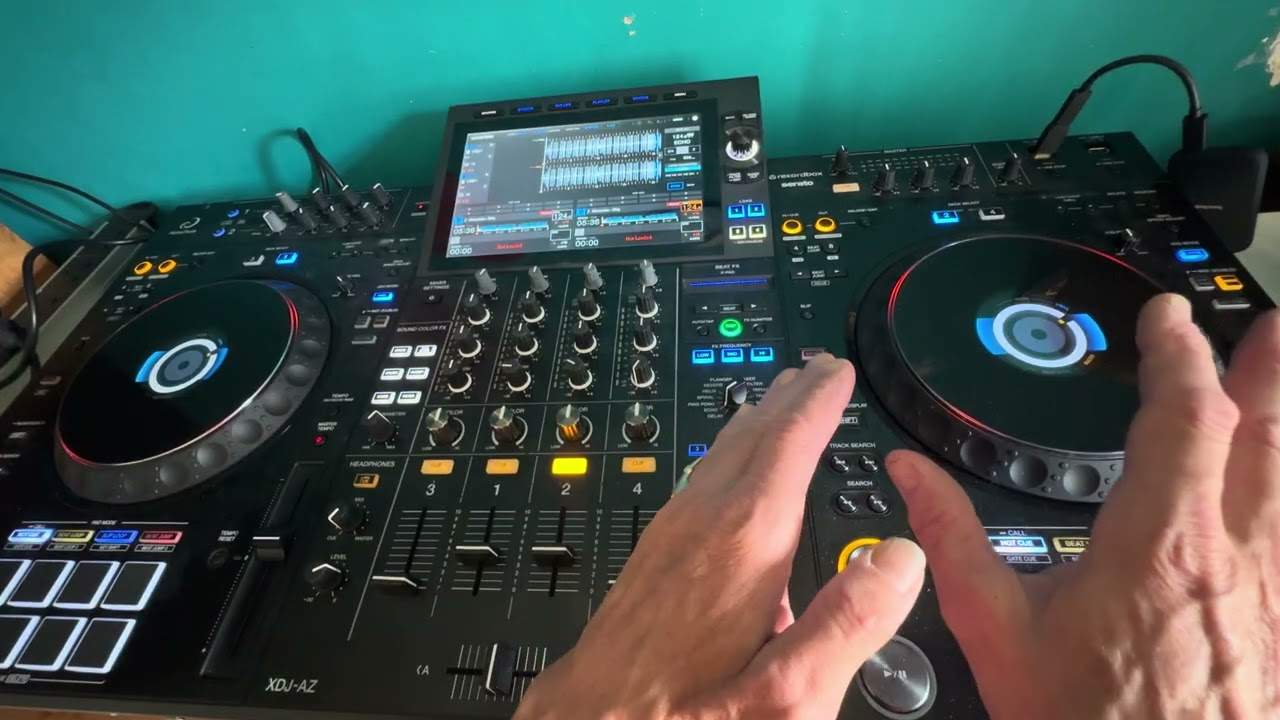
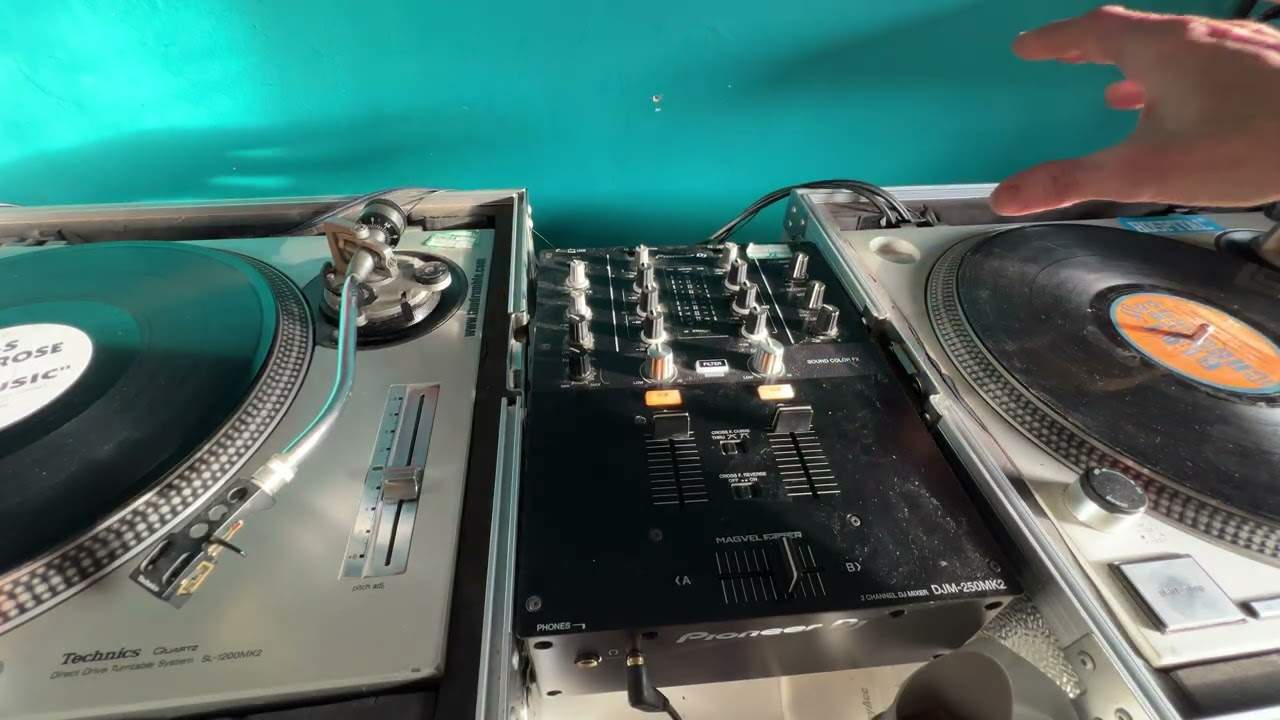
All right, ladies and gentlemen, apart from being old, I am old school. Again, you're as old as you feel you are. And to be quite honest, I still feel like a teenager. I've got a mental age of God knows what. But anyway, right. So let's have a look at the mixer. We're going to look at bass swap. We're going to look at a nice smooth transition and whatnot. Now, sadly, we're not going to be using any audio because of copyright issues. And I want to try and get this video out to as many people as possible. As soon as they use audio, what do you think? What tends to happen is the video is blocked in certain countries. Don't ask me why, but maybe it's just because I'm playing good music and they don't want people to listen to good music. They want you to listen to not very good music. Can't really say the word shit because it's rude anyway. Right. Let's imagine the right hand side. We've got that playing. You'll notice on the mixer I have everything at 12 o'clock, which is theoretically how it should be. And unless of course the track you're playing is maybe an LP, which means
1:31 We are playing a track
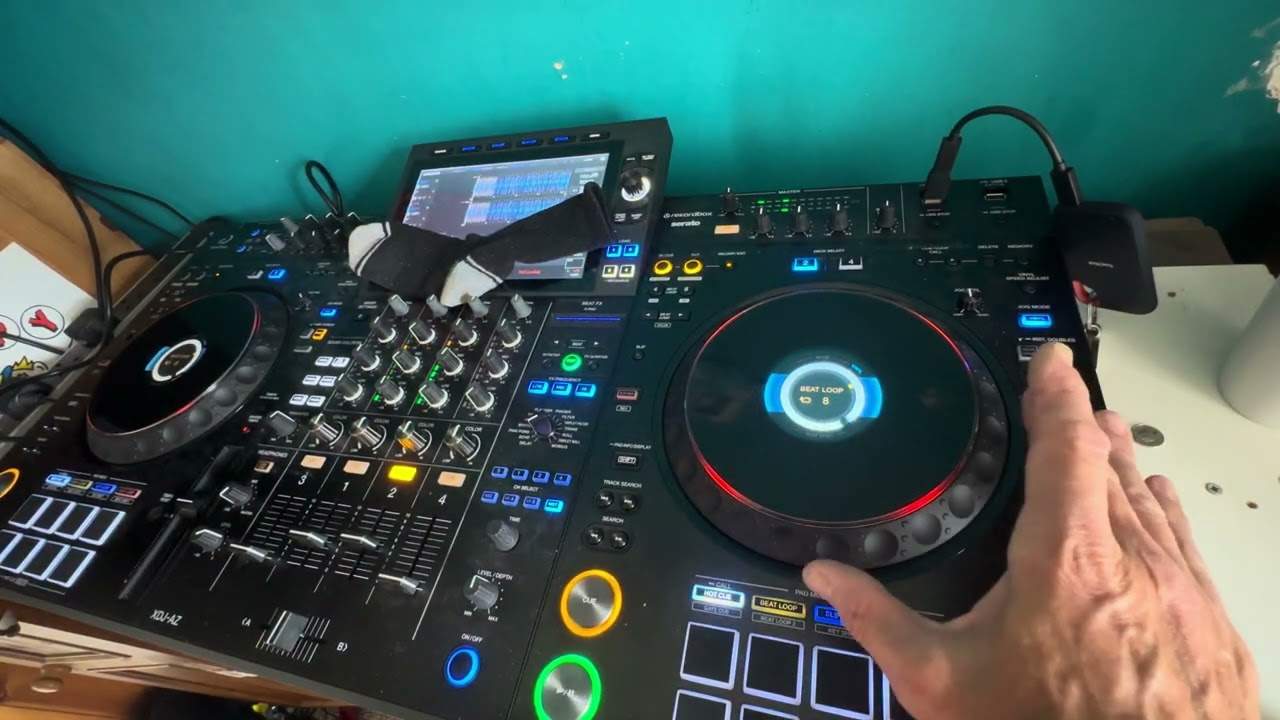
You may have to increase the trim at the top or maybe just a bit more bass and so on. So let's imagine we are not using the crossfade because any old school DJ like myself will predominantly just use the up faders because, like I've said in previous videos, go back in the day and a crossfader wasn't even in existence. In fact, many years ago, Citronic brought out a 19 inch crossfader that you could plug in to your Citronic mixer. That's fact. So we are playing a track. Try not to knock the camera, the phone on a very dodgy looking stand. Anyway, so we're playing the right hand side and we're about to bring the left hand side in. Now again, I could go on and on about this with this video because I'm just going to touch the very basics. But let's imagine there's no need to do a bass swap simply because the right hand
Side is playing and there will be a point in the right hand side where we get to say an instrumental break or the bass line actually stops. Now, if you're bringing the left hand side in at the correct time signature in relation, of course, to the bars and phrases, then in a way what you need to try and do is at the point where the bass line finishes or stops or there's a break in the bass line on the right hand side. If you brought the left hand side in at the correct position, then technically as the bass line finishes on the right, the bass line starts on the left. Now, if that happens and you've managed to get the mix perfectly in lined with bars and phrases, then if you think about it, there's actually no need to touch the base on your mixer because as soon as the bass line finishes on the right, the bass line starts on the left. So all you need to do is
It is as simple as this. Slowly bring the track in, bass line finishes, bass line starts and slowly bring the track out. Now, what you may have to do is you may have to maybe use the trims at the top of the mixer just to EQ the sound so you haven't got a dip or you haven't got one track overpowering the other one. This is where the visualization aspect comes in because what you're going to be looking at, of course, is the LEDs. Now again, red is dead. So what do I mean by that? Well, if you start banging too much in the red, all you're doing is you're putting out, it could be a distorted signal, but what you're doing is you're putting too much into the one side. So I'm going to bring the volume down. I'll just play a tiny bit of it so you can hear it. Beat chuggers. So
4:33 I hope that makes sense
If I bring the trim up, you'll notice I'm going in the red there. Now, right. I mean, it's a bit too much there. Now, if anything, what I need to do is have it so we're in the green and we're in the amber. So by having the signal, the signal like that, what you're doing first and foremost is you're not overpowering the overall mix. What you have to remember is if you go in the red here, then all it's happening is you're putting too much signal into the entire mix, which means you're going to overpower the audio mix itself. If anything, what I would be doing is I would be turning down the trim. So you're just tapping into the amber, which means then you can turn up the master volume. So you're increasing a low audio sound instead of trying to increase
Too much of an audio sound. I hope that makes sense. So let's imagine then that you are going to be overlapping bass lines. Well, of course, this is when you will do that term bass swap. So we'll have the bass here. We'll have the bass down there. You slowly bring the mix in. And then, of course, you can do this. I'm going to just do this with one hand. You can then slowly bring the bass line in on one, take the bass line out on the other. Using the bass below, should I say. Alternatively, the other one is where you do a complete bass swap, where you're literally going to bring bass in on one and bass out on the other at exactly the same time. Now, you may find by doing that all of a sudden now the track you're bringing out has dropped dramatically. What you can do then is just increase the mid very slightly, because if you've got a bit of vocal
In the right hand side and you want that to still be more so in the mix by increasing the mid, you're going to be increasing the vocals, the melody. So the melody and vocals will still be there in the mix, but not overpowering on the other side. Now, a lot like I said, this could be a really in-depth tutorial, but a lot of this is down to your ears. Again, you need to be not only concentrating on the mix itself that you're doing, but the actual audio mix that's going out. So this again is down to the individual DJ. It's down to each individual mix because every single mix you do is going to be different to the next one, to the last one. So you may find you may want to decrease the mid slightly. By doing that, you're not going to overpower the mid.
7:03 What do I mean by the mid?
In the mix. What do I mean by the mid? I mean, for example, the melody, the vocals. Now, quite often the treble can pretty much stay as it is, because if we took the bass, mid and treble in a percentage of the overall sound, the bass is going to be in there. There's going to be quite a bit of it. So I would say that the base is probably going to be, let's say about 40%. Of the sound, whereas the mid is going to be more like, say 50, 55% of the sound. And then the treble is going to be a tiny amount, maybe five, not 10%, but five, even probably less. So really what we're looking at here is the mid is going to predominantly be taking over the sound. The baseline is maybe less, maybe more. But again,
If we look at the types of music you're playing, if it's drum and bass, well, of course, the base is going to be a lot more. The mid is going to be less than that. The treble is going to be even less. So if you're using drum and bass, probably the base is going to be more like 60%. The mid more like 35% and the treble more like 5%. So again, very simple kind of tutorial here, but a lot of it is down to the end user and your ears. I hope you've got a few tips here. Thank you for watching. Don't forget, please comment. Let me know what you think. Anyway, finish off with practice and enjoy. Thank you.
This transcript was produced automatically from the audio of the video and may contain mistakes.