 6:19
Philosophy behind a good set, Read the croud!!
Contents of the video
0:00 In this video we're going to be talking about putting a set together
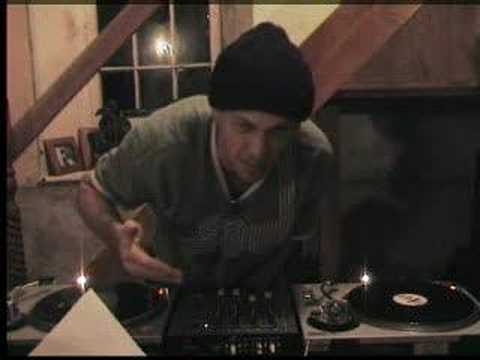
Alright folks, in this video we're going to be talking about putting a set together. When you're in your bedroom and you're knocking a set together, it could sound the most wonderfulest thing to you and your friends, and it could be very good. But there's a good chance that if you played that set in a nightclub in front of a crowd, you may die a death. The reason being is I've seen it so many times, I've actually seen DJs turn up with boxer records And quite often what I will do, of course logically I'll listen to what they're playing, but I'll actually watch how they take their records out of that box. The reason being is simply this, you'll see them and they'll start from the back and work all the way to the front. In other words, they've got their set, that's what they're going to play and that's it. Now, it may be the best set in the world, but to be quite honest, that DJ is not playing for the crowd.
All they're doing is they're playing the records they've chosen, starting from number 1 through to number 20 at the front. Now then, a good DJ, what they'll do is they will start, they'll have a set in their mind where they want the actual music to go. What they'll do, maybe they will go from 1 to say 5, but then they'll look at the crowd and think well they don't want number 6 or 7. They want to go to number 9 or say number 13 or 14 because at that particular point where you would have brought in your next record that you've put together in your bedroom, that isn't the right record for that particular time. It could be something else. Now this is one of the most important things to getting a good set together because no longer are you a DJ playing your set in your bedroom. You're actually a DJ playing a set for...
2:10 Half an hour, two hours or three hours
A crowd, okay? Now the crowd will tell you when they want to be moved up a peg or two. The crowd will also tell you when they want to be brought down a bit. Now, I mean, if we look here, you've got a little chart there, okay? Those little lines are 10-minute intervals. Now, ideally, the stereotypical set, you start off, you build them up here, you bring them back down again, whether that's one hour... Half an hour, two hours or three hours. But then you see the thing is, is the crowd may want to be built up earlier. They may want to be built up later. They may not even want to be built up at all. They may be happy with just being chugging. They may be happy just being sort of chugged along and then drop right down and then the next DJ comes along and then he could be the one to knock them back up, alright? So again, think about it. When you're in your bedroom and you're doing say a mix CD, fine.
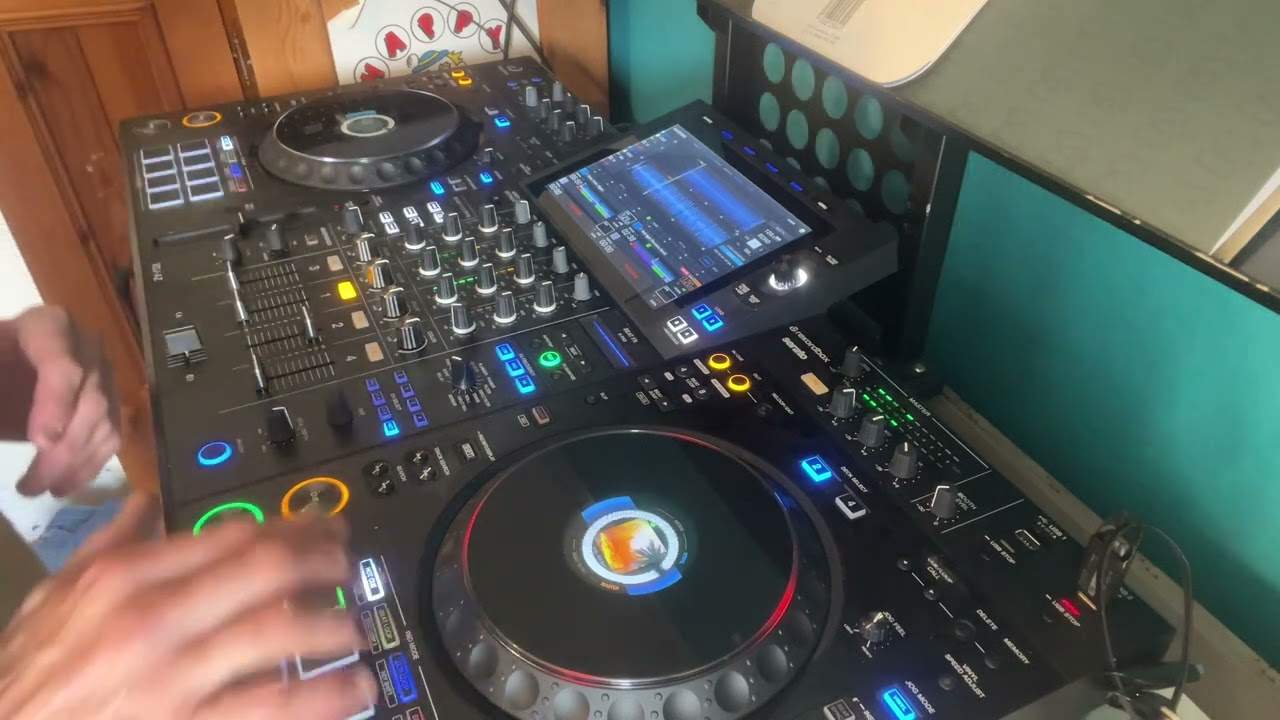
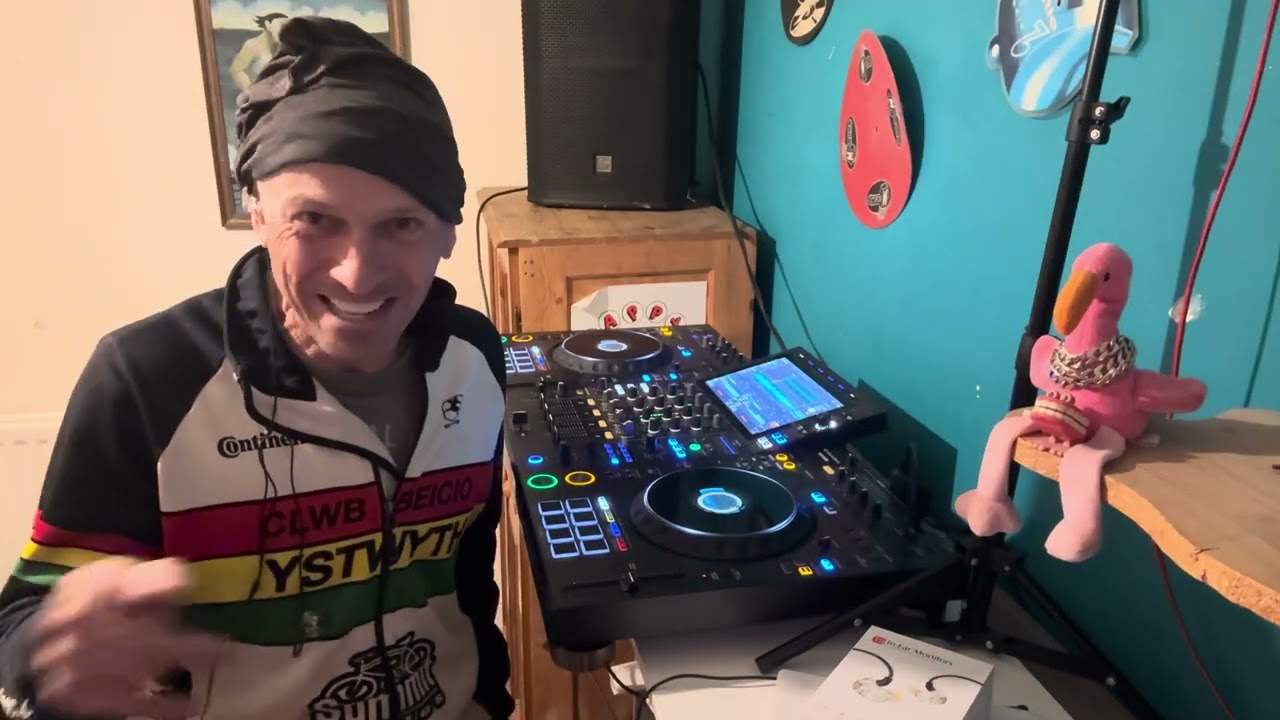
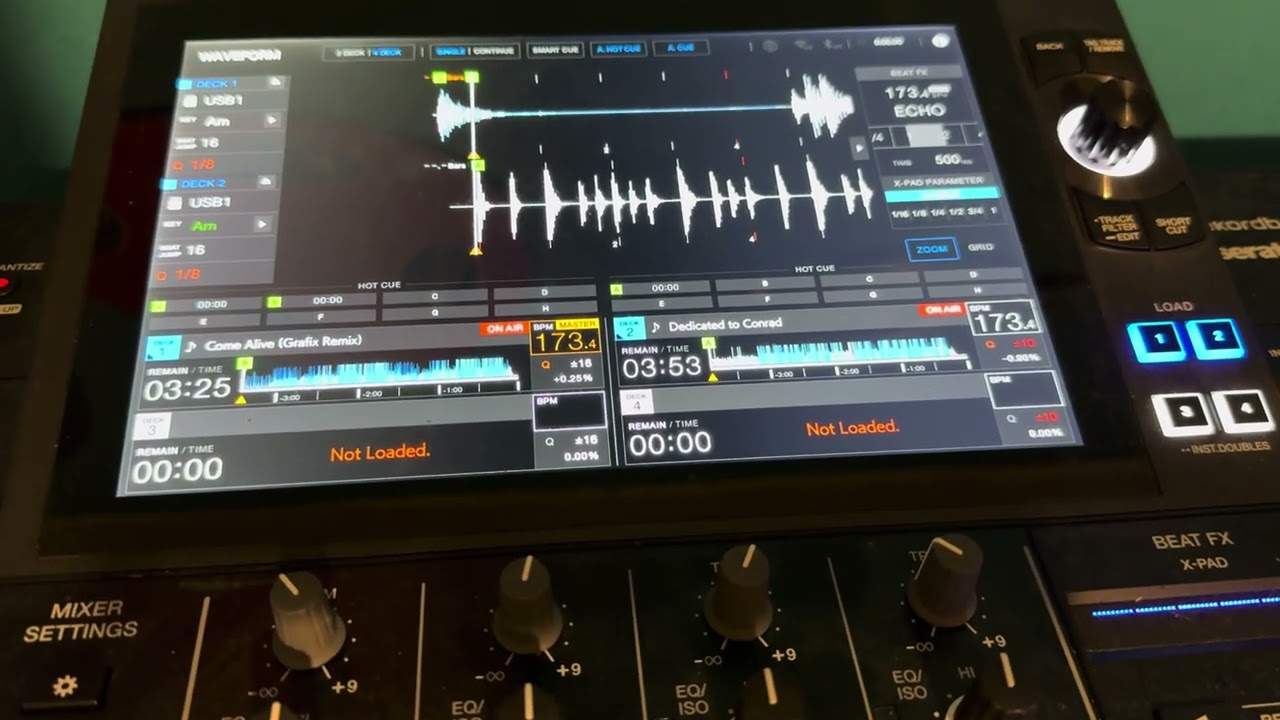
Because there's no worries, because you can start off peak and come back down again. But when you're actually playing to a crowd, you have to look at them, you have to decide what they want. You also have to decide to a certain degree, it's 50-50, what you feel you want them to listen to, okay? Work together, not apart. That's what good DJs do. They will work together with the crowd. I've got a couple of tunes here that I would class as the beginning of a set. We've got to do a bit of mixing, haven't we? What we're going to do is we're going to put one of my classics in, which is Alan Braxey's Fred Flake. All I can say is practice and enjoy, an excuse for whistling. Bye bye.
This transcript was produced automatically from the audio of the video and may contain mistakes.