 9:10
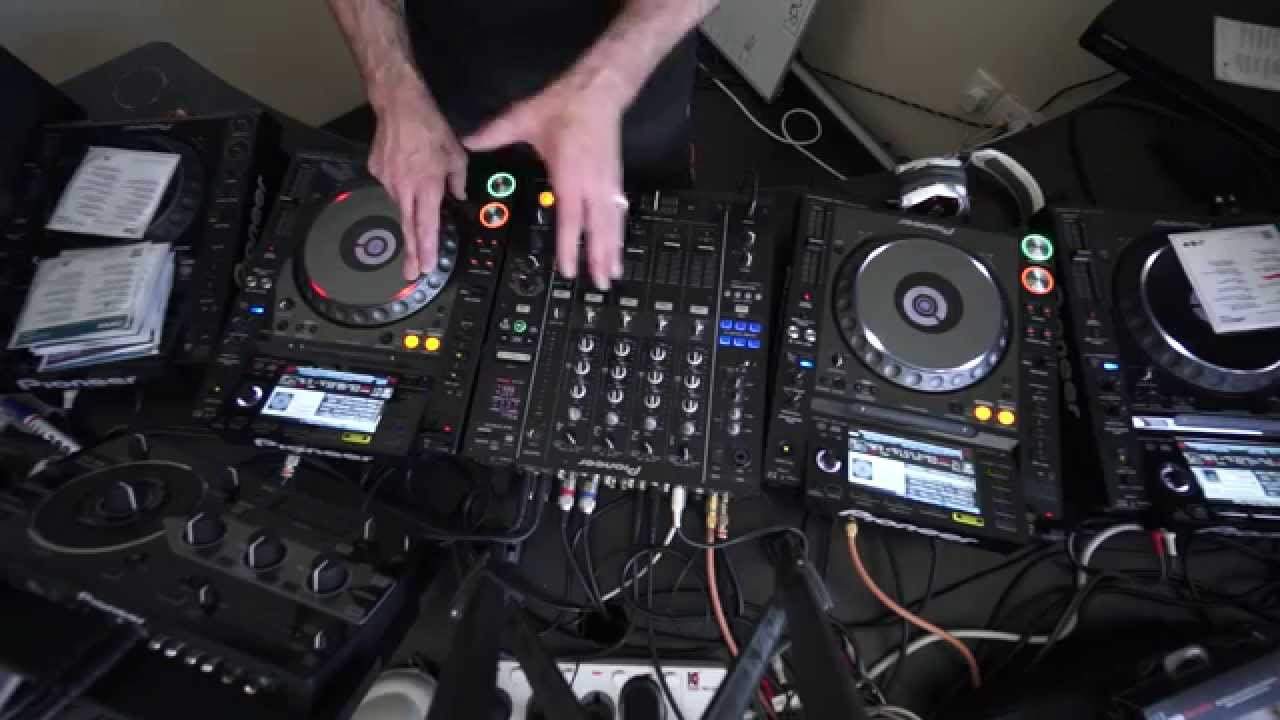
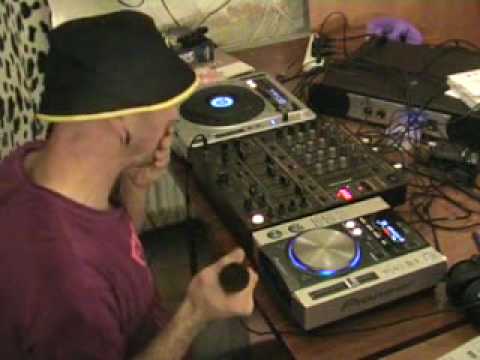
A talk through a mix on a Pioneer CDJ-800 and a CDJ-200
Contents of the video
0:00 Big shout out first of all to Smash DJ for the hat
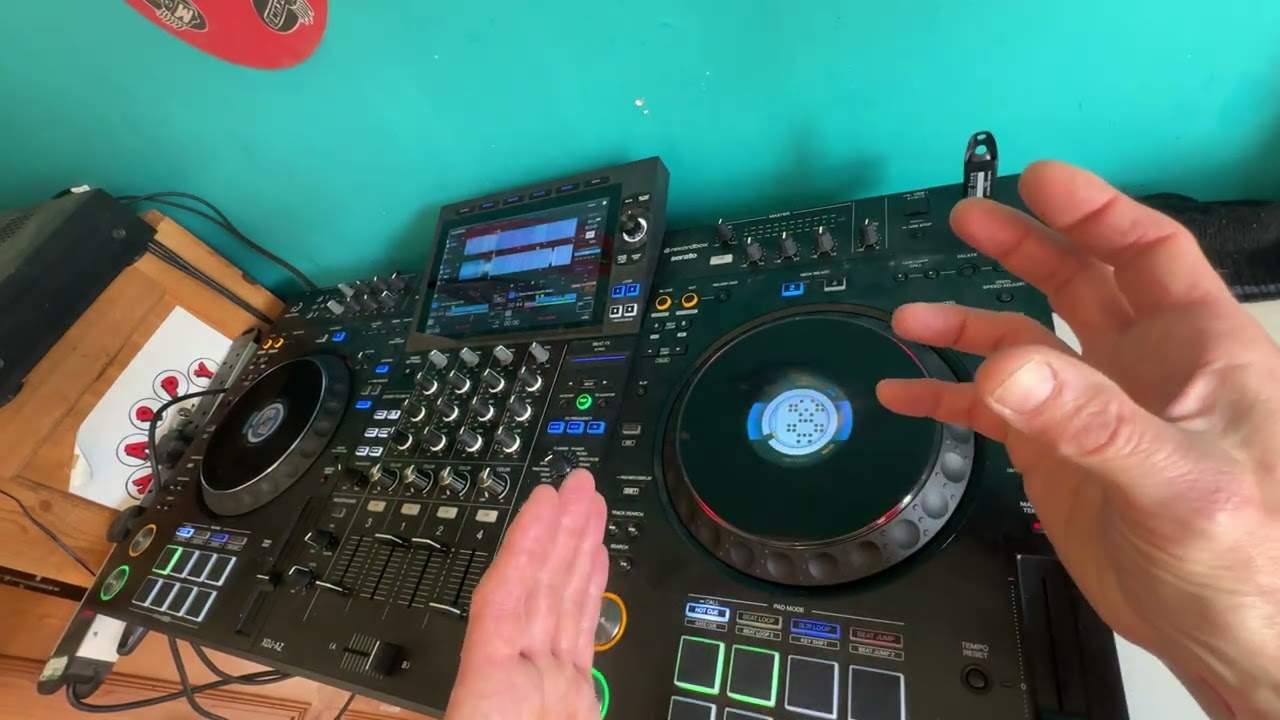
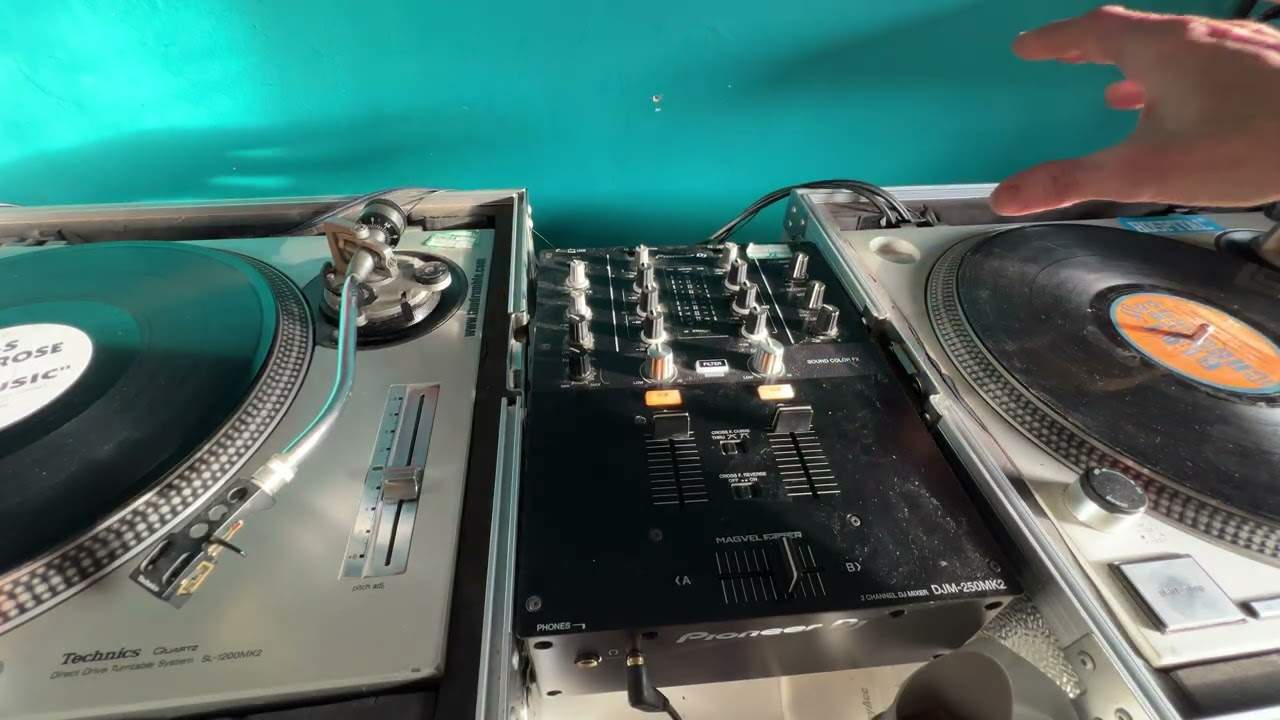
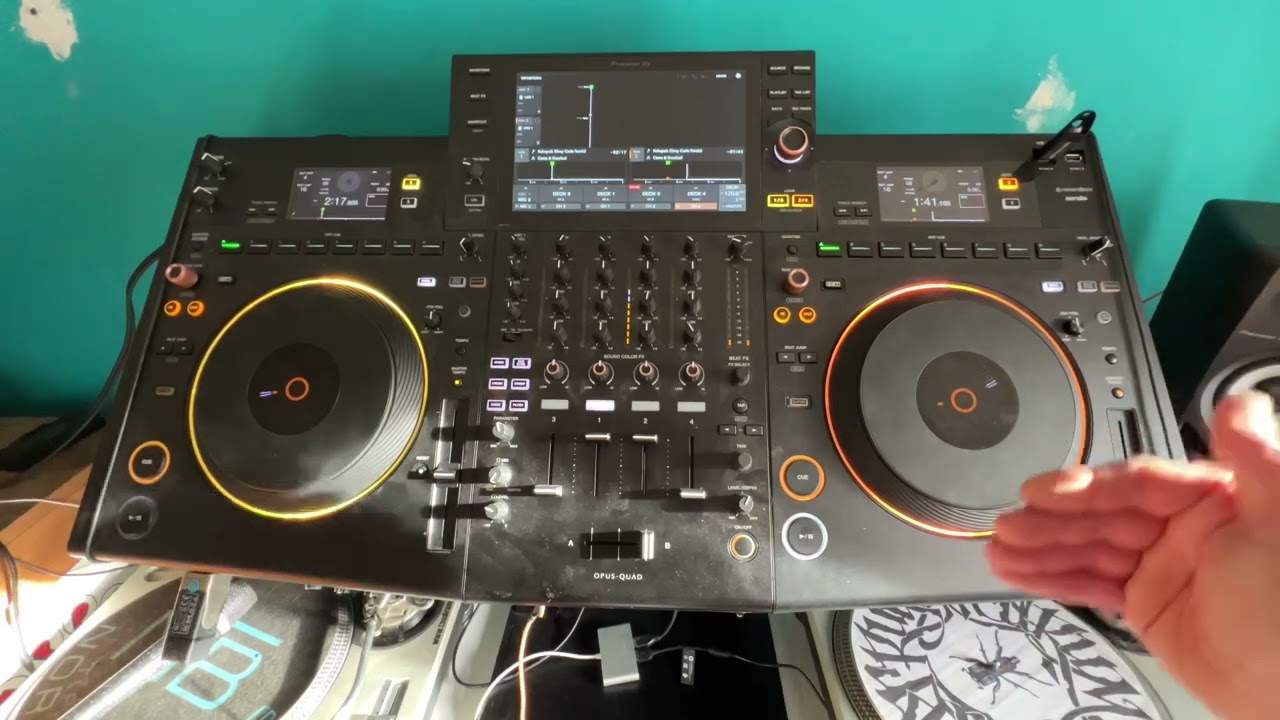
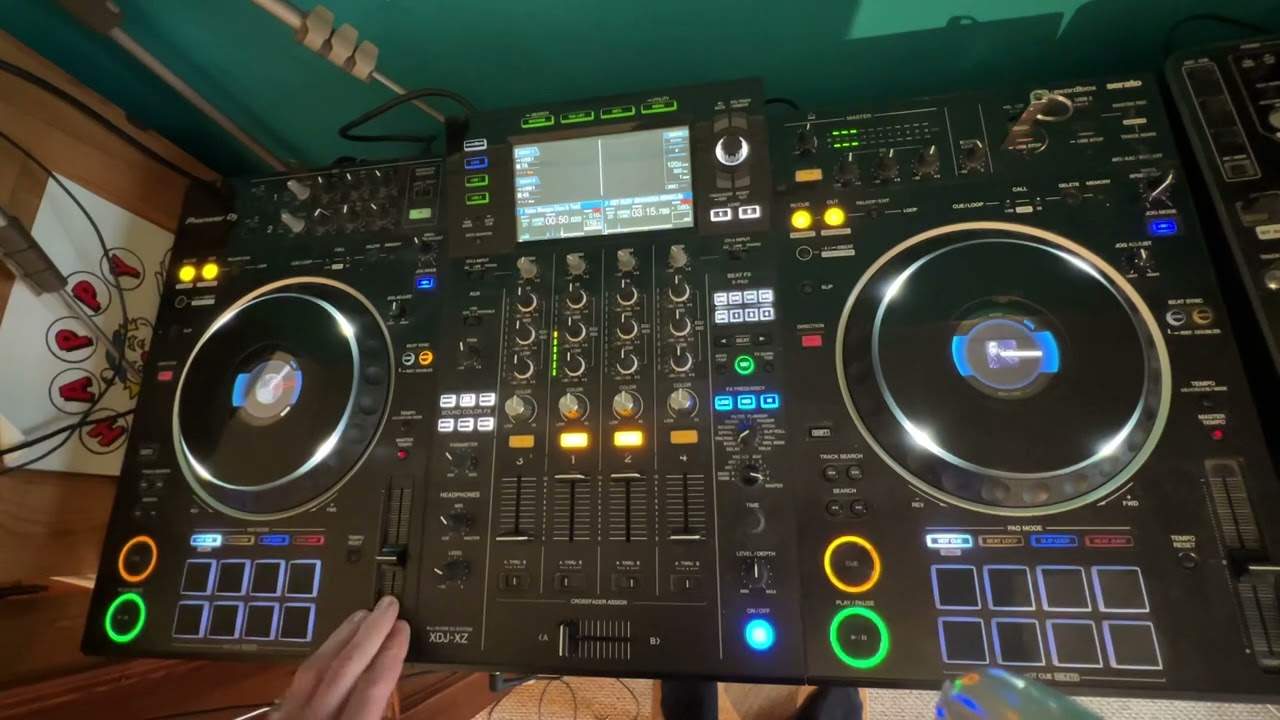
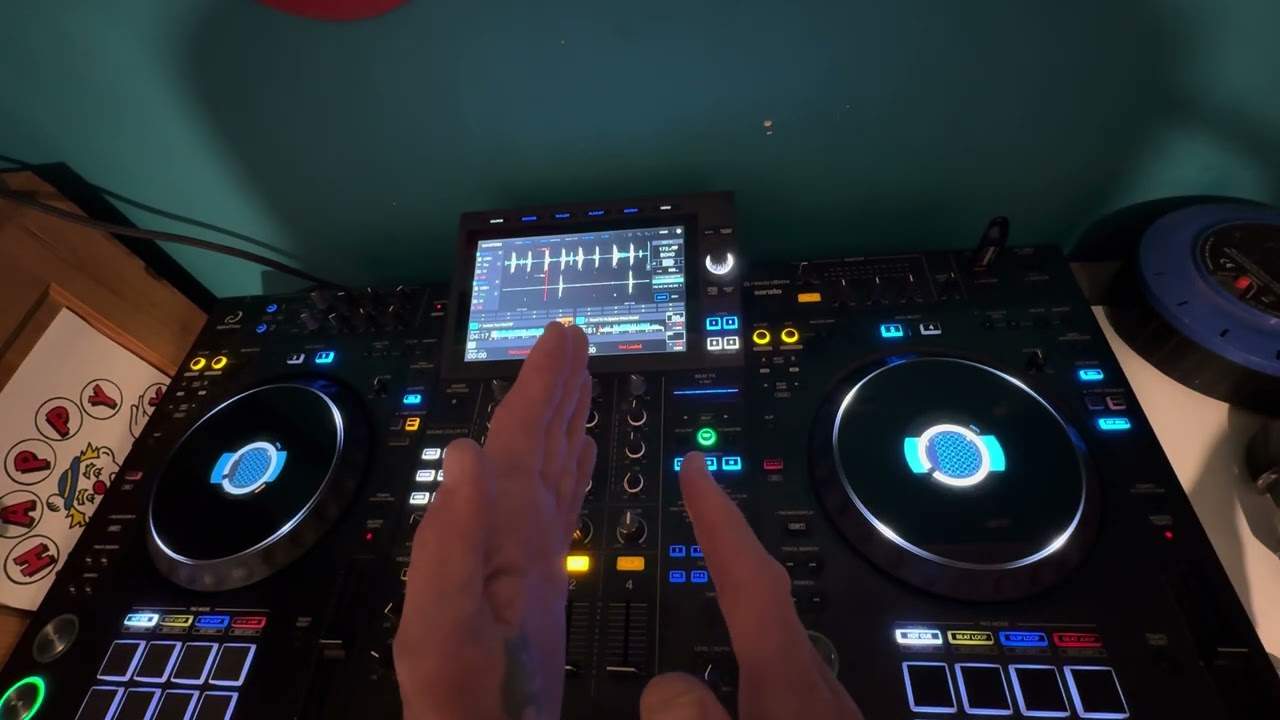
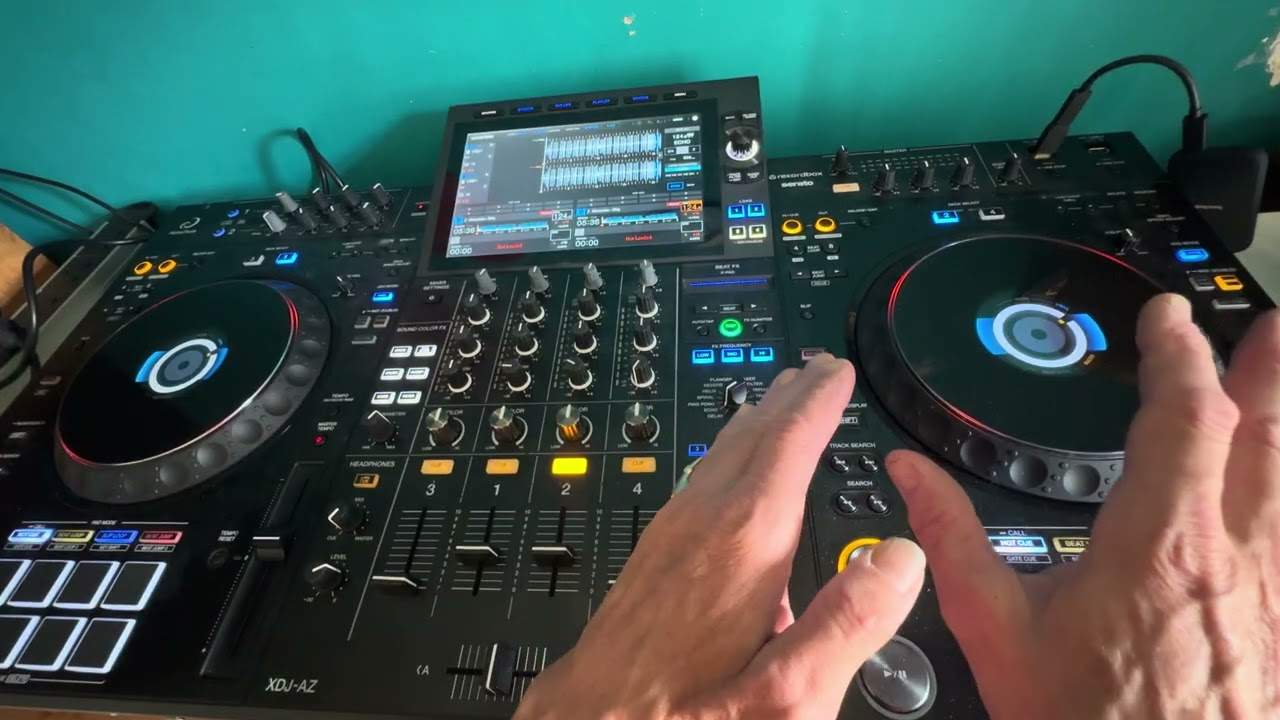
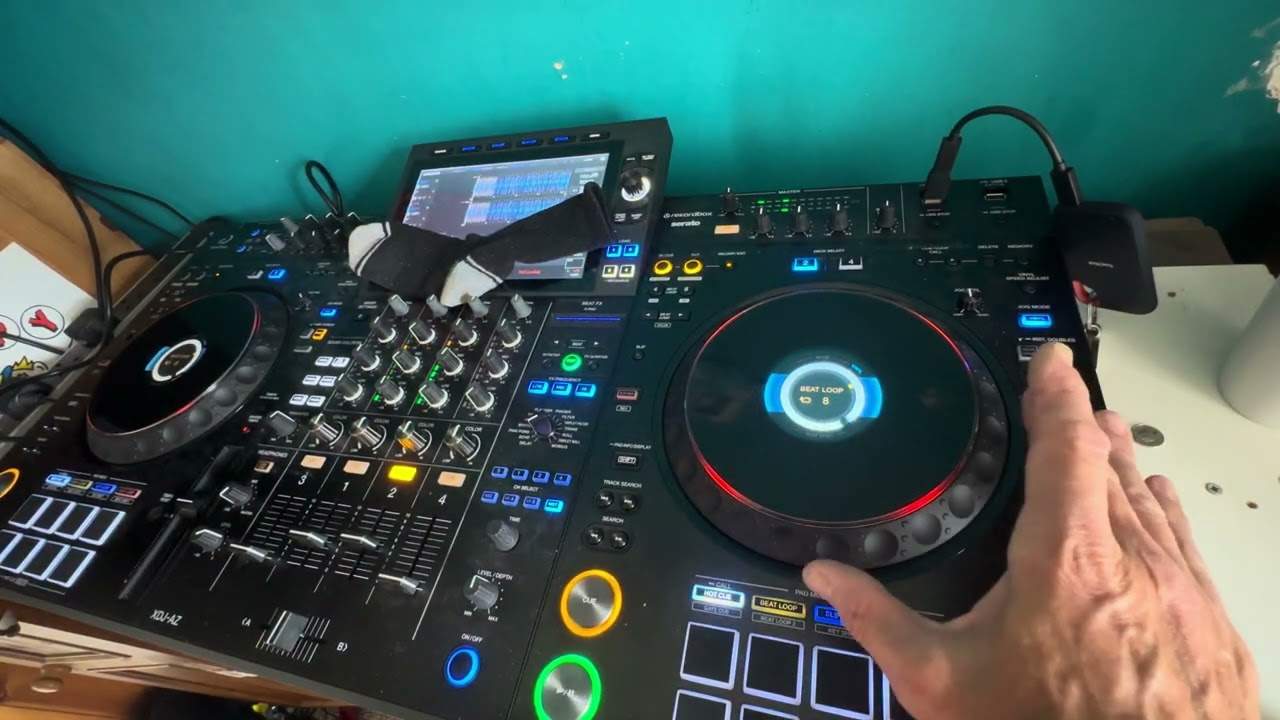
Alright folks, big shout out first of all to Smash DJ for the hat. But very quickly sir, when you send a hat, a letter, a CD and two small bars of chocolate, it doesn't go very far on a second class stamp. So we had to pay extra. So I'm going to send the boys around mate. Only joking. Right, now I did a similar video a while ago, talked you through a mix which is hopefully what I'm going to be doing now. But the last time I used a CDJ turntable and a vinyl turntable in this... Video, I'm going to be using two CDJs. I'm going to be using the 800, whereby I'm going to be playing the latter part of a track. And I'm going to be bringing in on the CDJ 200 the beginning of a track. Now then, a lot of facets we need to think of here. Okay, we need to think of the structure of the music. We need to think of the key, the actual tone, the melody, the feel. And also to beatmatch, they need to be actually beatmatched in time.
Again, you see a lot of people have been asking me, what do we turn first? Is it the bass, the mid, the treble, etc.? Well, to be quite honest, how can I put this? It's entirely up to you. Now, what I mean by that is simply this, okay? You need to listen to your records, your CDs and your PC tracks, whatever. And what you need to do... When you listen to a certain track, you have got a bassline, a melody, the beat, the hi-hat, the clap, etc. What you've got to actually do is you've got to work out and think. You've got one track playing and you've got another one that you want to mix into it. Now you've got to ask yourself a lot of questions, but you've got to ask yourself, will those two basslines work well together? If the answer's yes, then maybe keep the bass, the two bass up together.
2:20 Likewise with vocals, with the melody
If maybe you feel one will be slightly more overpowering than the other, then maybe what you need to do is turn one down slightly and leave one up. And then say you're mixing this one in and this one is coming out. Perhaps what you need to do is have this one all the way down. So this one is playing and you're bringing this one in. And then as this one is coming in, you turn the bass up and then you turn the bass down on that one as that one's going out. So in other words, you've got a flow, you've got continuity of bass, you haven't got loads of bass coming in all at once. Likewise with vocals, with the melody. If you feel you've got them both up and there's too much going on, then of course the one that's playing, have that up. The one that's coming in, the melody is down. The one that's slowly coming in, turn the melody up, the mid up, and bring the other one down. Likewise with the actual high, the top.
The thing is, what you find is the actual top. You don't really have to mess around with that so much. You do actually see a lot of DJs, they'll twist it really hard like so. It doesn't really matter. The main facets with bass, mid and treble, of course, are the mid and the bass. They're the most important parts to mess around with, but at the end of the day, it's all about practice. It's all about you knowing your tunes and having a bit of fun. Now what we'll do, we will play the latter part of this particular track and we'll bring in the beginning of this track. I'm going to have the crossfade in the centre of the mixer. I'm going to have the two volume controls all the way up. And the bass, the mid and the treble are at 12 o'clock. So I will play this track here and let's have a listen to it first. Here we go. And if you want to know what the actual tracks are, just look on that side of this video. Here we go.
3:59 I'm going to be bringing the track, this track in
I'm going to be bringing the track, this track in. I'll tell you where. Around about here. And I'll bring it in. Start it there. Okay? This is where I'm going to bring this track in. Because what I've done is I've basically listened to both tracks and I've worked them out. So let's say for example if I was doing a mix of say 10 or 20 tracks. If I actually worked everything out in between each individual track then what I could do, I could get not only a good structure Alright, pause that. Now then, have a listen to this particular track. This is the one we're going to be mixing in, okay? Fast forward it a bit.
6:42 I mean, alright, anyone want to say anyone?
Right, now then, what I'm going to do, I'm going to start off that one again and I'm going to bring this one in at the time I said I was going to bring it in and let's see what happens. Here we go. Right, again, I've got all of the EQ set flat. It's all at 12 o'clock. Let's get this one ready. By the way, if it does go off beat, it's because I'm doing loads of things. Here we go. Keep it in beat. Basically, once I get it to roughly about the same, the right actual BPM and the beats are together, I can always use the jog wheel, okay? Now, on the one that I'm taking All right now again it wasn't exactly the best thing in the world but then again you see if I'd have spent a little bit more well when I say a little bit more time if I'd have had my headphones on and let me just pause that for one second stop it stop it like that right if I'd have
Have the headphones on, hopefully it would have been a lot better. But then again you see, when you actually put a mix together, it's all about spending time. I mean, alright, anyone want to say anyone? You know, you could all of a sudden like dip through your records and just grab a track, chuck it on, grab another track, chuck it on, grab another one, chuck it on. But if you want to get a really good set together, it's an idea that you listen to each individual track. And then you format it, you know, you listen to the end of a track and what you have to basically do is you have to think will the end of that track go in with the beginning of the next track because that's what it's all about. To begin with, that's what you need to do. As you get better and you get more confident, then what you can do, you don't have to think well, you know, I'm going to play that track all the way to the end and bring the beginning of that track in and then play that track to the end
Put the beginning of the next track in. What you can actually do is you can think, well I can play that track, track number one, all the way through to say halfway and then I can bring the actual beginning of the next track in halfway through the first track and then maybe... Play that track through, and then let's say the third track, you can bring in, say, three quarters of the way through the second track. Now again, it's all quite logical. It's complete rocket science to some people. It's like, how the hell does he do it? But it's about practice. I hope this has been a help. Thanks for watching, and as usual, practice and enjoy.
This transcript was produced automatically from the audio of the video and may contain mistakes.