 9:54
Add a Loop for the Back Bone of Your Mix CD Pool Club December 2018
Contents of the video
0:00 Demonstration, hopefully educational and tutorial
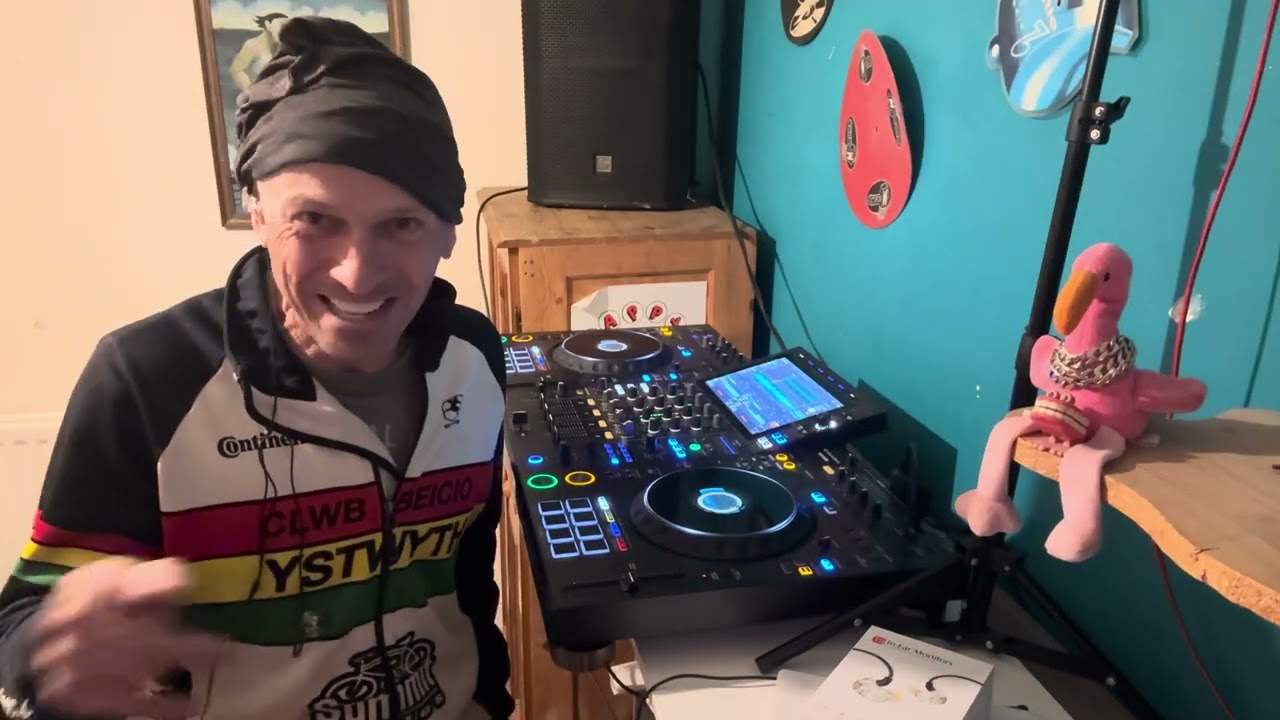
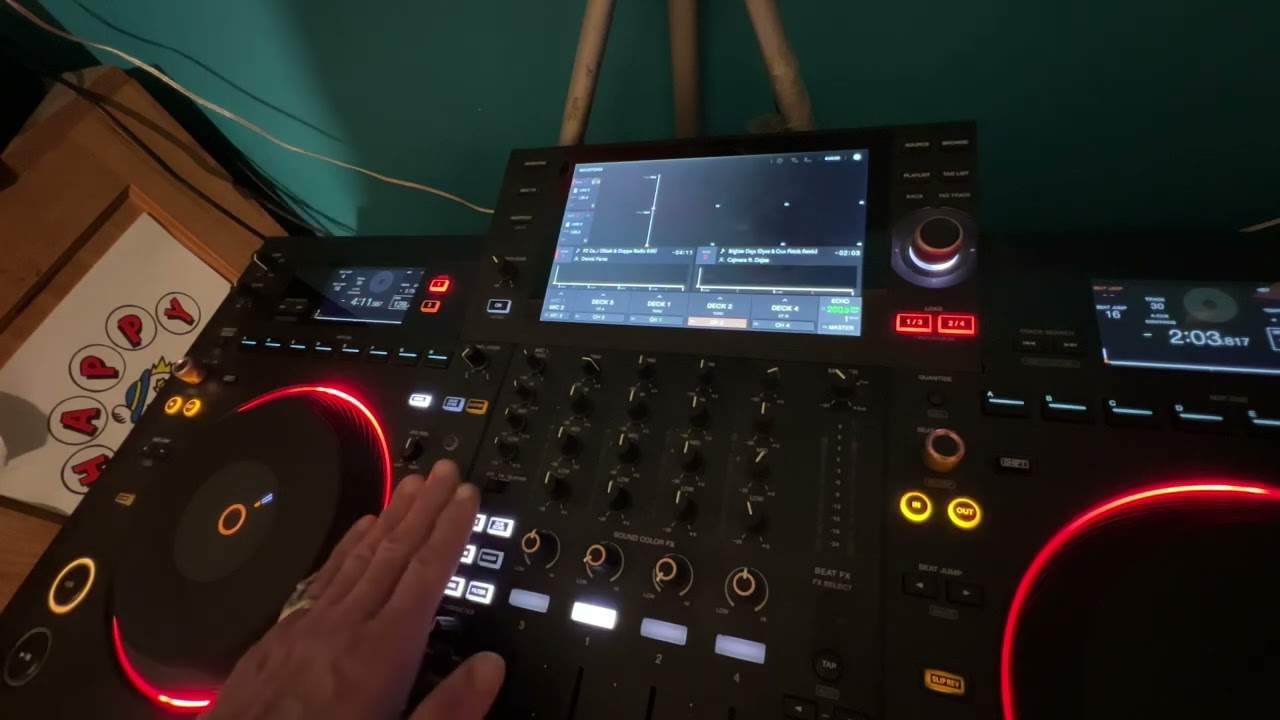
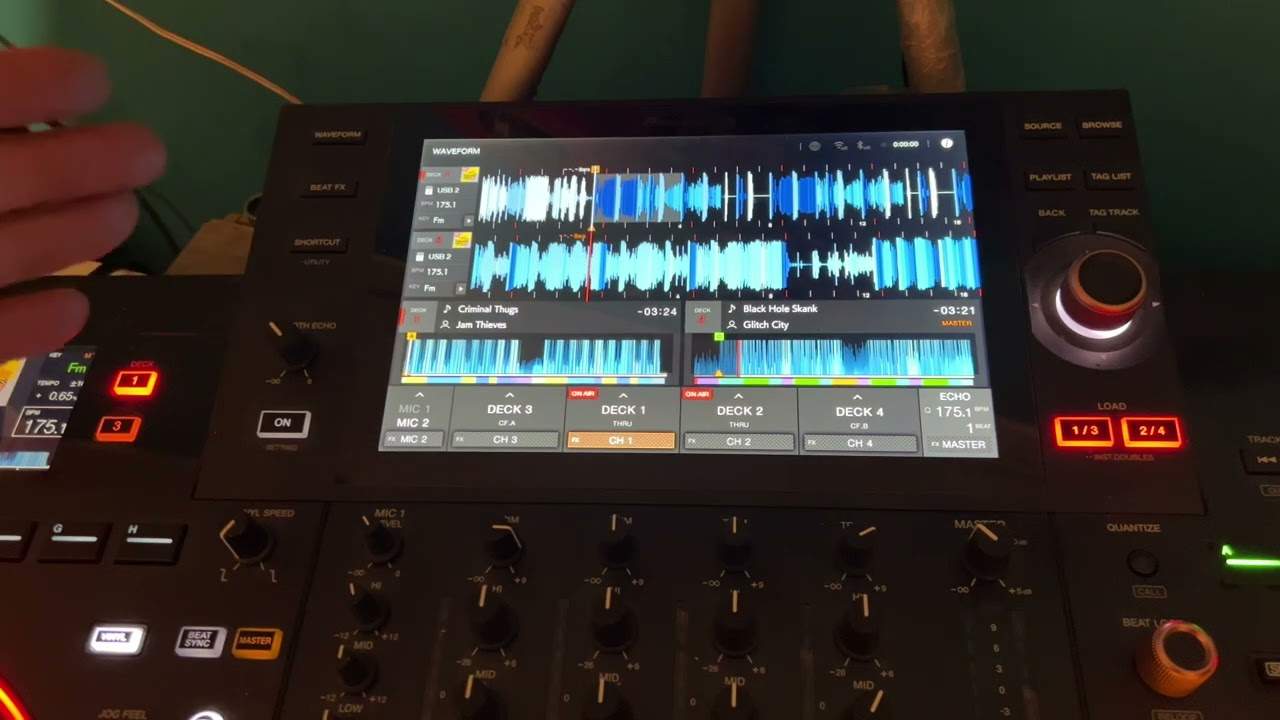
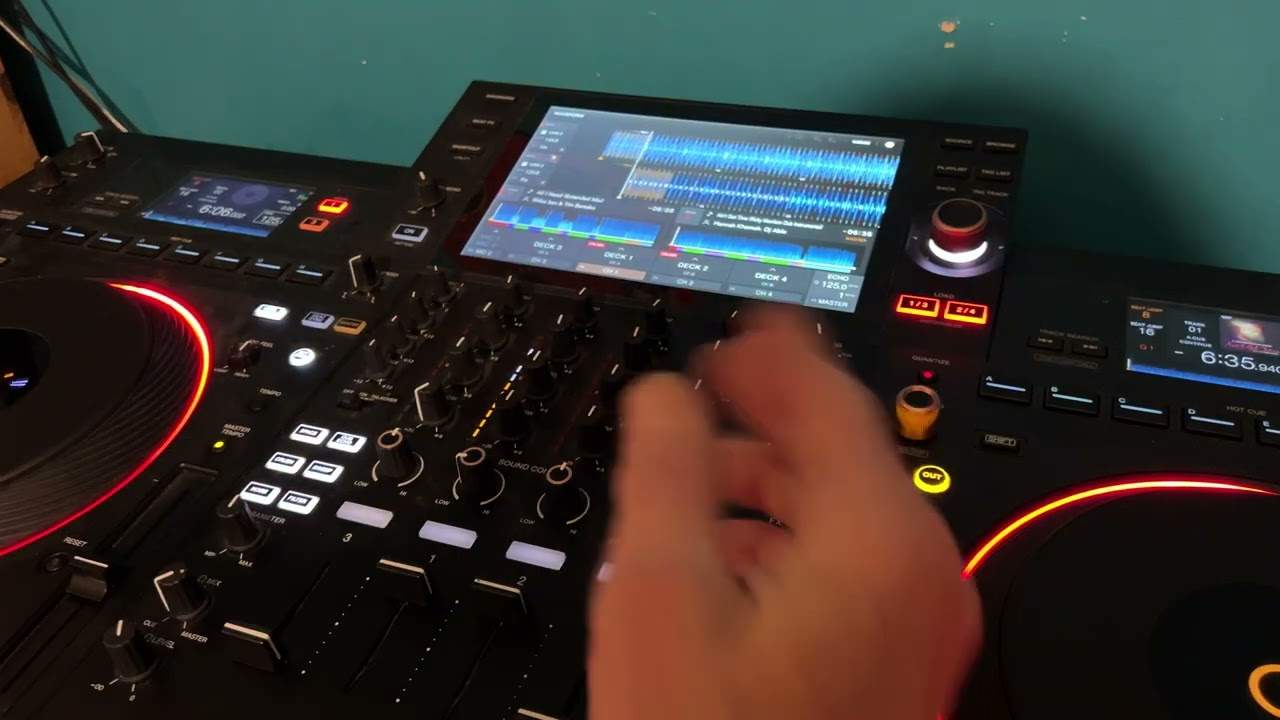
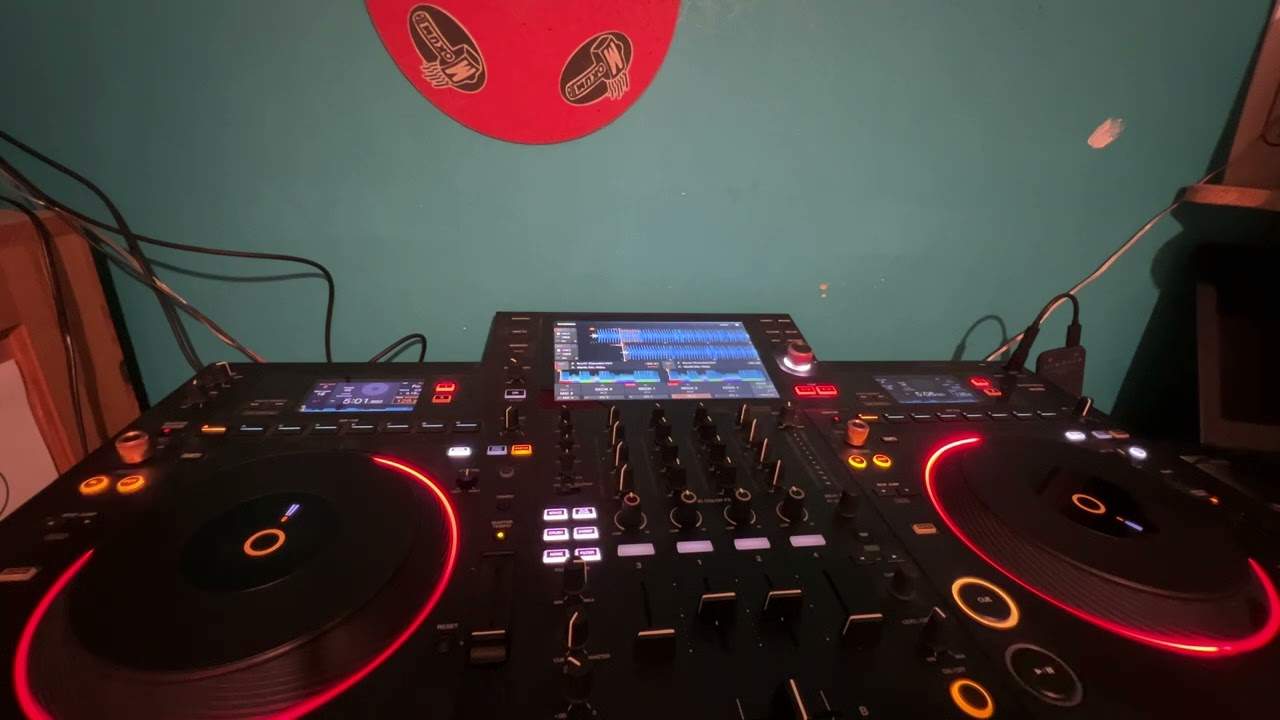
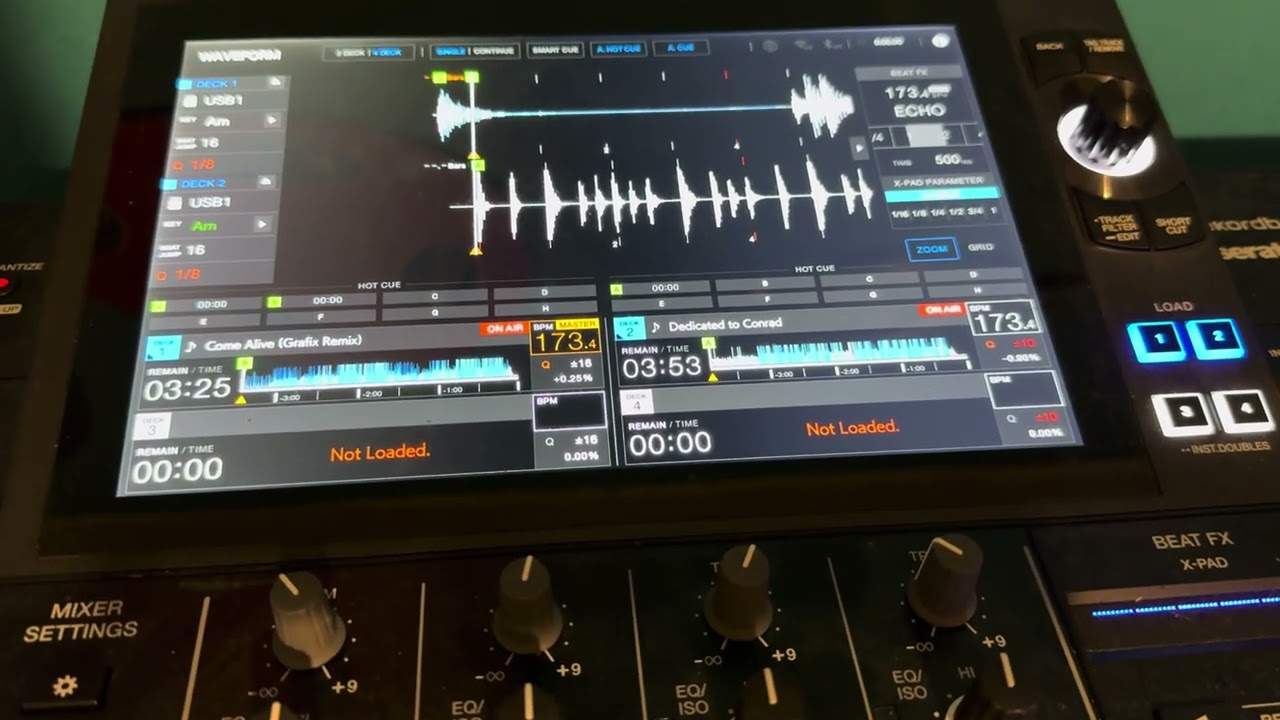
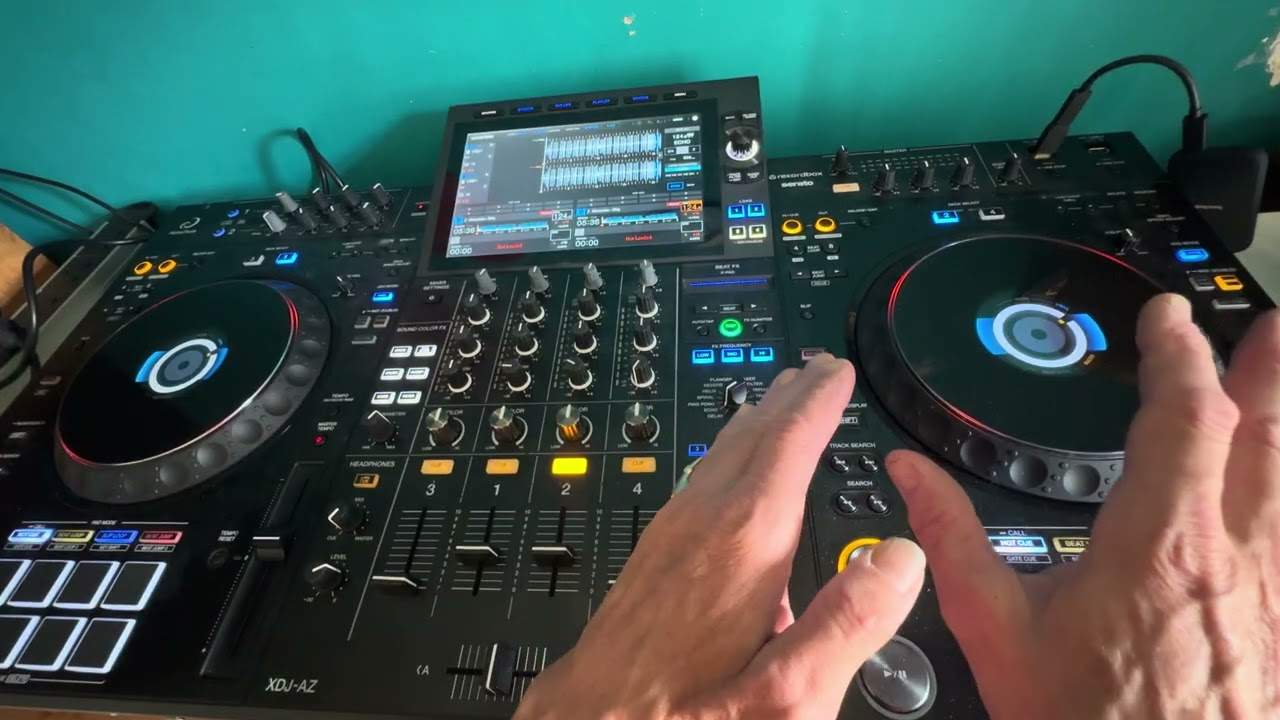
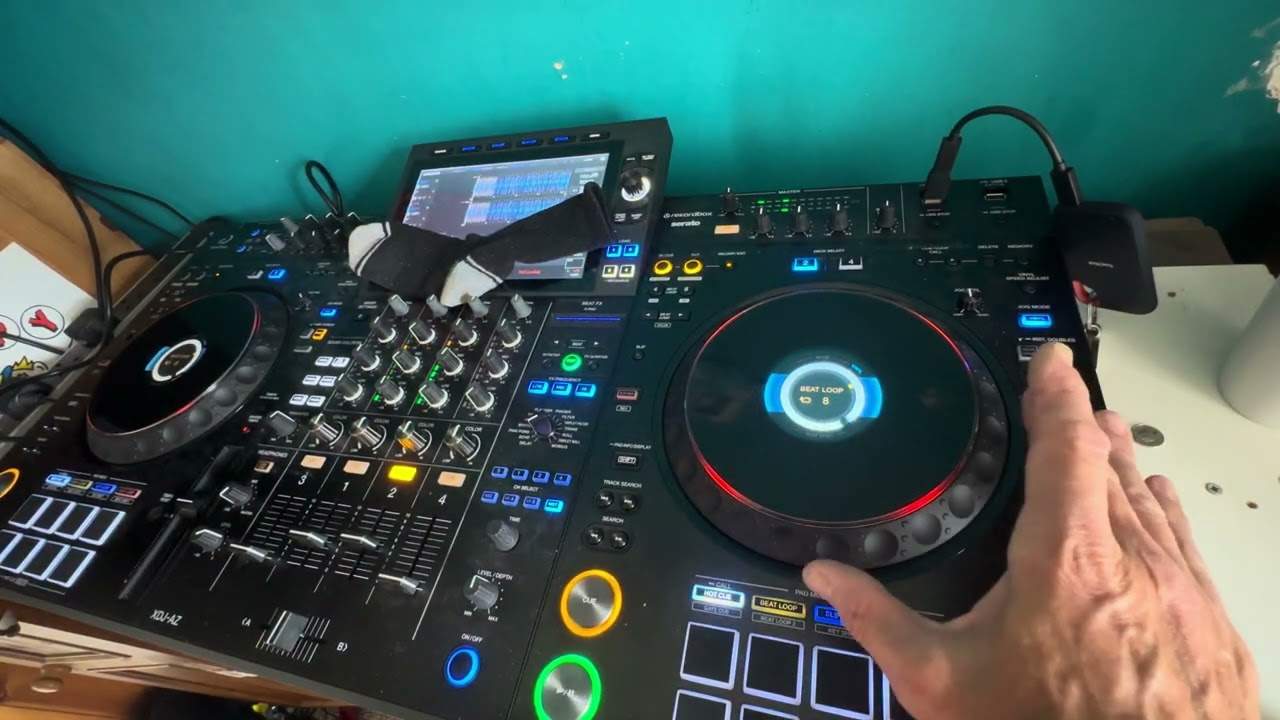
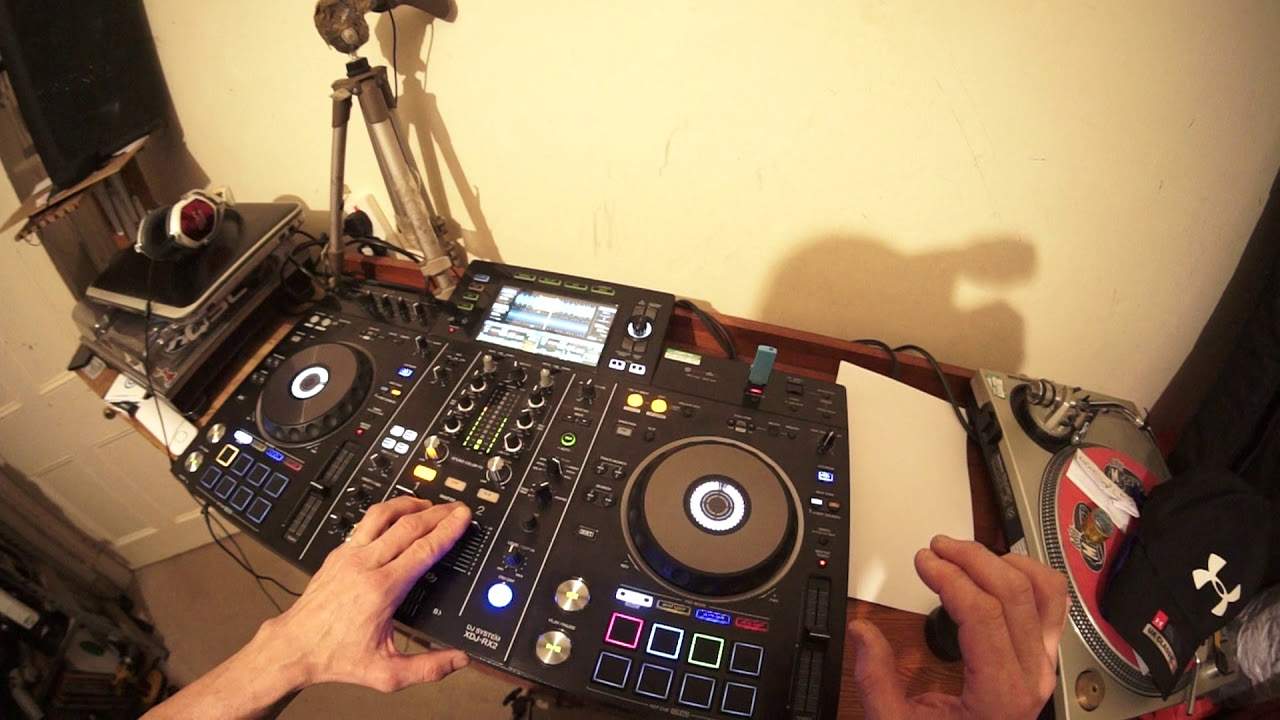
Right, demonstration, hopefully educational and tutorial. Also a bit of new releases from CDPool. We're looking at the sum of the club series from December 2018. There is a link to CDPool in the description. You'll be able to hear these tracks. Just follow the link and then look up Club December 2018. You'll be able to hear these tracks as well as all the others. So there's like a bit of a soundbite of every single track on the club series December 18. Questions on the left hand side, this is House on the right. Using the XDJ-RX2. Now with this demonstration, ideally you would need a three channel mixer. So I'm going to talk you through what I'm doing. We've got a loop here. Actually, there's the loop. Okay, there's the loop on the left hand side. Now what I'm going to do, I've got quantize engaged. I'm going to have that as my master and I'm going to have the right hand side as sync because I don't really want to now start thinking about beatmatching.
So I've got a loop going there. Now what I want to do is, I want to start adding other elements from different tracks over the loop. If you remember Jive Bernie and the Master Mixers, if you don't go and Google it, you'll see what I mean. Because what they used to do, what they did, is they would have this underlying backbone throughout the entire track, which was a repetitive beat, and then they'd add tracks over that. So the beat itself was like that, you know, four to the floor or whatever. ...style of beat it was, and then over that you would then have the tracks. You wouldn't have any gaps, you'd be one track, 1-2-3 o'clock, 4 o'clock, and then boom another track, 2-3 o'clock, you know, and then straight into another one. So of course I can't demonstrate that because I've only got a two channel mixer. If you had a three channel your loop would be on one, and then you'd have another track playing on track two, and then bring something else on track three. So in other words the loop is like...
2:53 Snapper tracking pretty much straight away
The jam in the sandwich. So, sorry I hit the crossfade. On the left hand side questions, right hand side this is house. So imagine now, this is still playing. I know this is crazy. So that's still playing, you've got that in the background and then I can then bring in another track. Now again, because I've already set hot cues, I would be able to flick. Snapper tracking pretty much straight away. Also, because I'm using sync, I don't have to worry about beatmatching it. Now again, as you should know, I'm dead against using sync personally, but when you're doing something like this, yes, you're DJing, you're doing a mix, but also you're starting to get into the realms of production really. So now notice as well what I've done. I've taken away the bass on the right-hand deck. Now I would do that with...
4:35 Went from one to the other exactly at the right position
Channel 2 and channel 3. Because channel 1, my loop, is the backbone. And if I've got too much bass, we almost lose that feel of the loop. So this one here is Picture Simon Field Extended Remix. So really you need to read between the lines here. You see, bring that out. Now we've still got that beat in the background. It's still playing. We've still got it there. This one here, Emotion. Blinky extended remix. That's quite a good shot there. Went from one to the other exactly at the right position. You see again, because we've got that loop in the background, there's no need to have the bass on the other track. If I put the bass in, you may not be able to hear it but I can. It's now overpowering the loop. Okay so let's just go over what is going on here. We've got a loop on one channel.
Let that loop play. Now, always make sure the loop isn't repetitive, so you need to listen to the structure of the track. It could just mean a one-bar loop. If it's just a dum, dum, dum, dum, then fine. You could just loop one bar. But if the track itself at the beginning has got some form of structure, you don't want to break that structure up. Otherwise, it will definitely A, sound repetitive and B, sound very boring and C, people will start throwing stuff at you. On the other hand, if you listen to the track and you work out that yes, you've got like a nice phrase, whether it be one, two, try not to do three, four bars, try not to do six, maybe eight bars, then you can loop that. Now that's your backbone. Then track.
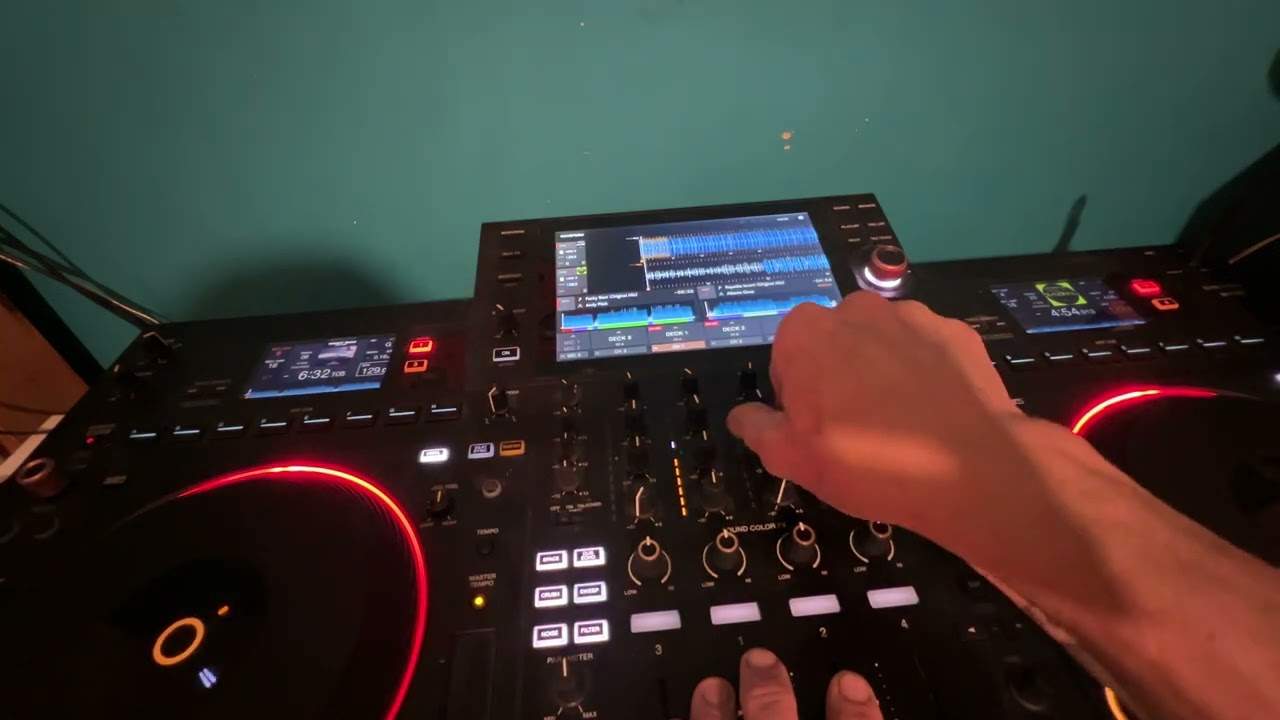
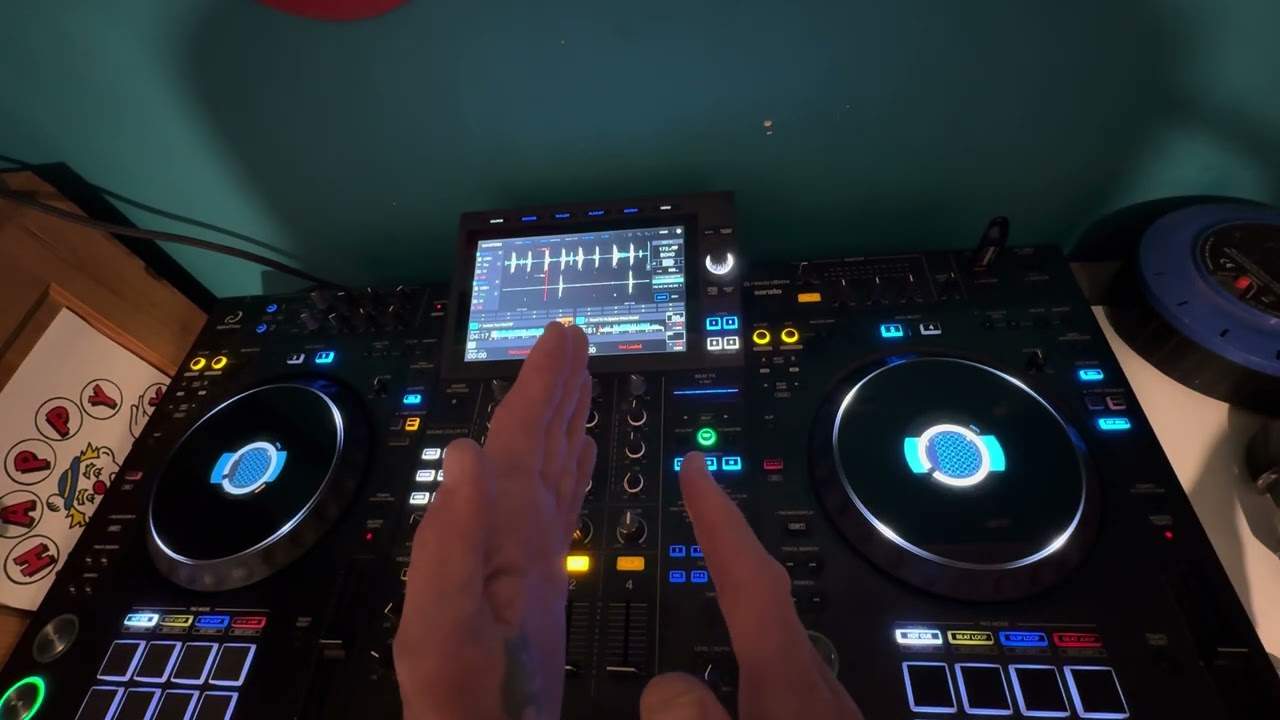
Two, you'll bring in one song over that loop. Let that play, maybe set some hot cues, have a mess around with it and then carry on letting it play. While that's playing, then you form your transition with track number three. Oh God, you want to try doing this? Number three. So you bring in three and take out number two. So now three has taken over from two but you've still got that loop going on in the background. This is the Jive Bunny kind of thing. But also, you know, there is so much you can do with this. For example, if you do have three decks then on the third, like I've done with the second one here, you've got hot cues. If you have quantize engaged and sync, you don't have to worry so much about...
7:23 Getting them perfectly beatmatched because the sync should do it for y
Getting them perfectly beatmatched because the sync should do it for you. And then set hot cues, so you can go hot cue from 1 on track 2, hot cue on track 3, bring track 2 down, so you've got 3 playing. And then cue up track 2, bring the volume up, so track 3 is playing, hit the hot cue on track 2, that will start playing, bring the volume down on track... So you've always got something going on, so really your mix is about channel 2 and 3, but the backbone of everything is that repetitive boom, bam, bam, bam. Think about it, if you've got some tracks where the beat is a bit, I don't know, it hasn't got sort of testicles, then you can add that, of course, by bringing in a track that has got some balls, and of course that will be your loop.
Keep that going in the background. Also, what it can do, it can bring together a mix. It can make it sound a little bit more beefy, alright? Give it a go. Hope that's a help. Let's just have a little bit of a listen without the loop to Questions, the Henry Hacking Remix. Here we go. And if anyone ever is having any problems with YouTube and copyright issues and whatnot, and you think it's only you, it isn't. I probably get two or three emails per day from YouTube saying... There's a problem with one of my videos and generally what tends to happen, they say no problem, just a heads up, but you'll get adverts over that video. I think that's the best thing to do because the artists have a right to get a bit of revenue. What I think is really stupid is when they block the video or they take it off. I mean, come on!
I'm using the microphone from a camera. Who's going to try and sample bits of me and music in the background, alright? I never play all the track or very, very rarely will I play all the track. And even more rare than that, I will play the track in direct stereo. These are demonstration videos not for people to download the music. There are places to download music not here. Far better, better quality, including of course CD Pool. Thank you very much, practice and enjoy, and there's more new releases from December coming up in the next couple of weeks. Practice and enjoy, thank you.
This transcript was produced automatically from the audio of the video and may contain mistakes.