 7:29
Beginner DJ Lesson on Chopping in a Tune Without Beat Matching
Contents of the video
0:00 This can be classed as a beginner DJ lesson
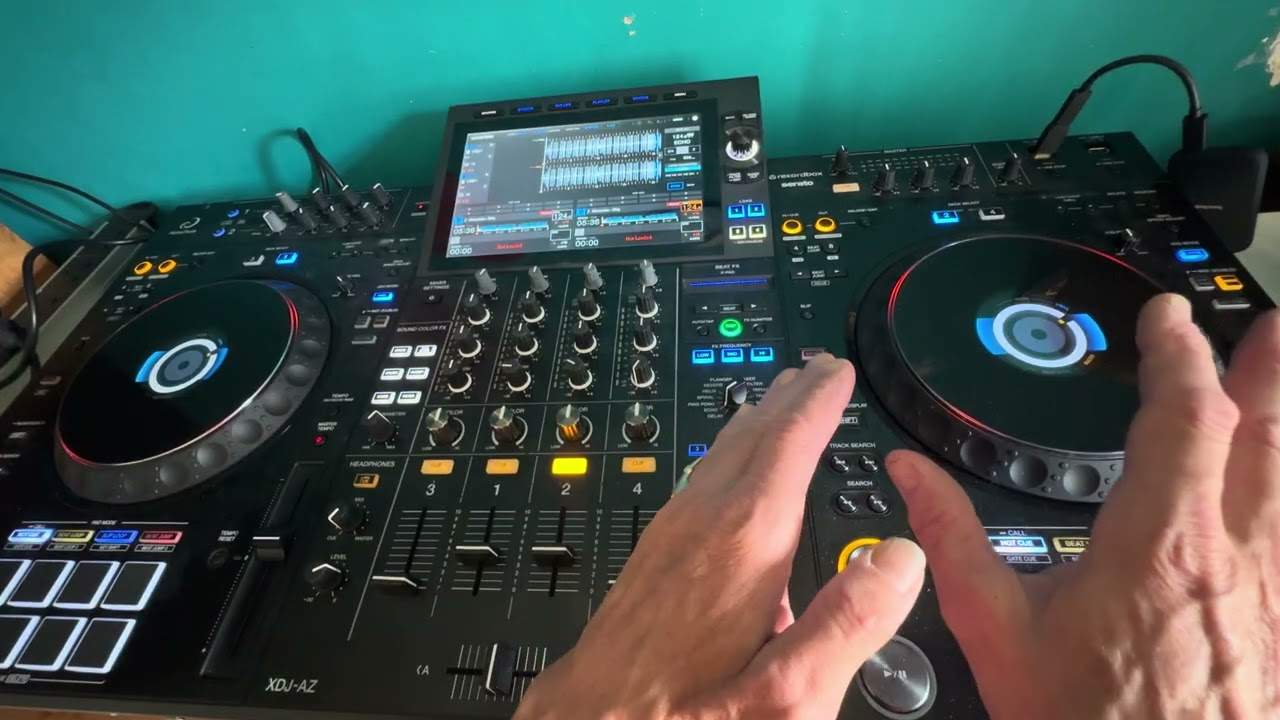
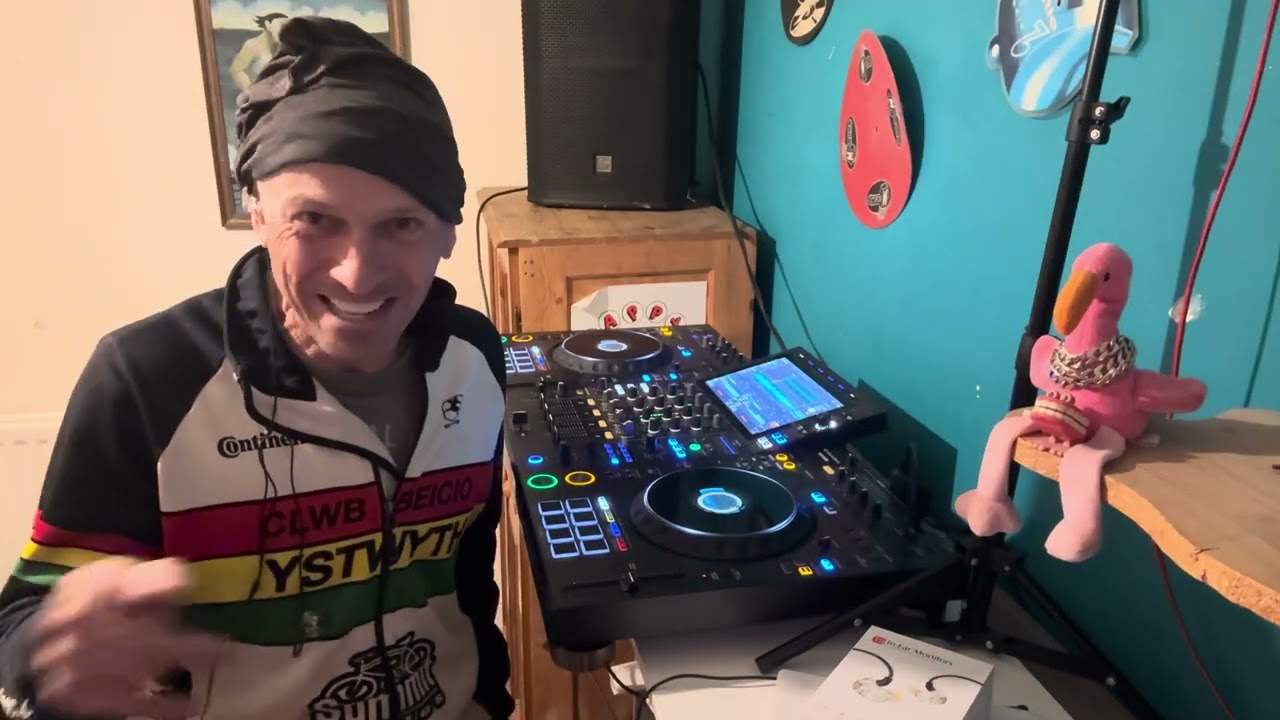
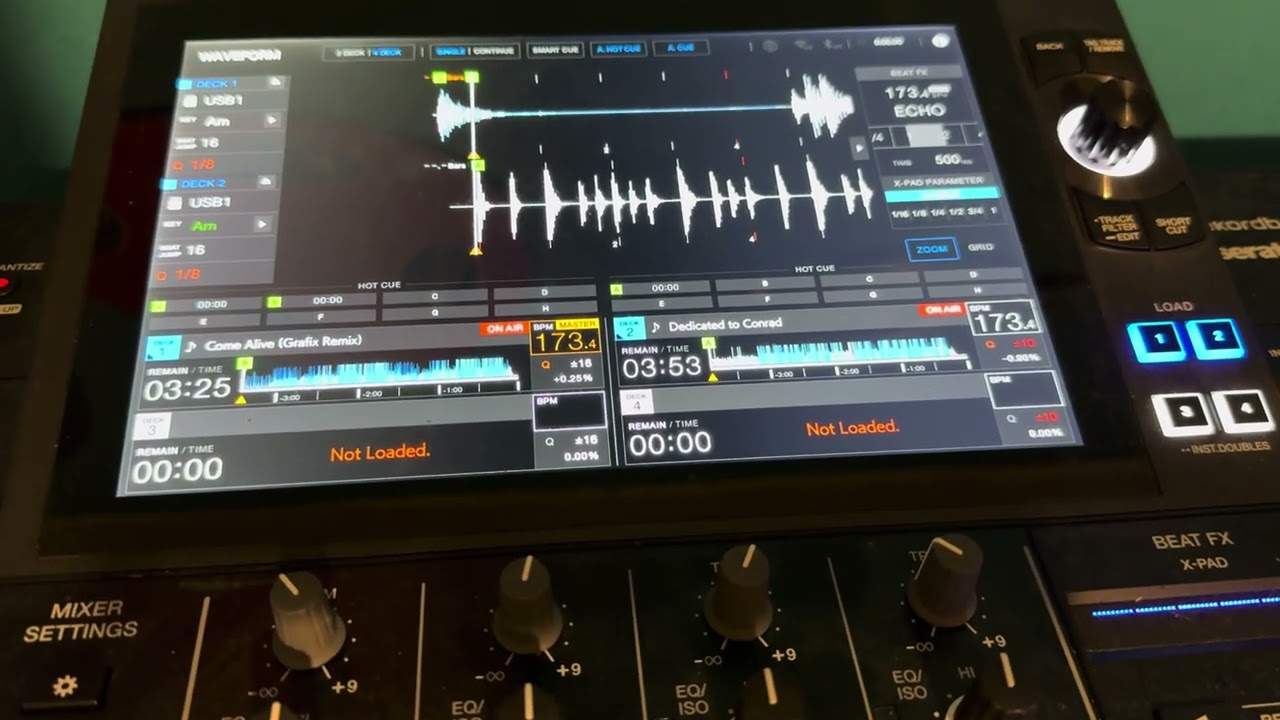
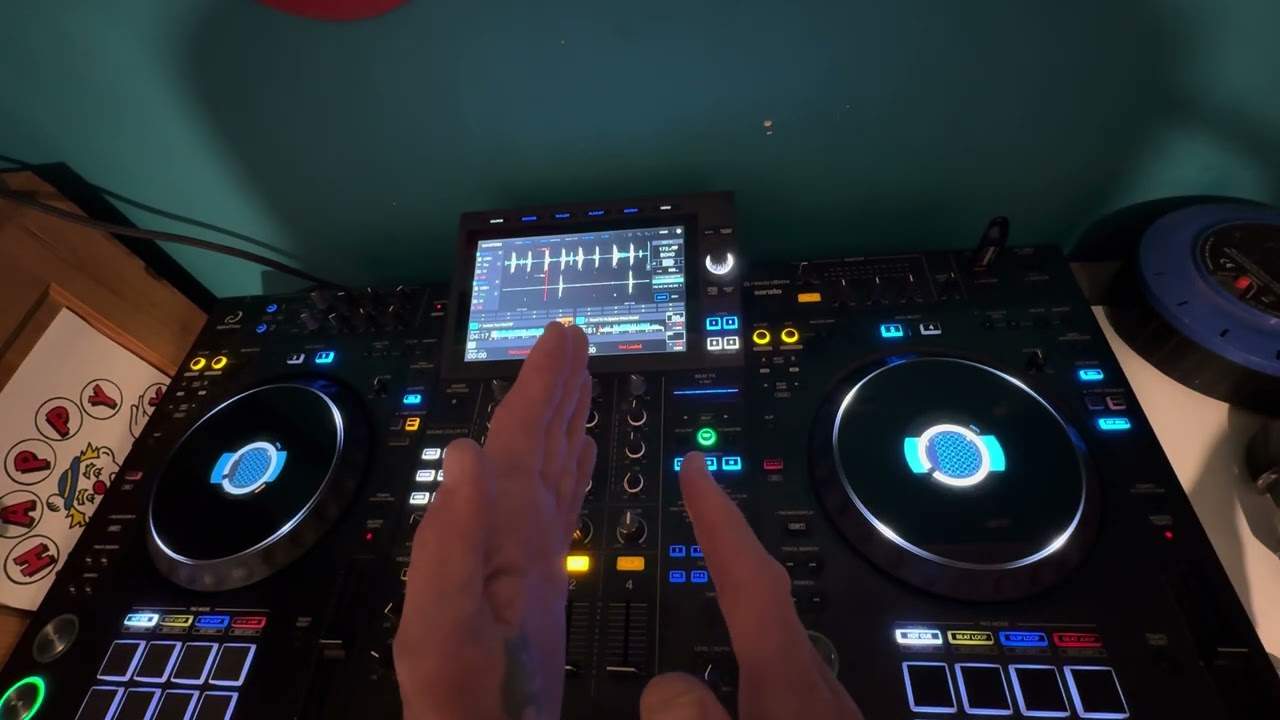
Alright, ladies and gentlemen, this can be classed as a beginner DJ lesson. Alternatively, it could be classed as an intermediate DJ lesson as well. First of all, if you're a beginner DJ, it's a great way of skipping from one track to the other without having to beatmatch. Alternatively, if you're an intermediate DJ, it's a great way of constructing a mix where they perfectly work together. So, two tracks I'm using from the club releases from September from CDPool. Check out the link in the description for more info on these tracks and other releases from the September releases from the club series from CDPool. I'm using track 2 from disc number 1 on the left hand side. On the right hand side, I'm using track 2 from CDPool.
Track 2 over here is Duke DeMont Won't Look Back. It's Shadow Child mix. And on the right hand side here, Joel Compass, a track entitled Girlfriends. It's the White N3rd remix. So, what are we doing? Now, I've had a mess around with these tracks and first of all, instead of just doing the norm, mixing the beginning of this track in with the end of this track, I'm going to do a little bit of mixing. What I've done, I've flipped forward a tiny bit. So, let's have a listen to the beginning of the Joel Compass first.
Now, this is when we start to maybe work out how to construct a set. We try and find the best point to bring a track into the other track. So, you know, that's a nice point there. So, let's just cue that up there.
Now, I'm 100% sure that's the count of 1. 1, 2, 3, 4, 1, 2, 3, 4, 1, 2, 3, 4, 1, 2, 3, 4, and so on. Let's have a listen to Duke DeMont.
Very good bass line tune.
2:27 There's no point just chucking it in anywhere
Okay, so while I was messing around with these two tunes, I was trying to work out what's the best way of mixing them. And then I came to the conclusion that you don't really need to have a transition where they're both working together. What you can do is just chop from one. The important fact, though, is you need to find the correct point to chop Joel Compass into Duke DeMont. There's no point just chucking it in anywhere. So a couple of things we can do. We can just find the point where we want to chop in Joel Compass and just put it straight in. Alternatively, what we could do is we could, which I've done, set a cue point, a hot cue. Sorry, I beg your pardon. I keep on saying cue point. It's a hot cue at the point where I can start to mix on my headphones the Joel Compass into Duke DeMont and then use the crossfade and just go straight over.
So I'll do the two explanations or I'll do the two demonstrations that I explained. Yes, okay. Beg your pardon. Right, so first of all, of course, we need the point where we're going to bring in the mix or we're going to start mixing Joel Compass. And it's at the latter part of the track. So if we have a listen.
So roughly one minute and seven seconds. And I'm going to start at this point here.
This is the Joel Compass. Let's have a listen to this track here first as well. See, that's all right. But what I'm feeling is this wouldn't fit in. This part of the track wouldn't fit in. So I'm going to go over that track there, but when we finish this break, you will understand why I want to chop this one in to the Duke DeMont. Here we go.
There. That's the point where I chop it in.
4:48 The first example will be me hitting B
Okay, so the first example will be me hitting B. I'm going to use my headphones, keeping the volume down and having the crossfade over on Duke DeMont. Both faders up. And then as soon as I get to that point there. Yeah. I will be zipping the crossfade over, so you won't hear any mixing. All you will hear is chop from one to the other. So we'll go back a tad on the Duke DeMont.
Okay, scrub headphones. And this is, let's say for more the intermediate where you can beat match it and spend a bit of time on your headphones, making sure it's in beat there.
So now I'm listening. I'm listening to Joel Compass on my headphones and they're both working together, Joel Compass on headphones, Duke DeMont do the P.A.
At this point all I've got to make sure is that the audio is the same, the levels are the same. I don't really want one overpowering the other when I finally bring the Joel Compass in. Here we go.
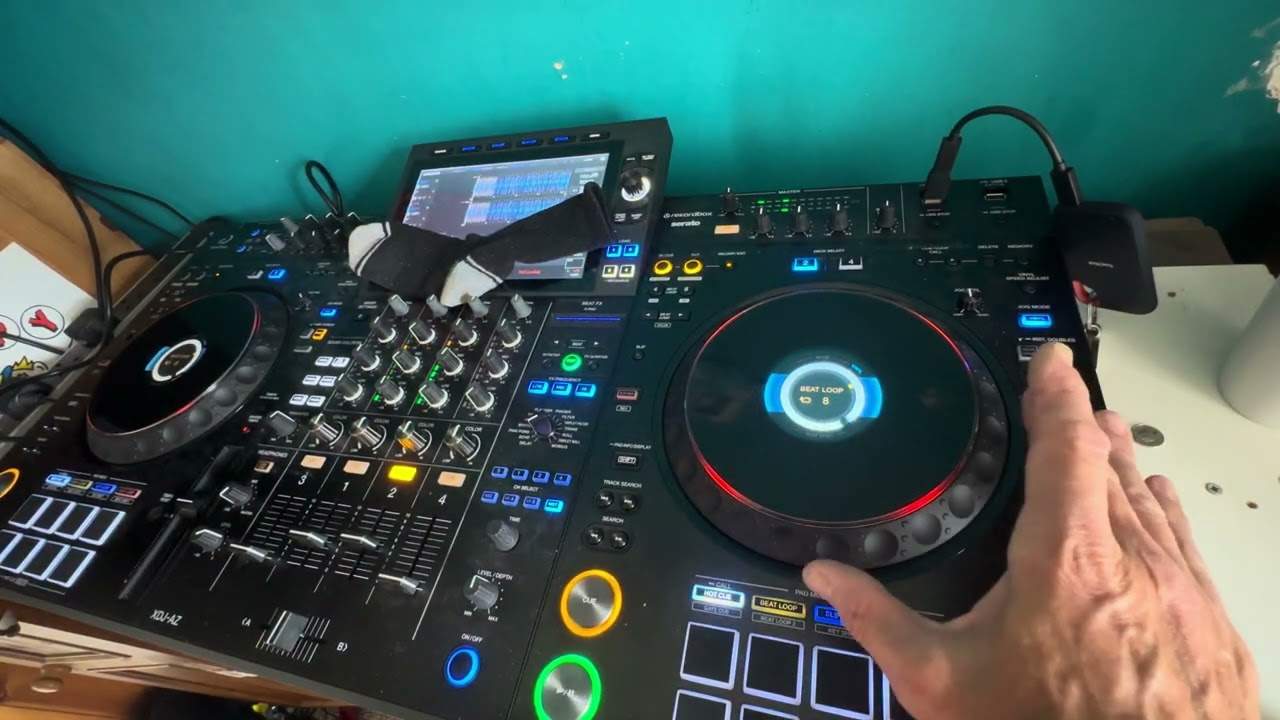
Both of them running at the same time. All right now let's do this, let's say for a beginner's or from a beginner's point of view. Okay. Or should I say for a beginner? So we'll go back again to around about there. What I'm going to do now is go to my cue point that I set earlier and I set the cue point at the exact point where I want to bring Joel Compass in.
We can hear that. A couple of things I can do here is leave the up faders both up, have the crossfade in the middle, I could also disengage the crossfade completely, bring the up fader down. On the Duke DeMont when the Joel Compass comes in, but for this demonstration I'll just use the crossfade and zip the crossfade over straight away. Press play on Joel Compass and let's see what happens.
There, bang, straight in. So pretty much exactly the same thing, but two different demonstrations. I hope that's been a help. Check out the link for cdball.com, practice and enjoy. Have a listen to this, it's quite good tune. Very well done. It's good, it's good.
This transcript was produced automatically from the audio of the video and may contain mistakes.