 12:10
Cue Chop Spin Back Demo Tutorial from Ellaskins DJ Tutor
Contents of the video
0:01 Demonstration here, tutorial mainly for beginner, intermediate and I d
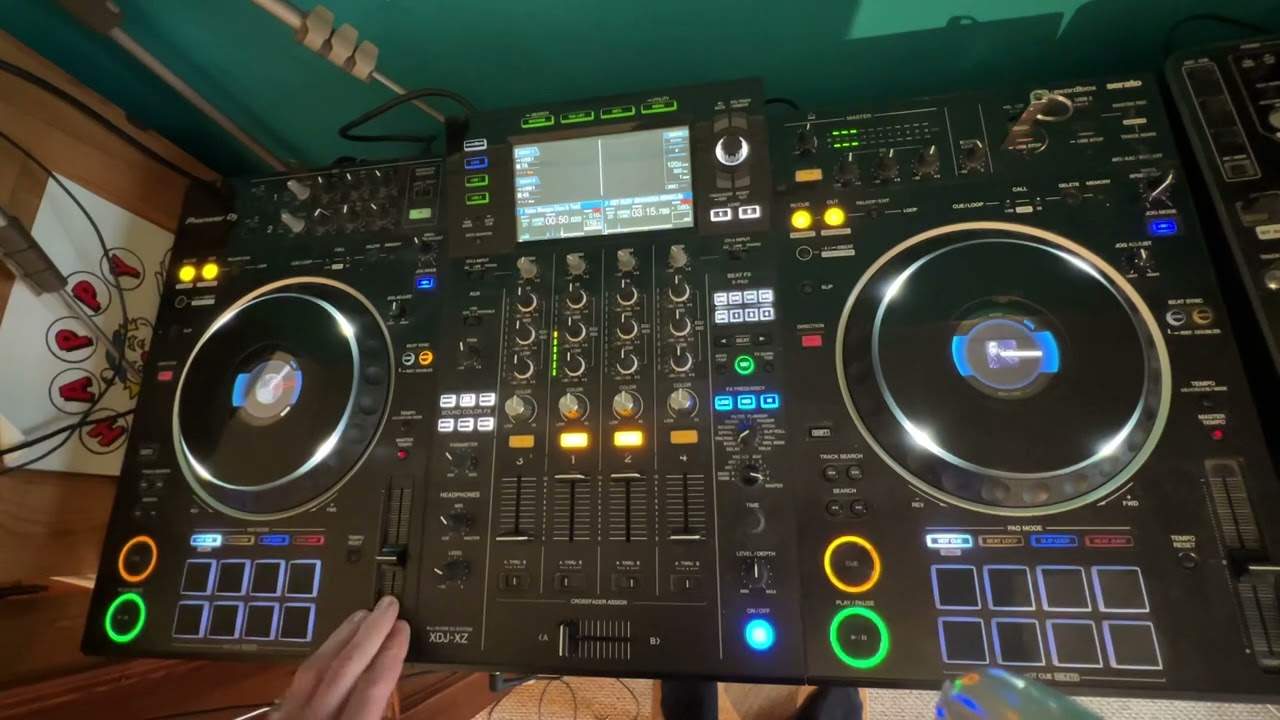
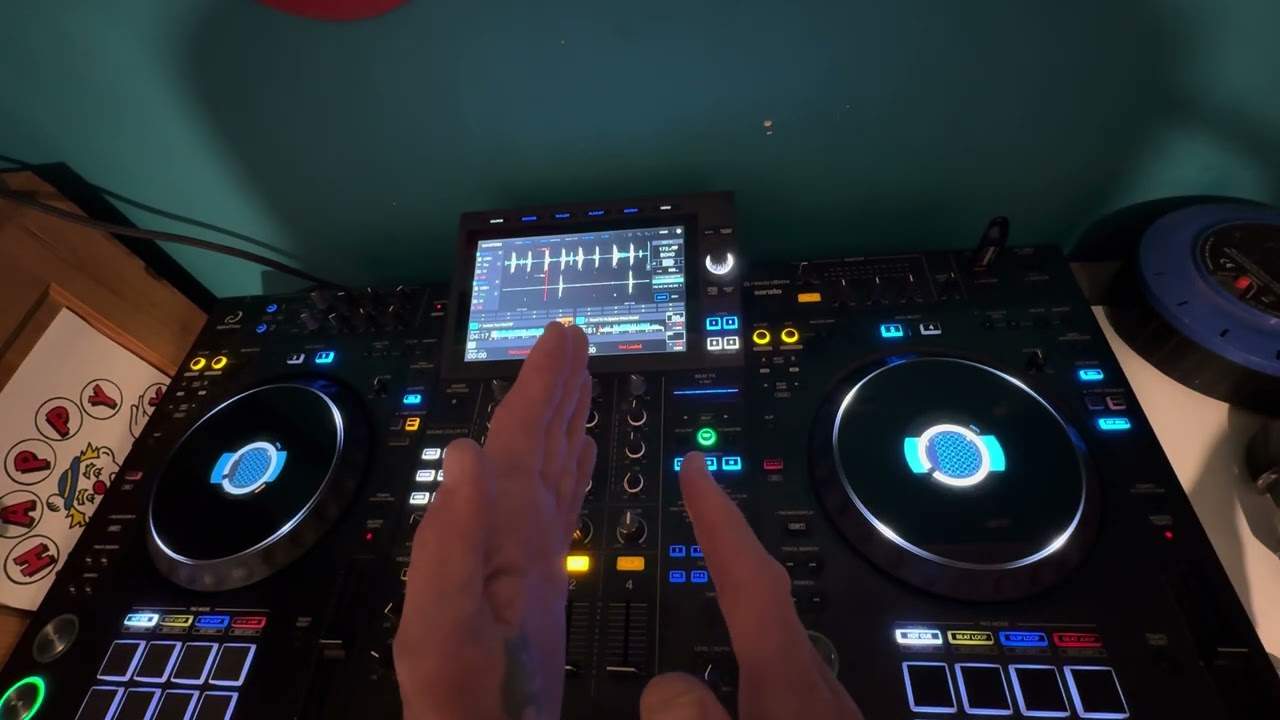
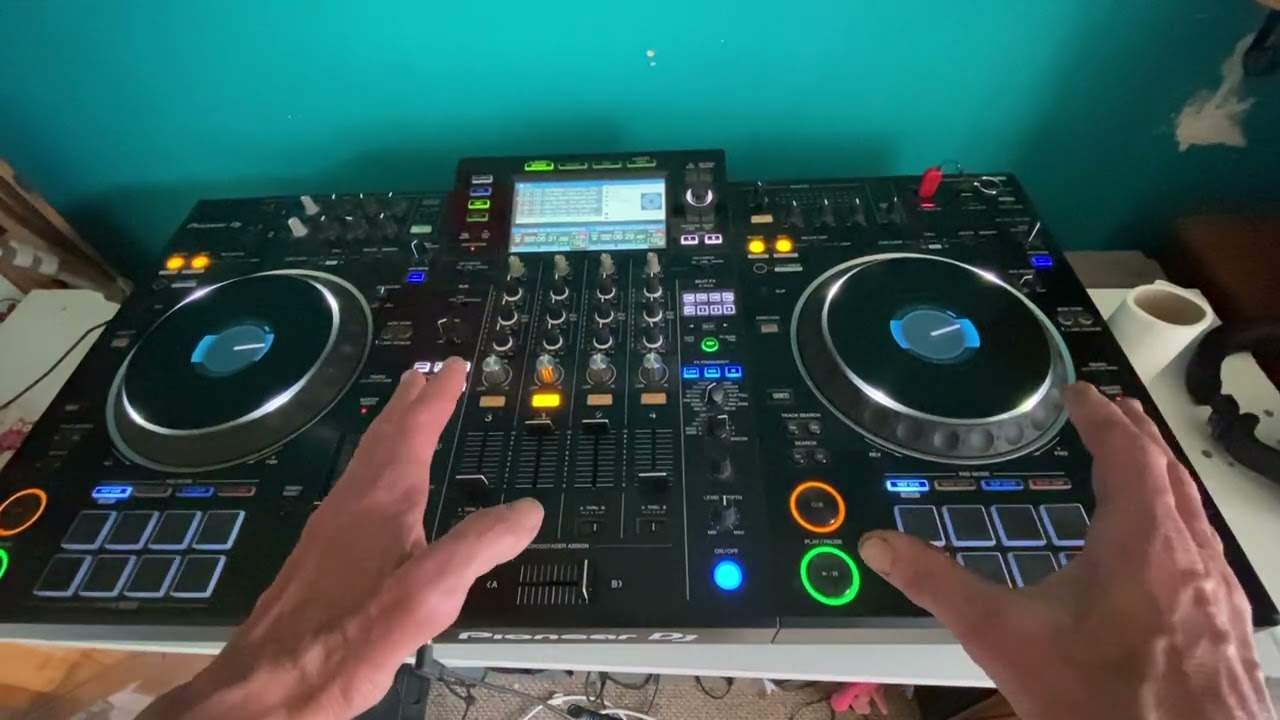
Alright, so demonstration here, tutorial mainly for beginner, intermediate and I doubt it advanced. But anyway, what we're doing here is we're doing chopping. So I'm going to run you through all the techniques of chopping from one track to the other. Disclaimer here, the track I'm using is Sonny Fondera, Danny Kane and it's a track entitled You Make Me Do It. It's the Grant Nelson remix and I'm only going to be using... A little bit of the track so I don't get slot for copyright. So really it's just the beginning. So if you have a listen. Okay, so a couple of ways of chopping from one track to the other. Let's say you're not good at beatmatching and you can line them up pretty good, but you just want to chop from one to the other. So here's one way. I've got the volumes on the mixer, the same volume.
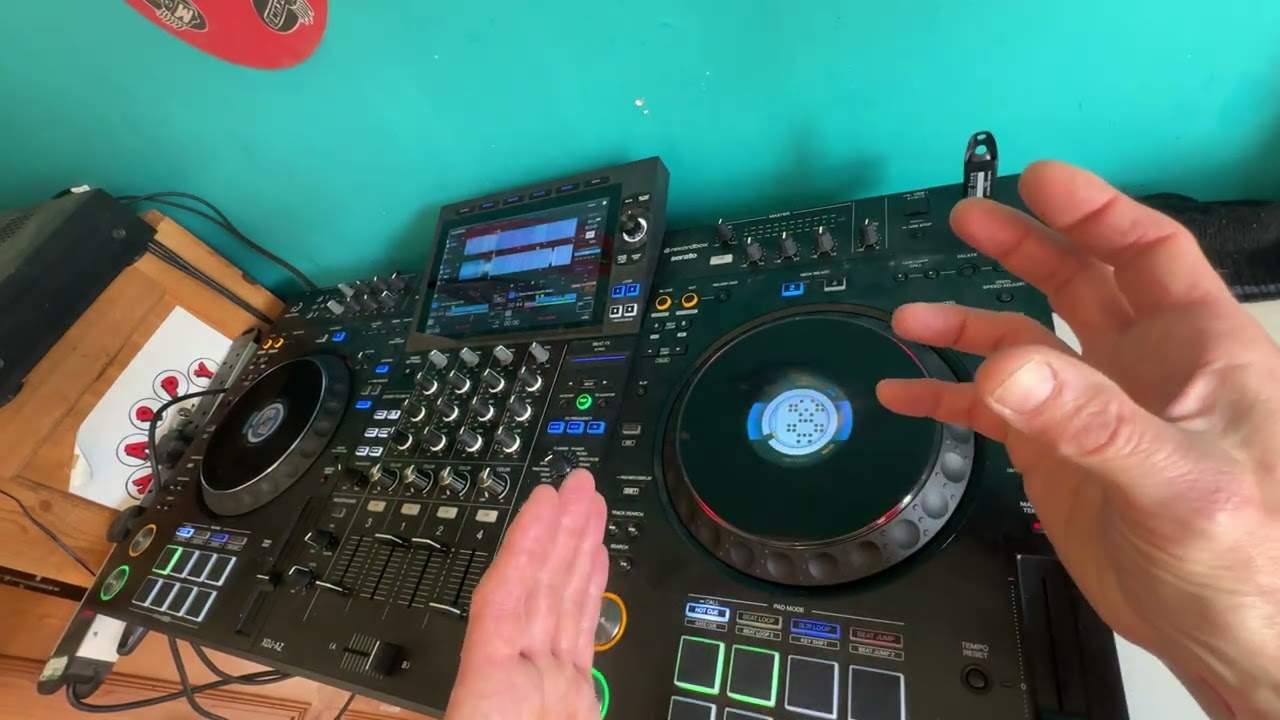
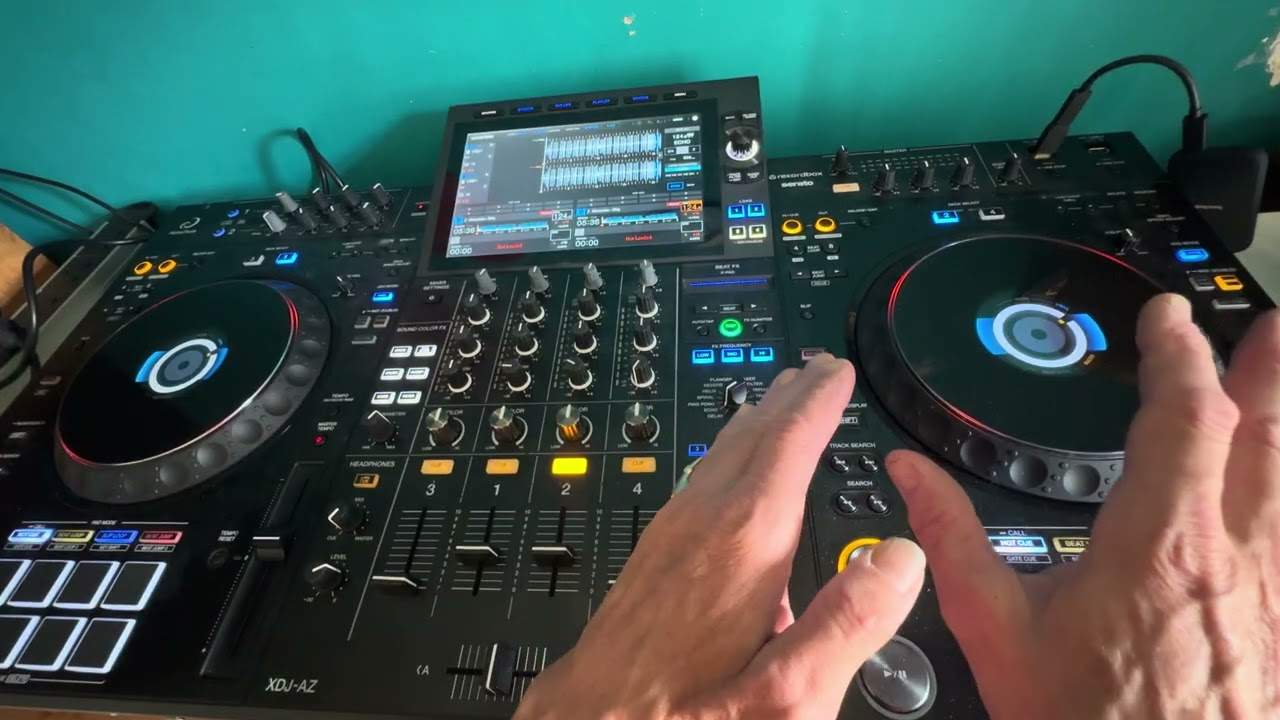
To be quite honest, it's always a good idea to have them all the way up. So put your volumes, first of all your master volume down, your fader volumes all the way up, press play if your master is down even with the fader volumes up, you won't get any sound through your speakers, then slowly move your master volume up and then Set it to an audible level, whether you're in your bedroom, at your next door neighbour's chill out or maybe you're having a party somewhere. So here we go. So let me just turn that down a little bit. So what I'm going to do now, I'm going to count four and then I'm going to bring the other track in, just pressing the play. So one, two, three, four, one, two, three, four. There, I'll do that again. It was a bit low.
2:13 The ones join together
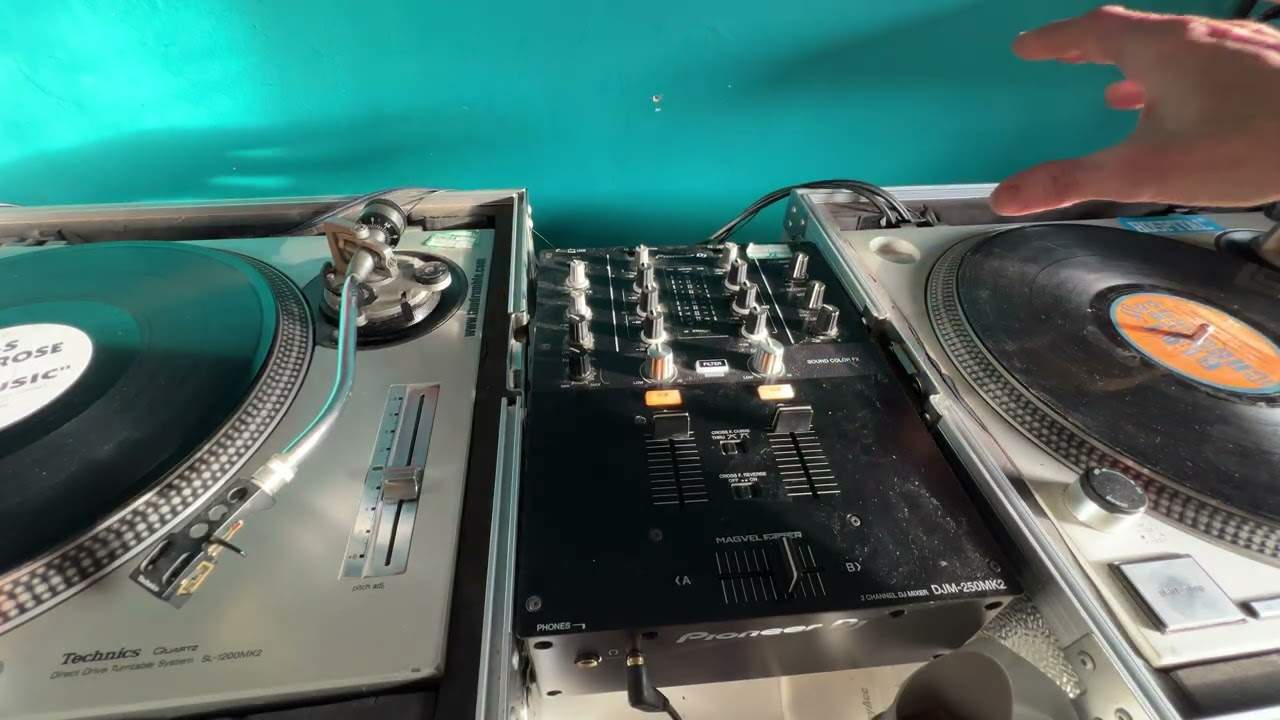
One, two, three, four. One, two, three, four. Okay, a lot of people, they get into the pit hole of one, two, three, four, one, one, two, three, four. So what they're doing is they're thinking one bar, one, two, three, four, one, and then one, two, three, four, one. So you've always got to remember that at the end of the bar, the count of one is the beginning of the next one. So the ones join together. So the two, the, you know, 11 ends up being one. Squish them together and just have one, one, not two. Okay. The other way of doing something like this, I'll disengage the crossfade now. So is very simply the up-faders are up. Both of them are up and all I'm going to do, one move is on the count of one then press play and bring the up-fader from the track that's playing down and leave the up-fader up on the track that isn't playing. But because I'm pressing play at the same time as bringing the up-fader down on the left hand deck means that we'll get a continual sound. One, two, three, four, one, two, there you go.
Now using this technique, you can mix house into hip-hop, hip-hop into soul, soul into R&B, disco into funk, techno into jazz, jazz into drum and bass. You don't have to worry about BPM. I'll prove that now by speeding this side up and slowing this one down. So let's do it with the second idea of having the up-faders up. Crossfade in the middle, so we're not using crossfade. So demonstration number one, here we go. So one, two, three, four, one, two, three, ah. You see, even I make mistakes there. Before you put in a comment, I forgot to press the tempo reset. That's why it sounded the same speed because it was. Right, let's do that again. So one, two, three, four, one, two, three, four, one, two.
4:14 Engage the crossfade, keep the pitches same position
We can definitely hear a difference in the speed because, of course, the right-hand side's faster. But that's great. If you're in an environment where you want to give a bit of uplift in the room, you want to just heighten that sort of dancing experience, make the tracks go faster, one good way of doing it. Okay, so let's do the other way now using the crossfade. So engage the crossfade, keep the pitches same position. One, two, three, four. One, two, three, four, one. Where would you not do a transition like this? Well, you can and you can't do it sort of anywhere. And I know that sounds very, very vague indeed. But let's imagine in a track like this where it's just a beat. You can get away with it. Where you've got to be very careful is where there's lots of vocals because what you don't want to do is chop up some of that vocal.
So you may have to blend a bit of the vocal in from the one side into the other side. So if that happens, you may not want to finish the track that's playing on the one because some of the vocals could bleed into the next bar. Meaning that you start the track on the one and let the other track bleed in. Alternatively what you do... If you're very clever, very clever, you may be able to deduce that well the track that's playing, the vocals are bleeding in to say halfway through the first beat and then you cue up the other side halfway through the first beat and let that play. You know the whole objective here is to make sure That your timing is impeccable. 1, 2, 3, 4, 1, 2, 3, 4. So from this side, 1, 2, 3, 4, 1, 2, 3, 4. To the other side, you could try something like this. Sorry. So, 1, 2, 1, 2, 4. You see there, what I did is I've cued this one up just slightly after the beat. So I'll do that again.
In the correct time signature, and then I'll do it out of its set correct time signature on the one, and you'll hear the difference. One, two, three, four, one, two, three, four. Actually, I won't even count so you can hear it. And put them the same speed as well, so try it again, third time lucky. Now, I will bring this one in, in the incorrect time signature, as though I've set it on the count of one.
7:32 There, so again you could hear it slightly off
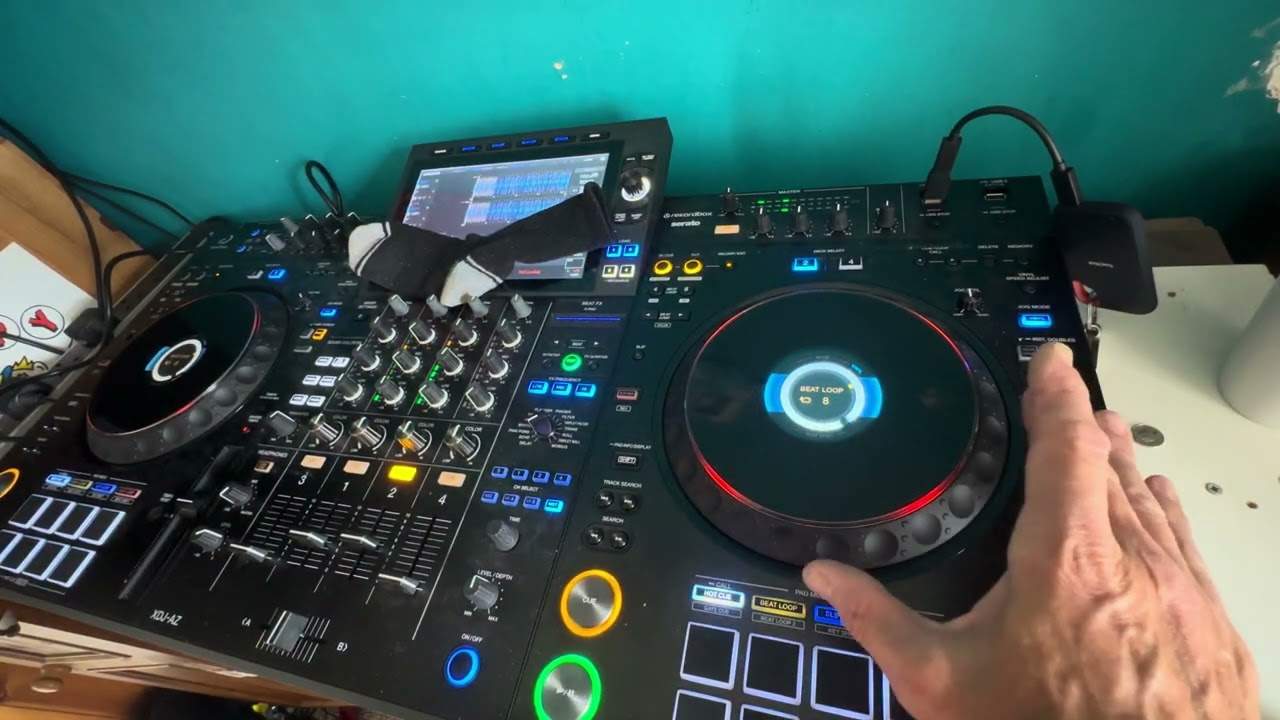
There, so again you could hear it slightly off. Do it again. There, so the explanation behind this is let's say you've got a little bit of vocals bleeding through on the one side. You don't want to cut those vocals out but you want the other side just to come in. Now another way of doing something like this is a spin back. So for this demonstration of course I'm going to bring this track I'll bring them forward a little bit, so let's speed it up so it sounds a bit dodgy. There, so we'll do that. Okay, so what I'm going to do now is a spin back. Now with a spin back there are many ways of doing them but it's all about your timing. If you're going to do a spin back from one side and go into the other you've got to make sure that when the spin back finishes
9:39 Sometimes it's like treating a lady with respect
It finishes on the one. Alternatively, if it doesn't finish, make sure you cross over on the one. But when I say on the one, again, it's depending on where the other side is cued in. If it's not cued in at the one, you need to make sure that you start the other side again in the correct time signature that flows with the other side and so on. The better you get at spinbacks, you'll realise it's not just about pull and pull and pull and pull. Sometimes it's like treating a lady with respect. You know, sometimes it's pull... Sorry, that was funny. Sometimes it is! I mean, come on guys, it is like just pull the damn thing. I'm not saying damn thing as in, you know... Oh, come on. You know, I like a bit of joking. Sometimes it is pull. Sometimes it's a squeeze. Sometimes it's a rub. It's a tuck. It's a turn. It's a twiddle. So for example, there, just like a quick rip. Anyway, I hope this has been a help. So a couple of tips again. If you want to increase the energy in a room, then go, of course, from, you know, if you're playing sort of...
Hitpop or soul and you want a bit more vibe, go into sort of like modern day pop music. Actually, no, do not go into modern day pop music. Most of it's shit. That's my own thought about it. In a comment, post underneath, like me if you think top 40 modern day music is C-R-A-W. See, I can't spell to save my wife. Right, if hopefully you are going to agree with me there, but we'll see. So what we're doing here, we're going from one side to the other. So like I said, if you want to increase the energy, speed the track up. And again, when I say speed the track up, speed the style up. So go from a slow BPM to a faster BPM. But what you can do as well, if you've got controllers like this and one of the best bits of technology out there,
I nearly pressed, yeah, I did press this tempo selector. Is the master tempo, then that not only lets you increase the speed but it also keeps the same key of the track so it doesn't sound like Mickey Mouse, Donald Duck or Darth Vader if you start slowing it down. Right, now I hope that's been a help. Don't forget to like and subscribe. I am still giving the private lessons so if you're interested in that there is an email in the description. Send me an email Look forward to speaking to you. Thank you for watching. Practice and enjoy. Thank you.
This transcript was produced automatically from the audio of the video and may contain mistakes.