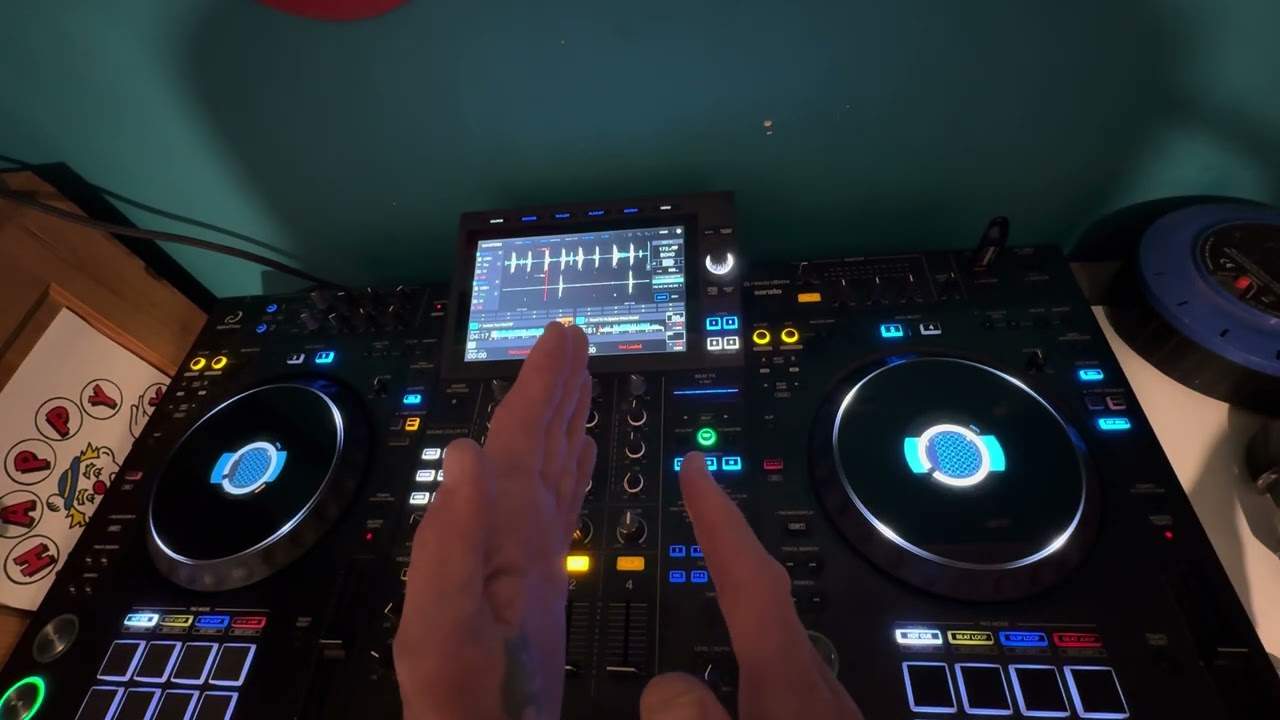
 14:00
Beatmatching house and EDM
On YouTube this video is called DJ Beat Matching Made Easy BY Ellaskins the Djtutor EDM House Music
What this lesson teaches
If you take one idea from this stage, take this one. It is the test that tells you which of your two problems you actually have, and it takes about four bars to run.
The setup
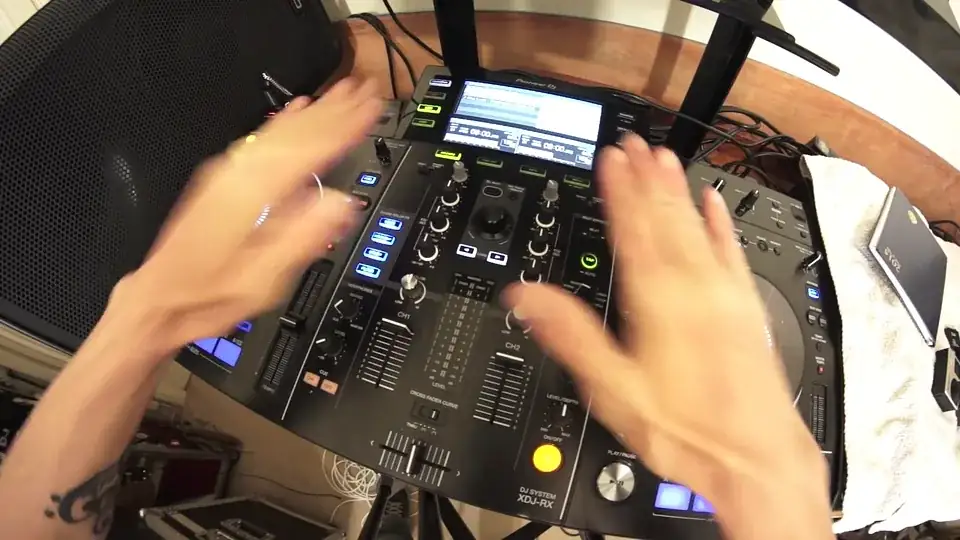
Same track on both decks, channel levels matched, all three EQs at twelve o'clock, both line faders up and the crossfader in the middle. Nothing clever - you want the two signals as close to identical as possible so that any difference you hear is timing.
The test
Start one deck, let it run, then start the second deliberately off the beat. You get the double kick - the train wreck.
Now ignore how bad it sounds and listen to one thing only: is the gap between the two kicks staying the same, or is it changing?
If the gap is constant, the two tracks are running at the same tempo. They are simply in the wrong places relative to each other. That is a position problem, and the jog wheel fixes it.
If the gap is opening or closing, the tempos are different. One track is gaining on the other. That is a rate problem, and only the pitch fader fixes it.
He demonstrates both in sequence, and the difference is obvious once someone tells you to listen for it.
Why this explains the most frustrating failure in DJing
When the tempos differ slightly, the kicks drift in and out of alignment. Every so often they coincide, and for a few bars it sounds right.
This is the trap. A DJ hears that moment, believes the mix is matched, takes their hand off, and thirty seconds later it has fallen apart - with no idea why, because it was definitely in time a moment ago.
It was never in time. It was passing through alignment on its way out the other side. A genuine match holds; a coincidence does not.
Finding the direction by ear
Once you know it is a position problem, you still have to work out which way to nudge. Do not reason about it - test it.
Move the jog wheel one way and listen. If the double kick gets more pronounced, that is the wrong direction; go the other way. You are listening for the two taps to become one tap. When they merge you get the phasing, and you are there.
What phases, and what does not
A useful detail for later. With two copies of the same track, the whole thing phases - every element lines up, and the effect is unmistakable.
With two different tracks, only the drums can phase, and then only if the producers used similar sounds. A kick from one drum machine against a kick from a similar one will interfere audibly; the melodies will not, because they are different music.
So when you move on to real mixes, stop expecting the full hollow sound you heard in this exercise. Listen for it in the kick and the hi-hat alone. That is the same signal, just quieter and harder to find - which is exactly why it is worth training on two copies of one track first.
Contents of the video
0:00 Many ways on learning how to beatmatch
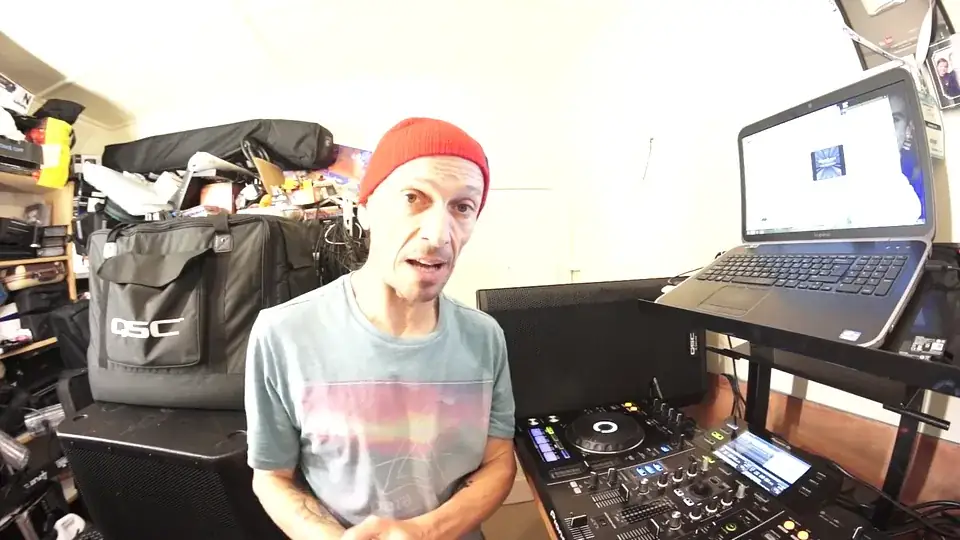
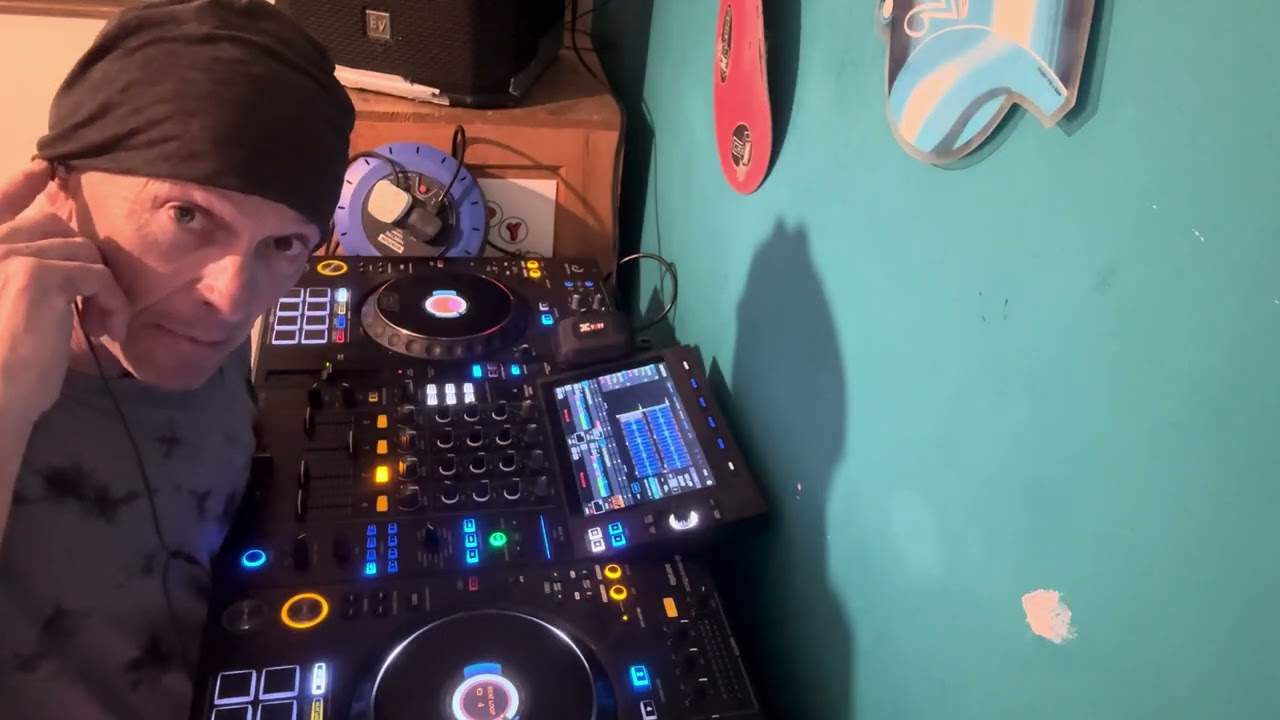
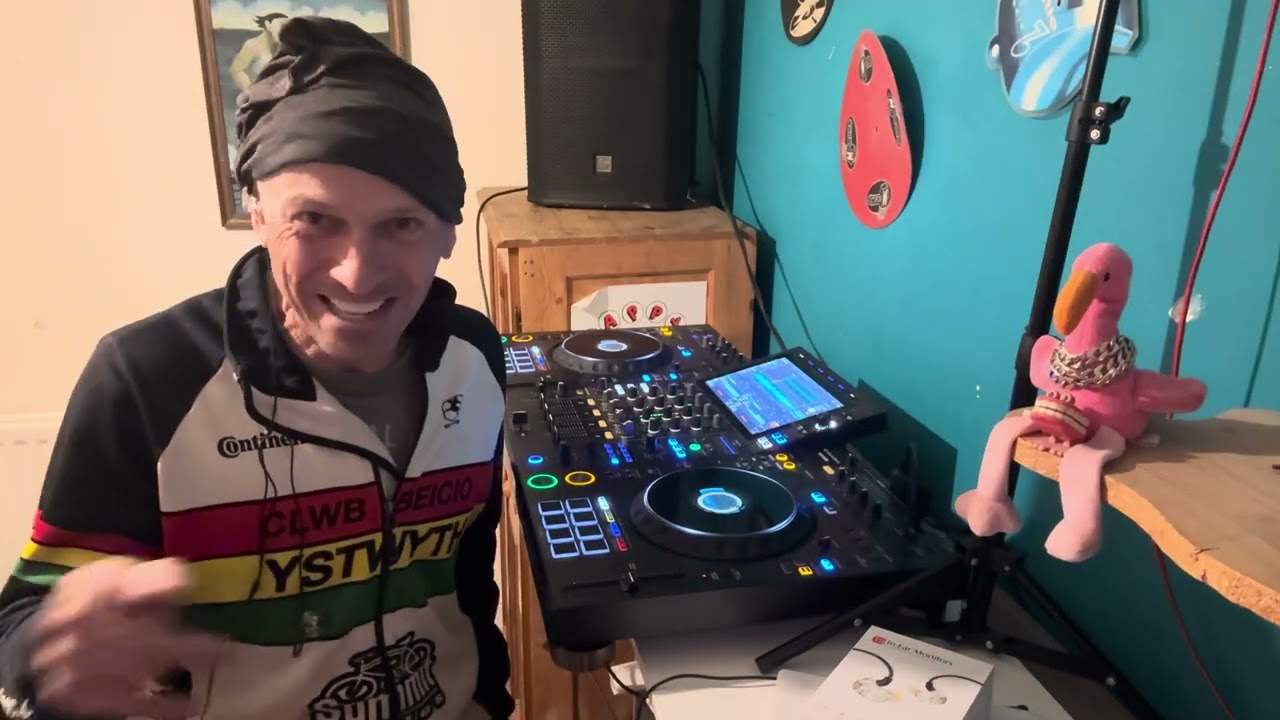
Alright guys, many ways on learning how to beatmatch. By the way, my name's Jonathan Ellaskins, also known as The DJ Tutor, if you didn't already know. Silly so-and-so. Right, so, you want to learn how to beatmatch but you can't do it. Now, there's loads of different ways. There are some easy, some difficult. Now, this way is not only easy, it will train your ear pretty much perfectly to work out which track is faster or slower than the other. Now, there's a lot more to it than meets the eye. It will need practice but give it time. It may take a day, could take five minutes, could take five years. Eventually you will get it. Alright, so what I'll do, I'll put the camera down here on the kit and explain in greater detail.
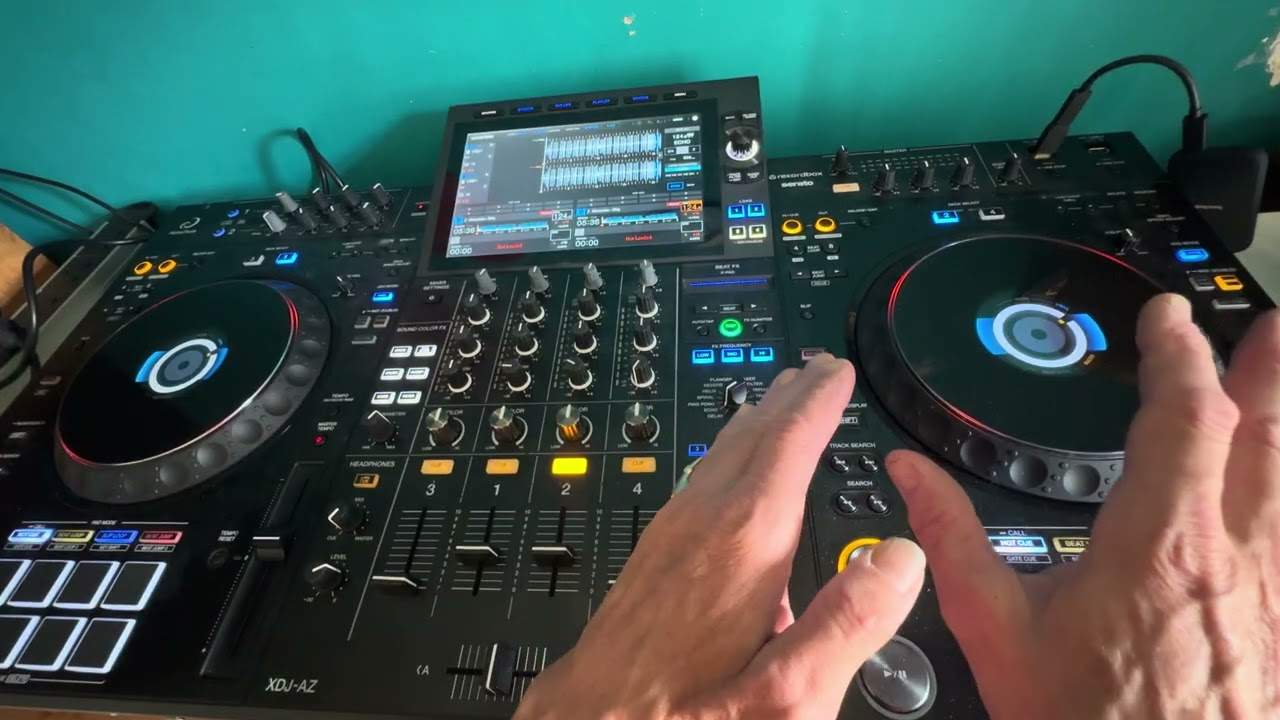
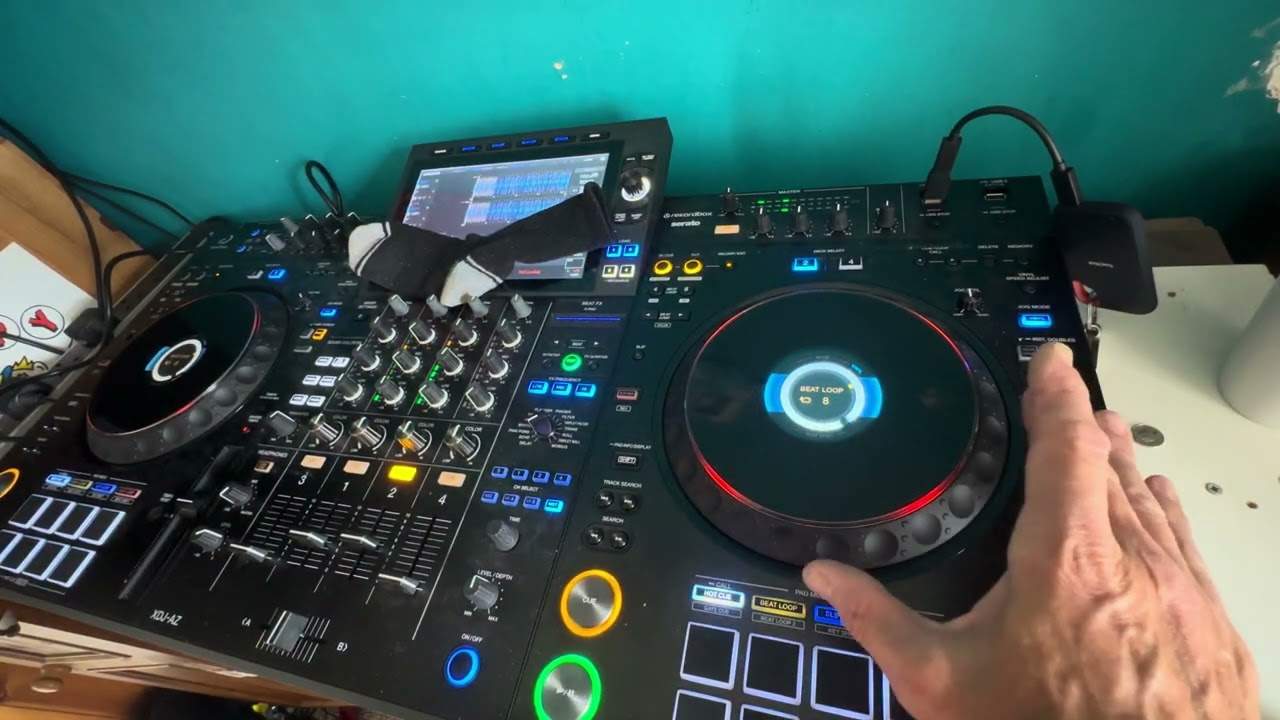
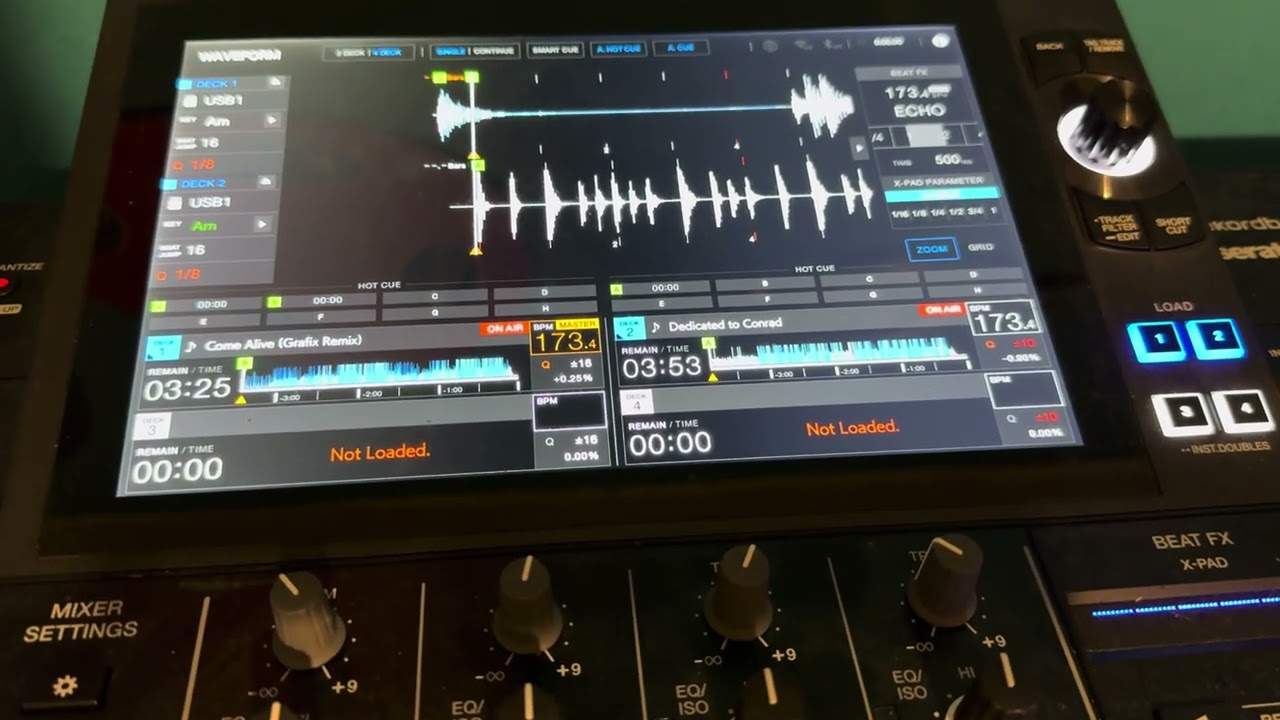
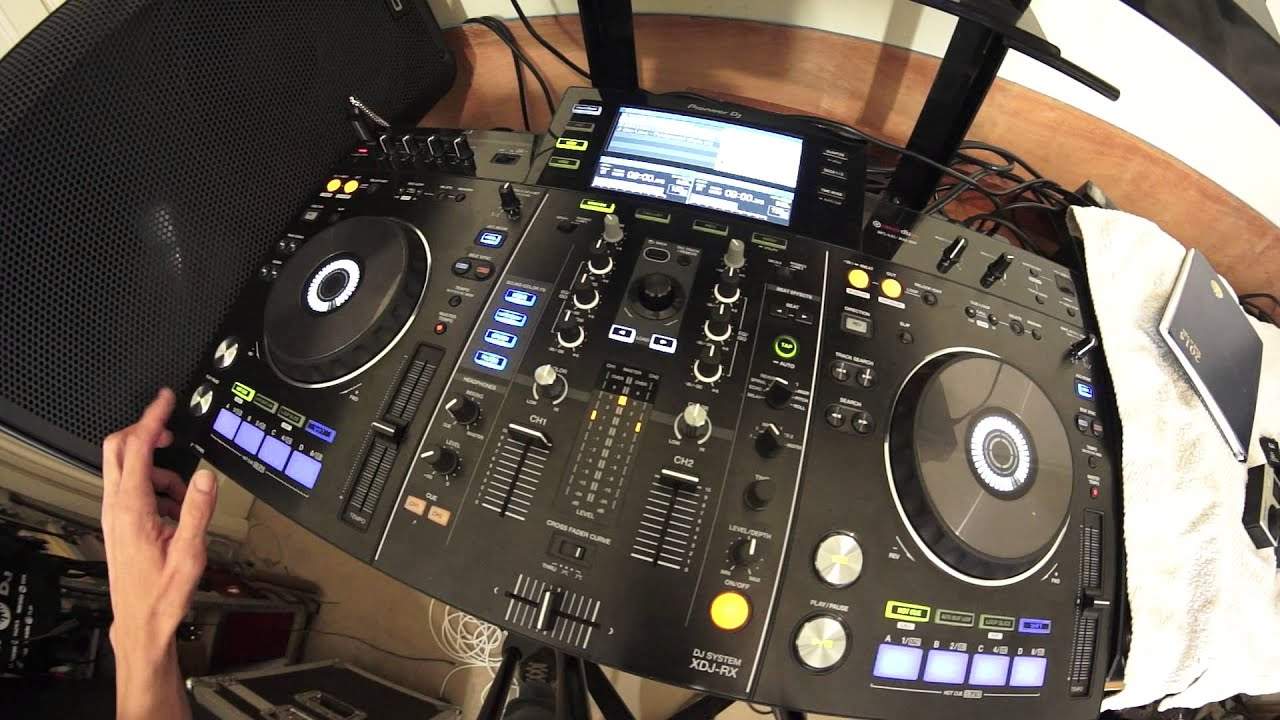
By the way, the track I'm using is Geno Love, a track entitled Fundamental. It's from the Karmic Power Stables and I will give you a link in the description to Karmic Power Records. We're using the DJ system known as the XDJ-RX from Pioneer. It's an all-in-one unit that uses USB. Now, at the moment I haven't got these tracks through record box. So, that's quite important because this now is set to the centre point. This pitch here is set to the centre point and it just so happens that the readouts, on the left-hand side deck, is 120.2 bpm and on the right-hand side it's 120 bpm. Now then, let's imagine this. We're going to mix, first of all, the same track on both sides. So, this is important. You need to find a track, first of all, that you like.
2:03 The low, also known as the bass, is at 12 o'clock as well
Try and find something that you really do like and you're used to. Secondly, you want to make sure that that track is on both sides. So, you want to make sure that that track is on both sides of the players, the controller, whatever you're using. Also, you need to make sure that the levels are all the same. So, I've got the game control on each side at around about sort of half ten. But again, this is depending on your setup. The most important part here is to make sure that the treble, also known as the high, is at 12 o'clock. The mid at 12 o'clock. The low, also known as the bass, is at 12 o'clock as well. Two faders are up, crossfade in the middle. And pretty much, that's it. So, now you're probably thinking as well, well this is going to be easy.
You've got two track... well sorry, one track both sides. They're bound to mix in perfectly because they're the same track. Well, I'm going to prove you wrong now. I'm going to show you how you can still get these tracks off beat. Have a listen. They're both set up at the beginning of the track. OK, so have a listen. There you go. Completely off beat, known as a train wreck. But I want you first of all to listen to that. Now, did you notice that the time difference in between the kicks being off beat did not change? Now, that wording is really important. I'll explain it again. When the one track started, we let it play a little bit and then I started the track slightly off beat. Now, the time difference in between those
Two kicks or the kicks from both tracks did not change. Now I'm going to show you how they will change now. I'm going to move the pitch down on one side, the right hand side for this case here again, left, right. It doesn't really matter. Now what I've done, I've reduced the speed on one side very slightly. I'm going to do exactly the same thing. Make sure I start the right hand side or the left hand side, doesn't matter off beat. But I want you to listen to the difference or try and listen to the kicks and the way they start to go off beat more and more and more now, the difference in time between the kicks will change. OK, so let's press play on the left hand side first.
4:53 The reason they're catching up is because one of them slower
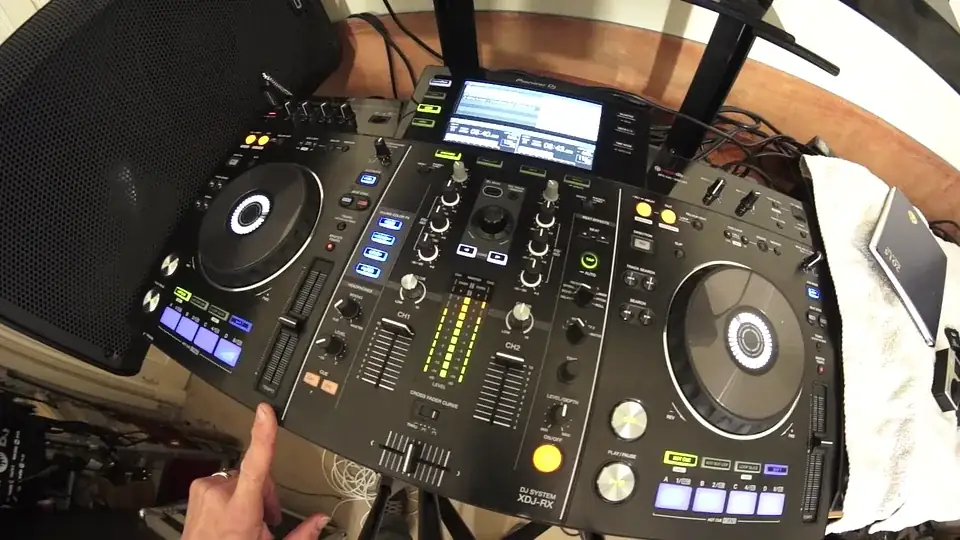
So it's like the catching up. This is catching up. Now, the reason they're catching up is because one of them slower. So what's happening is because that one side on the right hand side slower. It's it's almost as though it's catching up in time with some of the kicks, but not all of them. And then eventually it will go off again and then it will be on again and off again and off again on again. Sorry. So this is one of the downsides or one of the downfalls for a lot of DJs because they think it's in time when it isn't. And then all of a sudden it goes off time and they wonder why it's gone off time when it was in time. It's because it is completely out of time, out of BPM. Now, using this technique, you can fine tune your ears into working
Out how much it is off time and bring it back in time. But you need to do this by making sure they are both at the same BPM. All right now, it just so happens they're now both at 120 points. Like I said earlier, it's probably because I haven't put these tracks through Rekordbox. So what I'm going to do now, I'm going to start these two off at exactly the same time. Press play the same time at the beginning. Off we go. Now, what I'm starting to hear is what's known as phasing when the two tracks are aligned perfectly together. Now I'm going to move the jog wheel just so happens on the right one, move it clockwise. Let's see what we can hear. Now, can you hear that phasing starting to get slightly higher?
That means they're perfectly in time. Pause it again. OK, what I'm going to do now, I'm going to press play on the left hand side. I'm going to wait eight bars and then I'm going to press play on the right hand side. But I'm going to press play slightly out of beat. So we will have a definite sound where the two tracks are not in time. So one, one, two, three, two, one, two, three, three, one, two, three, two, three, six.
7:31 I'm not going to start to move the jog wheel
Right now that it's up to me now to work out if I pressed play before I should have pressed it or after I should have pressed it. So I'm not going to start to move the jog wheel. What I'm listening for is the difference in the two kicks to get further apart or closer together. If they get further apart, going the wrong way closer together. I'm going the right way. Moving the jog wheel clockwise. I'm getting that phasing sound again. There you go. I brought it back in time. Right, let's do that again. One, two, three, four, one, one, two, three, five, one, three, seven, one, two, three, eight. Cue that one up. Time again. Very slightly off though. Trying the jog wheel, moving it some one direction than the other.
9:42 What we're listening for is that tapping sound
Clockwise. Can you hear it's going off? Anti-clockwise. What we're listening for is that tapping sound. Is that tapping sound sounding like a definite sort of two tracks? Or are we just getting one tap? Not a double. We want a one. We can still hear a double, more of a double. So if you hear that double sound seem to increase when you're moving the jog wheel, you're moving it in the wrong direction.
There. Now it's gone. OK, we can do this all day. OK. Cue the one track up. Doesn't matter which one. And start again. Moving the jog wheel one direction completely off. So if it does sound as though it's going more off, you're moving the jog wheel in the wrong direction. Turn it the other way. Can you hear that sort of phasing sound again? That's the sound you're listening for. There you go. OK, pulls it up. Right. So what have we done? We have listened. Hold on. There's so many buttons and dials and twisty knobs on this tripod. You'll believe it. All right. So what we're listening for is we're listening for the double kick, that train wreck sound to not be there at all. No, just watch that speaker. Don't want it to fall on the floor.
11:34 You will get a definite phasing sound if you're using the same track
So you will get a definite phasing sound if you're using the same track. You'll get a sort of a phasing sound if you use the same track, but use the same track at different times because the phasing you will hear will be just with the kick, the snare, the hi hat. You won't get a complete phasing sound because you're not playing the same track at the same track all the way through. Now, this is where we get slightly more technical. But if you can follow what I'm saying eventually, hopefully after a few years or six months, depending on how long you've been DJing, you'll go. I get it now when you're using the same track and you're using the same track playing it at the same time, that the one track is playing over the other together,
Then you'll get phasing of the whole track. The whole track will phase because it's the same thing overlaid when you play the same track, but at different times you will just have the phasing of, as I said earlier, the kick, the snare, the drum. Now, this is the important part. When you're playing different songs, completely different songs, but you're playing completely different songs that have used the same drum machine, you will start to hear when you get them perfectly beat matched, the beat itself phasing because the producer may have used an 808 on one track. Another producer may have used an 808 drum machine on the other track. So the drum drums will start to phase. This is when you need to fine tune your ears to listen for that phasing of just
The kick, the snare and maybe the hi hat. The rest of the track will not phase because they're completely different tracks. But you will find that the drums will. And more importantly, this will only happen if the tracks are in key as well. Everything has to be perfect. It's like that fine tune of getting everything perfectly matched. So it's like a car engine. If it's perfectly tuned, it will purr. If something slightly off in the engine, then it will sort of purr but splutter very slightly. I hope that's been a help. Don't forget there'll be a link to Karmic Power Records, Mr Lenny Fontana himself in the description of this video. Practice and enjoy. Thank you.
This transcript was produced automatically from the audio of the video and may contain mistakes.