 7:07
Getting the beats solidly locked
On YouTube this video is called DJ Lesson Advanced Beat Matching Tutorial, Help with Getting the Beats Spot on BY DJ Tutor
What this lesson teaches
He warns at the start that this is not for the faint-hearted, and he is not being dramatic.
The two records
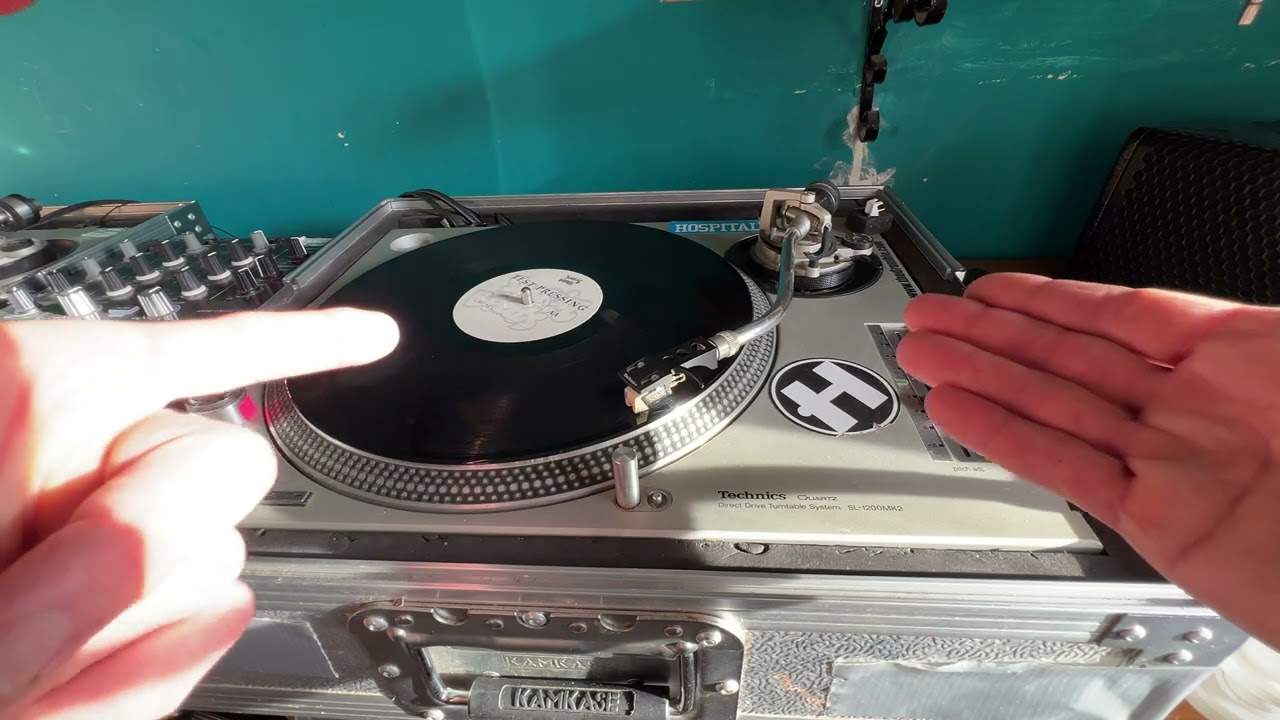
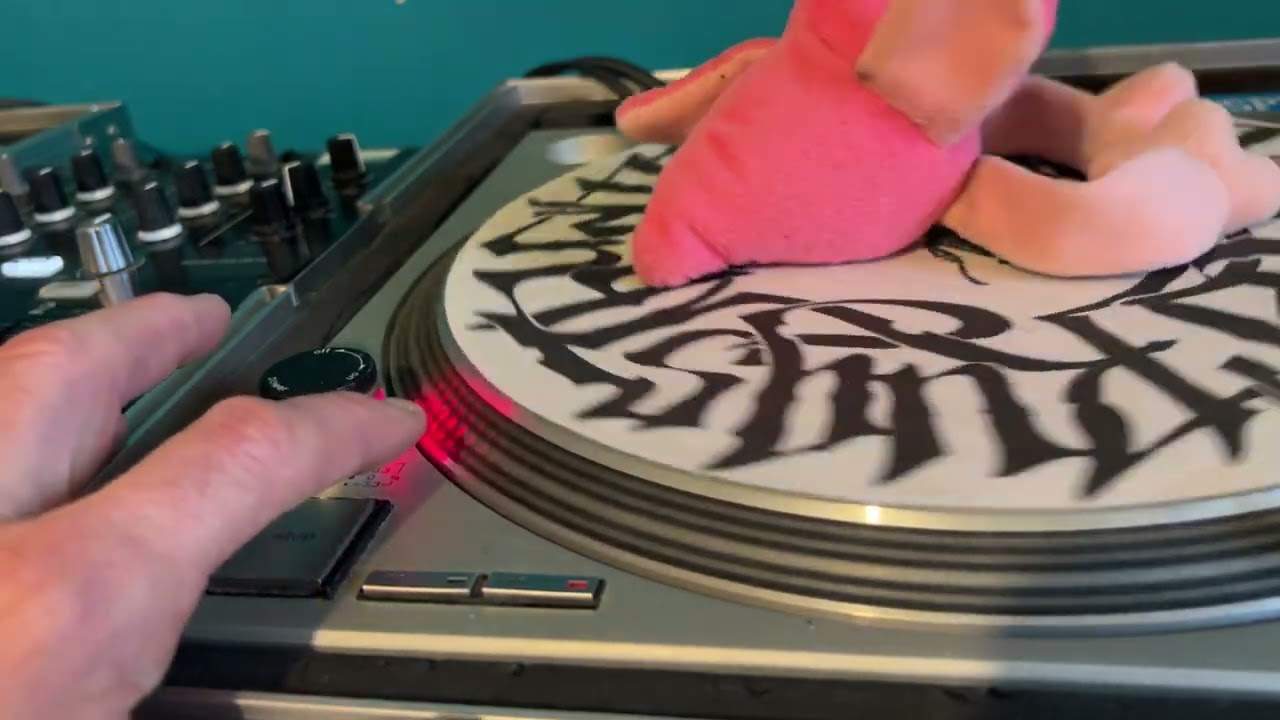
On one deck, The Whispers, And The Beat Goes On - played by people, recorded before drum machines were ubiquitous.
On the other, a straightforward programmed track with a machine-steady beat.
Why this is the hard version
Everything in the curriculum so far assumes a track has a tempo - one number, constant from start to finish, which you can find and match.
A record played by a band does not have one. Drummers push into choruses and relax in verses; the tempo at the start is not the tempo in the middle; and as he points out, at some points the beat can change outright - from 120 to 118 to 114, with gaps.
So there is no correct position for your pitch fader. Set it perfectly for the first chorus and it is wrong by the second verse. There is nothing to find.
What you do instead
You ride it. Finger permanently on the pitch, correcting continuously, following a target that keeps moving.
That is a different activity from beatmatching as previously described, and it is why DJs who grew up on disco, soul and funk have a particular kind of ear. They never had the option of setting and forgetting.
The honest footnote
He speculates about whether drum machines themselves drift by thousandths of a BPM depending on power supply, and invites correction from anyone who builds them.
In practice it does not matter - any such variation is far below what anyone can hear. The fluctuation that matters is human, and it is measured in whole BPM rather than thousandths.
Expectations
His instruction is the right one: do not expect to get this first time. It is trial and error, and the goal is not to nail it today but to discover that it is possible at all.
If you can hold a mix against a live-drummed record, nothing a modern dance track does will ever trouble you.
Contents of the video
0:00 Bananas and watermelon, nothing else, it has to be bananas and waterme
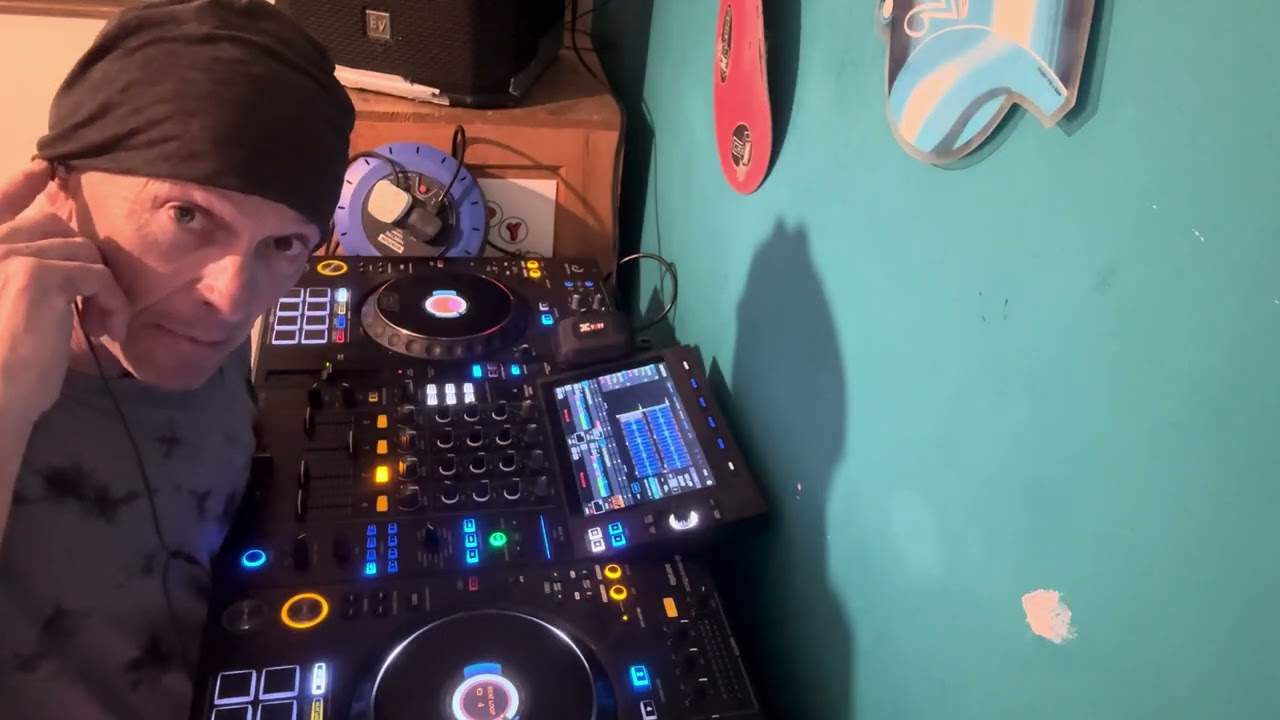
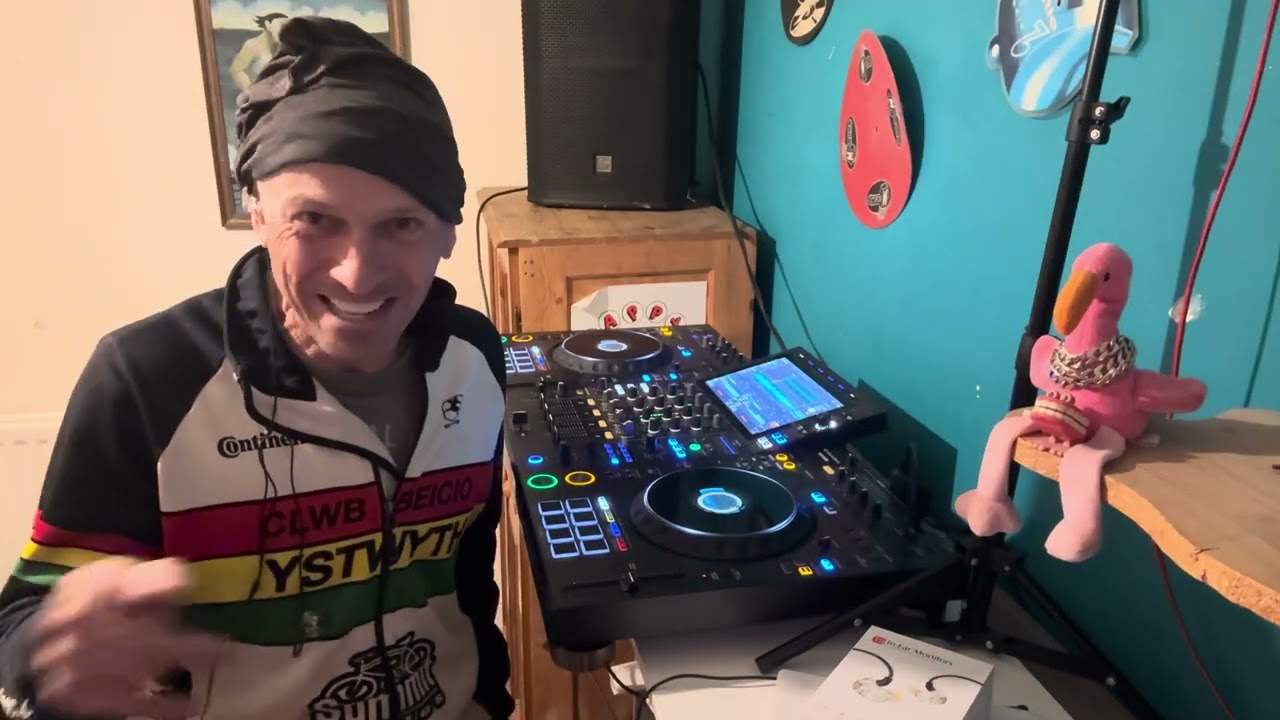
Alright ladies and gentlemen, this particular video, this tutorial is all about training your ear to match beats perfectly. Now this is not for the faint hearted, it's exceedingly difficult but if you can master this then you can safely say you can match beats in your sleep whilst you're tightrope walking and balancing bananas on one hand and on the other one a watermelon. Bananas and watermelon, nothing else, it has to be bananas and watermelon. I don't have a tripod because that's somewhere else at the moment so I'm going to have to set up the camera like that. Hello. Right, on this turntable here we have a track by The Whispers entitled And The Beat Goes On. Now, as I've said in numerous videos, if we go back in time, a lot of music was made without the aid of a drum machine, real people playing real instruments, so the BPM is going to fluctuate.
Also, at certain parts of the track, the beat could completely change from 120 say to 118, 114, there could be a gap. It's all over the place. But modern day music, most of it is made with drum machines, modern day dance music and of course the BPM should be theoretically. Again, it depends on the unit you're using, the fluctuation in power. It could be anything. So it could go from 120.001 to 120.002. Who knows? Maybe it can, maybe it can't. Any sort of brain boxes out there who actually manufactured these things could stand me corrected but anyway. So the idea of this particular tutorial, you can see things, is to show you what you need to do and how you can master beat matching. Now don't expect to get this done perfectly the first time.
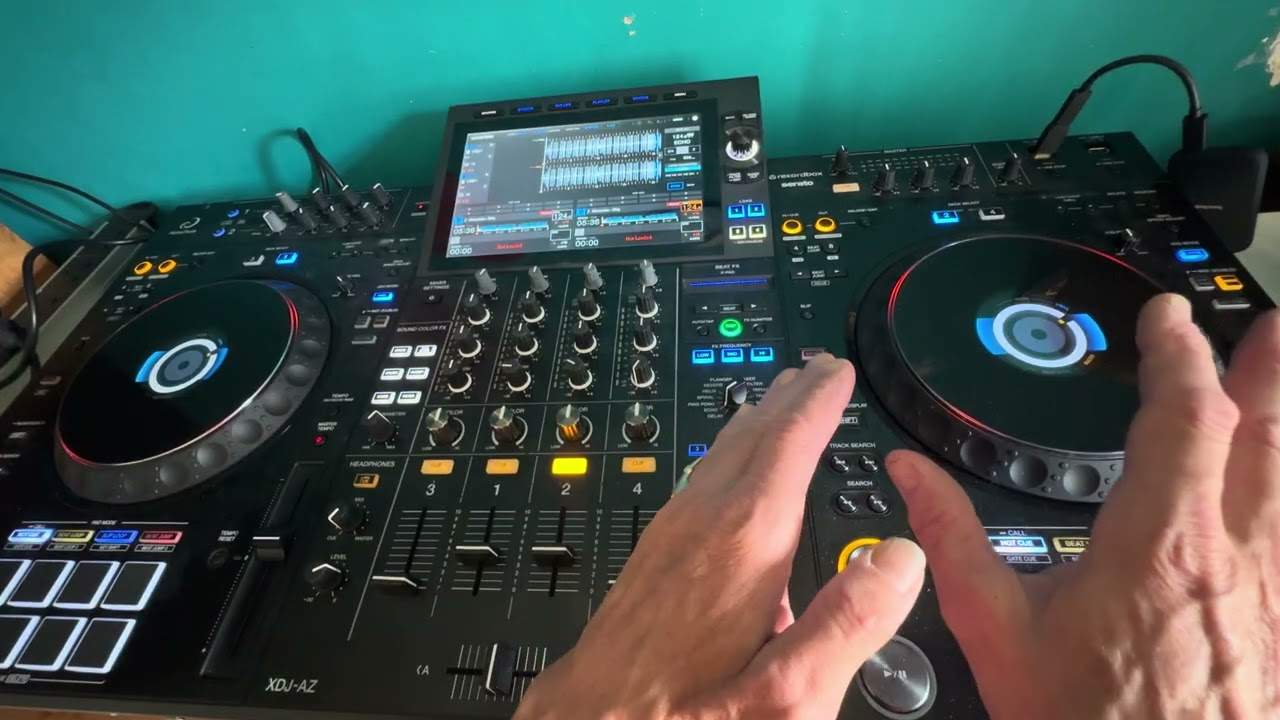
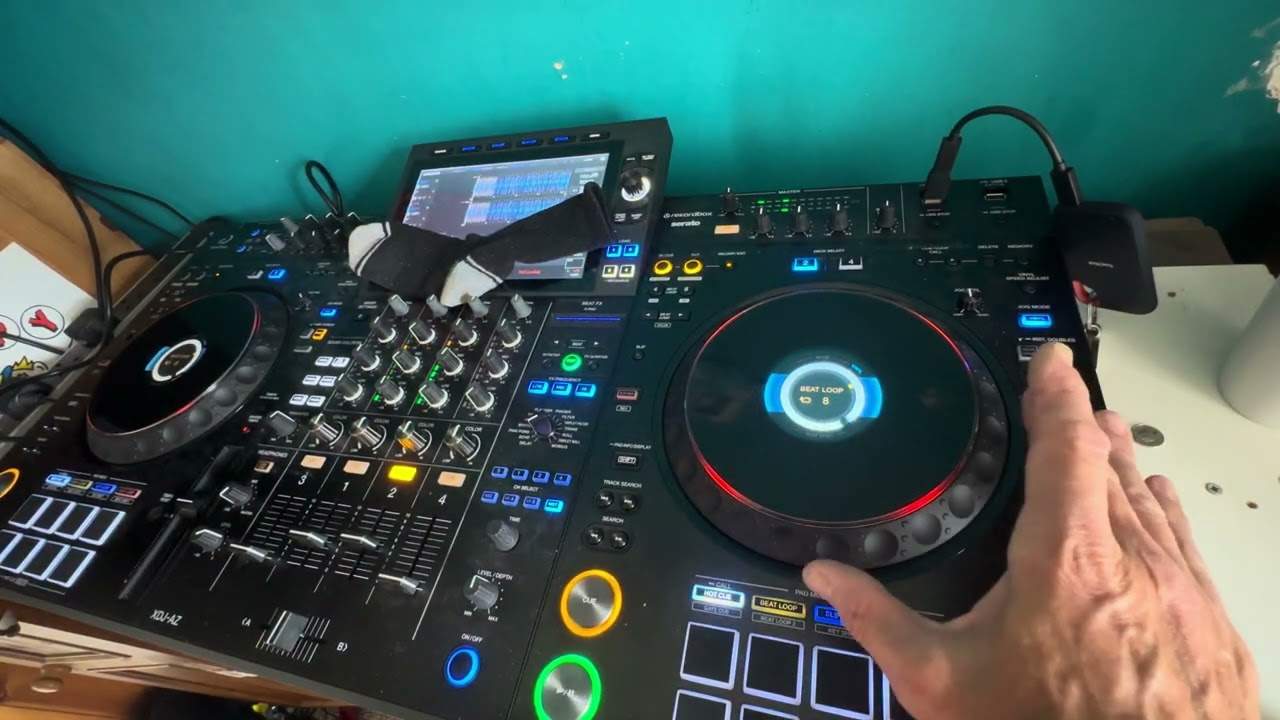
It's trial and error. It's about practicing and making sure you can get it perfect, eventually. So first of all I'm going to play you and the beat goes on by The Whispers. Now I'm not going to touch that pitch. I'm going to leave it where it is. It's on a plus or minus 10 and it's roughly a third of the way up from the centre point. So we've got that. Now this track here is audio jazz and diamond dancer, okay? And I'll play this one.
2:39 On the first beat, there it is
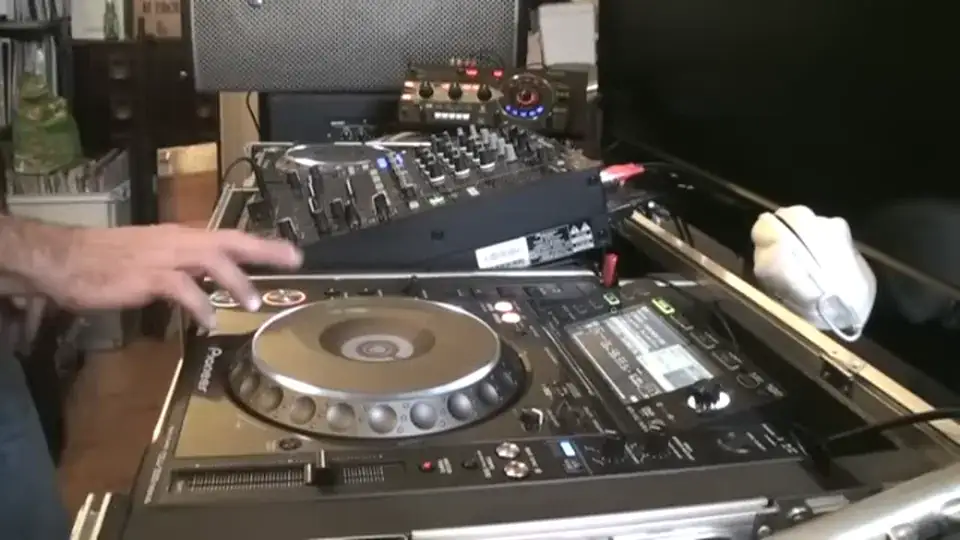
Very straightforward beat. On the first beat, there it is. On the first beat, turn it up. What I'm going to do now is I'm going to press play pause on both of them at exactly the same time and I'm not going to touch the pitch on the audio jazz track. Here we go. Right you can hear there that it just went completely off. It's known in the trade as a train wreck. At just all over the place. What I'm going to do now as well. I'm going to take my headphones out. And put the headphones over there. Now, again what I recommend is you do use headphones to begin with. But this is the key. When you're in a nightclub environment, not all the time but sometimes the sound isn't very good and on the odd occasion the only way of actually making sure it's in perfect time is by using your ears and listening to the overall sound in the room.
So I would say two stages here. First stage is headphones. Once you've mastered doing this with headphones, then chuck them to one side. Not literally because you'll break them. And do this without any headphones. So we're going to do exactly the same thing. This time I'm going to keep my fingers on the pitch as you'll see in the video and I'm going to keep it in time. Here we go.
5:22 Some people say how do you think of these particular tutorials?
Let's leave it again. Okay. Some people say how do you think of these particular tutorials? Well what I generally do is when I'm on the crapper or doing something else. Or doing something that's really boring. I start to picture a video and then slowly during the course of the day or the crap, I start to put it all together. Not the crap, the video. And I'm doing this right now. So there are three parts to this. The first part of course is with your headphones. The second part without the headphones. The third part just thought of. And that is which I did and I'll explain again and show you is keep it in beat. Keep your fingers on the pitch. And then take your fingers off the pitch. Let it go. Off beat. And get it back in time.
Now here we go. We'll try that one. I'll do it again.
Please, I've been doing this for many, many years and it's a great way of practicing. And don't forget when it goes wrong enjoy your mistakes. Practice and enjoy. Thank you.
This transcript was produced automatically from the audio of the video and may contain mistakes.