 10:59
DJ Lesson on Cutting from one tune to the other for the Mobile DJ
Contents of the video
0:00 Of course, modern day technology now means that using a syn
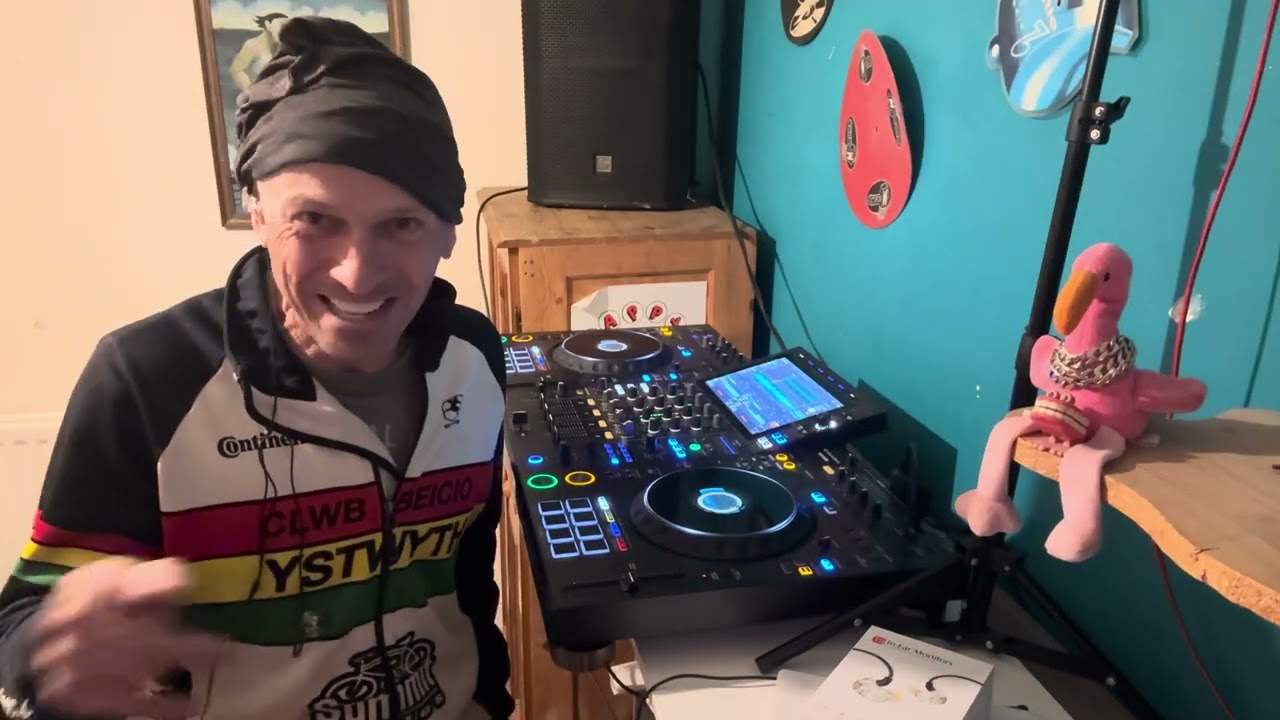
Alright ladies and gentlemen, another mixing tutorial. And first of all, mixing is not all about smooth transition from one to the other, where you have a seamless mix of about 16 bars, where it's perfectly matched in every single shape or way, down to even the drum machines that DJs use. Of course, that's what we would like to have continually, but if you do your mixes that way, then it may get a little bit boring. My personal opinion is, it's always good to have a tiny bit of human error inside there. It makes the mix actually real. Of course, modern day technology now means that using a sync button, virtually every single mix can be seamless. And also, they'll find your keys, they'll find the appropriate tracks, and all you've got to do is press one button, walk away, go to the next.
And the tour will come back, and the dance floor's buzzing, and everyone's happy, and the manager shakes your hand and thinks you're wonderful. But you're not actually, because you're just cheating yourself. Digressing there slightly, but what's this all about? Well, a mobile DJ will of course beat match. A mobile DJ will do seamless mixes that last for hours and hours. But quite often, a mobile DJ will just cut a simple transition from one track to the other. And to do that, of course, you have to find the right tracks. And you don't have to do this, like, 4 or 16 or 32 bar mix. You can just cut from one to the other. So what I'm going to do in this demonstration is show you the sort of ways how you can do that.
Or, no, start again, sorry. Not the sort of ways. I'll show you how you do that. Now, again, when we are dealing with old school tracks, quite often old school tracks, there aren't drum machines. There's proper people playing proper instruments. So the beats, the BPM will differ slightly. Now using this kind of technique, you don't have to beat match and match the tracks contin... Shut up. Right? Match the track...
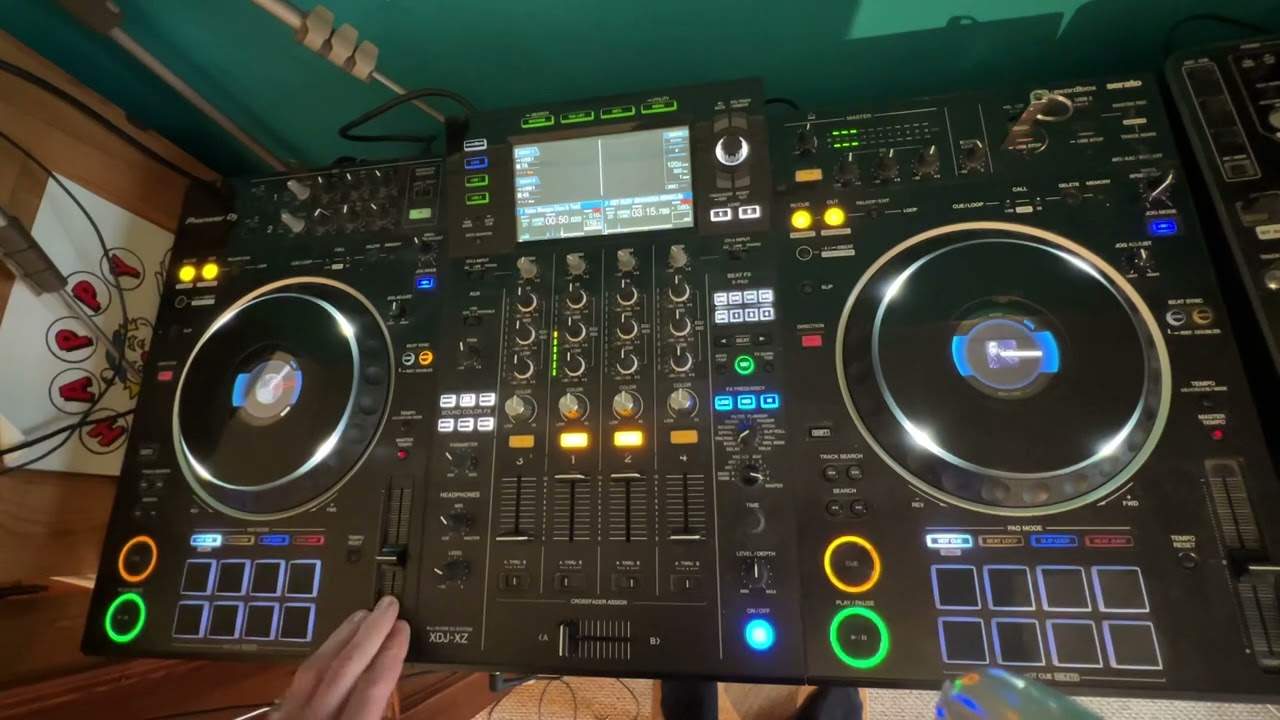
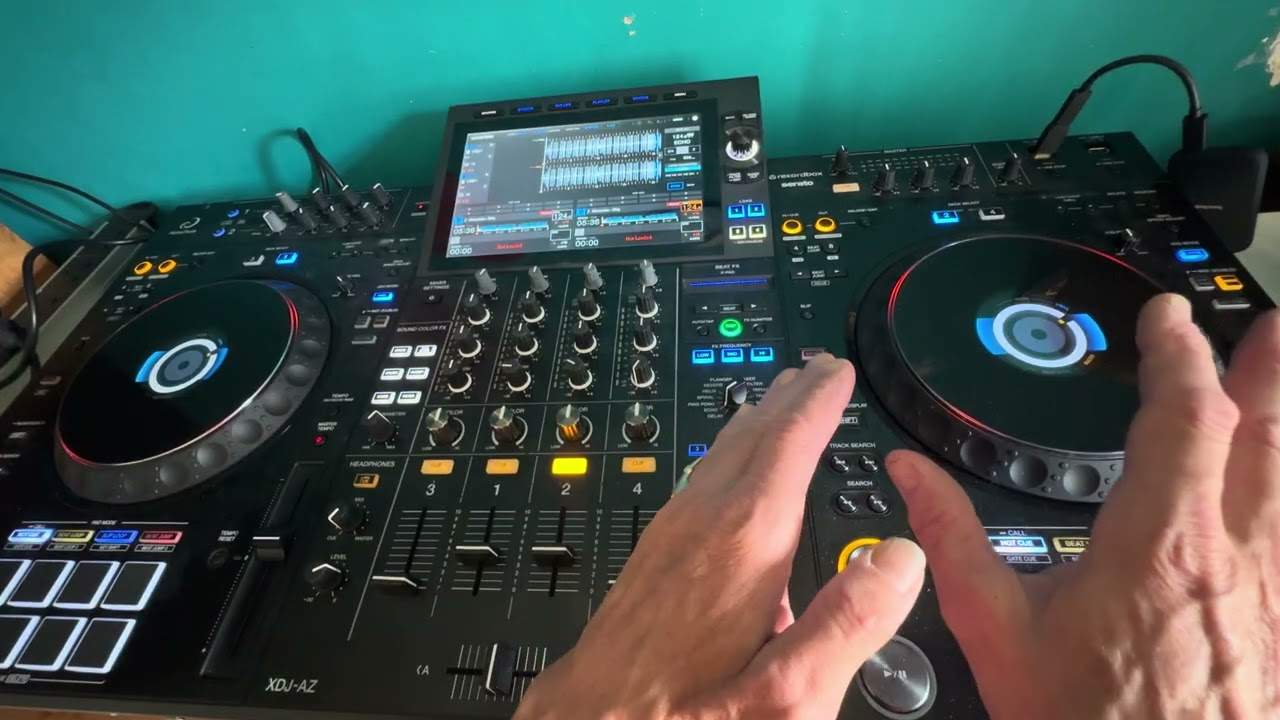
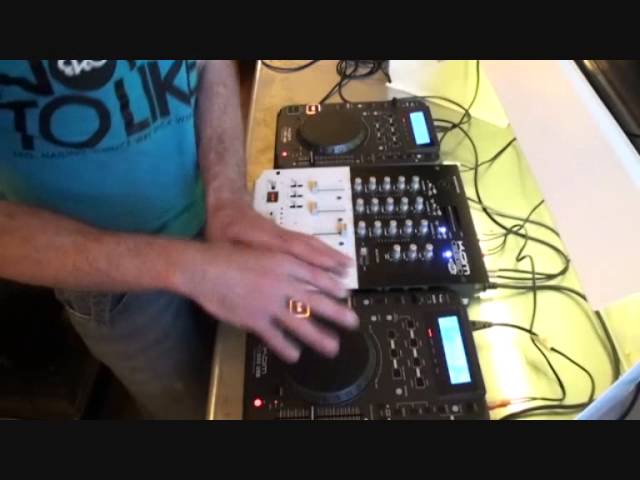
Match the tracks continually. All you have to do is chop from one to the other. Now you can chop from one track to the other two ways. One is of course using the up fader, so imagine this track's playing. Bring the second volume up. And then as soon as your... Once you're ready to bring the second track in, bring the first track out. Alternatively, if you've got a crossfade, both volumes up, crossfade from one to the other. Now I'm going to use a couple of tracks, then I'm going to search for a third track and we'll see what happens. I'm not going to be using any headphones so when you do hear that on this side, it's because I'm finding an appropriate place to cut the next track in. Now when we talk about cutting for mobile DJs, we're not on about...
We're just on about one track cut straight over to the other one. This one here, rhythm's going to... Sorry, no I beg your pardon. This one here is Paul Hardcastle in 19.
Okay so you've got a general idea there. This one here... Rhythm's going to get you. Now if we listen to the beginning of that, it doesn't really sound as though we could bring it in very well with that track. By the way this is Gloria Estefan, so I'll give you an idea of what I mean. Imagine we're playing this...
3:43 Something that's quite important like
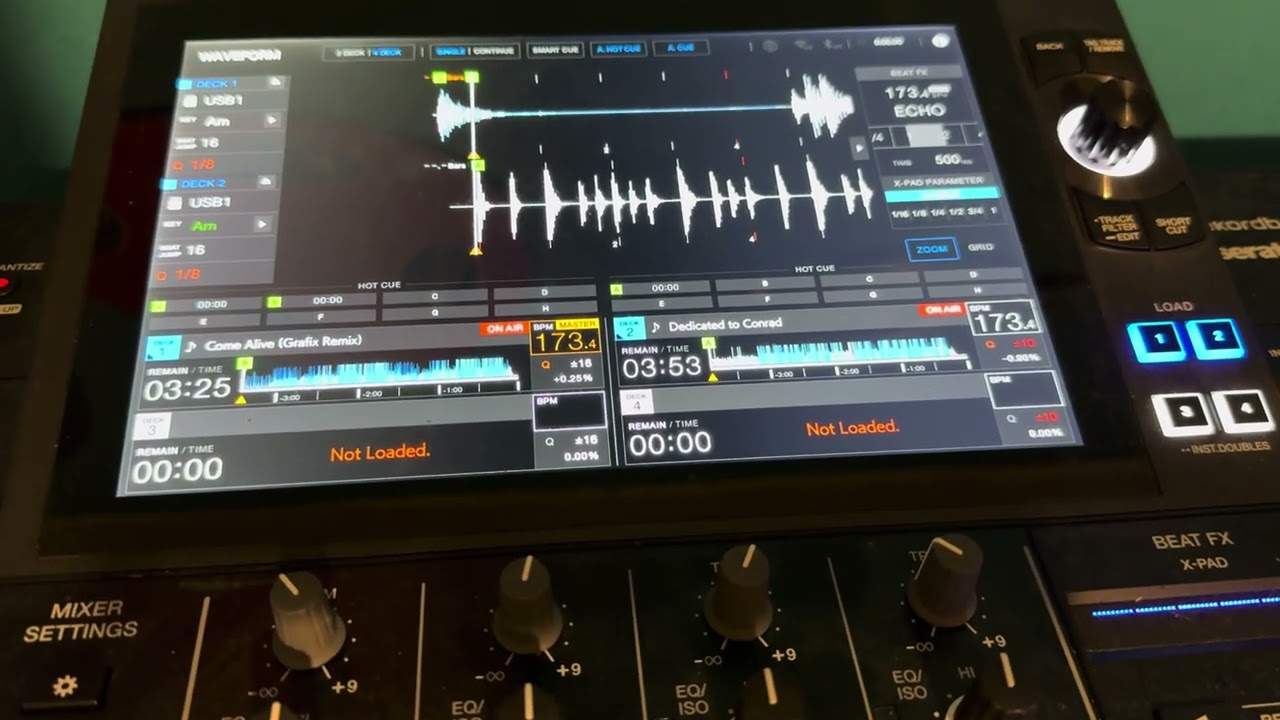
Almost just about get away with something like that. The only way we could really, really get away with that is if we used the microphone and talked in between. What I would be more inclined to do is play Paul Hardcastle, bring the volume down, talk in between or talk and then bring Gloria Estefan in. But I'd have to make sure I talk about something that's quite important like the house is burning down or the lady on table five. I'm really sorry but your husband has just left you for a younger woman. Otherwise, I might as well just shut up and try and do something like this. Now we'll play this one again. So imagine now I'm doing this on my headphones. What I'm going to do is I'm going to try and find a place that I think will be great to bring in over Paul Hardcastle.
But the important part is bring it in in time.
Right so we've got...
Now straight away what I've done there is... I've found a point on this track that's... It's in the count of one so it's in time. And if I count correctly on that track, I can bring it in in the correct time signature which also means that while people are dancing they're not going to have a third foot. So one, two, three, four, one, two, three, one. They don't want to be doing that. They just want to be one, two... Paul Hardcastle, Paul Hardcastle, Gloria Estefan, etc. Right so...
So we'll play this. Search through a bit of it.
5:54 You get the general idea there
You get the general idea there. Bang, straight over to the next track. Mobile DJs quite often will just carry on doing this all night. Right find something else.
I'm just going to do random things now. Let's have a look.
Yeah okay, we'll do this one.
This one here, West End Girls. Get it on... Okay so there we go.
Points there. Admittedly this one was slightly slower. But when you do a transition like that, a cut from one to the other it doesn't matter that much at all. So what I would be doing possibly for most of the night if...
8:36 School tunes, these kinds, kinds transitions
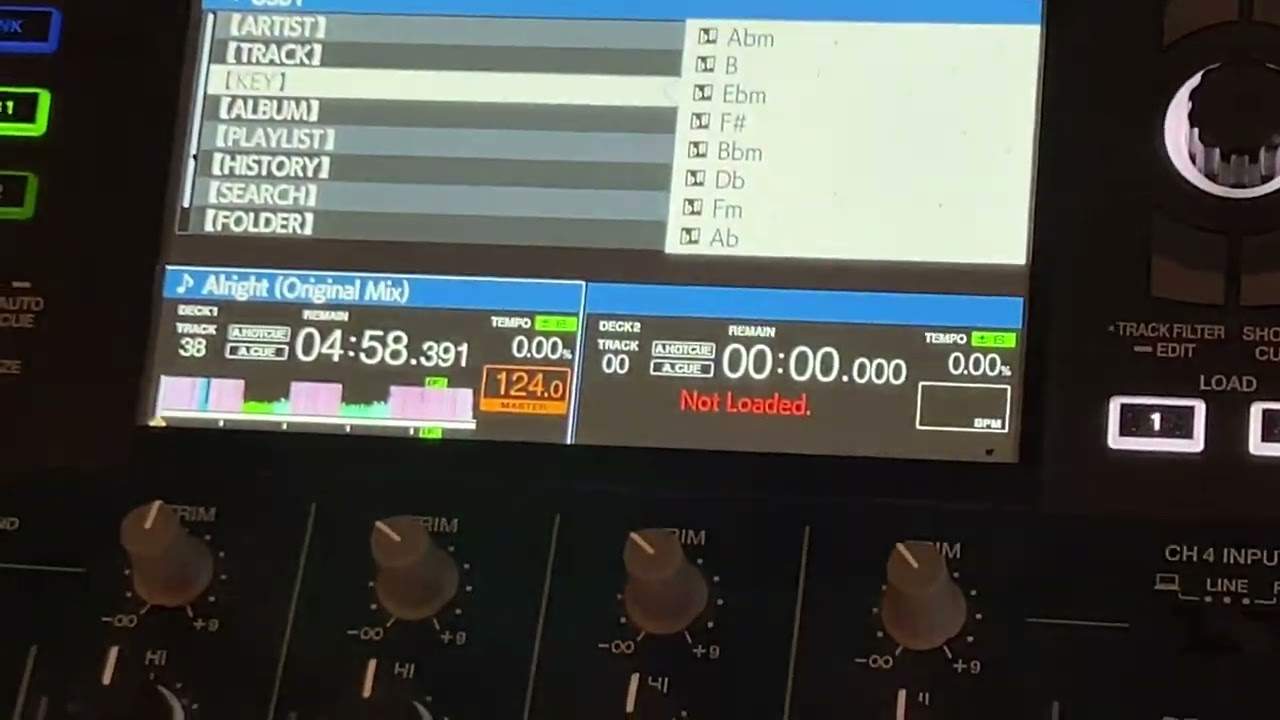
Crookneck. If I was playing old school tunes I'd be doing these kinds of transitions. I wouldn't be trying desperately to beat match because what would happen is I'd be moving the pitch all over the place. I'll be trying to catch up with the beat which would mean that it would sound pretty awful. By doing these kinds of transitions it means you haven't got to worry about beat matching as much. Maybe what I should have done there is concentrate a little bit more on the BPM. So for example if this one here was 120 BPM and this one here was 115, I could have brought it up to 120. So as soon as I'd done that cut from one to the other it would have still been in around about the same time. As I said earlier, old school tunes the BPM differ.
So at that point it may have been 120 BPM where I cut it over but then during the rest of the track or somewhere along that track it could have gone to say 119.5 or 122 or 121.2. Believe me if you ever listen to old school tunes the likes of funk, jazz, hip... not hip hop sorry. Well actually some old school hip hop. Funk, jazz and rare groove. You'll be amazed at how much the BPM differs. Now I hope that's been a help and I will say practice and enjoy.
This transcript was produced automatically from the audio of the video and may contain mistakes.