 11:59
DJ Lesson on Mixing and Echo in over the Track Playing.
Contents of the video
0:00 Two tracks
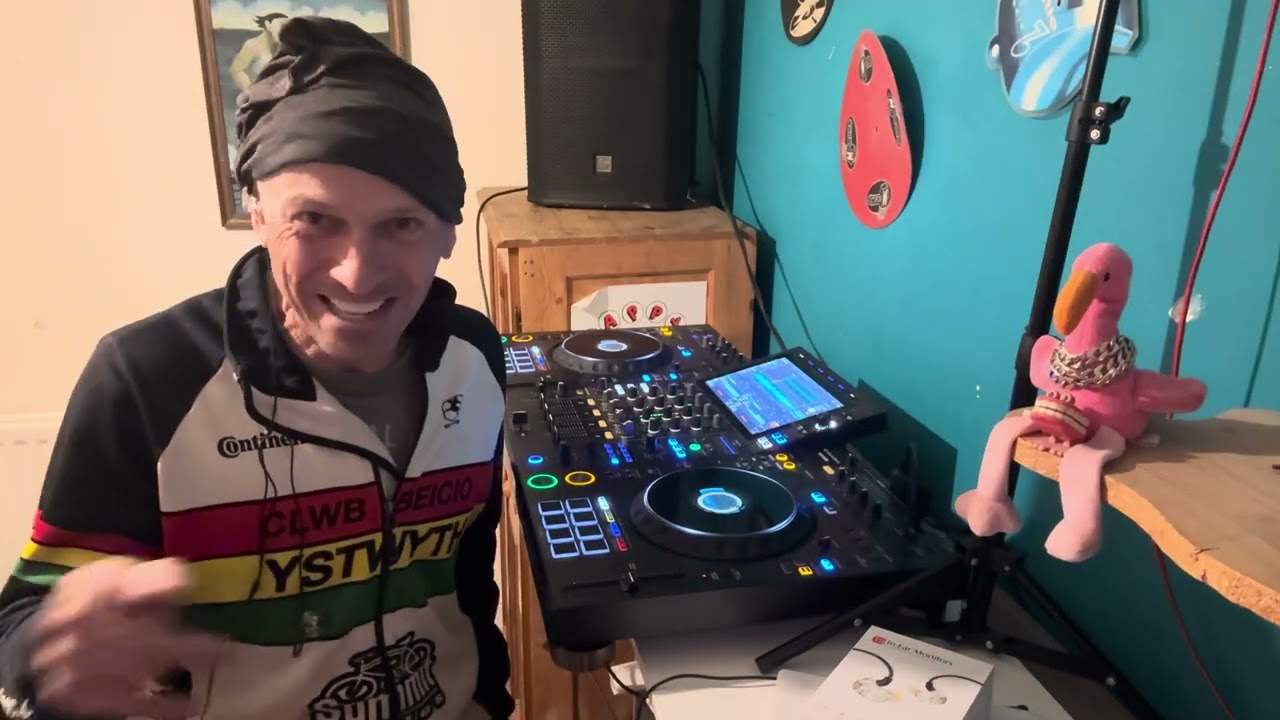
All right guys, in this demonstration tutorial what we're going to do, we're going to add a small element of one track in the soulful part of the other. So let's first of all talk about the two tracks. They're both from the Karmic Power Stable. They're both by Mr Lenny Fontana. One is entitled Everybody Put Your Hands Up. The other one is entitled Raise Your Hands. Raise Your Hands is by D-Train. Everybody Put Your Hands Up. I'll just make sure that you know it or just get the correct mix. I will put the names of the tracks in the description. Everybody Put Your Hands Up. It's the Samaya Maslow remix. I do apologise, I'm a little bit dyslexic so I'll make sure it's written down correctly in the description. Raise Your Hands is the Ridney remix which is rather new and it's absolutely stunning. Now the Raise Your Hands tune is a bit of a monster cut. It's been huge during the summer and I suggest you go and check it out. Check it out through Karmic Power Records. There'll be a link in the description right down there.
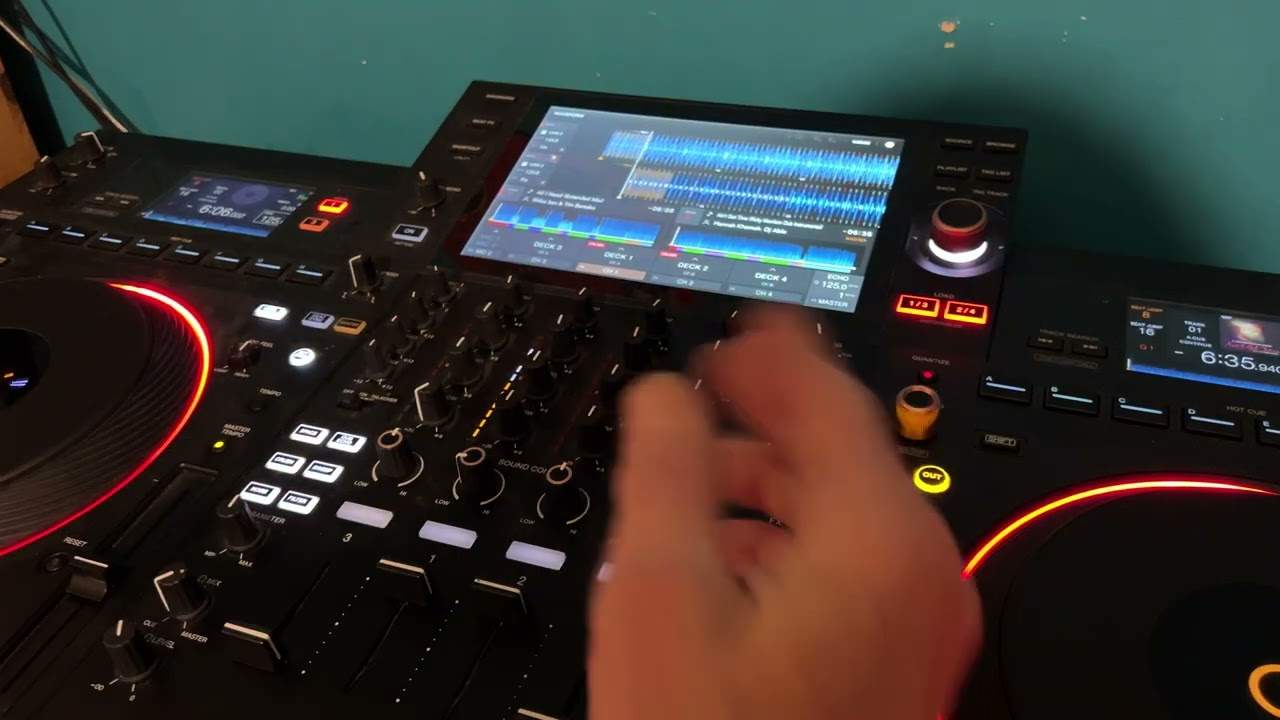
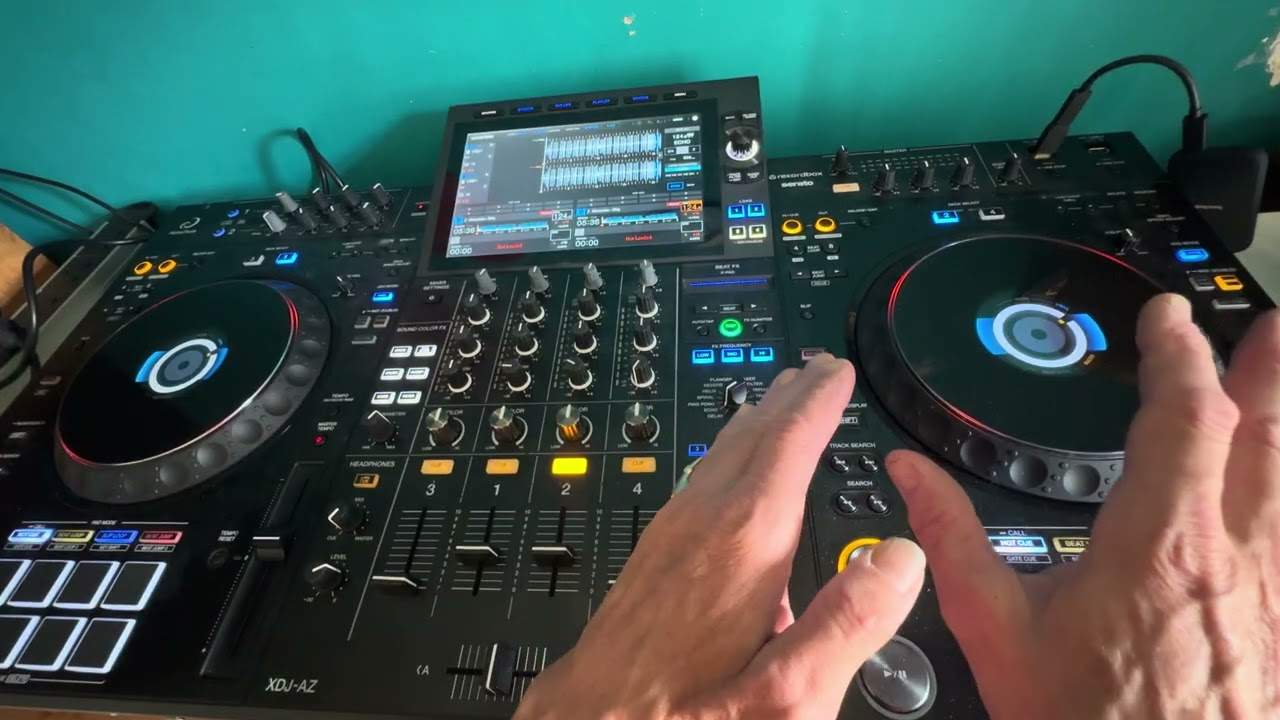
And if you're into your soulful house music, go and check out Karmic Power Records because they bring out some stunning soulful house music. Alright, go and check them out. If you don't then your brain will explode and your life won't be worth living. It's as simple as that. Right, so in this demonstration what we're going to do is I'm going to add small elements of Everybody Put Your Hands Up over the D-Train track prior to doing the final... mix. Now there's a lot going on here so I will explain and everything I show you here can be done on a very, very basic controller so long as you have a hot cue or some form of place where you can put the cue point. In fact you don't even have to have a hot cue. What you could do is you can just set the cue point at where you want to bring the track in and then when you're ready to do the mix go to the beginning of the track again or go to the beginning of the track and then start doing the mix.
You'll mix. It's as simple as that. The only part of this tutorial that could be a little bit difficult is I have set my hot cue not at the beginning of a bar, at the count of one. So I could do it if I wanted to and I have done it. This is the second time I've done this video because the first time I went...
And I thought, oh fuck that, I'm going to do it again. Sorry. I really didn't know how to take that away.
Sorry. It's gone down there now. You didn't really hear that, did you? Sorry.
Right, so... That's another fine mess you've got me.
So what I've done is I set a cue point to show you the count of one and then not the count of one. So have a listen. Pay attention.
2:49 This isn't the count of one
That's the count of one. This isn't the count of one.
So what is vitally important... is that if you're going to do something like this, set a cue point hot cue not at the count of one. You have to make sure when you bring it in It is at the point where the cue point was set initially when you bring it into the mix. You follow? I hope so. That was correct actually. Now that is for the beginner very important. If you're going intermediate and slightly more advanced then it doesn't really matter where you bring it in so long as you take it out prior to the crowd realizing that's not in time. And it can be done because then you are completely changing the format and the way the track is sort of put in time and you're making it in a different time and it can sound even better.
But you've got to make sure you bring it out before it does sound really bad because if you do bring it in at the wrong time and you let it play, it's always going to be at the wrong time. You've got to make sure both tracks are in beat. Of course they've got to be in keys that work and they've got to have a certain amount of tempo. But you've got to have the same sort of vibe if you want to keep the flow of the mix. So I'll give you a demo first of all of the D-Train track. And it's just, this is stunning. Listen to this. Even these wobbly things are just going with it man. Come on. I'm loving this. All the way from the other side of the pond Lenny Fontana. You know what? We love you dude. We absolutely love you.
5:25 Firstly, I need to make sure everything's in time
Oh yeah. Loving it. My god. I haven't met this remixer. You know what? He'd buy me lunch. Okay. I didn't really want to do that but sometimes you just get so much boom, boom, boom, boom. You just want to go boom. Sorry. It's just so much. This is so much for you man. Right okay. So what I want to do now is that is a little bit dry. It's a good tune. It's a really good tune. And I will play you a little bit of Everybody Put Your Hands Up very shortly. But I need it to have a bit more depth. So I'm going to add an echo to that. And also, I want to add that point into the Raise Your Hands where there's a lot more soul going on. Which is roughly about here. There. Just set a cue point there. Now firstly, I need to make sure everything's in time.
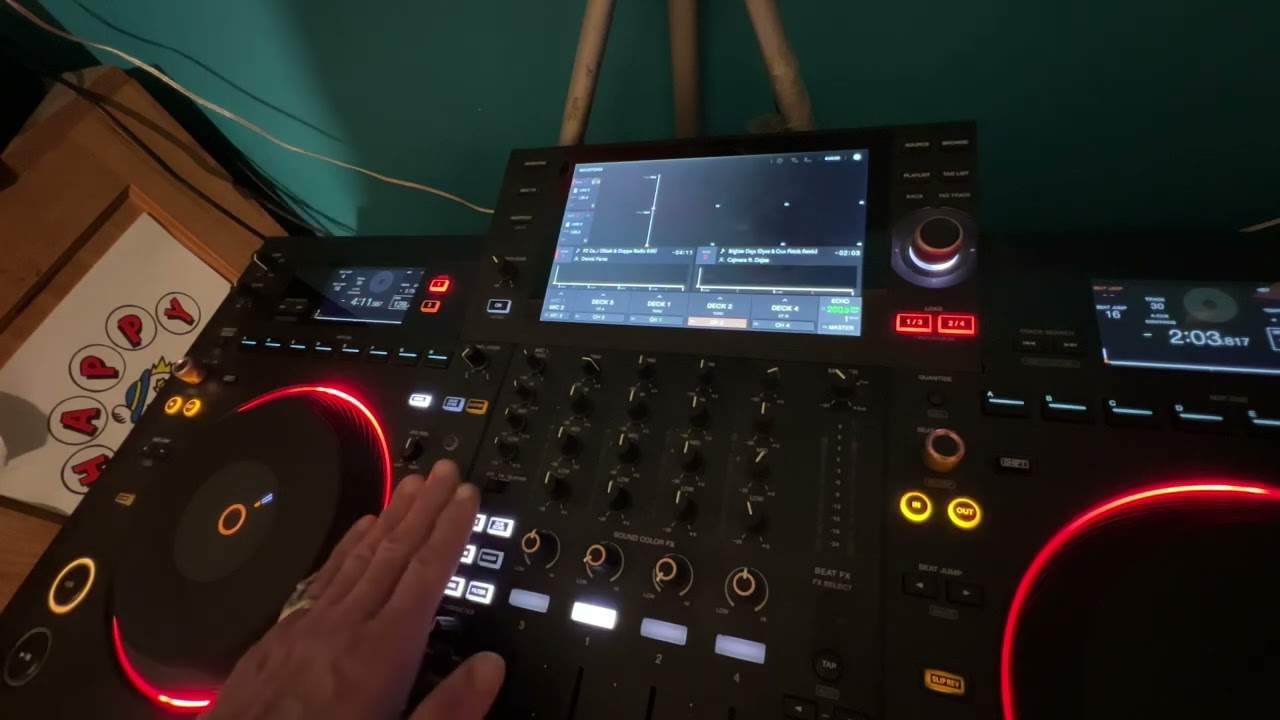
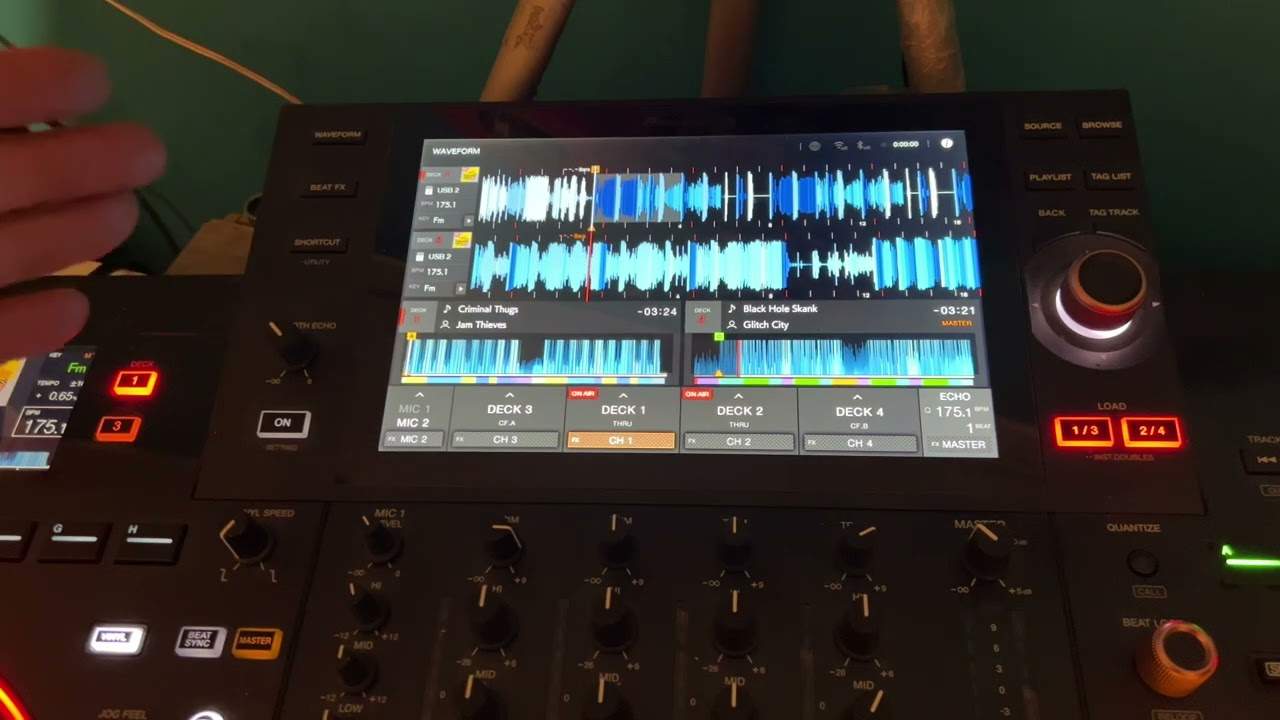
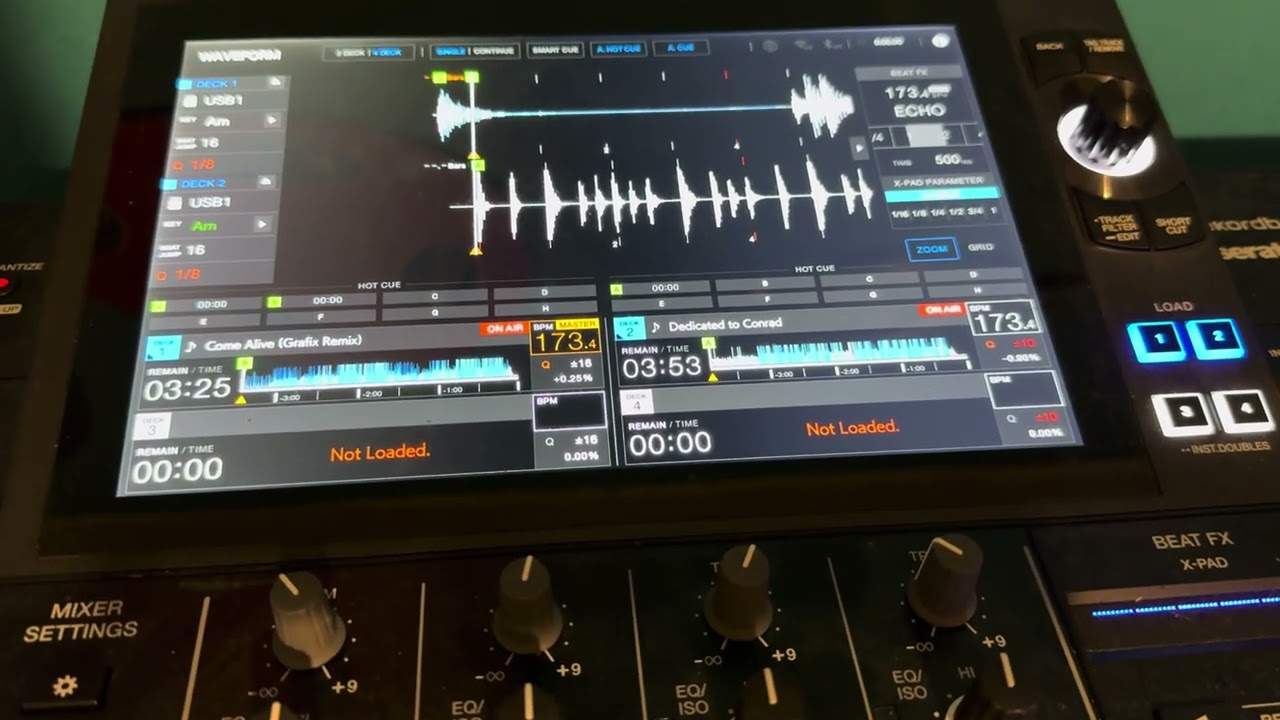
Both are in time and I'm now going to start tapping. One, two, three, four. One, two, three, four. I'm going to go to half. One over two. Because I want a half an echo. Engage the echo. Now have a listen. Okay, but what I was trying to do there is bring that Just bring a tiny amount of that track in with a bit of an echo. I could've done one over one. I could've done a quarter. But what I did do, then if you noticed is I hit the hot cue at Here we go, hold on. On the count On the correct timing Not on the count of one On the correct timing of the original track And then brought it in. If I brought it, let's say for example now I hit the hot cue on the count of one It wouldn't work. Right, I'll show you that now. Two, three, four, one, two
Sorry, volume was up. Three, four, one, two Three, four, one, two Three, four, one, two See I've got the four. Now
7:28 Part track, mind
How does this happen? What's going on? How do we make this work? Well in my mind I have got the timing of this track One, two, three, four One, two, I'm looking for One, two, three, four One, two, I'm looking for romance So I've got that timing in my mind So what I'm doing is I'm picturing that part of the track in my mind It's almost like it's up here It's in the air Again, I could listen to it if I wanted to on my headphones But I'm past having to do that now So let's just do that again Let's go to A One, two, three, four One, two, three, four Very subtle And again a lot of these tutorials are about adding tiny little bits of this, that and there into the mix So we've done that. We could have maybe chosen another part of the track
It doesn't matter Now let's try this now at a different sort of time signature So let's go to about there
8:55 Next track, couple drinks, track beginning
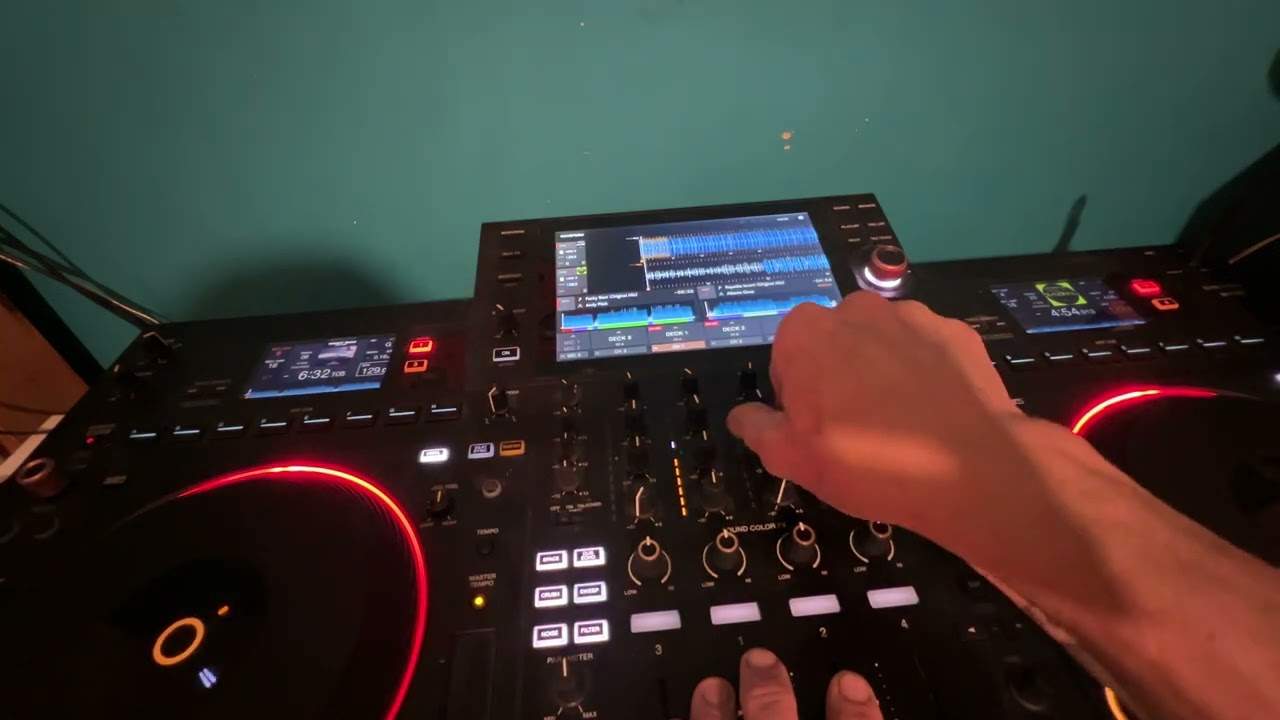
I hope you get the idea there What I'm trying to do is bring tiny, tiny elements of the next track into the mix If done correctly Maybe not as random as this But if done correctly what you're doing is slowly introducing the next track We're right at the beginning And then Going towards the end of this track Again, it's always very important to make sure when you bring the next track in It is at the beginning and or the end Which is pretty much the same of a phrase Finished anyway I'm going to let this play a little bit This is Everybody Put Your Hands Up which is another absolutely stunning track It's been around for a while But it's still got one hell of a lot of soul Absolutely stunning A bit of a trick Well, not really a trick
But like a tip for you Don't forget to check out the link in the description to Karmic Power Records Once again, this is Lenny Fontana Thank you very much indeed I'm sure we will meet again And when we do There'll be a couple of drinks and a few tunes spun A couple of drinks spun And a few tunes drunk
This transcript was produced automatically from the audio of the video and may contain mistakes.