 10:12
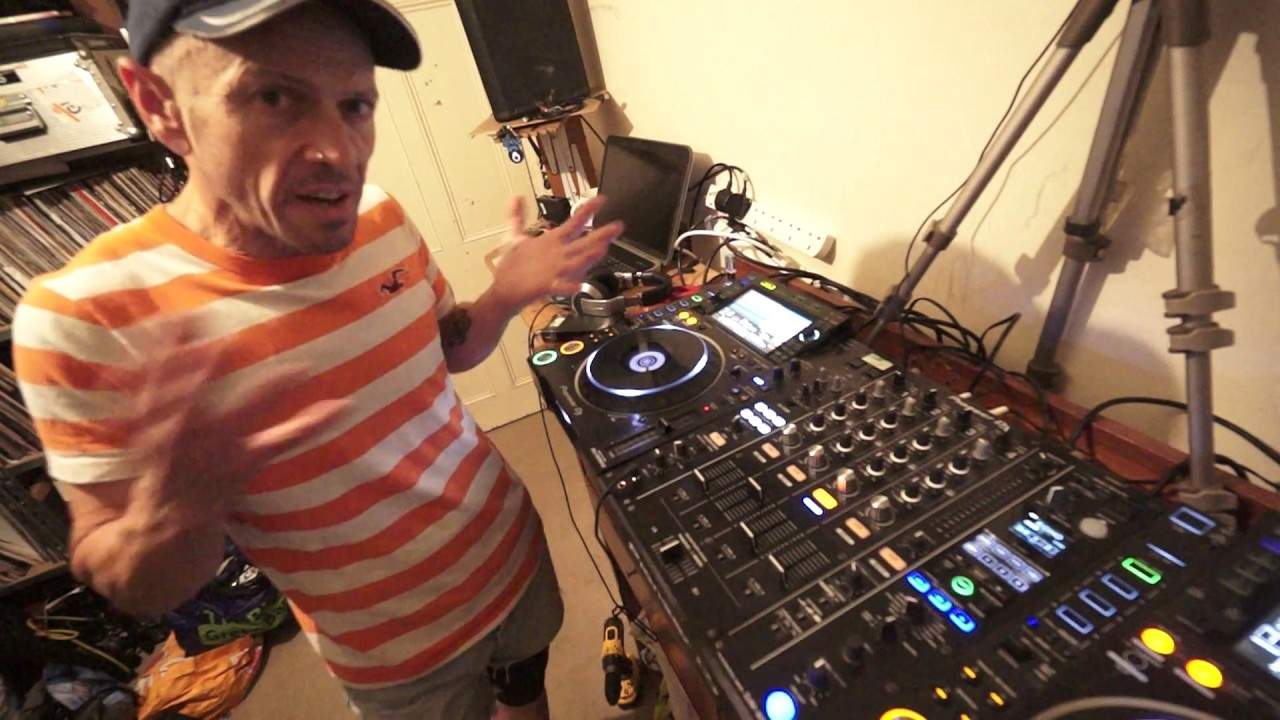
DJ Mixing Help with Drum and bass Double Drop Tunes from Hospital Records
Contents of the video
0:00 Of advice is forget one, two
Some people do say that mixing drum and bass, or trying to beatmatch drum and bass is one of the most difficult things to do in music because the beats are mashed up and all over the place. You haven't got that four to the floor with house music. One, two, three, four and so on. So, first bit of advice is forget one, two, three, four. Seriously, forget it. Concentrate on the two and the four. What you need to do is listen for that snare sound because that is the most prominent sound in the drum pattern that will stay ongoing practically all the way through the track unless, of course, you get the breaks. Well, why? Well, drum and bass is about an old school funky drummer kind of sound. You know, there's lots of elements in the drum patterns. It's not a dum-dum-dum-dum. It's a du-guh-duh-ch, du-guh-duh-duh-ch, du-guh-duh-duh-ch, du-guh-duh-duh-duh-ch.
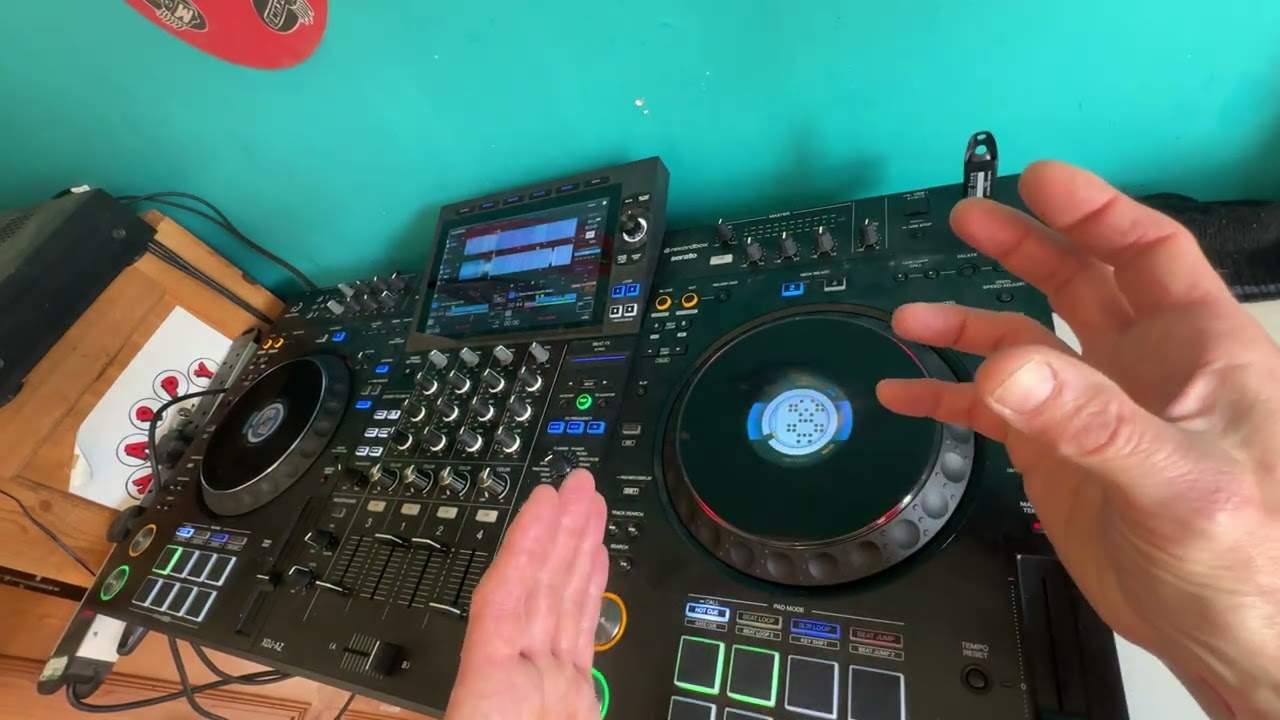
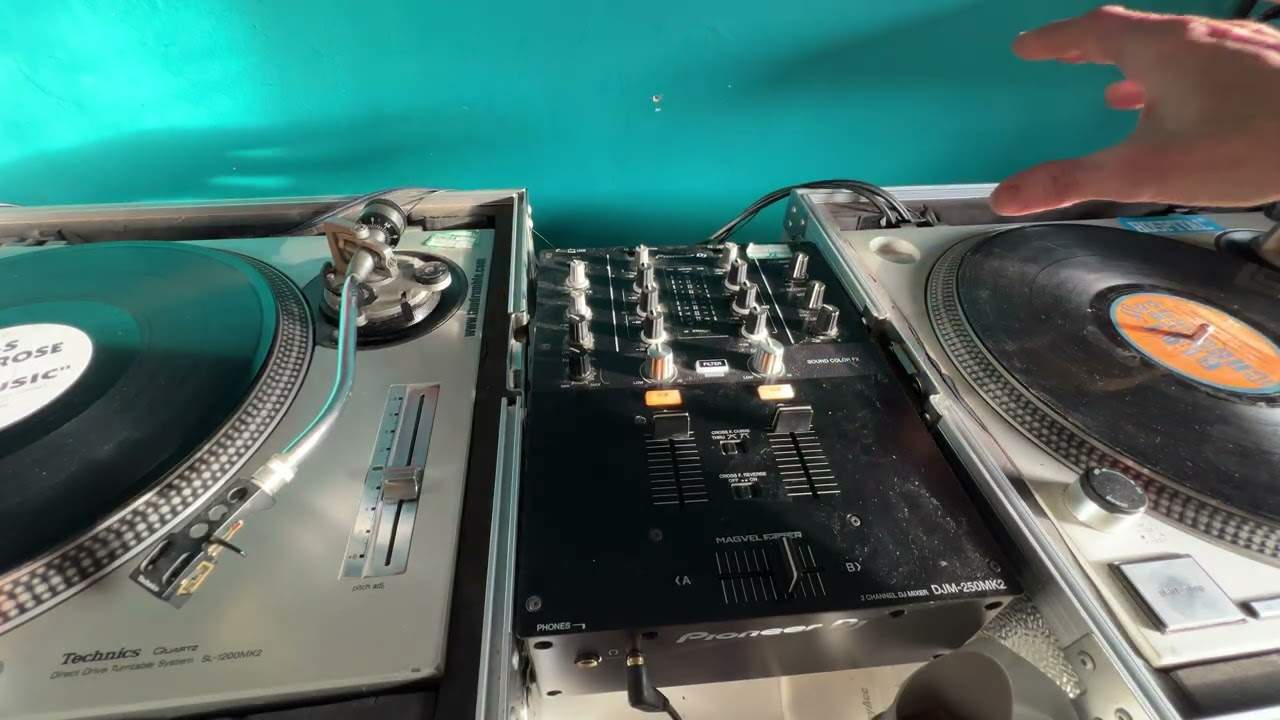
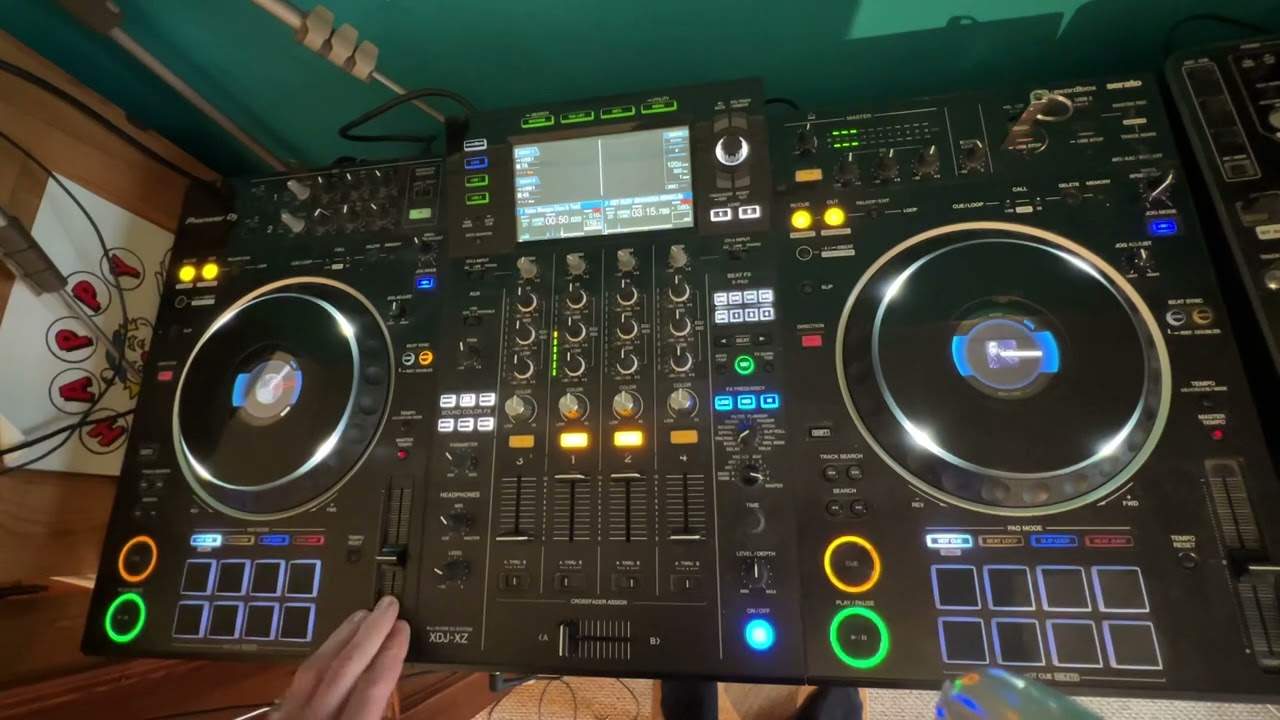
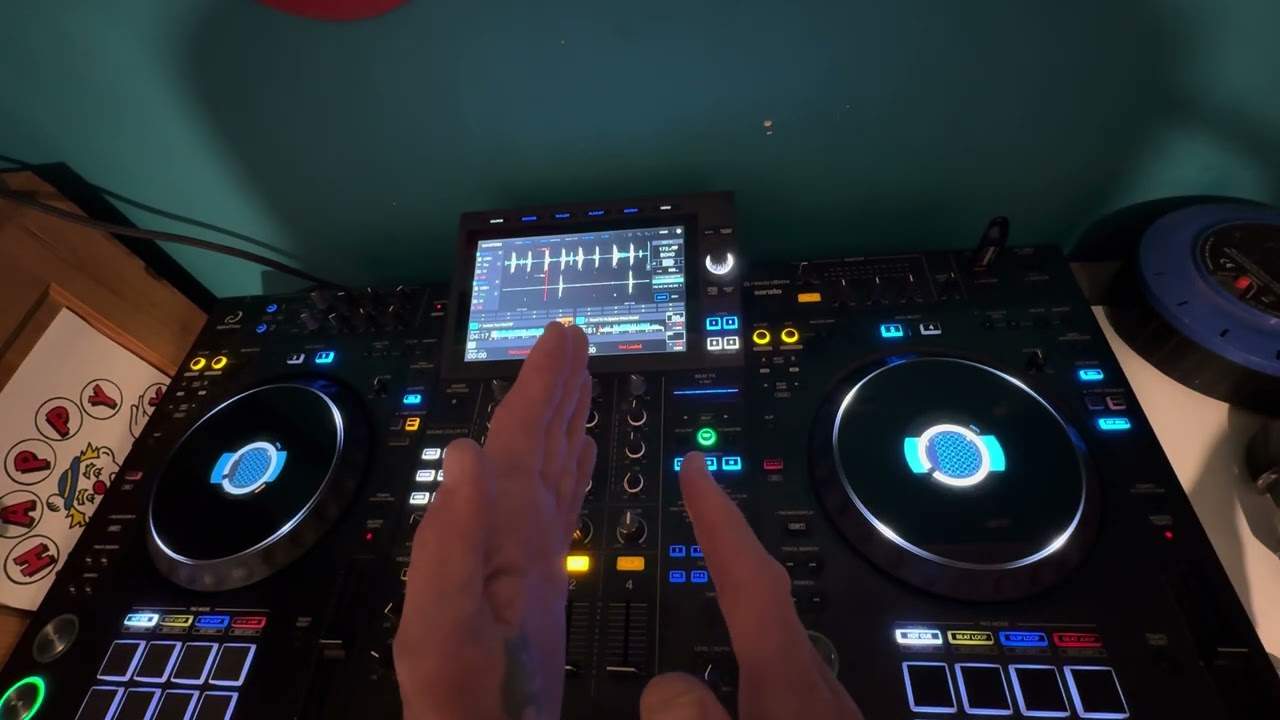
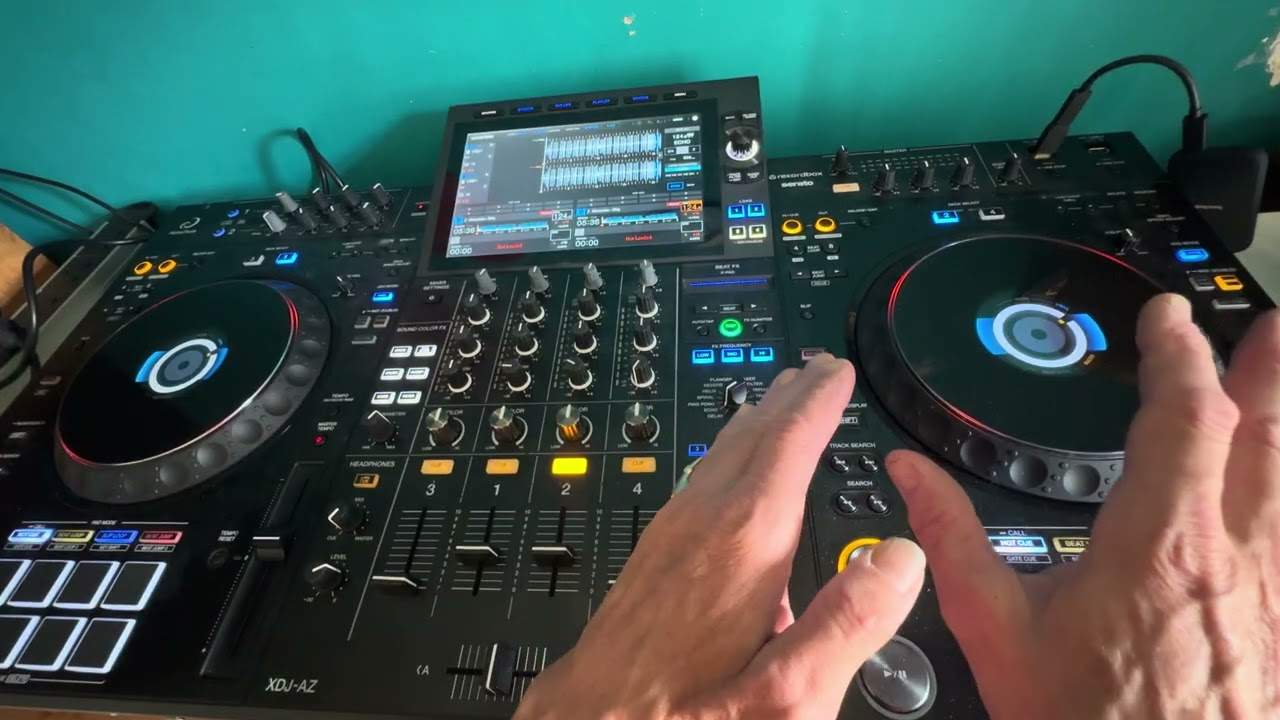
Now, why are we going ch? Well, that is the two and that's the four. One, ch, two, du-guh-duh-ch, du-guh-duh-duh-ch, three. That's difficult to do, actually. Two, four, du-guh-duh-ch, du-guh-duh-duh-ch, du-guh-duh-ch, du-guh-duh-duh-ch, du-guh-duh-duh-ch, du-guh-duh-duh-ch. Four, two, three... Right, OK. So let's have a listen, all right? I've got two tracks here both from Hospital Records. Big shout out to Hospital Records for letting me use your tunes by the way. This one here is on the left hand side NHS344, Danny Bird Starting. over and on the right hand side I've got the NHS 346 spy it's a dubplate style LP and it's a tracking title after the rain so let's just bring the camera down there so you've got better view and let's press play you see a lot of people
2:13 Actual beat itself
May find it difficult to count that but two three four one two three four one two three four two three four two three four two three four one-two three four one and there's me all about the two and the four when you know we've got an even sly more intricate drum pattern here two three four one two three four one two three four two four two three or one three, four. One, two, three, four. One, two, three, four. One, two, three, four. One, two. Let's go to the actual beat itself. That high sound, that's what you need to listen for. One, two, three, four. One, two, three, four. One, two, three, four. Half time. Four. One, two, three, four. Okay so drum and bass is very formatted. It's formatted practically
All the time in groups of 16 and it's one of the genres where it's practically every single time. 16, change, 16, change, 16 and so on. Now what I'm going to do here is something called a double drop where we have two tracks and we play them over each other. The breaks and then we go from the one into the other. So how do you do this? Well you just wait for the breaks and start them at the same time. Let them play. And the one that was that one but the one you're bringing in, play that one. Now of course that's the easy way of explaining it but for the newbies out there you're thinking well yeah what do you do? So let's first of all imagine that you've got your track on the right hand side, the one you're bringing in queued up on the one at the beginning of the 16 bar break and the
Other one is playing and it comes to the beginning of that break. Of course you can always press
Together. Now you can do that quite easily if you're using sync because by the way sync works, if you're slightly ahead of pressing the play or slightly behind the sync should automatically snap it in time. On the other hand if you're not using sync and you still want to use a little bit of your brain matter then you've got to be very clever at making sure you're bang on the money. So first of all you need to make sure your cue point is exactly at the right position and also when you press play it's at exactly the right point in the other track where it does get to the one at the beginning of the break. But let's imagine you're a little bit wary about that because you don't want to make a mistake, alright? Now what you can do is so long as you're using good quality software
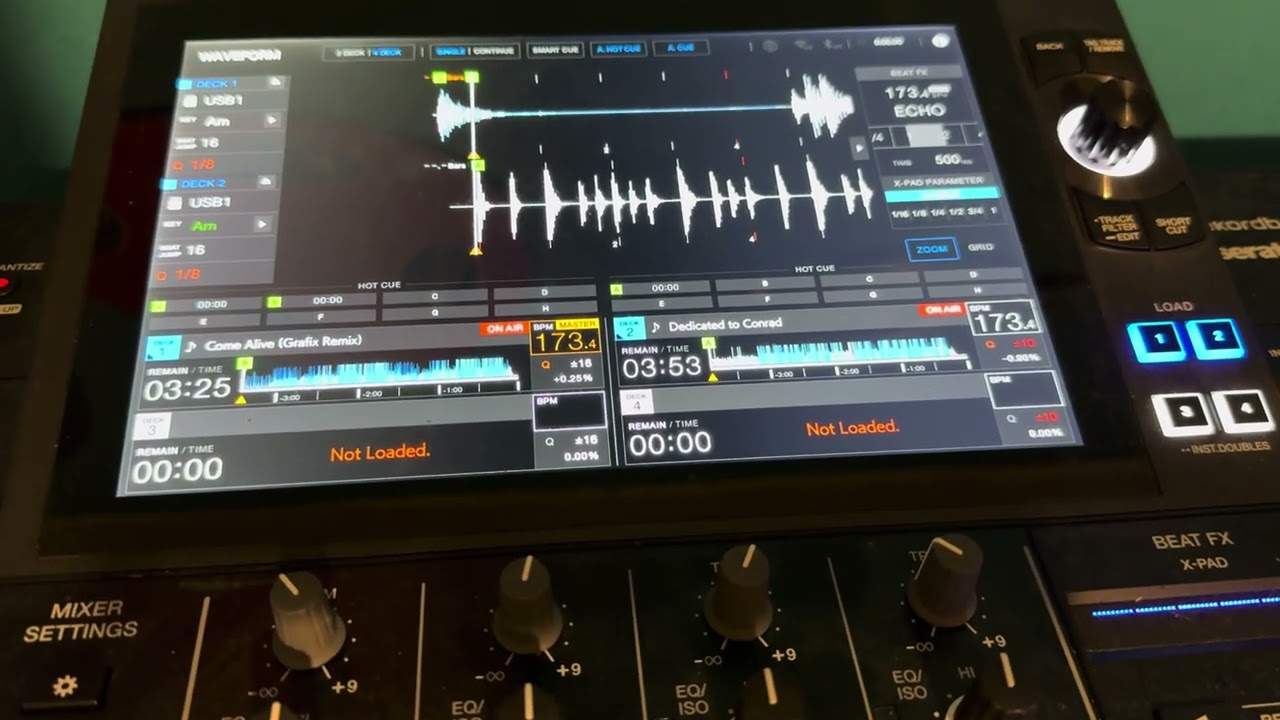
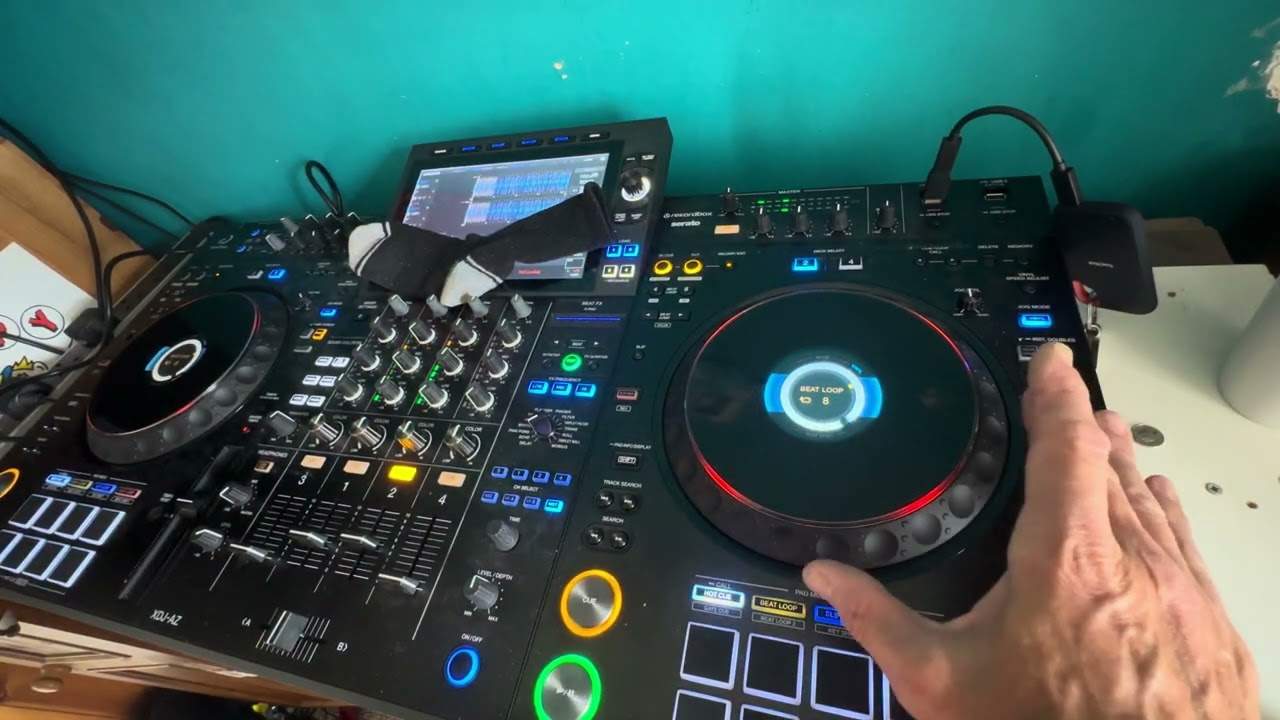
You can go to the first bar that is on your keyboard, and you press play. It will take you back to the first bar where it does get to the one at the beginning of the break. So you've got that one bar in the background on your headphones rolling away and you are beat matching that with the track that's playing. And then as soon as you get to the last bar of the track that's playing, of course come out of that loop. If you don't, then you'll be one bar out. So you come out of that loop and then they should be bang on the money, play together, take the one out, put the other one in. I hope that makes sense. Alright, so let's just do something like this. So what I've done is I have set a hot cue on the beginning of the break before you get to the drop.
And this is 16 bars.
And then over here, there's the beginning of the break there.
Now when I first started counting this, I was thinking it's only 8 bars. But of course I was counting it in half time when actually it is 16 bars.
Bang, straight in. Let's have a little bit more Danny Bird starting it over.
7:26 Low floaty vibe here
Nice kind of melody. Low floaty vibe here.
Alright, let's go back a bit. So what I'm going to do here, just a bit of an experiment. I'm going to take the bass out on After The Rain because I don't really want the bass line to come in and overpower it. I just want small elements of it in the background.
Bass in.
Okay, so a bit of a double drop there. Now, how can I put this? There are loads of ways of doing something like this. I could let them both play. I could let them play over each other all the time. I could use a crossfade and go from one side to the other. I could add an effect. You know, if you gave, and I think this is a really good analogy. Let's imagine, and I've said this before, and you need to get this in your head because you'll get it. You've got a room, you've got a bowl of fruit in the middle of that room, and you've got 10 professional artists. They've each got the same paintbrushes, the same palettes, and the same paints. And they are all asked to paint the bowl of fruit. Now, because they're different people, they're all going to have their own style of painting that bowl of fruit.
Even if they're asked to paint it from the same angle as well. All right? Everyone's going to have a different style. So the same here. You know, you give 10 DJs two tracks and ask them to mix at a certain point. Everyone's going to have a different kind of... They're just going to try something slightly different. Which is the great thing about being unique. And again, with modern day technology and adding effects and loops and echoes, you know, you can take it to the next level. All right? So I hope that's been helpful. There will be a link in the description to Hospital Records. Big shout out to you. Once again, we had Danny Bird starting us over. And on the right hand side here, Spy After The Rain from the Dub Plate Style EP.
Practice and enjoy. Thank you. Bye-bye.
This transcript was produced automatically from the audio of the video and may contain mistakes.