 7:34
DJ Mixing Lesson on How to Transition from Drum and bass to House
Contents of the video
0:01 In this one, we're going drum and bass to house
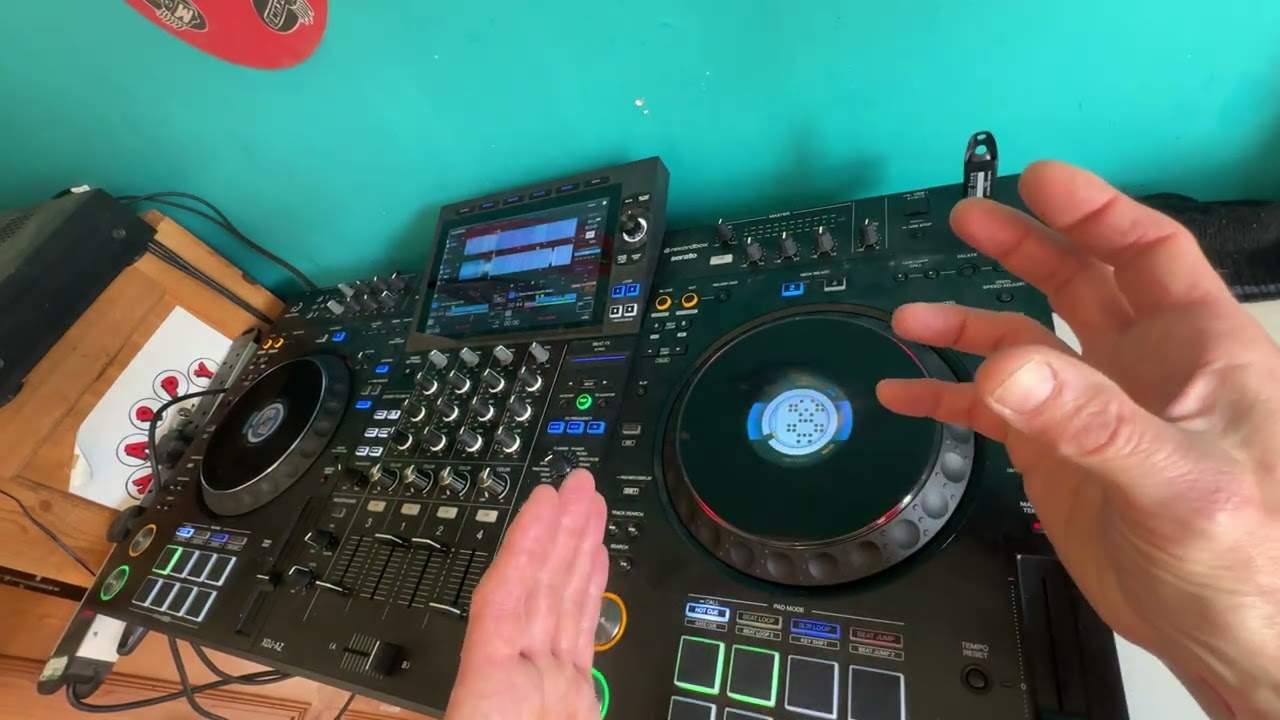
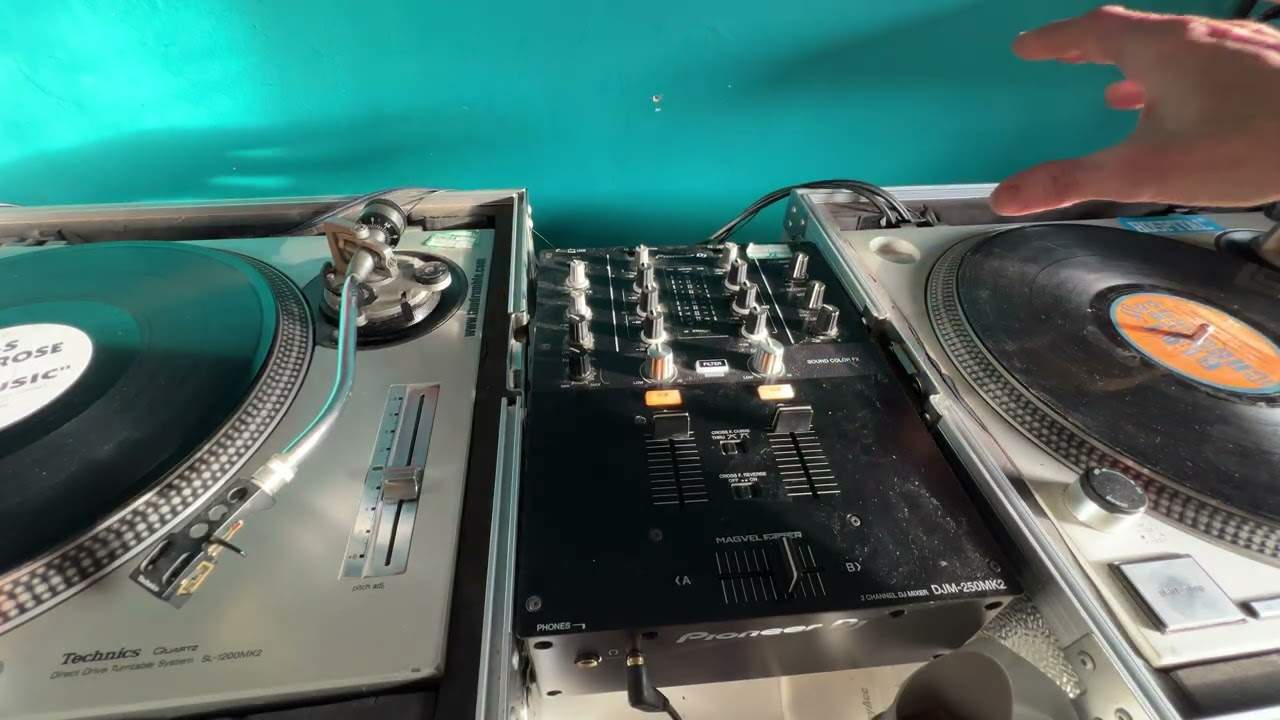
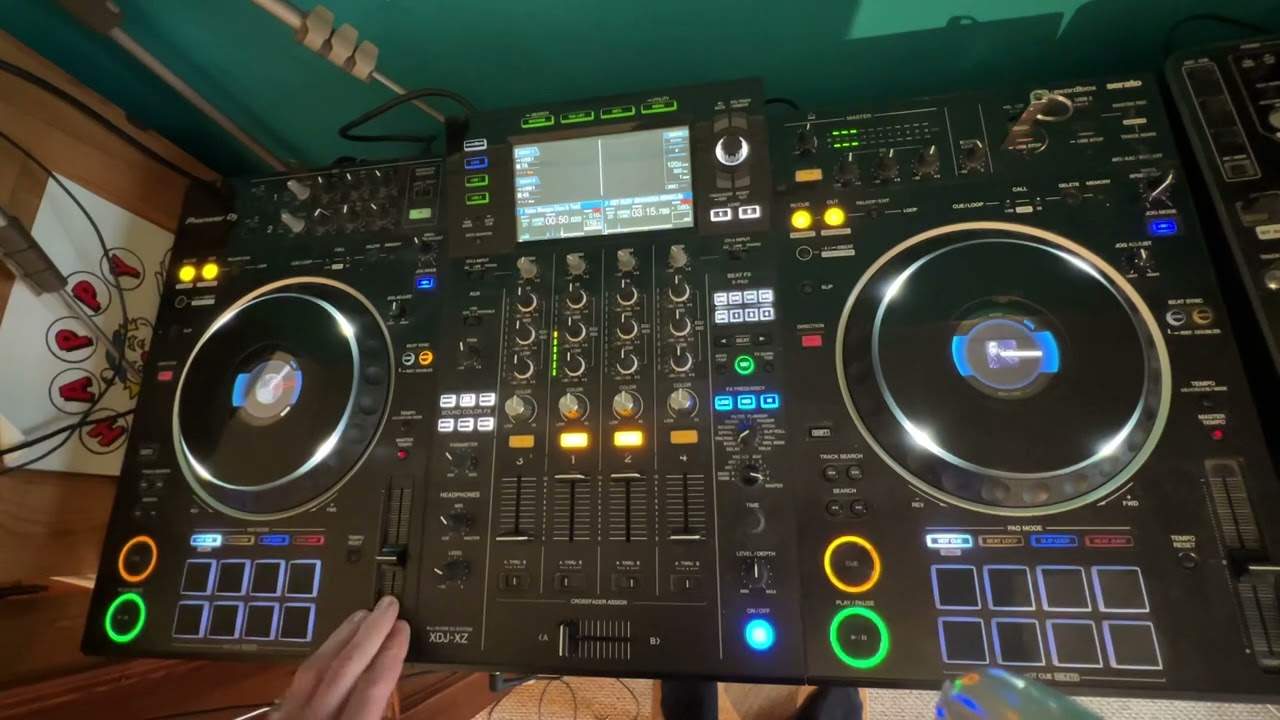
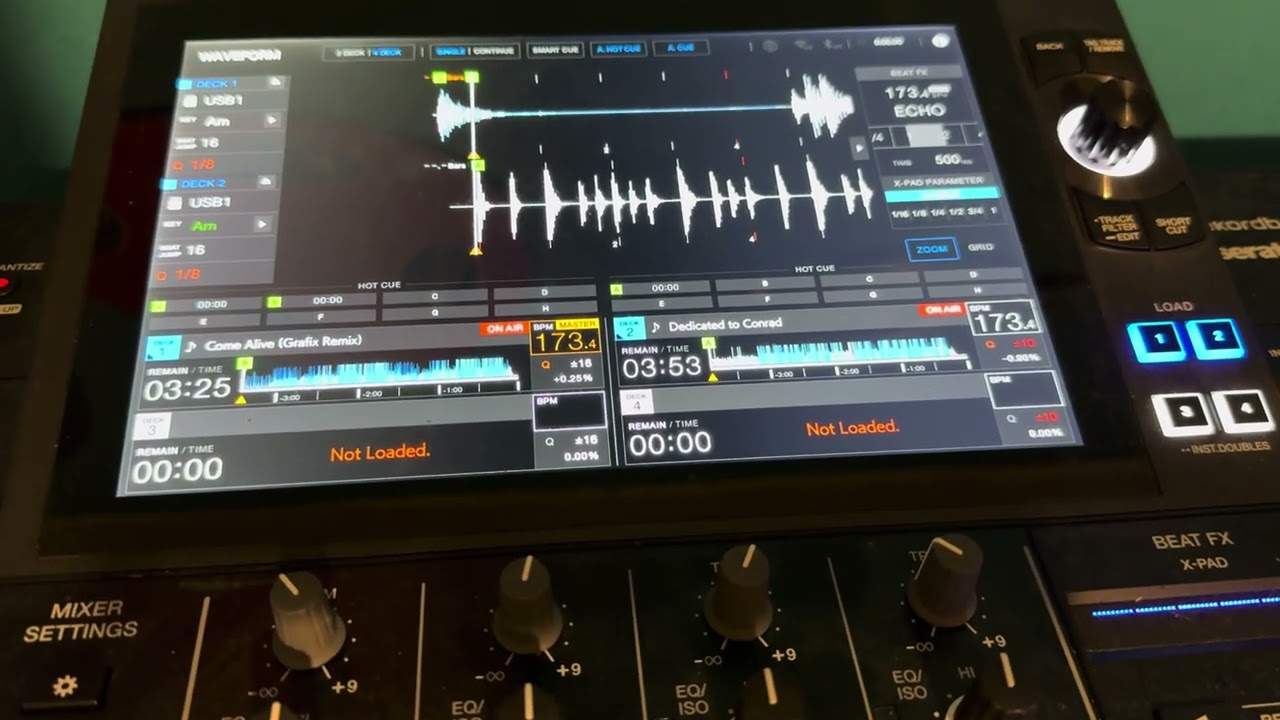
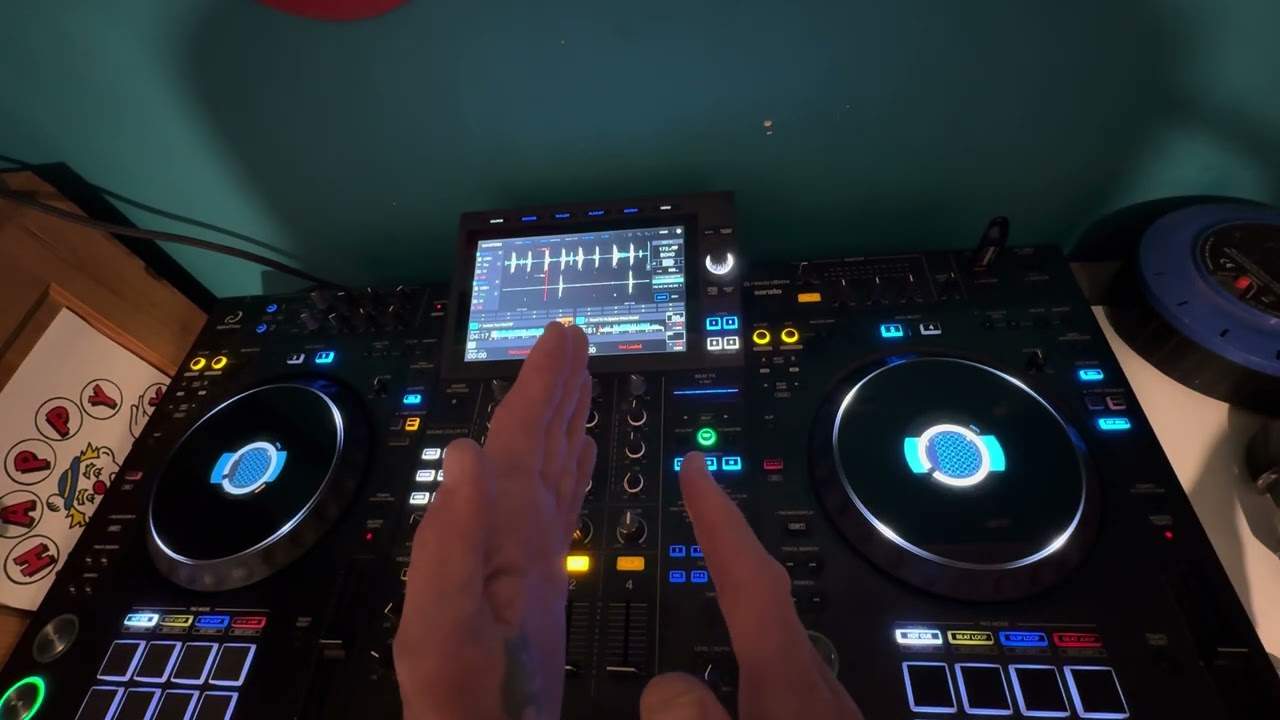
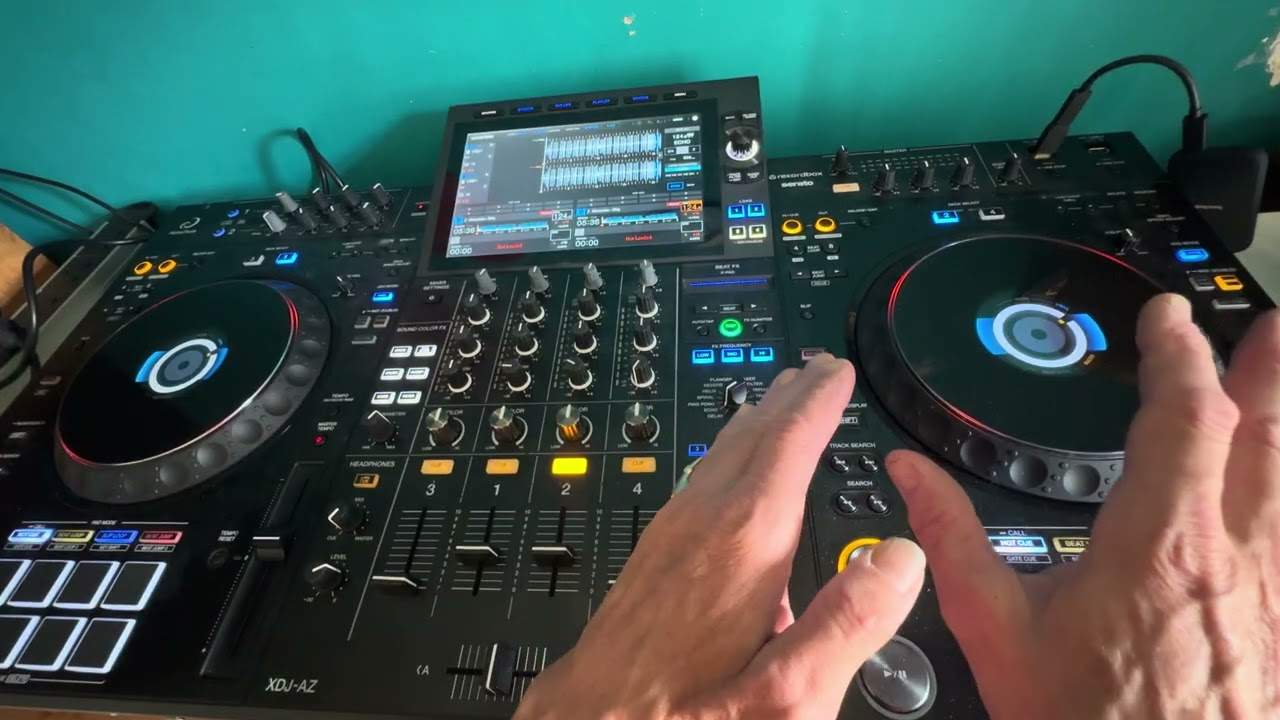
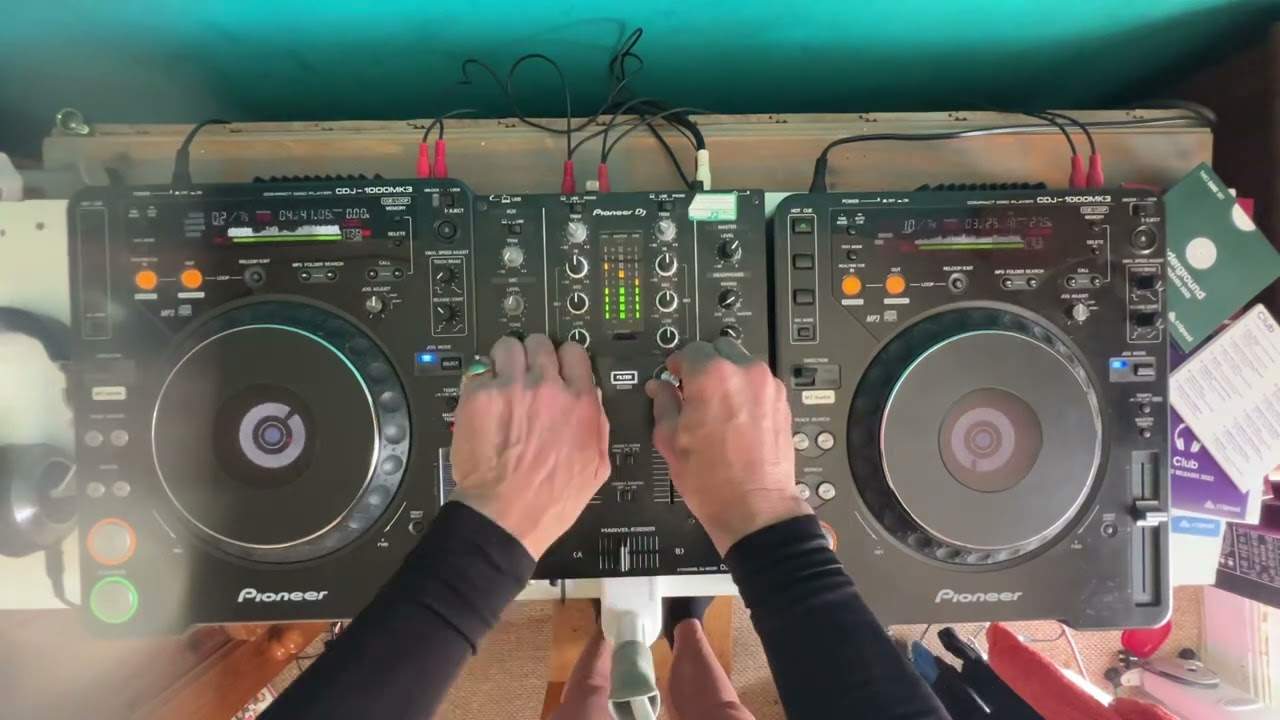
Right, ladies and gentlemen, we're going to do the opposite now. In a previous video, we covered a subject where we went from house to drum and bass. In this one, we're going drum and bass to house. Now, the two tunes I'm using is Trapped by Friction on the right-hand side, the D&B tune, which is a track entitled Remember. It's the original mix, 174 BPM. On the left-hand side, we have David Guetta, Bina Benassi, Satisfaction, Extended Mix. So, we're going from 126 over on the house tune to 87 on the D&B tune. But you're probably thinking, hold on, D&B is a lot faster than drumming, than that. Well, of course it is. I'm using relatively old-school technology, which isn't brilliant at getting a precise beat.
So, 8787 is 174, 174 BPM. So, of course it is a lot faster. So, 174 is roughly the sort of BPM you would expect to have with drum and bass. Whereas on the left-hand side, 126 is roughly the average speed for, you know, clubby, housey kind of vibe. I'll give you a demo of both tracks. This is the beginning, and then the house tune.
1:32 There you go, you get a general idea
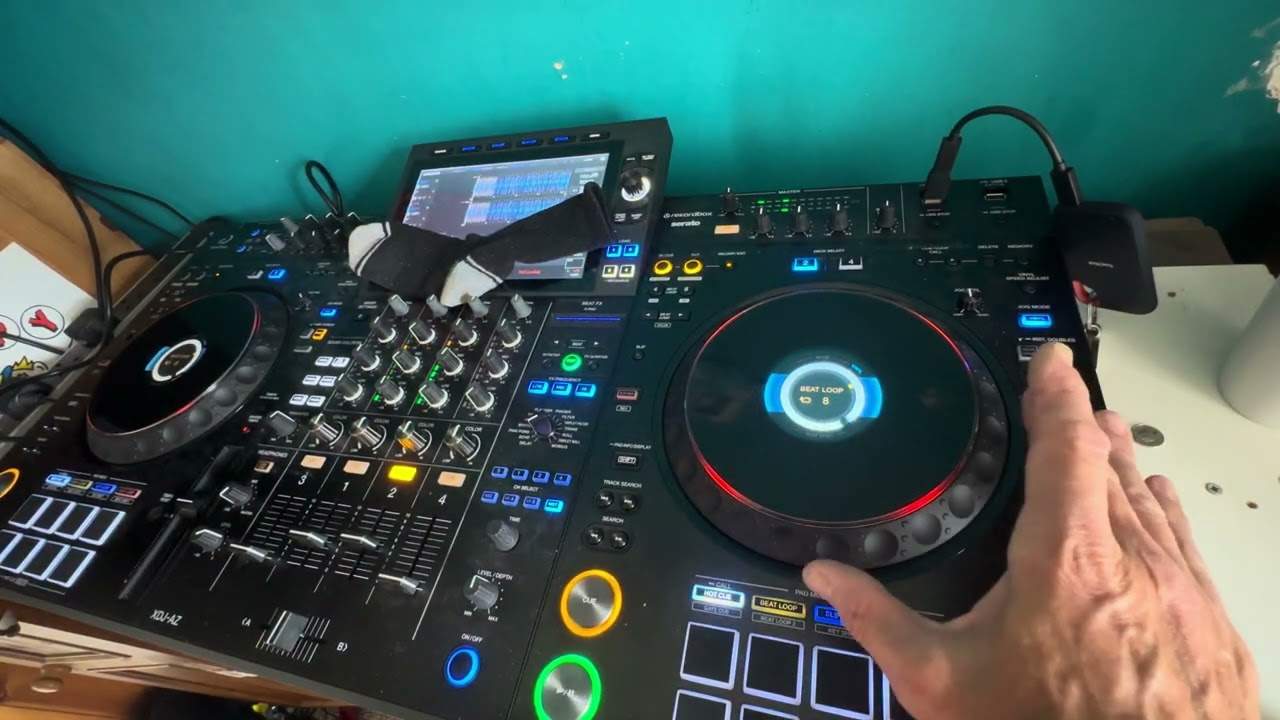
There you go, you get a general idea. Alright, again, I'm going to sort of talk over the audio. Really, the tutorial is about visual and listening to me. You'll get the gist of it by the overall video anyway. So, what I have done, I've set hot cue right at the beginning of this tune. Now, this style of mixing from drum and bass to house can be done when you are indeed using the beginning of a track to form your mix. Yes, I'm going to use the beginning of this track to go into house. Now, some of you may be thinking, hold on, if you're going to be using the beginning, that means you're not going to be playing the drum and bass tune because how do you even do that? Well, it's about hot cues. So, let me just give you a demo.
Let's imagine we're playing the track and it's sort of here.
We're in the break. So, there's the, you know, we're coming up to the drop again. I want to try and use as little of the audio as possible. There.
Alright, so I didn't bring that in on the drop. But what I did is in time with the track, I brought in the beginning of the track itself. So, what I'm going to do, I'll explain. I'm going to play the drum and bass tune. I am going to then reduce. The speed down to, okay. Now this is where it gets sort of confusing, but isn't 126 BPM, but we're on 87. So half of 126 is 63. So I'm going to reduce this down to 63 BPM. And then when it's down to that kind of speed, I'm going to bring in my hot cue and then start the house tune. So let's just go to some random place.
Okay, so tracks playing now are very important. I'm going to go to the wide feature. And remember, I'm going to go now to 63. We can hear a little bit of that electronic sound there.
And there we go.
4:34 I hope you get the idea
Okay, so I hope you get the idea. Now, one thing, I've got to stress this. Alright, this is not the only way how you mix D&B into music. There are so many different ways you can use an echo, you can use reverb, flanger filter. There are so many other ways, but this is one of them. So what I'm trying to emphasize here is again, a lot of people find it difficult to mix a broken beat with a house beat, especially drum and bass, because there's a lot going on with drum and bass as loads of percussion. Okay, that's what drum and bass is really about a heap load of percussion. But if you have a. D&B tune with a beginning like this, where there is practically no drum beat, then if you are slightly off, it's not so much in your face because you're just dealing with one drum beat over a D&B tune.
And I can demonstrate that now by maybe slowing that down slightly. Now, I slowed that well, not slightly, I've slowed that down quite a bit, like I think it's about four BPM, so they're definitely offbeat. But if. I repeat the process, it's not so apparent. Here we go.
Okay, it is okay. So it was all right. Maybe I over exaggerated the BPM there, but what I was trying to show you is that if you're not bang on the money, you're very close, then you do have a little bit of leeway and again, a rule of thumb here. All right, let's use pure logic. And again, a lot of DJing BPMs is all pure math. Mathematical. You know, if you form a mix together with two tracks, whatever they are, whatever genre style and you want to form a mix of, say, 6432 bars, they've got to be pretty much bang on exactly the same BPM. Otherwise, you are indeed going to hear them go offbeat over time, whereas if you're going to form a mix of, say, one bar or two bars, then they actually. Do not have to be exactly in beat because the mix, the transition is so short that by the time you brought one track in and taken the other one out, the listener or listeners have not actually heard, not even you, the DJ, that they're not in beat.
So just bear that in mind. All right. I hope it's been a help. Don't forget to like and subscribe practice and enjoy. Thank you very much.
This transcript was produced automatically from the audio of the video and may contain mistakes.