 11:28
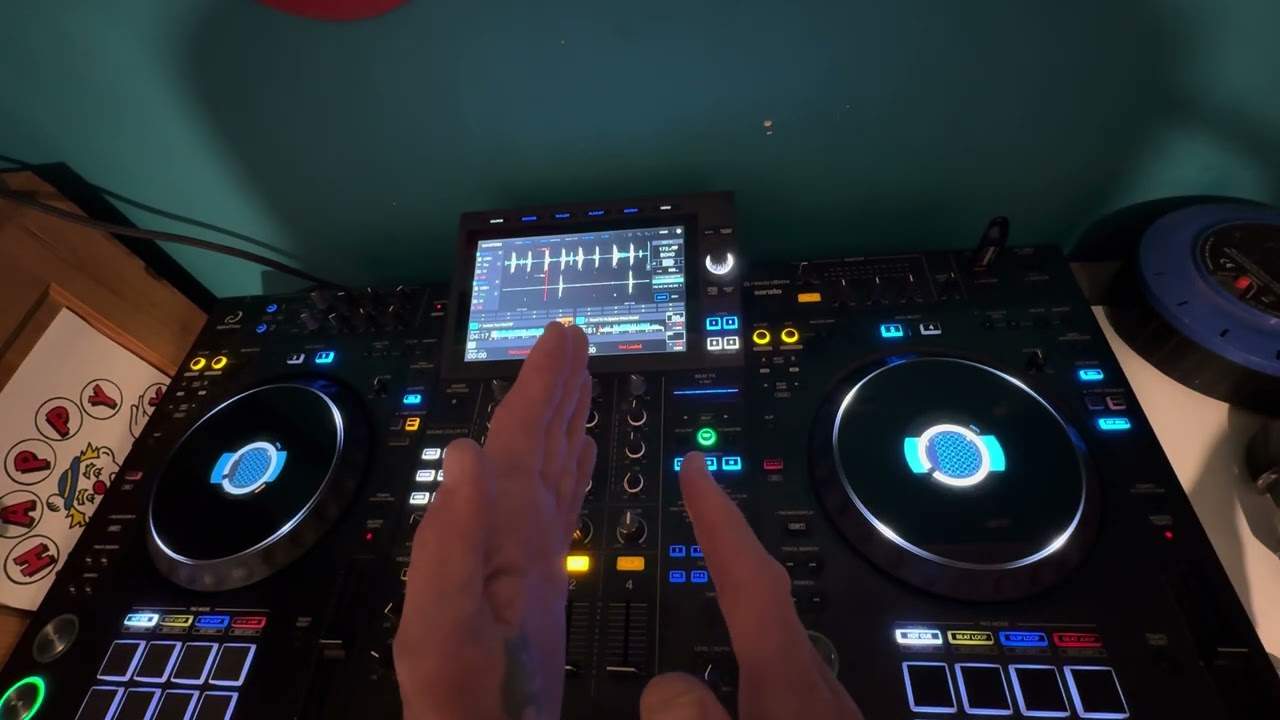
DJ Mixing Lesson on Riding the Pitch for Vinyl CDJ and Controller.
Contents of the video
0:00 Welcome to a demonstration, straight tutorial on riding the pitch
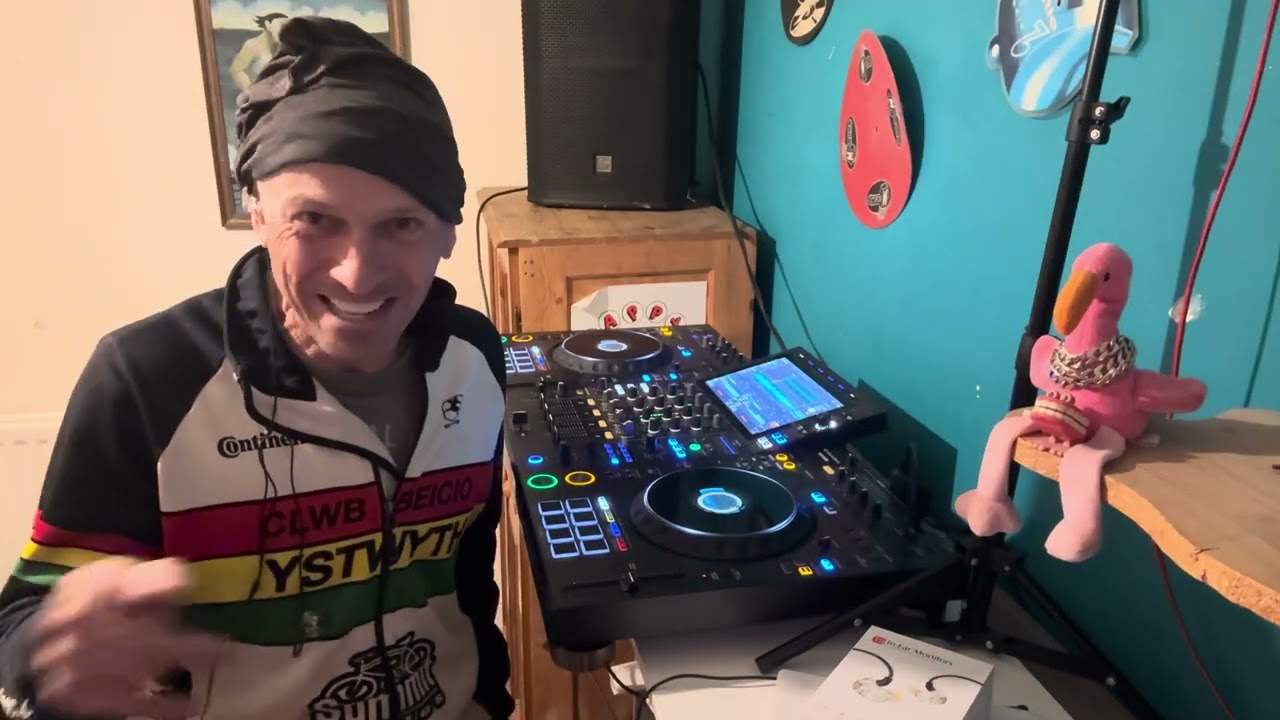
Alright guys, welcome to a demonstration, straight tutorial on riding the pitch. First of all, riding the pitch, where did that originate from? I'm quite sure it was myself about 10 years ago because I did a very basic tutorial on beatmatching using vinyl turntables prior to me having the pleasure of having CDJs and controllers. This is all I had. And I can also relate to, even prior to having Technics SL1200s, I used to have belt-driven turntables and the only reason I learnt, taught myself how to ride the pitch was because if, while you had your finger on the pitch control, if you did start to move the platter backwards or forwards, it was highly likely it would jump because I had old-fashioned belt-driven decks and the platters were very wobbly.
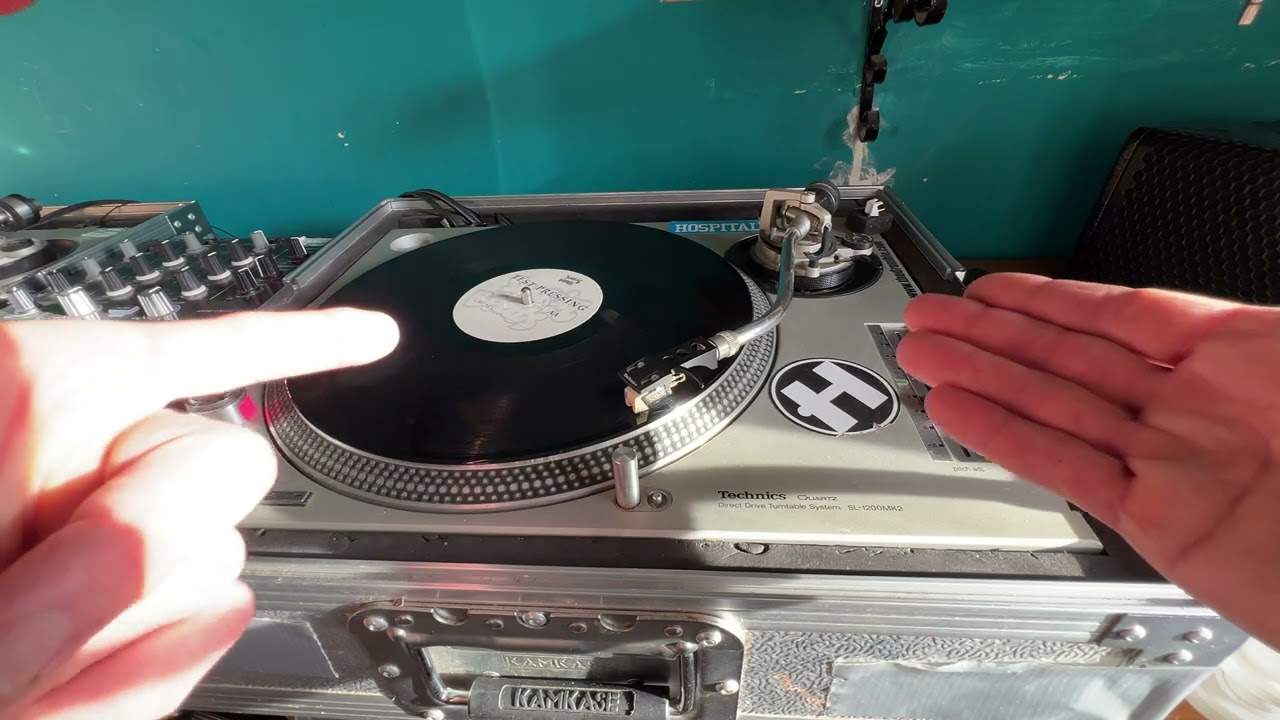
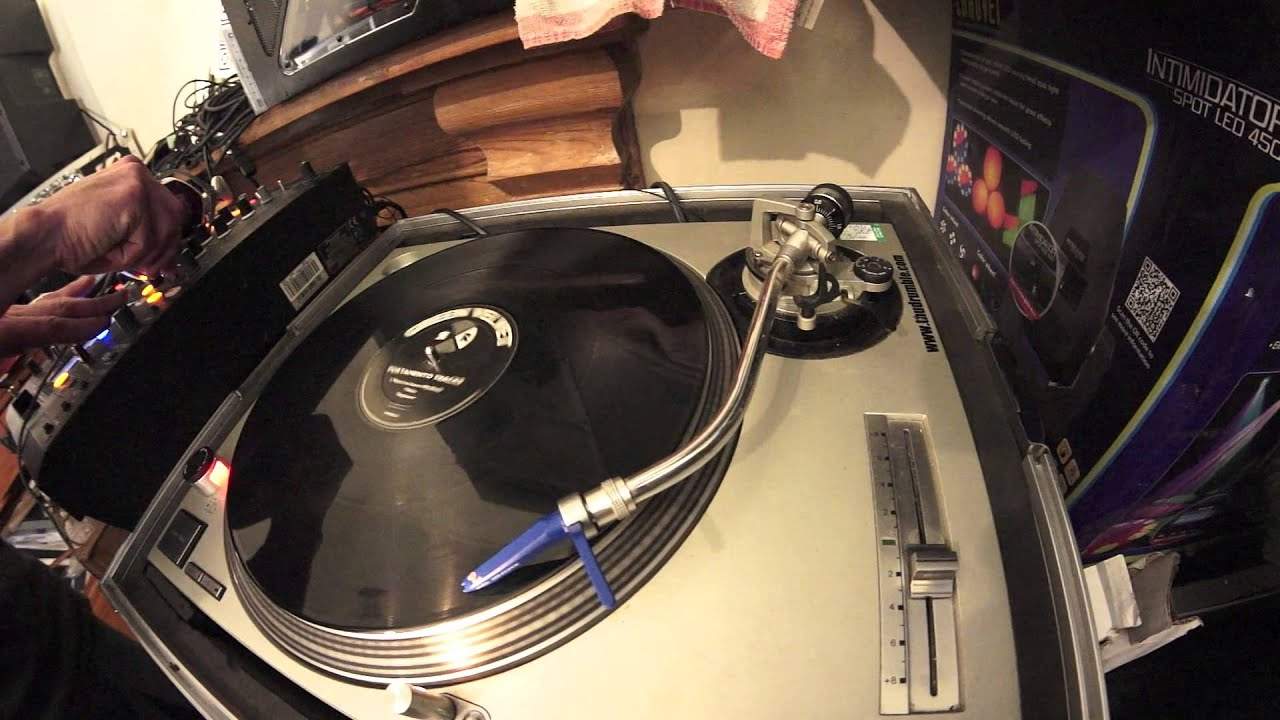
So the least amount of... the least amount of interference you did on the record, the more chance there was of it not jumping. Therefore, of course, you had to rely on just using the pitch and you had to get good at your job. You actually had to think in advance because there was a slight delay in between your movement, the belt that drove the motor that turned the turntable. So you had to think in advance. Believe me, it was an absolute nightmare, but it's a great way of teaching yourself. Okay, riding the pitch, two tracks I'm using. One of my old... classic tracks, Green Velvet, Portmanteau tracks, I Want To Leave My Body. This is on Relief Records. Just Google Relief Records or RR730. This is the original 12 inch and this is an absolute stonker.
2:03 What's happening
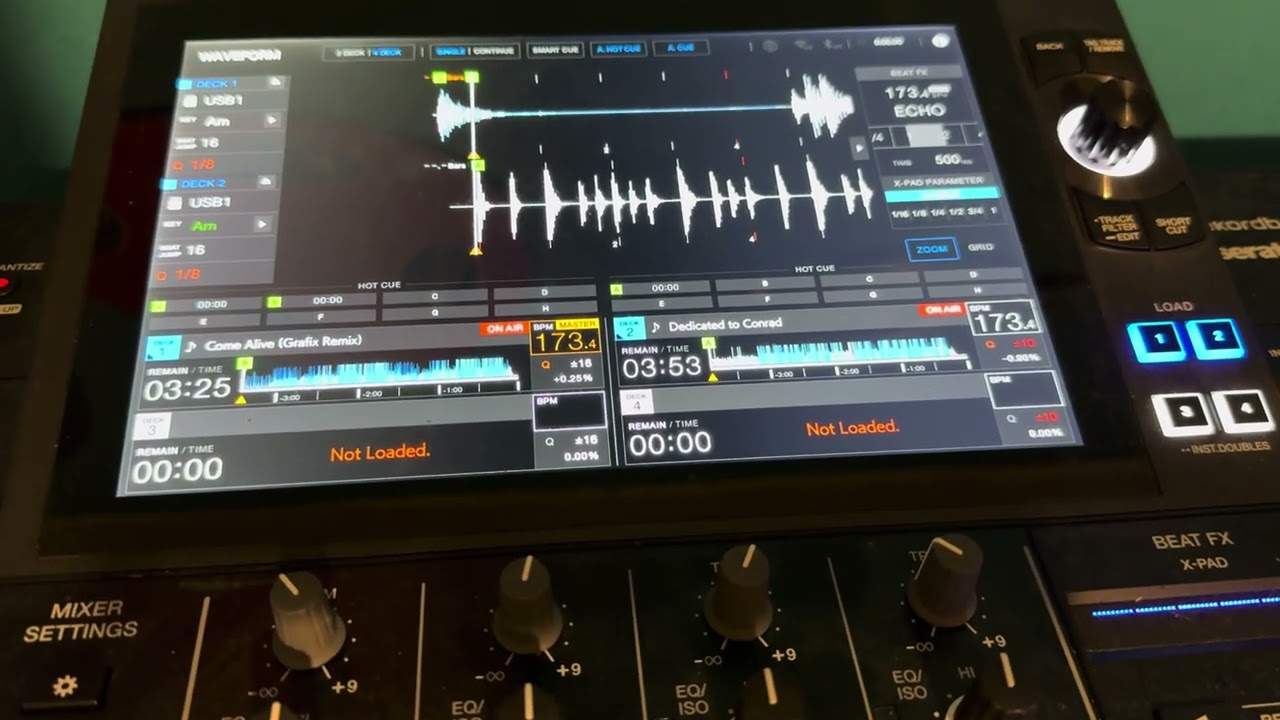
On the other side we have Mark Knight and Dave Spoon, the Sylo EP, S-Y-L-O-E-P and we are playing, where are we now? Dave Spoon, the background noise mix. So I have set them up. I've set them up already, but I'm going to... If you have a listen so you know I'm not sort of... I haven't. Yeah, all right. I had a go with this earlier on. I'm now going to completely change the pitch speed. So there you go. You can hear that's definitely slower, definitely faster. We'll shove it there. All right? Okay, so let's put this on, give you a demo first and I'll explain what's happening. I think I was at the wrong time signature there anyway. The music is intense. It's very bassy, these tracks as well. Two, three, four, three, four.
4:35 They're slowly getting closer and closer
Now I need to speed it up. Okay, so what's going on? What's exactly happening? All right. Again, this is where I should really have diagrams, but I'm going to try and explain. What's happening is the two beats are colliding together. They're slowly getting closer and closer. But as they drift apart, let's say, for example, the other track is going too fast. Now, let's say the other track is too fast. And from the point where the pitch is now to there, I've moved it roughly one millimetre would be the point where this track needs to be to stay in time. But this is where your brain needs to start working. Let's say that was the point where it was. This is too slow. I'll leave it two or three seconds. If I then bring it up to the
Point where it should be, where it will be in perfect time, it will still be out of time because I have left it stay behind time, behind the beat. I haven't given it a chance to catch up. The only way for it to catch up is for it to go faster. I relate to the video I did on the cars. It's pointless having two vehicles going at 20 miles an hour. And then all of a sudden one of them goes to 25 and come back, goes back to 20 miles an hour, even if it's only for two or three seconds. So they're both now at 20 miles an hour. But one of them went at 25 miles an hour for two seconds. The only way the other one is going to catch up is to go faster for two seconds and then slow down again. So that's exactly what's happening here.
6:53 What I'm going to do now, similar sort of demonstration this time, tho
You'll notice I did some quite big moves. Now, if I'd have left the pitch right all the way up to the top, left it at that point where it had reached the highest point in that big move, left it there, it would have gone completely offbeat. But I had to bring it back down again. But what I did, I brought it back down slightly above where it was originally. Now this takes practice. The opposite happens. If it was too fast, I would have to reduce the speed but then speed it back up. If I reduce the speed and let it catch up and left it, it would still be offbeat. It would go off beat even more. So I needed to bring it back up into speed so it catches the beat. What I'm going to do now, similar sort of demonstration this time, though.
I'm going to let it go off beat, let it catch up speed by bringing the pitch towards me. So you will hear it will be in time, but I'm going to leave it. And you will also then hear it come back into time and then go out of time. So he says. Help. All right, so, OK, that did exactly what I wanted it to do. If you couldn't work that out or you couldn't hear it, then please rewind and have a listen again. They were in time. They went off green velvet went slightly off. I started to speed it up. It came back in time, but then it went off again because this was too fast. I left it there. That's the problem a lot of DJs face or the problem they get to is is that they think, oh, it's in time, but it may be in time for one or two kicks.
8:32 Notice my moves towards me, but back again
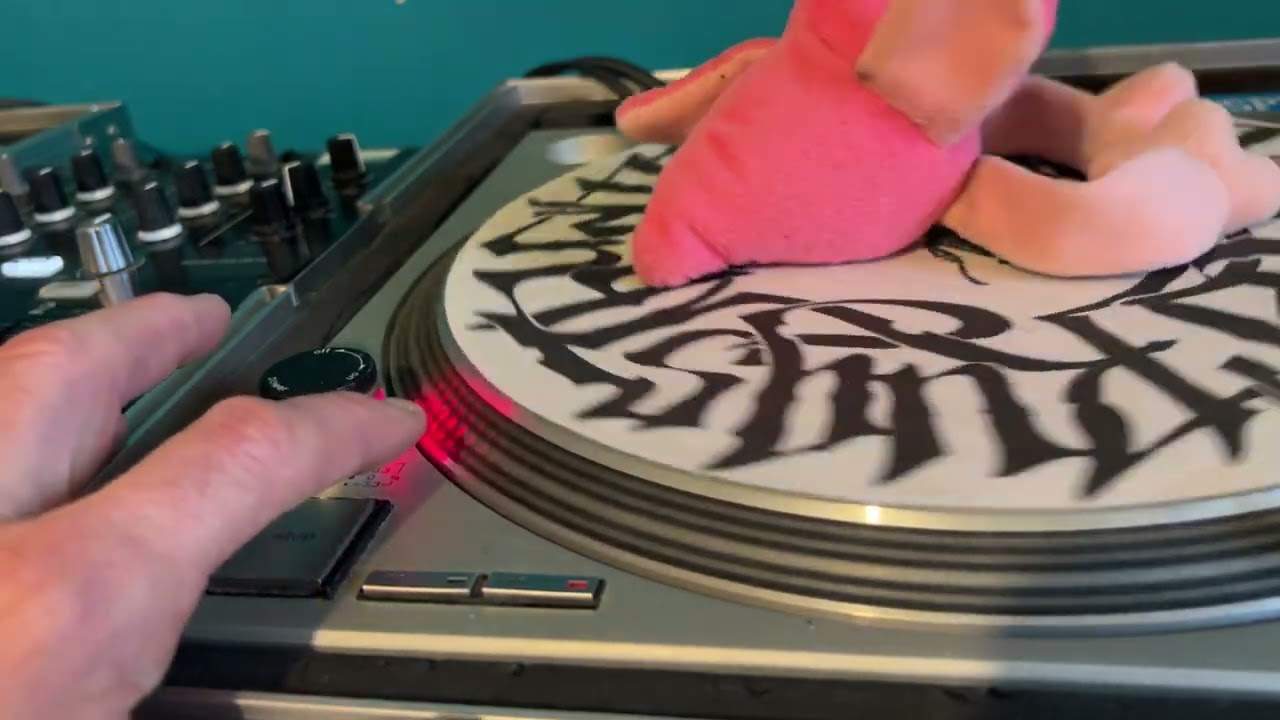
But if you leave it like that, it will undoubtedly eventually go off time. Now let's do that again. But this time I'm going to still do a similar action, bring it towards me, let it catch up and then I'm going to reduce the speed again. This time it will stay in beat. OK, so let's go back. Let's put this back down to there where it was too slow. I'm going to speed that one up again a little bit more. So here we go. Come on. Notice my moves towards me, but back again. I'm making a sort of a visual note of where the black line is on the pitch slider itself in relation to the black marks on the base of the pitch fader. Dave's been too fast and let's slow it down. I'm going to slow down Dave Spoon quite a lot. It will go off beat, but then I'm going to bring it back into beat.
OK, so I hope that's been a help. Now, it isn't easy at all. You'll notice as well, I didn't have the headphones on because what I prefer to do is listen to the whole mix instead of like one ear on one deck and one on the other. But again, I hope that's been a help. This is called riding the pitch practice and enjoy. Thank you very much.
This transcript was produced automatically from the audio of the video and may contain mistakes.