 2:38
A stutter chop, and what running two records costs
On YouTube this video is called DJ Tutorial. A trick to put in the mix.
What this lesson teaches
A short trick, and the interest is in the second half, where he says what it demands.
The setup
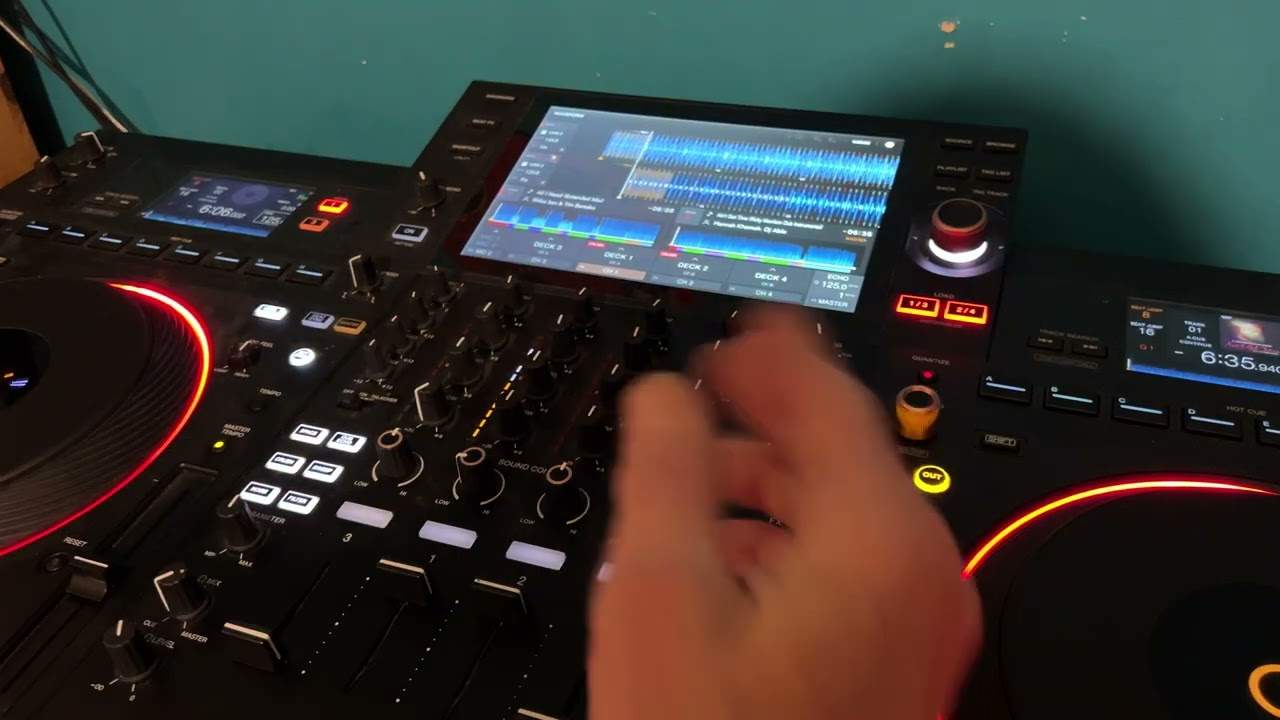
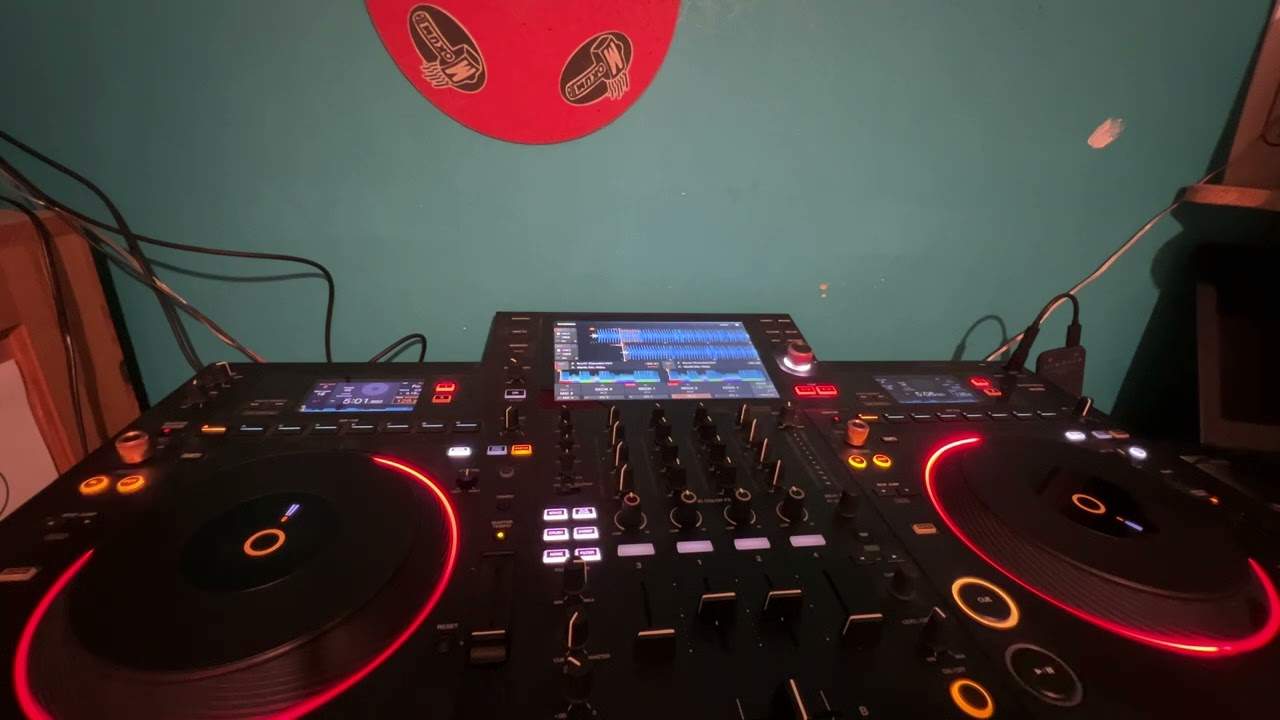
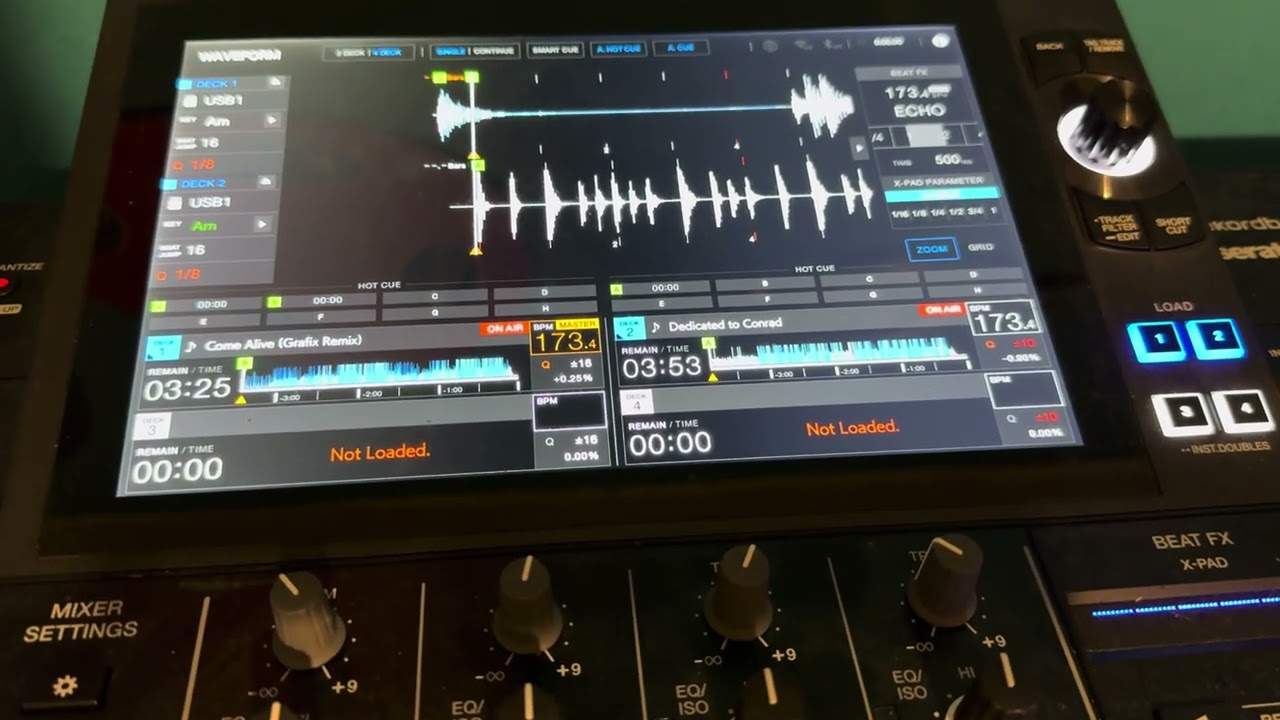
One record playing, the next one beatmatched and sitting on a cue point. Standard preparation and the lesson assumes you can do it.
The trick
Two parts.
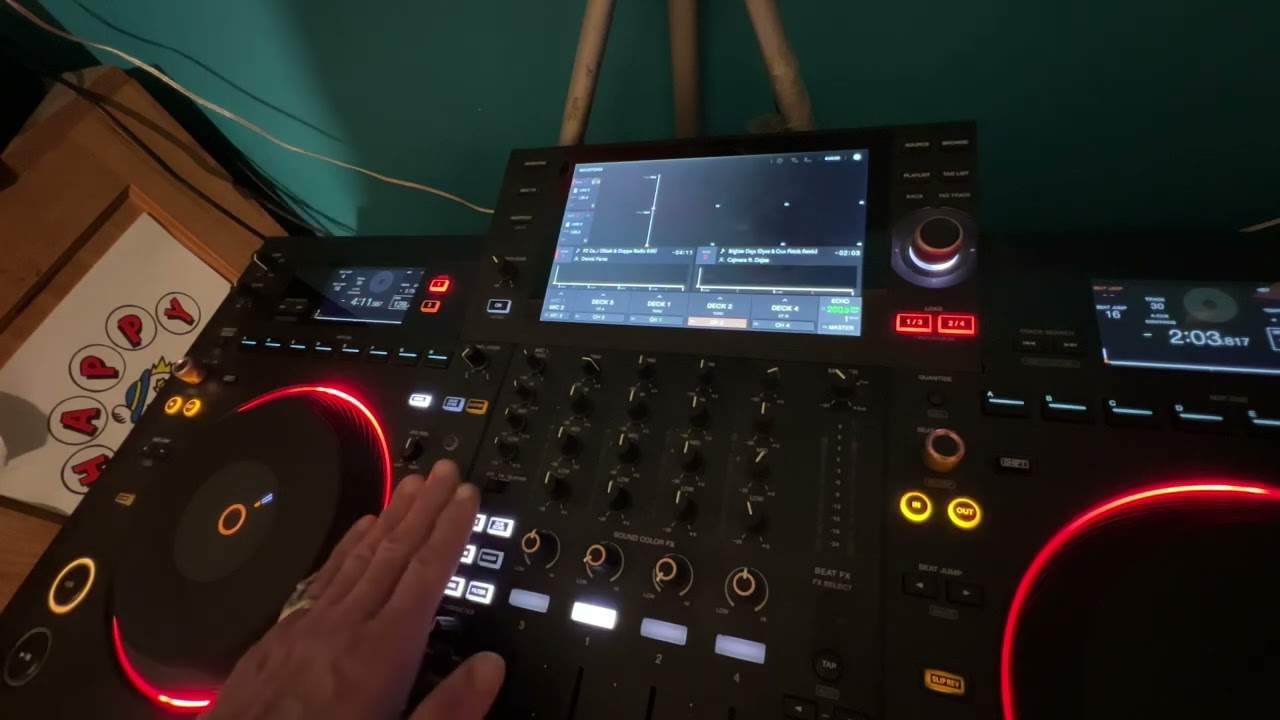
First, a stutter on the cue - repeated taps of the cue button on the incoming record, which gives something between a loop and a scratch: a short fragment hit several times in rhythm, as the announcement that something is about to change.
Then, at the end of it, straight in - but both volumes up, so the two records run together rather than one replacing the other.
So it is a chop with a flourish in front of it, landing in a brief overlap.
The cost, stated plainly
And here is why this lesson is in the advanced half of the curriculum.
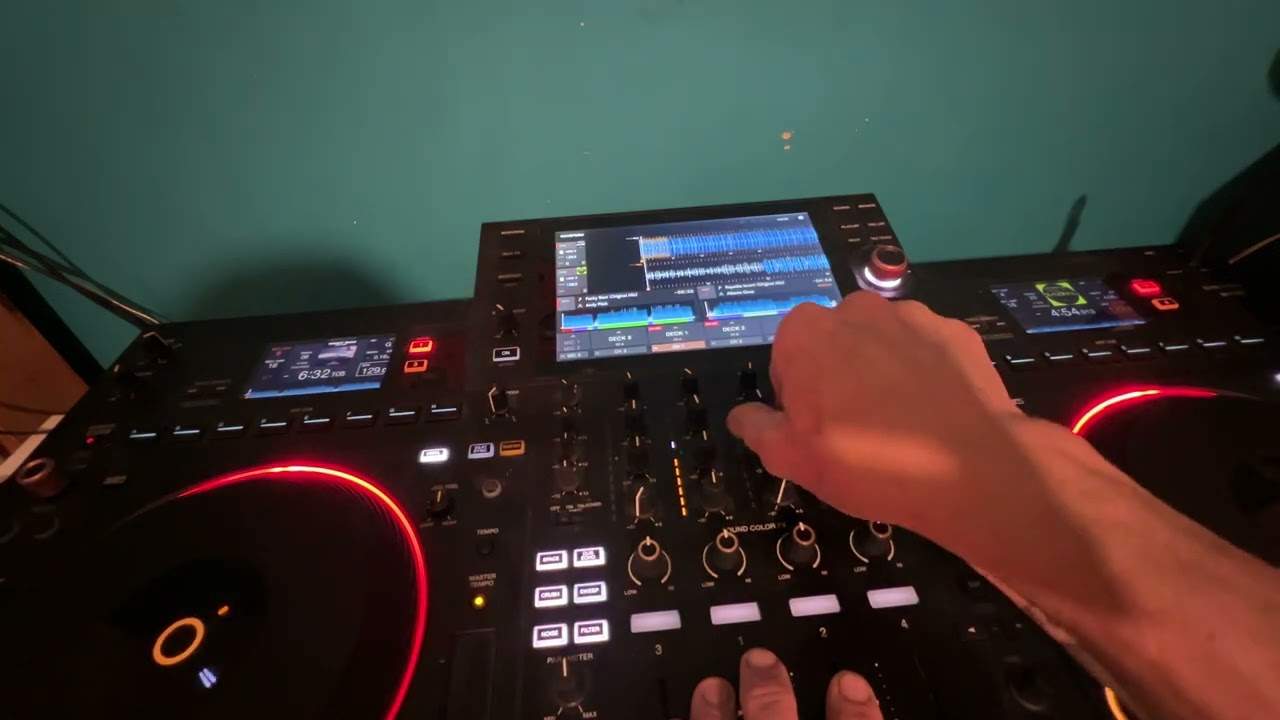
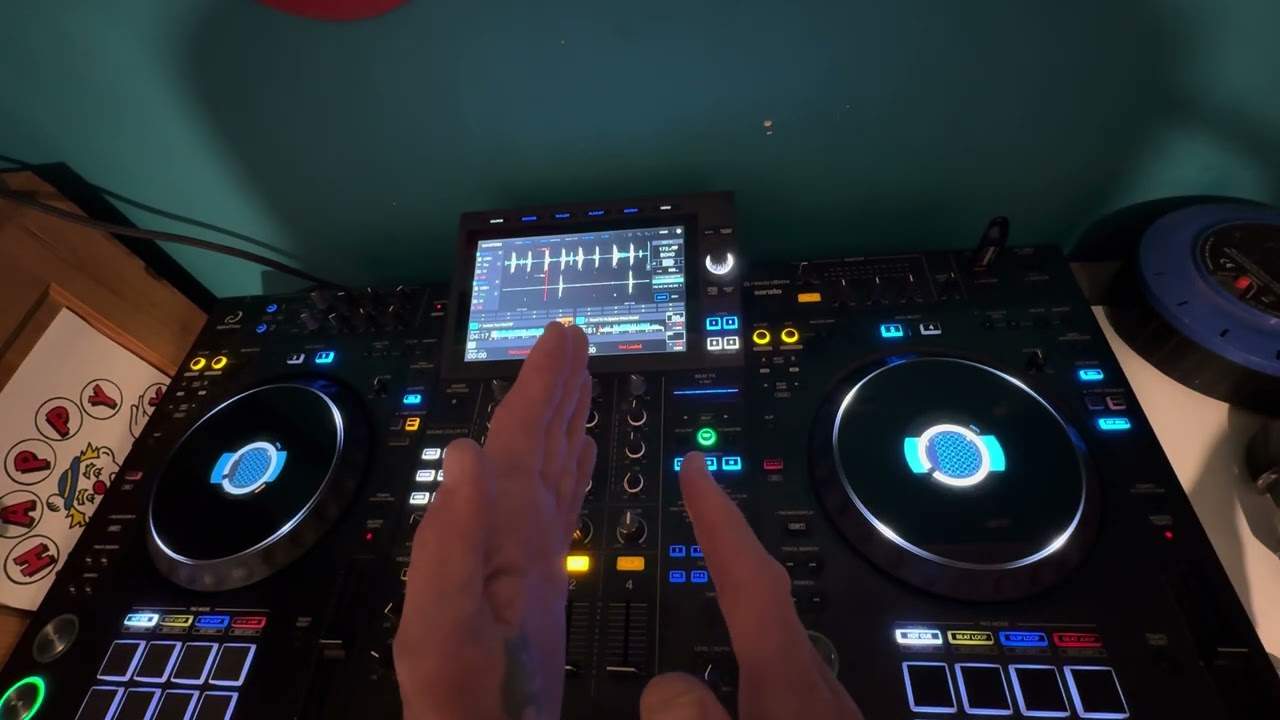
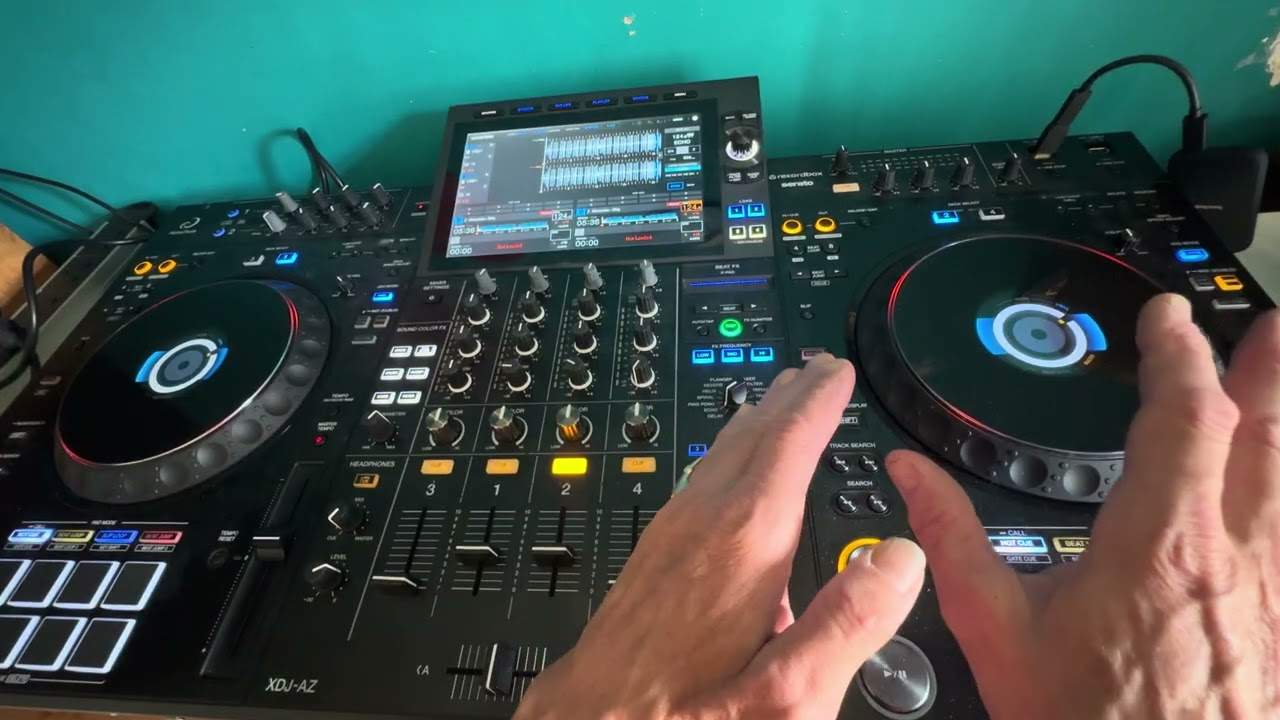
His own description: this is slightly more advanced, because you have got to have your fingers on the pulse - or rather on the pitch, over here, just in case it goes off beat, or over there.
That is the whole thing. The moment both records are audible, you are responsible for keeping them together, and if the match was approximate you will find out immediately in front of everyone. A chop hides a mediocre beatmatch; an overlap displays it.
So the trick is not the stutter. The trick is being confident enough in the beatmatch to let both records play while your hands are busy.
And the honest framing
He calls it a demonstration and hopes you get the idea, which is the right level of claim. The flourish is personal and you will do it differently.
What transfers is the structure: announce the change, make it, and be ready on the pitch for the few seconds where both records are exposed.
Contents of the video
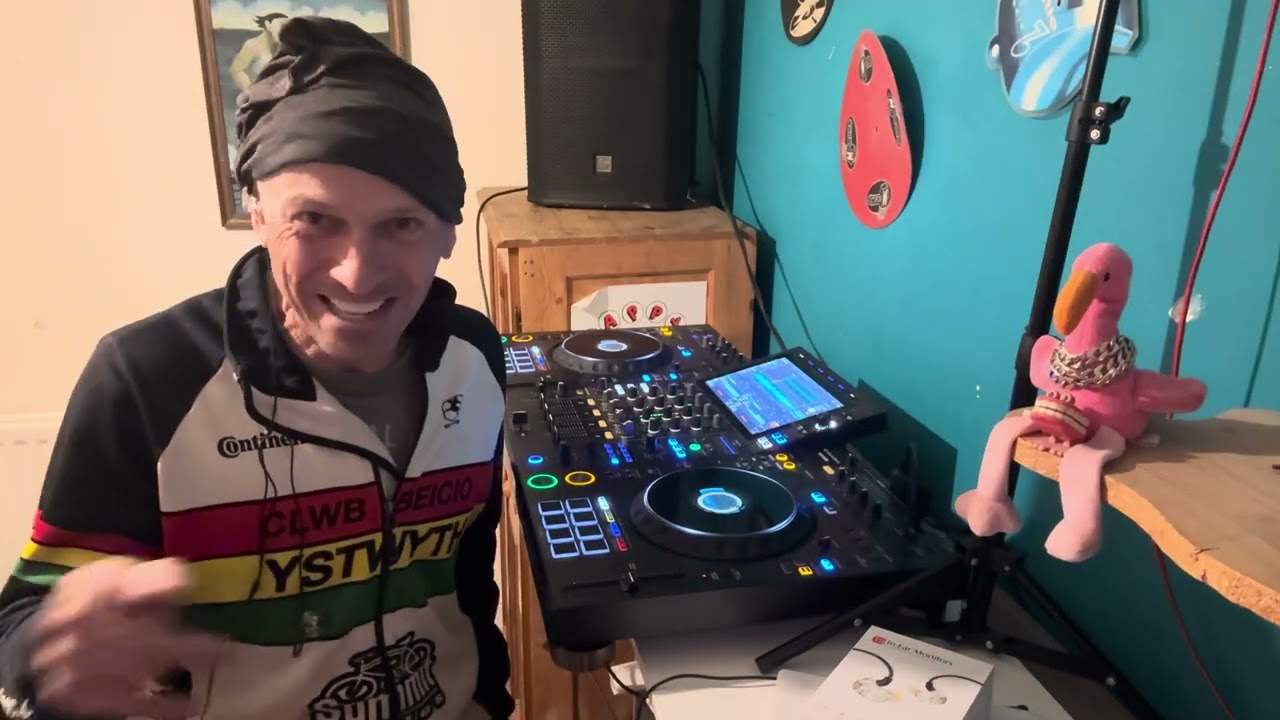
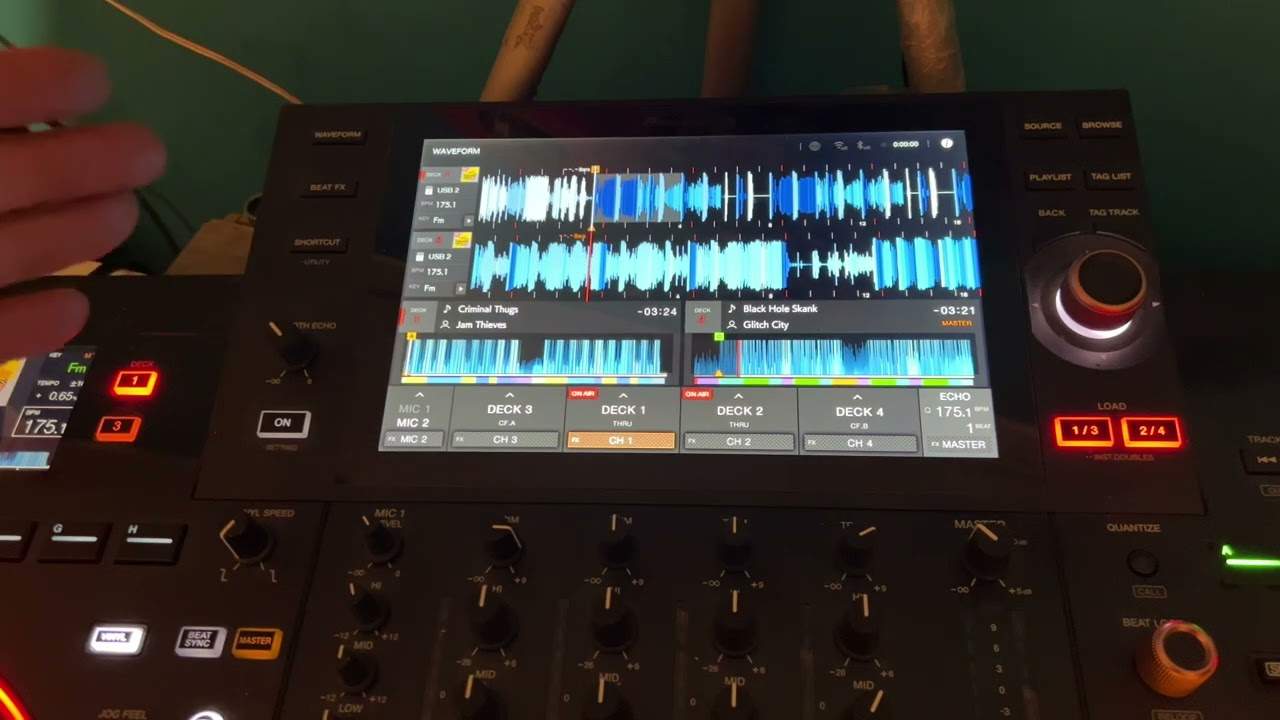
Alright guys, a bit of a trick you can bring into the mix. First of all, the tunes I'm using is Bring Me Down Over Here, Stanton Warriors, and there's a tune here by Andre Mendez. First of all, let's hear this guy here, and then this guy here. Alright, let's say this one's playing, so while this one is playing, I'll need to get this one ready. So of course I have to beatmatch it, and I've got a cue point. Okay, what I'm going to be doing is using the cue point over here. Very simple mix, but at the same time it's a mix, but also it's a chop. It's a very abrupt change from one track to the other. But also what I'm going to be doing is using the cue, give it a bit more of an effect with almost like a bit of a loop stroke cue, something like this.
But at the same time, as soon as I finish that, I'm going to bring this one in both at the same time. So you'll notice both the volumes are up. Now this is where it's slightly more, let's say, advanced because you've got to have your fingers on the pulse or should I say the pitch over here just in case it goes off beat or over there. But this is a demonstration so I hope you get the idea. What I'm going to do is go to the cue point and go back a bit. Alright, so what I'm going to do, I'm going to start from around about there. So, let's imagine I've set this one up, this one's playing, we're good to go. Straight in over there, alright? A little bit of a tip, a bit of a trick, practice and enjoy. I do.
This transcript was produced automatically from the audio of the video and may contain mistakes.