 3:29
Bass, mid, top and gain
On YouTube this video is called Dj tutorial, Bass, Mid, Top and Gain lesson1
What this lesson teaches
Four controls per channel, and most beginners can work out roughly what they do by turning them. Knowing the frequencies behind them is what lets you use them deliberately.
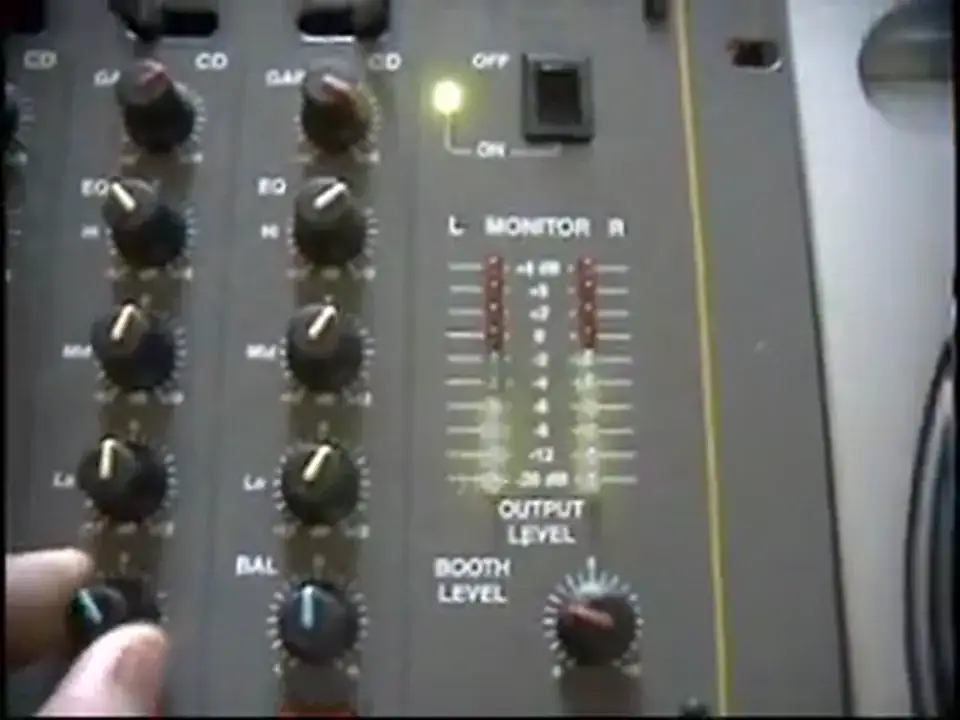
The three bands
Low, or bass. Roughly 20 Hz up to about 150 Hz. Below about 20 Hz you stop hearing and start feeling, which is why a big system is physical. This band is the kick drum and the bassline - his description is the boom you hear when lightning goes off.
Mid. From about 150 Hz upwards. Vocals live here, and so do guitars, the melody and most instruments. Take the mid out and the track loses its tune while keeping its weight and its sparkle.
High, or treble, or top. Hi-hats, cymbals, hand claps, and the air that makes a recording sound open. Take it away and everything sounds muffled, as though it is playing through a wall.
He demonstrates each one by removing it, which is the right way round: you learn far more about what a band does by taking it out than by boosting it.
Balance
Pans that channel between the left and right speakers. Normally it belongs in the centre and stays there. It is occasionally useful for diagnosis - if you suspect one side of a system is dead, panning a channel hard over tells you quickly.
Gain
The knob above the EQ, and it does a different job entirely: it sets how loud the signal arrives inside the mixer, before anything else touches it.
Its purpose is to make different sources match. His example is exactly right - an album track cut quieter than a 12-inch single will come in several decibels down, and without gain you would be riding the fader all night to compensate. Set the gain so every track arrives at the same level and the faders mean the same thing each time.
The starting positions, and the reason behind them
His recommendation: mid and treble at twelve o'clock, bass slightly below, around eleven. And he is pointedly rude about DJs who run everything boosted, promising to explain why in the next video.
The explanation is worth having now, because it governs how you should use an EQ for the rest of your life.
An EQ boost is gain. Turning the bass up does not politely emphasise the bass - it adds level to the part of the signal that is already by far the loudest, which eats your headroom and pushes the channel towards distortion. The lights look exciting and the sound gets worse.
A cut costs nothing. So the habit to build is: take away what you do not want rather than add what you do. If a track needs more bass relative to its mids, pull the mids down and turn the channel up, rather than pushing the bass.
And parking the bass a little below centre at the start is not a tone preference. It is leaving yourself somewhere to go - so that when you do want to push the bass for a moment, there is room to do it without going into the red.
Contents of the video
0:00 Right speaker or the left speaker
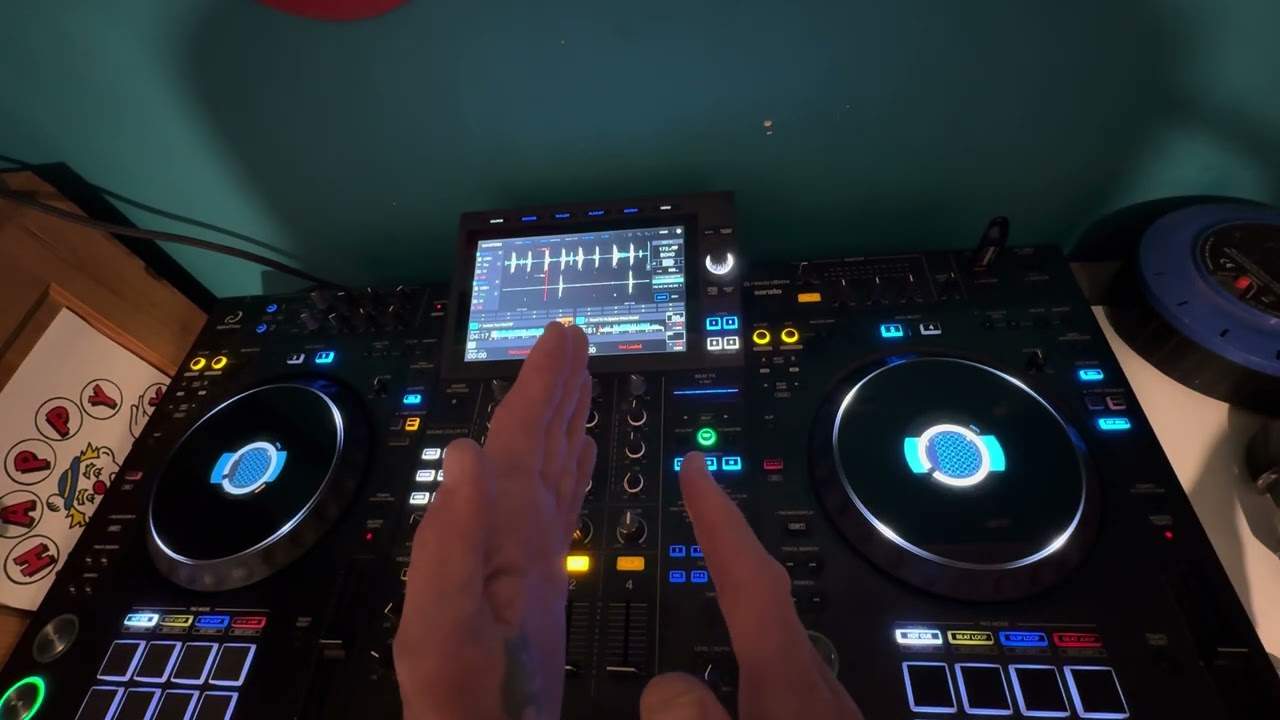
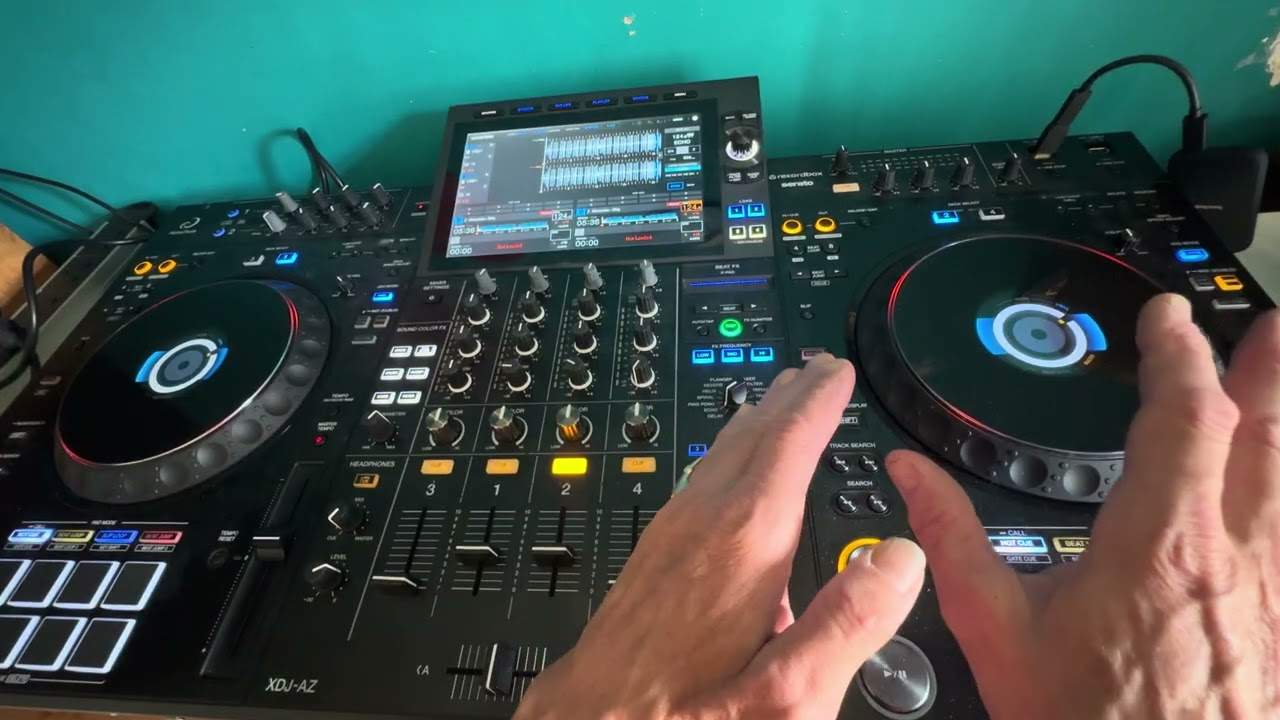
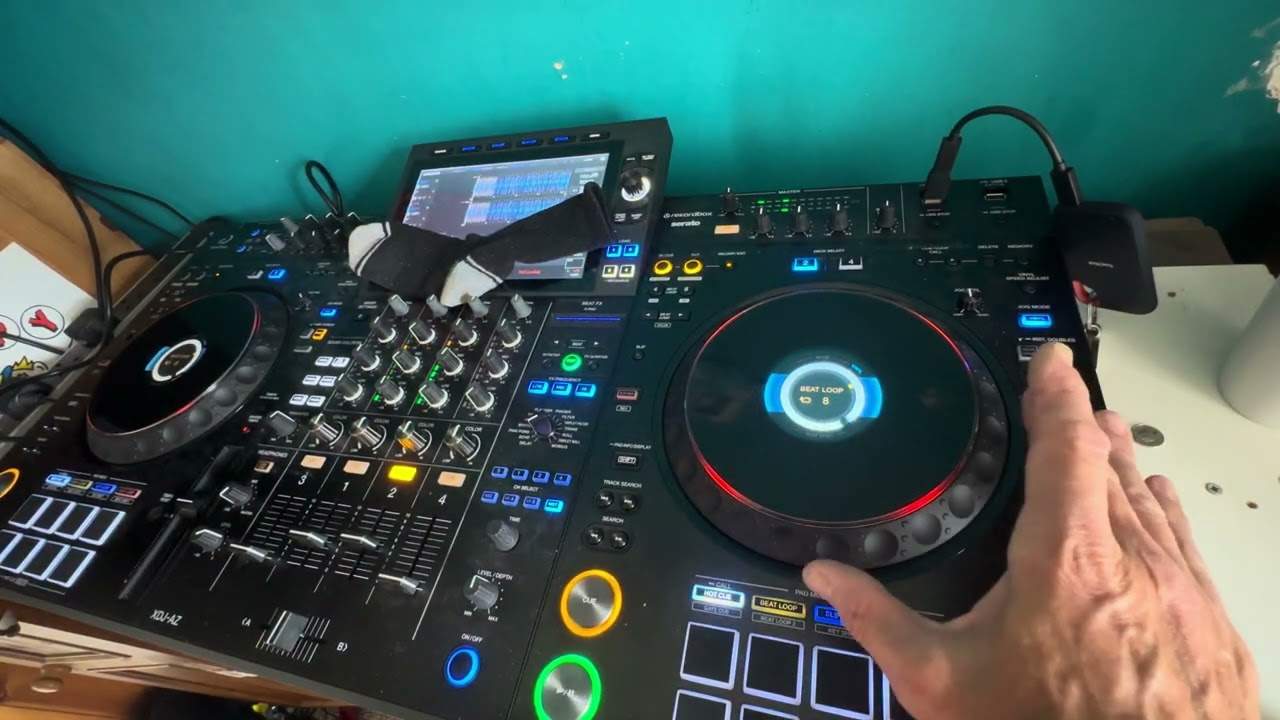
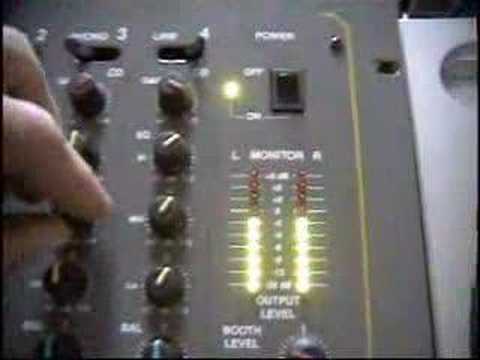
Alright folks, this one's about basically where your buttons should be on your mixer. This mixer is very straightforward, you've got gain control, you've got high, which is here, you've got mid and you've got low and then you've got balance. Balance, if you don't know what that is, I shall explain, that makes the sound go to the right speaker or the left speaker. Low, you're looking at frequencies which are known as hertz and you're looking at the low frequencies which is anything from 20 hertz, anything below 20 hertz is virtually unaudible, in other words you can't hear it, up to about 150 hertz.
2:30 In the next video why
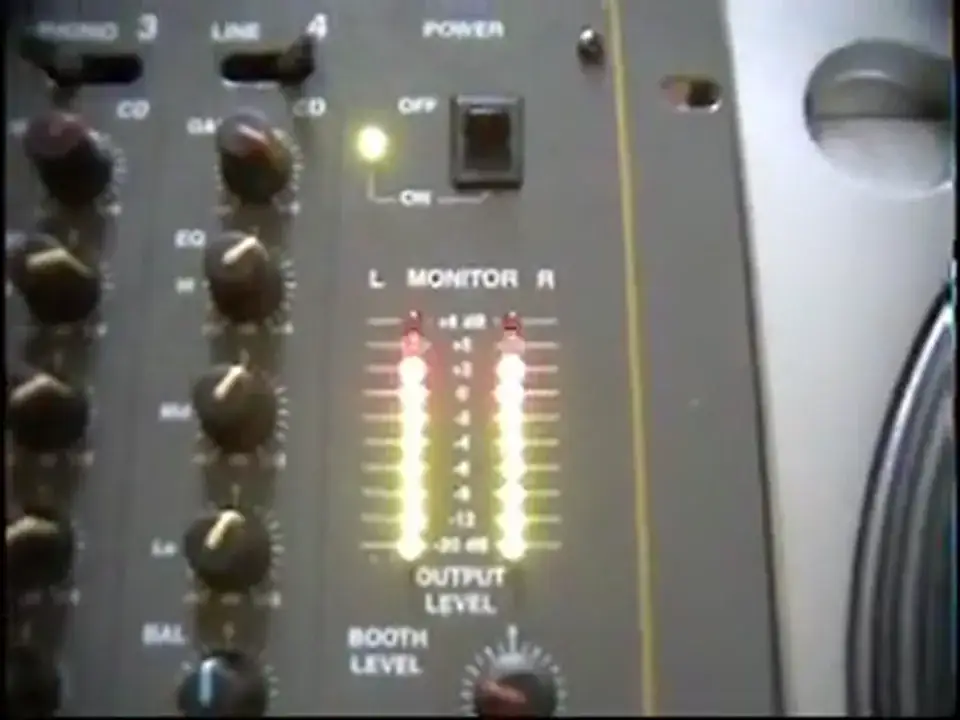
So that's your sub, it's almost like the bass sound of boom that you would hear let's say if lightning went off. Mid is vocals, you're looking from 150 hertz up to about... When I take the bass away. Listen. It may be difficult to hear this on this camera, but the bass virtually vanishes. Bring the bass back in. Take the mid away and you're left with just bass and top. Bring the mid back in. Take the treble away and the treble vanishes so you almost get a muffled sound. Now then. The best way of having these, which is what I do, is I would have the bass just away from the 12 o'clock, about 11. I shall explain why in the next video.
The mid I would keep at 12 o'clock and the treble at 12 o'clock. A lot of DJs, you'll see them do this. You'll notice the monitor and the output level.
I will explain in the next video why that is one of the worst things that you can see on a mixer. The volume may go up, but believe me, it's atrocious. I will explain that in the next video. So basically, your controls are as follows. Balance left and right. Low is your bass. Mid is almost vocals. Top is hi-hat cymbal. Game control is a master volume for each individual channel. So in other words, if you're playing a record, for example, if you're playing an LP and it's a lower pressing, in other words, the sound from the record isn't as loud as a 12 inch, then you can adjust this to get a better sound, a louder or quieter sound out of the particular track you're playing. Hope this has been a help and we'll go into more depth shortly. Okay.
This transcript was produced automatically from the audio of the video and may contain mistakes.
This video is part of
Related videos
-
Complete Beginner DJ Lessons Tags Key BPM Etc
A more advanced lesson folded in early, and worth doing once rather than putting off, because everything it sets up gets used for years…
-
Complete Beginner DJ Mixing Lessons Video 19 Getting Your Kit Ready for an Easy Mix
A whole lesson on getting ready, which is the right call - the exercise in the next video only teaches anything if the two decks are…