 14:49
Chopping old school tracks
On YouTube this video is called Dj Tutorial. How to mix ,chop old school tunes
What this lesson teaches
The companion to the mobile-mixing lesson, and it sets out the actual toolkit.
Why mobile work is different
A mobile DJ plays across the board - every style, every era, in one evening. Continuously beatmatching that material is close to impossible, and he says so.
So what they do instead is chop and change between methods: cut a track in, cut another in, fade one out and bring one in, or stop one abruptly to make an announcement.
The claim worth sitting with
He has heard mobile DJs who did not mix a single track into another all night - every transition was a fade out and a bring in - and did it perfectly.
The reason is that the continuity was in the music: the records followed each other sensibly, the energy went somewhere, and the room never had to ask what was happening.
That is worth hearing if you have spent six months convinced that the blend is the job. It is one tool, and a set can be excellent without it.
The techniques
Cutting in - the new track arrives at full volume on the one, with no overlap. Decisive, and it needs the counting to be right.
Fading out and bringing in - the old record falls away, the new one rises, with no attempt to hold them together. The simplest transition there is and perfectly respectable.
Stopping dead - which sounds crude and is a legitimate move, particularly when something is about to be said. A mobile DJ with a microphone needs silence to speak into, and a track that stops cleanly on a phrase ending is better than one faded awkwardly under an announcement.
What makes it good rather than lazy
Timing and selection, and nothing else.
A cut that lands on the one, between two records that belong next to each other, is invisible. The same cut a bar late, between two records that have nothing to do with each other, is somebody fumbling with a fader.
The technique is trivial. The judgement is the whole job.
Contents of the video
0:01 Hopefully some useful pointers, tips and tricks in this video
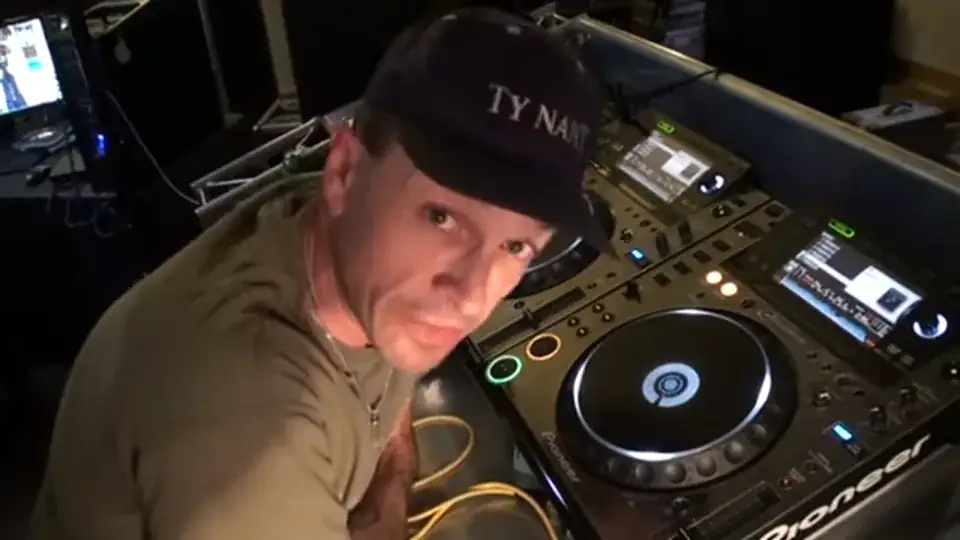
Right guys, hopefully some useful pointers, tips and tricks in this video. It's all about mixing but not mixing.
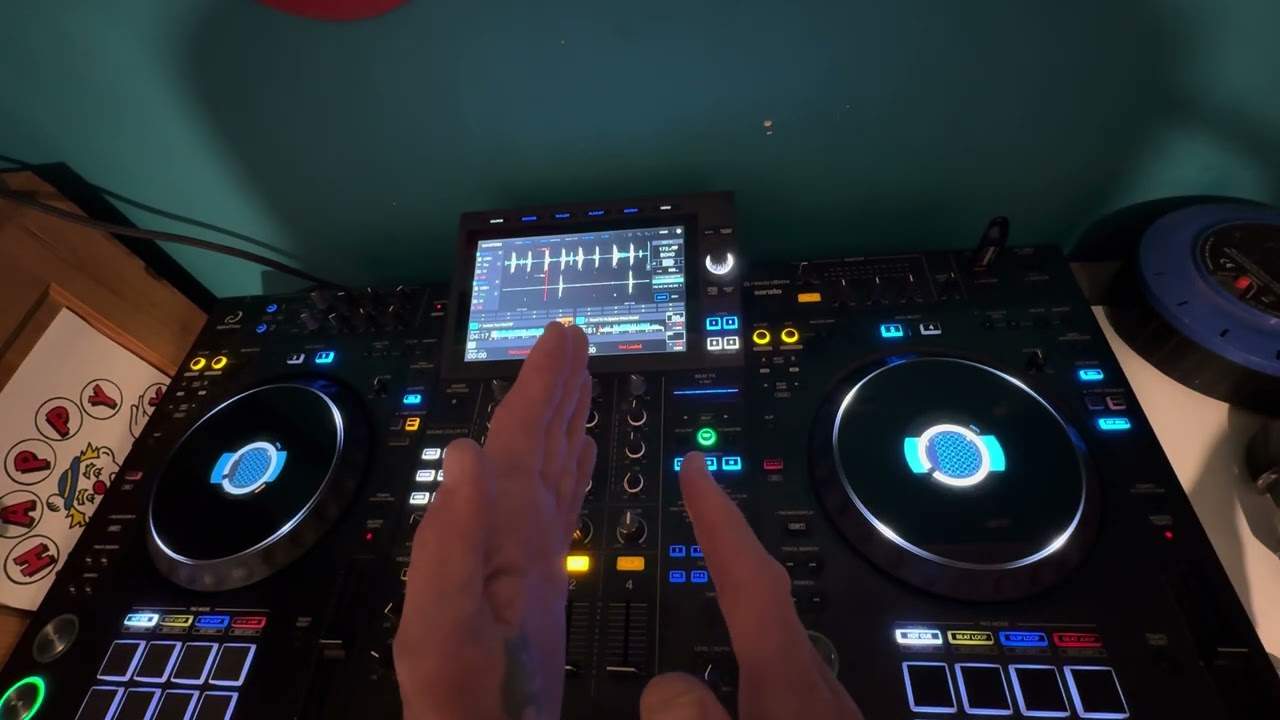
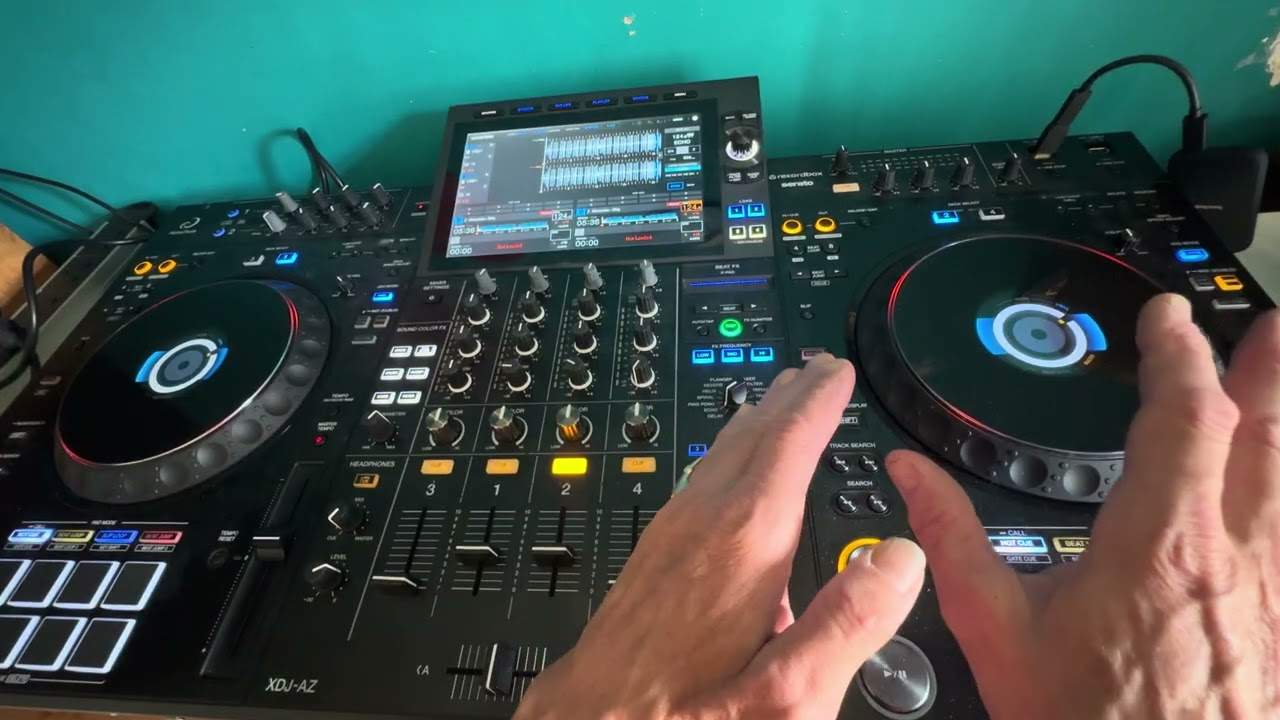
Right, most, and when I say most, I do generally mean most unless all of a sudden everything's changed. Mobile DJs do not mix all night. What you tend to find is that a mobile DJ, because they predominantly have to play across the board all styles and kinds of music from all eras, it's almost impossible to continually mix tracks, beatmatch them. So what a mobile DJ will do is they may on the odd occasion cut a track in. Cut another one in. Fade one out, bring one in. Stop one abruptly and make an announcement like it's time for the bride to show her knickers or something.
Not literally. No, a garter. I'm going to leave that in. That's quite funny. Though it is actually very funny. Can you imagine the bride going, oh look at my knickers! Anyway...
I can have that picture in my mind now. Oh dear, I hope she's good looking. Right, so... I have to keep on looking at that and not me otherwise, yeah... Don't want to look at me. Oh dear. Right, so what a mobile DJ please... Change subject. Think, think, think football, football, football. Okay, got it. Right, yeah, what a mobile DJ will generally do is just... You know, chop and change from mixing to cutting to fading in, fading out. And I have heard quite a few mobile DJs... Yeah, I have actually, who have not mixed one track into the other. All they've done is fade one out and bring one in. And they've done it perfectly because there's a continuity in what they're playing, in the music etc. So what we're going to do here is I've got three tracks, going to give you a general idea.
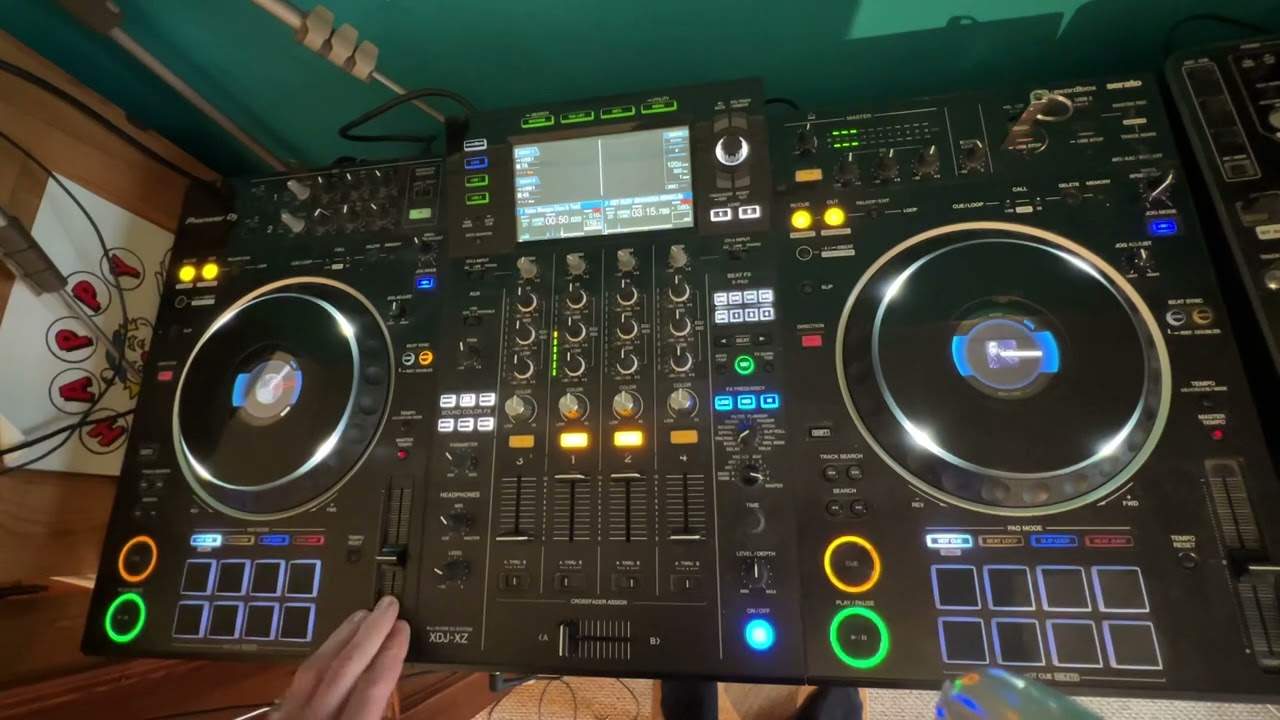
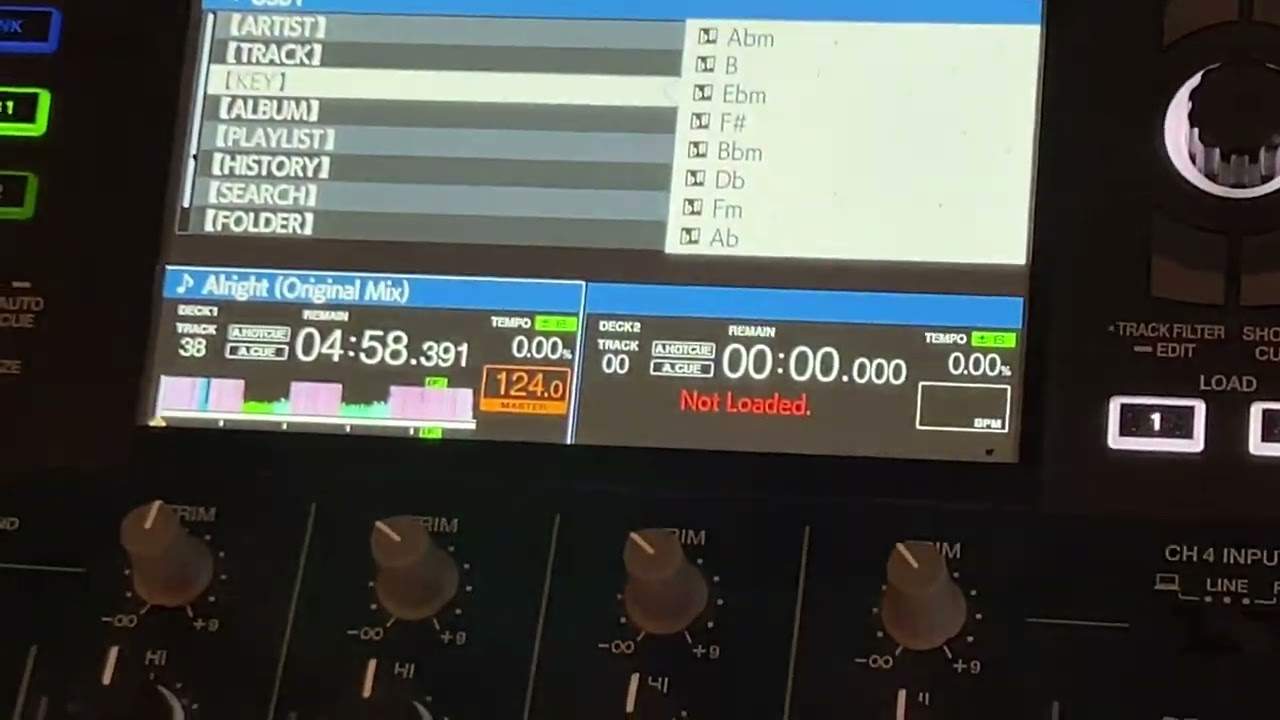
Alright, so we have got... We have got... What have we got? Number 13 which is... This one here. Oh my goodness, no it's here! That's right, it's over here. We've got Give Me The Night George Benson and It's A Love Thing The Whispers and we've also got Always There Incognito. So we've got a couple of tracks that are relatively old. That is George Benson.
2:50 It's not impossible, it isn't, but it's very difficult to beat match t
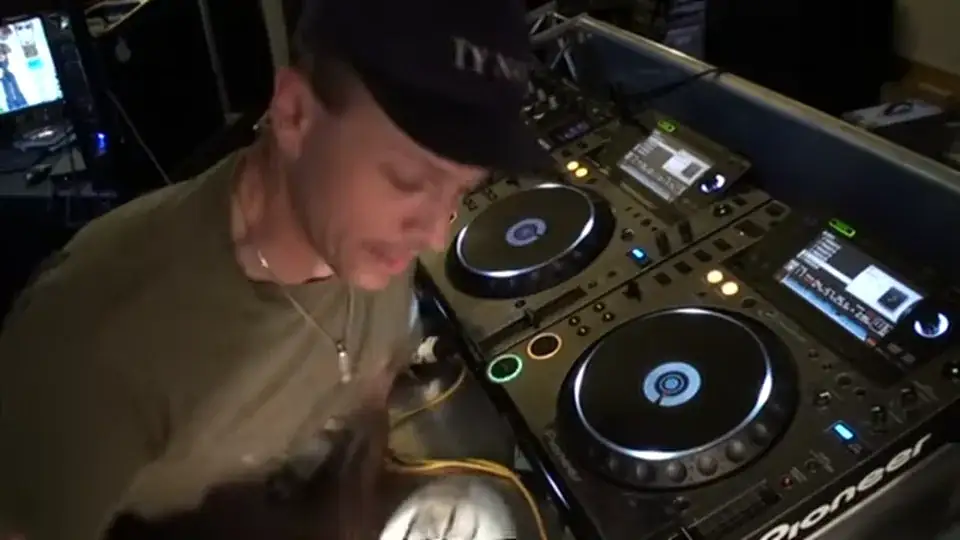
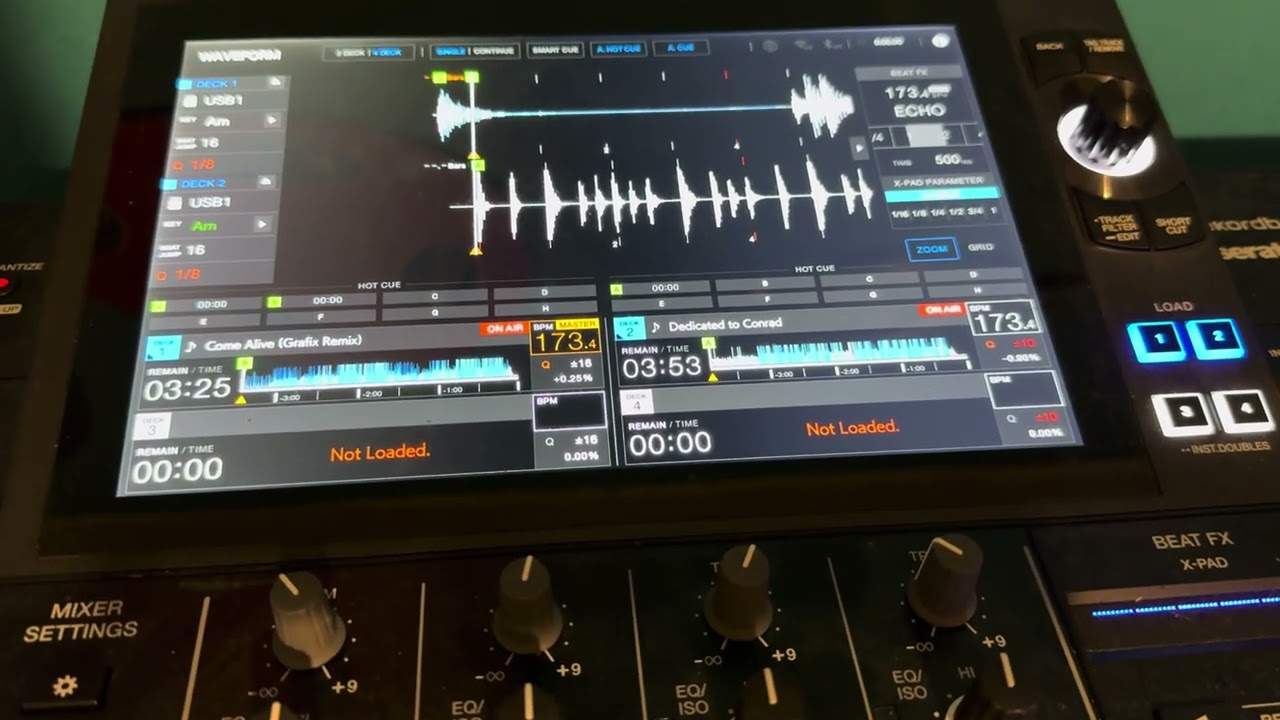
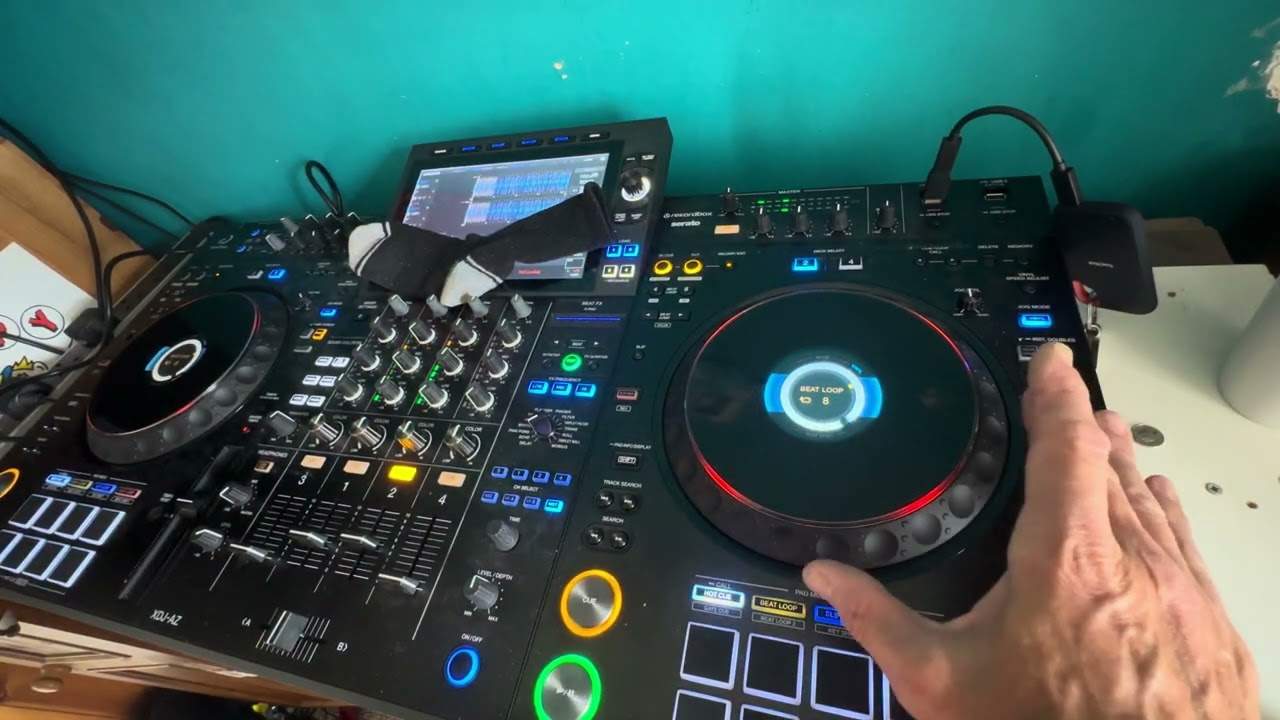
That's The Whispers and Cognito is that one there. These two tracks by the way were made by real people, real artists playing real instruments. So it's not impossible, it isn't, but it's very difficult to beat match these. And if you can beat match them, you're all over the place. And to be quite honest, you're better off not bothering doing it. You're better off just chucking one in. The next one, you could mix it if you want to, alternatively you could just drop it in. And I'm going to show you how we can do that and make it still sound relatively good. So, if we listen to this guy here first...
I'm going to tap my finger...
Now... It seems to be coming over as a continual BPM. But I'm pretty sure that the beginning of that is all over the place. So what we'll do, we'll play this... Right. It was sort of in to begin with but I don't know if you heard... Now normally if a track is slightly off then the beats will... What I would class as gladder. They go sort of...
There's a very slow subtle change there.
4:56 In the beats moving away from each other
In the beats moving away from each other. As opposed to there where if you listen back... Go on, go on, listen back. Go, go on. Done it? Good. Where if you listen back you can actually hear that the beats there went off relatively fast. So what I'm going to do with this track here is I'm going to get rid of the beginning and I'm just going to try and chop in this part here.
Now again... That's far enough. But we have to consider timing where a bar is concerned. One, two, three, four. Now if I bring this on one. One, two, three, four. One, two, three, four. One, two, three, four. One, two, three, four. It's actually off time. It's almost as though we have to bring this in before the count of one. It's a one, two, three, four. One, two. It's a one. So the count of one is on love. Now this is where you need to know your tunes. This is vital. Why is it vital? If you bring something like this in at the wrong time and you want to do a chop or let's class it as a mix chop. And you want to keep the timing of the two tracks together. Then you have to bring it in at the right time associated with the next track.
In other words, there's no point bringing it off beat over this track because you will see people starting to dance in different directions. In other words, people are doing one, two, three, four. One, two, three, four. You don't want them to do one, two, three, four, seven, five, three, five, nine. Nine and a half, eight and three quarters, five hundred sixty seven. You want them to continue doing one, two, three, four. So if we listen. It's a love thing. Now I'm going to count. One, two, three, four. One, two, three, four. One, two, three, four. One, two, three, four. Right so we'll play JB. Or GB sorry George Benson.
This in fact these three tunes are beautiful. This one here is George Benson's track entitled Give Me The Night. And it is a monster cut.
So I'm going to wag it forward a bit.
Alright.
8:08 It gives you the general idea of timing
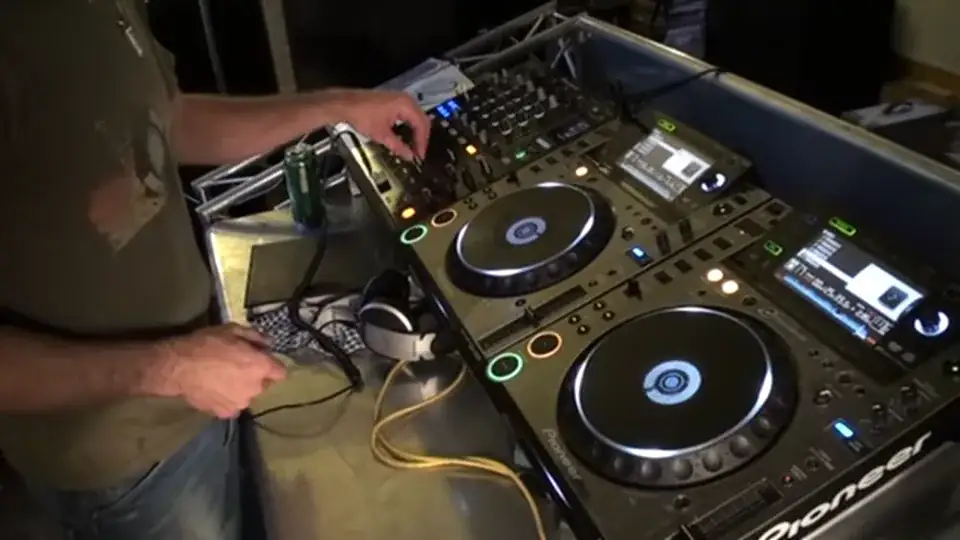
Try it again. Random stuff here.
Right so not as good there but there you go. It gives you the general idea of timing. Right. We're going to take that one out. And we're going to go a little bit incognito. Yeah geez let's try it.
Right I'm going to cue this one up. No actually before we cue it up. Let's imagine that was playing. Right the dance floor, the crowd are listening to that. What we need to do now is listen to this. Let's have a listen to the beginning.
At that point where we've got the bass line, we've actually got the beginning of our timing.
One, two, three, four. One, two, three, four. One, two, three, four. One, two, three, four. Two, three, four. One, two, three, four. One, two, three, four. One, two, three, four. Three, four. One, two. Now there is so much we could do here. Believe me the mind boggles. And it does annoy me when a lot of people do the same mix in the same place at the same time place at the same time with the same tune and the same this and the same that and try something different you never know you might um you might realize that you are quite a clever person after all so listen start at the beginning
This time first mix is i'm just gonna bring it in randomly all right there was no timing no talking there was no um i wasn't thinking about bringing it on the count of one what i tried to do was emphasize the beginning of this track slowly fade the other one out now let's try a different way what i'm going to do now is i'm going to bring it in at this point and have a listen again just pause
And know how to use these things let me know
Cue it there again it's a love one two three four it's a love listen don't do that i mean again people go wow but it's oh i don't know what they do but uh just shows you it's random um what's up you know a lot of people would have edited that edited that out i'm not gonna do it right here we go right i'm going to try something different again right so there the first time i did it just then as in the first and that last time was the second is on the count of one i brought this one in and took that one out the second time i brought this one in on the count of one but then i left that play love thing so we had almost a tiny bit of a mix with the two tracks so i'm going to show you how to do that now let's go back over to the
Enough of a transition to let the one fade out correctly to have love thing and then this one come in all right so i hope you get the general idea this is about experimenting having a bit of fun and also when you're playing a track and you feel not you feel but let's say for example the track has got absolutely no correct bpm the bpms all over the place this is probably the only way you can do that because if you don't know how to play it you can play it on your computer or you can get to mix it correctly is by listening to keys timing is so important and then just chop from one to the other hope it's been a help and practice and enjoy and this video is going out to uh steph and nick for being very nice people thank you
This transcript was produced automatically from the audio of the video and may contain mistakes.