 8:33
Dj tutorial on mixing more than 3 turntables.
Contents of the video
0:00 Minute, turntable, headphone
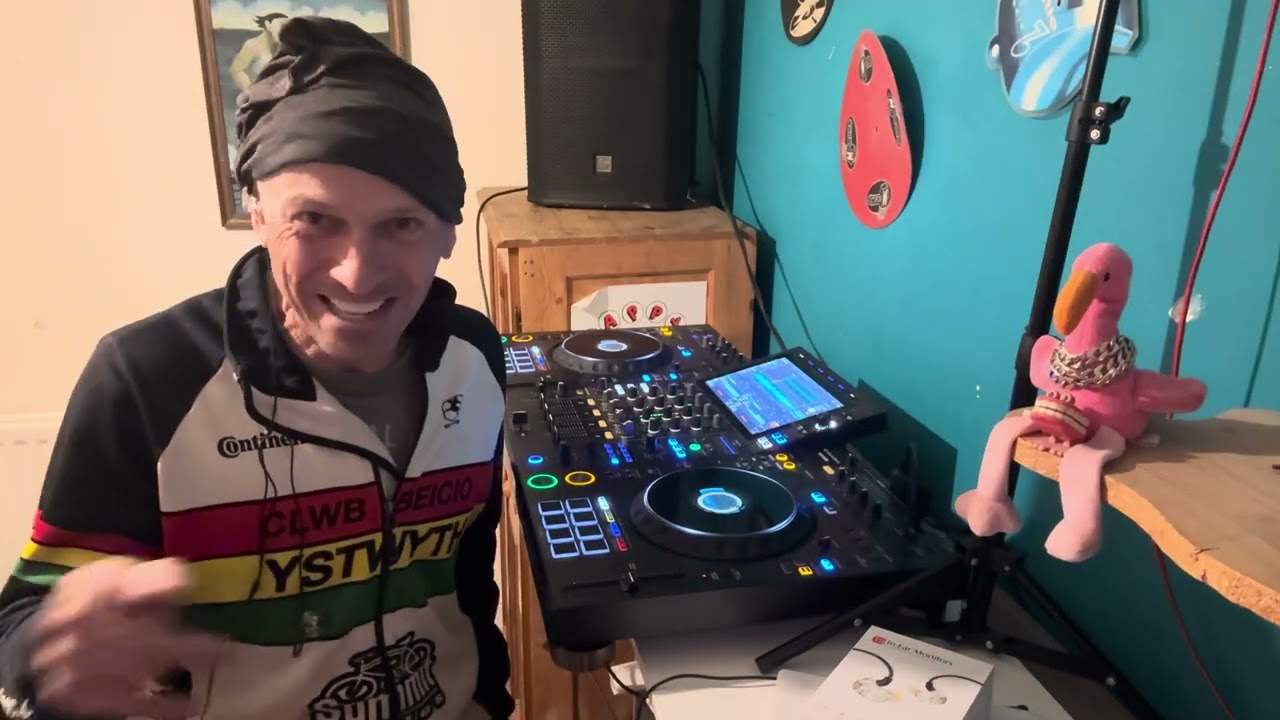
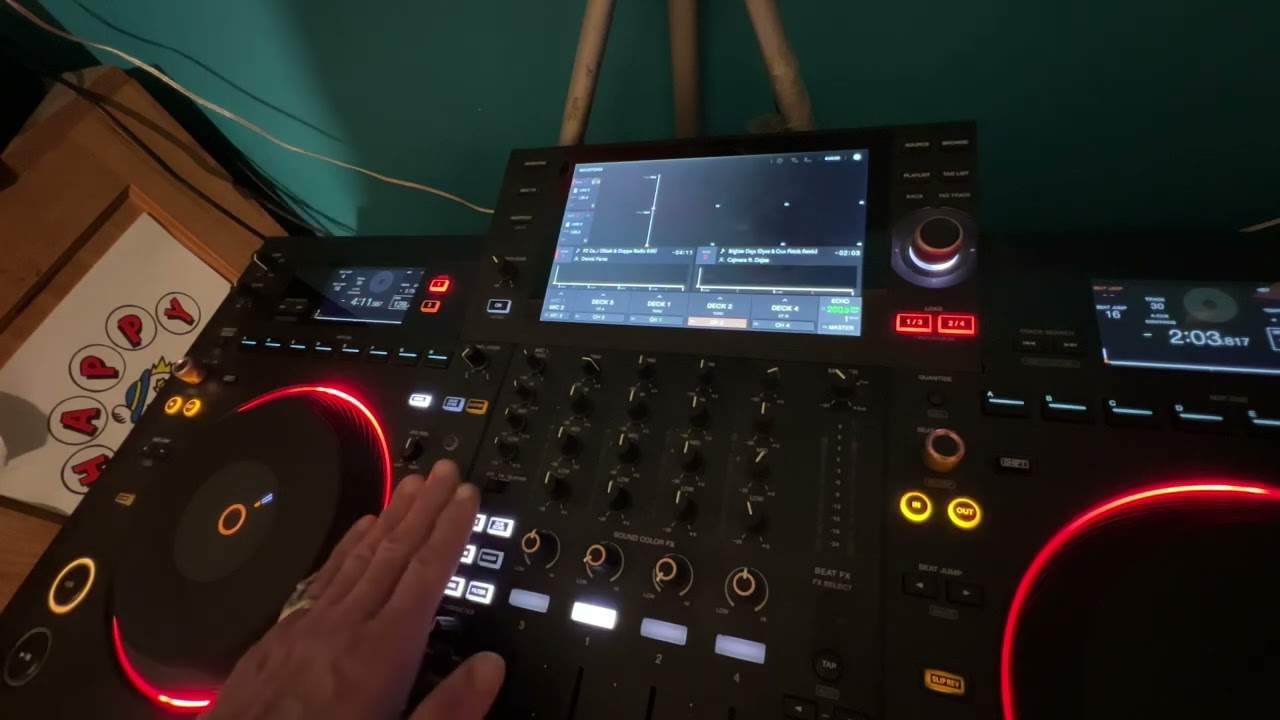
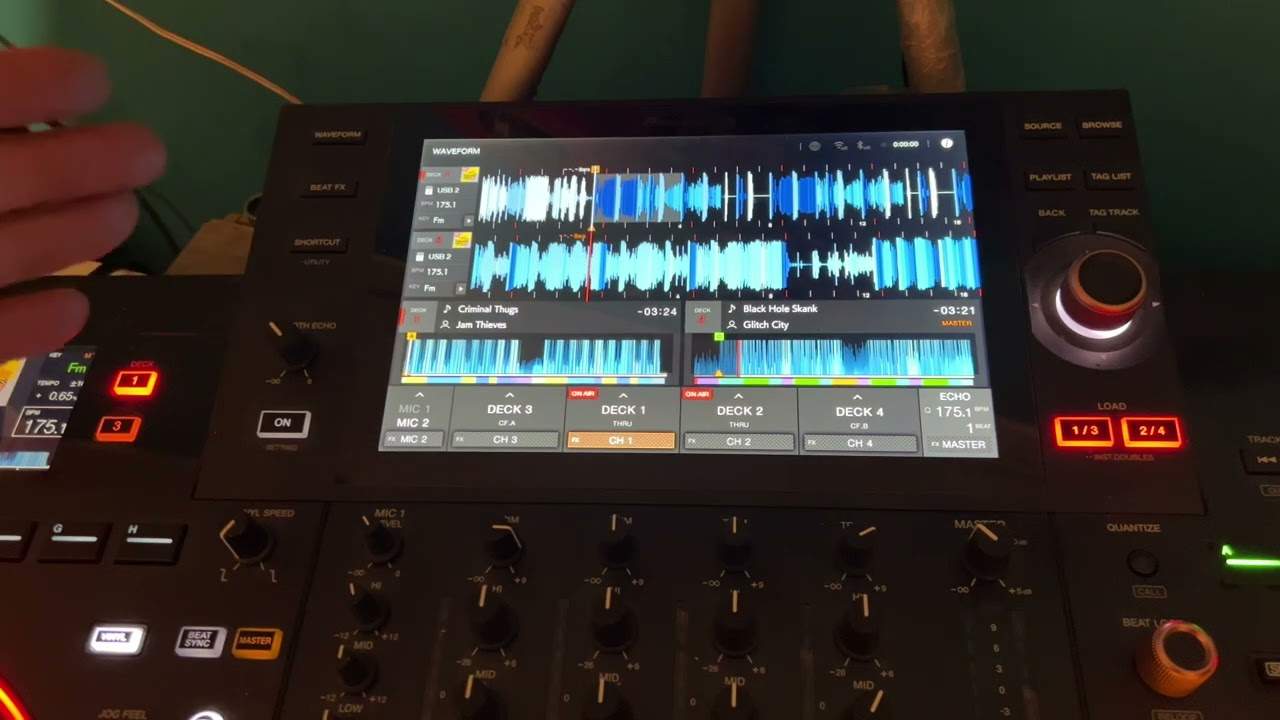
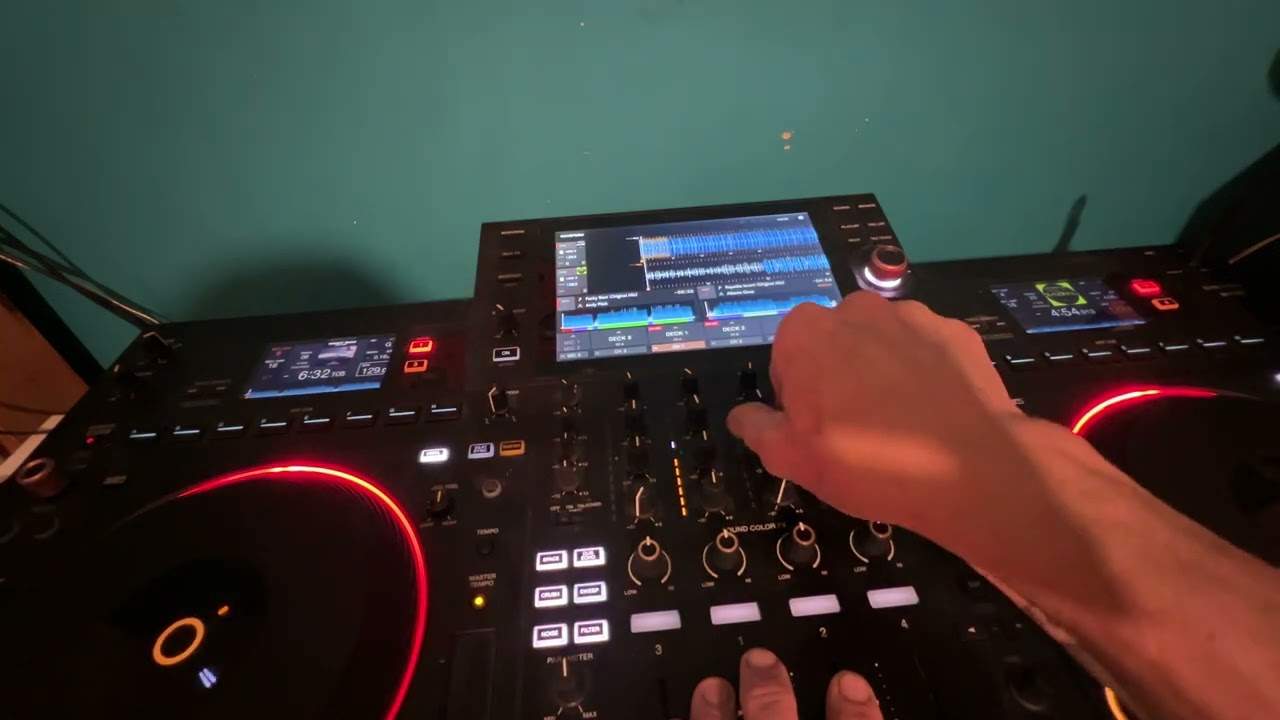
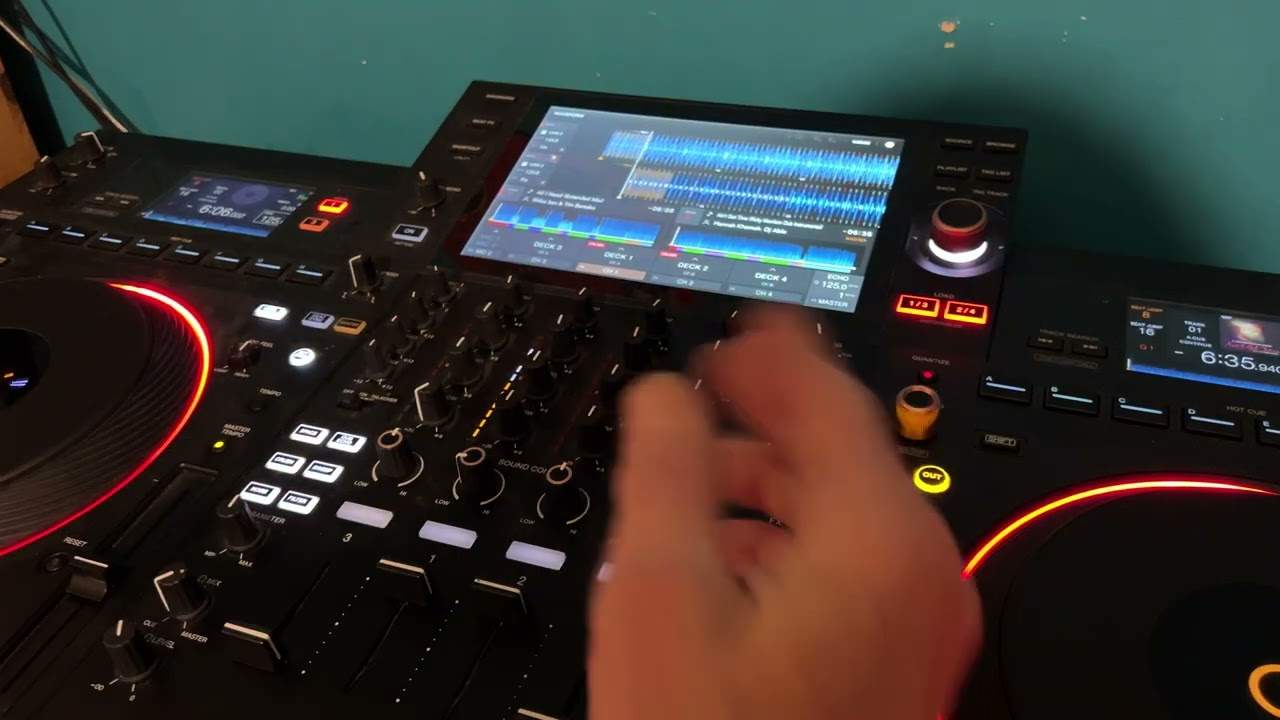
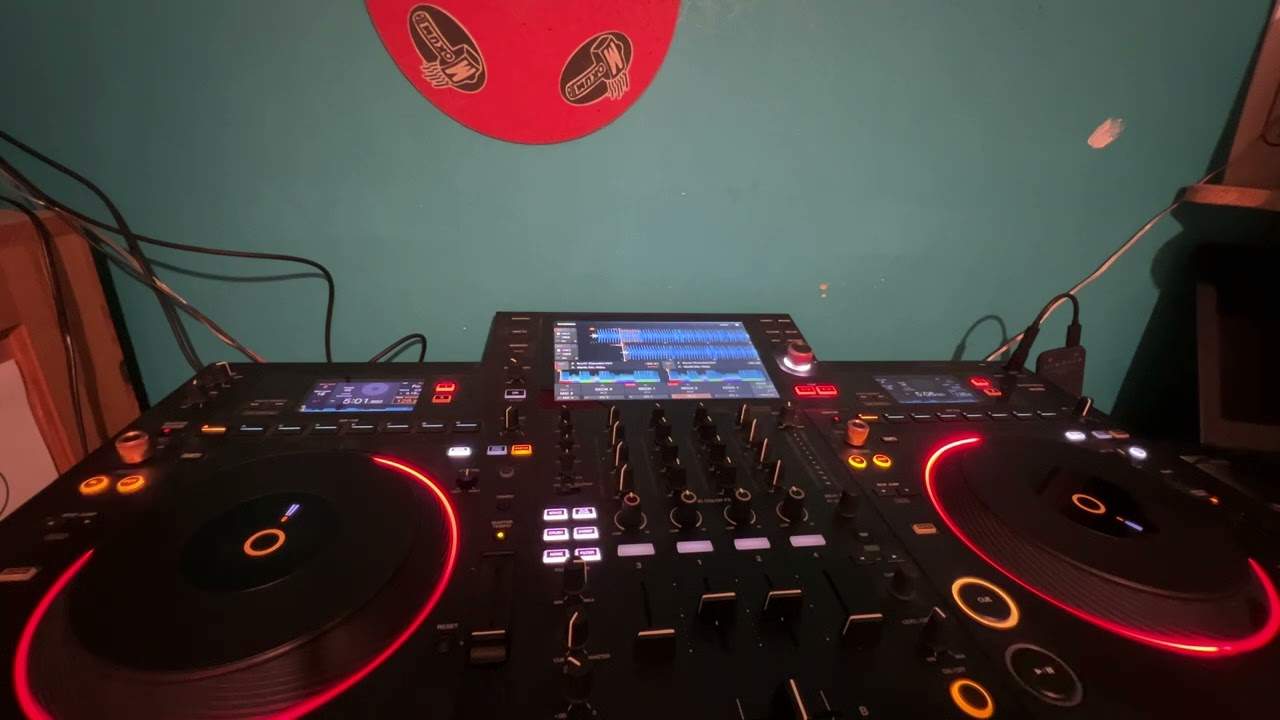
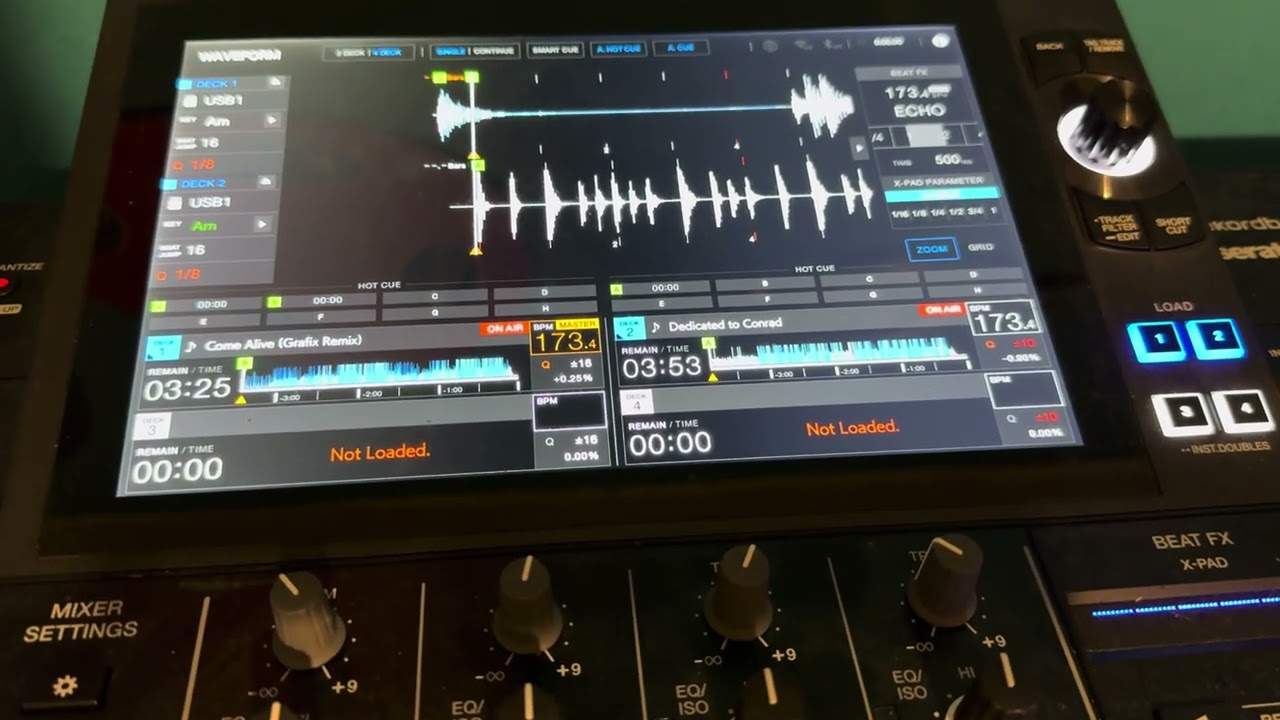
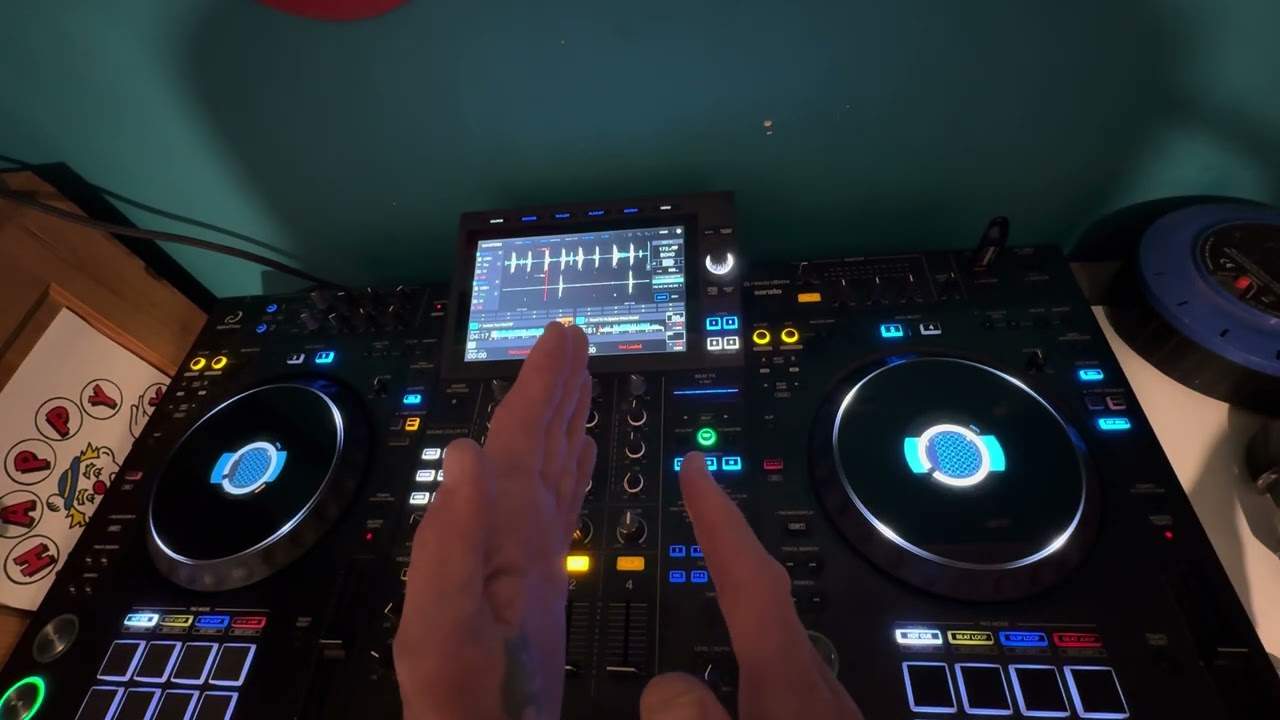
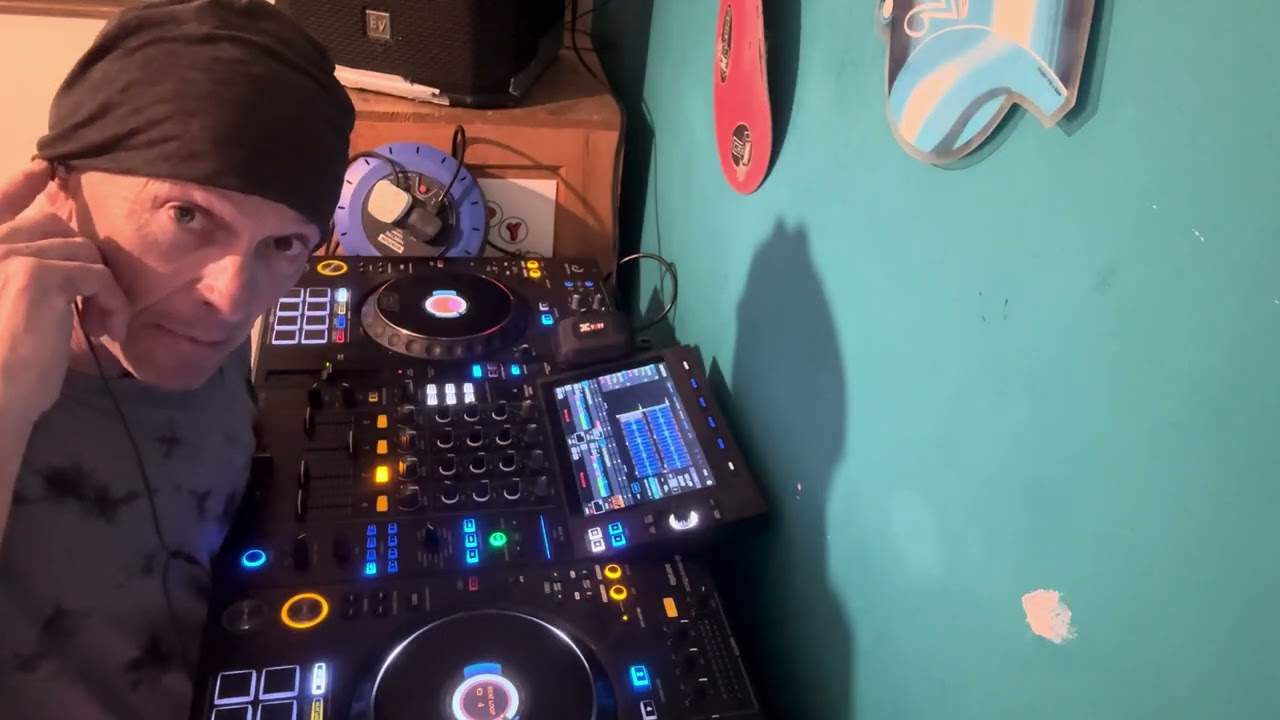
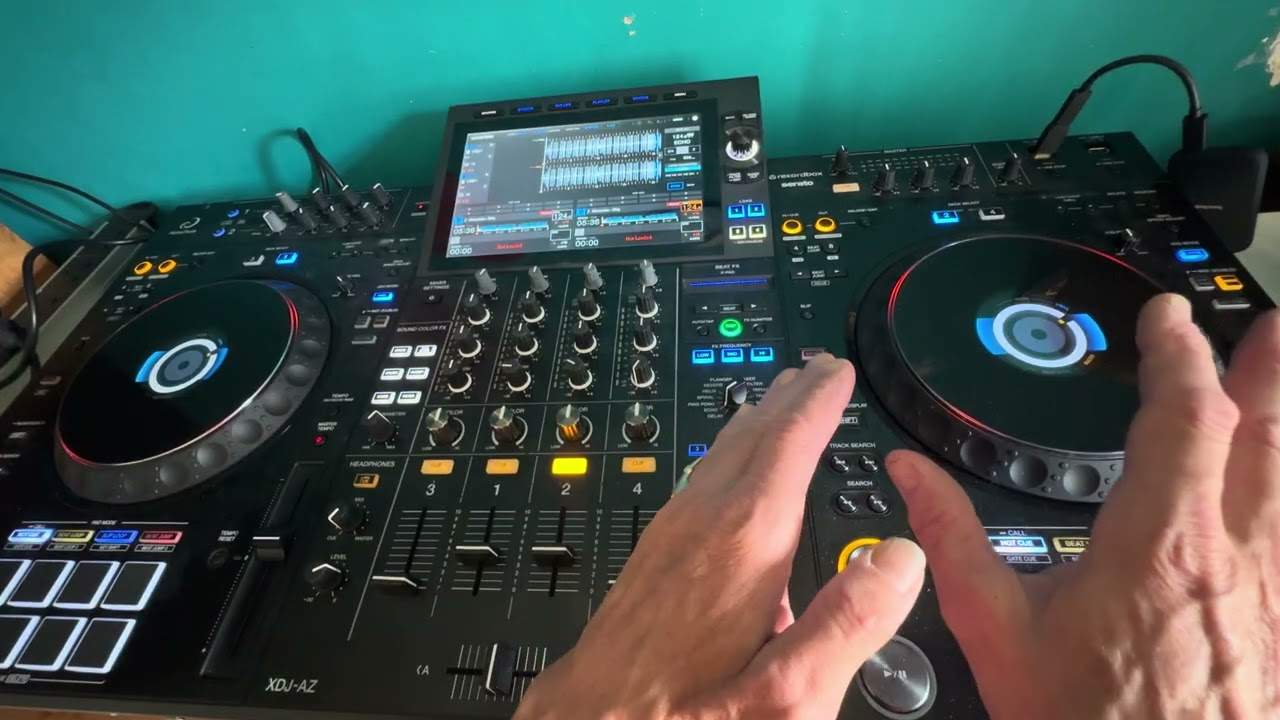
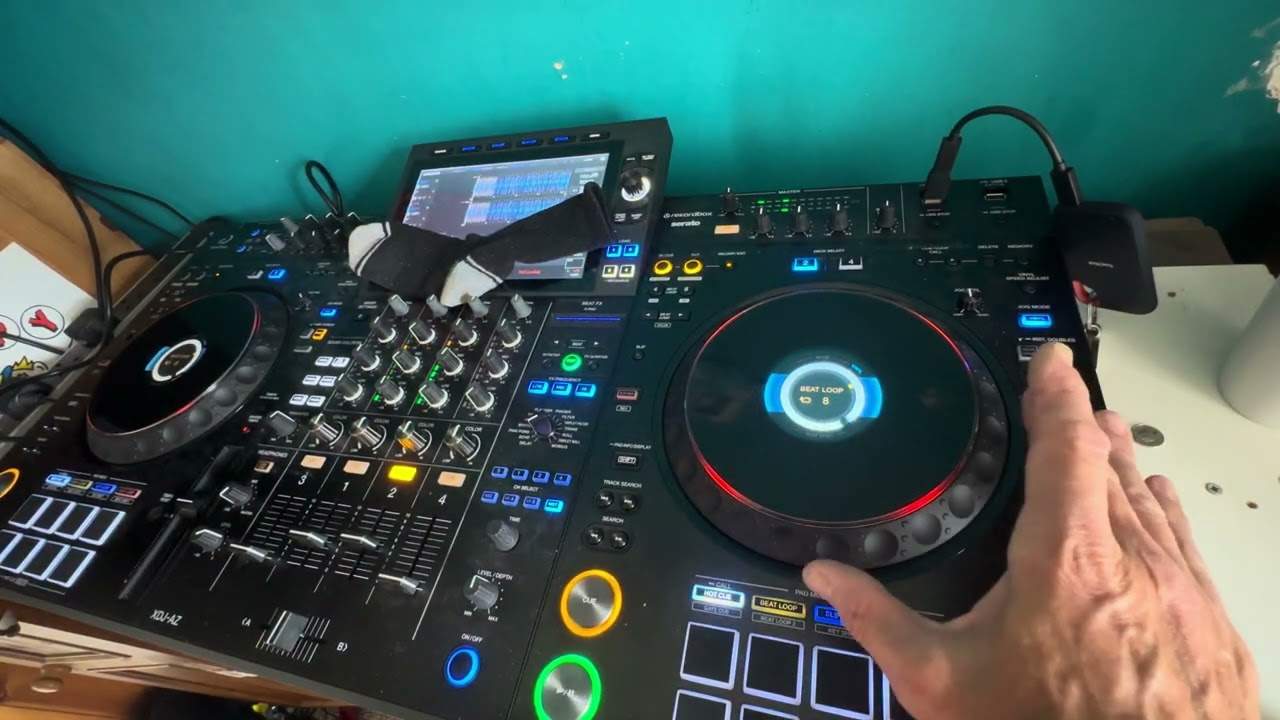
Alright folks, Jonathan here. Bit of a demonstration but mainly a tutorial for you on how to mix on more than two, even more than three turntables. What we're going to do is mix on four. Right, bit of a nightmare I know, but first of all, you build a house and if you build a house on sand it's going to fall over. What do you need? You need foundations. Foundations for a good solid mix whereby you're using more than two turntables whether it be vinyl Now the foundation I'm on about is the likes of one track you're going to be playing. What am I on about? Now that track over there, on the vinyl turntable, is set to dead center, quartz lock. In other words, if that particular record was at 33 RPM, 33 and a third RPM, it would stay at 33 and a third RPM indefinitely if it was on quartz lock.
If it was at 45 RPM, it would stay indefinitely at 45 RPM. That's 45 revs per minute or 33 and a third revs per minute. In other words, revolutions per minute. That particular turntable will go around at 45 every minute or 33 and a third revolutions in every single minute for the next 10 years if I leave it like that. Now the reason I've done that is because I have now set that CDJ roughly with the exact speed Here's the reason. I've got, let's say for example, I haven't now, but say I have my headphones on. I would have headphone here and I would always have this headphone on that turntable over there. Then, I would then be able to change this side of the headphones from that one, that one, that one. But also you're thinking, well how are you going to do that?
When you're also listening to the PA, well here's the tip. You have your headphone over the entire ear. Now a lot of DJs will actually do this and you might not even know you're doing it but you are. This headphone, you'll have it half on your ear. I know it sounds stupid but it does work. So this ear, totally covered with that turntable over there. Then this one here, half so you can hear The music that's playing, but you can also hear the music through the PA system. Now again, this is only my tip, this is what I would do, but again, I'm not using headphones, so what I'm going to do, I'm going to try and talk you through what I'm doing, and I'm going to try and differentiate between the beats, slow things down, speed things up. Alright, let's give it a go. Here we go. By the way, that track over there...
2:40 It's Dylan Rhymes and Salty
It's a bit of a classic. It's Dylan Rhymes and Salty. I bought it off eBay, and it's a killer cut. I've been after that for ages. I'll play you a little bit of it. It's the bomb, seriously. Sorry, I've just been a bit silly there. These are vinyl, and they sort of work well together, but mainly the idea is showing you how to match the beats. So we've got that ready. Again, it's all about messing around. Now, one thing as well, very important, If you've got one track that's got loads going on, and you've got another track that's got loads going on, and again third and fourth time, then you're gonna have an absolute nightmare because you've got all these tunes, melodies, bass lines and beats all over the place. So try maybe and find very minimalistic tracks, maybe two or three of them very minimalistic, and then one if you want to full of bubbliness and loads going on, and then you can chop and change. Another idea for you...
Like I said just earlier, if you've got the minimalistic tracks and you've got one that's full of everything, what you can actually do then is you could almost beat juggle between two or three tracks and have one continually going. So in other words, what you're doing, think about it logically. Say that one over there was the bubbly track. These three here are the ones that are minimalistic. Well what I could do, I could maybe take the bass away from that one over there and emphasise the bass on these three because these are the ones with the beats That one over there has got the melody, the vocals, etc. Again, it's about experimenting. It's about practicing and enjoying. There you go. You see, but think about it, you know. I mean, I've spent maybe an hour sort of sorting that out. But for you guys out there, what's wrong in spending a week constructing it? Think about it. You've got your tracks ready and then you're on the bus, you're driving home, you're at school or whatever, and you think, oh, that's...
I could do that with that and that, and then come home and work it out, put it together. Think about it logically. Someone who writes a book, they don't just go, the end. They spend time in writing it. You do exactly the same. Practice and enjoy.
This transcript was produced automatically from the audio of the video and may contain mistakes.