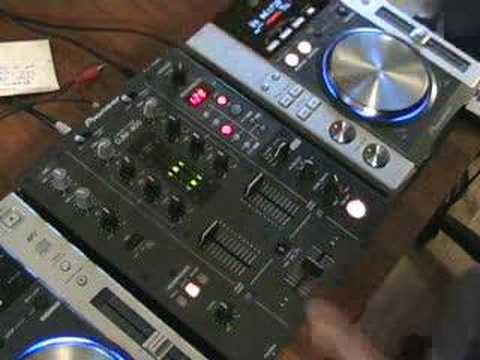
 7:16
Using the crossfader in the mix
On YouTube this video is called DJ Tutorial,Video 2, using the x fade in the mix
What this lesson teaches
Most people treat the crossfader as a single gesture - over there, then over here. This is about what to do with your other hand while it travels.
What a plain crossfade actually does
Slide the crossfader across and you reduce every frequency of the outgoing track while raising every frequency of the incoming one. Bass, mids and tops all move together, in lockstep.
In the middle, therefore, you have two complete records playing at once: two kick drums, two basslines, two vocals, two sets of hi-hats. That is almost always mud, and it is why a straight crossfade between two full tracks sounds worse than either of them.
Moving the bands independently
The alternative is to decide, band by band, which track owns which part of the sound during the overlap.
Bass is the one that matters most. Two basslines at once do not blend, they fight - the frequencies are too close together and too loud, and the result is a shapeless rumble. So the standard move is to pull the bass out of the outgoing track as you bring the incoming track's bass up. One kick, one bassline, all the way through.
Mids carry the tune. Two melodies at once clash unless they happen to be compatible. Take the mid out of one side while the other's comes in, and the handover is clean.
What you get in the middle, as he puts it, is almost one song: the rhythm section of one record under the melody of the other, which is precisely the "third track" idea from the very first lesson of the curriculum, made with your hands.
Find the place first
A point he makes in passing that is worth taking seriously.
Even two records that are beatmatched and in the same key do not mix equally well everywhere. There are places where the arrangements leave room for each other and places where they do not. He goes looking for the right point before starting - and the mix is better for it in a way that has nothing to do with technique.
So: listen to both tracks properly, decide where the incoming one should arrive, and then execute. Deciding while the record is playing is how you end up crossfading into a chorus.
Why this makes a mix yours
His closing observation is a good one. Two DJs can mix the same two records at the same two points and produce audibly different results, because the EQ decisions during the overlap are judgement calls.
The crossfader position is arithmetic. What you do with the three knobs while it moves is the part that is yours.
Contents of the video
0:00 Treble will take away the hand clap, the high frequency
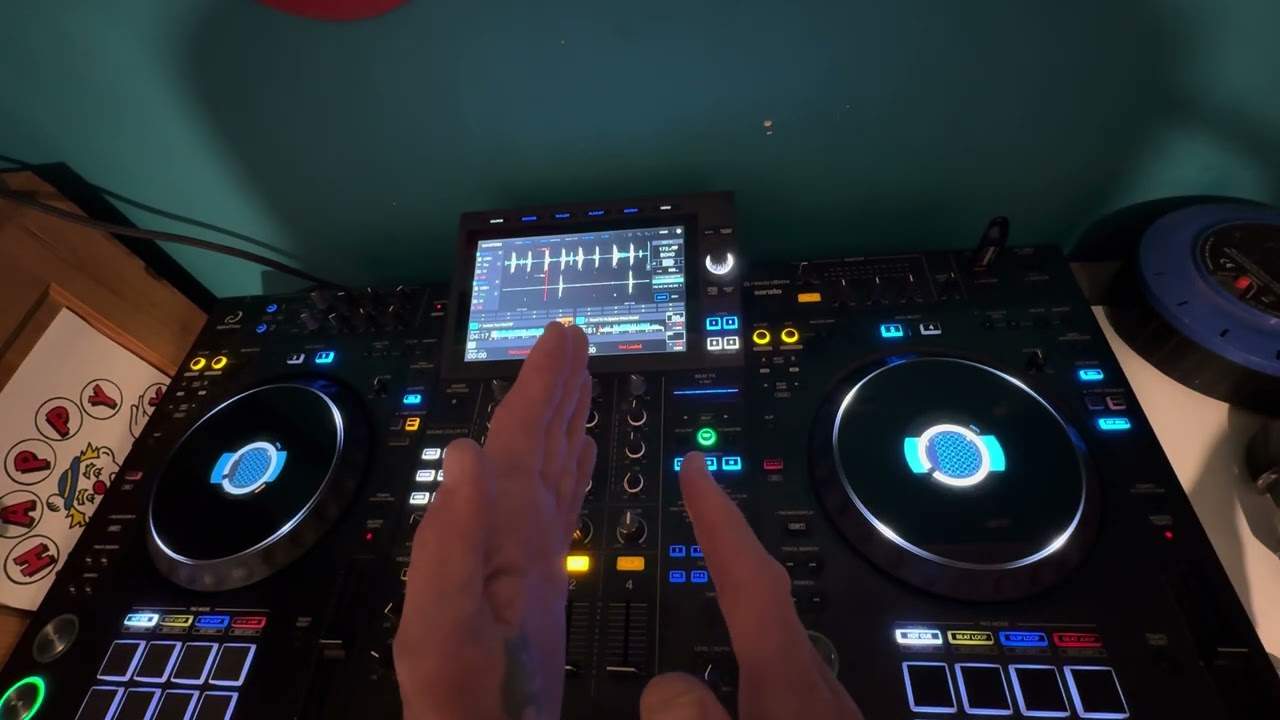
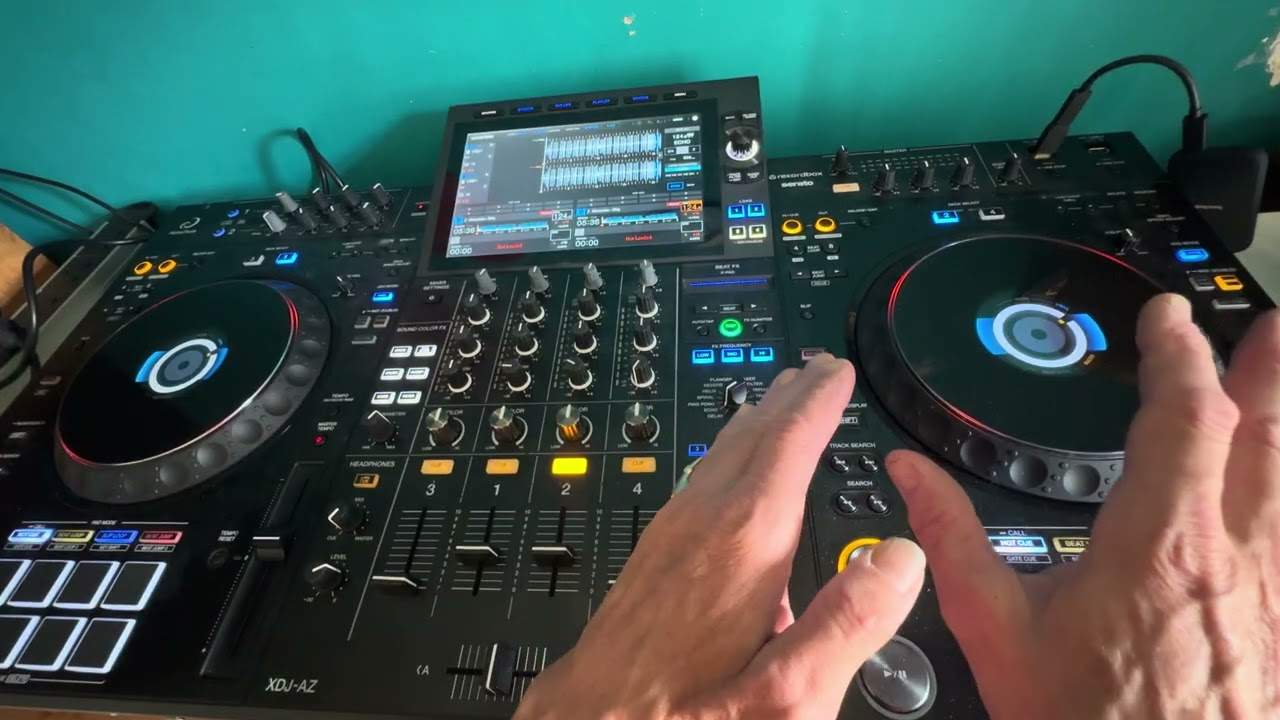
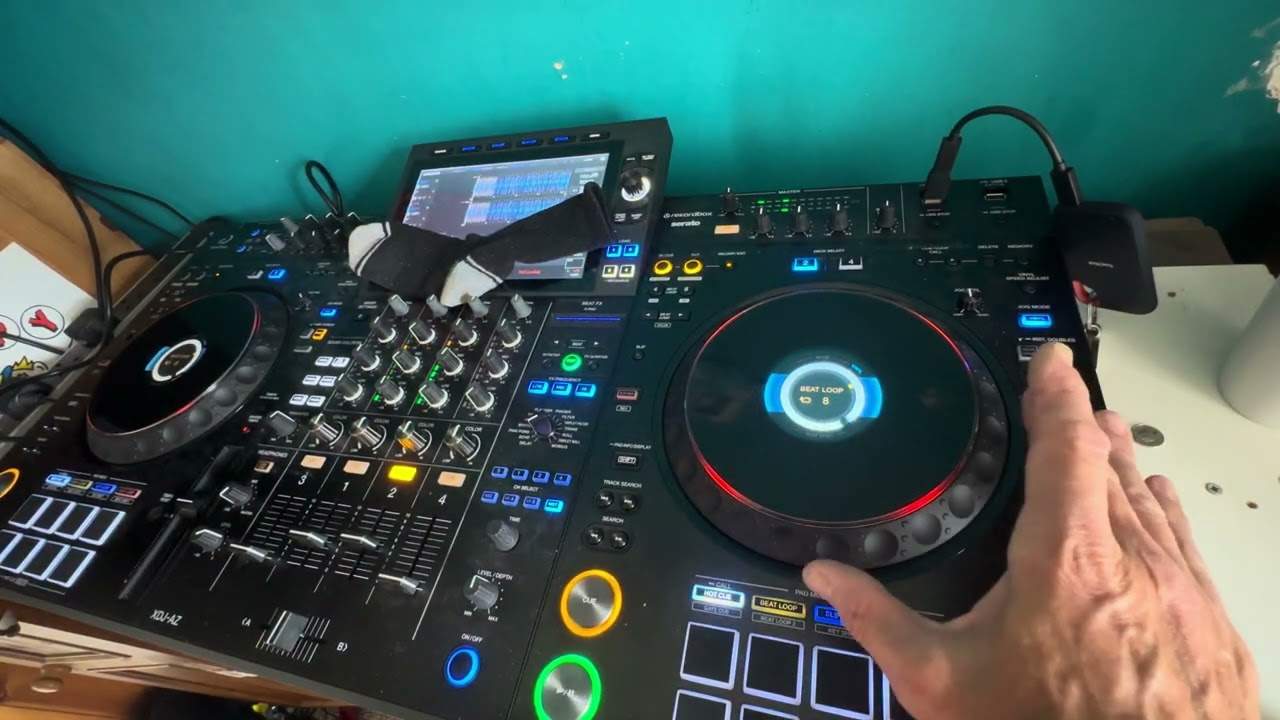
Alright folks, Jonathan here. This is video number two in a selection I'm doing on utilising the actual crossfader on a DJ mixer in the mix. Now again a lot of people think well crossfade you go from one side to the other and then back to the other and back to the other but of course there's different ways of using the crossfader and also when you're using the crossfade you can also use the bass, mid and treble. Treble will take away the hand clap, the high frequency. Mid is vocals, guitar, the melody, most of the instruments and bass of course is the big bass, the boom, the punchy sound. But of course by utilising those different frequencies during the course of the actual mix you can a. make the sound sound a lot better b. you can make the tracks sound better together
Well with each other. Now that is the important factor. Now an easy way of explaining that is of course let's say you've got two melodies, take one out, put one in. In other words, mid, take out, mid, in on the other side which means you haven't got melodies clashing, you haven't got bass lines clashing. You can almost make, in essence, you have one song. I've said this before, I know. You've got one song here, you've got another one. You're mixing one into the other but by utilising bass, mid and treble on both sides during the course of the mix. Thank you for watching. And even if that DJ mixes exactly the same times as you, if you can use the bass, mid and treble in different areas and different times, your mix will always be different to theirs. Right, pause the camera and we'll have a quick closer look. Now bearing in mind I'm not going to be using any headphones so if the beat does go off slightly, that's not the emphasis here. The whole emphasis of this particular video is to show you...
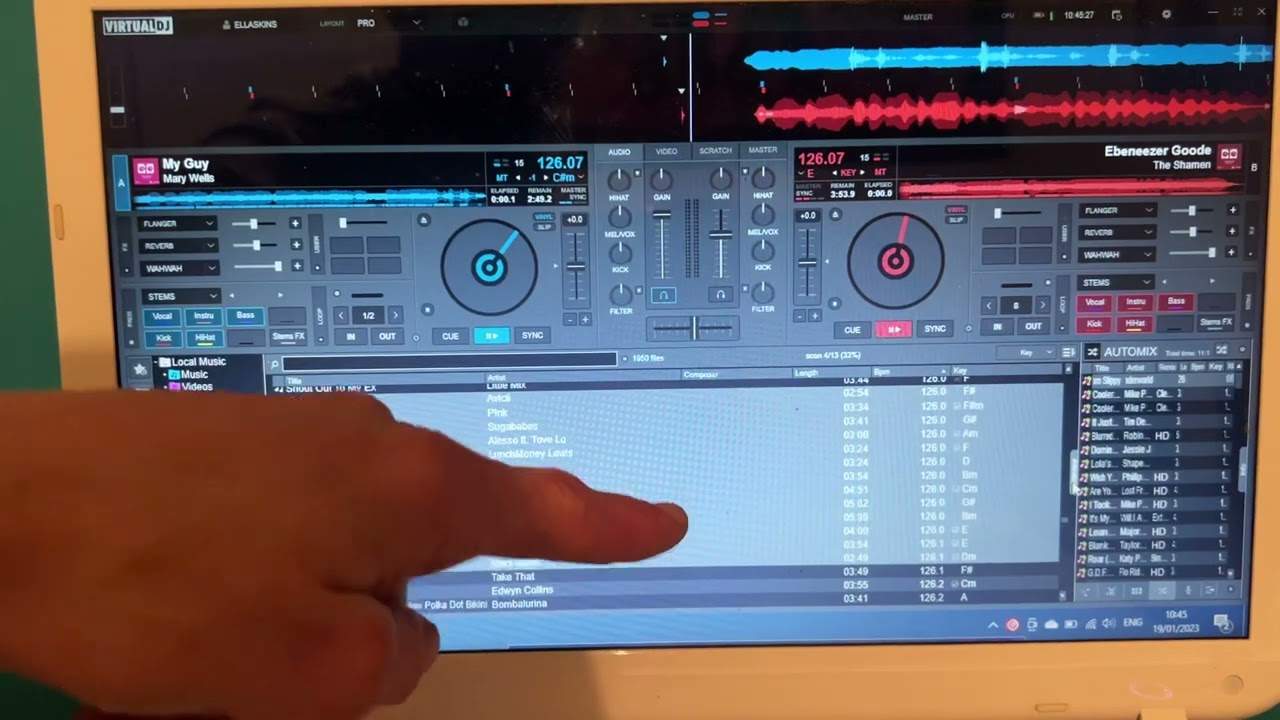
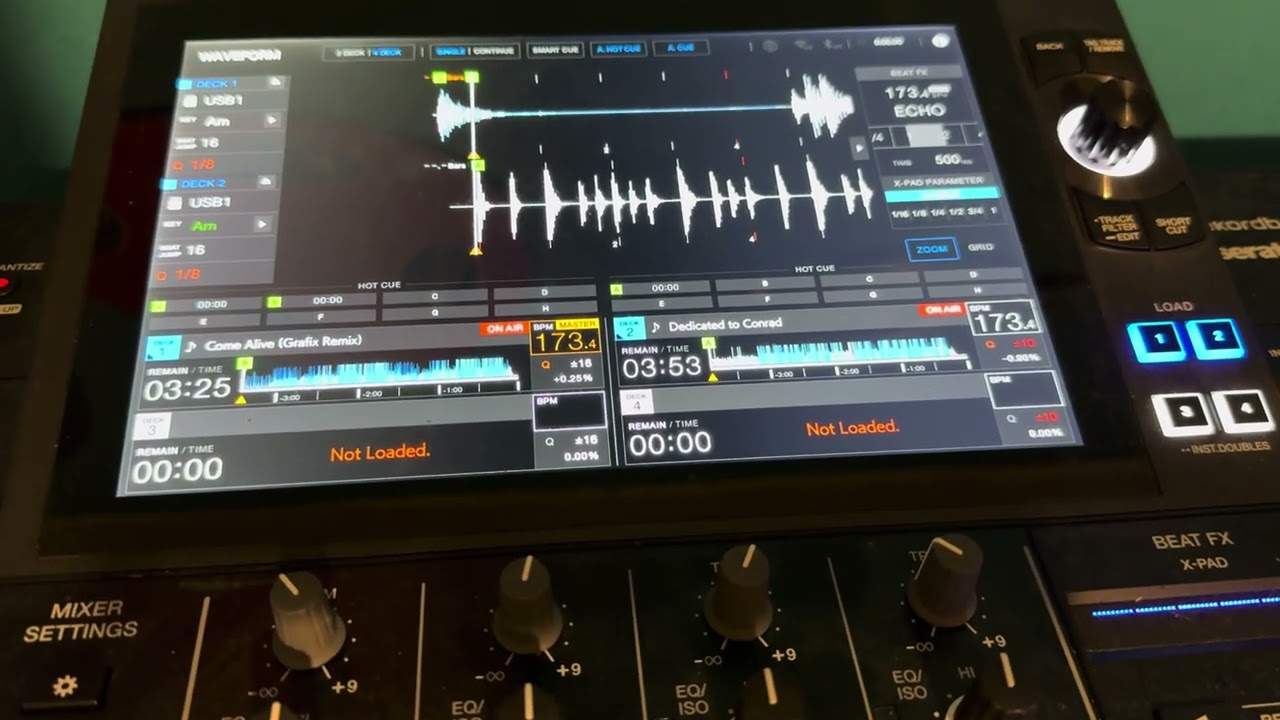
How the sound changes by using bass, mid and treble during the course of using the crossfader. Any relevant information with regards to the tracks, look to the side of the video. Alright, bear with me. First of all, we'll have a listen to each individual track. This is the track on the left-hand side. This is the track on the right-hand side.
2:56 About this point, bearing in mind no headphones, so slowly bring it ov
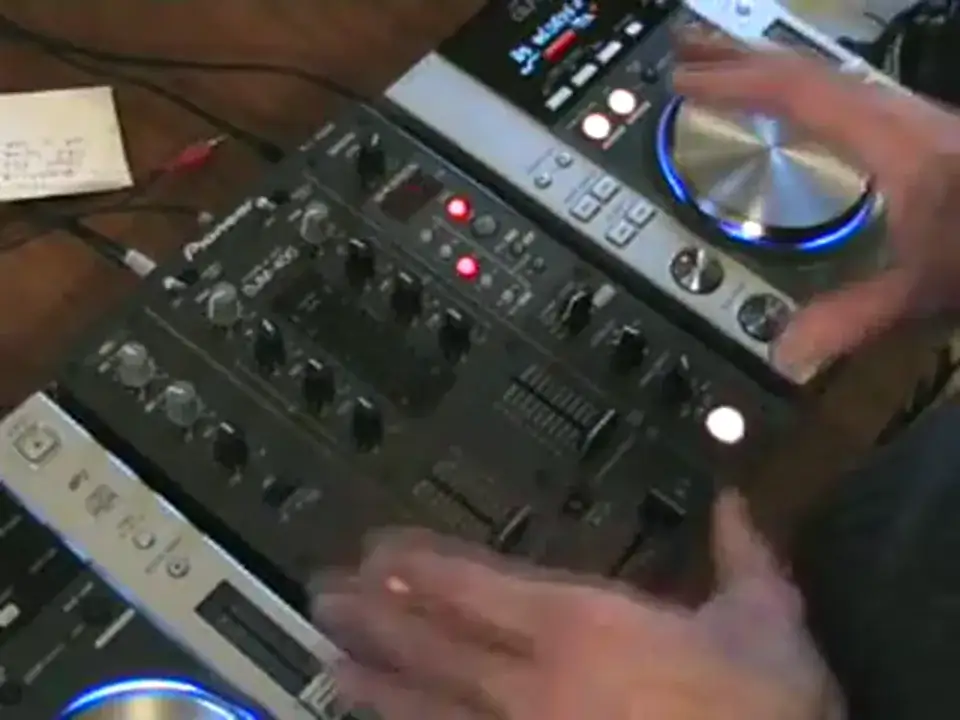
Now then, before I do any mixing or before I've done any mixing, what I've done, I've tried to find the optimum place to bring this track in to that track. So what we're going to do now, I'm going to find the optimum place and I've sort of sussed this out prior too, so we'll just grab it. Talk you through it now. Now about this point, bearing in mind no headphones, so slowly bring it over. Both volumes are up. Now that we've got all the frequencies, I'm going to take the bass from this side. Now we've got both vocals working together here. Maybe take this one out. Bass in on the right-hand side. Now that works really well together. Have a listen. We've got the bass line here, mid and top off that one. Crossfades in the middle. Now let's bring the mid in on the right-hand side, the bass from the left-hand side.
4:57 Slowly move the crossfade over
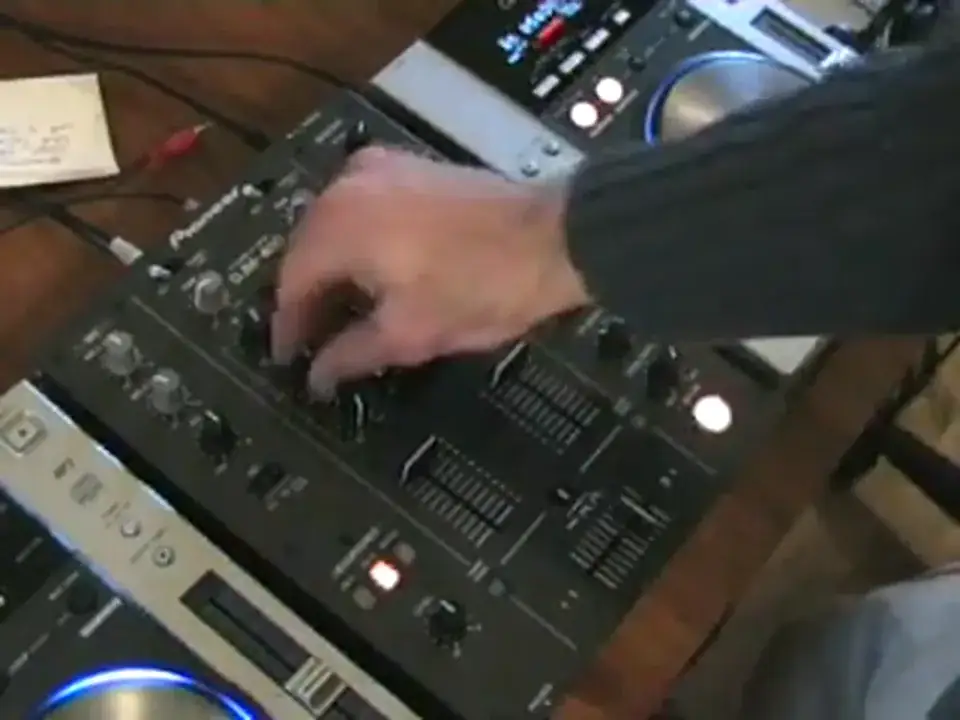
Slowly move the crossfade over. We can still hear a bit of gusto in the background. And there we are, we're straight over. Now again, if I'd have been able to spend a little bit more time with that and had my headphones on, I could have got that near enough perfect. Now, the beauty about doing it like this and spending a bit of time basically means that you're going to get a mix that sounds relatively good to a mix Thank you for watching. If this, let me say it again so with the volume down, if this track over this side is beatmatched with this one over here and they're both in the same key, same tempo, they should theoretically be able to mix anywhere. But by finding the ideal place means you get a better mix and then also by utilising bass, mid and treble and with regards to the crossfade...
By slowly going over to the centre and then messing around with the bass, mid and treble, and then when we've got to a point at which we realise the other track should start to come out, then we can slowly go over. And because we're slowly reducing the frequencies on the left hand side, it means instead of, if you think about it logically... All the frequencies up and you go bang straight across. In other words what's happening is you're reducing the left hand side increasing the right hand side but you're reducing the entire frequency range of the left hand side and bringing in the entire frequency range of the right hand side as opposed to... Hope that's been a help, practice and enjoy.
This transcript was produced automatically from the audio of the video and may contain mistakes.
This video is part of
Related videos
-
Complete Beginner DJ Lessons Tags Key BPM Etc
A more advanced lesson folded in early, and worth doing once rather than putting off, because everything it sets up gets used for years…
-
Complete Beginner DJ Mixing Lessons Video 19 Getting Your Kit Ready for an Easy Mix
A whole lesson on getting ready, which is the right call - the exercise in the next video only teaches anything if the two decks are…