 12:39
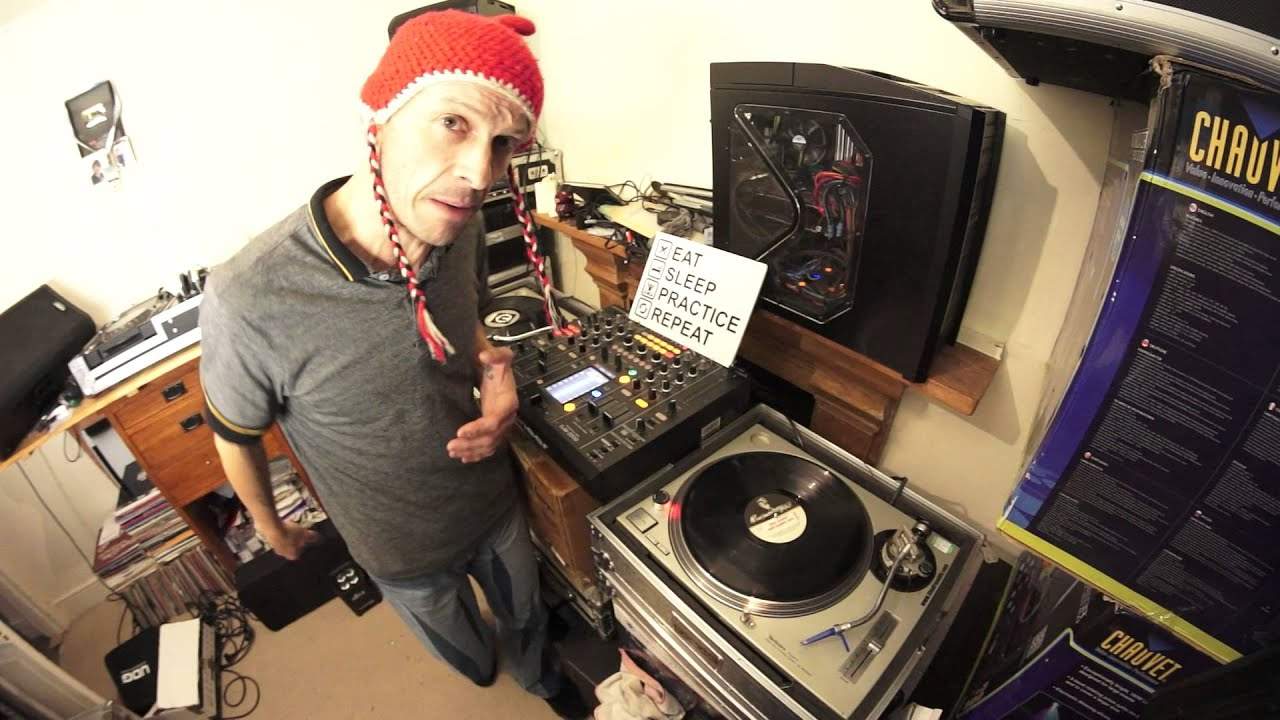
DJ Vinyl Mixing Lesson Advise and Information on Technics SL1200MK2
Contents of the video
0:00 In this video we're going to be doing some mixing using vinyl
All right ladies and gentlemen in this video we're going to be doing some mixing using vinyl. Now before we do a mix I just want to tell you a little bit about vinyl and the philosophy behind beatmatching. Now if you are a new DJ and you've just bought a brand new controller and you're over the moon and you plug it into your laptop and away you go with Serato, Traktor, VirtualDJ or something else, you've got practically everything in front of you that will do the mix for you to the extent where you can press a couple of buttons and let it carry on go make a cup of tea come back half an hour later and it's still mixing for you. It can be done but let's go back a few years in fact let's go back quite a few years to when a DJ had vinyl that was it there
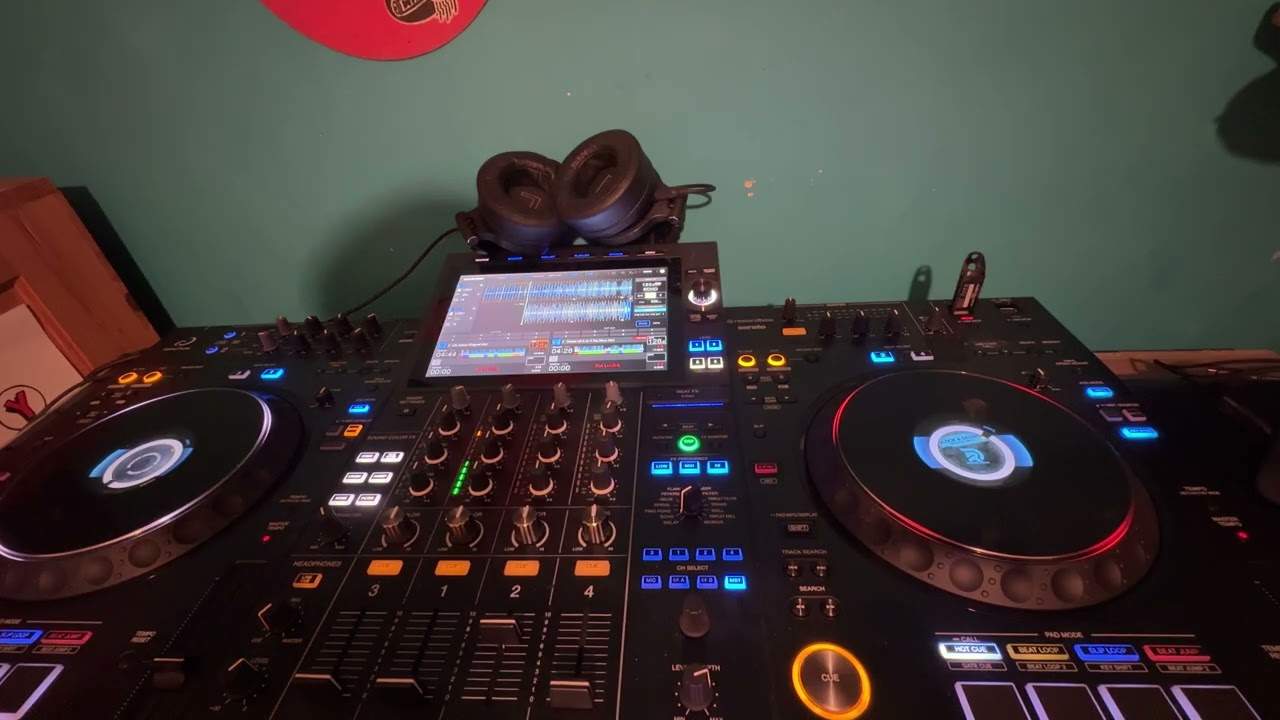
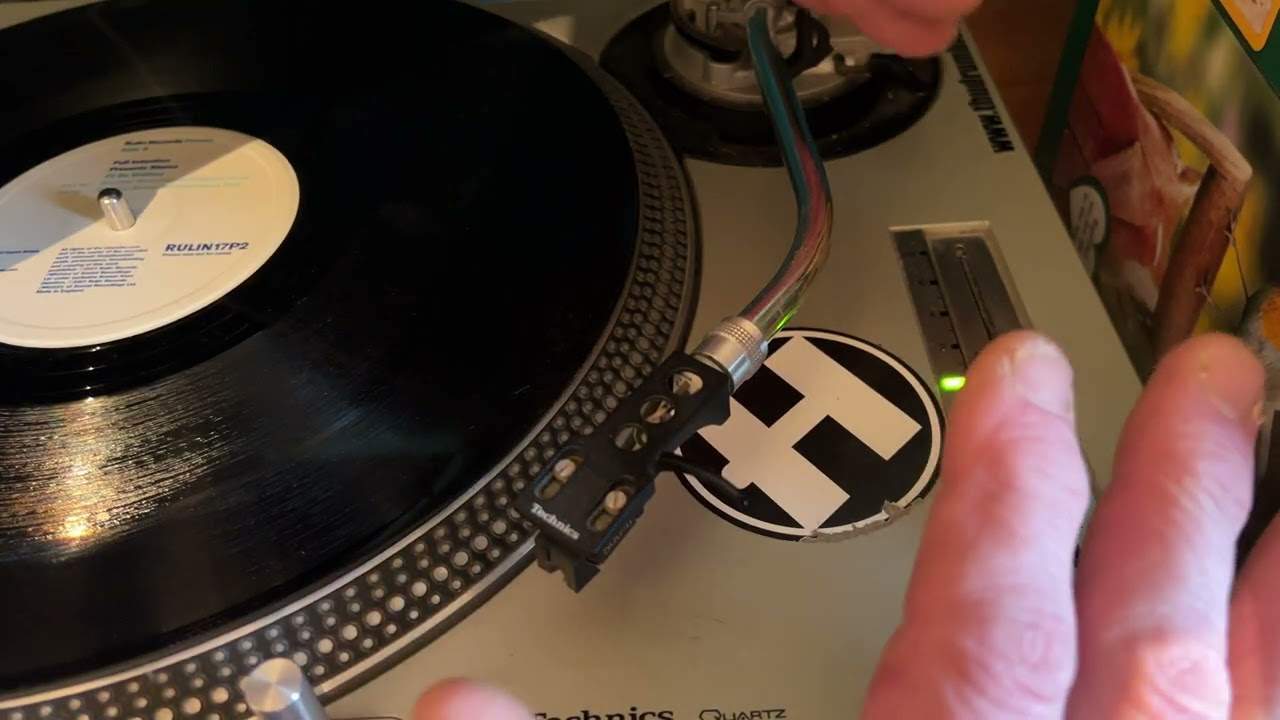
Was no pick sorry start again there was no bpm reader there was no pc programs the only thing we knew about mp3 was it was mp and it was the number three. We had to concentrate on our ears and listen to the track now first of all let's have a look at the pitch I know we've got a wide angle lens on but I will explain and point of course I like to explain in great detail for people who are partially sighted so if we go and put the fader in the center position that light is green now now that's telling me that that is at the speed at which the track was originally made so if this track was 150 bpm it'll be 150 bpm 120 it'd be 120. Now if we move the pitch away from us it will slow down move it towards us it will speed up plus or minus eight percent this is a Technics
SL1200 mark two so it will increase by eight percent or decrease by eight percent now this this is where it gets a little bit tricky because we do not have key lock on these no such thing what is key lock will key lock or also known as master tempo they're sort of the same pretty much the same what that what that means what that will do for you on your program or on your cdj is when that is engaged it will keep the key of the track whilst you're playing the track. So if you're just you are increasing or decreasing the speed even if you go to 100 percent the key stays the same sadly with vinyl turntables like this you haven't got that joy at all sorry so what was happening is the general rule of thumb is that you could pretty much mix something in so long
2:59 Point track, were
As you were within plus or minus three percent anything above or below and you would start to lose the key of the track so here was the dilemma let's say you had two tracks that sounded perfect they same key or keys that worked and you think you know what they'll really work well together but let's say the track over here the pitch was in the center point and let's say here the track was in the center point but this track was way way too fast but they sounded fantastic at the speeds that they were originally at so of course you'd think you've got to slow it down which of course undoubtedly you would and start finding that you needed to go to say minus four and a half five to six now at this point they were in time they were in perfect beat but because you've gone over
That three percent threshold then how out of key so it's defeating the object of doing a good mix so that's where it was really difficult of course with master tempo key lock you don't have that problem now again with vinyl turntables you don't get a BPM readout if we go back I don't know maybe the very late 80s mid early 90s you did get some form of a BPM readout on some mixers but to be quite honest they were absolutely shite they were a waste of time and you'd have 125 128 or 125 128 125 122 4. so a DJ had to use their ears that's all you had you had these nothing else zip so what I'm going to do I've got a couple of tracks here we have uh take me by the hand it's Submerge featuring Jan Johnson which is one heck of a good track take me by the hand
5:05 Were close, digital vinyl, next
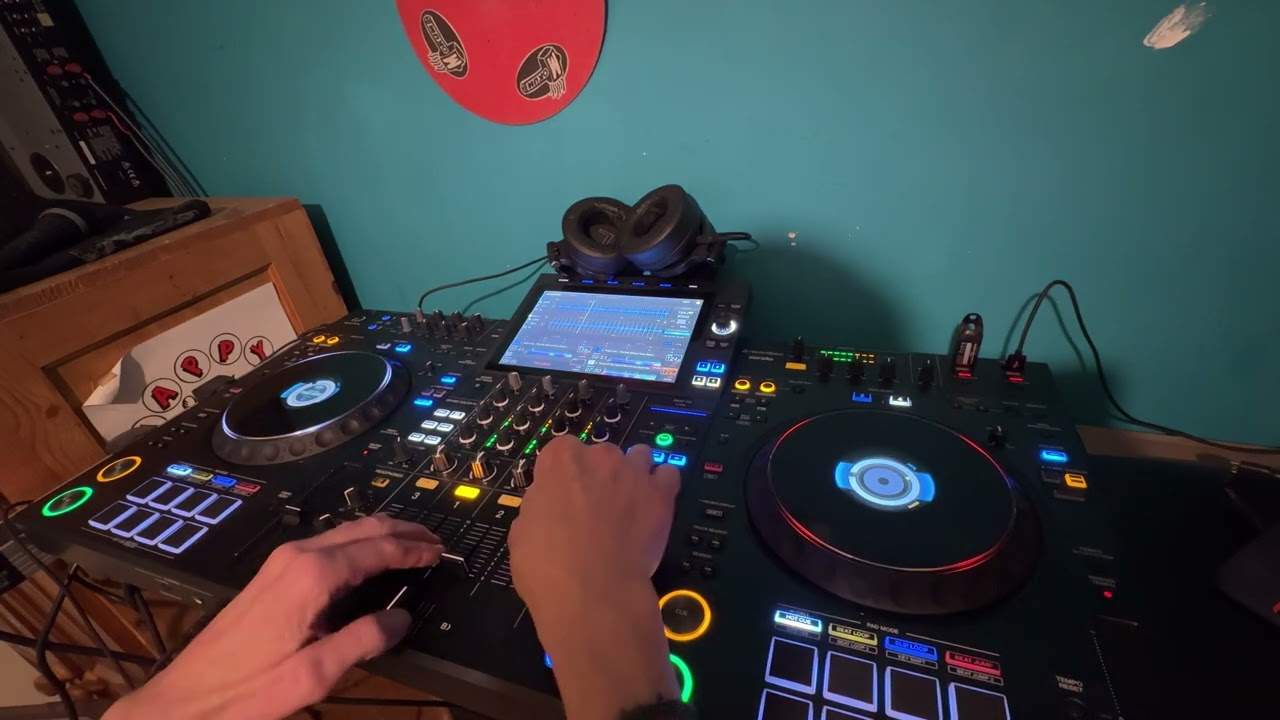
The original mixes and then we're going to be mixing in basement Jacks red alert it's the Red Alert dub so uh to make to show that I haven't set these up uh I'm gonna put that one sort of about I don't know leave it there and we'll start this one off and really good track actually this so give it a go okay we'll find the beginning of this one as well okay what I'm gonna do I'm gonna use my headphones okay I'm not gonna look really cool oh look I haven't got my headphones aren't I brilliant to be quite honest if you start mixing and you go out a bit and you haven't got your headphones on you just look an absolute tit really so let's do something like that hold on just wait for the next drop or the next say around about here
Your face was if you were very close to the center point you have that click so you had to try and keep away from that Center Point because if you were too close quite often it would jump okay so these are the problems that DJs faced many many years ago and still do to this day now then you're always asking for tips and tricks I'm gonna give you a very very big tip not a trick a tip let's go back in time I think some DJs out there should step back in time and go back to real vinyl all right we've got DVS where people can use digital vinyl which is it's the next step and also using digital vinyl you have the option of bringing your own tracks but quote me if I'm wrong here but I do believe that in Germany in Berlin there are some clubs
8:29 Highly likely, respect nowadays, nowadays playing
If not one or all of them that will give you more money if you play original vinyl you still can buy it it's still out there and also you will get a far more respect nowadays from playing vinyl you'll
Get a far more respect nowadays from playing vinyl you'll get a far more respect nowadays from playing so let's just go back to this turntable I'm just going to lift the arm here I'm gonna give you a couple of tips as well all right it's always nice to have a couple of tits tips sorry okay firstly when you're mixing with vinyl and you're in this you're close to the center point so let me just bring the camera down a tad so let's put it about there that's a little bit better you can see what's
Near that see Pat on the back right okay so when you are by the center point and you need to mix you're better off if you have to be here so you're mixing this track to the other track you're better off slowing the other track down or speeding it up to get away from the center point very important also don't forget that magical three percent if you do have to move the pitch more than three percent it is not definite but it is highly likely that not only will the track end up of course being in beat but it's highly likely it will be out of key but of course if you're using software along with your vinyl you don't have to worry about that because the software will have Master temper with it another very very important fact and to this day I get people doing this and it really does piss
10:29 Weight, correctly, needle pressure
Me off watch this look there and lock it down now can you see this little arm it's still up what's happening is can you see that bounce very slightly the arms bouncing up well what you're doing is you're putting a necessary pressure on that arm you need to make sure that the armrest lever is set down prior to locking the arm in place also when you transport your vinyl turntable make sure that you unscrew your cartridge if you've got the um the little plastic thing that I like also known as the needle there it is it's a very small point that's a diamond tip and that vibrates in the groove the groove's a little bit like uh a sort of very thin triangular shape very small mind you go and check out videos and have that with you at all times if you do leave your
Vinyl turntables for long periods of times in nightclubs take that with you because people will look at that and think wow I haven't seen one of those in ages I'd like to carry on seeing that and they may end up taking at home with them not a good idea also if you want to as well take the weight with you because what you're doing is you're just making sure that no one can come along and take little mementos with them but for goodness sake don't forget to put it back uh the other one you do see on the odd occasion is people sort of turning the weight around and putting 50ps and five pound notes no just kidding pennies and whatnot on the end of the stylight well if you've got the likes of stanton cartridge the square ones so long as you set your needle pressure correctly there is
Absolutely no need to have extra weight on the end of your styli it's all about setting your weights correctly what I advise you to do though if you if you're let's say a bit worried about using
It and it's all about making sure that the way weight at the back here is set correctly as well as your anti-skating what you have to remember as well is the more pressure you put on that needle the more pressure you're putting on your vinyl the less wear or sorry the less life you will get from your vinyl so of course it makes perfect sense set the weight correctly and you will have years and years of use with your vinyl all right so I hope that's been a help two tracks basement Jacks red alert dub and of course submerged take me by the hand practice and enjoy thank you very much for watching see ya
This transcript was produced automatically from the audio of the video and may contain mistakes.