 5:51
How Can You Use Small 8" Speakers for Mobile Gigs?
Contents of the video
0:00 I've been using the QSE-K8 which is an 8 inch speaker
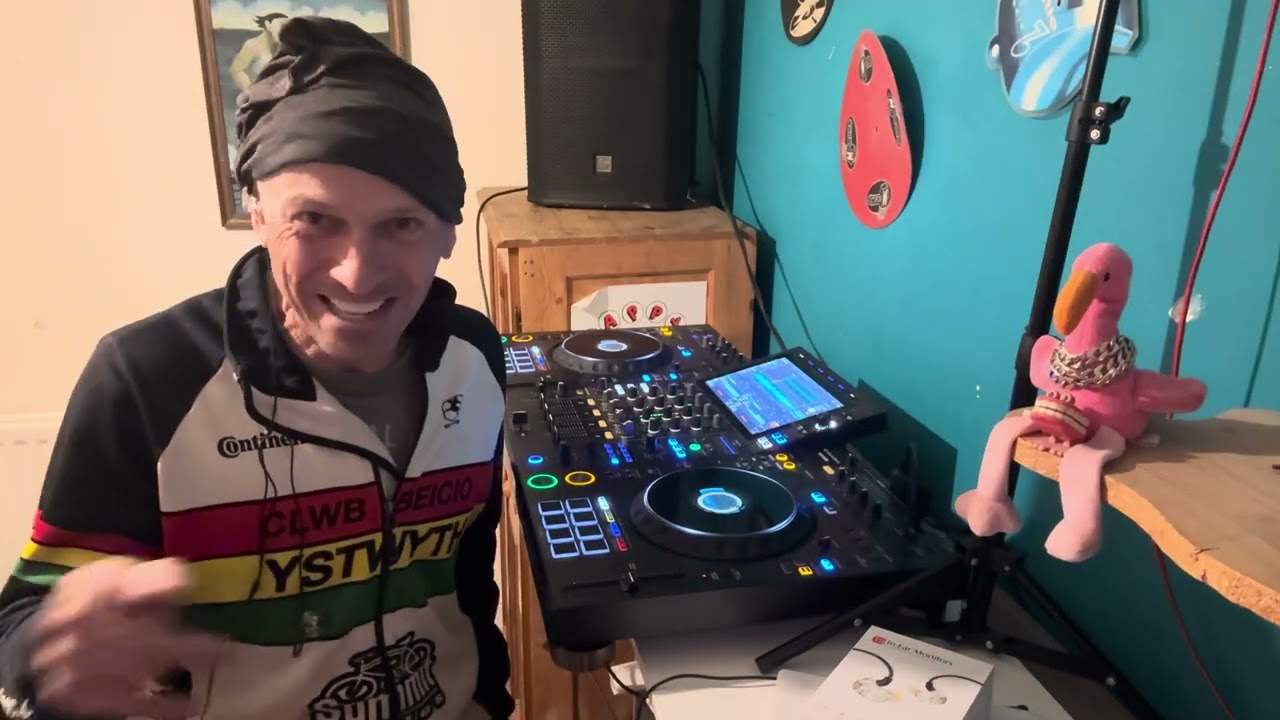
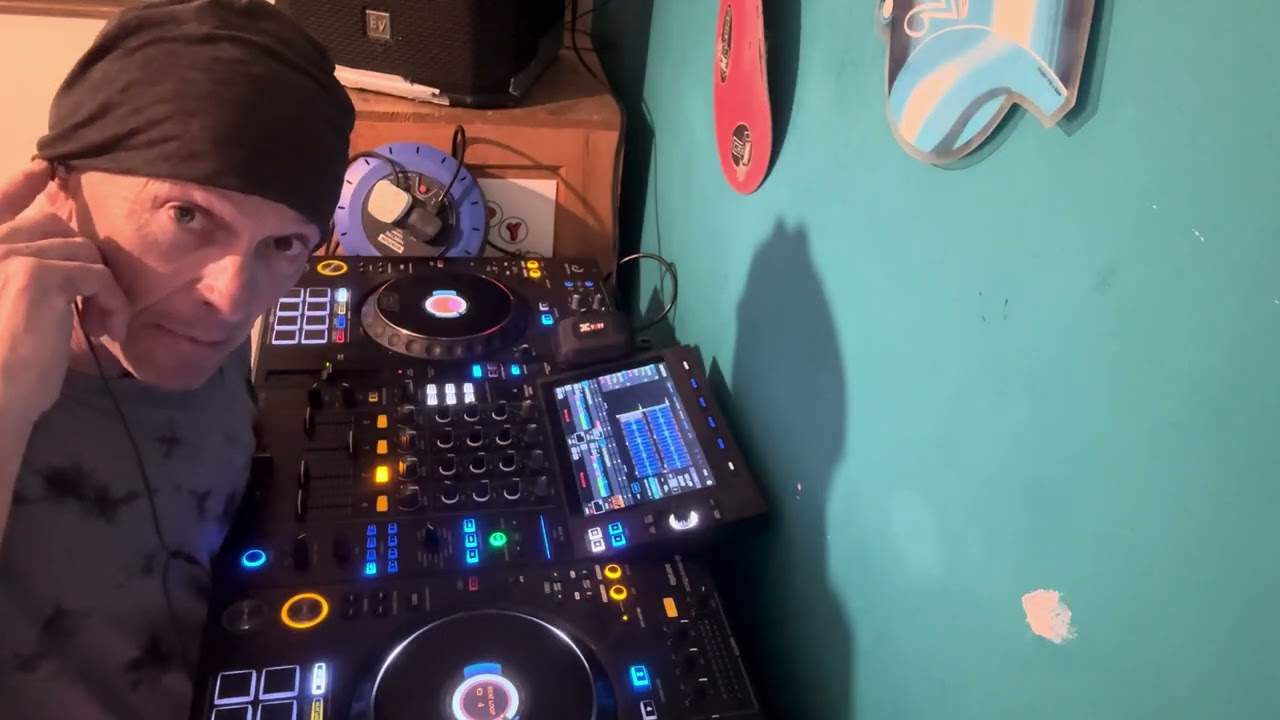
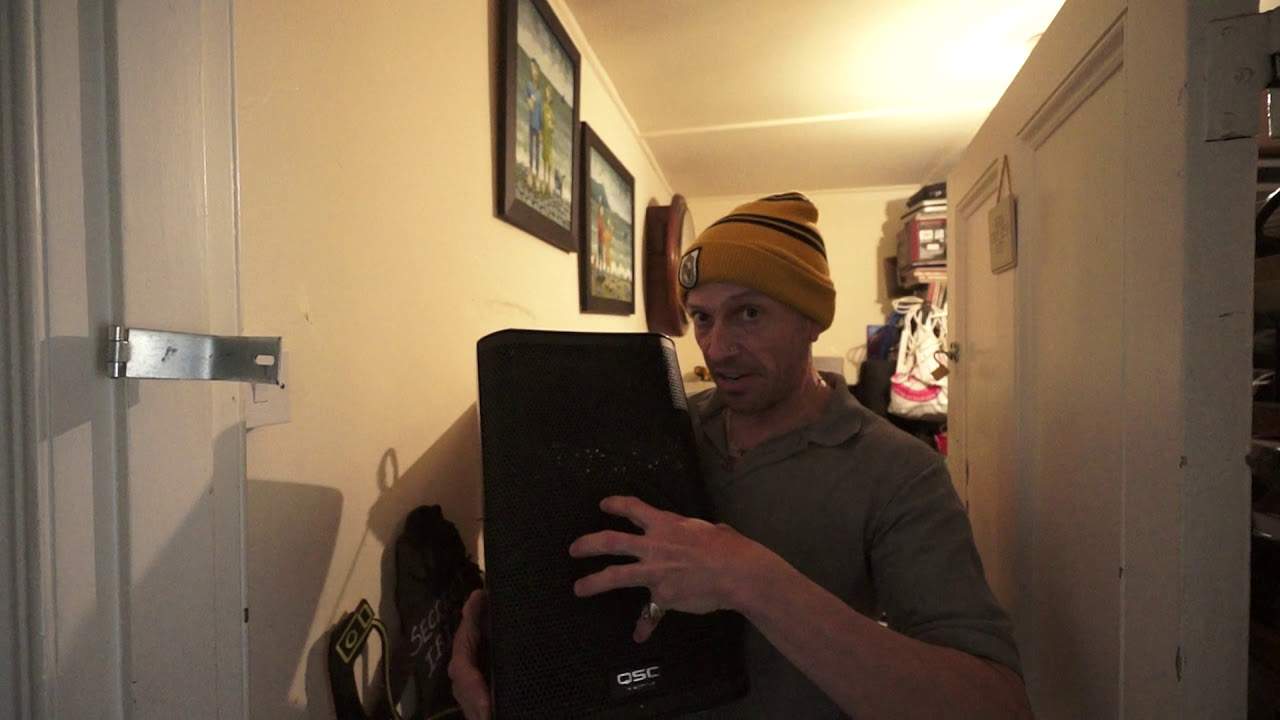
Right, maybe you've been looking at some of my latest pictures on Instagram, Facebook or watching on YouTube, some gig logs etc. Now you may have noticed I've been using some small monitor speakers for my main PA. Now I've been using the QSE-K8 which is an 8 inch speaker. It is! That's one of them. It's upside down at the moment simply because the top is angled slightly and where it's sitting is angled so the one cancels the other out so the top part there, which is the bottom, is actually flat. So why would I use an 8 inch speaker at a gig? A big gig up to about 150 people? Well, I'll be honest with you and Frank, I wouldn't because I'd be a friggin' idiot to take two 8 inch speakers to a gig for 100 plus people. You'd be an absolute numpty!
Then again if it was an old age pensioners dinner dance and all they wanted to listen to was Tchaikovsky, Beethoven and the occasional little waltz then they'd be adequate. They'd actually be too much. But this is a gig where they want to listen to classics and a bit of drum and bass. So why take such small speakers? Well, it's because I'm taking bass cabs as well. There's your answer. Now I've been taking the Cardioil subs from QSE which are the twin 12 subs. It's sort of like a push-pull. The idea with Cardioil is so most of the bass goes forward and you don't get inundated with bass behind you. So right, now a lot of you will probably know this anyway but some of you may not. So the ones who know about sound and crossover frequencies then turn off and go to the toilet or maybe make yourself a cup of coffee, sit outside and look at the birds going by.
2:12 Bass and mid and high frequencies with a tiny little bit of mid
On the other hand if you don't then I will explain. Now let's imagine you have got an 8 inch driver like this. This is an 8 inch and it's got a small speaker as well and it's bloody heavy. So small speaker, big one. Bass and mid and high frequencies with a tiny little bit of mid. But on the back we have 1000 watt digital amplifier and it's a rather big beast even though it's quite small. Now I have said in the past many times instead of you spending a fortune on tiny little monitors in your room only to find that when someone wants to book you for a party you take your monitors even to a house party with 20 people. Seriously! Your small monitors, near field they are not going to be good enough. You may think they are but as soon as you start turning the bass up you are going to lose the fidelity.
And all of a sudden you are going to think why did I invest 300 or 400 quid in these when you could have actually spent a little bit more and got something like that that will do two jobs. One they will be great for near field and monitoring for your mix in your bedroom or your house. Alternatively you go to a small party and you can use those quite adequately. And you can use those quite adequately in a room with about 20 or so people. But when you start getting to bigger events that's when you do need some added oomph, some subs, some bass cabs. 12, 15 or 18. 21 or 24 if you are stupid but you have got to carry them in. So why use bass cabs? Right so Lola! So let me explain. When you put the full spectrum of sound.
3:50 Subs were, bass taking, gigs
Lola! Through a speaker like that down there. That speaker has got to give everything. It's got to give not only the highs, the mids, the lows but the sub bass as well. So the more bass it pushes out the less fidelity you are going to get quality of sound the louder it goes. On the other hand if you then reduce a lot of those bass sounds take away for the technical ones out there anything below 100 hertz. And that speaker now is going to be working more efficiently. So it's going to be concentrating more on the mids and the highs which leaves the lower end 100 hertz and below down to about 30 odd, 35 and below that it's pointless anyway because you are just wasting energy. But what that means is that the sub speakers will be able to take away a lot of pressure that that speaker is having to cope with.
So the bass is taking over the bass. And that is taking over the mid and the high. Now that's why I have been using them at gigs. Because these have ended up being just mid and top cabs. And they have worked very well. Also I'm not breaking my back and I'm wheeling in a couple of bass cabs as well. So if you check my last gig log and you look at the setup you would have seen those cabs, two of them. And also the twin 12 inch subs. And for the past half a dozen or so gigs where I've used this system even New Year's Eve just gone. I never even had to turn it up because the subs were taking up so much, no I'll start again. The subs were so efficient I didn't need to turn the mid tops up because the quality and clarity of sound just kicked absolute A double S.
A55 in other words. So read into it, research and look up. That's all I can say but that's why I've been taking those with me to gigs. I hope that's a help. Practice and enjoy. Thank you very much.
This transcript was produced automatically from the audio of the video and may contain mistakes.