 9:59
How to plug in your bedroom/pa/disco system
Contents of the video
0:00 It could be an MP3 player, CD player, DAC player, it doesn't matt
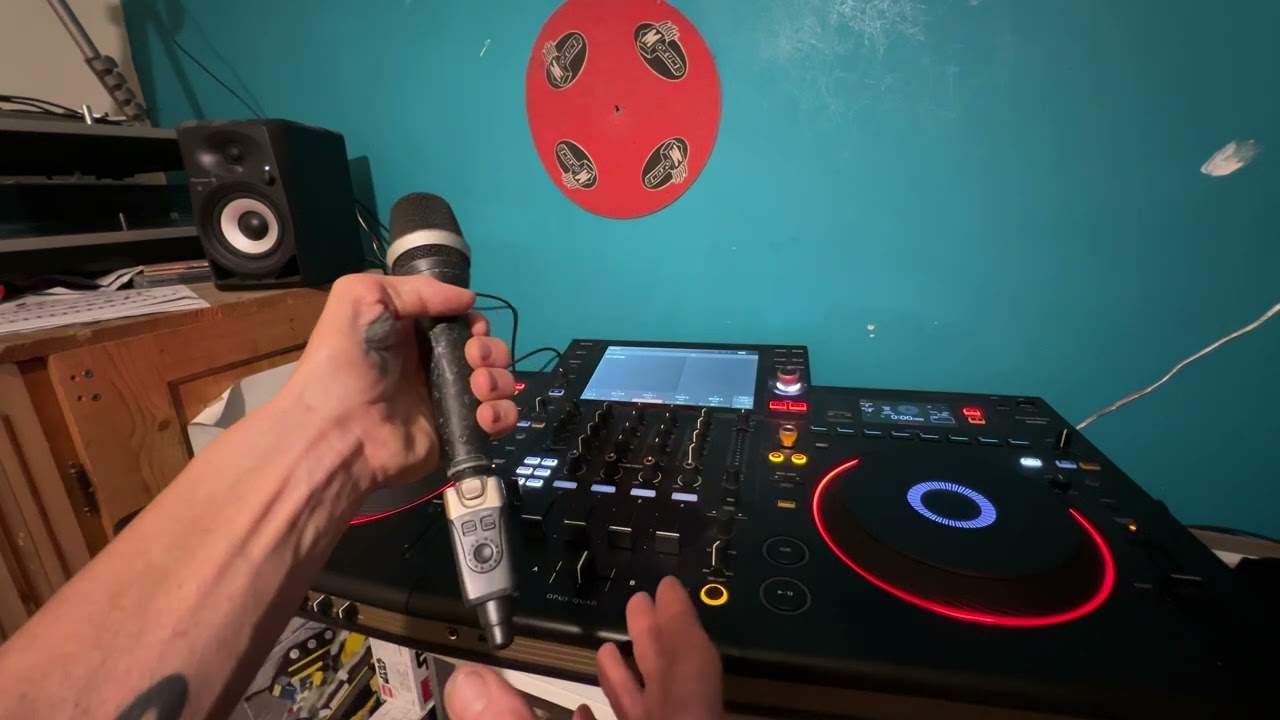
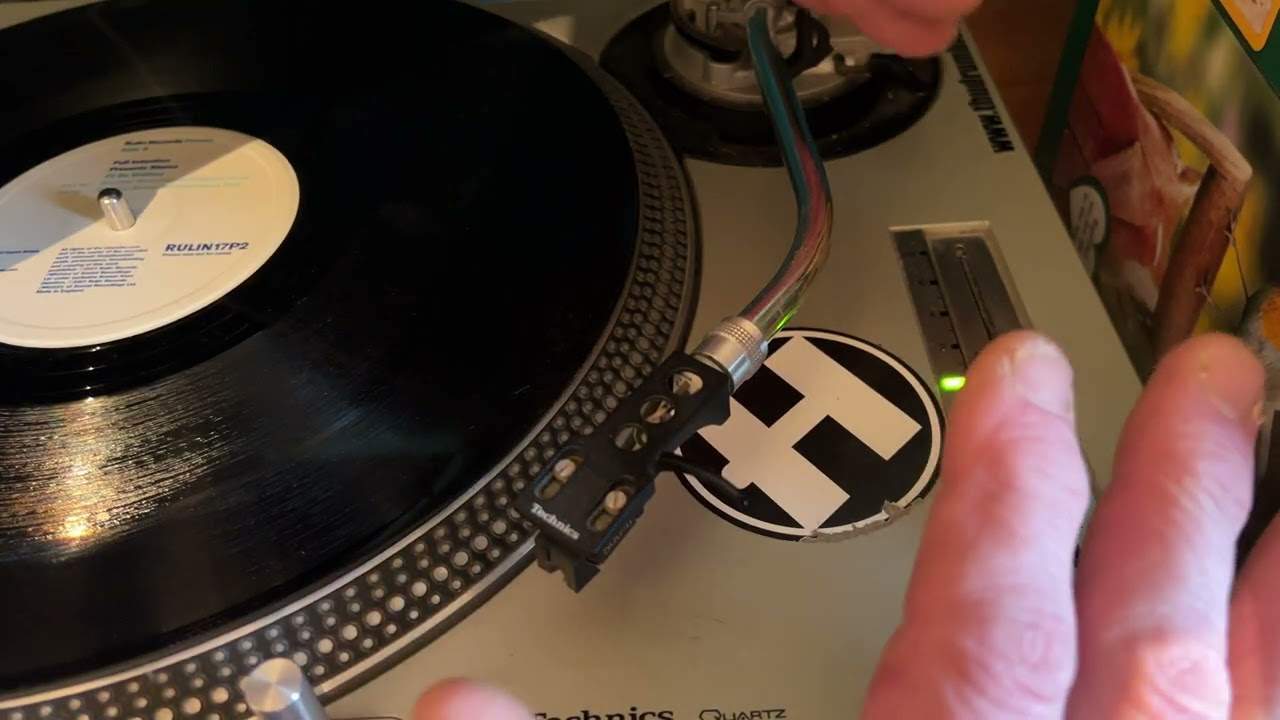
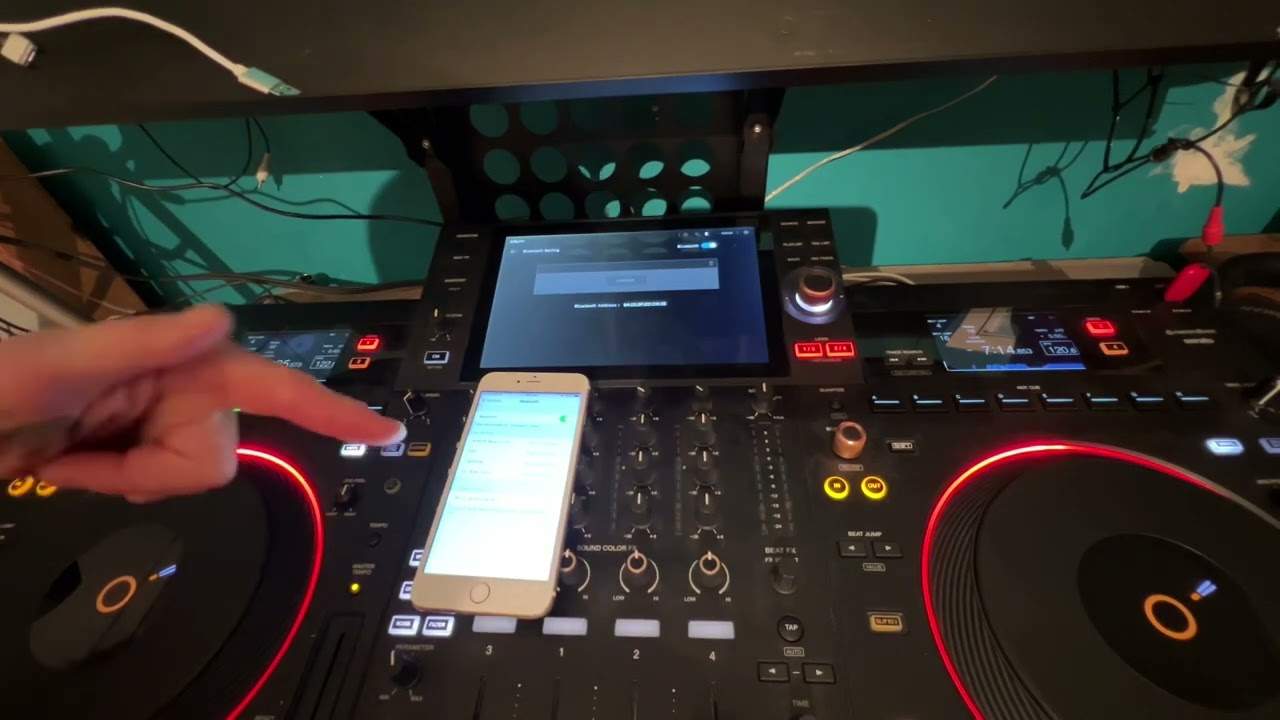
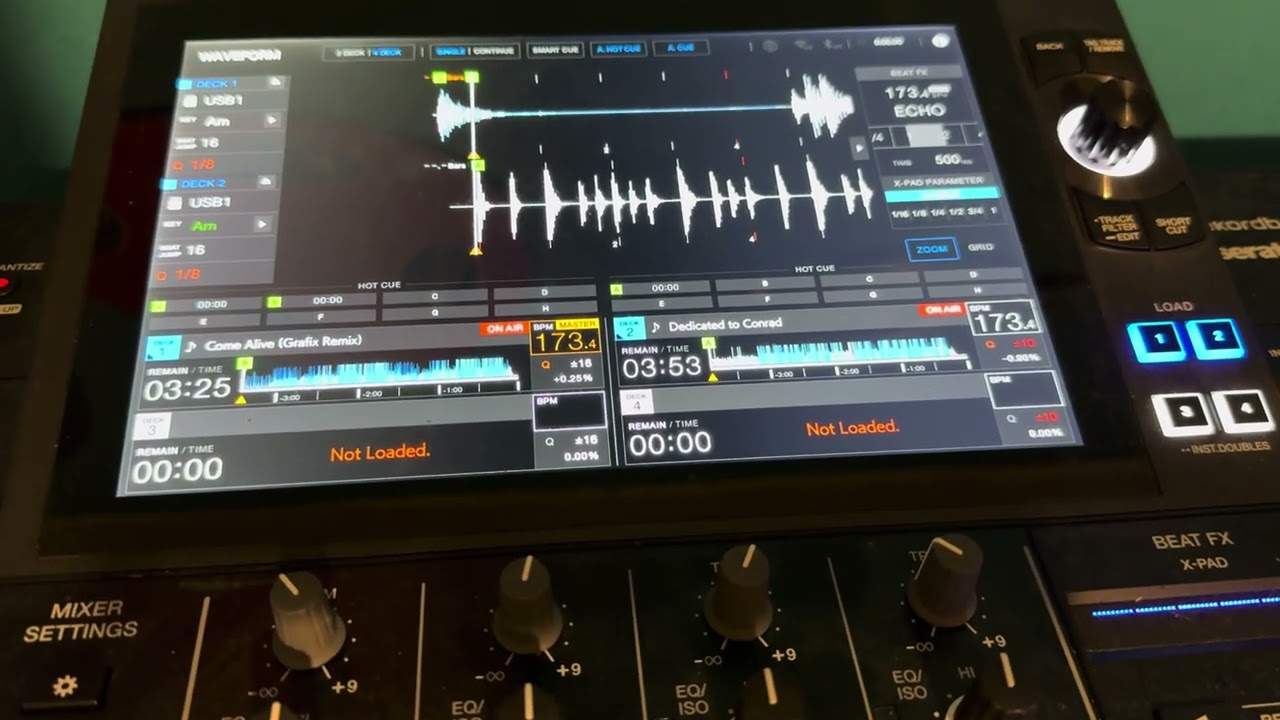
Alright folks, in this video what we're going to do is sort out how to plug things in, where things go. In other words, if you just have a load of new kit and you want to know how to plug it in, this is the place to be. Now what we're going to do is we're looking in general at how to plug stuff in. Some people may have a hi-fi system, some people may have a disco system, some people may have a huge PA, but the principles are exactly the same. This, now we're going to have a turntable, but the turntable doesn't have to be a deck. It could be an MP3 player, CD player, DAC player, it doesn't matter. We're just dealing with a music source, where the music comes from. That's what we're going to class this as today. There's your mixer. That is the piece of kit that will mix, blend, it will put together all of the elements. So in other words, if you've got two of those, if you've got three DAC players, if you've got a CD player, whatever, that is almost the nucleus.
Almost, the way of describing the mixer is a bit like the reception of a hotel. If you haven't got a reception, believe me, you'll have the waiters running about and probably arguing with the chefs continually, and no one will know what the hell's going on. Right, so the first thing you have to think of is how do you plug your source into the back of the mixer? Quite often what you'll have is these guys, 99 out of 100, you'll have these guys. These are called phono leads. These phono leads, or these, sorry, yeah, these... The particular phono leads will go into the back of the mixer here. Now then, very, very important, okay? When you start putting these into the back of the mixer, and by the way, very quickly as well, the reason they're different colours is so you can distinguish between left and right, which brings me on to this very important factor. If you are going to put the one colour in the top and the other colour in the bottom, in other words, if I'm going to put the red in the top and the white in the bottom...
2:47 Here you've got this little dial
I need to follow that through with every single item I put in that mixer. There is no good putting, say, a turntable red and then white, and then your other turntable white at the top, red at the bottom. You must follow that through. Same with your CD players, your MP3 players. It makes life easy and also you will always get a proper stereo sound and everything will sound correct. You'll always have the sounds that always are supposed to be on the right-hand side on the right. Like a DAC player, CD player it will go into line and then logically you'll flick it over to your line input. So that is basically the principle on how and why and where you put your source into the back of the mixer. Here you've got this little dial. You've got a tiny little screw there. Now that is your earth cable.
With 99% of turntables, it's vitally important you plug your earth cable in. If you're having buzzing problems, it could be because you've got an earth problem. Check the earth, okay? I haven't got an earth cable on this turntable. It's very old. So what you would do is you touch the earth cable in there, unscrew it and put it in. Touch the metal, okay? I've seen many times people actually touch... Thank you for watching. The DJ Tutor offers a wide range of different types of amplifiers, and you can choose from a variety of options. If you have this guy here in the right side, then you must go into the back of your amplifier into the right side. Don't swap them over because it just causes problems and it's... well, it just causes problems basically. Also with this one, you have these guys here. These are XLR cable. They're balanced XLR. In other words, there's three plugs, right and left, and then there's the earth plug. They will go into the back of what's known as a power amplifier which you can see there.
4:57 Back of the mixer and I
If I just go a bit closer, if you look there, I can plug that into there, like so, and then I can go to the back of the mixer and I can plug, sorry, I can plug that into there. Also, there is another way of actually plugging in, and that is with most, I would say with most basic amplifiers, disco amplifiers, you have these things. These are called jack inputs. And what these will do is these can go into these plugs here, like so. I'll just take this one out. And then on the other side in the back of your mixer you have more phono leads. Now again, maybe it's difficult to see on the internet but this one is coloured red, there's red stripes and black stripes. So the black one here would be the same as the white.
The red will always be the same as the red, so I'd have those into back of the mixer. Now then again, quite often with the back of a normal mixer, you've got quite a lot of outputs. Here you can see outputs. You can see unbalanced and booth. The booth output is basically for your monitors, OK? Those are the little tiny speakers you'd have either side of you. So you can monitor your own sound and then the unbalanced is the sort of thing you'd have into a big power amp and that would be the system that would make the sound for the punters dancing etc. So from the amplifier then, we need then to go into some sort of source. Now I've got this bit of a monster here. This is an Event 6000 if we go onto it there. It's an RCF Event 6000. That guy chucks out at least a kilowatt at 4 ohms.
7:49 These guys, once it's in there, they can't be pulled out
I will, in a future video, explain what Ohms means because it's something quite important to consider if you're buying a power amplifier and you're buying speakers to match. Quite often, you won't be pushing out as much power as you think you are and it's all to do with Ohm's law but we will explain that in a future video. OK so the other thing then is of course plugging from the amplifier The DJ Tutor offers a wide range of features and features that you can use to get the best out of your speakers. I've had when I used to use jack inputs, I'd have people just pull them out. These guys, once it's in there, they can't be pulled out. You've actually got to know what to do.
You pull that little thing, twist it and pull it out. Idiot proof. Right, the only thing I will say very briefly and that is this. If let's say you are plugging all this system in, try and keep what I call as continuity. To the left side of the amplifier, whichever that is, and I always make sure that the left side of the amplifier goes into the left speaker. And then likewise with the other side. Right, follow through, always follow through from the right side of there, going to the right side of the amplifier, and then into the right speaker. So if you stick to that principle, you can't go wrong. There is a bit more... Thanks for watching. Bye bye.
And I nearly forgot to say, practice and enjoy. Thank you.
This transcript was produced automatically from the audio of the video and may contain mistakes.