 6:32
Intermediate DJ Beat Matching Lesson BY Ellaskins the DJ Tutor
Contents of the video
0:00 First of all the demonstration then the explanation
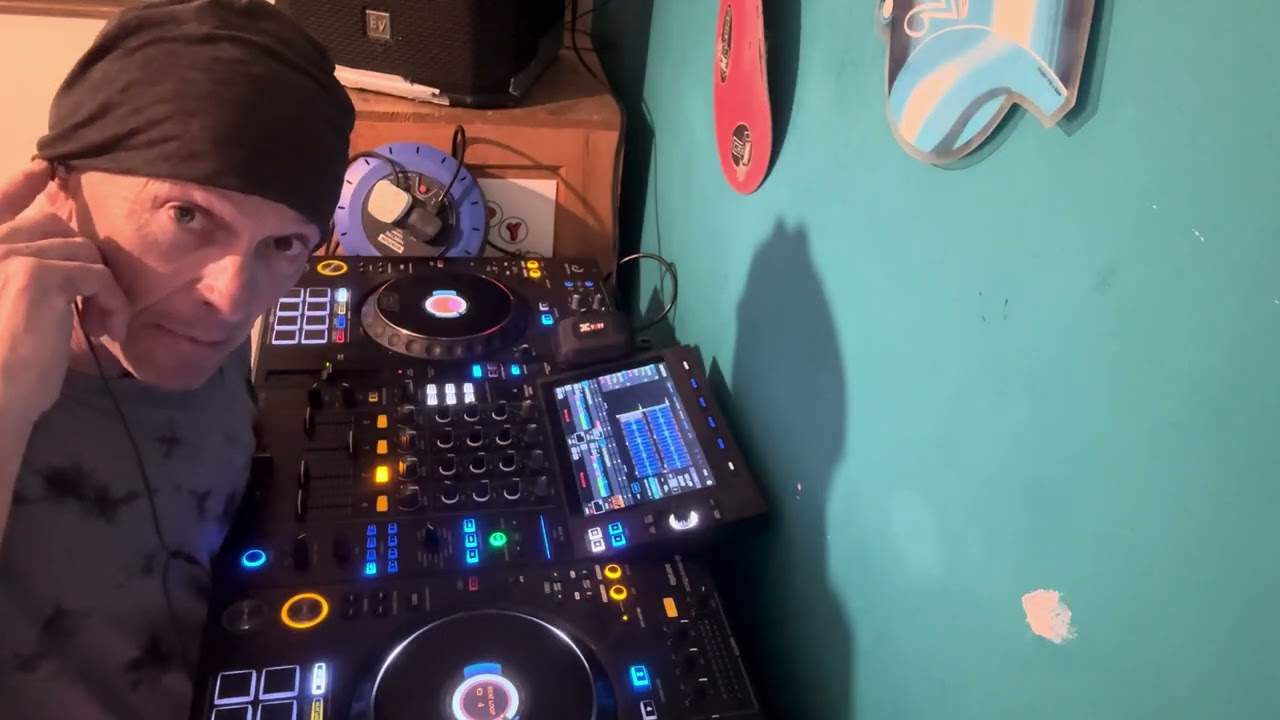
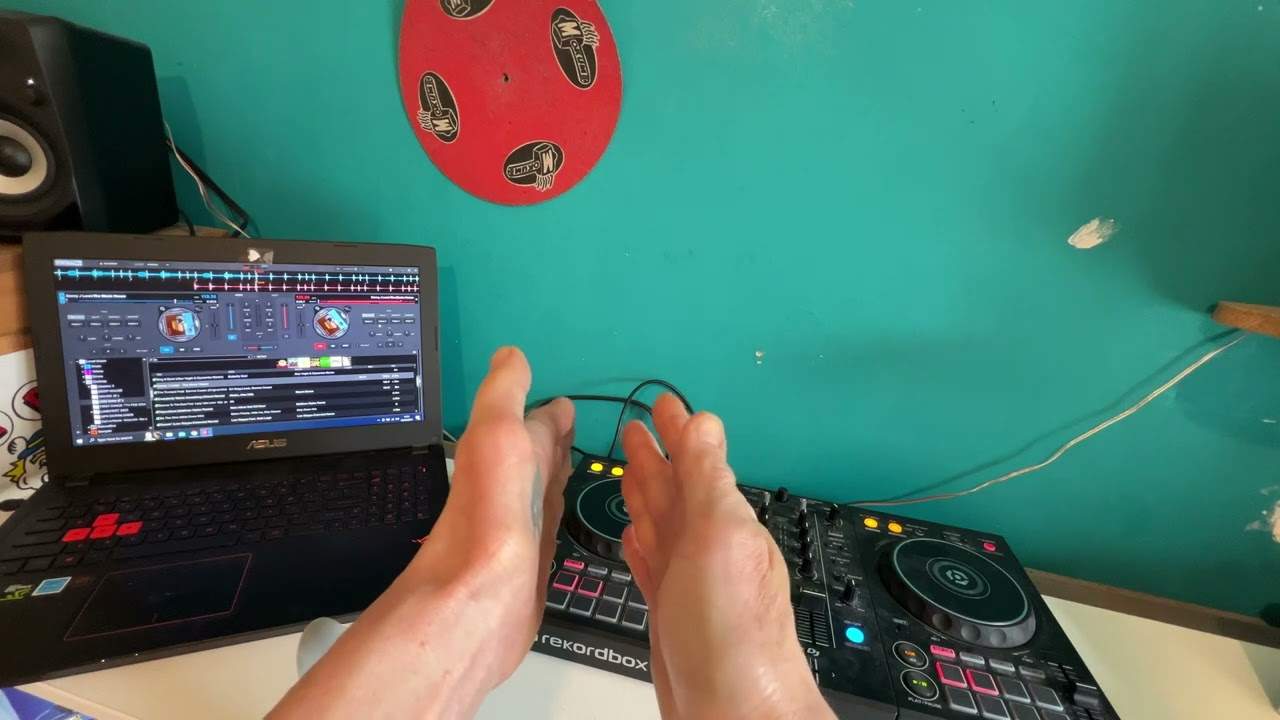
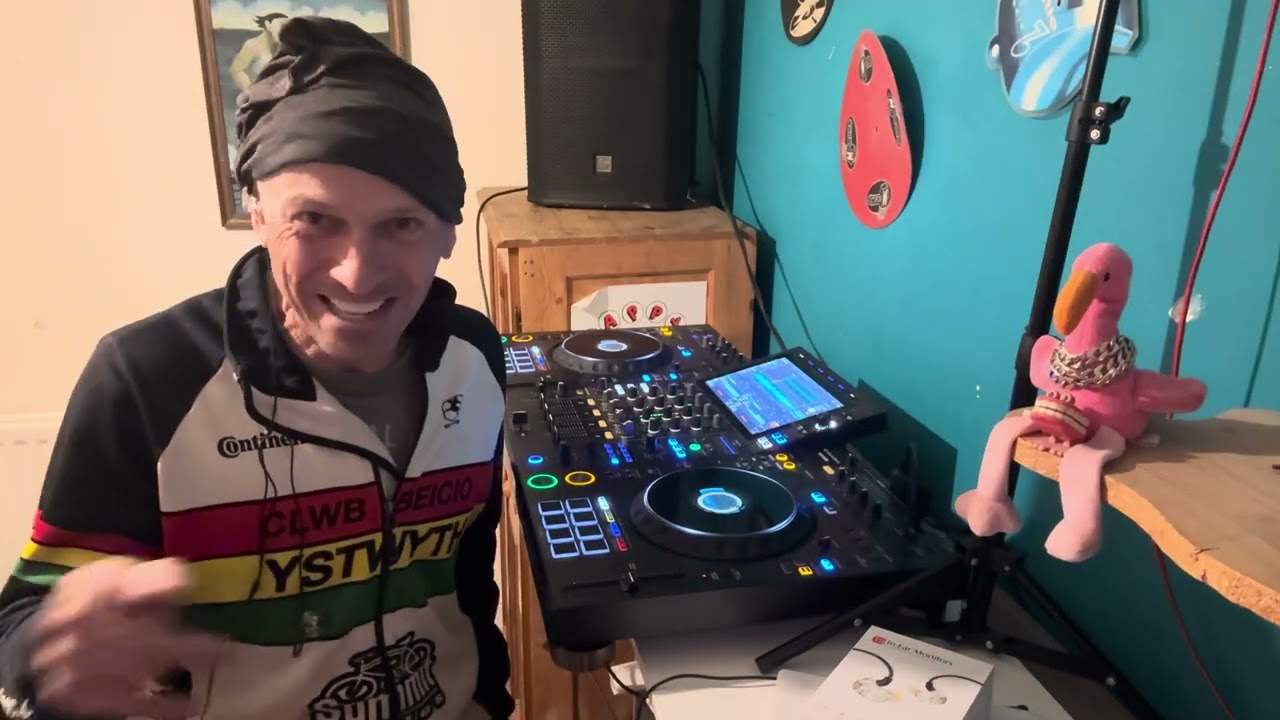
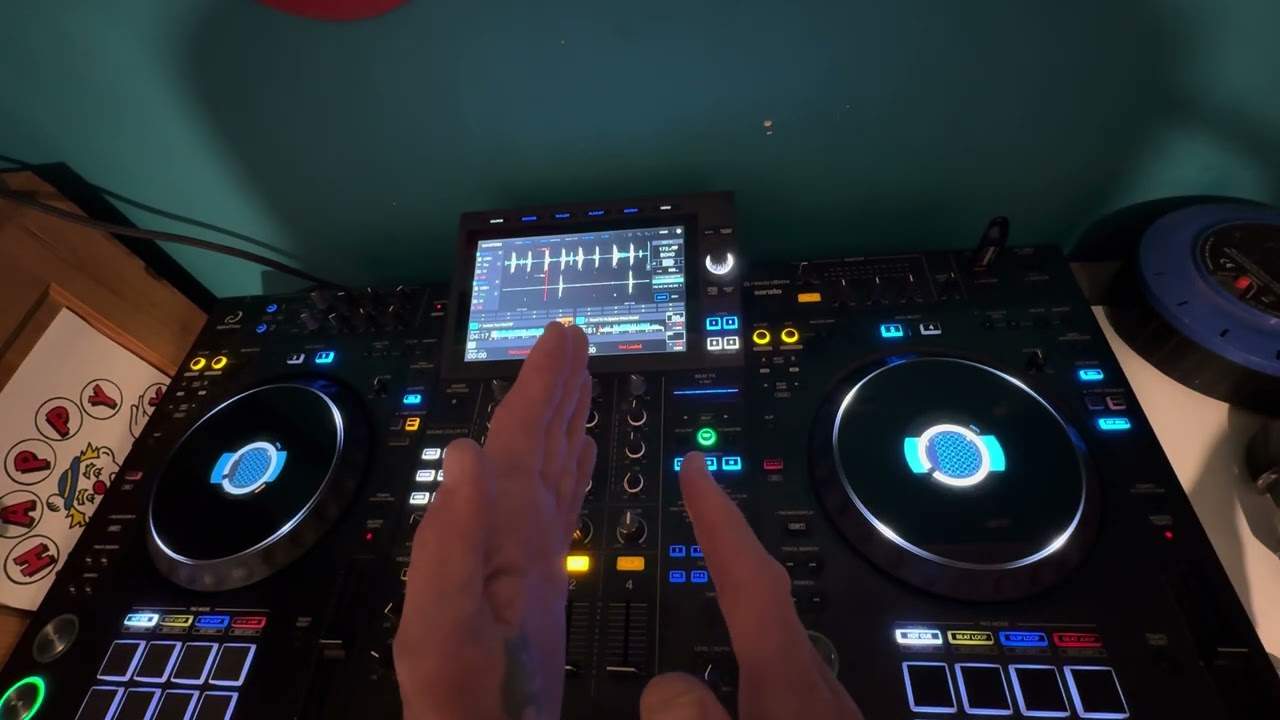
Alright guys, first of all the demonstration then the explanation. The tune I'm using is by Diamond Skin Sneaks, a track entitled Pretty in Blank. There'll be information on this track and of course Diamond Skin Sneaks in the description. So let's go ahead and have a bit of a demo. By the way, this is a great way of learning how to beatmatch without the need for headphones. It's a good way of practicing.
1:52 You'll notice that I formed a loop
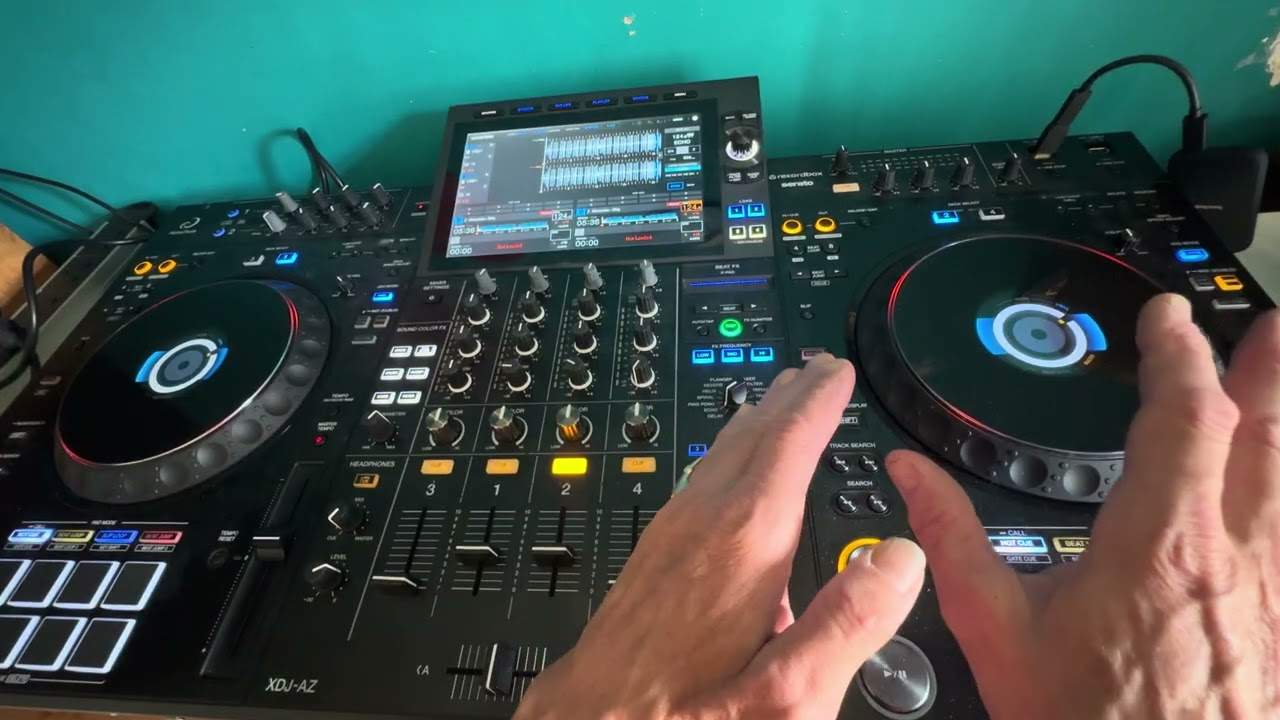
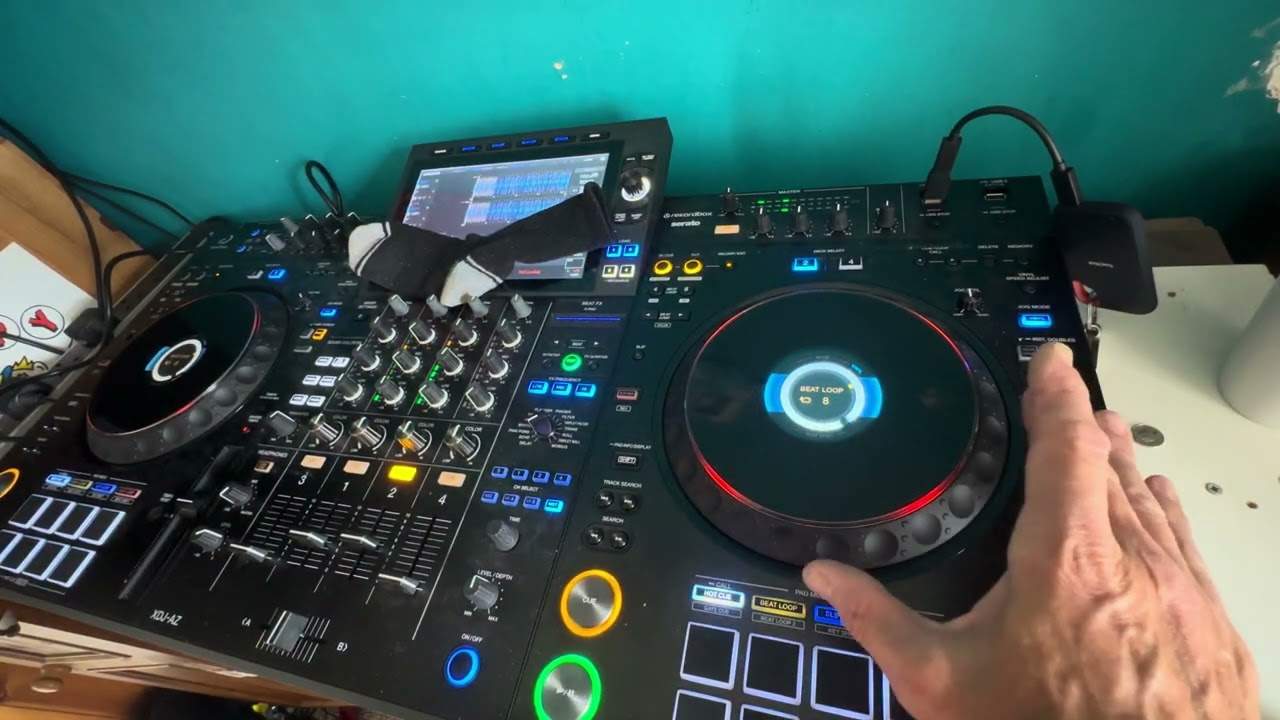
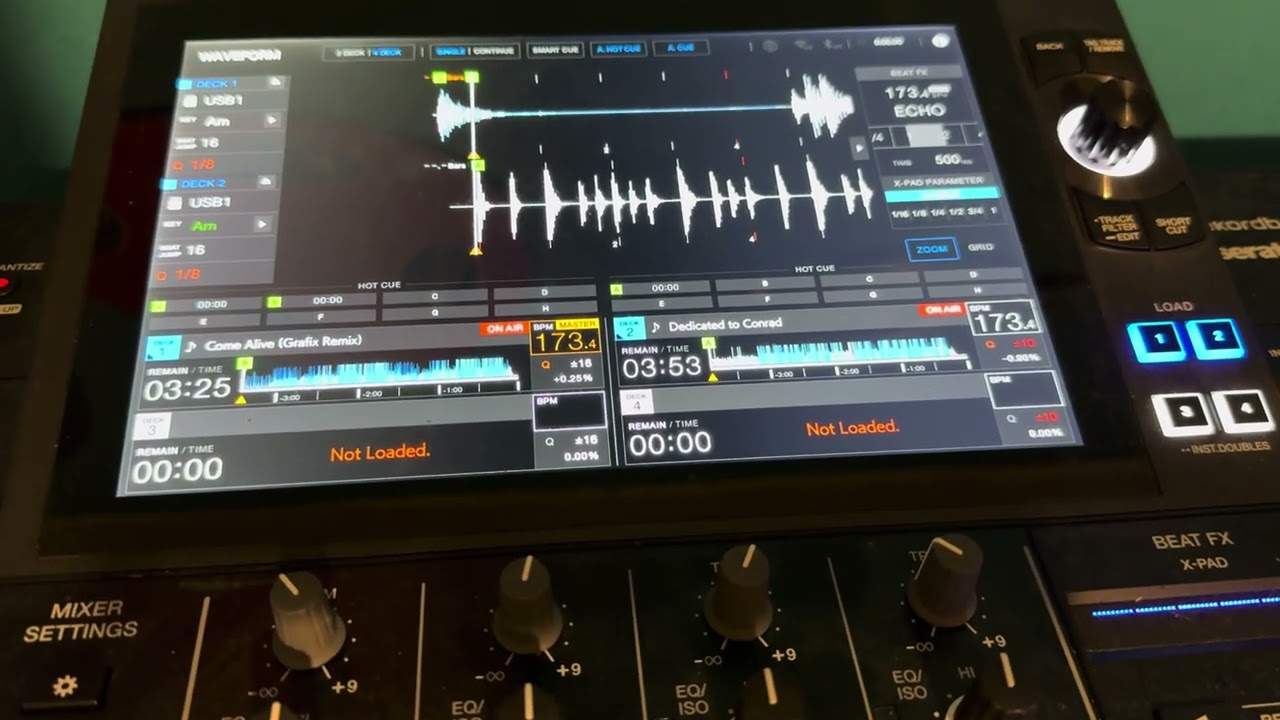
Okay, going off terribly there. So it's the big idea. Right now you'll notice that I formed a loop. The loop went completely off and it sounded terrible. I mixed the track back in and I tried to keep it in beat and slowly but surely over a period of time, I did not only that, but my moves on the pitch were pretty much identical all the time. Now why is that? Right. First of all, doing this, you need to use the same track. Secondly, on one of the sides, whether it be CDJ or controller, when you form a loop, you've got to try and make sure that the loop is slightly off. Now we could tell the loop was off because the two tracks started at the same time, same BPM, pitches were exactly in the same position. So, two tracks playing together, bit of phasing going on, form a loop on one of them,
Loops, we can hear that that loop is going out of time which is what we want. If the loop was staying in time it would mean of course that it's a perfect loop and it's in beats which defeats the object of this demonstration and of course you practicing. So by having the loop out of time around once means that it will be slightly off beat. The loop goes twice it will be slightly off beat. So what you have to do then on the other CDJ is keep it in time. Now, what you will find is because the loop is off very slightly but every time it loops it will always be off that very slight amount so for example and this is pure logic If the loop is off by one millisecond or two milliseconds every time it loops, it will always be out by one or two milliseconds every time it loops. So I don't know if you noticed over here, but my moves on the pitch pretty much got to the stage where they were identical. They were the same all the time. That's because I was having to speed up the track to try and keep it
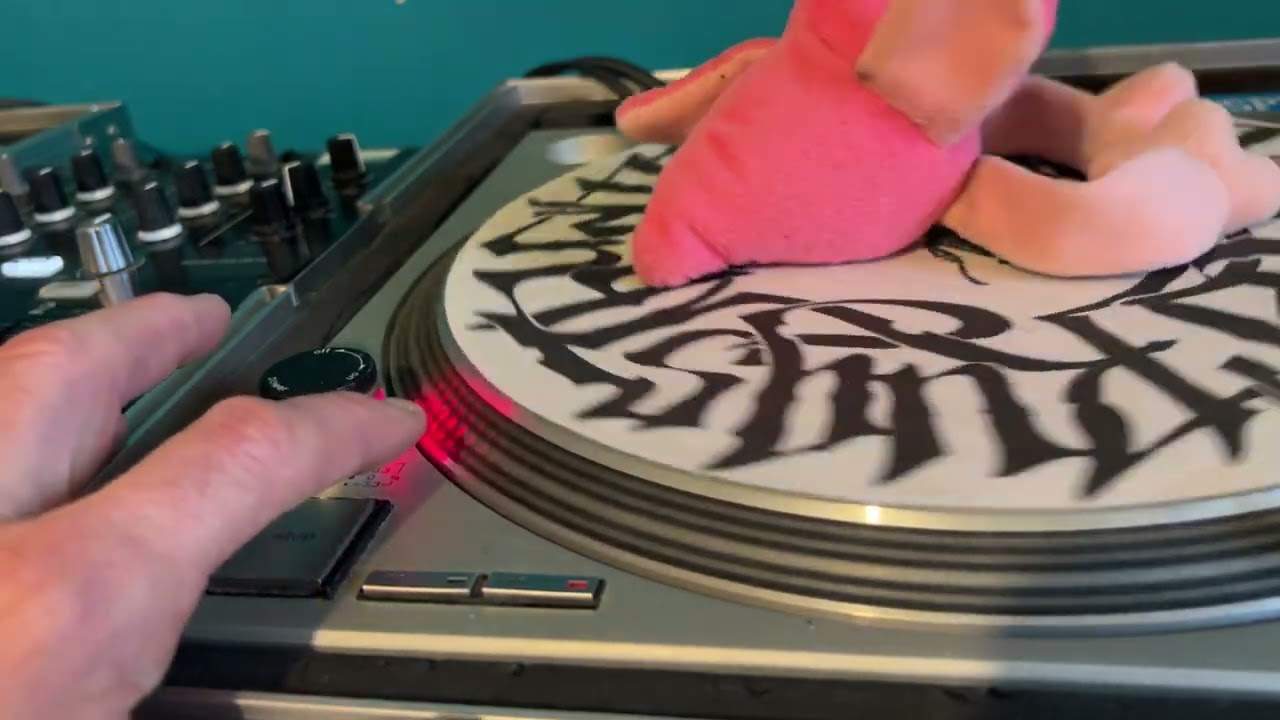
In beat all the time now it goes without saying that the loop isn't going to change because the machinery inside there the uh the electronics aren't gonna think oh we'll make the loop uh i don't know two bars and three milliseconds this time and the next time we'll do two bars and one millisecond and uh maybe the third time two bars and four milliseconds no it's always going to be two bars and two two bars and two two bars and two two bars and two and so on Which means that your moves are going to be the same every single time. So let's do that demonstration again. This time, let's have a concentrated look on the movements here. So let's go out of loop mode and let's start the two tracks again from the same point. Okay, there's our phasing sound. In, out. Can you hear that's off? Right, let's get it back. Phasing, that's what I'm listening for.
There's less difference in the loop. But I'm still moving the pitch, which means it's still out of time. So it's training your ears to keep it in time. Hope that's been a help. Once again, Diamond Skin Sneaks. Thank you very much. Pretty in black. Check out all the info in the description. Practice as I do and enjoy. Thank you very much.
This transcript was produced automatically from the audio of the video and may contain mistakes.