 10:49
Intermediate DJ Mixing Lesson on a Long Transition Muted Trax Tunes
Contents of the video
0:01 I'm going to do a nice long transition for you now
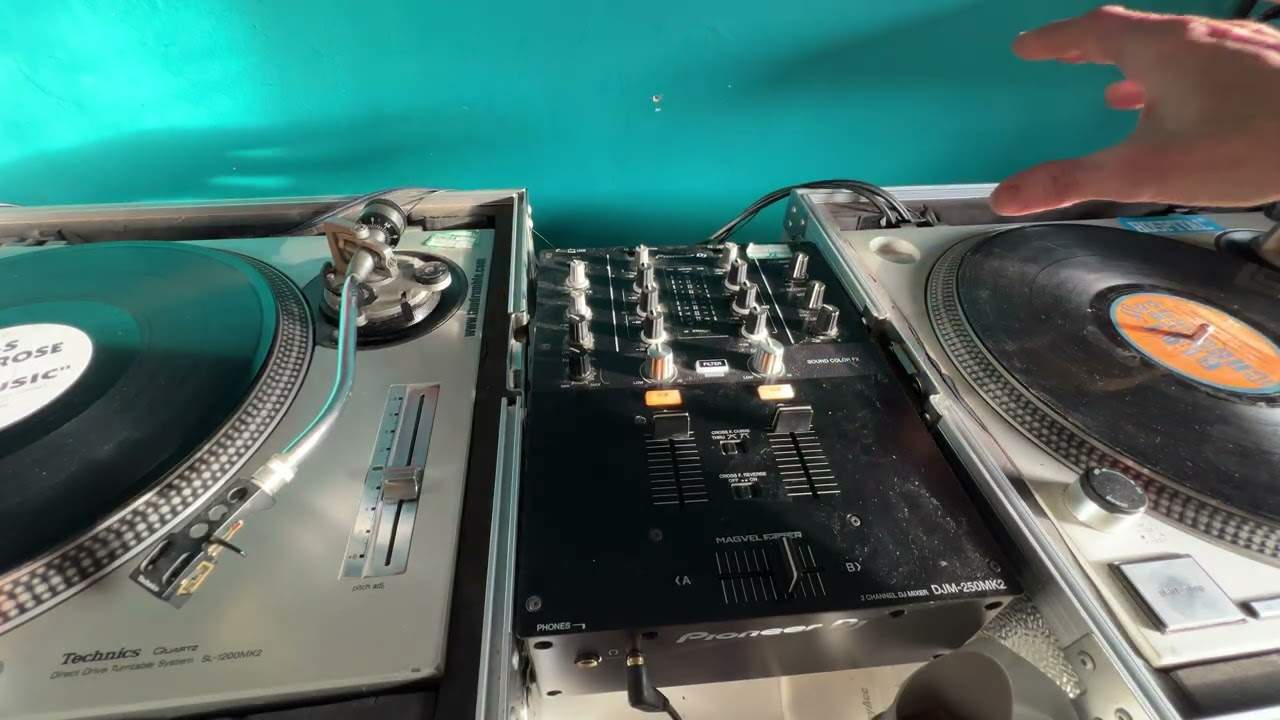
Alright guys, I'm going to do a nice long transition for you now. A bit of a demonstration as well. Track on the right I'm playing now is by Darren Harrison. The catalogue number is MTX057. This track is taken from 10 years of muted tracks. It's taken from the LP. It's entitled The Chant. It's Mikey Deep Tribal Mix. On the other side we have Mike Domenico featuring Kennedy. A track entitled Doing You. So the one on the right is a bit more vocally. It's got a lot more to it. It's the Mamas in the Kitchen and Deep and Sexy Vocal Definitive Remaster. Okay, so there will be information on the two tracks in the description along with the link. Two muted tracks. So what I'm going to do, we'll have a skip through the track and give you a nice idea. This one is quite tribal and deep. It's got a good bit of chugging bass in the background.
With that, you know, I can picture sort of a campfire in the middle of Africa with people just like running around, well, dancing around it. That's a really kind of ambient sort of tribal chanting which is fantastic. So I'm going to skip forward towards the end. Okay, we're at the last sort of couple of phrases now. And you always know when you're at the last couple of phrases. Guess why? Because we have the countdown and we're on 1 minute and 47 seconds of the track coming up to the last phrase or last couple of phrases. What I'm going to do now, I'm going to get the other track ready. Deep and Sexy Vocal ready. I'm going to wait for my next phrase and then start to bring the next track in. But everything is not as it seems.
So I'm just going to wait now for the next phrase and then slowly bring the next track in.
2:55 Mixer first of all
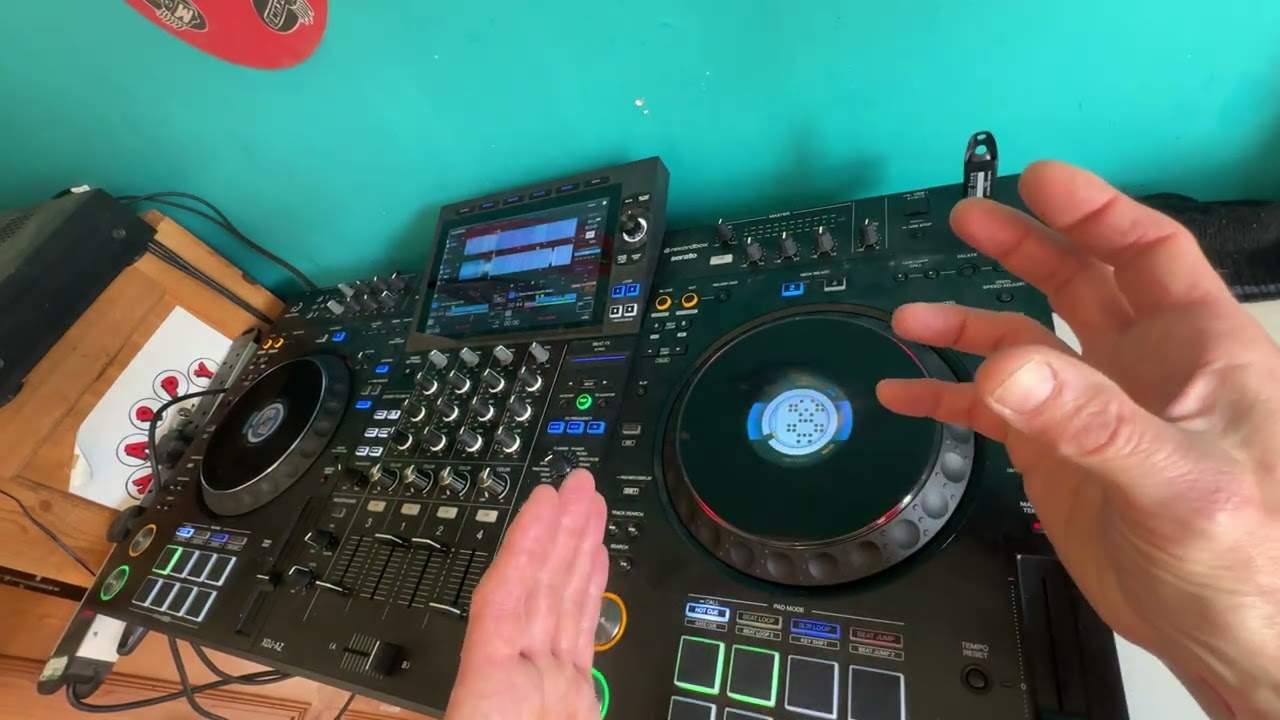
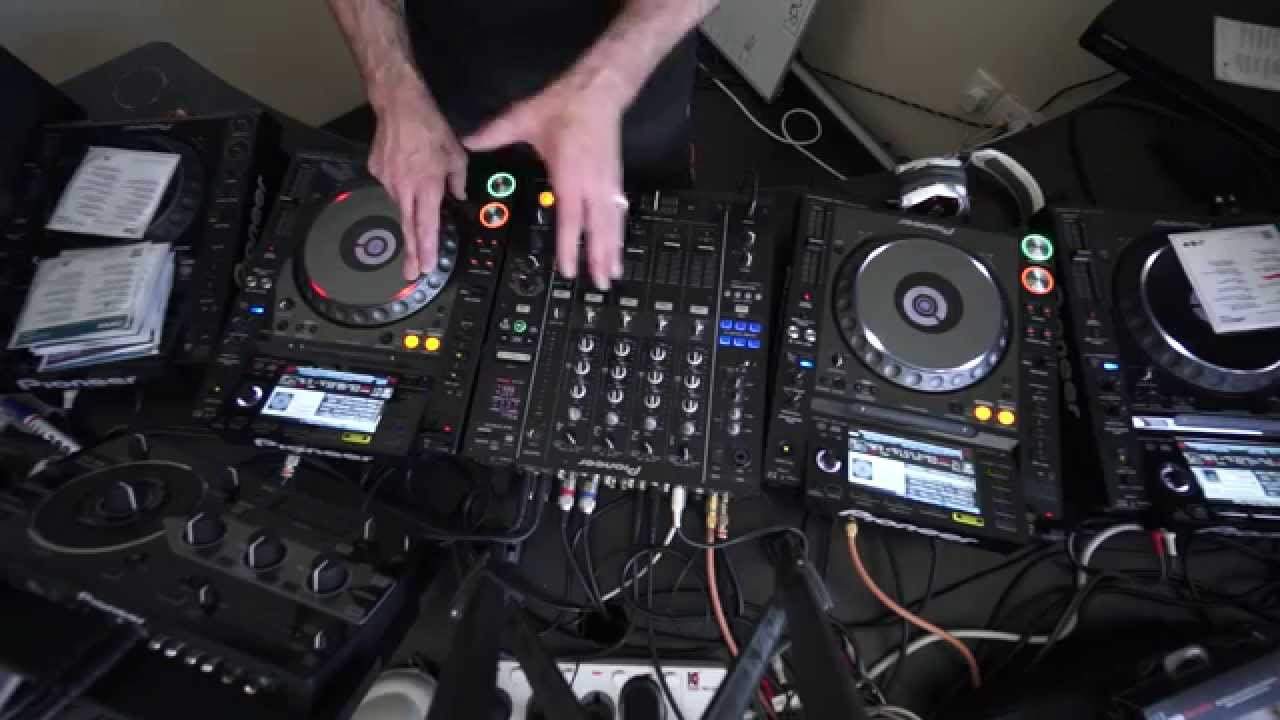
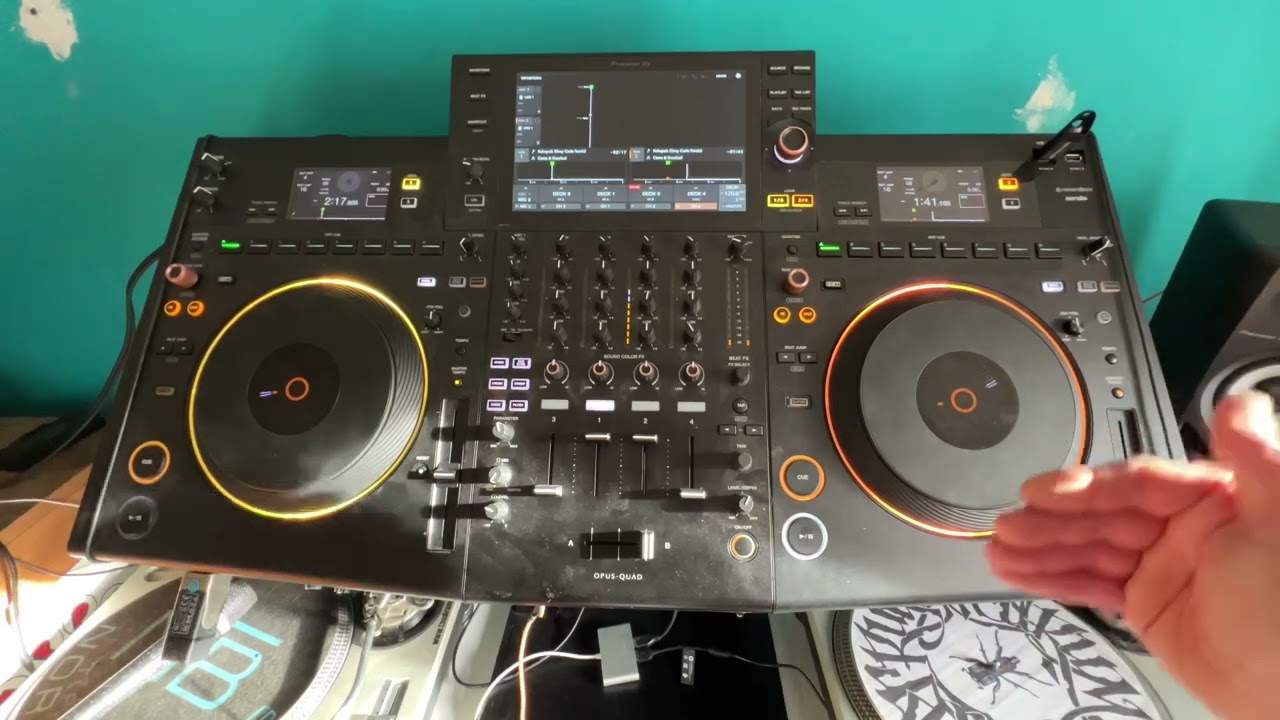
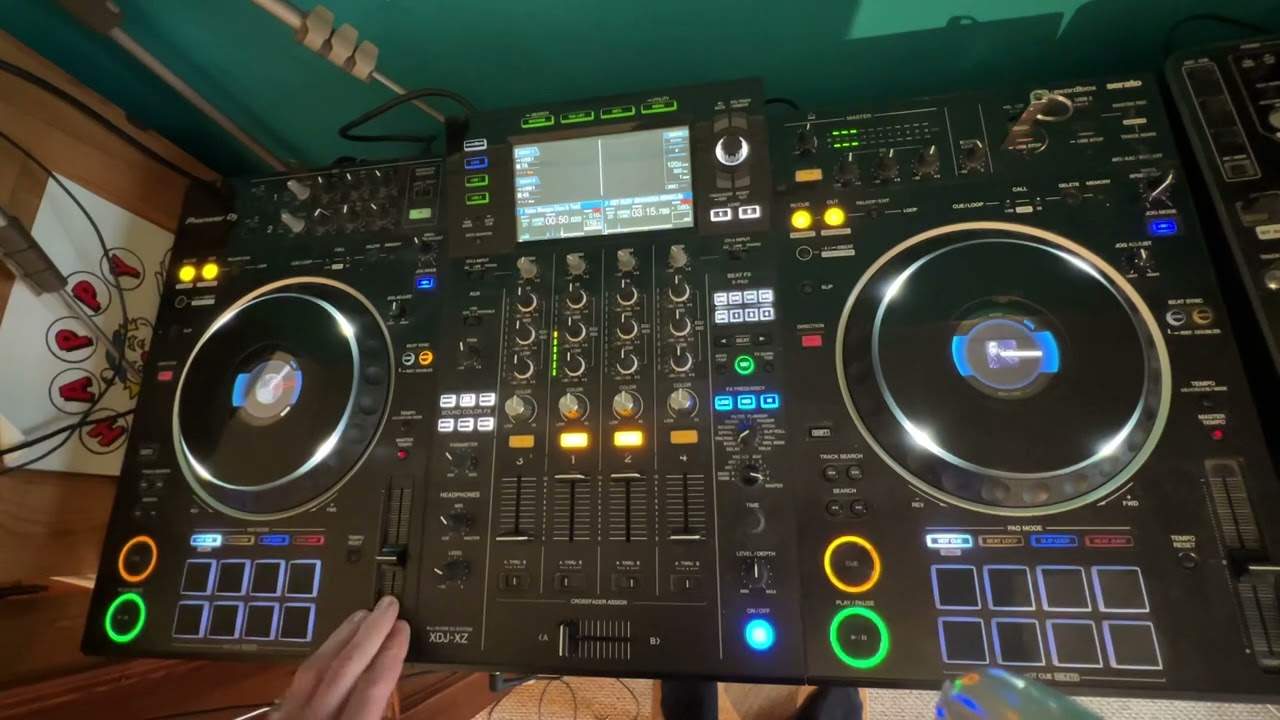
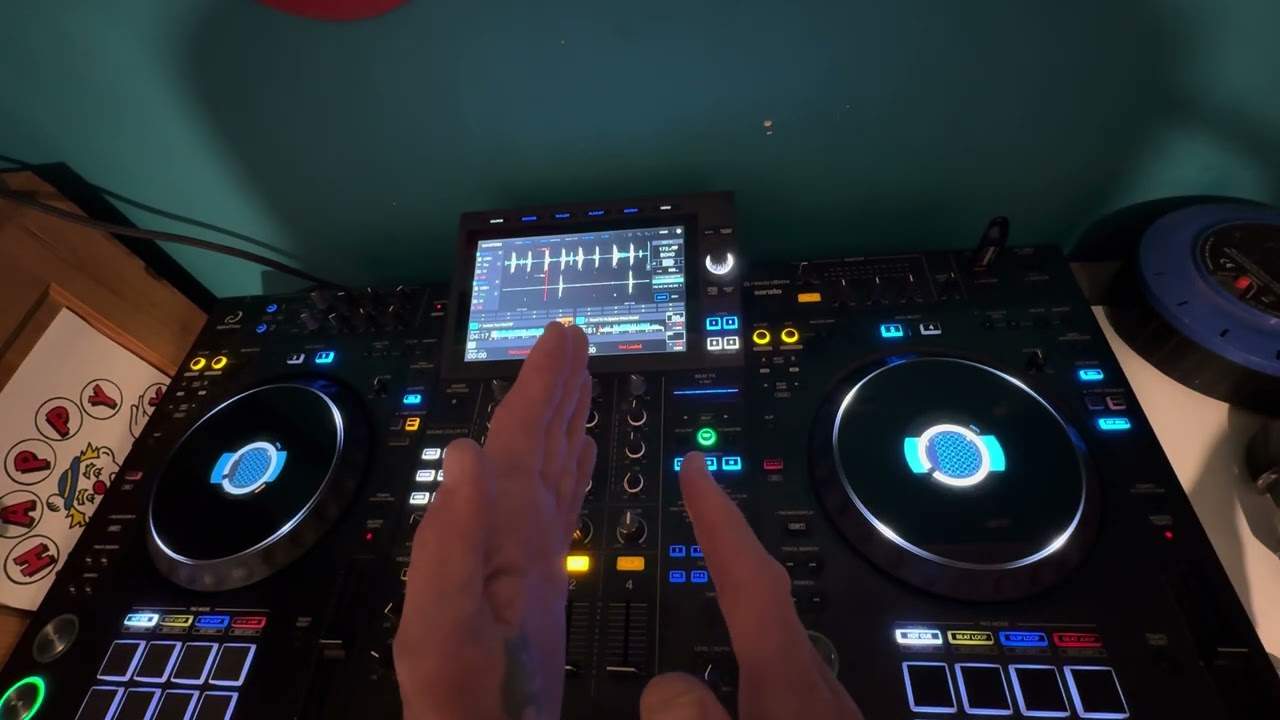
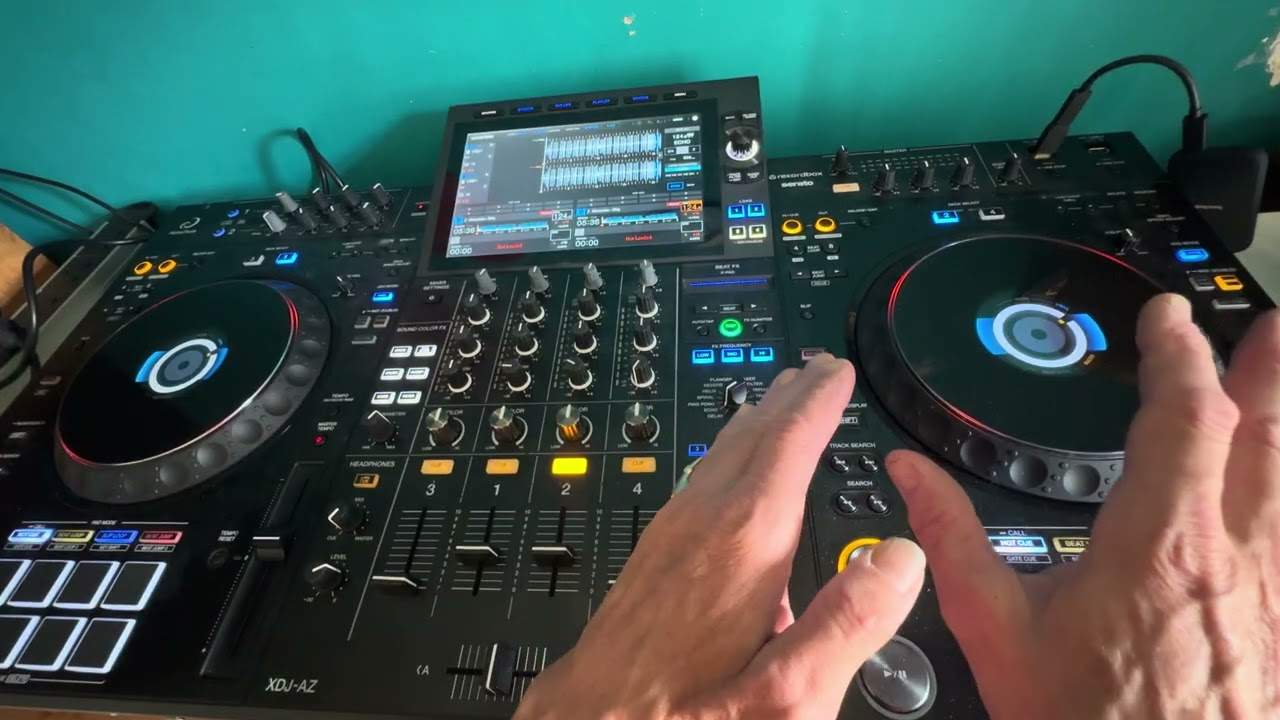
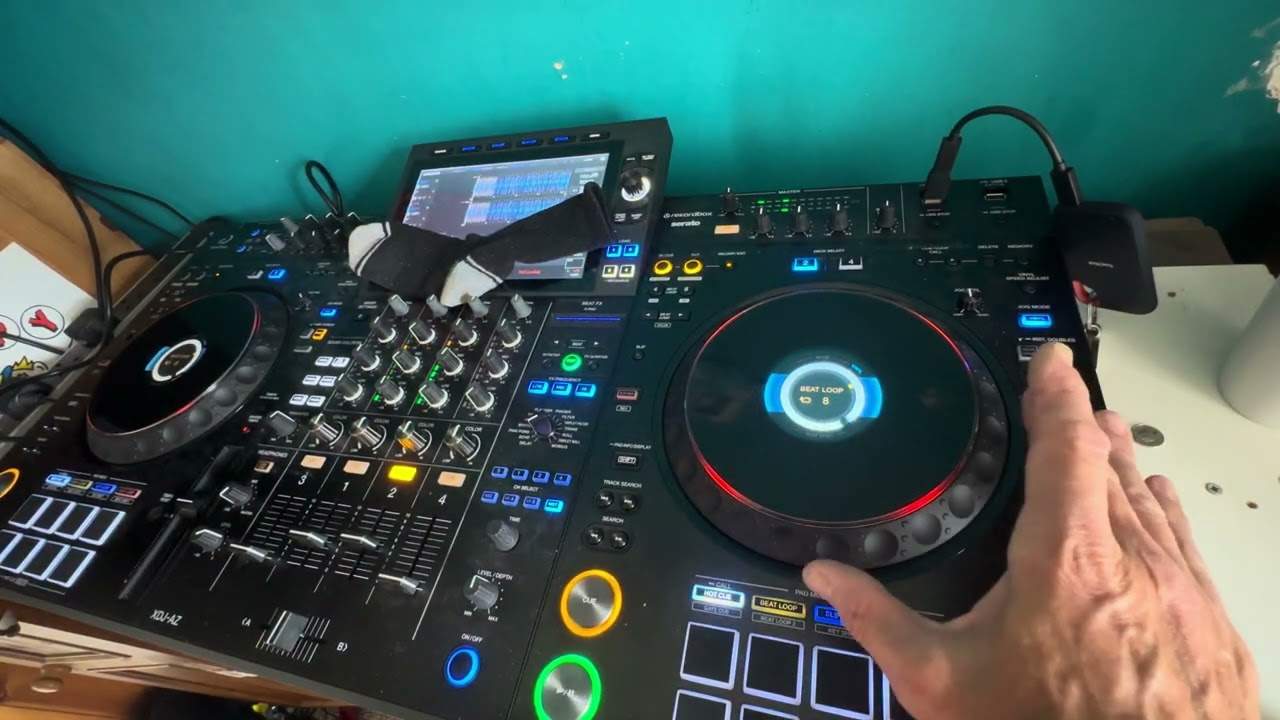
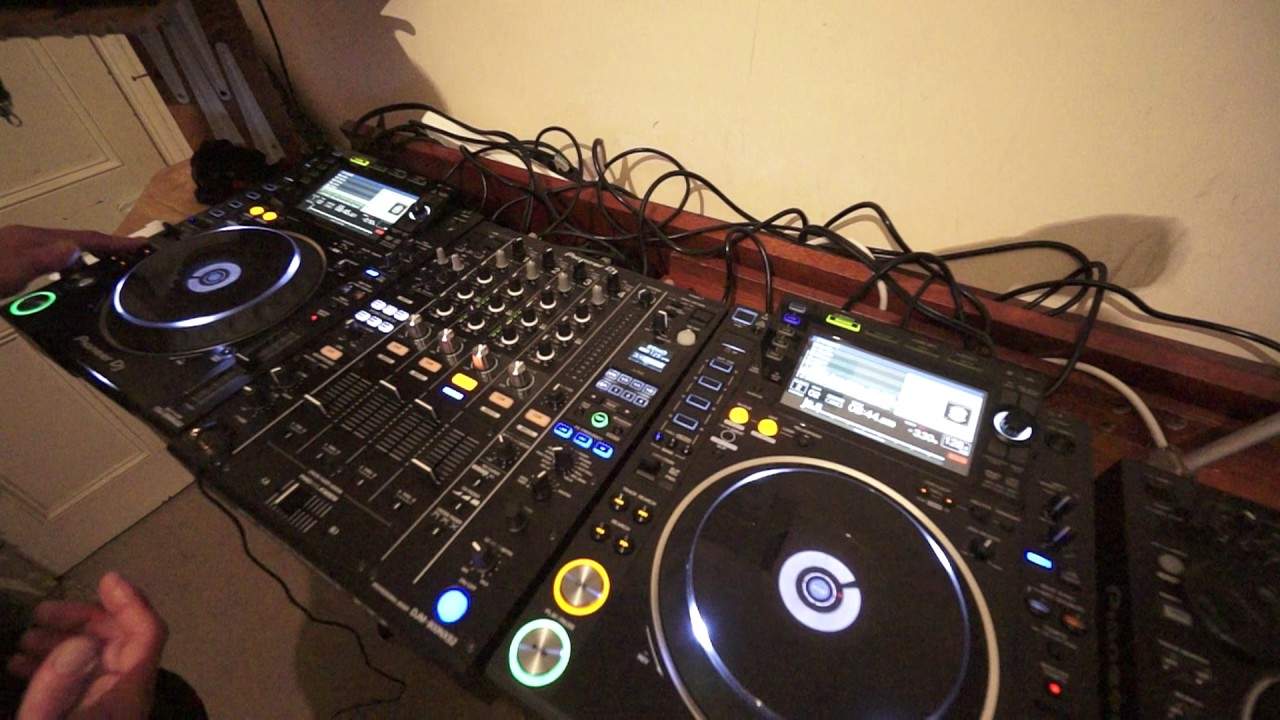
Okay, so the Mike Domenico track is coming in. Take the bass out on the left. Some people say I'm a poor child. I think that might be true. Okay, so we had the vocals come in, in time, in phrase and in key. But I could have made it easier. I could have made that a lot better. Now, let's have a look at the mixer first of all. I will explain for the partially sighted as well. Now you'll notice that the two channels on the mixer, the up faders, I'm using the centre, sorry, channel 3 for the right hand deck, channel 2 for the left hand deck. Now they weren't all the way up. They were sort of like teetering on the 6 to 7 mark on the up fader. Now, I'll be honest with you. You can agree or disagree. But, it's better to have the faders all the way to the top.
Now why? Well, if you have the faders floating around the middle position on your mixer and you have a very high volume output in a nightclub environment and you accidentally just push one up a little bit too far, then you could potentially increase the volume dramatically causing e-drums to explode. And people to die on the dance floor. It's not a good idea. So, what I recommend and a lot of other professional DJs will recommend is always have the volumes, the up faders as far as they can go. Now, a few people are probably thinking, yeah but that means it's really loud. Well, no it isn't because you're in charge of the trim. Now don't forget the trim on each channel is the master volume for that channel.
So, the trim is very important. Now if I turn the master volume down and press play on both of the tracks so track one on the left and track two on the right are starting again. Now, I'm going to zoom a little bit closer in to the LEDs. Turn the trims down and you can see now we have no LEDs flashing at all. So, what I'm going to do now is start to turn the LED on the right hand side and we can see that tapping quite nicely into zero, maybe three. I'm going to turn the trim up on the left hand side and exactly the same. Now that's tapping into the zero and the three. So, I know that they're around about the same kind of audio level because the LEDs are telling me that. The LEDs are flashing around about the same sort of level so they're both going to be the same output
As they leave that or those channels, should I say. Now what I'm going to do, I'm going to turn my master volume up. Alright, complete train wreck. Okay.
6:22 Long as you set the LEDs correctly
Pause one. There we go. So now I can adjust my volume according to how I want it by the master volume. Now setting up your mixer like this is no different than being at home or in a super nightclub with 20,000 watts of power. So long as you set the LEDs correctly. Now that means I can have the two volumes all the way to the top and I haven't got to worry about it. Now also if I zoom out a little bit. Now just because I've got the LED set, I've got the master volume set, alright, if I want to I'm just going to turn the master volume down so I can talk, I don't have to talk over the music. I can still, if I want to, now have the up faders maybe teetering about the 8 or 9 or even 10 but it doesn't matter so much now if I accidentally flick one of them all the way to the top
8:20 One phrase in and what we should have vocals start much sooner
Because I've already set the levels. That's the key. Right, now earlier on we did a mix and I waited for a phrase but what happened... I waited for a phrase to begin and end before I brought the next track in. But what happened with that transition is pretty much as soon as the vocals came in on the right, the track on the left... sorry, the track on the left finished. Now that was pretty good but what we want to try and do is we want to try and go deeper into the track. Let's make this mix a little bit more exciting by maybe starting the track on the right one phrase in again so I'm going to skip forward, turn the volume up let's skip forward now on the chain we've got the break now I'm going to start Mike Domenico
One phrase in and what we should have vocals start much sooner. OK, now take the bass out on the right hand side and sometimes you can on certain mixes you've got what I've got here is an isolator which will completely remove the bass but I've got the moment bass to about a half past eight OK, bit of filter should be starting soon going to increase my bass on the right
There we go you see
Now I'm going to slowly bring the bass up on the right take it out on the left
Filter the one on the left out
Filter the one on the left out
Now that was a much better transition smoother to the extent that the listener couldn't really hear one track finishing and the other one coming in that is what we try and aspire to a mix where the blend is so tight the listener doesn't know even if the next one is starting alright, once again a big shout out and thank you very much to the people who have let me use these tracks muted tracks don't forget the two cuts you hear was from the LP 10 years of muted tracks and I'll finish off with practice and enjoy don't forget there will be info in the description on the tracks and where you can get them from thank you very much
And I'll see you in the next video bye
This transcript was produced automatically from the audio of the video and may contain mistakes.