 9:40
Intermediate DJ Mixing Lesson on Old School Disco Transitions
Contents of the video
0:00 On the other side we have Candido, a track entitled Jingo
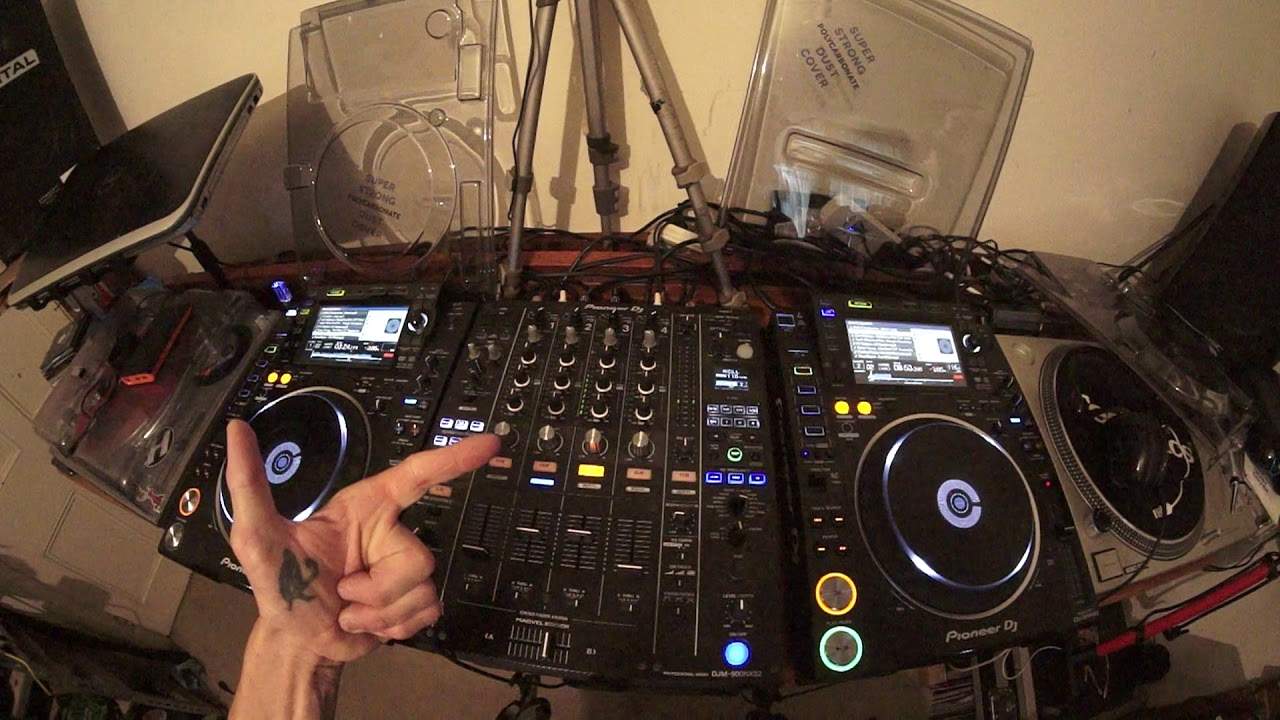
Right guys, this is an intermediate DJ lesson on teaching you how to mix old school disco music. Two tracks here, one by Positive Force, a track entitled We Got Funk, that's what you're listening to at the moment. On the other side we have Candido, a track entitled Jingo. This style, or this tune, is from a style known as South Soul music. Now South Soul originated or was big around about the latter part of the 70s and early 80s. It was a collaboration between soul music and salsa, sort of giving you a nice kind of vibe and energy. I mean, the tracks from yesteryear on the South Soul label, a lot of them are from South Soul. Some of them now are A, highly collectible and have been sampled to death. If it wasn't for a lot of South Soul music, we would not have the huge monster dance tracks of today because a lot of those new dance tracks have found the sounds and the samples from classic South Soul tunes.
Right, now this is an intermediate DJ lesson meaning it's slightly more difficult for a beginner because when we're mixing old school disco music, we don't really know how to do that. Old school disco, you do not have a drum machine. These tracks quite often were made by real people, not by machines, which means, as I say in every video when I do something like this, is that the BPM can fluctuate very slightly. For example, the BPM may start at 116, it may go to 116.3, 116.2, 115.9. I mean, at the moment I'm looking at the BPM here and it's gone 115.5. 115.6, 115.7, 115.6, 5, 6, 7. That could be a logistical nightmare. But what we can do is we can pre-empt where we're going to bring the mix in. So prior to doing a mix, you find the place where you're going to do the mix first.
2:26 Always be careful there as well
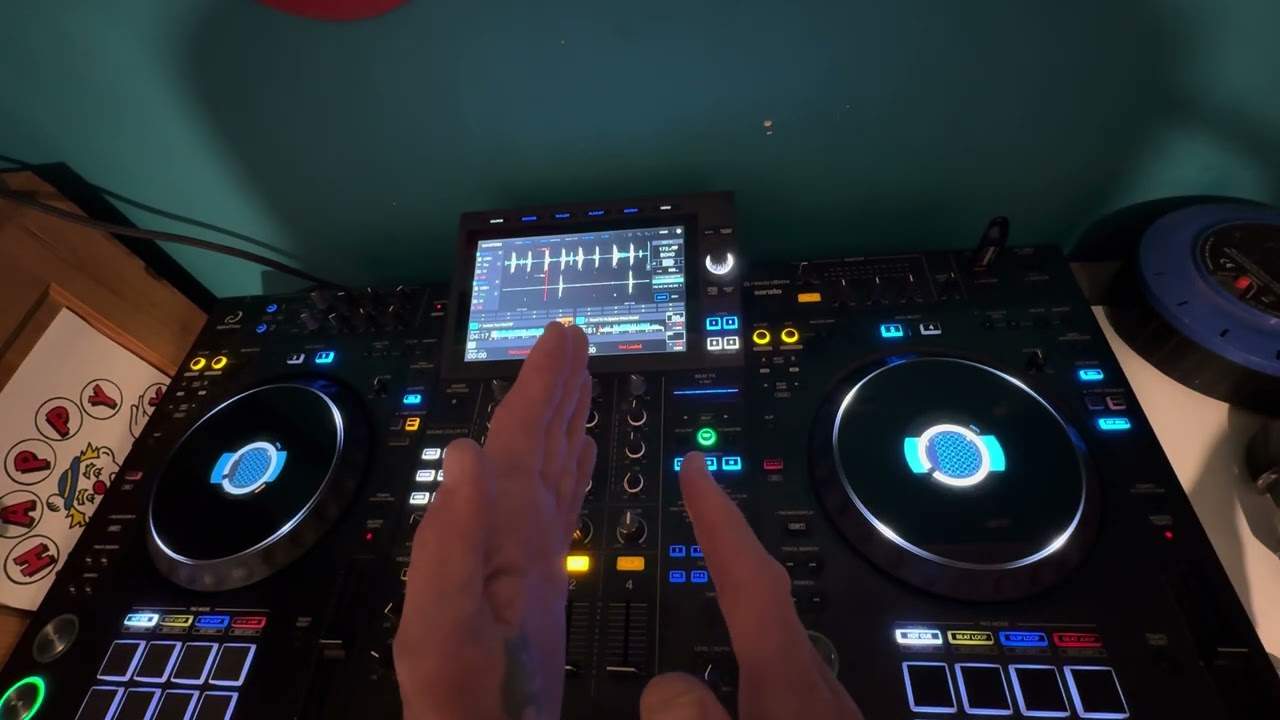
So for example, let's imagine I've got a track on the right hand side. And what I'm going to do is I'm going to put it here and then I'm going to put it on the left hand side. What I'm about to show you is what you would be doing on your headphones before you even bring in the track on the left. So what I'm doing now, I'm listening for maybe a part in the track where I could bring Candido. Now also, with tracks like this, same with a lot of radio versions, you've got the bridge, you've got the bridge here, where we have a slight change in the music arrangement. So for example, maybe you have a track ready that would mix perfectly prior to the bridge, but then it may not mix harmonically during the bridge.
So always be careful there as well. Now there is a point here where we come in to a little bit of a break with a tiny bit of vocals in as well. And what I'm going to do when we get to this point, I'm going to start counting how many bars we've got before a change. I think it's about here. One, one, two, three. Two, one, two, three. Three, two, three, four, five, six, seven, eight. OK, so we've got a nice kind of arrangement there. We've definitely got a good phrase. So let's use that. Let's have a listen to the beginning of Jingo by Candido. OK, first of all, let's have a listen. Let's have a listen to the beginning. The beginning of this track, not the actual beginning where we have the first kick. Again, you need to make sure that you know the timing of that first kick,
4:45 We had a change after the first eight bars
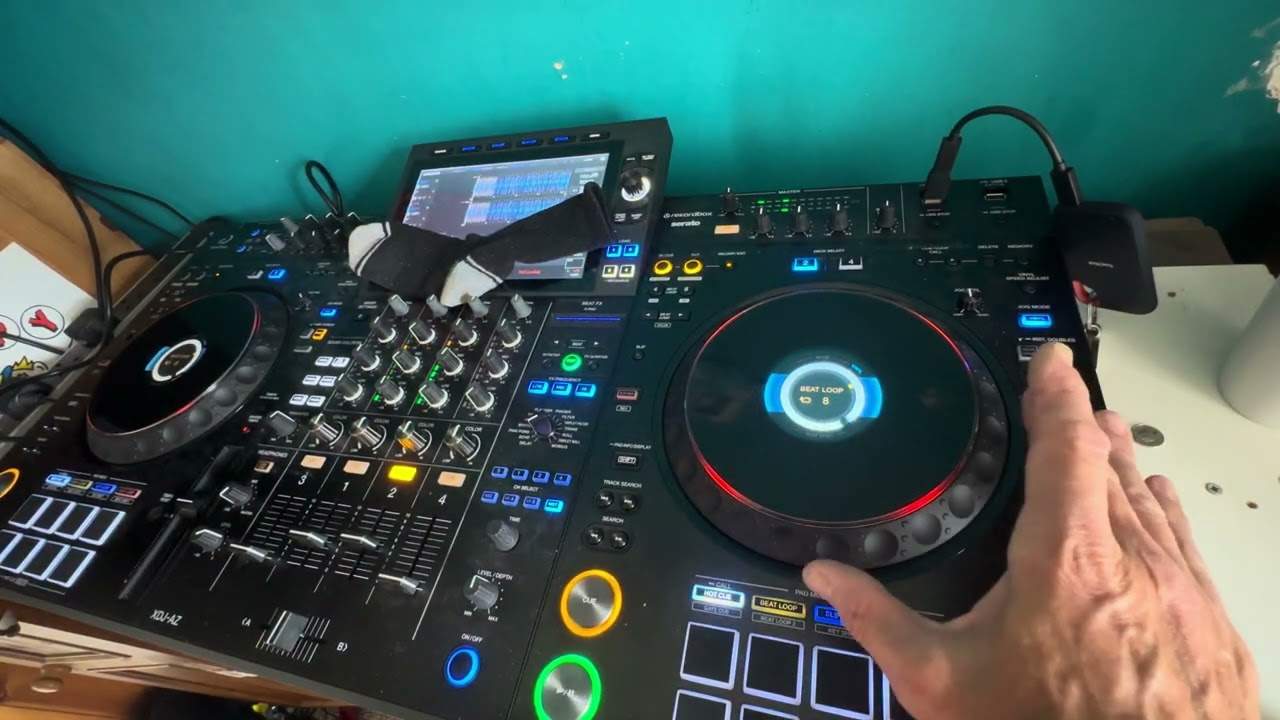
Whether it's at the count of one, two, three or four. Always double check, especially with old school tunes. It's not like an electronic style new house tune that 99% of the time will start at the count of one. But it just so happens this is at the count of one. So one, one, two, three. Two. Three. Five. Six. Seven. Eight. Nine. OK, so we had a change after the first eight bars. So we could start the mix there or we could start it after the second or after the first lot of eight. So let's just go to that cue. I did set a cue point there earlier on. In fact, I'm going to set it now. I'm going to set another cue point at that beginning of that phrase. Let's just go back a little bit. You'll see what I'm doing now.
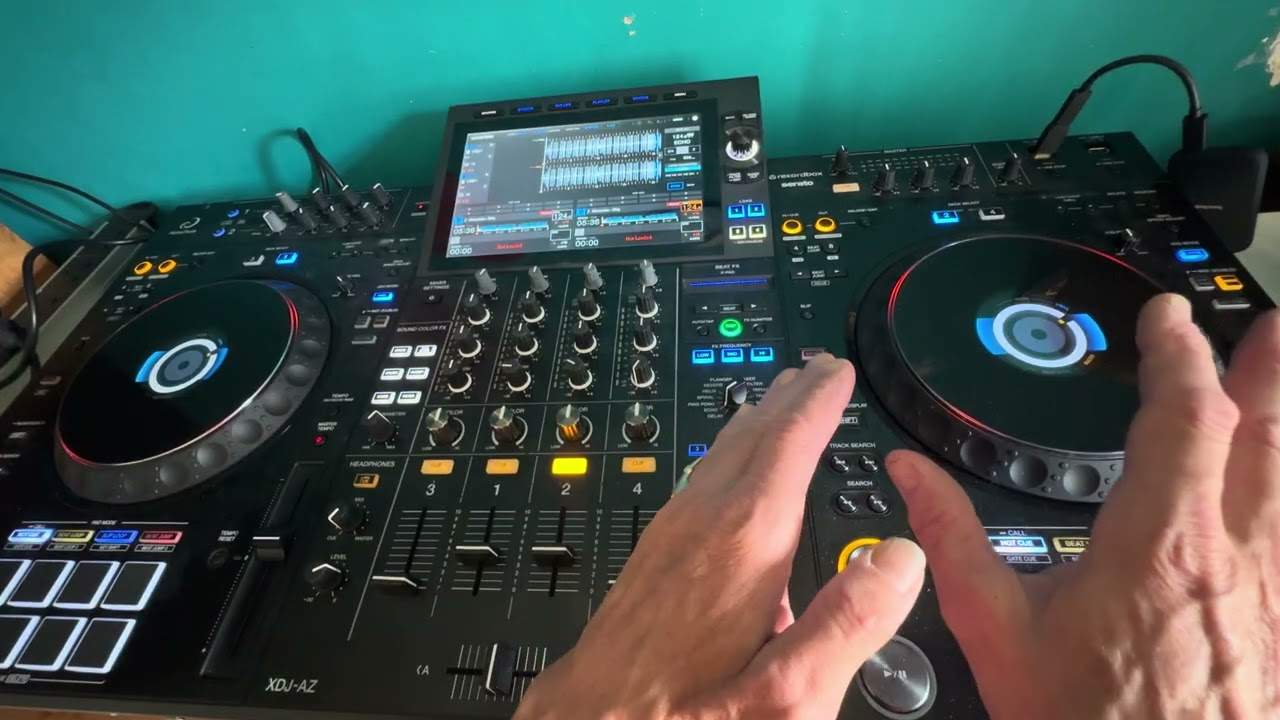
Let's get rid of my first hot cue because I want the first hot cue to be the beginning there where the beat comes in. And then the second one, of course, it's just for ease of use. The second one is, of course, the second hot cue. I'm going to try the first or my first mix will be hot cue A. Second mix, hot cue B. At the break here. There. Just go back a little bit. Give me a little bit of time to bring it in. OK, that's not too bad. Now also notice for the partially sighted I will explain as well. I wasn't using the bass middle treble. Why? Well, I needed to keep my hand or one of them at least on the pitch because as I said earlier, the BPM doesn't matter. It just fluctuates slightly. I'm going to give a demonstration on that now.
So what I'm going to do, I'm going to match them up BPM wise at the beginning. Let's say for the first two or three bars and then take my hand away and see how long it is, how long it takes before they start going off beat. So let's just go back there. Rewind it a little bit. There we go. OK, so perfect example. Why A this? Why A? Why B? You're going to be long handed and you're going to have to keep your hand on the pitch and B why? This is slightly more intermediate to advanced video. It's not very easy for the beginner who is possibly always going to be relying on either sync or keeping their eyes on the BPM because you're going to have to be looking at the BPM readout, it's slightly more technical for beginners.
Do apologise. Let's go back now to the beginning of the phrase on positive force.
8:07 I hope this tutorial has been a help and if you are a n
For me personally, that was a nicer smoother transition because it's almost a bit like steps down and steps up. What we want, we want sort of a nice plateau of the two tracks and the plateaus to fit together. We don't really want to have a dip. In the first mix there tended to be a little bit of a dip and then if we had let Candido play we would then come to the next phrase. What's happened is almost as though the one phrase has finished on positive force and the energy and the feel has been taken over by Candido on the other side. Right, I hope this tutorial has been a help and if you are a new DJ and you're not really into old school tunes then check them out because you'll find you'll be inspired.
There were a lot of good sounds from years ago that have pretty much made it to the top. They've made dance music as it is today. Alright, so once again thank you very much and practice and enjoy. Nice one.
This transcript was produced automatically from the audio of the video and may contain mistakes.