 9:40
Intermediate DJ Tutorial on Mixing Breaks BY Ellaskins the DJ Tutor
Contents of the video
0:01 Probably not a good idea
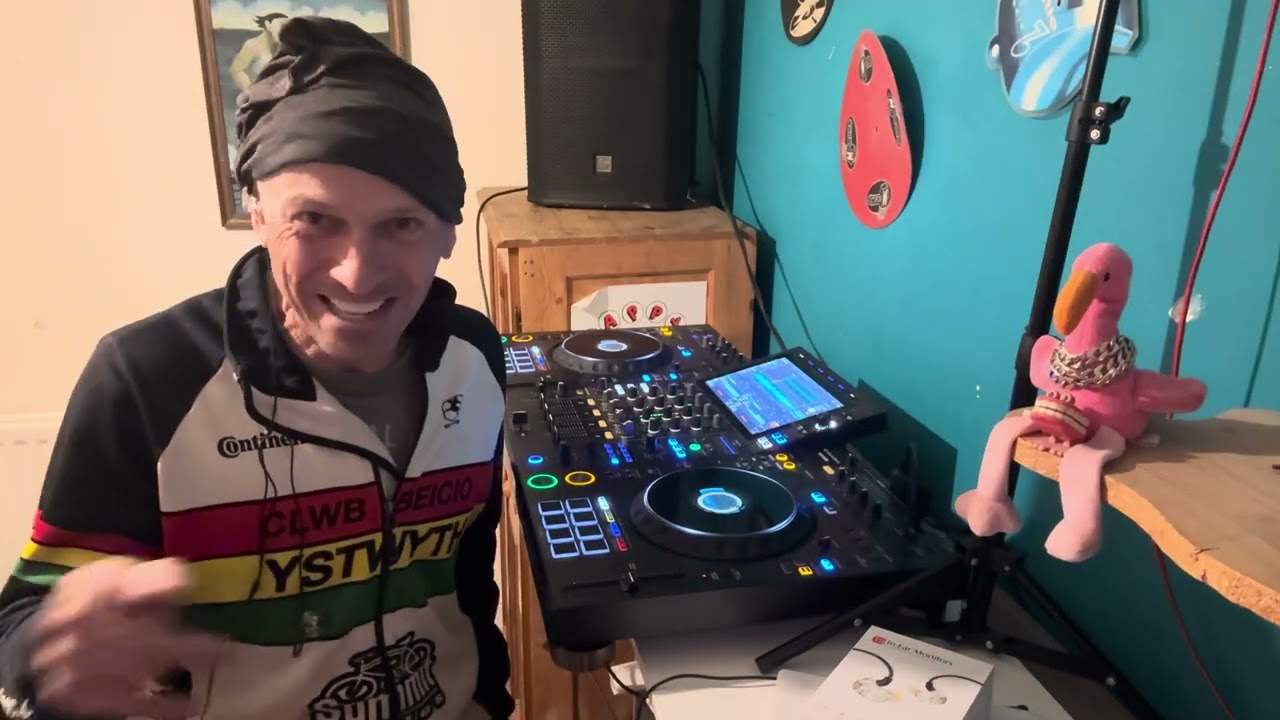
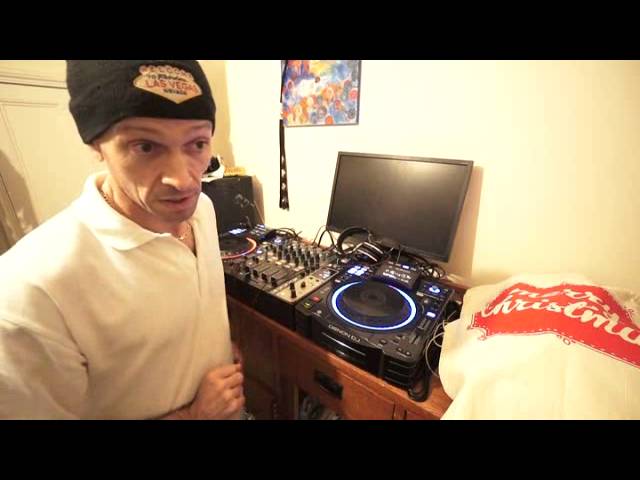
Alright ladies and gentlemen, my name is Jonathan Lewis, also known as The DJ Tutor, and this is a video tutorial on mixing breaks.
You could of course get a plate, chuck it in the air and watch it fall on some concrete, that would be quite a good break. Alternatively, I could jump off a tall building and break my arm, that'd be another break. Probably not a good idea. What is a good idea is the music breaks. If you're not familiar with breaks, what is it? It's similar to dubstep, it's a bit faster. It's similar to drum and bass, but there's not much going on inside it. I'll change that slightly. There's not as much going on inside it. Drum and bass, there's a lot of percussion. Breaks, it's as though what they've done is they've decided to pick away at drum and bass, and take little bits of it away. Like, instead of a
They thought, well we'll take away the
And we'll leave the
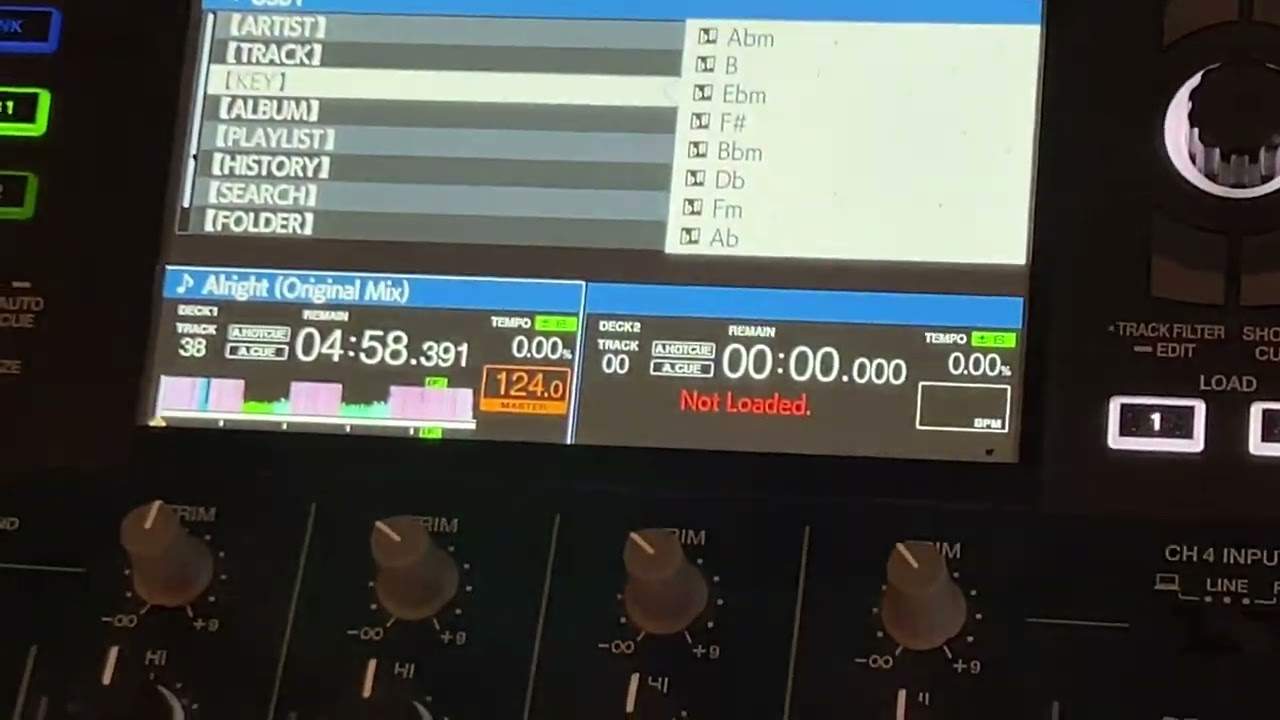
Right. I'll play a track, and then we'll sort of go through the track, and we'll break it down. Right, okay. Right, here we go.
This one here is I'll put the names of the two tracks in the description, but they're pretty mad, and very, very good.
1:48 This is more your typical kind of breaks
What I've found is all over time is that breaks have grown with all of the genres, gone more sort of electrified.
Very good track, this. Okay, and then the other one here is This is more your typical kind of breaks. This is more your typical kind of breaks. Now, if we were to maybe have this as a drum and bass tune, it'd be
So all they've done is they've changed the tempo very slightly, and they've taken away parts of it.
I think you get the idea there. So the format of breaks is pretty much the same to virtually every single style of electronic dance music. It's in bars, in phrases, in sections of. So for example, a phrase in breaks could be eight bars, it could be 16 bars, it could be 32. You're not all of a sudden you're gonna have like one and a half or three and two thirds of a break. It's not like that at all. It's probably like that at work with your boss saying, right, you can go outside now, you're gonna have a break for four and a half minutes, and I'll give you another three seconds. If you're good. Not like that at all. It's four, eight, sixteen, thirty-two. Now one part of mixing breaks that I absolutely love is that you can break it up with the crossfade, chop, chop, chop.
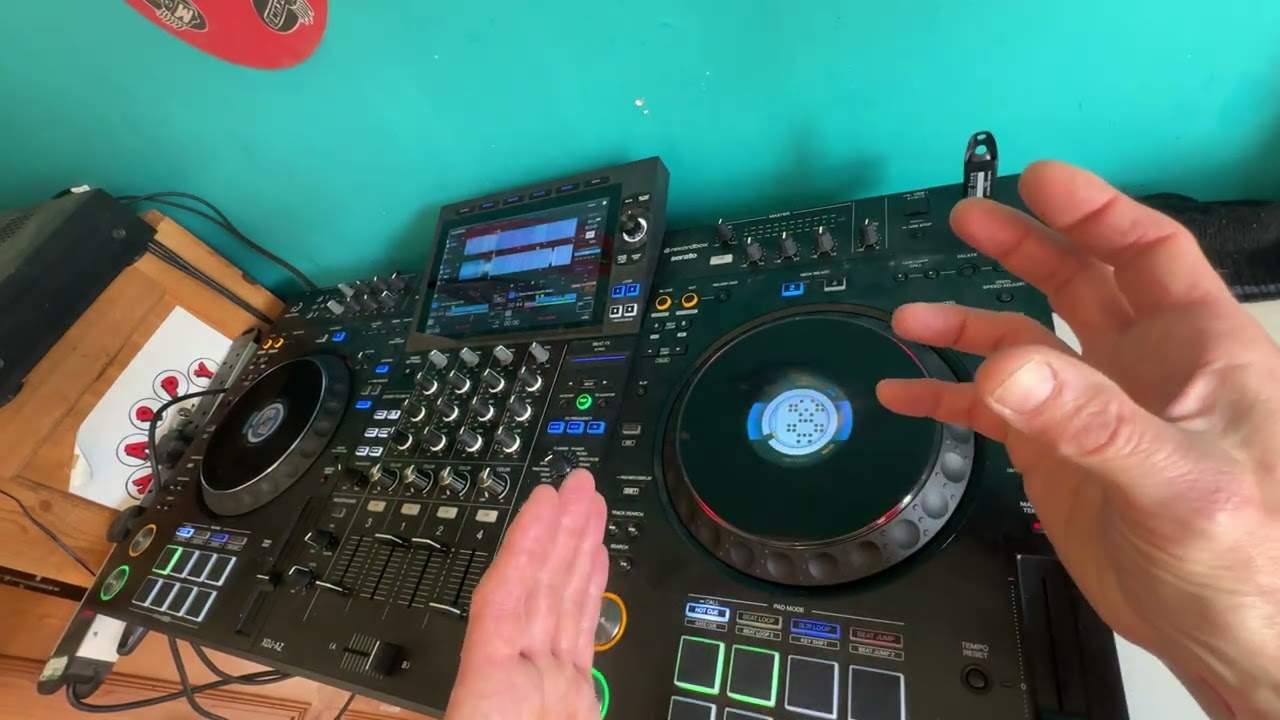
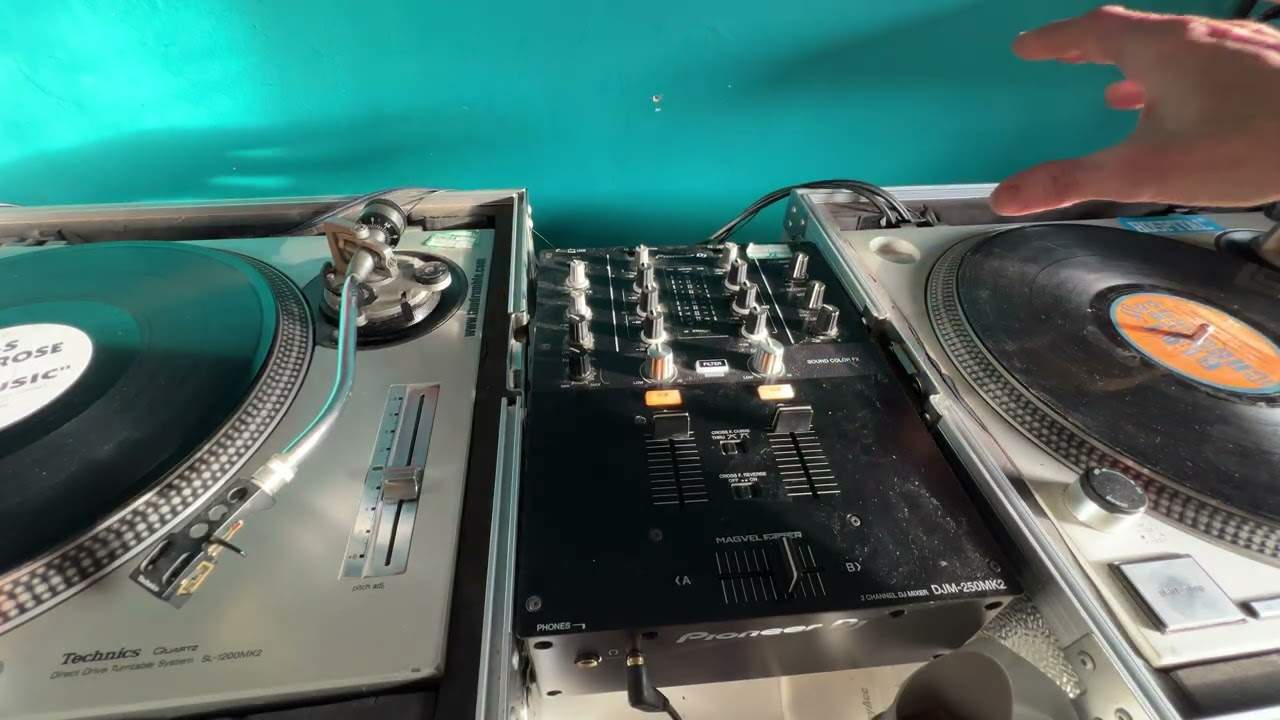
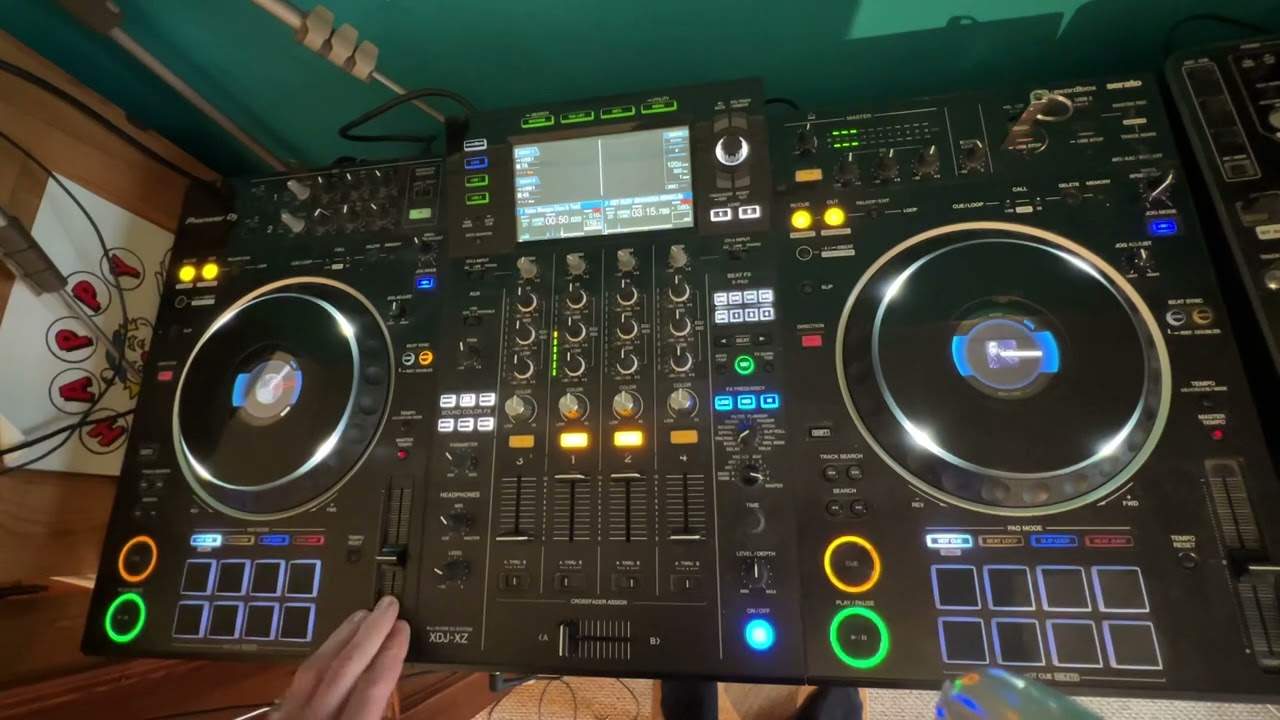
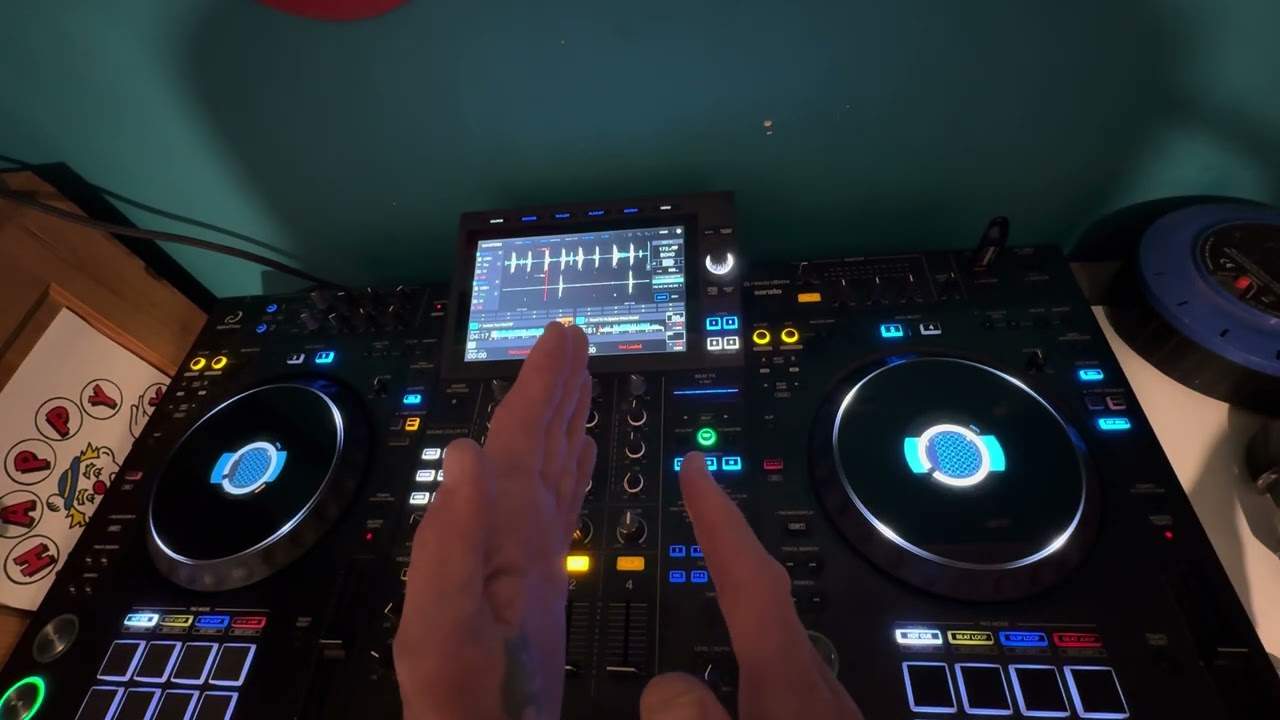
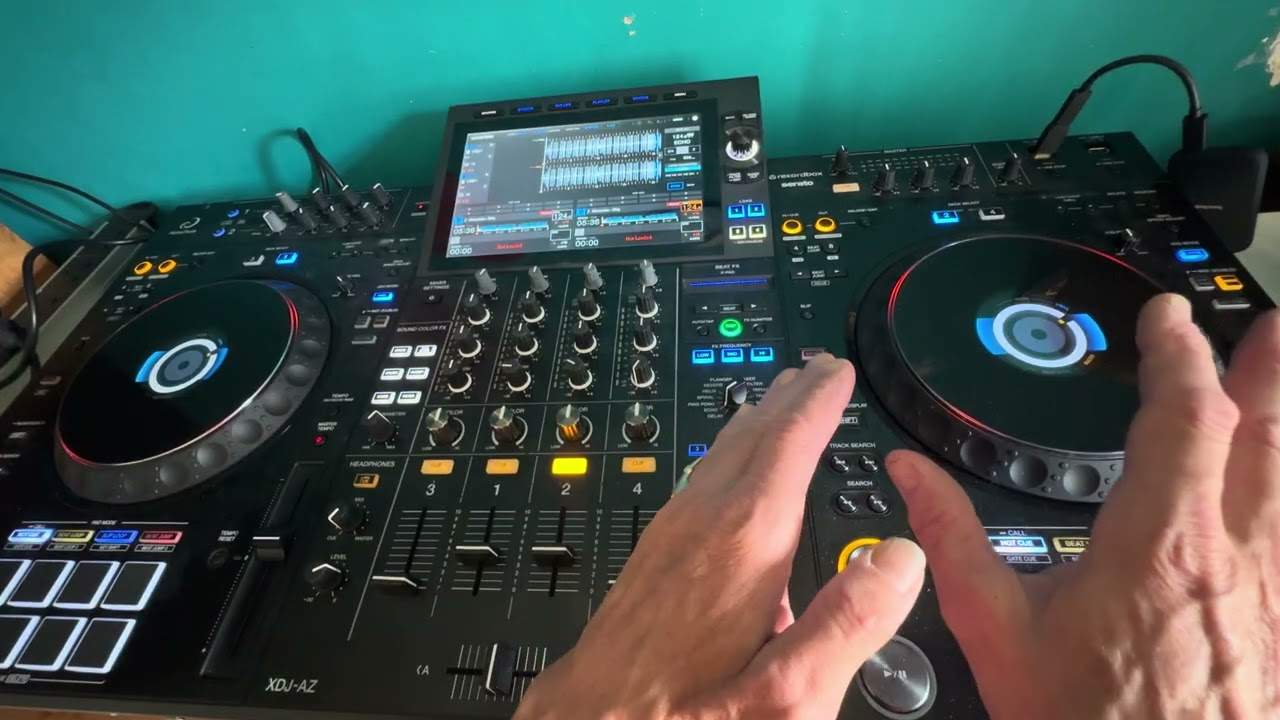
You can go from one side to the other. Of course, you've got to know what you're doing. You've got to be clever. You've got to be relatively quick. But you can chop up breaks and if you do it correctly, it can sound fantastic. So I'll give you a demonstration there. Now what I've done is I'm going to use the crossfade with this. Normally when I do mixing, say with house music, I like smooth transitions. So of course you're using the upy downy faders and if you think about it as well, digressing slightly, if you're gonna use the crossfade with say a house mix, you are you're having the levels set on both channels at 10 for example or even nine or ten whatever . And then, as you move the crossfade, unless you've got like three hands,
4:54 You've got the phones going go away
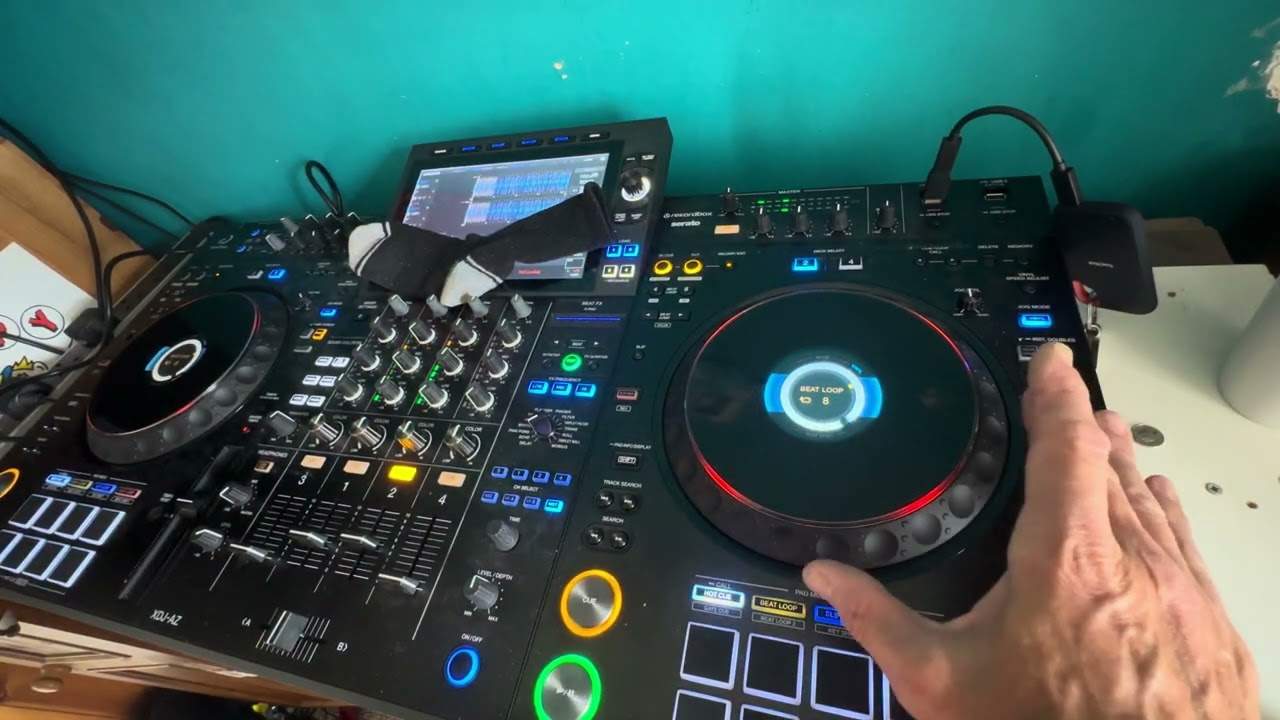
The crossfade will determine the volume of each of the channels and that's it. So as you go from one side to the other, that's pretty much it what you can do. Whereas if you use the up faders, you can bring this one up and slowly bring this one down and then bring slightly up again and down. So you've got more control over the whole mix instead of just from one to the other. With breaks, if you're going to use the crossfade, one important factor, of course the construction of your chopping. But the one important factor here is to make sure that the levels of the tracks are the same and you'll do that by looking at the LEDs on your mixer. If one LED is tapping down here and the other ones up there when you cross over using the crossfade,
You're going to have sort of high volume into low volume, low volume into high. You've got the phones going go away. You don't want that. Okay, so let's press play on the Jacob Garner track and now at the moment I'm just pressing the cue on the one and bringing it over at the same time. What I'm going to do now is press it on the one, but bring it over maybe slightly afterwards. Listen,
Here we go again. It's very important that you understand the construction of the tracks. So with the 700 foot, we've got dom cha dom cha. So of course, bring the crossfade over on the dom means you get the dumb, but you've got to bring it across feed over just very slightly before the dumb. Otherwise you'll get there. You'll get the um and not the der um because you don't want the um but actually maybe you do because the more you get into mixing breaks, the more you'll realize that you can chop it up practically anywhere and you can have so much fun because you're mixing. You're mixing drums. So imagine you've got two drummers, one here and on there and they're both playing sort of the both playing similar beats.
7:23 This side and then you'll also
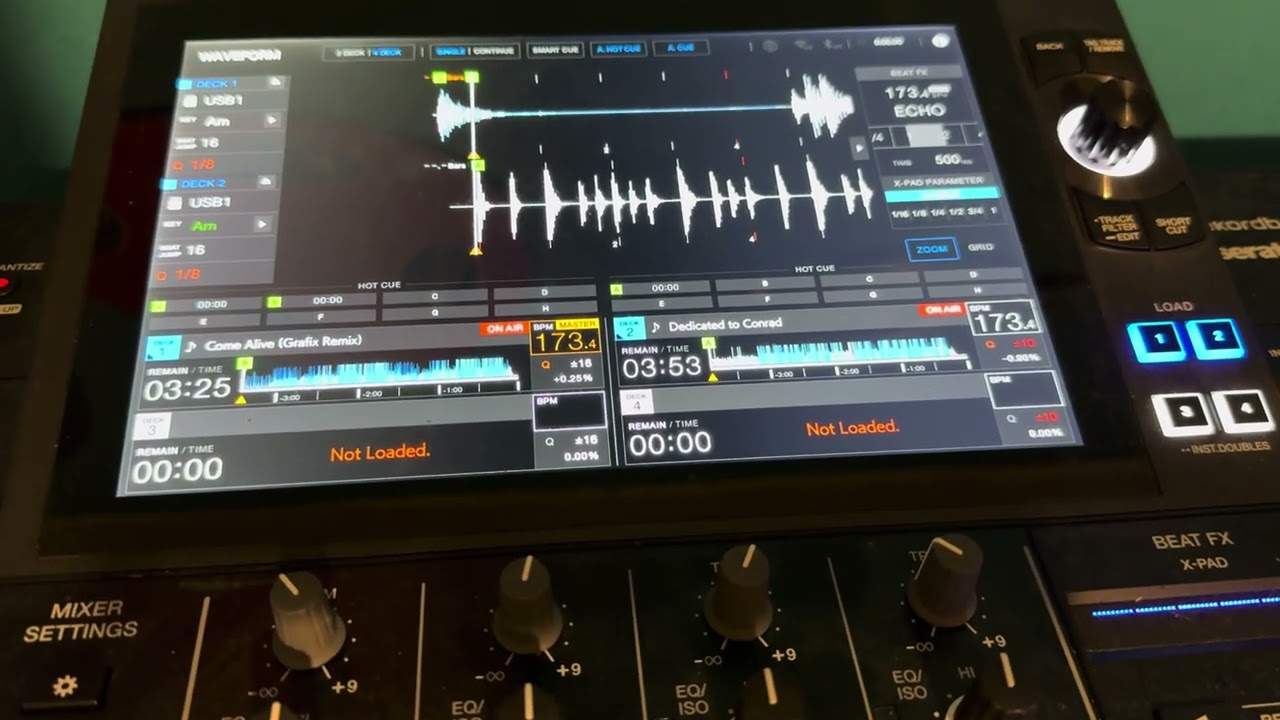
But this one drummer is adding more percussion than this one. But they're both playing at the same tempo, the same BPM and they both start at the same time. They've both got the same phrasing and their brothers so they know each other. They also hate each other. No, they don't. So of course if that if you take all that away, um, on board, then you can chop from one to the other so you will get a defined change when you go to this side and then you'll also get defined change when you get on that side. Now again mixing breaks in time BPM has to be the same course. Keys are very important as well but if you do it correctly, you can have so much more fun and it's far better to chop for one to the other instead of like these very long blends.
So let's start again and press play there. Let's bring us forward slightly. Taking the lower out on that side up fader cross fades half way brought the next one in now what I do find with mixing breaks is the transitions don't have to be as long for example if you're mixing say techno or trance you do tend to have more 16 bar transitions or sometimes 32 bar with breaks they can very be very simple, very abrupt and straight to the point. All right now, I will be doing more on mixing breaks very, very soon. I've got loads of them and believe me if you like drum and bass if you like dubstep and you've never heard of breaks before go and check it out practice and enjoy. Thank you.
This transcript was produced automatically from the audio of the video and may contain mistakes.