 6:54
Introduction to a DJ mixer part 2, The EQ.
Contents of the video
0:00 We looked at the levels
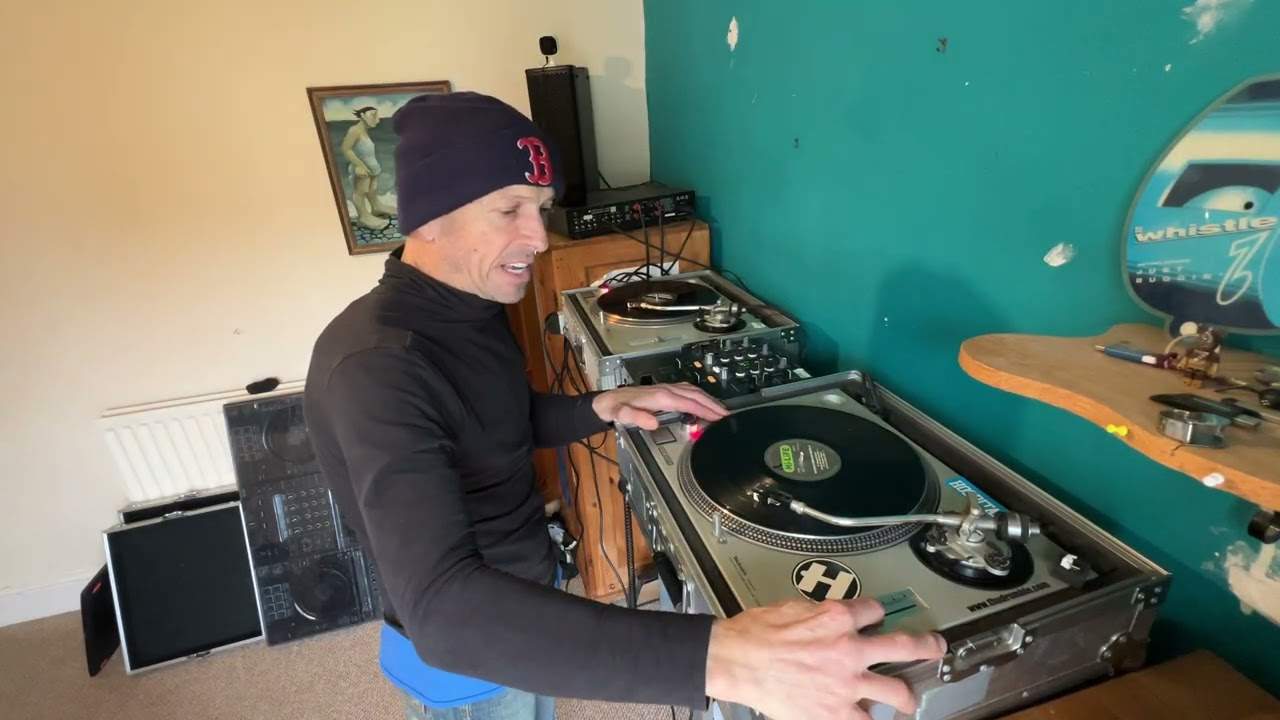
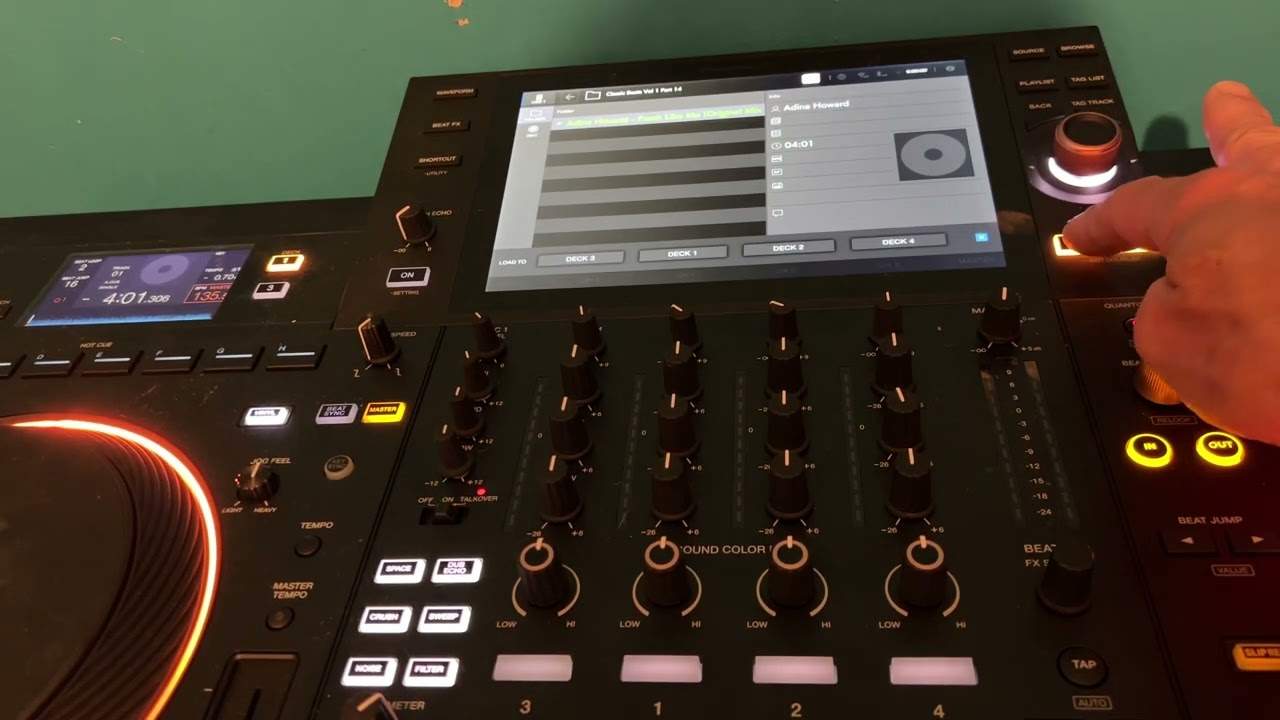
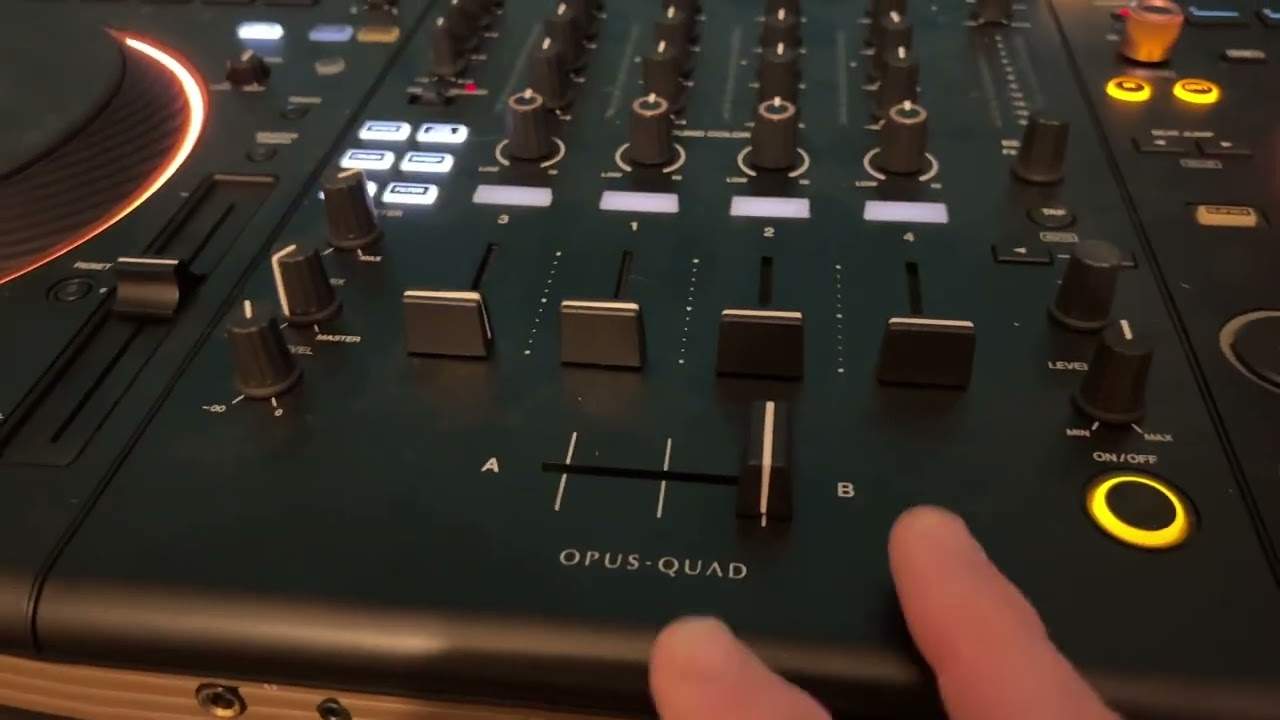
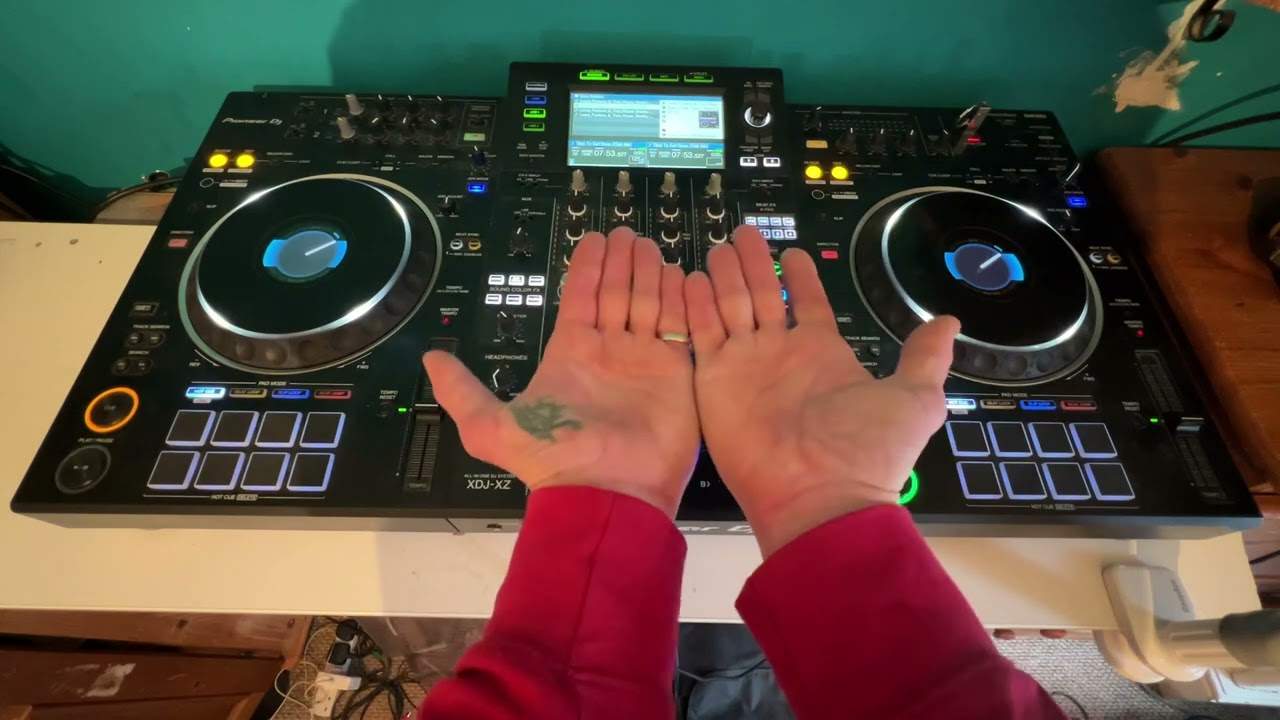
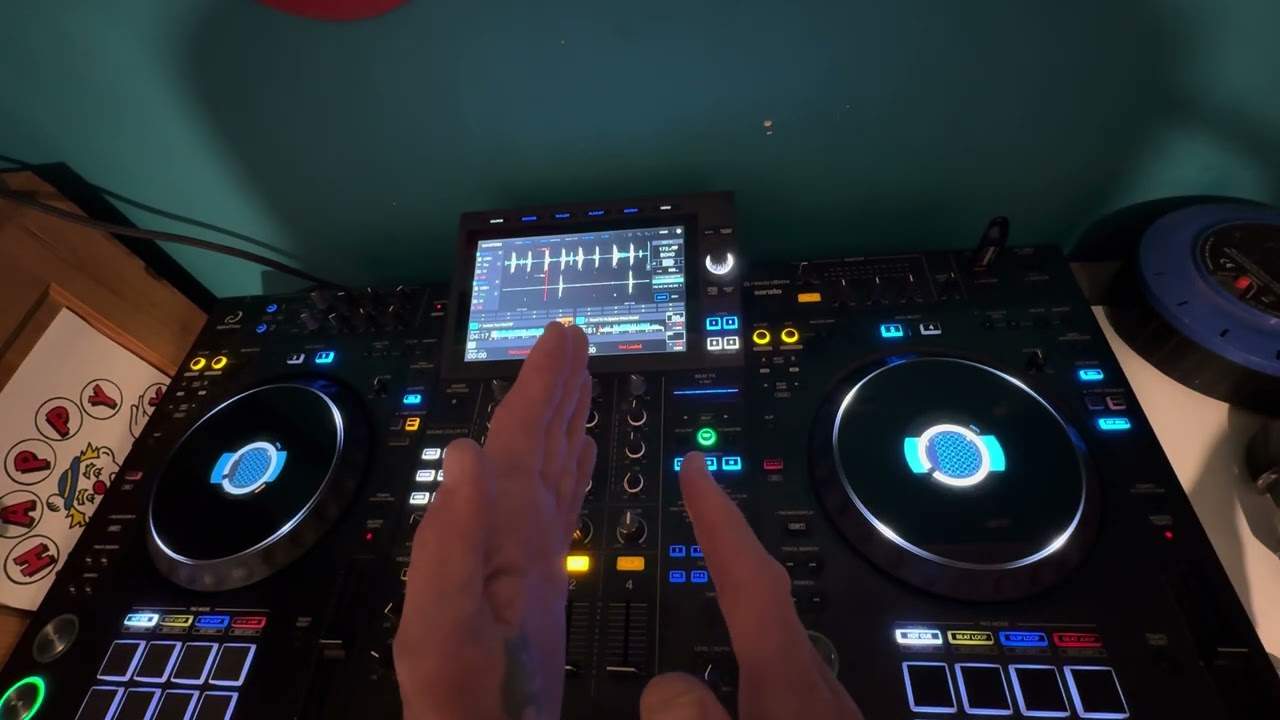
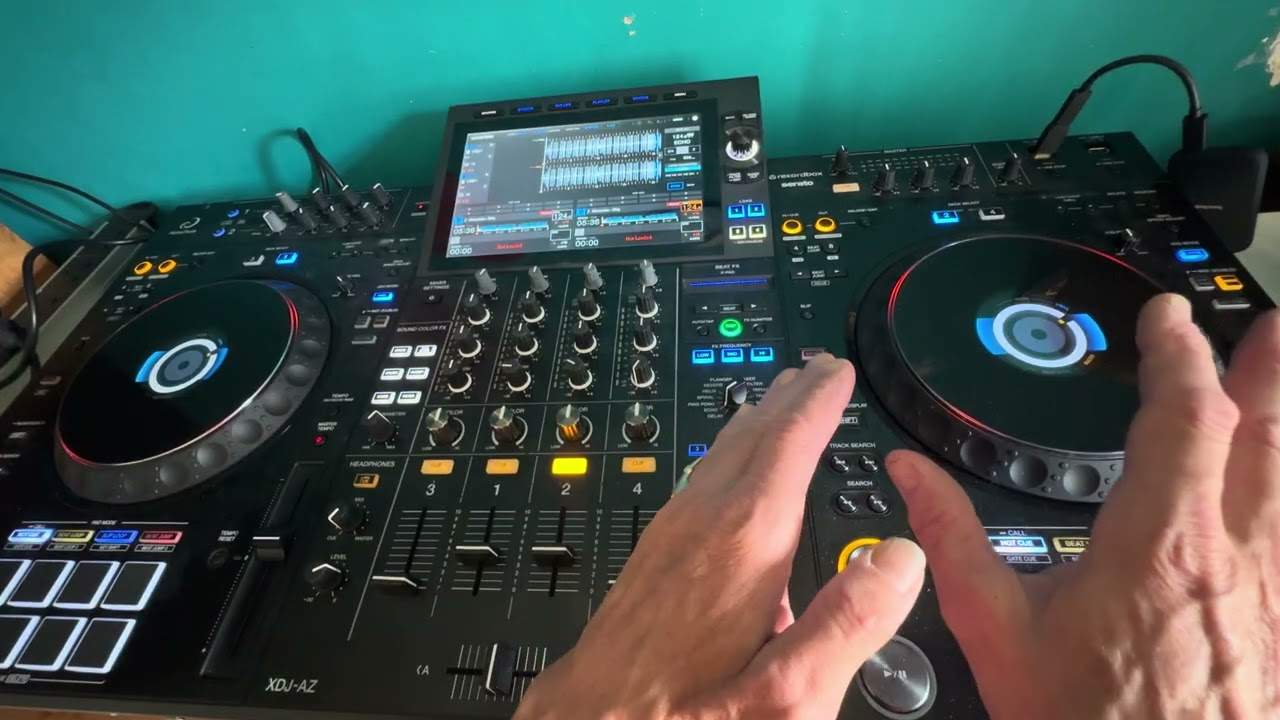
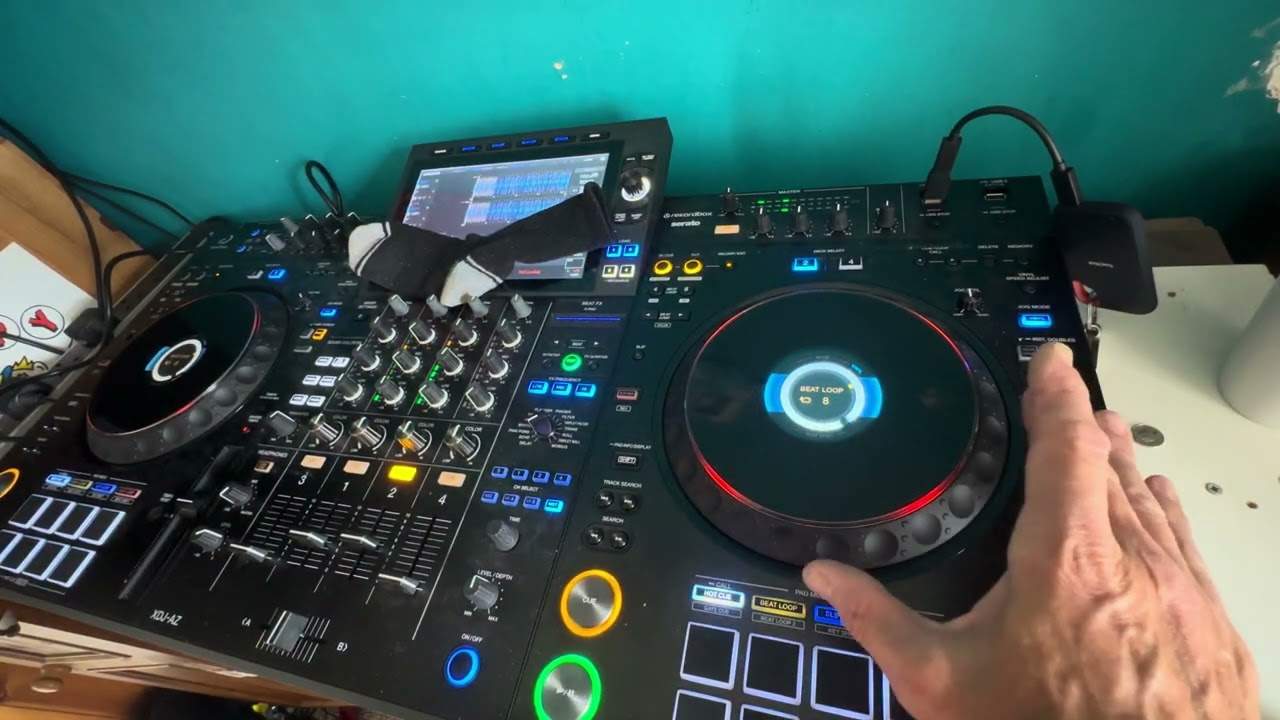
Alright folks, this is the second video in a series we're going to do on looking at a DJ mixer. Again, this is for the total and utter beginner. The first one we looked at the levels, the volume controls and the crossfade. In this one we're going to be looking at the EQ or equalisation. EQ, that's what it's short for. And again... By all means leave comments, please do not leave any sarky comments because these videos are dedicated to the total and utter beginner or someone who hasn't even ever seen a DJ mixer before. Now then, on a DJ mixer, on most modern day DJ mixers you'll have either dials like this or sliders like this and by the side of them underneath below you'll have this, either low, mid or high.
Is basically the bass, that's the boom, boom, boom sound that you will hear from your music. Mid is the mid sound, for example, it's the guitar, it's the vocals, it's the piano, it's the melody. High is for the hand clap, it's the crescendo, the high frequency, that's what the high is there for. Now then, what happens is this, if you have a dial, when the dial is set to 12 o'clock, Thank you for watching. The volume, in other words you start moving that dial to the right or clockwise and you bring that to max. And again when we talk about the clock, if that dial is at 12 o'clock that means it is at its optimum level. If you then start moving that dial to 1 o'clock, 2, 3, 4, 5, 6, sorry not to 6 only to 5 it won't go to 6, then what you're doing is you're increasing
2:34 Likewise with the mid
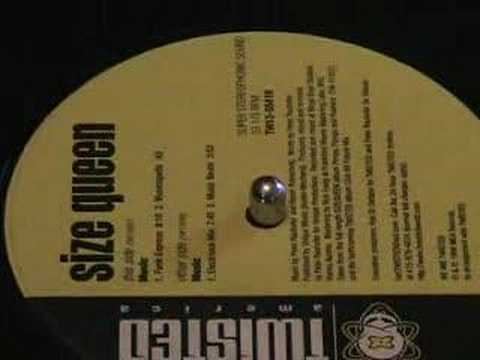
The opposite applies if you then move it anti-clockwise, as in from 12 o'clock to 11, 10, 9, 8, 7. It won't go to 6 o'clock, OK? So that's what will happen now then. With a slider, the same applies. But slightly different. When you push the slider up, the bass will increase. When you push the slider down, the bass will decrease. Likewise with the mid. When you push the mid up, it will increase. When you push the mid down, it will decrease. Same with the high. When you push the high up, it will increase. When you push the high down, it will decrease. Now these are exactly the same. They work on the same principle As the dials here, the only difference is up is for higher, down is for lower. Now that is 99% of the time with all mixers. With a slider, up is more volume, down is less volume. Now what I'm going to do is I'm going to play you a track which is a track by Size Queen entitled Music on Twisted Records and I'll give you a demonstration of exactly what these dials will do.
Okay, what we'll do is we'll start the music and we'll just turn the volume up. Right, what I'm going to do first is I'm going to move the low down and then move the low up. And what I want you to notice is all of a sudden you lose the whole body of the music. The bass, the beat, that boom, boom, boom sound seems to vanish. But then as I increase the volume it will get louder and louder and louder, giving you an idea of what the low actually does.
4:28 We haven't got any bass
Now there you go, that's the low all the way down and now the sound has gone. We haven't got any bass. I'll put it back up again. Take it off again. Take it off and there you go, it's gone. Now what will happen now, when I take it from the centre point and put it up, the bass will get louder. Okay, now we're going to do the same with the mid. What you'll find is the mid sound, the vocals, the melody will decrease. ...and almost vanish as I bring the slider down, but then when I move the slider up again to the middle it will be as it was, and then when I move the slider all the way to the top it will get even louder again. Here we go. Now I'll put it back to the middle point and then I'll increase it right to the top. Okay, now we'll do the same with the high. I'll decrease the high so there's none there, put it back to the middle, then back to the top again. I'll just put the record back to a certain point.
I'll put it now back to the middle again, and now I'll put it higher again. Or down to the middle, and off again. Now I'm going to move all of them down so they're all right at the bottom. There you go, the music's gone. This particular mixer has complete cutout. And just have the mid, what that sounds like. Now just have high. And now just have bass.
There you go, there's your second lesson in what a DJ mixer does. I hope I've been a help and it is a very interesting trade, you can have a lot of fun, so don't forget, thanks for watching, leave your comments if you want to, practice and enjoy, thanks.
This transcript was produced automatically from the audio of the video and may contain mistakes.
Related videos
-
Complete Beginner DJ Lessons Tags Key BPM Etc
A more advanced lesson folded in early, and worth doing once rather than putting off, because everything it sets up gets used for years…
-
Complete Beginner DJ Mixing Lessons Video 19 Getting Your Kit Ready for an Easy Mix
A whole lesson on getting ready, which is the right call - the exercise in the next video only teaches anything if the two decks are…