 6:52
Mr/Mrs DJ, In a rut, mixing the same format all the time?
Contents of the video
0:00 In, and then waiting until
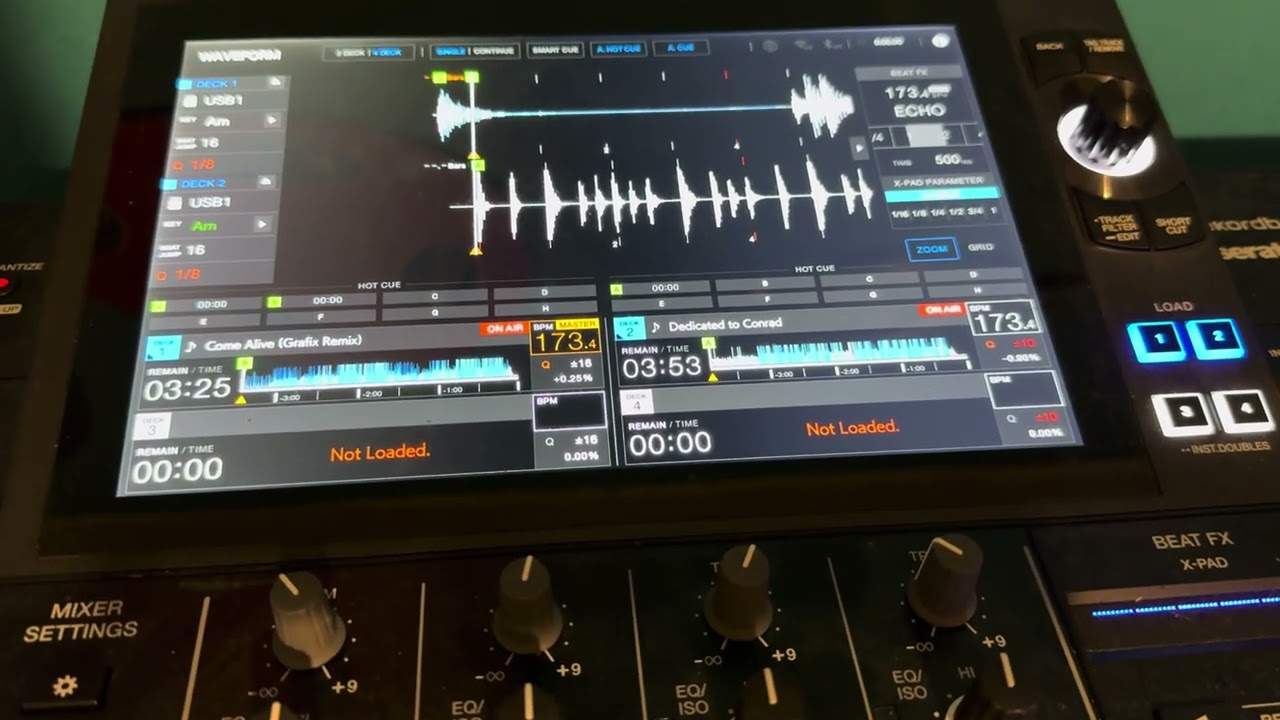
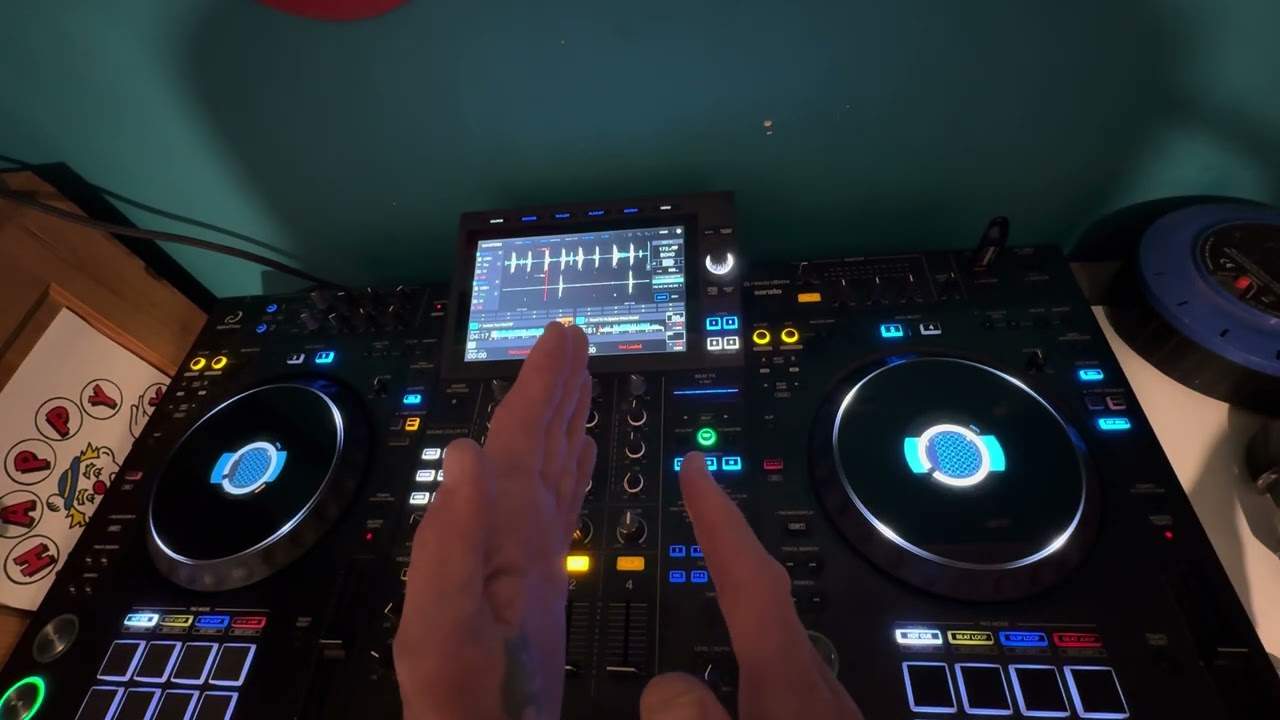
Alright folks, it's Jonathan here, aka The DJ Tutor. Now, I had an email from someone, I do apologise, I forgot your name. Now then, the question is this, or they've got not so much a problem, but what they're doing is when they do a mix, they're waiting until the end of one song and then bringing the next one in, and then waiting until the end of that song, bringing the next one in, etc, etc. And they feel they're actually in a rut and they need to somehow change the format of how they mix. Right, here we go. I'll show you right now. Got a couple of people helping me today. It's Ken and Barbie and there's Black Beauty as well. Now then, here if you look, right, you will see, if you imagine tune 1, 2, 3 and 4. Now then, you've got bumps. Those are like the peaks, the troughs. The troughs are say like the instrumental breaks.
And then the peaks are like the chorus, the verse, that kind of thing. And then what you'll see is that they're overlapping. Now this is how, let's say, this chap, this man, lady, whatever, is mixing. What they're doing is they're waiting till the end and the beginning and mixing the tracks in. Alright? Now then, if you think about it, if I just pan that down there a little bit, alright, so you can see, can you see a little bit better now? Right, you see, if you think about it now, what we're talking about is basically this. The guy is having a bit of problems, again it could be a lady, with regards putting the mix together. Now then, if you consider this, what you need to do, possibly, is actually chop and change and bring the mixes in in different places. Because if you do that, basically what you're doing is you're making the mix more interesting. Much, much more interesting. OK.
1:46 You've got tune four, which is an orange
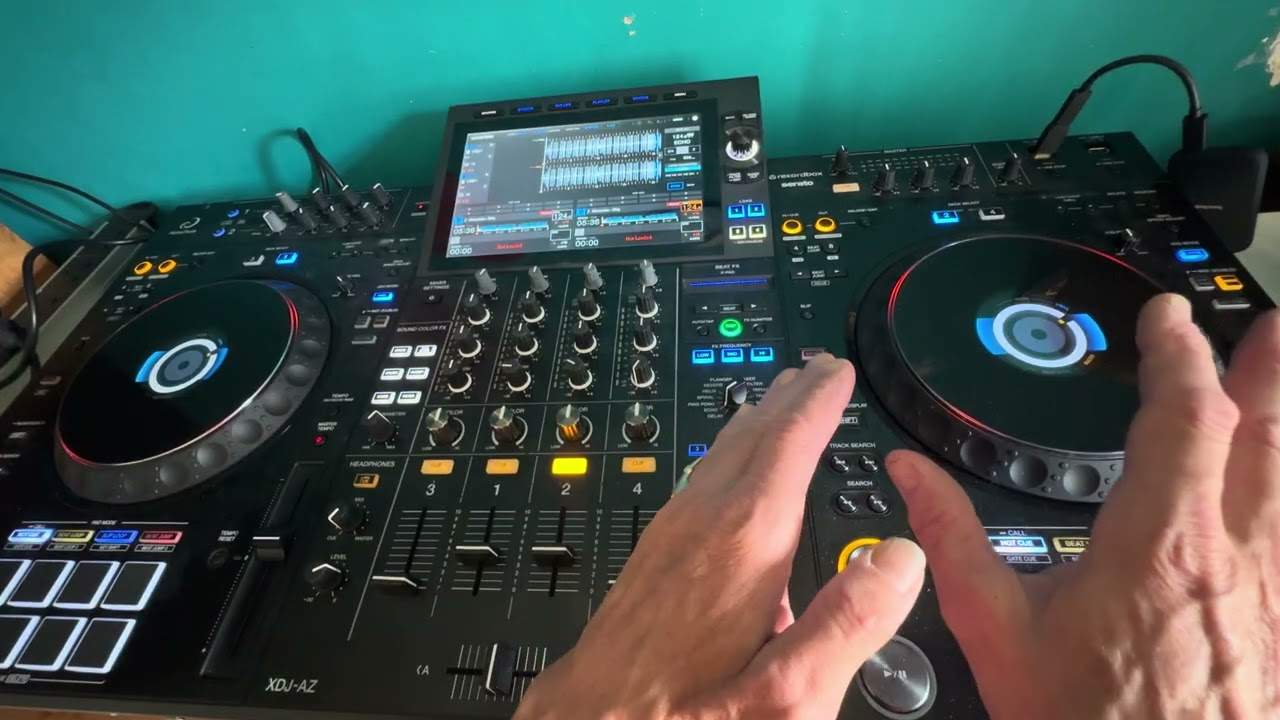
Now then, right, from that, look at this. If you, I'll go back to this again. Okay, you've got tune four, which is an orange. Now let's say that's tune four, okay? The big thick lines are the actual breaks, the individual parts. Let's say for example where... Sorry, the camera's moving back and forth here. Let's say for example where the instrumental break starts, where the instrumental break finishes, you know, let's class this part as an instrumental break. Let's class this part here as the beginning, the small lines are the bars, okay? And let's class this part here as a chorus, alright? Now then, tune three, alright? Same thing, the thick lines are... Say where you get from the beginning up to the chorus, the end of the chorus, maybe a small tiny break. You're getting into a chorus, a verse and then maybe this could be let's say the instrumental break and then of course you're finishing. Right now then, if you think about it logically, right, if I just pan that down a second so you can see.
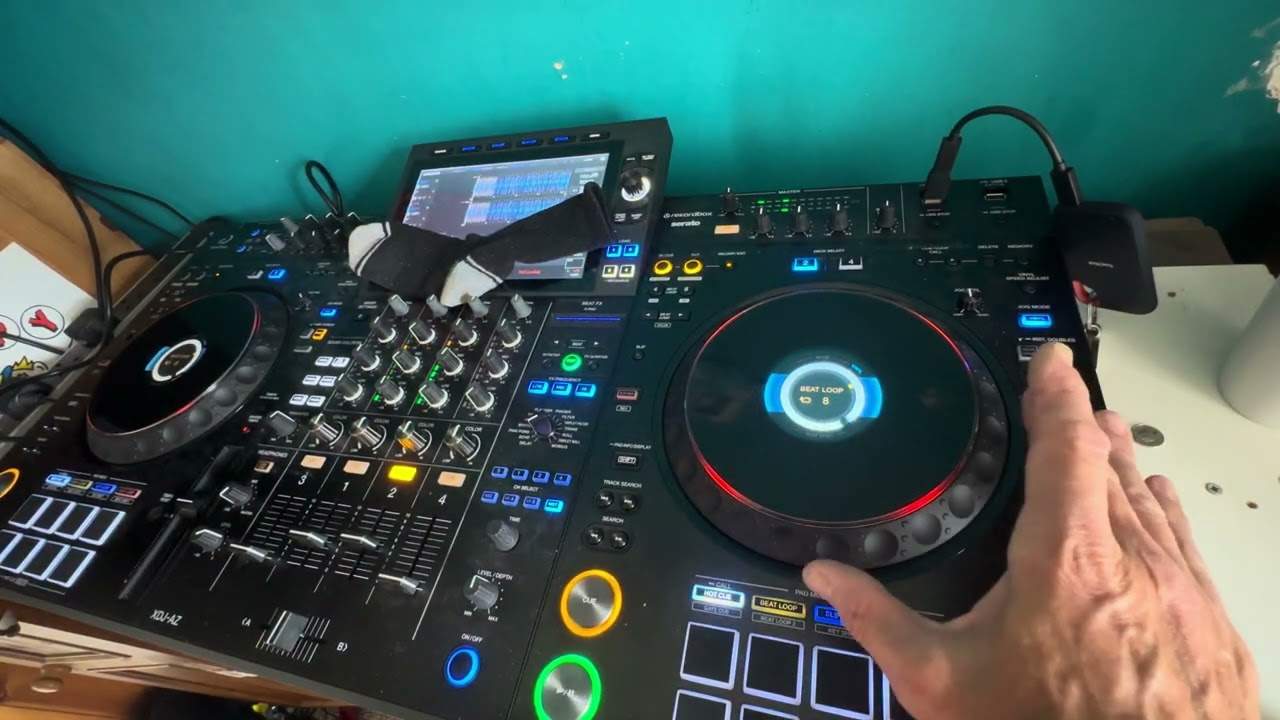
Studying the actual mix and making it slightly different, okay? That's the whole idea is making it different. In other words what I'm saying is if you brought in the second tune let's say halfway through or you brought the second tune in let's say a quarter of the way through then this will be the difference all right now what I'm going to do here I'm going to cut this all right now then This is what I'm on about, OK? I'm going to cut, let's say, the end off. And let's say as well, I'm going to cut this much here, up to the end, let's class this part as the instrumental break. Now, here, the instrumental break of this particular tune has finished. Now then, what I'm going to do here, is I'm going to do the same, but I'm going to cut here, say this part here, where the instrumental break starts.
4:05 Sorry, record, finish start
On this particular record, now then, what I'm going to do there is join them together. Okay? So instead of, now, instead of just basically letting one record finish and the other one start, the other one finish, start, and just doing, it's still a good mix but there's not much structure to it, structure to it, sorry. What you can do by using this method, you can actually make your mixes more interesting, okay? Have to continually just start and stop the mix at the beginning, the end, beginning at the end. What you can do is you can go halfway through the record and maybe bring the one you're mixing into that record in, maybe like I said halfway through, maybe the end of the chorus, at the beginning of the chorus, but always remember don't have vocals over vocals because quite often it doesn't sound nice.
Try not to mash up melodies with melodies, because if they're in the wrong key, it'll sound atrocious. But mess around. And again, you see, you don't have to stop there. You can do anything. I mean, if I cut this here now, I'll cut them all up. OK? So, right, there we go. Now then, if I cut those up now, OK? All of these bits of two records and just mash them all up. But, let's say hypothetically now, this here is the beginning of the one tune, and then this here, right here, I don't know if you can see it actually, this here, we'll put another one there, in fact we haven't got much room have we? And then that there is the end, okay? So there, I mean, if you imagine then... Basically what we're looking at is a case of getting the two records and absolutely mashing them up so they're totally, that it's changed. The mix, the entire mix has completely, totally, absolutely changed. Sorry, I do beg your pardon. Bobby! Sorry, I do apologise about this. Sorry, but I think, yeah.
They've been on a bit too much whiskey. Sorry about that, ladies and... That was so difficult to do. Practice and enjoy. Cheers, bye-bye.
This transcript was produced automatically from the audio of the video and may contain mistakes.