 7:28
What the jog wheel is actually for
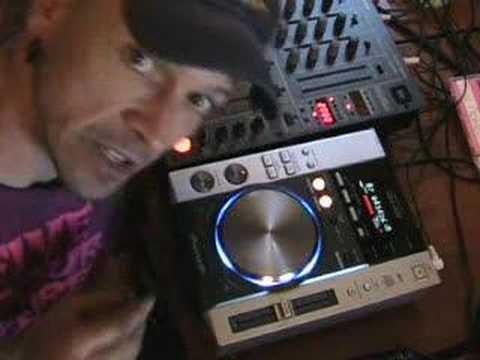
On YouTube this video is called Pioneer CDJ-200, Tutorial, Why use the jog wheel in the mix?
What this lesson teaches
A tutorial prompted by people being confused about what the jog wheel is for, and it answers the question with one comparison.
The pitch fader
Take a track made at 100 BPM, pitch dead centre.
Move the fader down and the tempo falls - 99, 98, 97, 96, 95. Take your finger off at 95 and it stays at 95. Move it up and it climbs; let go at 105 and it stays at 105.
The pitch fader is a setting. It has a position, and that position holds until you change it.
The jog wheel
Now the music is playing. Move the jog clockwise and it speeds up.
Stop moving it and it returns to the speed the pitch fader says. Move it anticlockwise and it slows down; stop, and it comes back again.
The jog wheel is a gesture. It has no position, only a movement, and the effect lasts exactly as long as the movement does.
Why this is the whole thing
Everything about beatmatching follows from that difference.
The jog wheel cannot fix a tempo mismatch, because the instant you release it the deck returns to the wrong tempo and starts drifting again. What it can do is move a track's position - push it forward or hold it back a fraction, permanently, because the distance you gained does not get given back.
The pitch fader cannot fix a position error, because changing the rate does not move a track that is already in the wrong place - it just changes how fast it continues to be wrong.
So: jog for position, pitch for tempo. They are not two ways of doing the same job and they are not interchangeable, and almost every beatmatching problem a beginner has comes from treating them as if they were.
A way to remember it
The jog wheel is a push. The pitch fader is a decision.
Contents of the video
0:00 More importantly, a tutorial on the actual jog wheel function
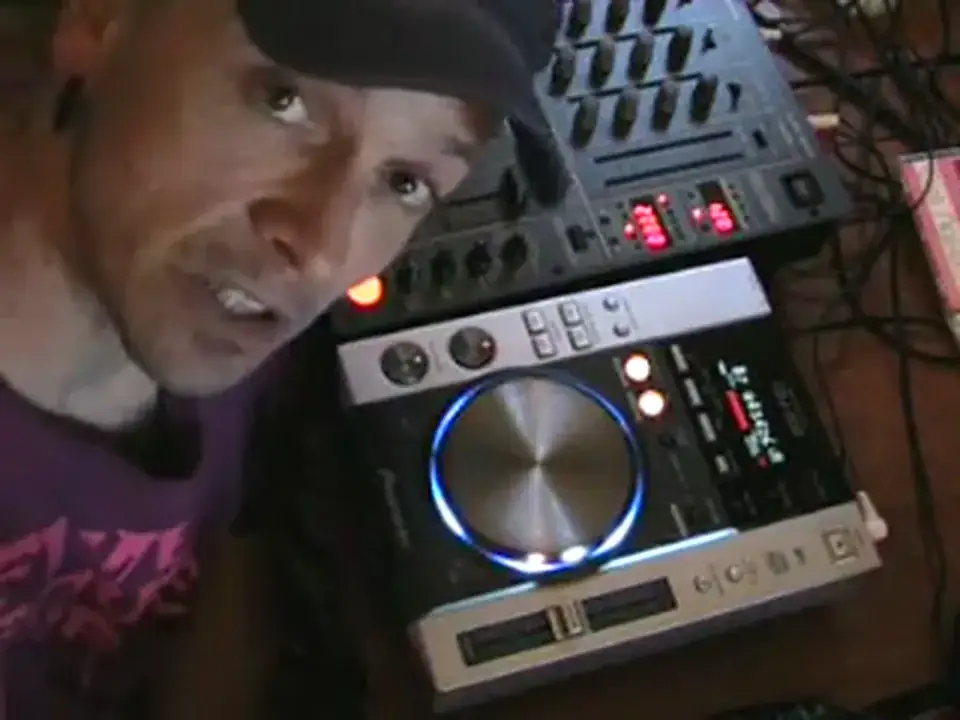
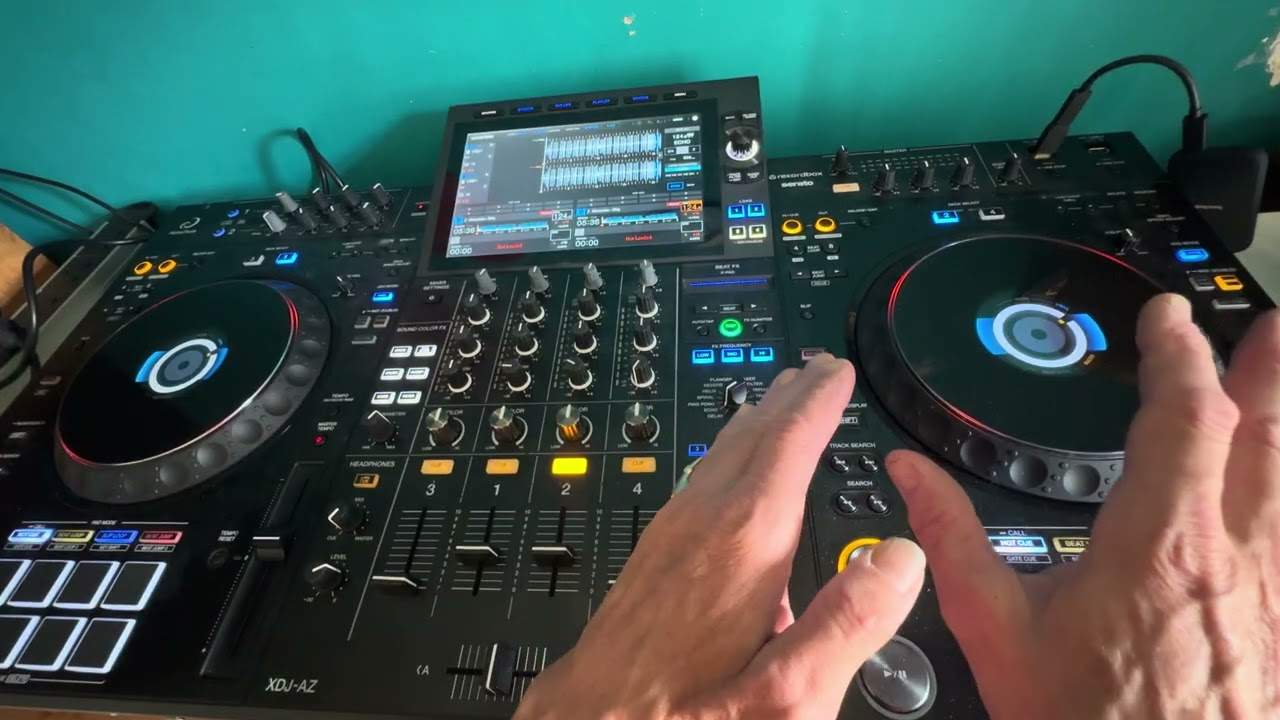
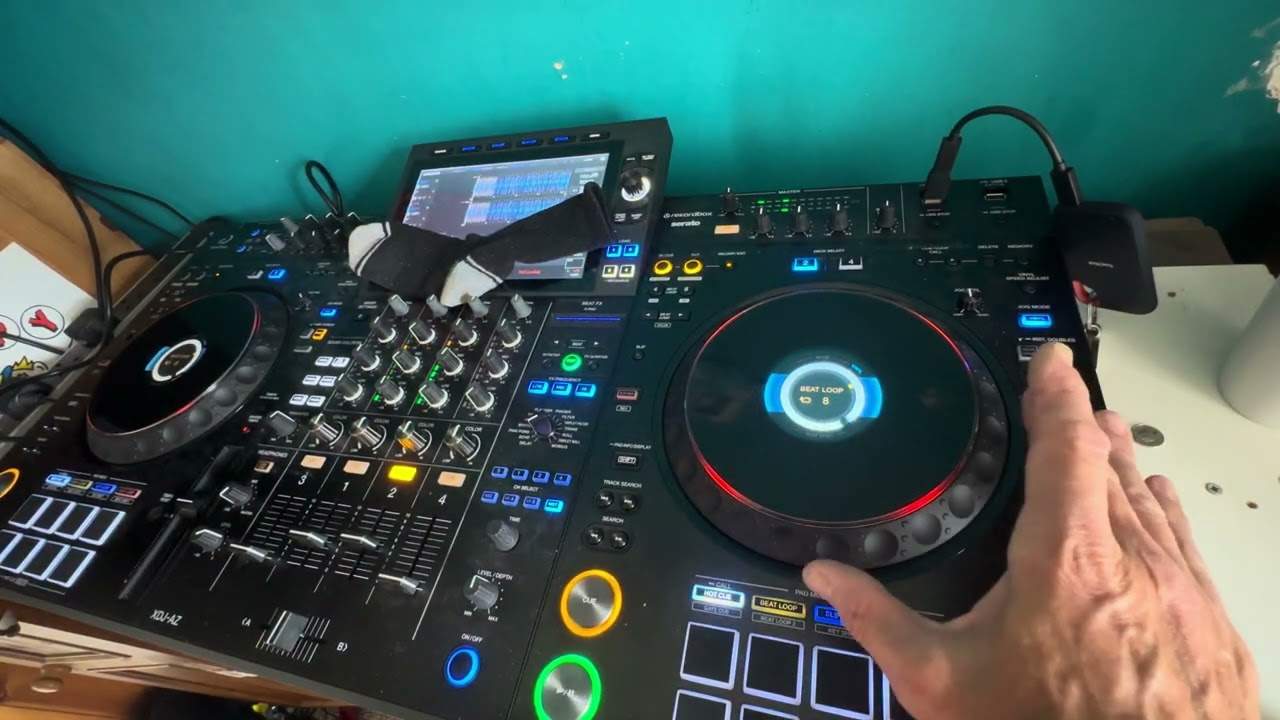
Alright folks, Jonathan here. A couple of people have asked me to do a tutorial on this guy here, CDJ-200. More importantly, a tutorial on the actual jog wheel function. Now then, the jog wheel is near enough exactly the same as the pitch control. They do exactly the same thing. They will increase and decrease the speed of the music, but there is one big difference. Now then, first of all let's say for example in a studio there was a piece of music and it was made at 100 BPM. In other words, in every minute there will be 100 beats per minute. 100 beats in that minute, that's BPM. Let's say the pitch control is set dead centre, well that means when it's at zero point on this particular unit, the CDJ-200, it basically means that that piece of music will be at 100 BPM. Now as I start to move the pitch control to the minus position, it will go from 100 to 99, 98, 97, 96, 95, 94, 93 etc.
If I move it towards me, it will go 100 from the centre, 101, 102, 103, 104, 105. Then I reduce it back to 100. Now then very quickly, if I move that to the minus position and let's say for example I take my finger off the pitch control, this is the important bit. Let's say at that position it will be, let's say for example, at 95 beats per minute. Now I take my finger off, it will stay at 95. From 100 dead centre to say 105 and I take my finger off the pitch, it will stay at 105. That's very important. Jog wheel. Now then, let's have a listen to a piece of music. Right, now you can hear the speed and you can hear the tempo, BPM. As I move the jog wheel clockwise, have a listen. The music goes faster. Watch when I take my finger off the jog wheel and listen.
1:59 It goes back to its original speed
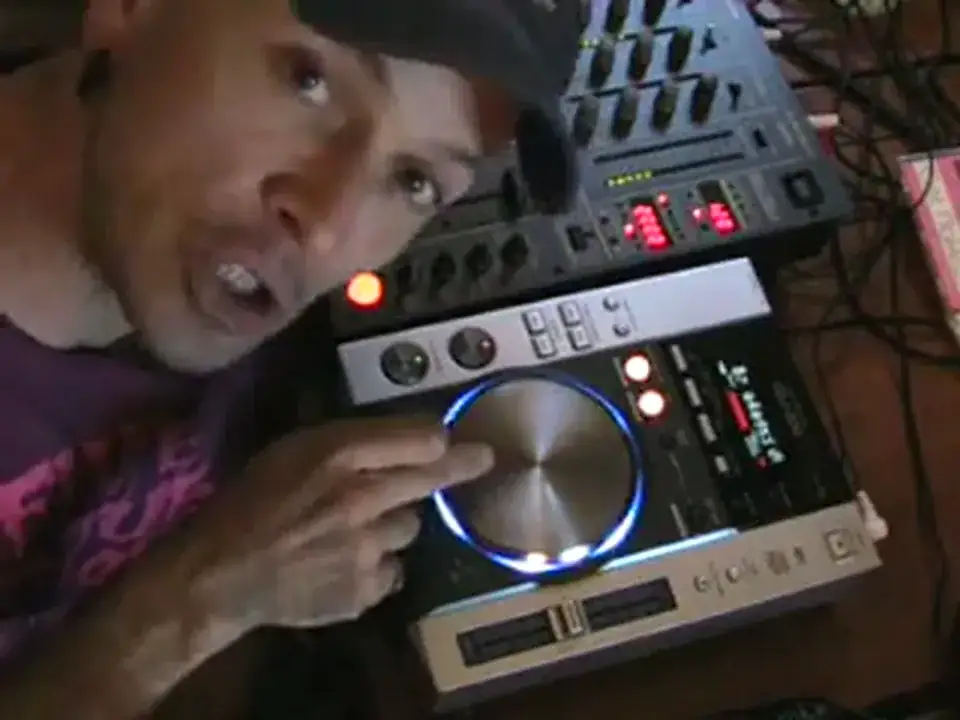
It goes back to its original speed. Now then, when I move the jog wheel anti-clockwise, have a listen. It slows down. When I take my finger off the jog wheel and stop moving it, it goes back to its original speed. Now there is a reason for that. Now this time I'm going to move the actual pitch control. Play the music. Slow it down. Take my finger off. Staying slow. In other words, it's staying at that speed that I've set it at according to where? I put the actual pitch control. Now if I move it to the original speed, there you go, move it faster, it stays at that speed. Now again, right, very quickly what we'll do here. Now dependent on how fast I move that jog wheel will be dependent on how fast the music will go. What I'll do, I'll start moving it slowly and then I'll speed it up. And you will hear the music starting to speed up according to how fast I'll move that jog wheel.
First of all we'll speed it up and then we'll do the opposite, then we'll slow it down by moving it anti-clockwise. Now we'll do it anti-clockwise. Right, now then, why do we need the jog wheel? What's the whole point of having the jog wheel? Because at the end of the day we've got the pitch control, the pitch will slow the music down, the pitch will speed the music up. Why do DJs need the jog wheel? Right, now then, think about this. A track is playing over there. You are listening to this guy here through your headphones. You're fine-tuning it. Now let's say if we have the pitch set there. Now let's say, for example, on the headphones you're listening to this piece of music through this CDJ and the other CDJ is playing a piece of music through the PA. You've set it there and the beats are perfect. You can hear the beats are perfect but the people listening can only hear the music that's playing through the actual PA. And you know you leave that pitch exactly in that position and the beats will stay together constantly.
Continually. Constantly, yes, that's right. They'll stay together continually. Now then, okay, what do you do then? You're listening and you're coming to that point in the music whereby you start to need to mix this one in, therefore this one now needs to be played to the public. So, what will happen is you press that button. Now theoretically, if you press that button at precisely the right point, then as you move the slider up, the volume up, The two beats will be aligned perfectly. Now let's say they're not aligned perfectly. Let's say you press play a tiny bit before you should have done. So in other words, this beat here is off but it's behind. This is what you do. You can move that jog wheel a tiny fraction very slowly until they catch up. As soon as they've caught up, take your finger off the jog wheel and because then...
5:17 Let's say all of a sudden, okay, you can hear that beat
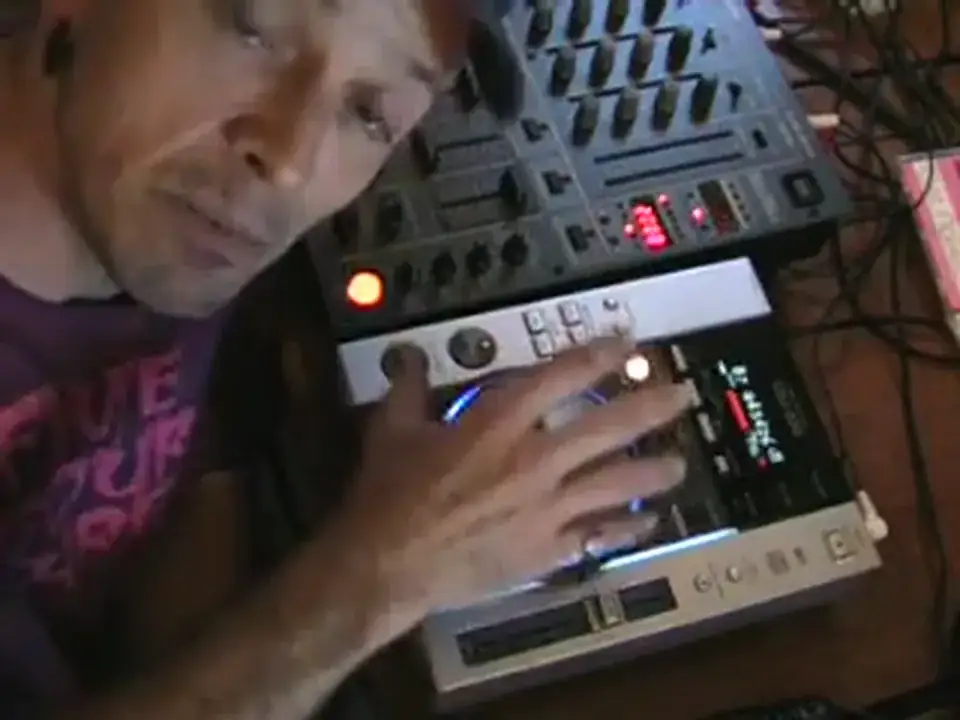
You have set the beat perfectly, what will happen is the music will start to slow down again and it will stay at the original speed that you set it prior to you actually moving the jog wheel. In other words, what's happened is you set all of this before messing around with the jog wheel or anything because you knew it was exactly at the right speed. Now let's say all of a sudden, okay, you can hear that beat. Bam, bam, bam. But you press that play after the beat. So all of a sudden what's happened now is this beat is going too fast so you need to slow this one down. What you will do then is you will move the jog wheel anti-clockwise and it's reducing the speed and it's catching up, the two beats are catching up as soon as you take your fingers off the jog wheel it will stay in beat because you set the beat perfectly
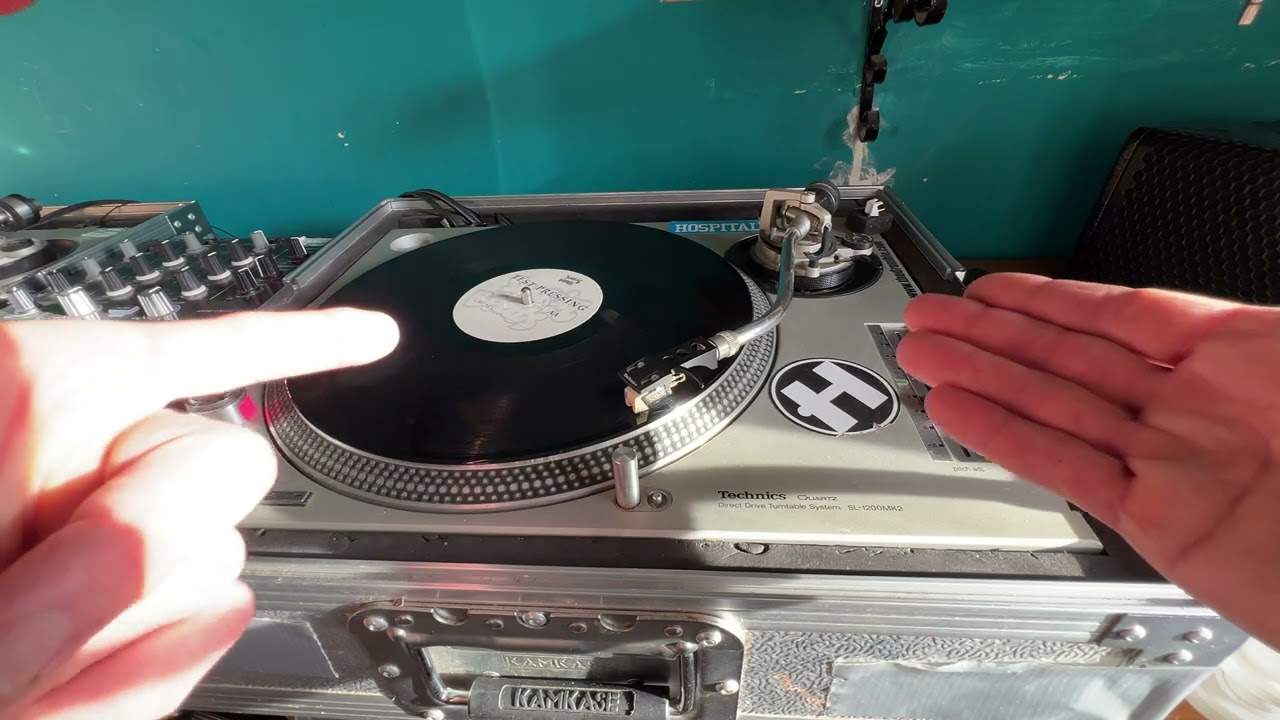
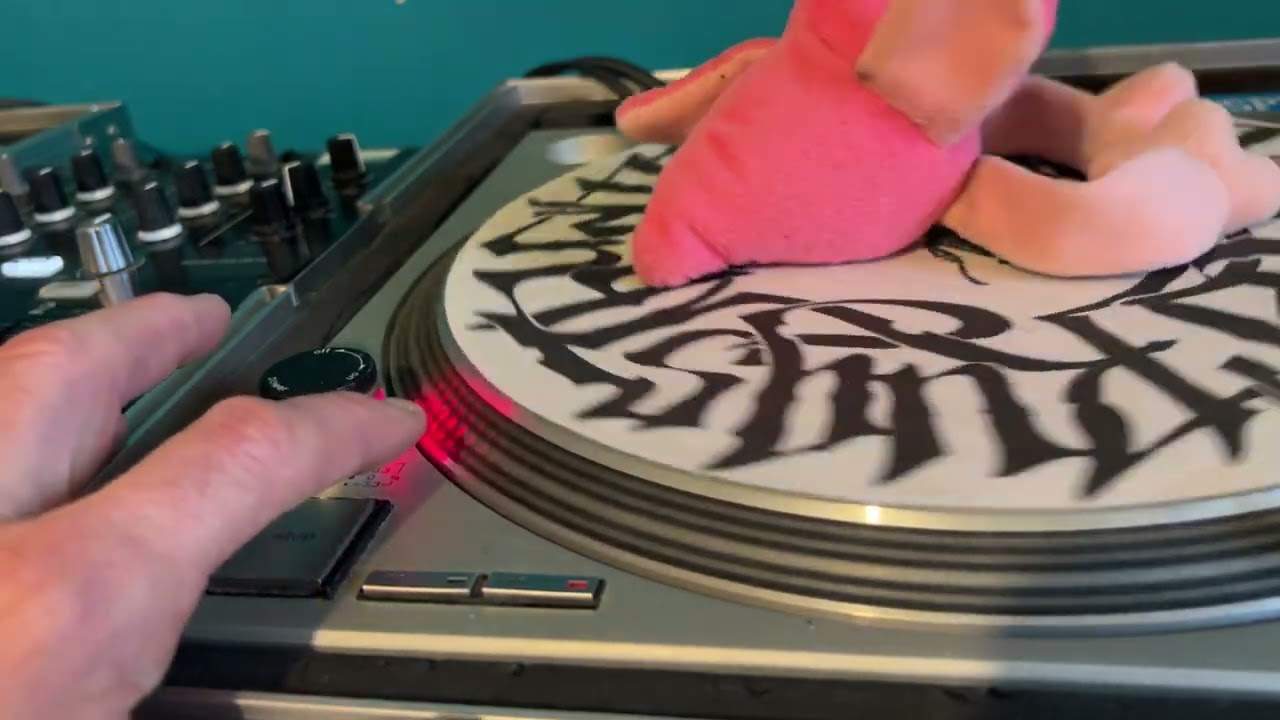
Prior to messing around with this. Now that's the one reason, when I say the one reason, there are other uses for the jog wheel but that's the one reason why a DJ will use the jog wheel in the mix to fine tune that beat to get it perfect. That's the same principle when you see a DJ using a vinyl turntable. The difference is some CDJs you can see the actual jog wheel moving continually. What happens with a vinyl DJ A person who uses vinyl turntables, you will see them moving the middle of the actual record. What's happening is they're tweaking it, they're making it go a little bit faster and they're moving it clockwise like so. As soon as they stop doing that then the actual platter, the whole unit will go back to its original speed. Likewise you can see them touching the side, they're slowing the platter down. As soon as they stop touching it, it will go back to its original speed.
That's the whole idea. Now, at the end of the day, it may sound very intricate, but it's not rocket science. Because believe me, once you get used to it and you understand exactly what I'm on about, it will be simple. Thanks for watching. Practice and enjoy.
This transcript was produced automatically from the audio of the video and may contain mistakes.