 8:36
Rough DJ Mixing Techniques Help Give Your Set an Organic Feel
Contents of the video
0:00 How a rough mix can actually
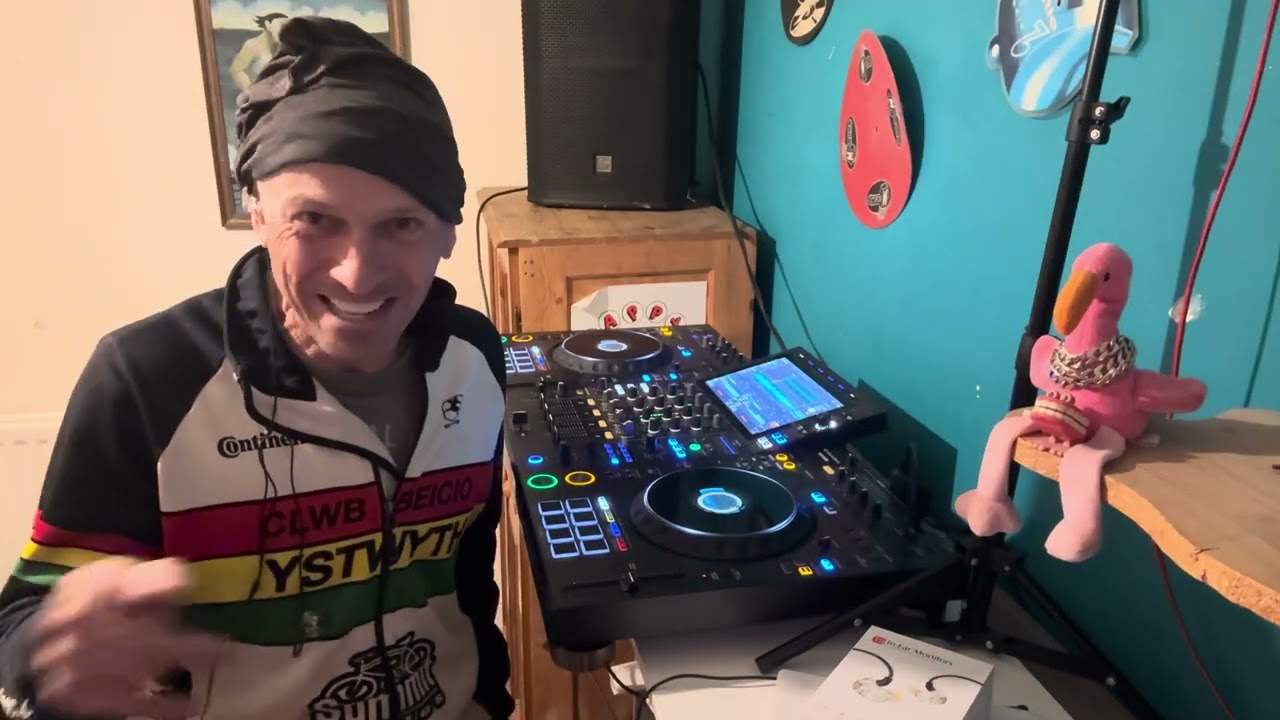
Alright ladies and gentlemen, Jonathan here the DJ Tutor aka Ellaskins and in this video I'm going to show you how a rough mix can actually be a good mix. How making some form of a rough feel to your set can make it stand out. Now right everyone aspires to that CD quality mix where it's absolutely bloody seamless and it's great. But, when you get a mix like that and you listen to it and you can't see the DJ or more importantly you can't see what the DJ is using or how he or she is using the hardware and also more importantly the software, you don't even know really if they're doing the mix. Are they doing a little bit of trickery and maybe pressing that sync? Are they looking closely at the BPM and are they just concentrating so much on that?
They're losing the whole soul of the mix. So, I relate to many, many years ago with vinyl. The mixes, not all of them, some of them, most of them, 50%, 20%, who knows, were a bit rough. They were like jagged around the edges, like a beautiful circle. But if you zoom up close, you will see it's not perfectly flat. It's got little jaggly bits and the zoomer, the closer you get in... Thanks for watching. Bang it in! But also, it's a great way of practicing. Two tracks I'm using is All About You, the original mix, and Back To Funk. Okay, I will put the names in the description. So... Right, so I'm going to try and explain what I was doing, why I was doing it, and what's the bloody point of... Oh, that said bloody three times actually in this. What's the point in this exercise?
3:03 First of all, I'm not bringing this on the one
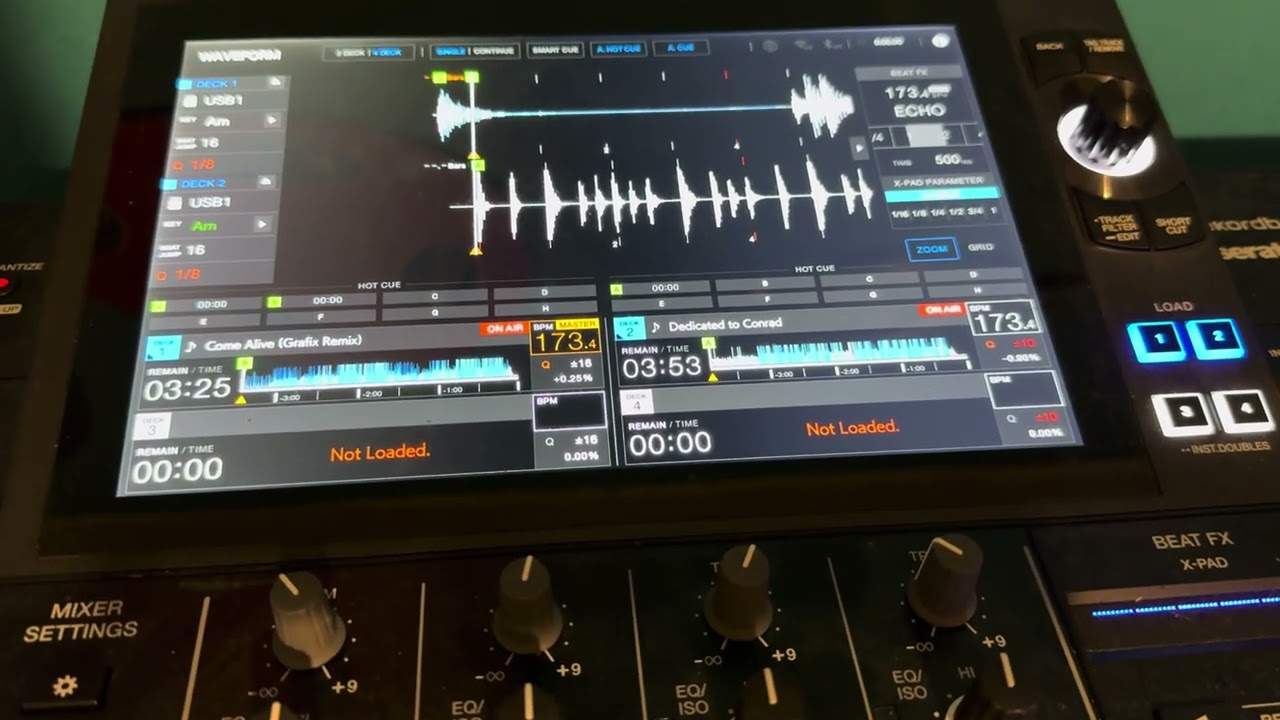
Well, first of all, I'm not bringing this on the one. I'm actually bringing it on the count of the and one. And so have a listen to... Let's just listen to that without the other track. Now again, I'm going to get very technical here and let's rip the track apart. There's actually not that much in between that kick drum, but... By bringing it in slightly before the kick drum, you are guaranteed of having all of that kick drum in the mix. Now, the sound, if you look at a sound wave, it's not just up and down. It actually starts to build up and starts to come down. So if you were to just take the uppy bit, it wouldn't sound natural. It would sound very sort of experimentally just made by machines, which it is anyway.
5:02 Stop picking your nose and pay attention
But this is it. You see, again, I'm going to digress even more. A lot of the producers now, what they will do, they will make the kicks slightly more organic by just adding peaks and troughs inside the kicks. So they may add a peak and a trough on kick one, a trough and a peak on kick two, a trough trough and a peak and a kick on three, and maybe a trough, a trough and a kick on four. And maybe they'll do that again with the next group. Prior to the kick, we're getting all of the kick and not just a little bit of it. Now also again, this is a great way of practicing because what we're doing... Stop. It did it, see? Isn't that clever? What we're doing... Oi! Stop picking your nose and pay attention. Thank you. Right, what we're doing is we are keeping in time but we're not just bringing it in on the one. So if I press play again here now, you'll notice as well I was up with the one fader
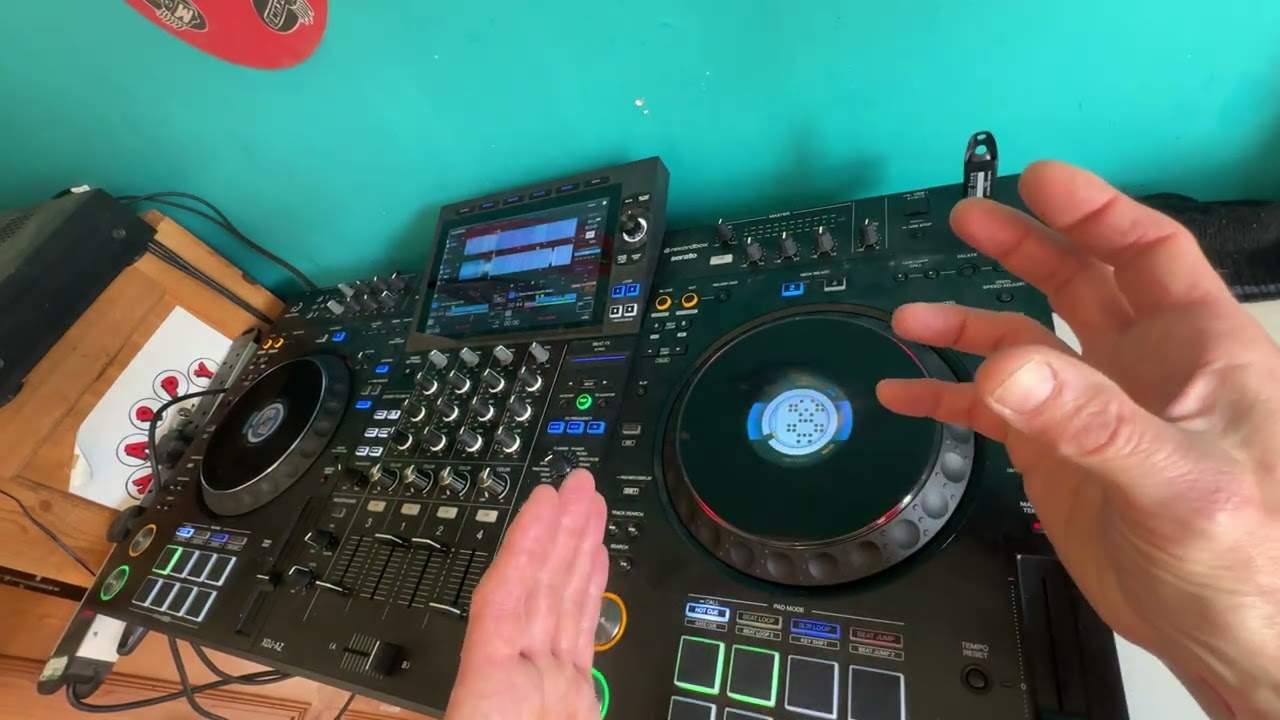
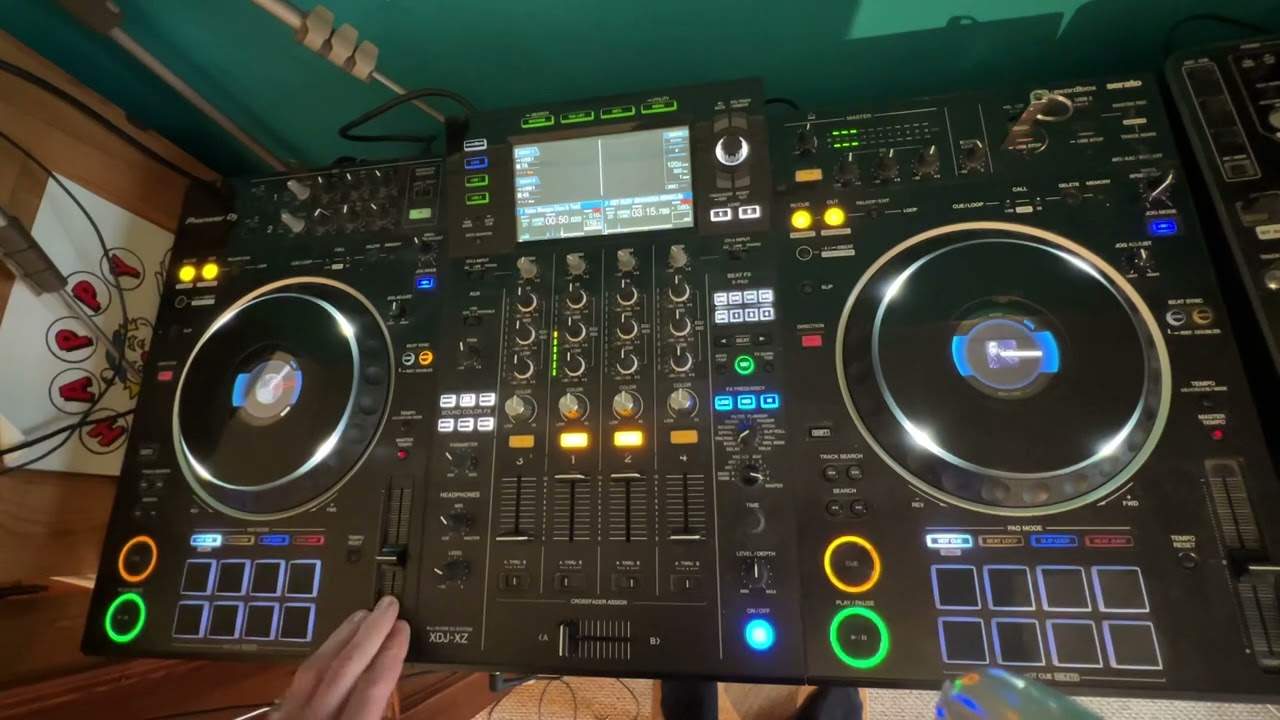
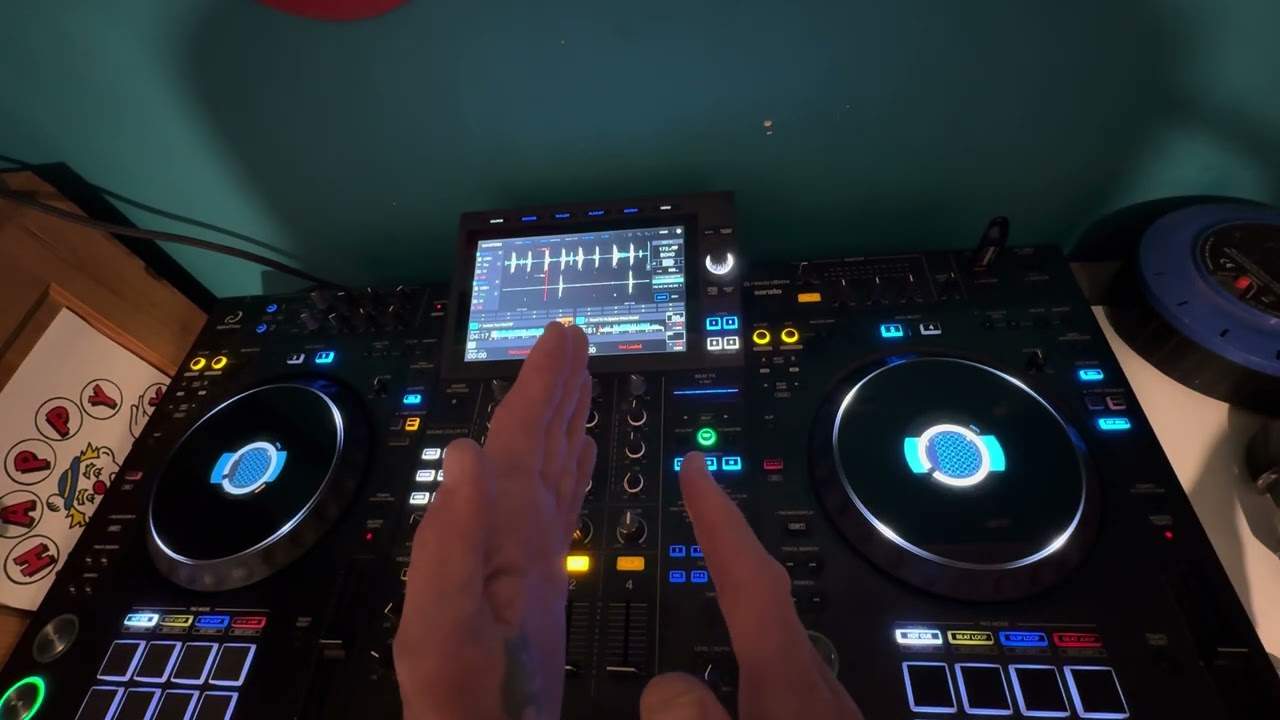
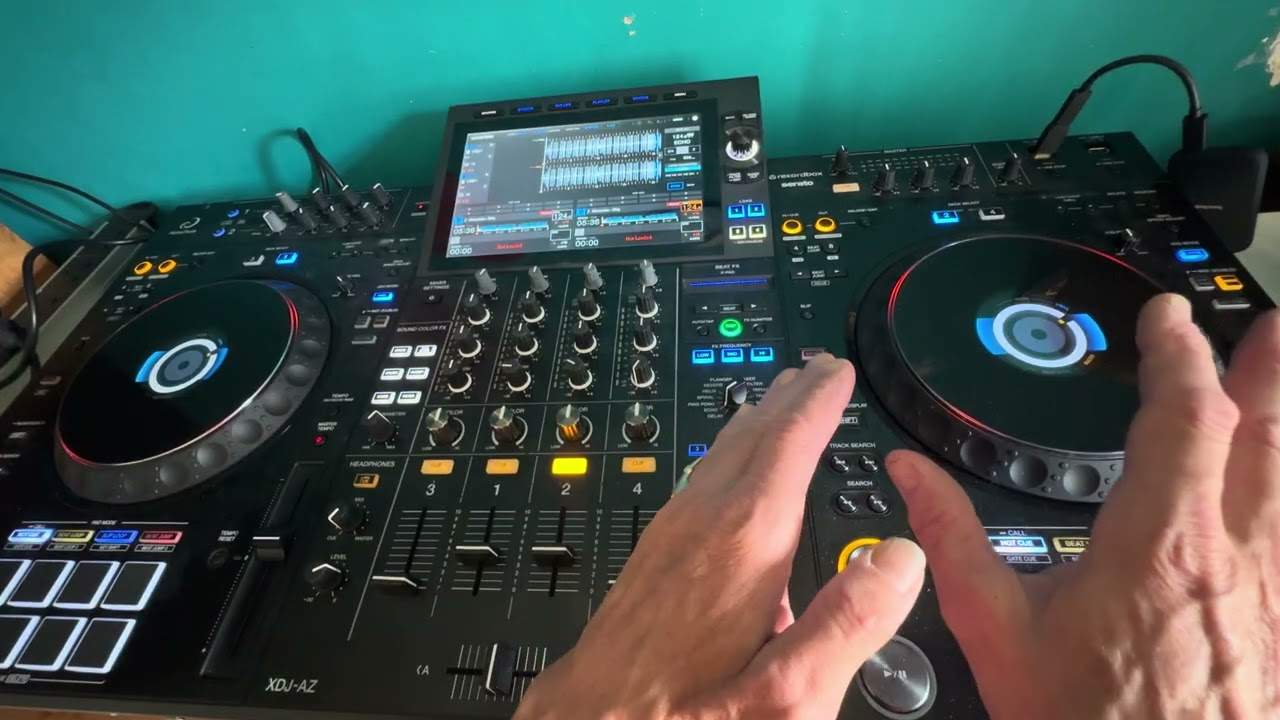
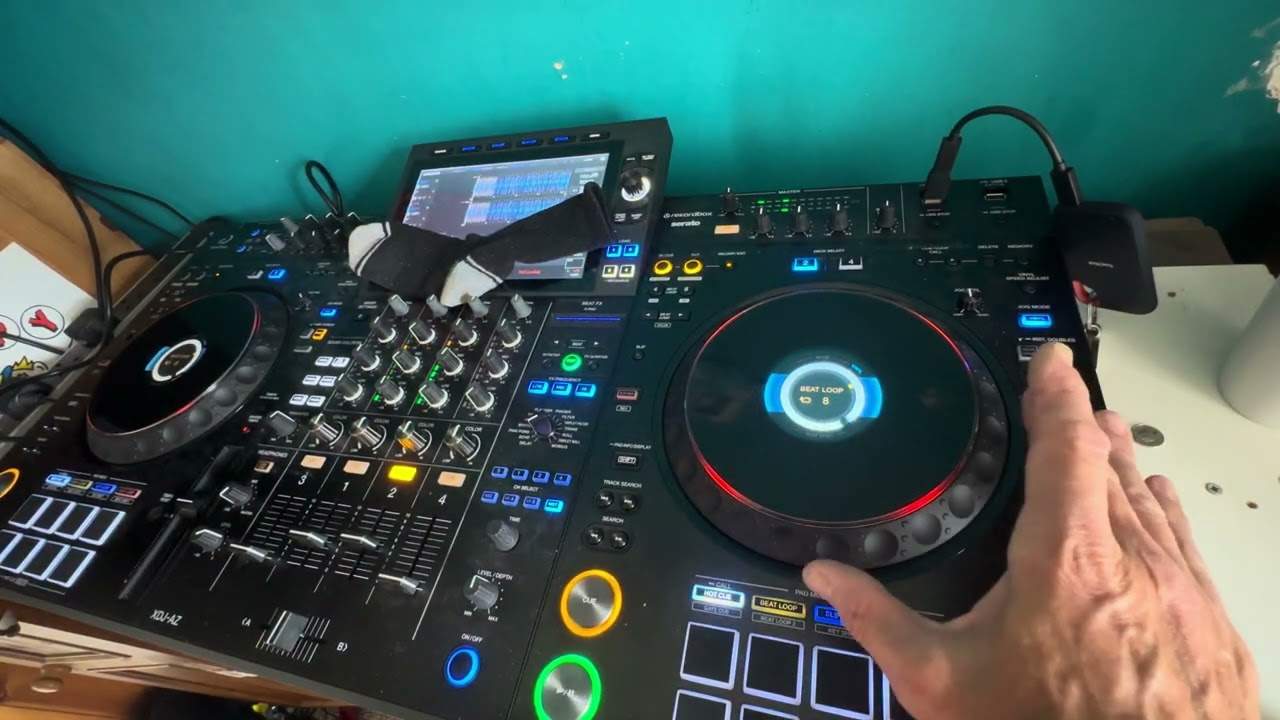
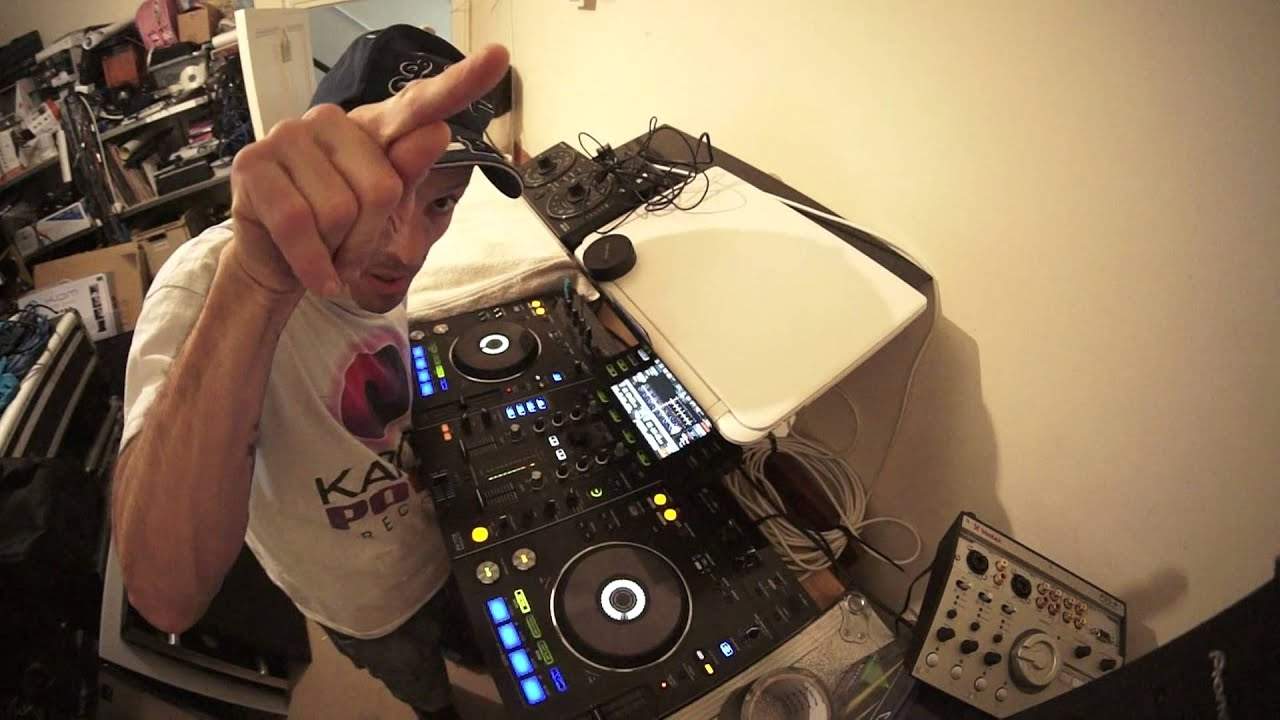
And then down with the other. But it wasn't up and down at the same time, it was up, leave them together for a tiny bit and bring the next one down, that one up, leave them again for a tiny bit and bring the other one down. Here we go, so... And 1, 2, 4, and 1, 2, 3, 4, and 1, 2, 3, 4, and 1, 2, 3, 4, 2, 3, 1. Now I'm using two hands, try with one. Are you alright Blaze? We changed it a little bit there, but do you see what was going on? Fun. Possibly you, for the first time, you look at your mixes from a new angle and go, do you know what I'm going to be like? No, you don't want to be like me. No, no, no, no, no. Have some fun. Experiment. Be slightly rough. Rough in the mix, not rough on the kit. Alright, what I'm using is the XDJ-RX. Go and check out the link in the description. It'll take you to getinamix.com where...
It's a good place. I've been there many times. It's in Colchester. Great group of people and we have a lot of fun there. I hope to be back there again soon. Alright, I'm going to give you one more demonstration. Let's have a listen. Here we go. Right. 4, 2, 3, 4. 1, 2, 3, 4. And 1, 2, 3, 4. And 1, 2, missed it. 1, 2, 3, 4. And 1, 2, 3, and 1, 2. You can even try it faster. Alright, there you go. A few of you may be saying, just use the crossfade. It's about technique. It's about trying to make your hands do things they're not supposed to do. You know, it's like the analogy I'll give you now is a drummer. You could do that all day. But why don't you try? It's more difficult. But by going like that a lot faster means that you are better going slower. Practice and enjoy. Thank you.
This transcript was produced automatically from the audio of the video and may contain mistakes.