 11:31
Simple Beginner DJ Mixing Lesson BY Ellaskins
Contents of the video
0:00 This is a beginner DJ mixing lesson
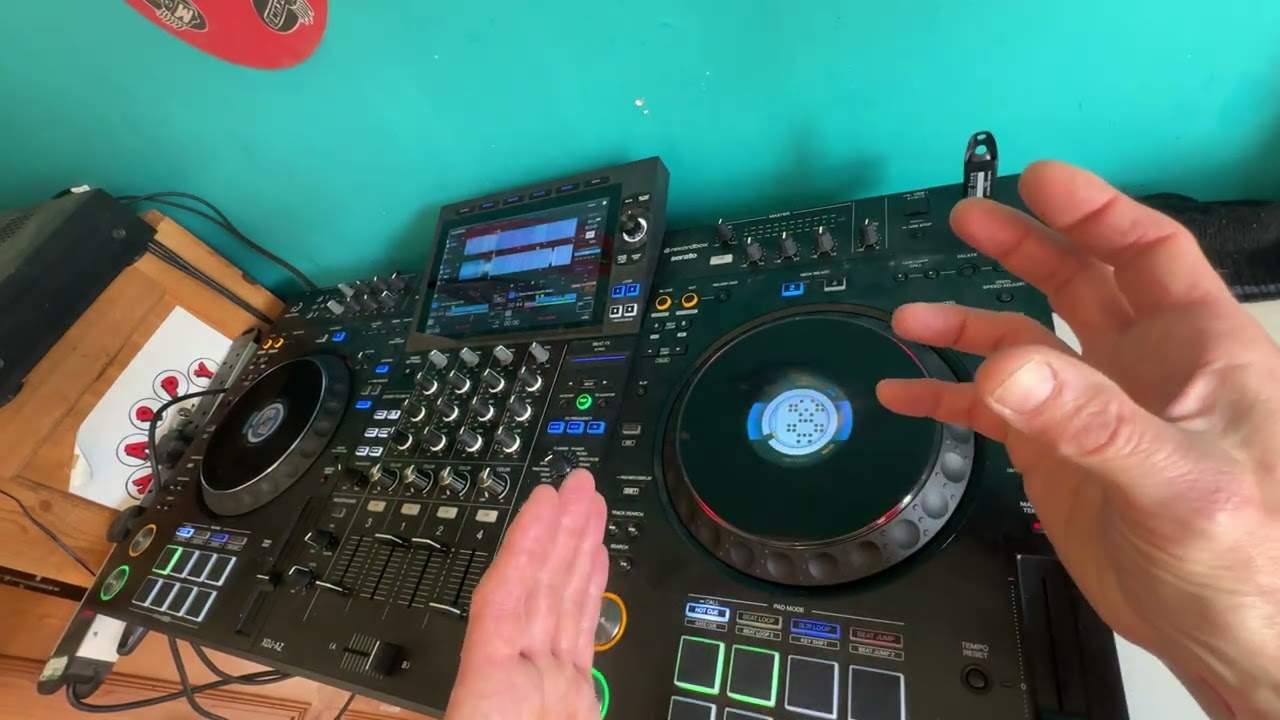
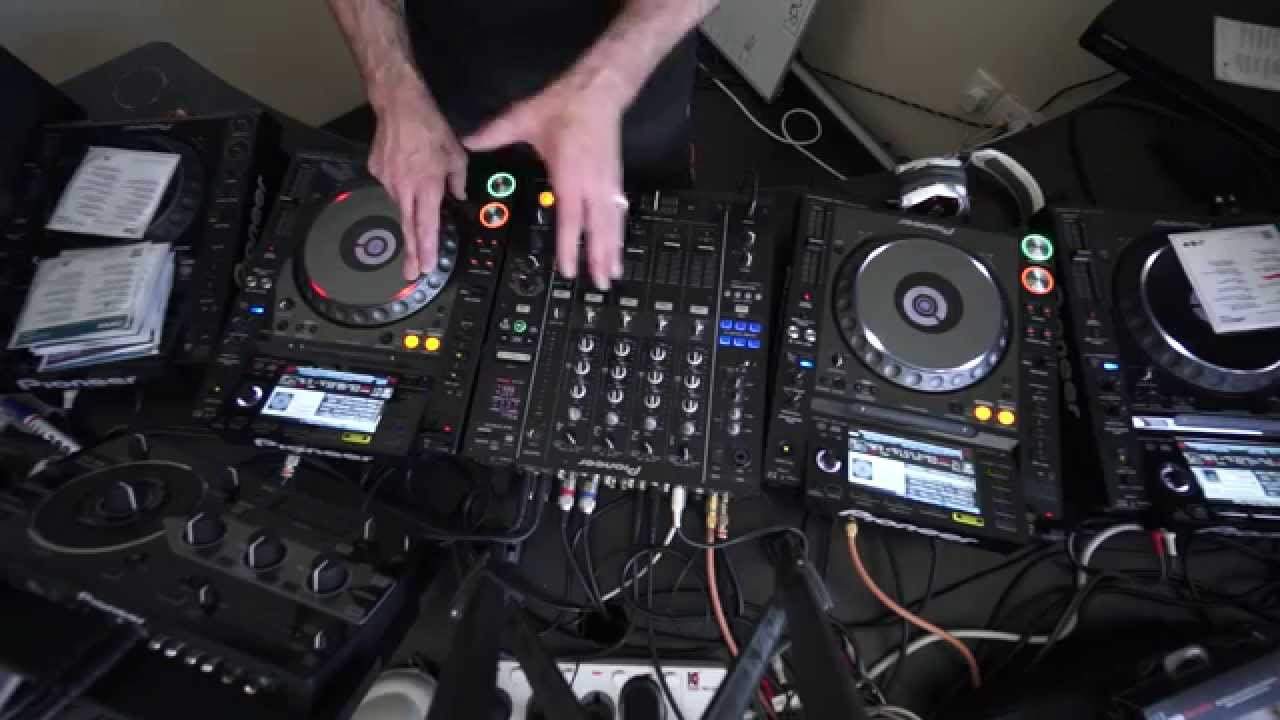
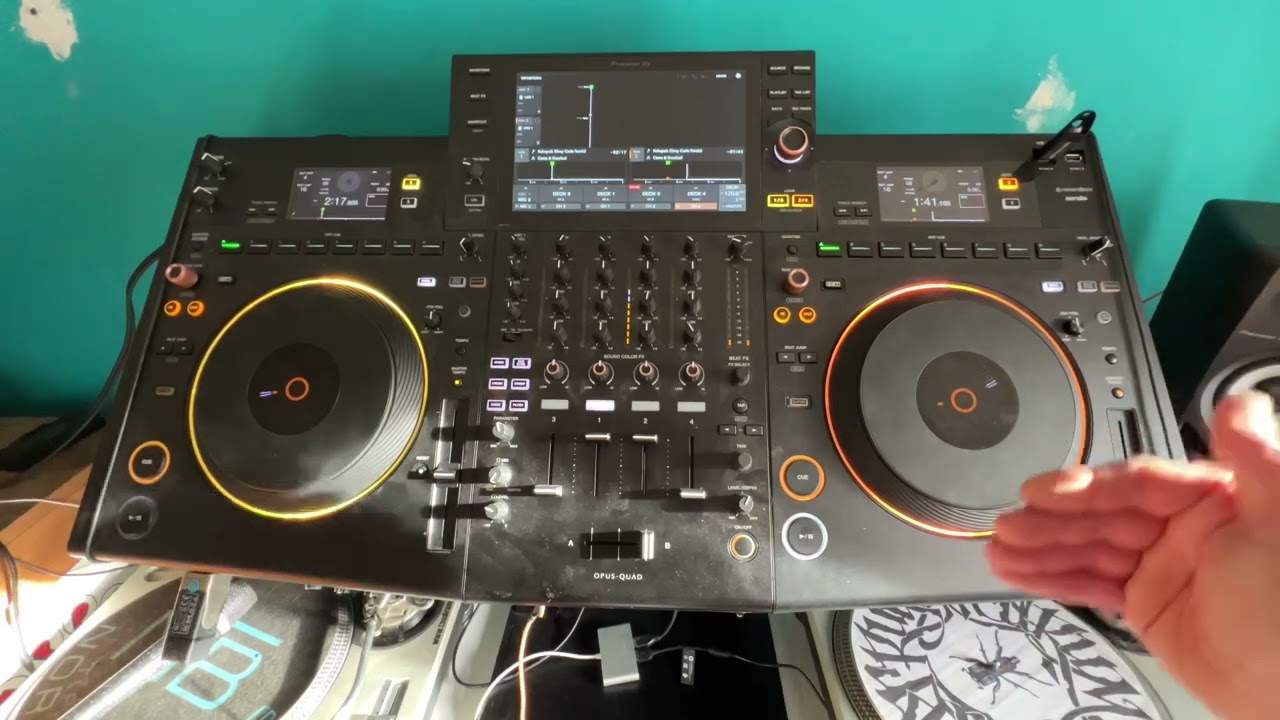
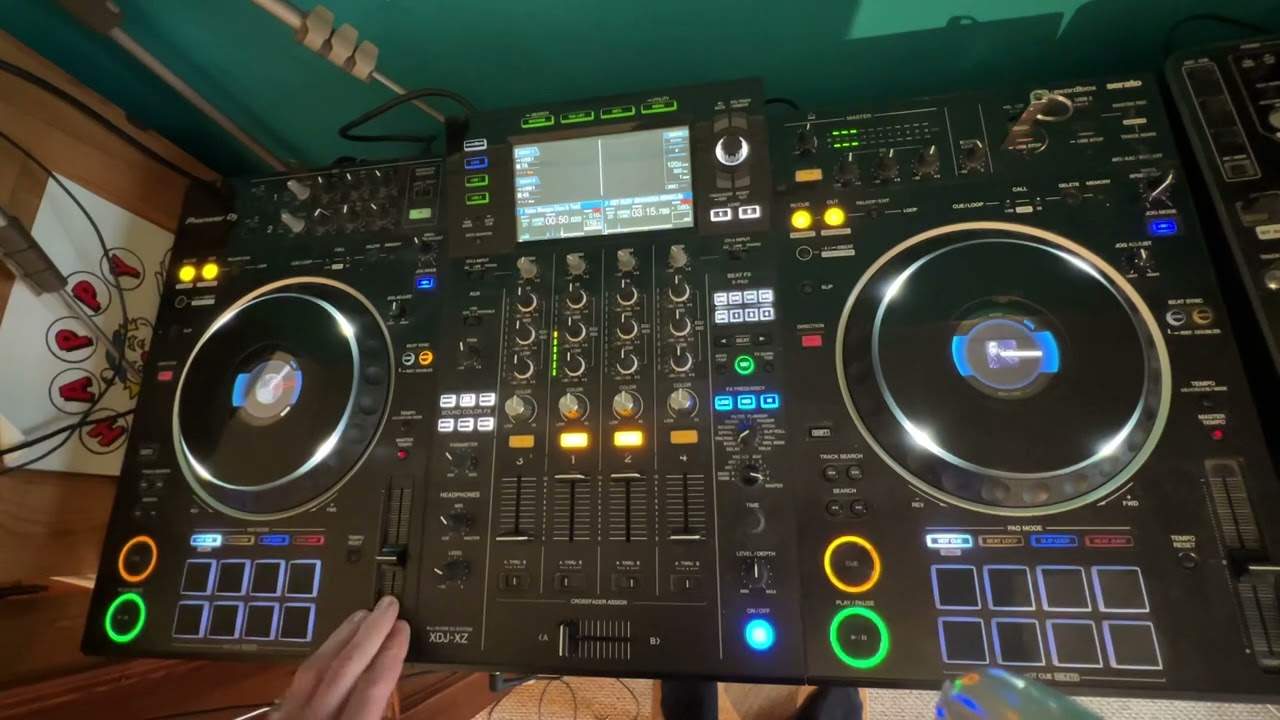
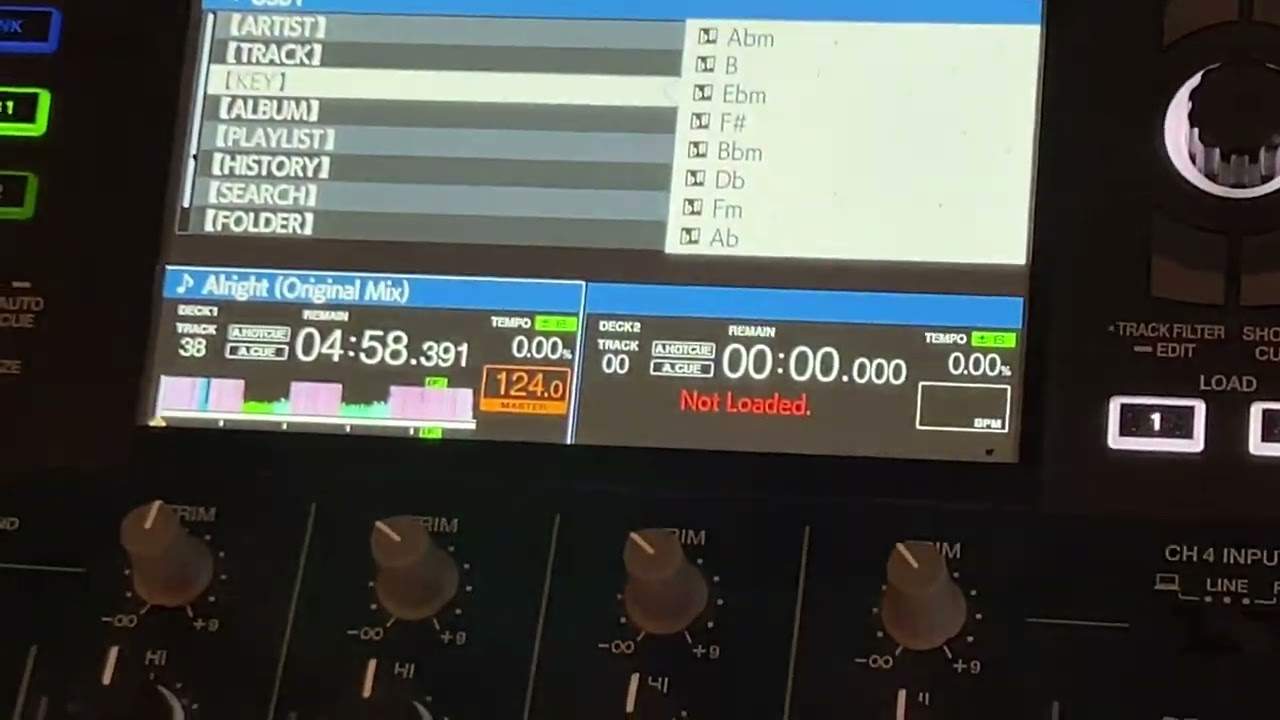
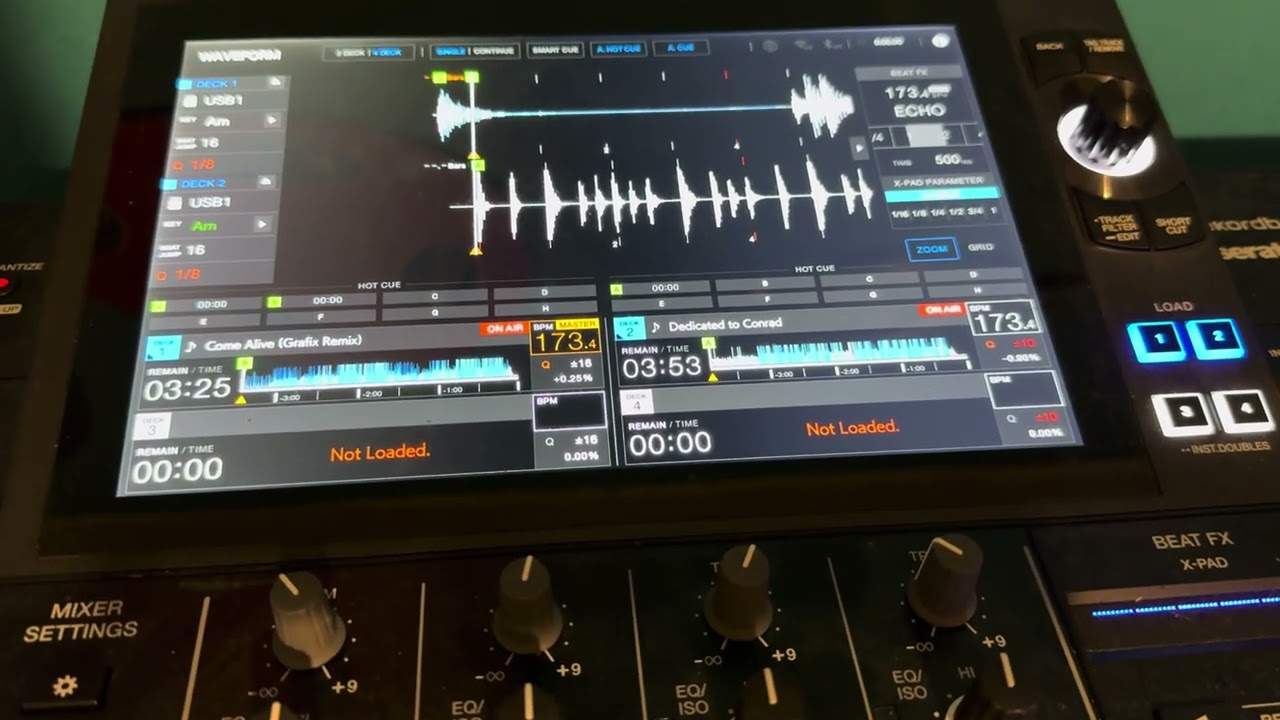
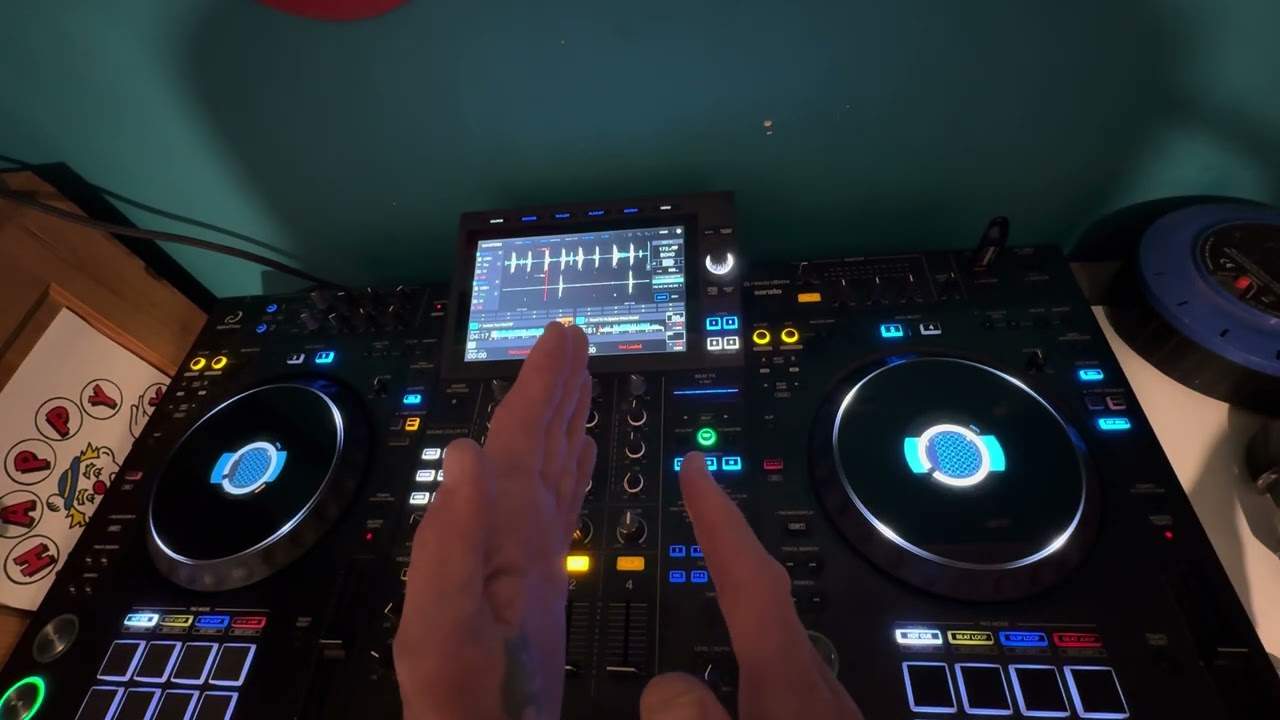
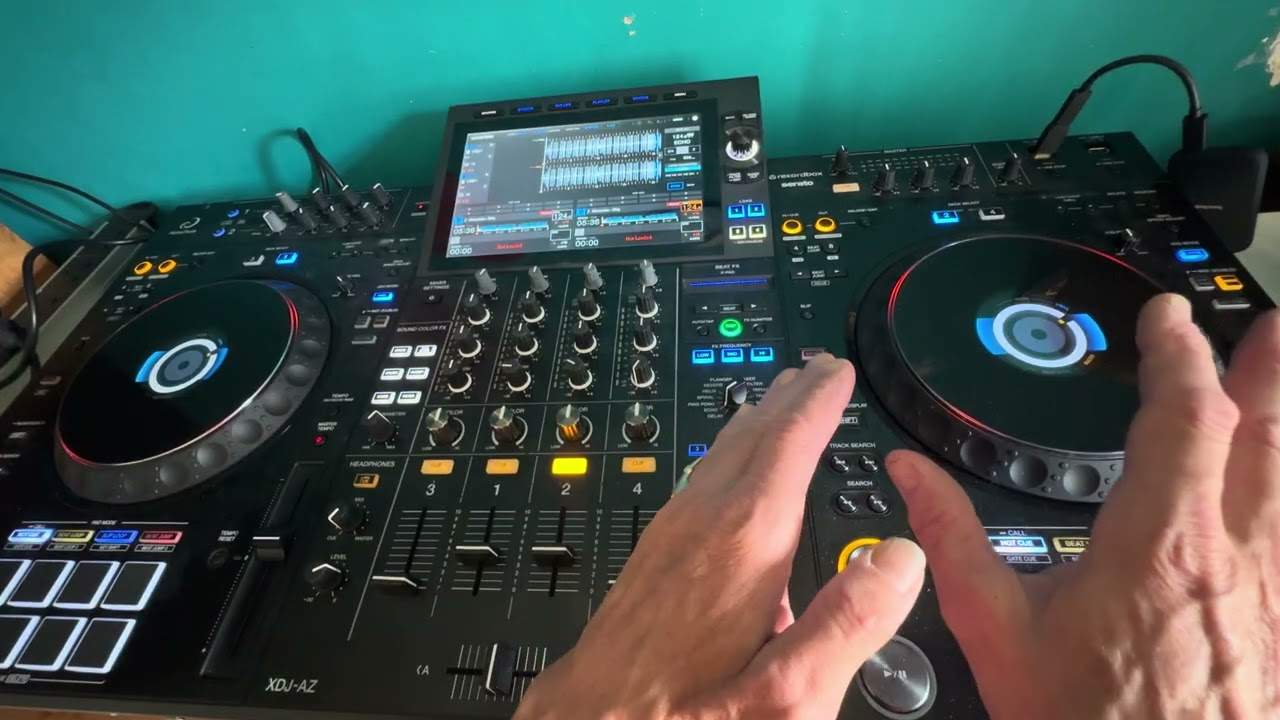
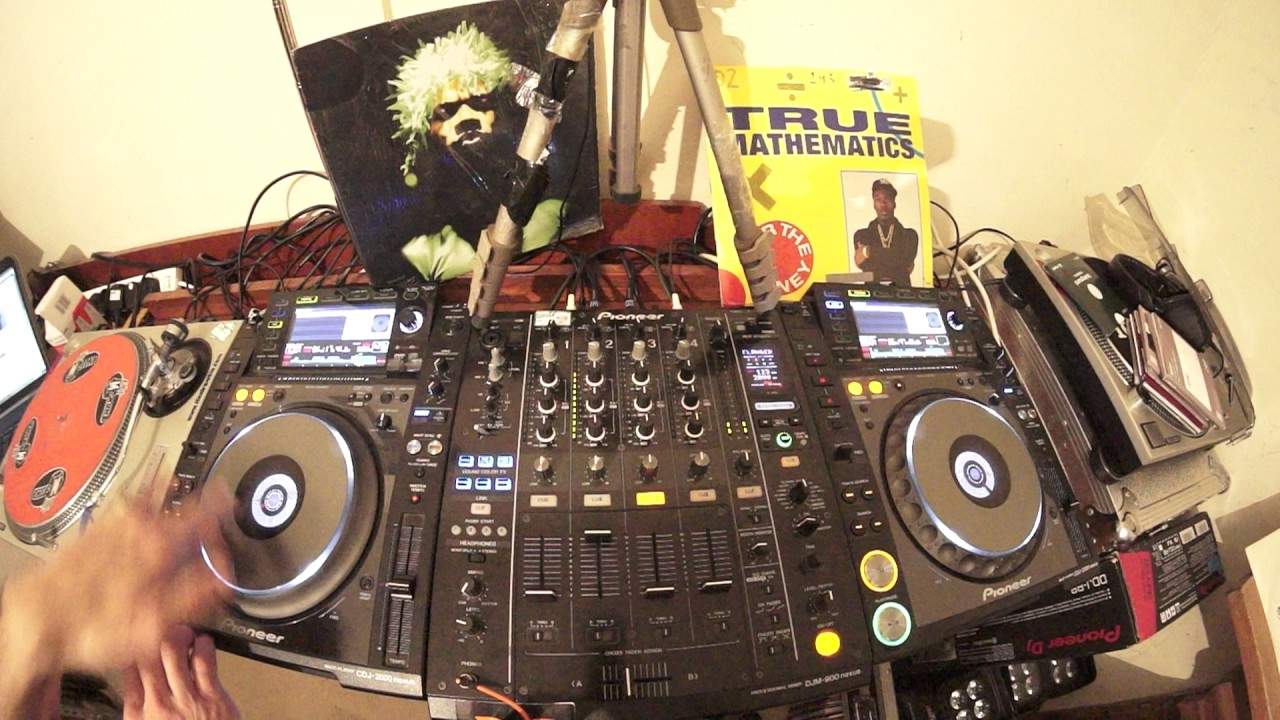
Alright guys, this is a beginner DJ mixing lesson. The track I'm using is by Sinead Harnett. It's a Kenny Hectic re-dub, very good friend of mine, and the track is entitled Rather Be With You. There will be information on Mr. Kenny Hectic in the description of this video. Alright, so what I've done, because this is a beginner DJ mixing lesson, it's very simple. I have the same track on both sides. Not only that, the same track on both sides is at the same speed, and you can do that very simply by setting your pitch controls to the centre position. If you're a little bit unsure about if they are still not the same speed, look at either on your CDJs the screens or on your laptop. At the program itself, and what you should see is the word or a small couple of letters BPM, beats per minute, and both sides should match exactly.
So this track here is 1-2-3, 123 BPM, and that would be the speed that the track was originally made in the studio. So what I'm going to do first of all, either right or left, it doesn't matter, from the first kick I'm going to start to count. I'm going to go through the bars and see how many bars I've got before the break in the track. Now this is just this track, other tracks will always be different, but phrasing is always the same, 99.9% of the time in modern day dance music, phrasing is about 4s, 8s, 16s, and 32s. Let's have a listen to how many bars we've got at the beginning of this track before we get the vocals in. First sound, that first sound is the count of 1. So 1, 1, 2, 3, 2, 3, 4, 5, 6, 7, 8, 9, did you notice there was a change after 8?
12, 13, 14. 15, 16. Okay so we had 16 bars and then we've got the break with the vocals coming in. Nice melodic kind of feel and vocals, very sweet sound, love it. Alright let's just have a listen to the track. Okay so we've got the beginning that we're going to mix in on my right hand side.
3:01 Doesn't matter which way you do it, we've got the same track
And we're going to mix that in to the end of the same track on my left. Doesn't matter which way you do it, we've got the same track. So I already set a cue point towards the end of the track. Right at the moment now and again the beauty about doing something like this is I believe this track at the moment is on promo. But when it's actually out you can get this track yourself and you can follow me to a tee because A you're using the same track. And B you're using the same track. And B because it's the same track it will be exactly the same time, same times as well. So let's just have a listen to the end of the track.
3:46 I'm listening for a change
I'm listening for a change. Okay did you notice there that we had vocals and all of a sudden the vocals went into this quite sort of nice melody. Now that believe it or not is a new phrase. So let's go back and let's find out exactly where the phrase starts. There. Okay so if you ever get this track the timing is one minute and six seconds at the end of the track. So what I'm going to do is I'm going to now move the left hand deck, the deck that has got the end of the track back to about sort of 120. So that gives me you know 14 or so seconds to get ready. Then when we get to one minute and six. I'm going to start the track on my right, same track. But I'm going to have the volume down. Now I have got my cue button shining so that means that I will be able to hear the right hand deck through my headphones without you listening to it.
The left hand deck volume is up so you will hear that. I will set the volume on my headphones. So the audible volume through the instrument. Okay. I'm going to be listening through the ear cup that I'm going to be listening to the track on the right. Happens to be the right headphone. The actual level, the SPL, sound pressure level of the right hand side through my ear, through the ear cup will be at the same sound pressure level as me listening through the left ear, through the speaker that's over there. Okay. Now I'm going to zip back to about 122. I'm just going to set another cue point there. Okay. So I'm now at 121, 122. So as soon as I get to the original hot cue, I'm going to start the deck on the right.
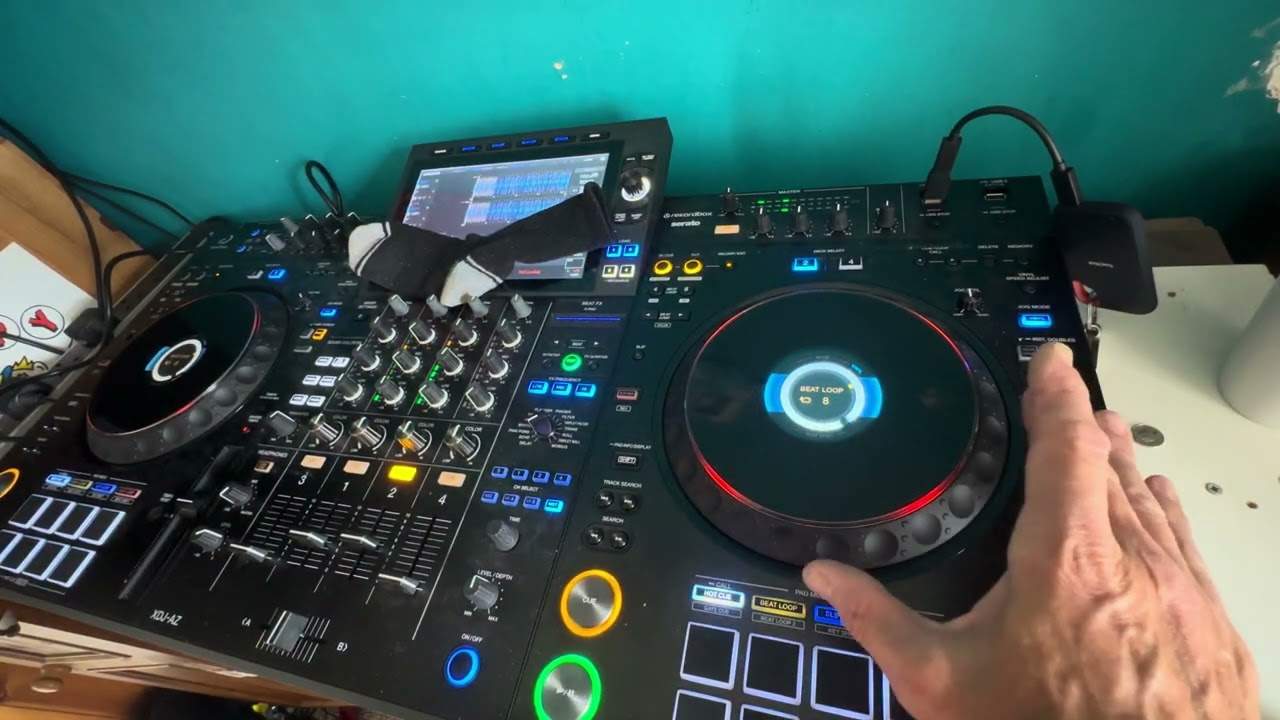
Make sure it's beat matched. Now because it's already the same BPM, there is no need to touch the pitch. If you let's say start the deck on the left. On the right slightly before or after the time when you should start it. It should be just a question of you moving the jog wheel clockwise to speed the track up a little bit. You're nudging it or anti-clockwise. The analogy I give you here, which I did in a video many years ago. It's like driving a car. You've got your foot on the gas when your foot is stable and it's not moving at all. Then you should be cruising at a certain speed. If, for example, you want to slow down slightly from 120 miles an hour. Which is a bit crazy but well, you never know. You want to slow down slightly.
7:14 You press down slightly
You release the pressure. Okay. So you're going to slow down slightly. But then you want to go back up to 120. You put your foot down exactly at the same position where it was. So you may decrease to 118. But then put your foot down again. You're going to go back to 120. On the other hand, you want to speed up slightly. So you press down slightly. But then you're back again to 120. So you may go to 124. But you're back to 120. Now, two things are happening here. By reducing and going back up to speed. You're going to be moving back. You're going to be slowing down a little bit. But then you're going to be getting back to that same speed. So if we look at that in relation to distance. As you're moving forward. You will be moving a certain distance.
You take the speed off. Then that distance is going to move back. You're not going to have been moving such a greater distance. And then as you bring your speed up again. You're going to carry on moving at the same speed. So, by your action of slowing down and speeding back up again. Means you would not have moved so much distance. On the other hand. Put your foot down. And back up. You will move a slightly greater distance. So let's look at that analogy now with what we're doing here. By moving the jog wheel clockwise speeding up. You're going to be pushing. Pushing that beat a little bit forward. Which means that beats going to move a little bit more distance. Forward. By moving the jog wheel anti-clockwise.
9:13 Your timing
You're bringing that beat back. You're not going to be moving. Such a great distance. For the time. That you're moving that jog wheel. Not all the time. So this is the analogy. Based on the throttle in a car. And the movement on the jog wheel. So let's go back to our second hot cue which is around about 121. And like I said when we get to the first hot cue. I'm going to start the deck on the right. Get ready. Always look. It's a great idea to look at your timing. But also listen. Ears and the music is more important than looking at numbers. There. Now this. I'm going to move the jog wheel a little bit clockwise in the direction. Now I can hear a phasing sound. Airy kind of sound. That's telling me it's in beat. This is what I want.
5 4 3 2 Okay. There. I should have really brought that one out. Straight away. Bang. Straight out. Okay. This is a phrase mix. Now let's do that again. But this time. I'm as soon as the vocals comes in on the right hand side. I'm going to take the left hand side out straight away. So let's do that again. Here we go. 4 1 2 3 4 Again. I'm looking. And I'm listening. I'm tapping on the right hand side on the cue just to get me sort of in time with the track. And start. Jog it a bit to make sure it's in time. Once it's in time then I can bring it into the mix. And you'll know it's in time because you'll get that phasing sound. Two together. By itself. Here we go. And 5 4 3 2 1 Go. 1 2 3 4 1 2 3 4 3 2 Much better. All right. So I hope that's been a help.
It's a great way of practicing. By all means you can use this Kenny Hectic read up if you want to. Alternatively, you can use any track but the same track on both sides. Practice and enjoy. Thank you.
This transcript was produced automatically from the audio of the video and may contain mistakes.