 9:23
Simple DJ Re Mixing Style on the FLY
Contents of the video
0:00 Generally it was producer, sit and make the tunes, the DJ would play t
Alright, so I have said recently in a video that the gap between the DJ and the producer has gone. If you go back to the 80s, there was a gap. You had a producer who would make the music, and you had the DJ that would play it. Not so often then you'd have the producer who would also be a DJ as well. Generally it was producer, sit and make the tunes, the DJ would play them. But nowadays there's no gap because there are so many different levels. You have a basic DJ, that's all they do. Then you have a DJ who maybe will add a few effects. Then you'll have another DJ who'll add effects, maybe an external effects unit. And then you go up in steps. Then you have a DJ who will start music production on the fly by, say, using Ableton, using the likes of a mixer like the Nexus Mark II, inbuilt sound cards, using that as a MIDI controller and utilising the mixer to control the software while they're also using the decks as well, and so on and so on.
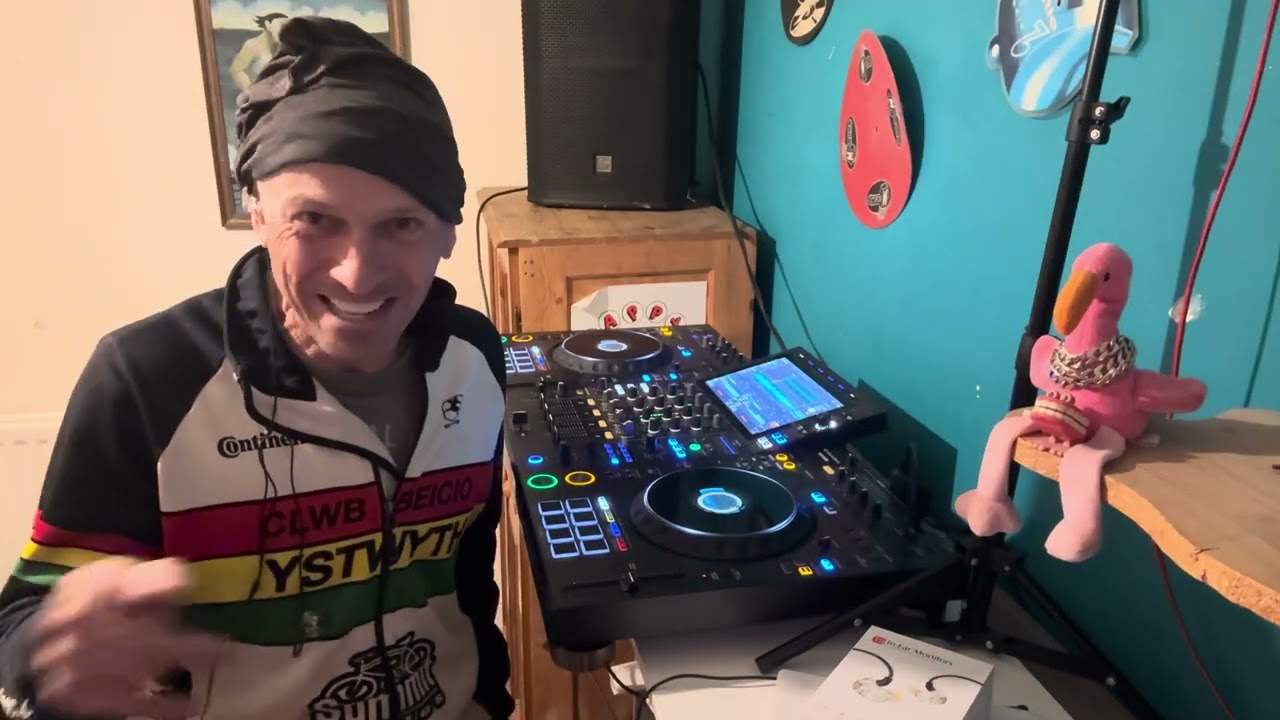
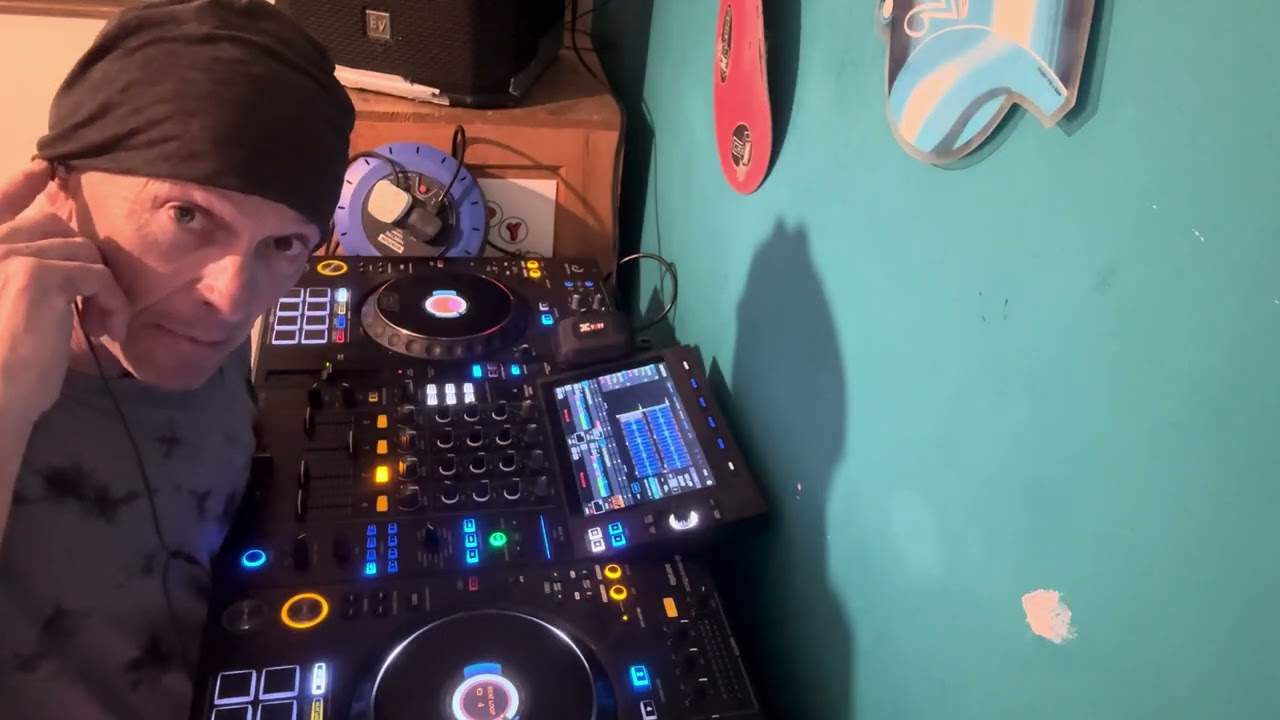
So there isn't any gap. So nowadays you can have a DJ who can make music. But let's imagine you don't have all the wacky contraptions, you've just got your set of decks in front of you. Well I've got two random tracks here. A track on the left is a track entitled All I Need, the extended mix. If you haven't listened to it now, you'll get an idea of what it sounds like.
1:35 I wanted to use Sync and Master
And then on the right hand side, I've got a track entitled How Many Times.
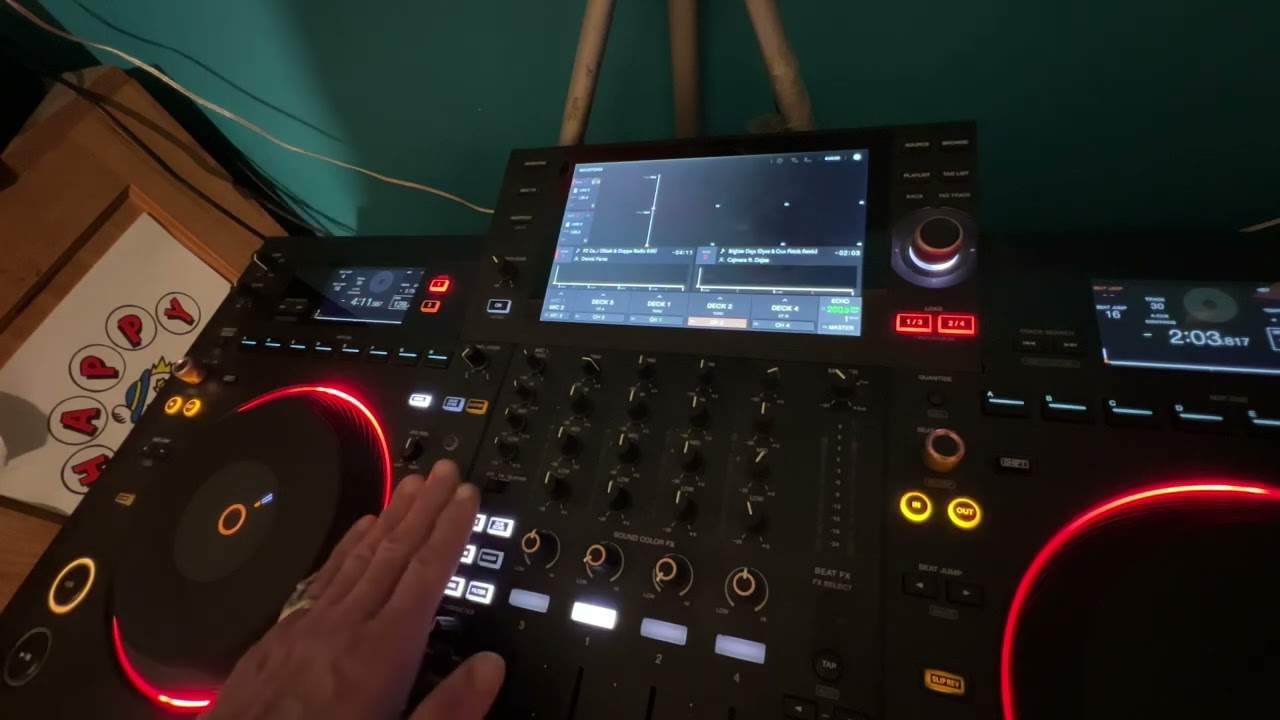
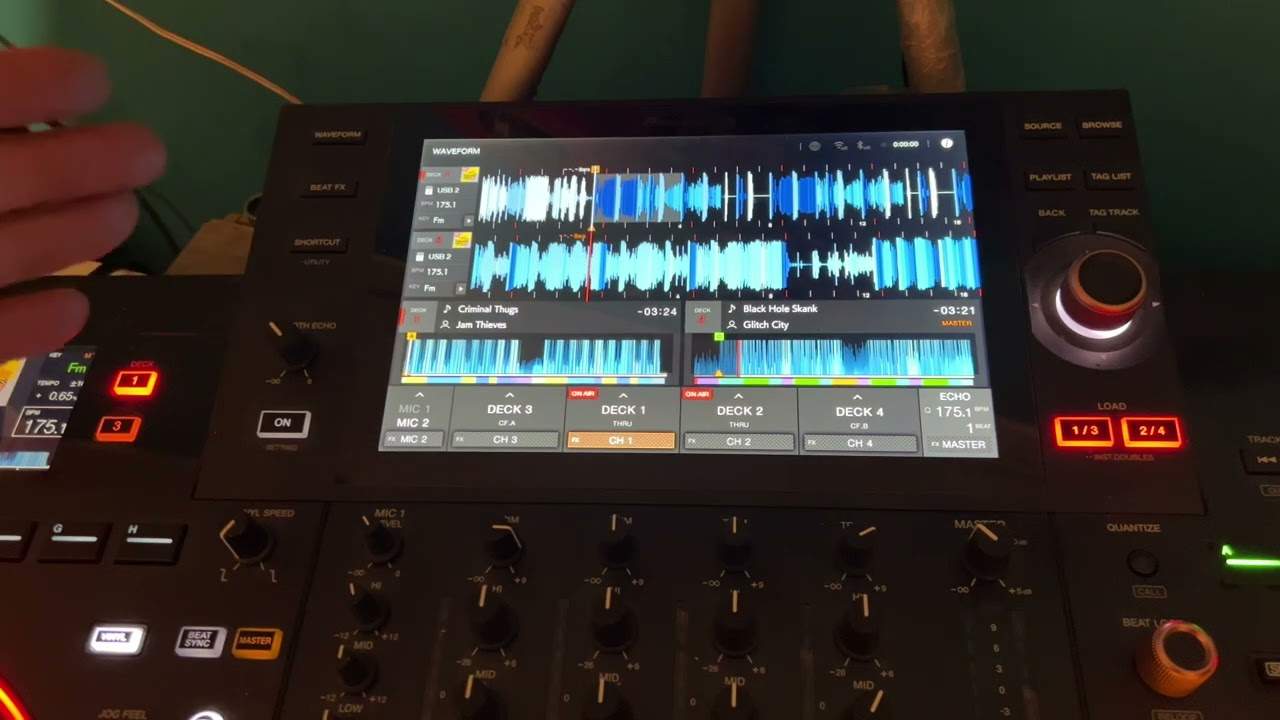
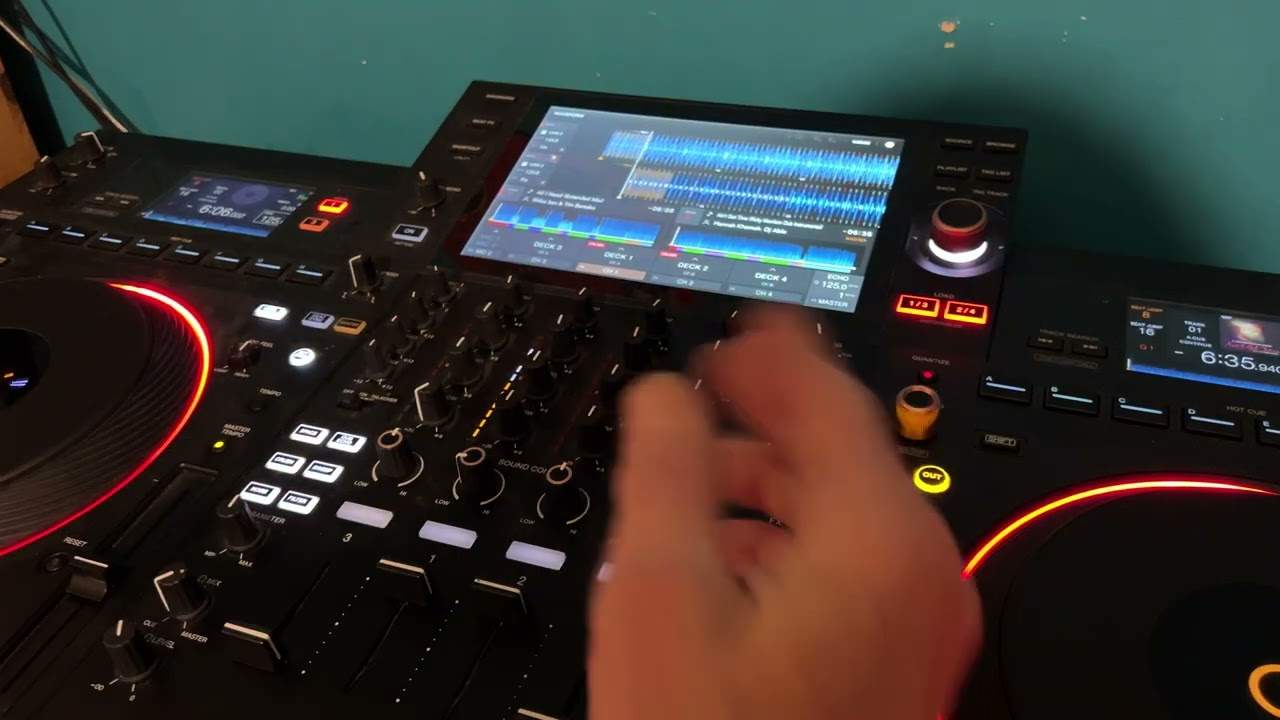
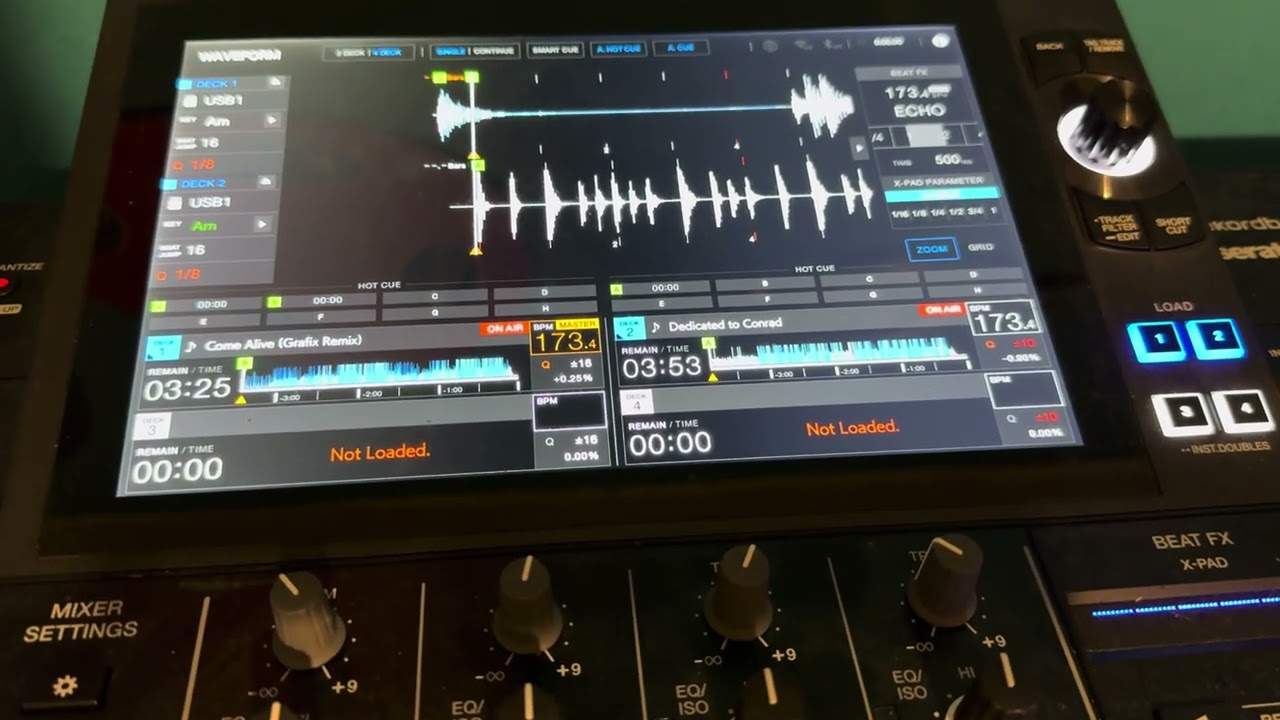
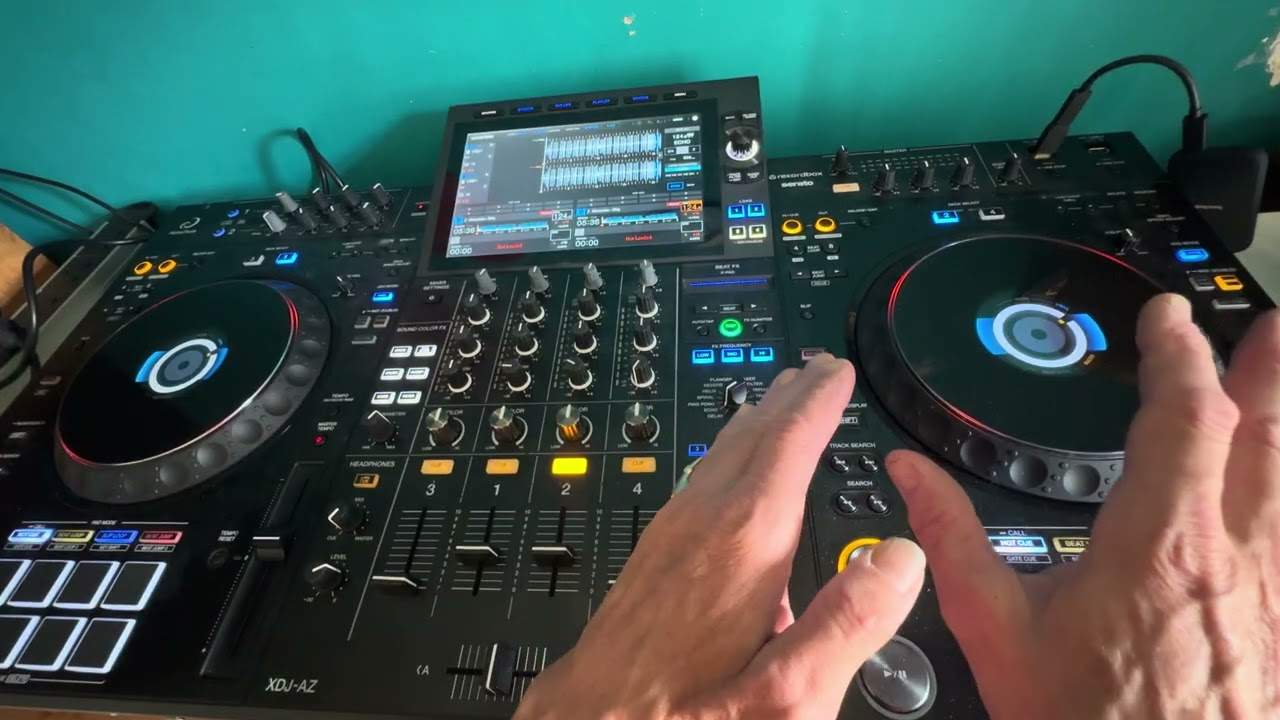
Now I'm using Rekordbox. I wanted to use Sync and Master. What I have got engaged is Quantize. Now this is quite important because when forming a loop out of Quantize mode, when you press the in, you may be a millisecond too late or early. Out, too late or too early, which means that loop, even though it may audibly sound like a perfect loop, if it's one millisecond out on its first turn, the second turn it will be two, then three, then four and so on. So it's going to go out of time eventually. On the other hand, with Quantize engaged, Quantize is a great feature. It's a little bit like a policeman putting you in the right place. Right. OK, we won't go there. So for example, Quantize engaged, if you're, let's say, too quick on the out,
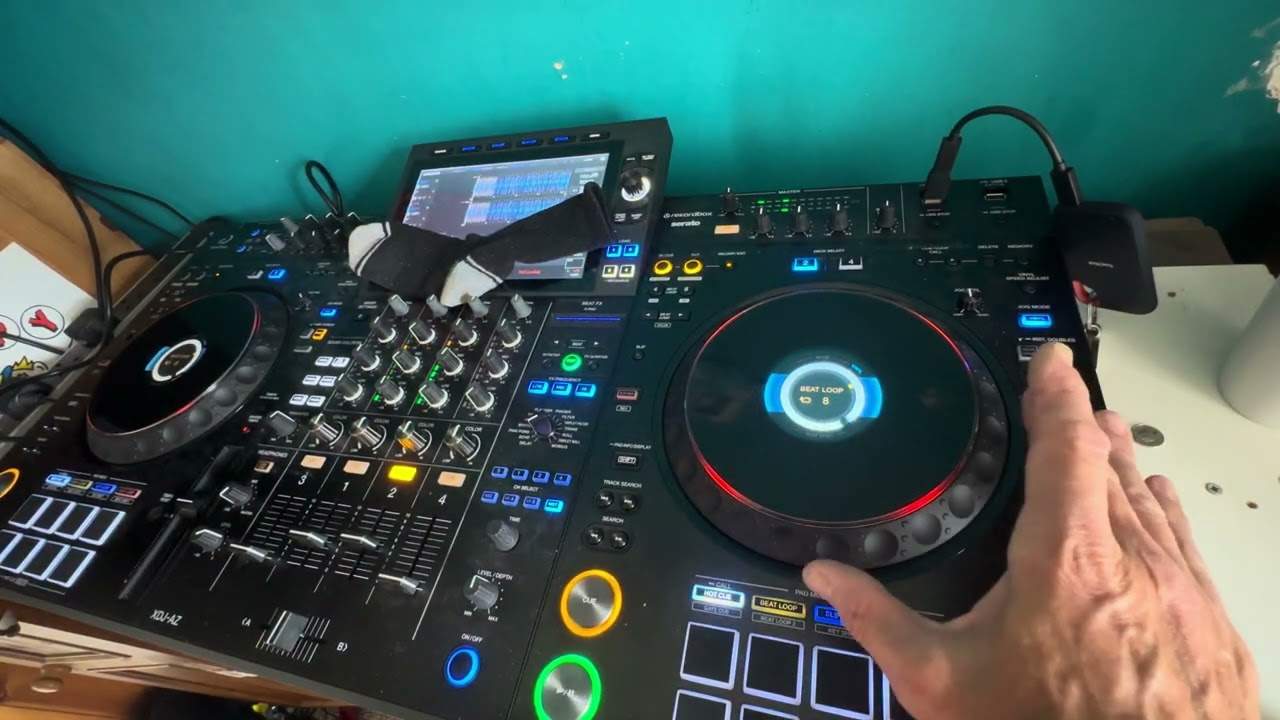
It will go, oh, you're a little bit too quick. We're going to move it forward a tiny bit to snap it in time, vice versa. If you're too late. Oh, we'll move it back in time. So you're on the one. So what I've done here with how many times? All I've done is a loop. Listen, one, one, two, three, two, one, two, three, three, one, two, three, four, one, two, three, four bars. OK, so I'm going to take away and also have the treble taken away. I'm going to take away the bass as well. Let's have a listen to it now. All right. So there you go. So let's play our track.
I'm not going to use any headphones here because I want to really talk what's going on. Talk about what's going on, should I say? I could have brought that loop in there, but I was talking too much. Two, three, four, one, two, three, four. Get ready. Now I'm bringing in that loop, bit of filter to it. I can add a bit more mid because I want this loop to come across a little bit bolder. But when I do this, it doesn't work. When I take away the low and the high, I'm losing a lot of the sound pressure level. So again, now I can turn the mid up.
4:48 There are no, there are a couple of sort of golden rules
Let's try sweep. Bear in mind as well, this is just two tracks and this is one loop. Right, so what if you had, alright, the one track on the left hand side or right and you had half a dozen loops or you had four decks playing. Now, there are no, there are a couple of sort of golden rules. Make sure it's in time and make sure it's in key. Other than that, it really doesn't matter. The experimentation is what you should be doing. You know, go to town, try it out. I mean, think about this analogy. You know, you want to be seen walking down the street. Everyone else is wearing jeans and a t-shirt. Wear some wacky hat with a sock sticking out the top of it. And people will look at you, they'll go what the heck's going on there?
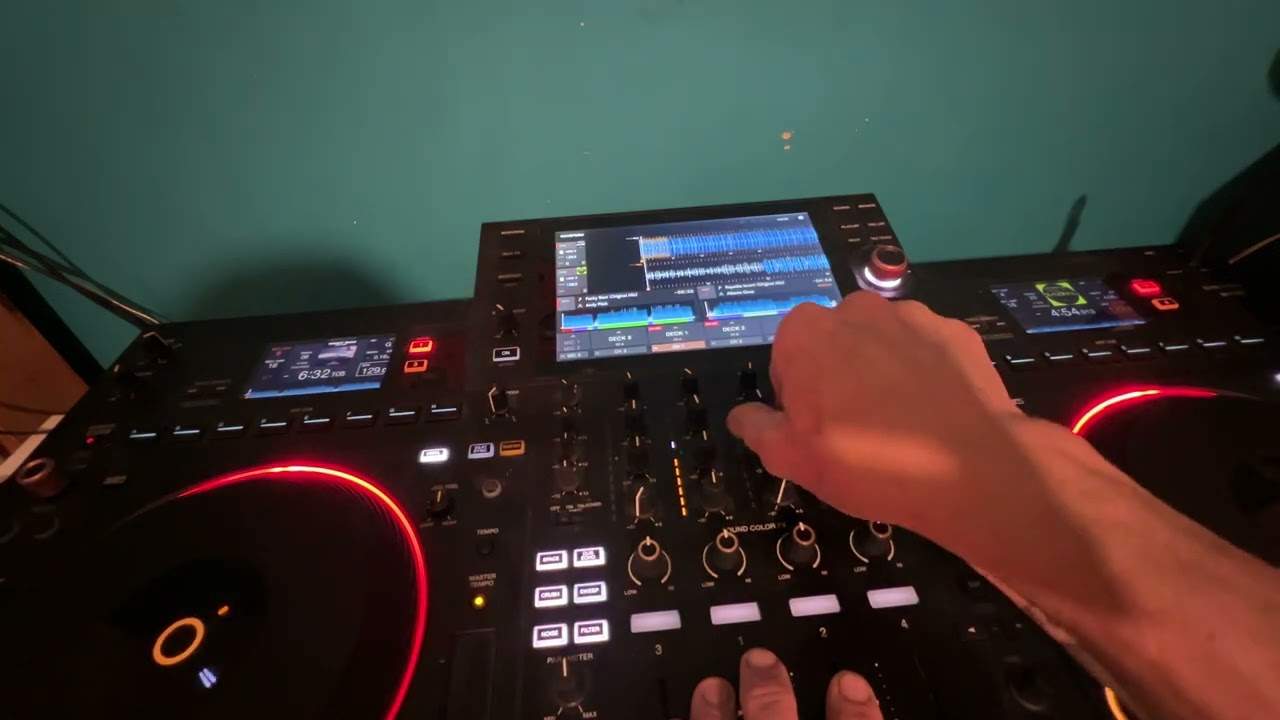
So be experimental with what you're doing as well. Alright, so there I just use the filter and the sweep. I mean we could use a bit of echo. Let's just go out of that loop.
Okay, wait till we get to the break. Sort of about here.
6:35 Here which yes, I think
There. Nope. Two, three, four, one. Two, three, four. One, two, three, four. One, two, three, four. One, two, three, four. Bringing in the other tune. Okay, so another golden rule I need to explain here which yes, I think is possibly one of the most important rules. Now I do not see a lot of DJs doing this kind of mix adding layers and layers to old school like disco funk. Funk, rare groove, south soul, 60s, 70s sort of tunes, 90s kind of sort of guitar music. Because what you've got to think about is when you have for example like Oasis, you've got the bass, the lead, percussion, you've got drums and it's very difficult then to add layers because you could potentially completely wreck the track. But styles like this are really designed for modern day electronica style music.
Hip hop, trap, for example techno, trance. The more minimal the track, the better it will be because if you've got a track like that. Sorry. Sorry. But these are things you can start looking to have other layers added to it. And that's exactly what you can do with something like this. All right, so I hope that's been a help. Practice and enjoy. Thank you very much.
This transcript was produced automatically from the audio of the video and may contain mistakes.