 8:46
The Best Pitch for a Finer Mix Bit of Kit Is
Contents of the video
0:00 How does a pitch compare from let's say a CDJ-1000M3 against the XZ?
Right ladies and gentlemen, it's been a while but I'm still around. I've just been really busy. How does a pitch compare from let's say a CDJ-1000M3 against the XZ? Now this is one of those questions that I have had asked, I think it was last year sometime, and I just sort of go through notes and said what a good video to make. Now first and foremost over the years when I've
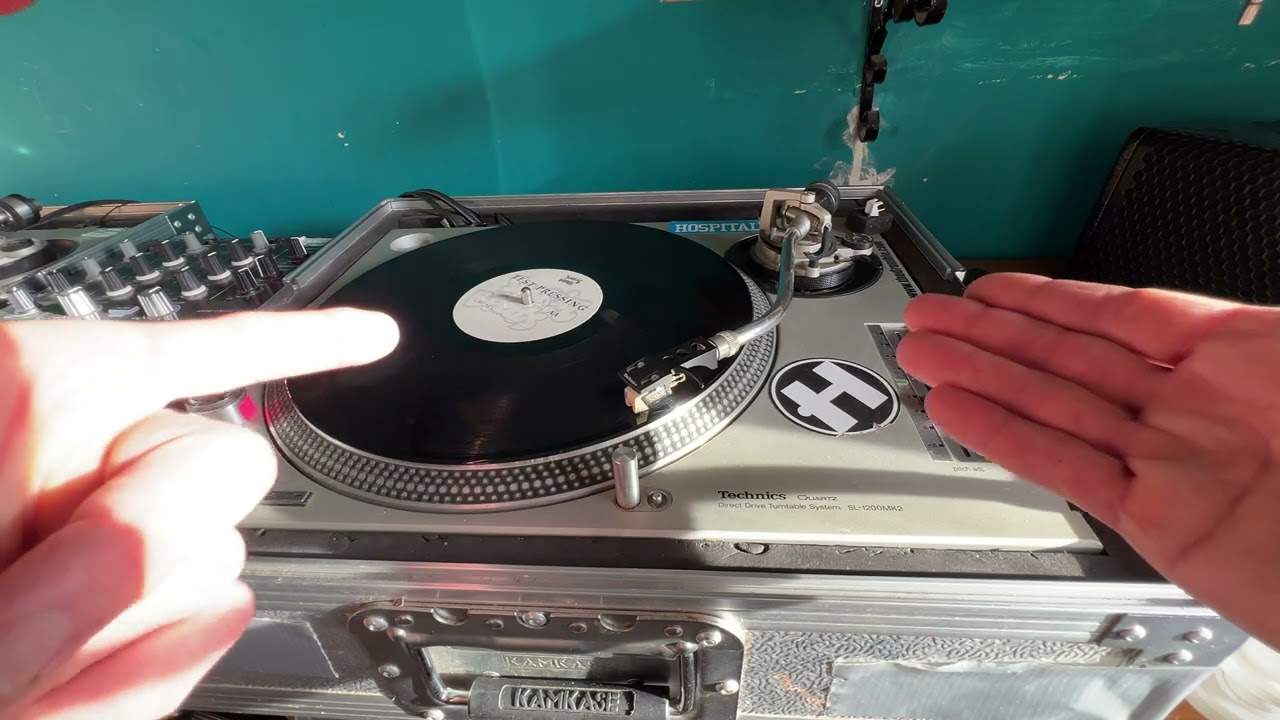
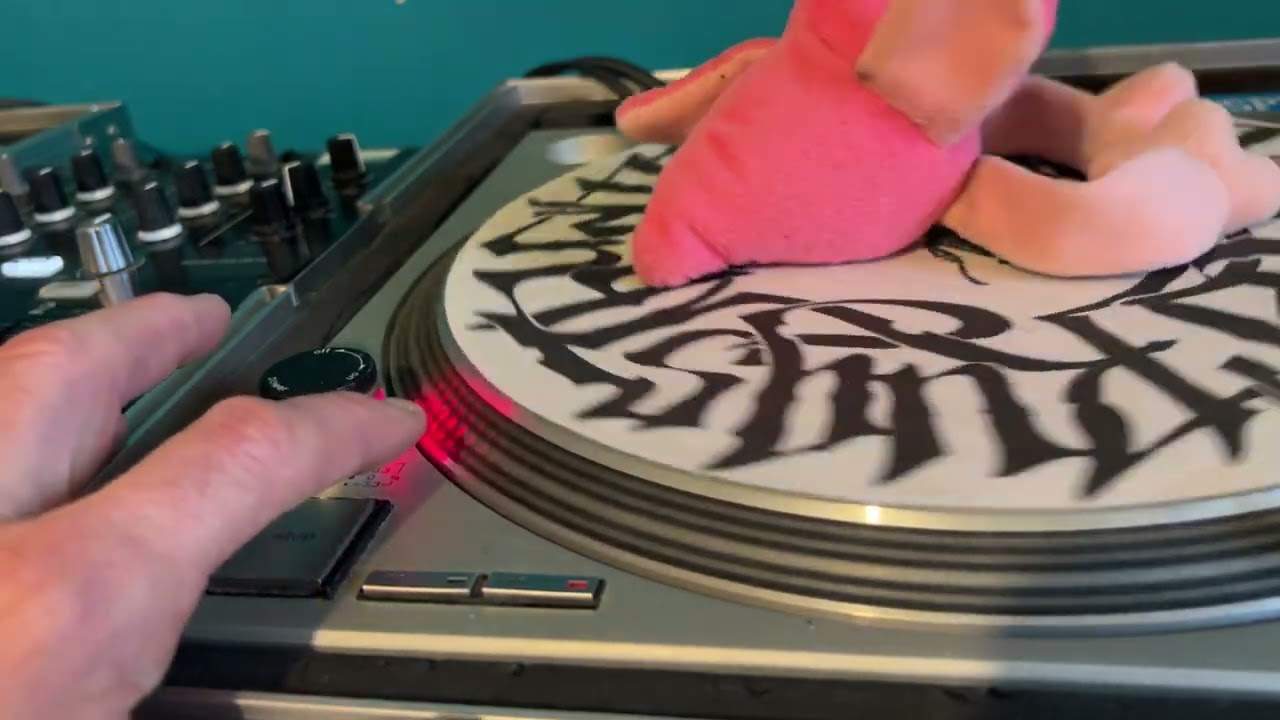
Been doing this, I've had a lot of people ask me about the pitch control. Now let's be honest, in my own opinion, let me know in a comment if you agree or disagree. One of the best pitches of all time for making sure you bang on the money with the BPM is the Technics SL-1200 Mark II because it's analogue, it just seems to lock in place and doesn't go anywhere. Also what I find is that the likes of the SL-1200 along with other turntables, the pitch control is a lot more firm. When you move it and you accidentally say pull your fingers off and maybe slip, you don't knock it out of BPM. Whereas what I find with pitches on actual hardware like controllers like this or CD players is that the pitches are a little bit more loose and you do tend to have to be
2:00 Means slow, speed, loop
A lot more careful when moving your hand off the pitch. Now I know that sounds a bit bizarre, it's like what difference is it going to make? But you know if you're looking at doing a long smooth mix and you want to form your transition for 32 or 64 bars, it's got to be bang on the money. It can't be a tiny bit out because over time you'll get that gladdering effect where it sounds like a bit of a train wreck or horses running. So the first thing to do, and this is paramount really, is make sure that the percentage of variation is as low as possible. So what do I mean by that? Well 100% is basically meaning that if the track to begin with is 100 BPM and your pitch is set to 100%, you'll be able to increase or decrease the speed by 100%. Which means
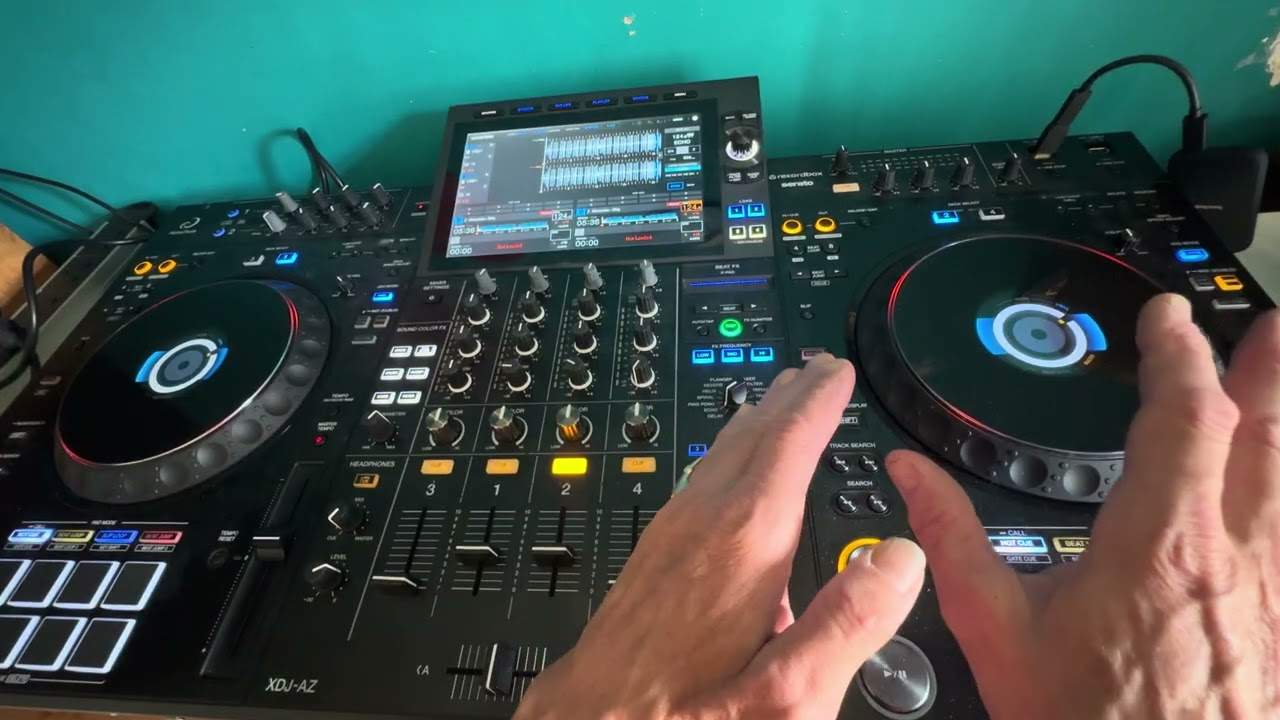
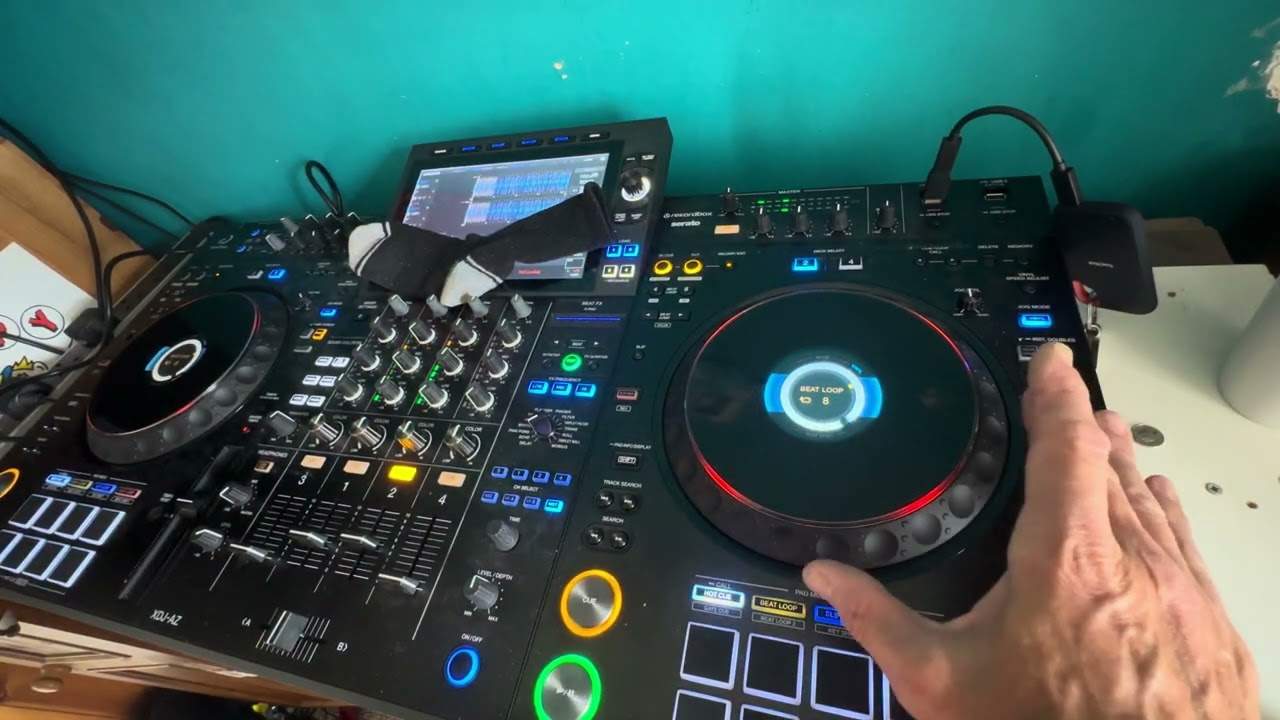
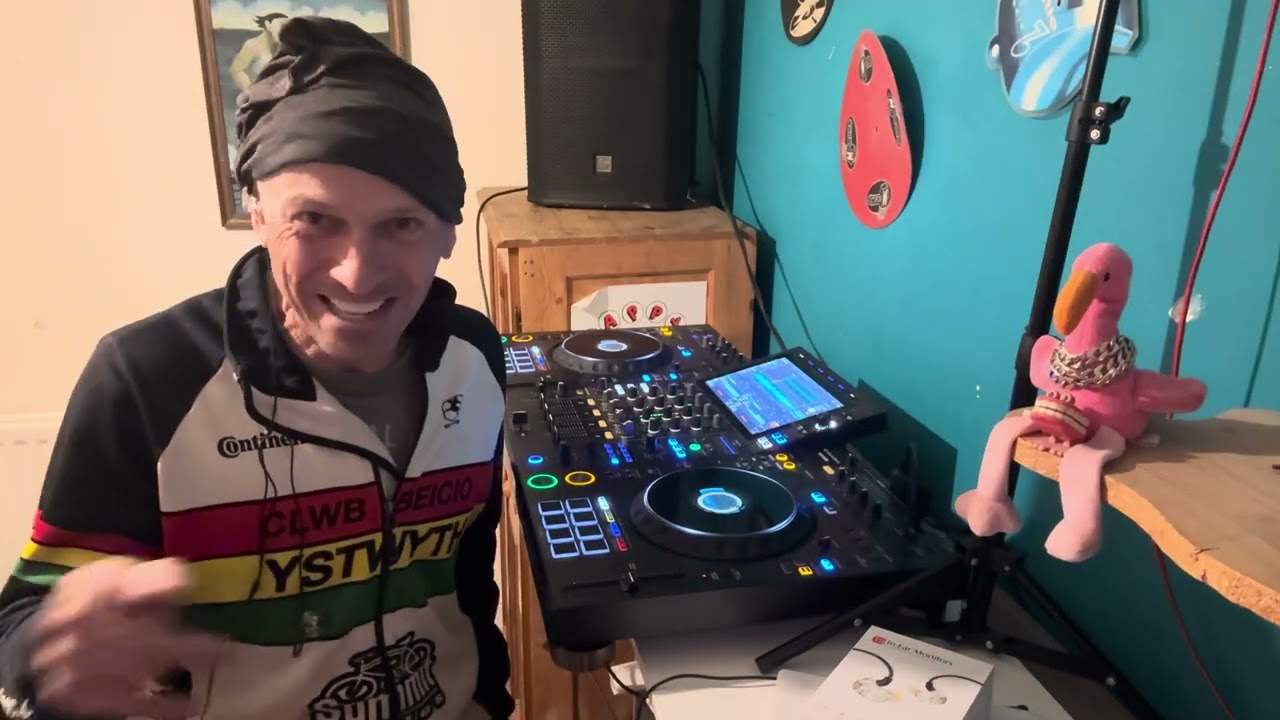
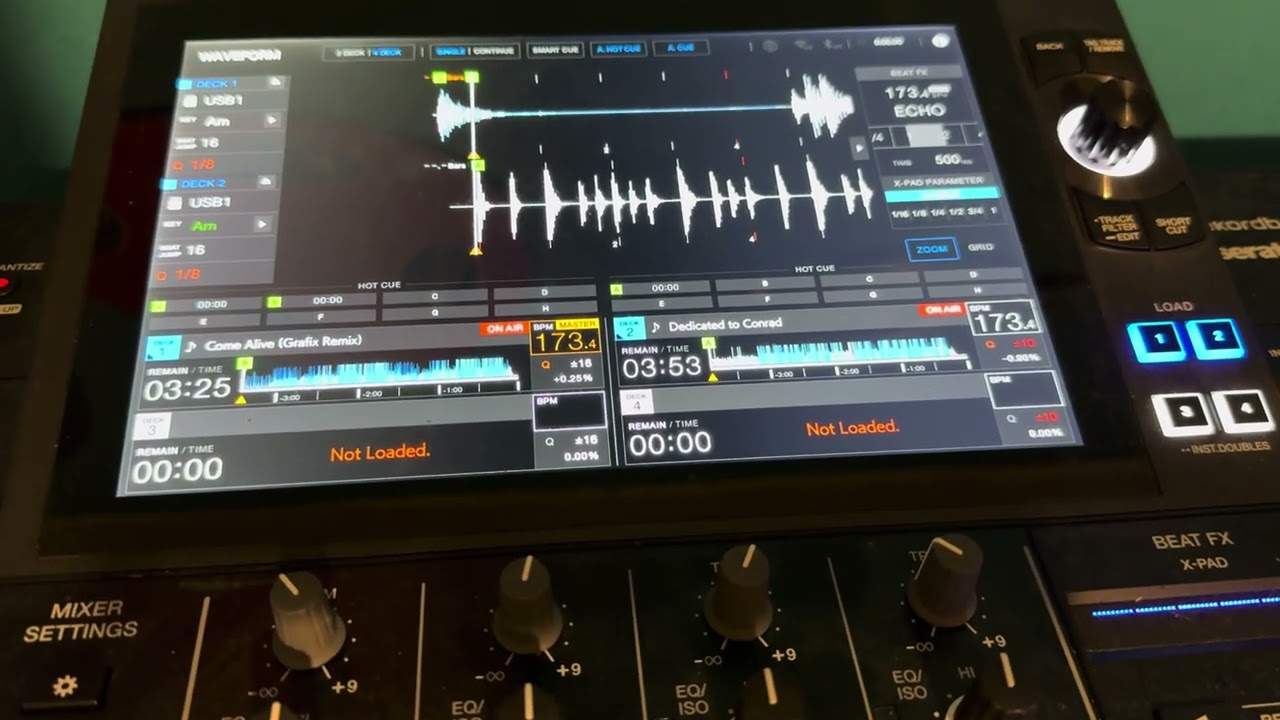
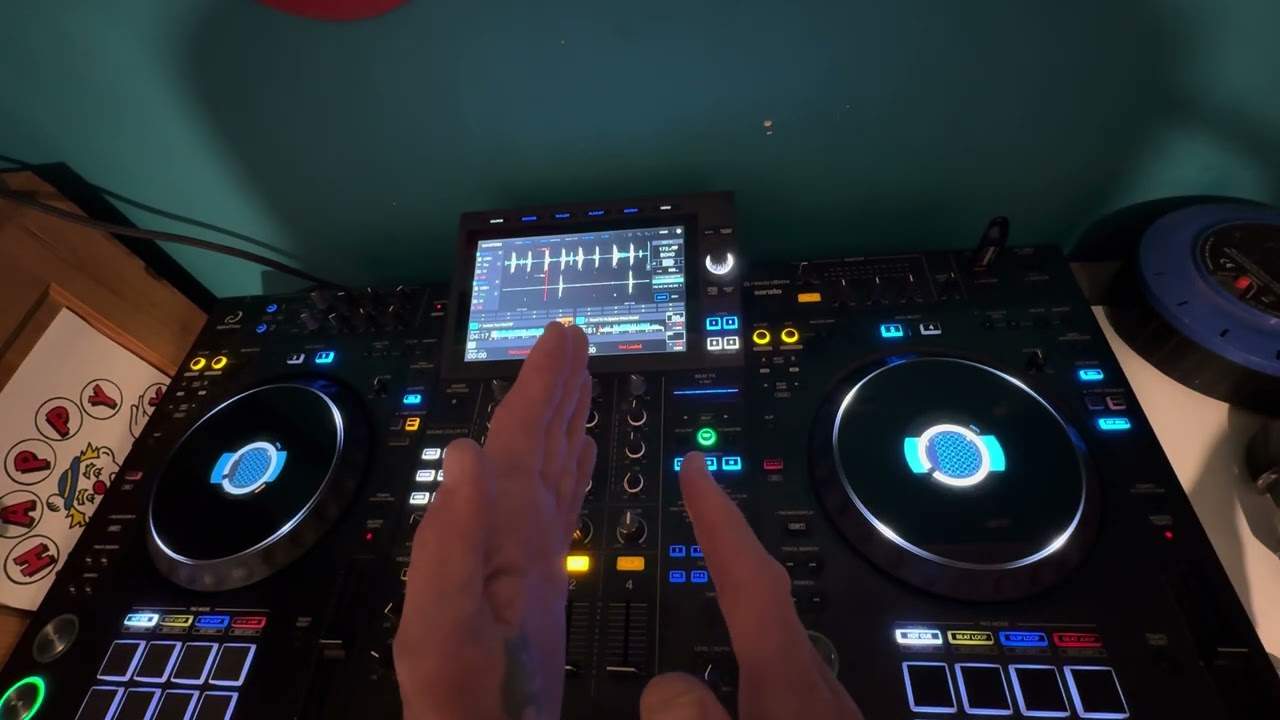
You slow it down, it's going to stop if you move it all the way to the bottom. If you bring it all the way forward, speed it up, it's going to go to 200 BPM. Now 100% is great if you want to let's say, hip-hop track into for example a house track. On the other hand, if you don't want to do that, stick to 6% because it means then 100 BPM, slow it down to 94, speed it up to 106. Okay so I'm now at six percent and I'm using the XZ and in all honesty the pitch on these is very smooth, it's very user friendly but still hold on let me just move that down a little bit like that, there we go, that's better. It's a little bit, well it's not wobbly but it does feel as though if you're a bit too forceful with it, you could knock it out a beat
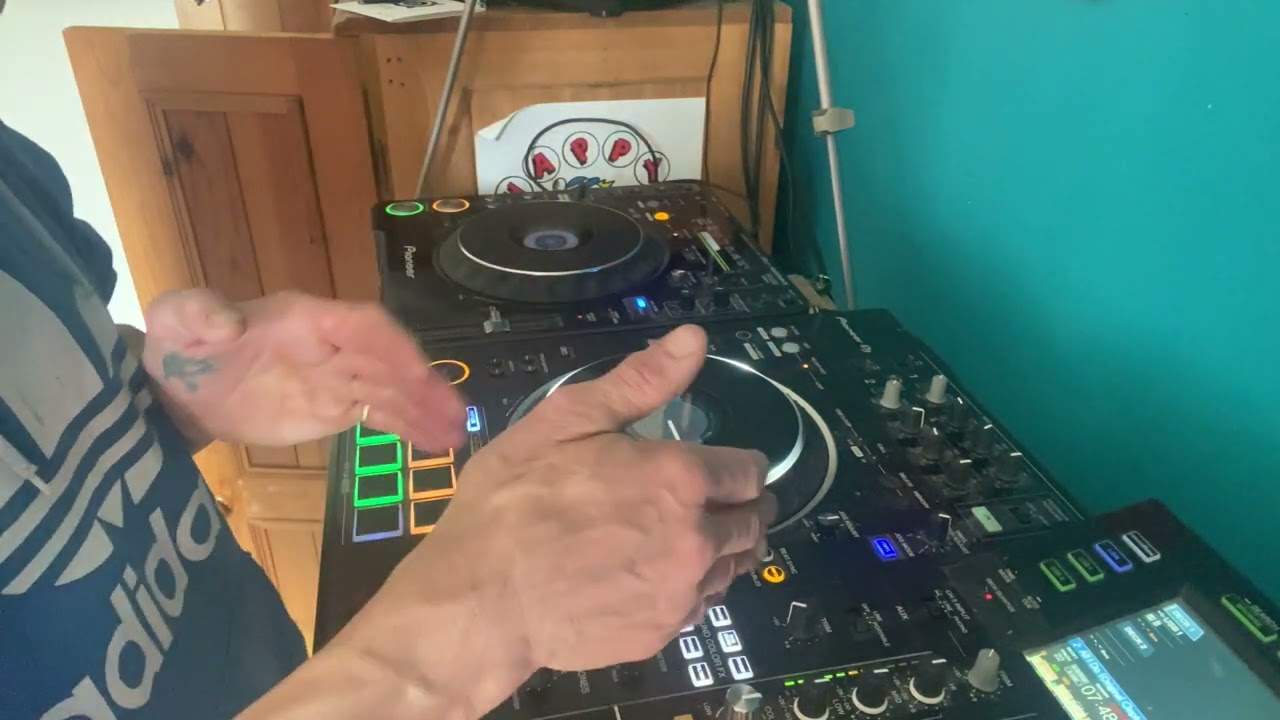
But then when you're looking at the actual readout of the BPM, that should indicate if you have accidentally say moved the pitch unintentionally. On the other hand, the Mark 3 let me, let's do a loop. No maybe a bit longer than that, let's come out of that loop. Let's do another song, come on. Right bearing in mind as well the Mark 3,
4:45 Exactly
The loops how you do them okay? You know this is old school we haven't got the modern day technology here where if you're slightly in or out and you're in quantized mode, the software will recognize you're slightly too late or too early and it'll find out that loop for you. Okay so let me go that way, hold on let's have a listen, a bit too far. All right I'll leave it like that. Okay now what I'm feeling with these is they are very similar in feel. Now what that tells me is possibly just possibly underneath the hood they're using the same pots now or the sliders depending on what you call them. Could be, might be, might not be, sure but they're roughly about the same size. The XZ maybe slightly bigger if I get a CD now
And I put the CD next to it, in fact that's pretty much exactly the same size as that CD cover and if I go here yeah they are exactly the same so that sort of tells me that potentially they could be the same. Now if we look here we've got the XZ tempo reset, master tempo and the way that's designed is exactly the same as the CDJ-1000 Mark III. Now that could be because they're using the same parts and everything, alternatively what it could be is what Pioneer are very good at and that is keeping the same footprint on all of their kit so whether you buy a DDJ-400 or top of the range kind of CDJ-3000 what you'll find is when you go on the 400 and you get used to that and you step up, you're not automatically given something
6:24 Lastly all right if you're predomin
New and exciting. It's not like driving a Mini and all of a sudden then being thrust into a Porsche and going what do I do? You know where you are, you know the basis of how to work the kit because it's pretty much the same, footprint's exactly the same. So what I'm trying to get at here with this video is if you're thinking about let's say going from the Mark III, CDJ or maybe a 200 or 100 or the CDJ-2000 Mark I, the Mark II, the CDJ-400, the 800, the 900 and so on and you want to move up to an XDJ-XZ or the RR or the RX1, RX2, RX3 there's not that much difference but I do believe if memory serves me correctly I think the RR pitch could be slightly different. The RR pitch could be slightly smaller but the just remind me in a comment please
But the XDJ-RX, beg your pardon, the pitch is the same size okay. So lastly all right if you're predominantly a beat mixing DJ make sure you're at plus and minus six percent or ten percent any higher it's going to be more difficult but if you do like genres that are completely across the scale with BPM then by all means go to wide feature but here's the best tip of all if you're going to use wide feature do not try and mix in the track that's in wide into the slower track because that's very difficult. Try and do it the other way around so in other words what you would do is this pay attention this is really important you've got your hip-hop track playing, that's really slow you've got your house track at about 120 BPM, you slowly bring the hip-hop track up
To 120 and then you mix in the house track so what I'm saying here it's this is seriously it's really important do not then try and move the pitch on the wide track just concentrate on using the pitch on the one that's at plus and minus 10 because a finite small move on the one that's at 100 could increase or decrease by quite a few BPM whereas if you're just using the pitch on the one that say plus 6 or plus 10 you've got a lot more control practice and enjoy. Thank you
This transcript was produced automatically from the audio of the video and may contain mistakes.