 7:34
The DJ Beat Matching Analogy Part One Using a Technics SL1200MK2 Vinyl Turntable
Contents of the video
0:01 Generally DJs would use these things here, vinyl turntables, but more
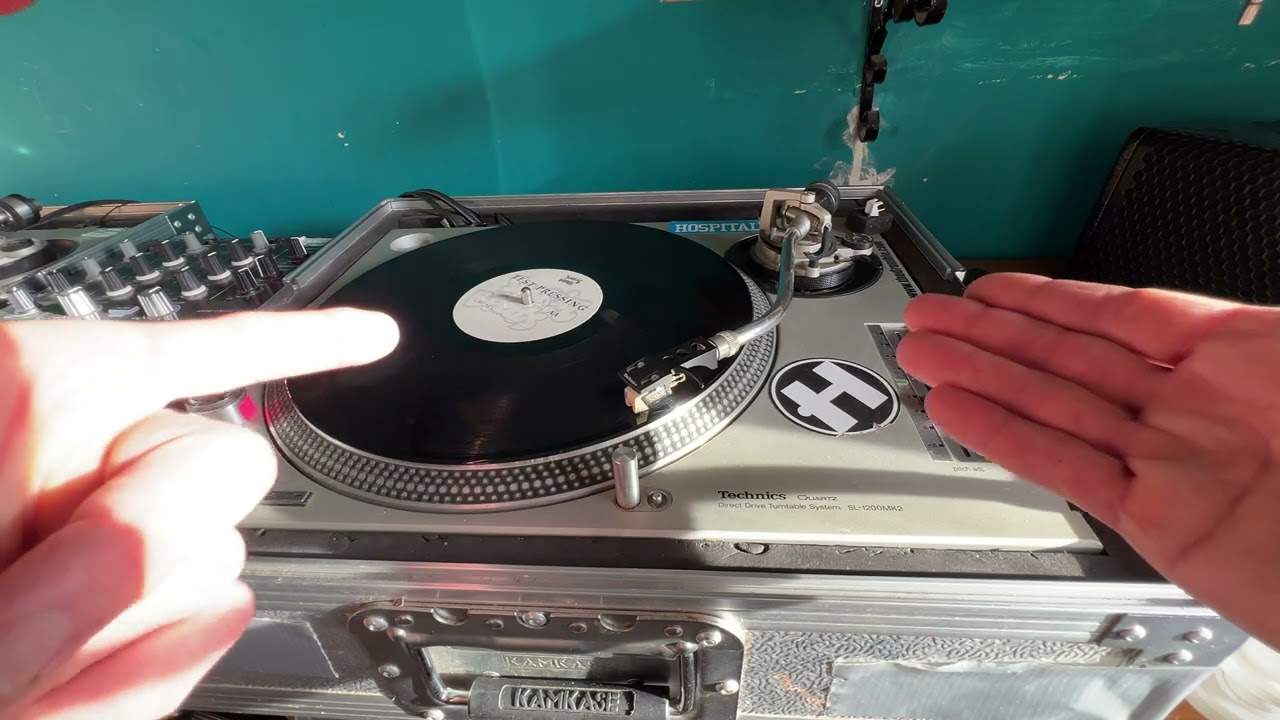
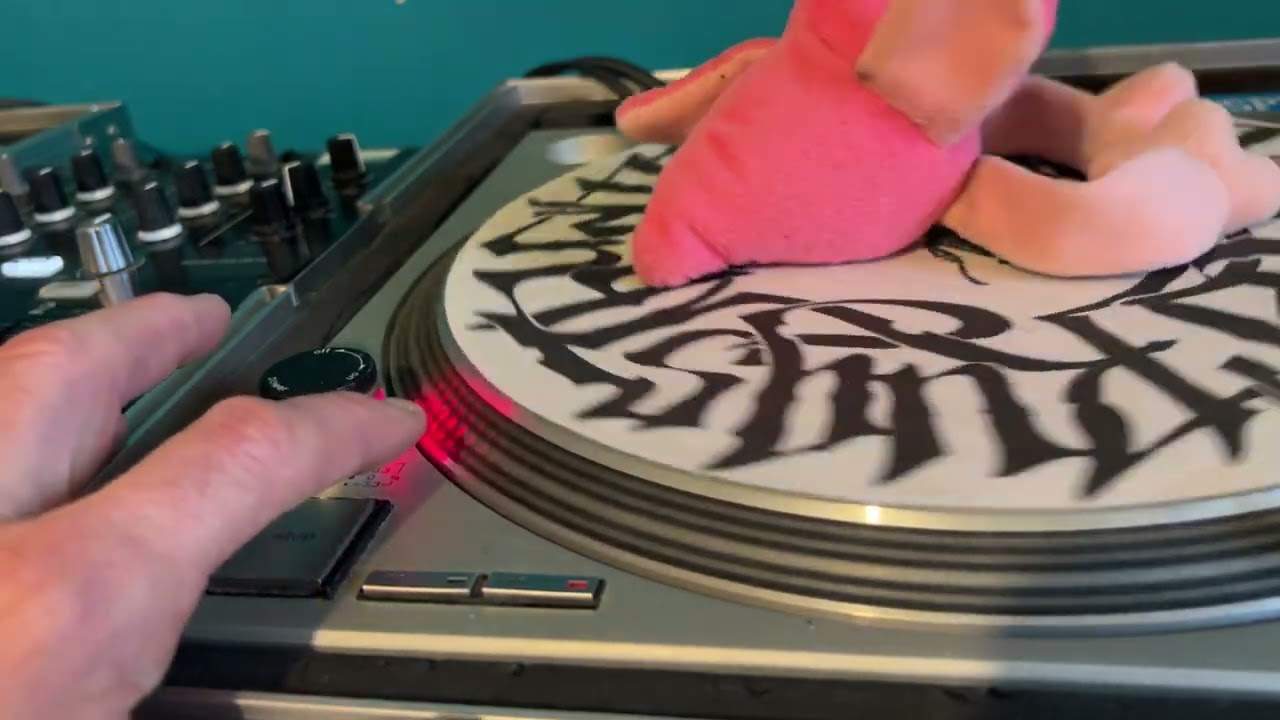
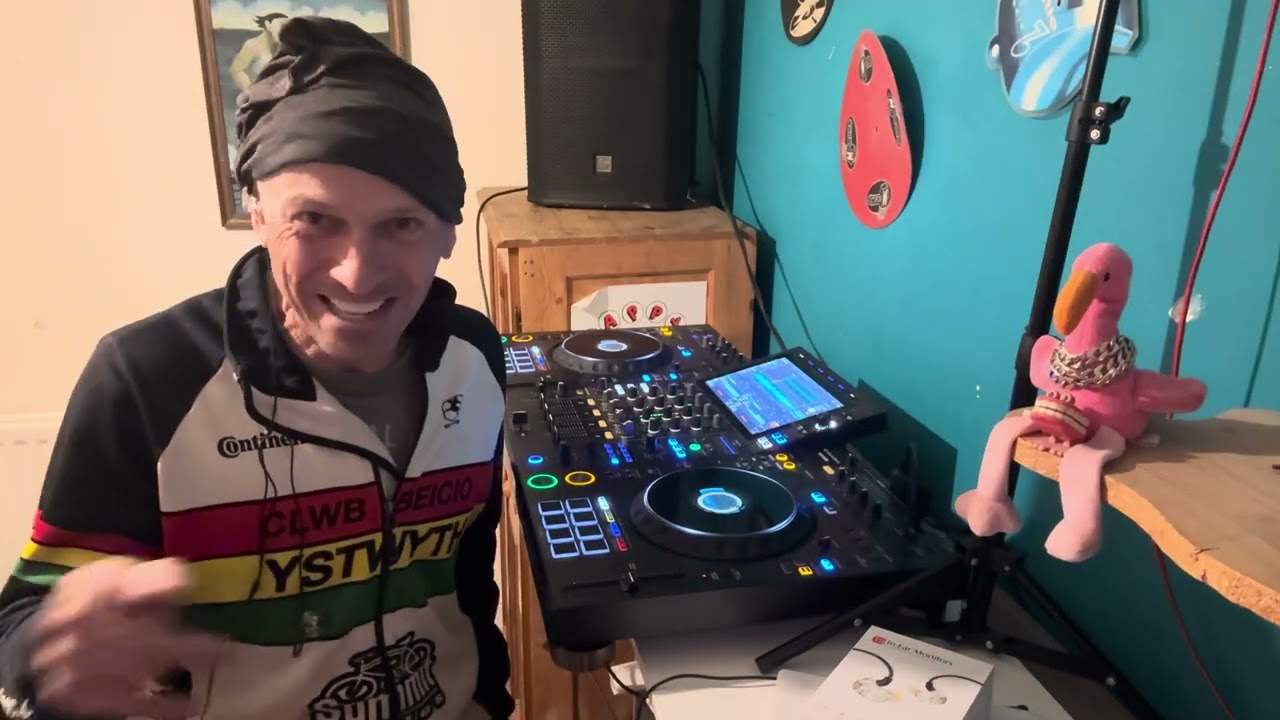
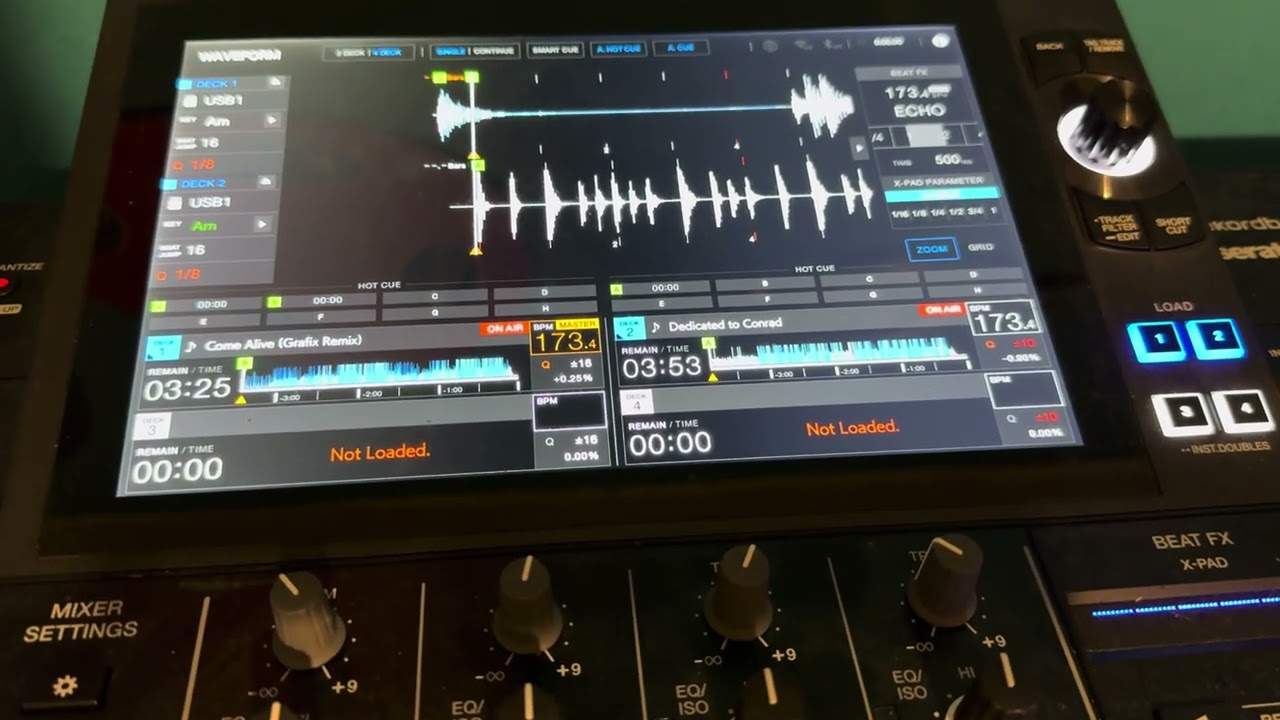
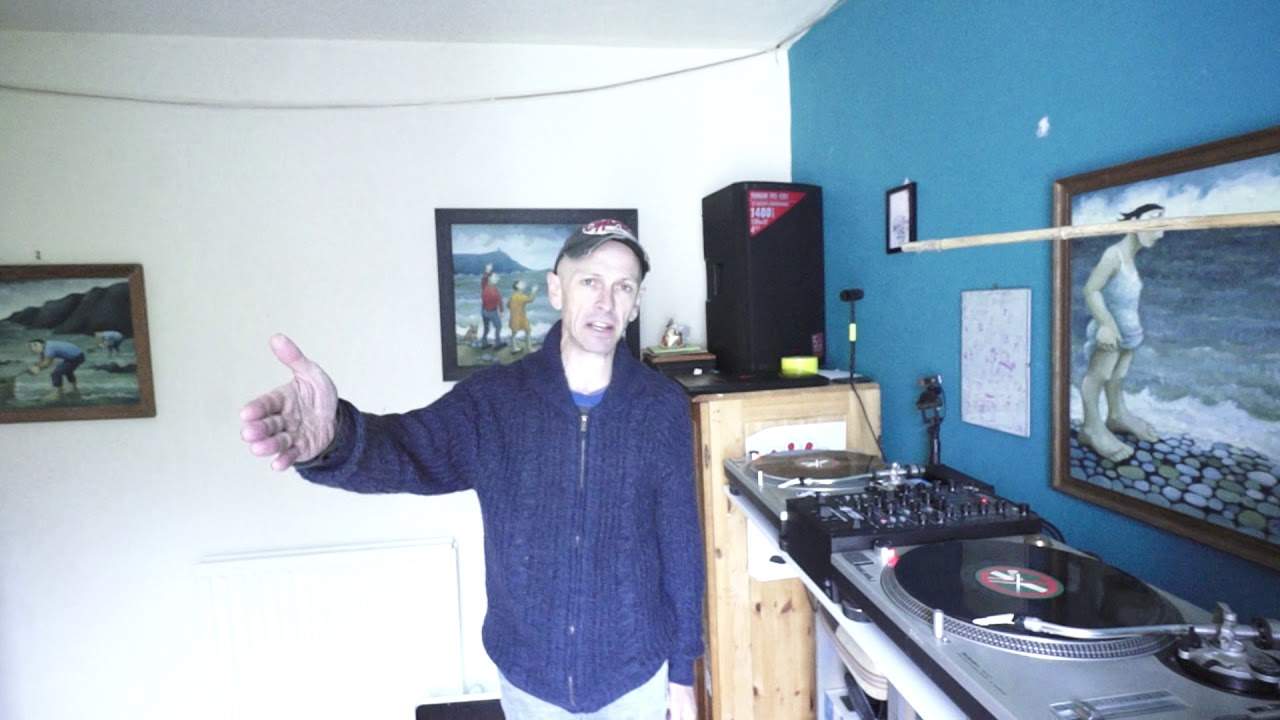
Right, so let's go back to the 70s and the 80s. Generally DJs would use these things here, vinyl turntables, but more so Technics SL-1200M2. Still to this day they are, I believe, the daddy of all turntables. But back in the day you didn't have any form of digital readout to tell you the BPM. Towards the early to mid 90s some mixers did have a BPM readout but it was really, really dodgy. You couldn't rely on it at all. You still had to use your ears. So this video is going to be in two parts. The first part is talking, explanation and also give you sort of an analogy. The second part will be me matching these two by ear and then... Putting the demonstration into the analogy so you can see how the two relate. So first of all, the analogy. Now let's imagine you and I, we're going for a lovely walk down a country lane. Marvellous sunny day, birds tweeting in the sky and it's just a wonderful little walk. And all of a sudden we see a field to our right and a field to our left.
2:10 Post, meter, words
And each farmer, there are two farmers, one in each field, they've decided to put a fence in each field along the side of the road. Now the first post each farmer puts in is exactly... Exactly the same position from where we're standing. So in other words, you and I are standing in the road. You're next to me there and to my left. And if I stretch out my hand, I can actually grab hold of the post that the farmer's put in in that field on my right. And you are standing to my left. You put out your left hand. I'm explaining this. As best as I can for the partially sighted as well, you then stretch out your left hand and you grab the post that's in the left-hand field. So in other words those two posts are exactly the same position either side of us but the farmer on the right has put the next post along one meter so in other words the gap in between the first and the second post
Is one meter and then the second and the third is one meter the third and fourth is one meter so in other words there could be however many 100 200 posts each post is one meter away from each other on the other hand you uh you have put your hand out to the left and the first post is indeed exactly the same position uh opposite side of the road to mine But your farmer has put his posts one metre and one centimetre apart. Now if you think about it, this is very basic mathematics. The first post we have is the same position. The second post there will be one centimetre difference. The third post two centimetres. The fourth post three centimetres. And so on and so on. Now, because there's only one centimeter difference to the eye as we walk along that road pathway, whatever you want to call it, we're not going to see much difference because if we stretch our arms out, we can sort of grab hold of them but we may find that we're starting to get to a little bit of an angle.
5:01 You probably won't hear
The further on we walk, we eventually do indeed realise that there is, we're getting that gap. Because over time and distance, we are going to see time as we walk, distance as we move. We're going to see the gap changing because of course the one group of posts is 1.1 metres distance apart and the other group of posts is only 1 metre apart. So, how does this analogy work with beatmatching? It's very simple. If, let's say the two tracks you're playing are relatively close in BPM together, in other words, one may be 120.1 BPM, the other one may be 120 BPM, then you can theoretically still do a beat mix with those two tracks, but... You can probably only do it for a short amount of time because sure enough if you leave the two blending together for too long, both of them together through the PA, through your headphones, through the speakers or whatever, you will after a short amount of time start to hear indeed that they are going off beat. On the other hand, if you leave it for a very short amount of time...
You probably won't hear. If you hear it for a very long time, you are going to hear that clattering train wreck sound. On the other hand, let's go back to our posts. Now let's imagine they were 10 centimetres apart, okay? So in other words, my posts on my right-hand side are one metre apart, your posts are one metre and ten centimetres apart. Well of course... We're going to probably see that after the first one, definitely the second one. Because after the first one it's 10 centimetres, after the second one, or sorry, after the second one, because the first one is the same position, it will be 10 centimetres. After the third one, it will be 20 centimetres. So of course we're going to see a difference. Now if those were beats on a beat grid, sure enough, very very soon you would hear the difference.
But let's take it the other way. Let's imagine it's only one millimetre. We're not going to hear a difference for quite a while and visually these posts, we may not find out that they're in different positions for maybe 20, 30 or 40 metres which is quite a distance for us to travel and also it will take us a long time. I hope this makes sense. What I'm trying to do here is open your mind a little bit and look at beatmatching from other angles because then if you have this sort of idea in your mind... Thank you for watching.
This transcript was produced automatically from the audio of the video and may contain mistakes.