 9:18
What Dj's use a mic,how to blend and not beat mix 2 toons
Contents of the video
0:00 Microphones, mixing sounds, microphone microphone
Alright folks, now then. In this video we're going to look at two things. We're going to look at these guys' microphones and also what we're going to look at which is very important is the art of mixing using sounds, not beats, sounds. Now then, the reason I'm saying this is because for a mobile DJ who has got a lot of 7 inch singles to mess around with, not the long 12 inches with long introductions and long endings, When you've got a 7-inch single or when you've got the equivalent of just a chart single, which is about 3 minutes 30 seconds, that's about the average, you haven't really got much time to mess around with intros and outros. So, a way of mixing, okay, which maybe doesn't go in beat, but like I've said in past videos, beat mixing is brilliant because the crowd are dump, dump, dump, they're going with the beat, but...
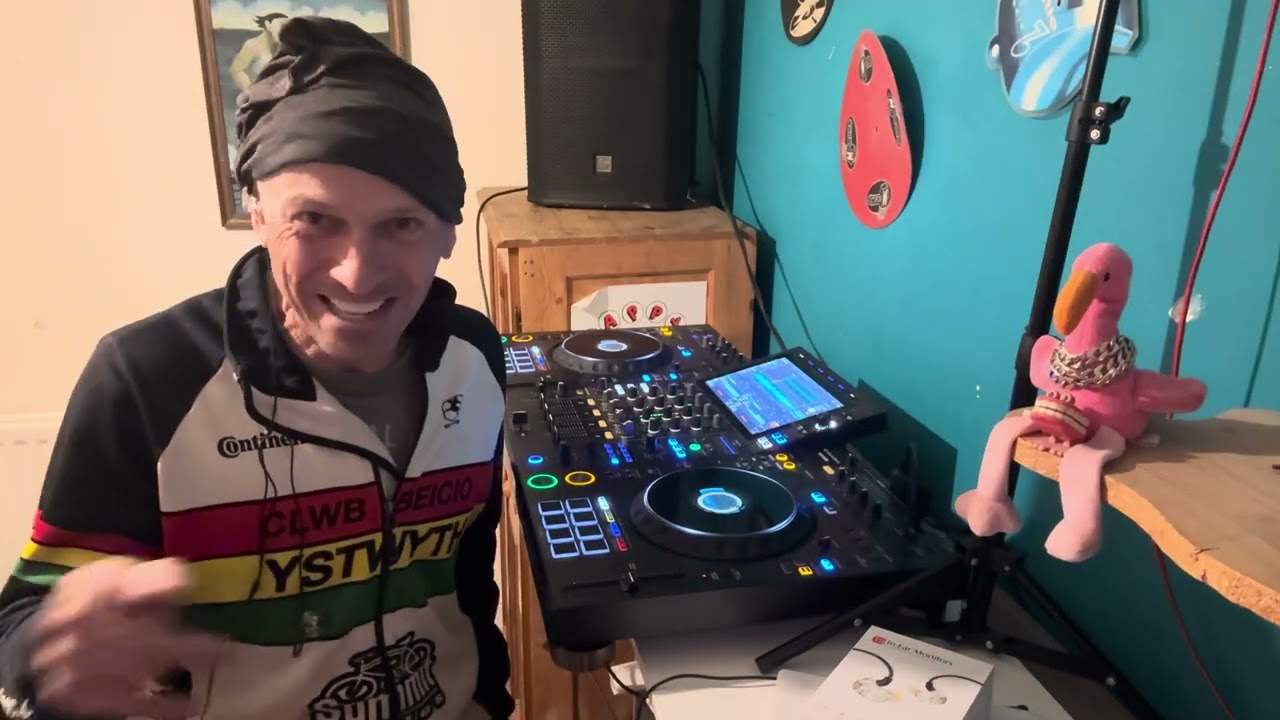
What's just as important is actually mixing the sounds, the tone, the feel. So I'm going to do that in a minute with a bit of a mix for you, OK? Again, I said mix, but it's almost like a blend, where we're blending two sounds together. Now then, someone has emailed me and they've said, when do you use a microphone? Do you need to use a microphone? Why use a microphone? In other words, there's all these sort of questions. Who uses a microphone? Let me just move that up a tad. Like that, that's a bit better. Right now then, there's lots of different kinds of microphones. This here is known as a wireless microphone. Why? Because it's wireless, OK? There's a lot more to it than that. This here, that is a microphone. That is a lapel microphone because it sits here and that's for functions, you know, for speeches and people maybe who need to use their hands, both hands if I put up there. I can use my hands now and you can hear me through that, let's say.
2:21 We'll come into that in a minute, right?
Right, also, these are microphones. These guys here. That one there is a good one for vocals. That one there is a good one for instruments. The list goes on. They come in all shapes and sizes and a lot of professional microphones are used for different things. In other words, you could have a fantastic microphone that could cost £100, £200, £300. It will be the best thing in the world for a drummer. But then, if you sang into that, it would make you sound terrible. This guy here... We'll come into that in a minute, right? Now this is a wireless microphone. This is what I use in a lot of functions because... When you're walking around all the gear, you haven't got to worry about a cable because believe me, cables can get in the way, they can pull, they can twist, they can break. It's a pain in the arse. You've got one of these guys and you just walk around everywhere, you can go around to the people, you can have a bit of fun with the punters. So, right, why do we need a microphone? Now then, club DJs. What you'll find very often, I'm just checking the time, a club DJ will very, very rarely use a microphone because the guy's been paid a lot of money to come in and play the music.
Quite often in a nightclub, you will never hear a person use the microphone. There's no need. The music says it all. The guy walks in, he plays his set, he finishes, he says bye-bye to the crowd. Quite often he'll just wave like that and off he goes. Yes, occasionally you will get a DJ who'll want to use the microphone. I tell you what, the DJs, the big club DJs who do use a microphone, I take my hat off to them. Spot on! Because you're almost being a part of the crowd. You're speaking to them. That's what they want. The crowd love it. When you talk to them and say hello, how are you? Fine, brilliant, bomb. And then you play the music. It's more of a buzz. It lifts you that little bit higher. Fantastic. But...
A mobile DJ, alright? If you're a mobile DJ and you don't use one of these, then I'm afraid you're not really a mobile DJ because you've got to communicate with the crowd. You have to speak to them. You've got to get involved. In other words, the thing is, what I find with a mobile DJ, when I'm using this microphone here, you're actually playing a part with the crowd. You're getting involved with them. You're being... Hold on, let me check the time. Yeah, we're alright. You're almost, it's a communication, it's a form of talking, which is what it's all about. I know, yeah, you're talking in here like this and you're talking to the crowd, but if you just sit behind the turntables, behind the CD players and play music and smile and wave, then the way I look at it is that crowd might as well have paid some money and got a jukebox because that's all you're doing, because they're just putting money into a jukebox and listening to the music.
4:49 A good DJ uses this and this is what brings him to the people
A good DJ uses this and this is what brings him to the people. This, in other words, it's almost if you imagine the people are here, this is the microphone, this is the DJ. This guy joins everything together. Right, now then, very quickly with regards blending music. Yes, it's very good if a DJ can actually blend two tunes, the beat goes... But a lot of mobile DJs, including me, if you're using 7-inch singles, you listen to your ear, you listen to the tone and you blend the two together. Right, I'll show you. Right, what we've got here, we've got two tracks which is Los Lobos La Bamba and then we've got Tom Jones It's Not Unusual. Now then, the beats won't really go together. If you listen to Los Lobos, check it out. Right, here we go.
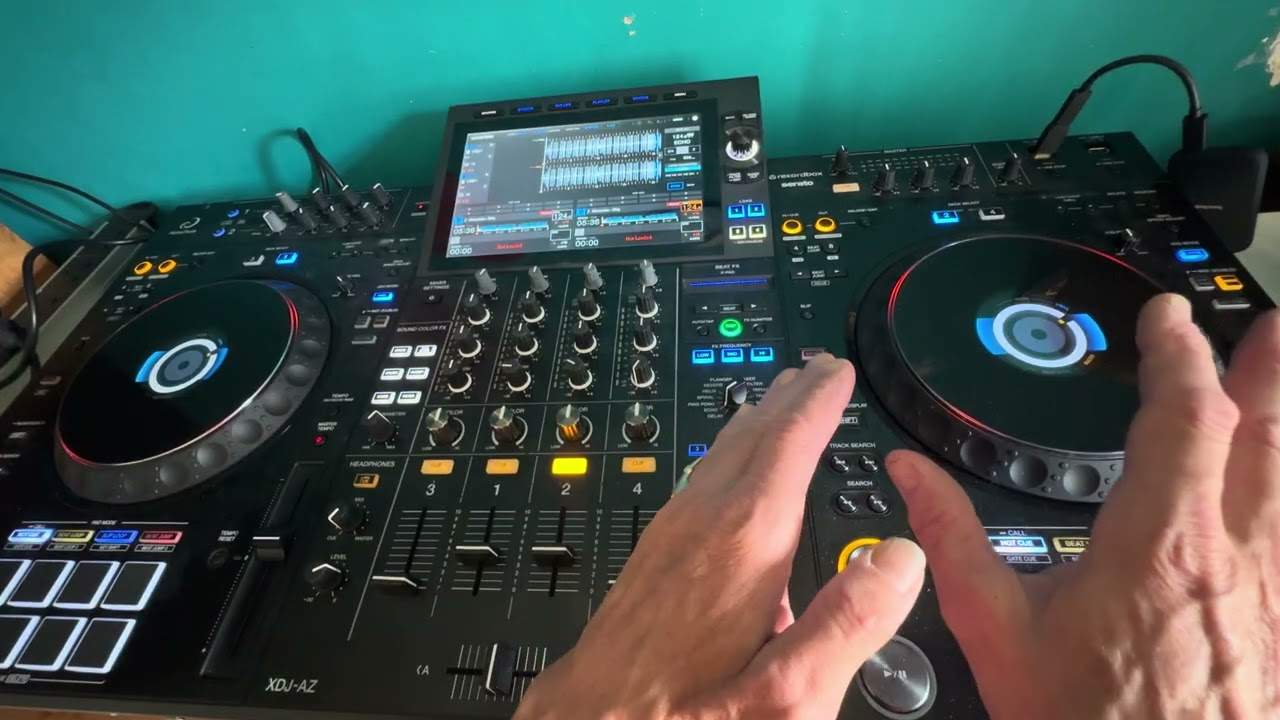
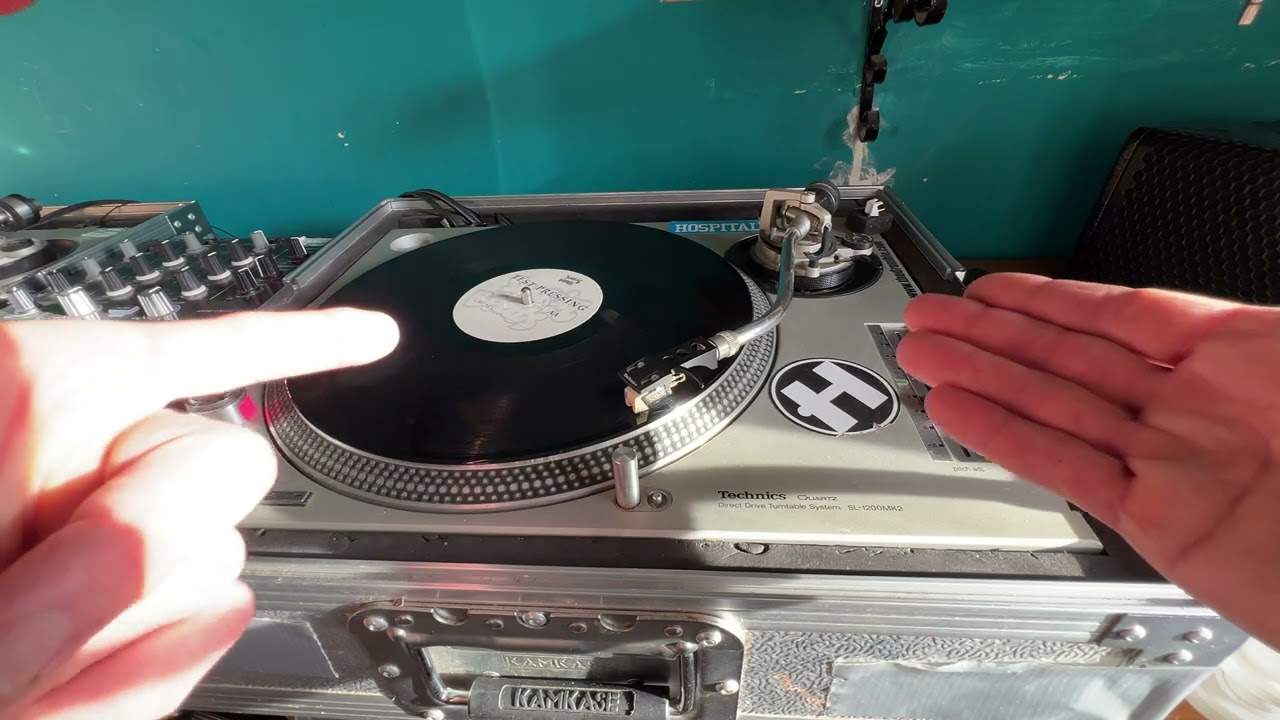
Tom Jones, it's not unusual, into the end of that. I'm not going to beatmix it, nothing. What I'm going to do, I'm going to have this record here ready. I'm going to have my finger ready. If you've got CD players, it's exactly the same as getting it right to the beginning and getting ready to press start. So we're not beatmatching, we're just going bang from this one to that one. Now then, the beat may be on, as in boom, boom, la bam, bam, bam, bam, and then bam in here, but I'm not... Beat mixing it. The beats aren't going together, it's literally bang from one straight to the other. The main thing is it sounds right, it works well. So when the crowd are dancing they're not all of a sudden going to be doing dun dun dun and then stop and look around what's going on and then start again. If you do that quite often you'll see half the crowd disappear because it's almost like what's the DJ John? He sort of changed the atmosphere, okay? So what I'll do, I'll go on my headphones, I'm going to do this mix
One to the other. And then what I'm going to do, I'm going to do it another way by using the microphone and just all of a sudden imagine that I've got a crowd in front of me and I'm going to be introducing the next song. So here we go. Here's the first one with no introduction, just me having this song and going straight into the other one. So we'll just round it back a little bit. Here we go. Here we go.
7:40 Thousand
There you go, that's exactly what I did. As soon as that one finished, bang straight to the other one. Now I'm going to do the same thing, but I'm going to introduce the next song using the microphone. Let's see the difference. And yes, you've heard it a thousand times, but then again, you know what they say, a thousand and one is better than a thousand. It could be even extra. This one is dedicated to every single lady out there who has just left their husband at home and has finally realised... But they can enjoy themselves tonight. It's Tom Jones. So there you go, you see? And it's quite often what a DJ will do, use the microphone. I'll practice and enjoy. There's a lot more to this than meets the eye. You take it easy.
This transcript was produced automatically from the audio of the video and may contain mistakes.