 4:02
Why does a DJ use , Video 12, A monitor system?
Contents of the video
0:00 How small, fat, thin?
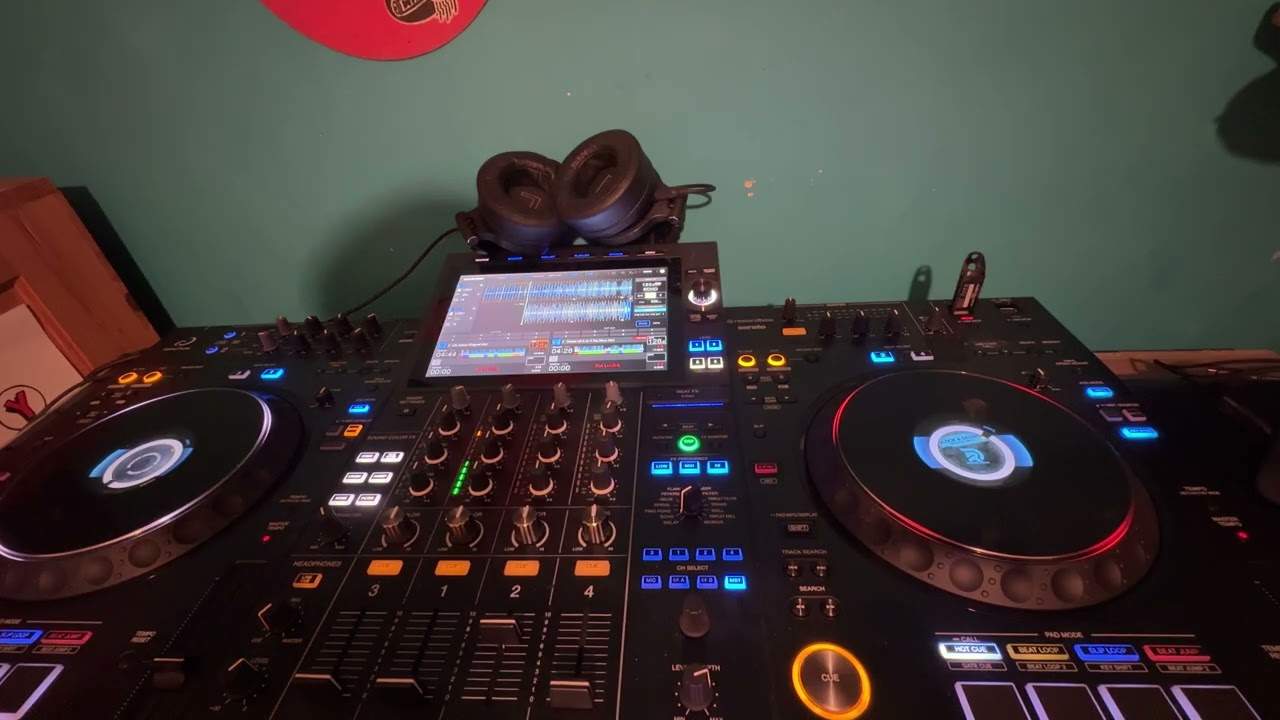
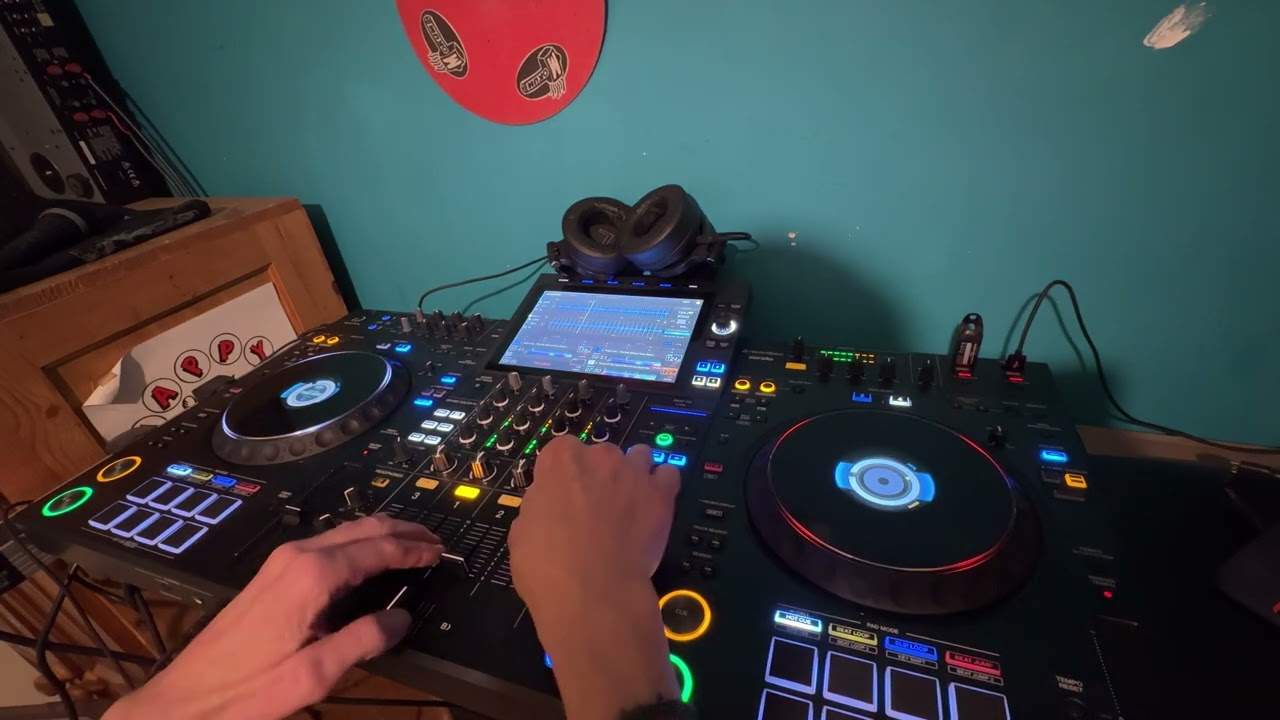
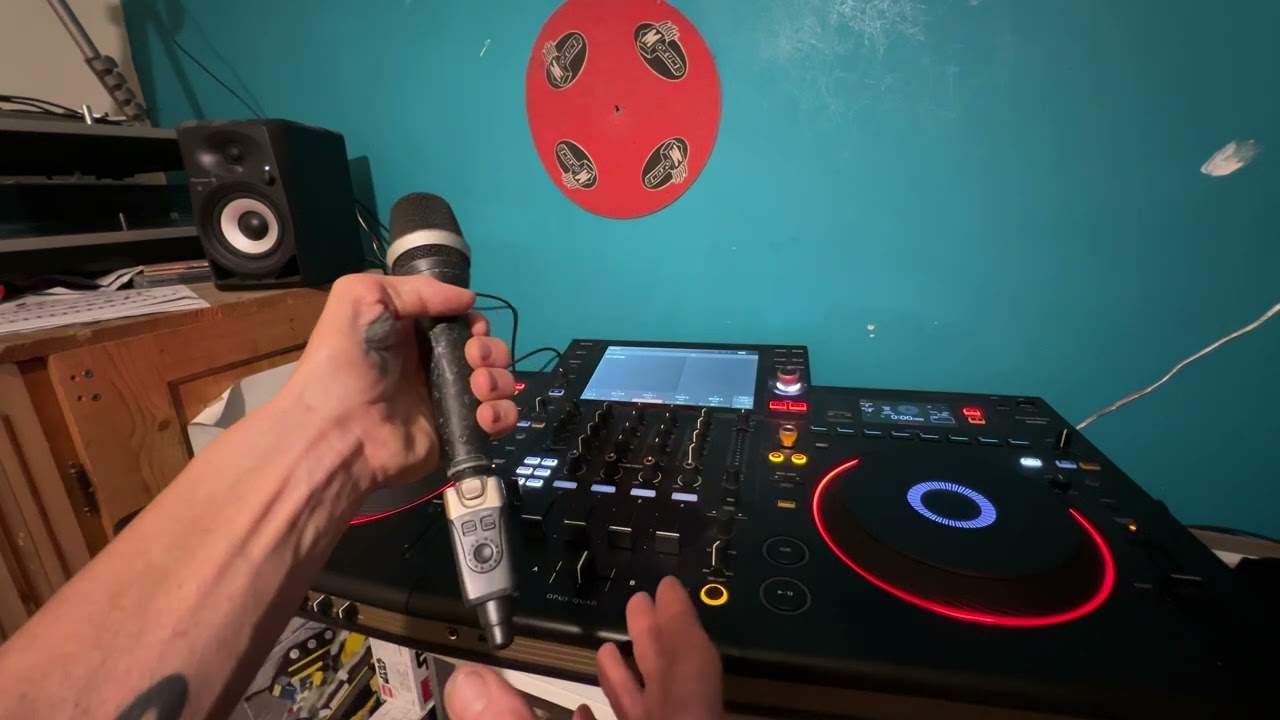
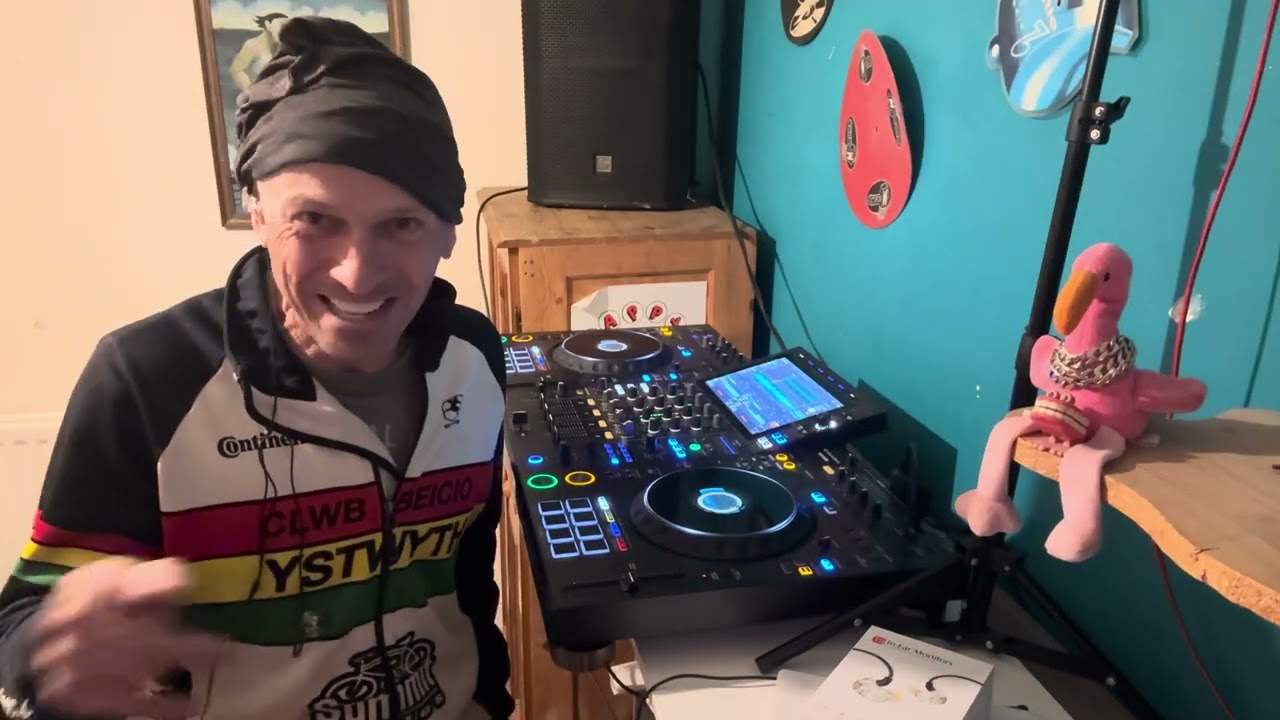
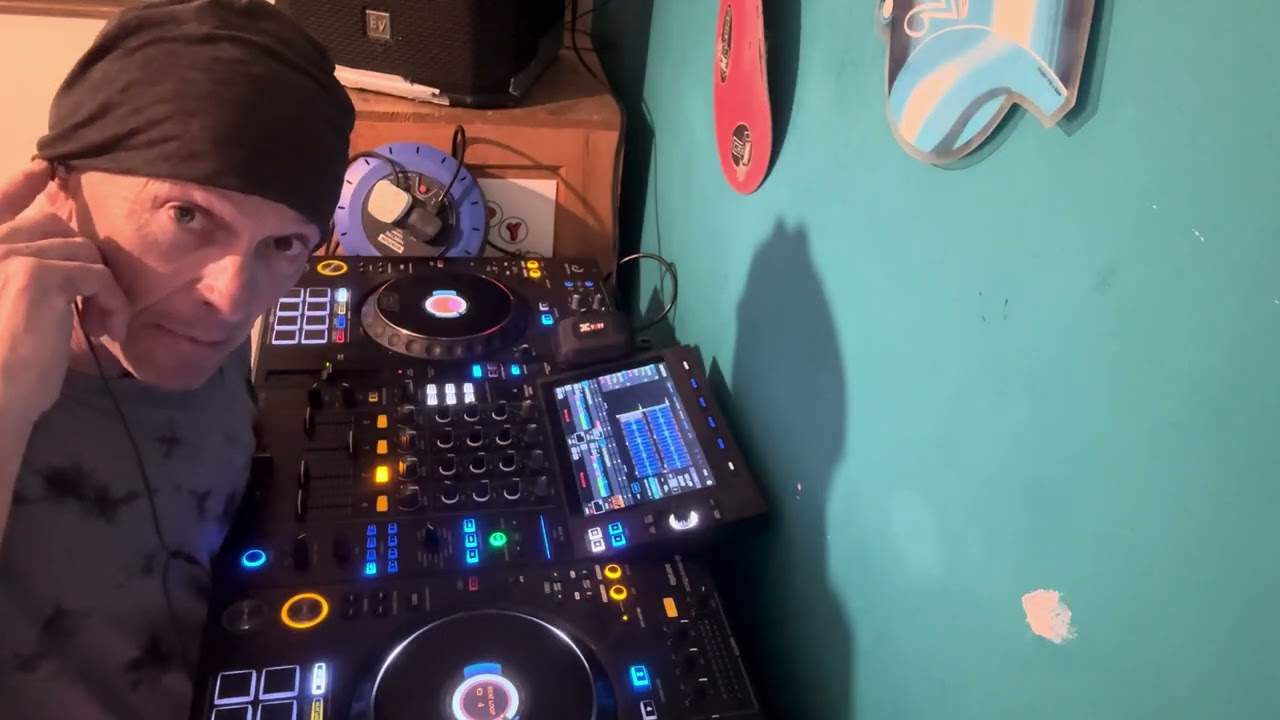
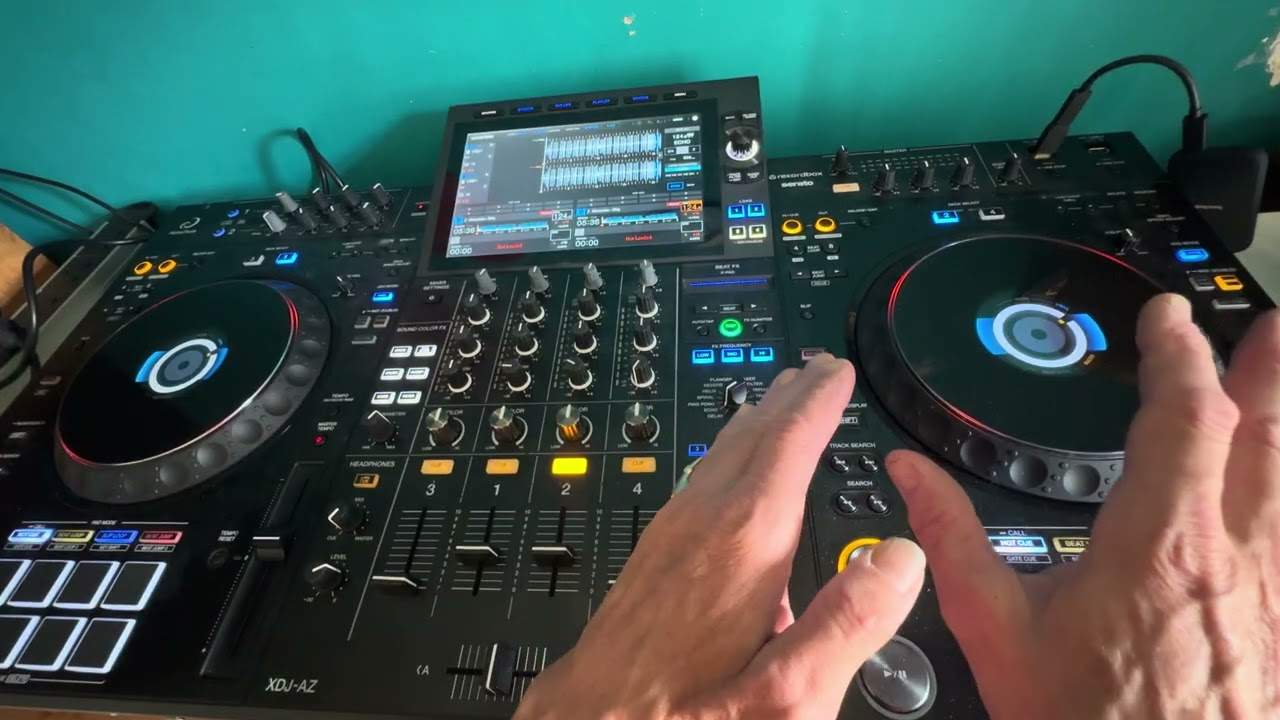
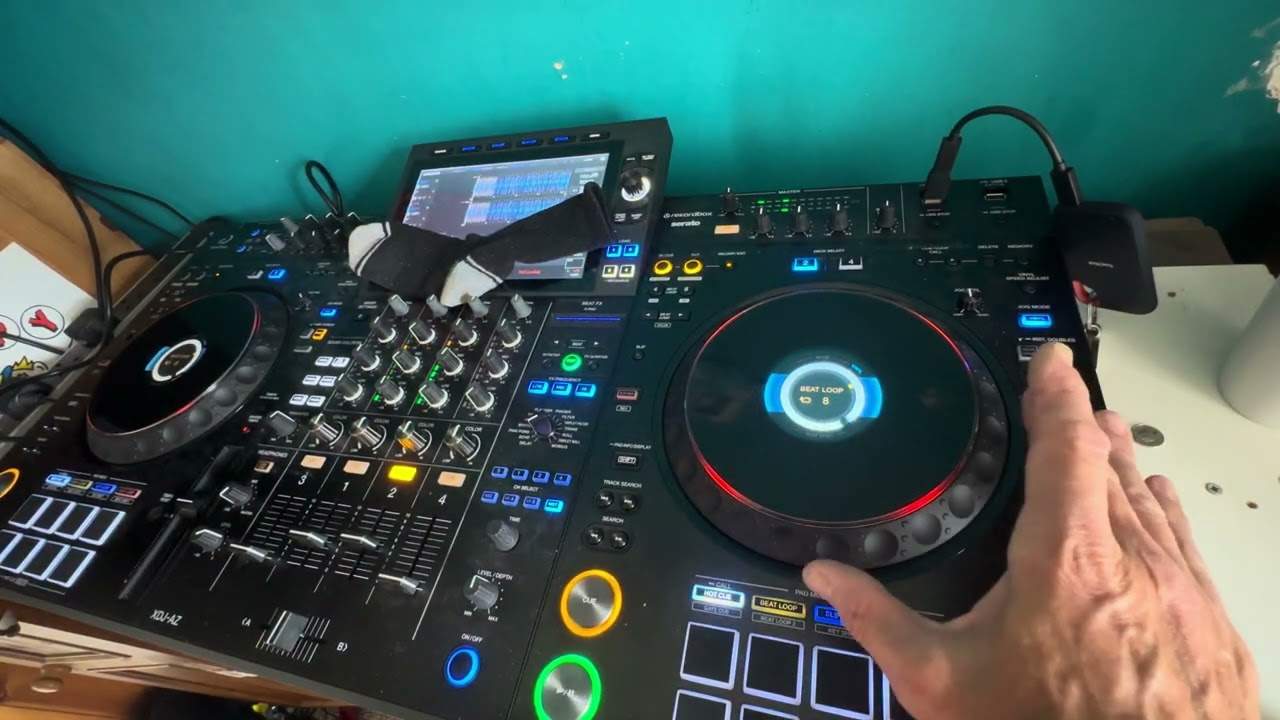
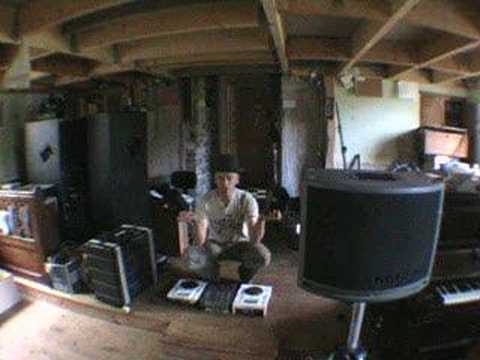
Alright folks, it's Jonathan here and this has been number 12 in a selection I'm doing entitled Why Does A DJ Use? In this one we're looking at monitors. Why does a DJ use a monitor? What is a monitor? How big is it? How small, fat, thin? What does it do? Where does it come from, etc? Why does he need it? Hopefully I'll try and explain it to you. Now then, just very briefly, this we're going to class as the speaker that the crowd will listen to. Imagine you're where the crowd are. This system down here is, let's say, where the DJ will be. That is the CDJ, so it's that one. That's the mixer and these are our monitors. Now then, nothing's plugged in. Everything is really just sort of set out to give you a general idea. Now then, let's say all of a sudden you are the crowd. This speaker is facing you. This is what you're going to be listening to. Now that's an important factor. You are going to be listening through or from this speaker. Now then, I'm all of a sudden the DJ and I'm now here.
1:27 What's happening is the DJ's getting, like I said, second hand sound
Behind that speaker. Now then, what's happening is this. Let's say I'm playing music through this and the music is travelling towards you, okay? That's fine but what you do find from a DJ's point of view is that you will get second hand sound from the speaker because the actual sound will travel forward and then it will carry on going. As soon as it hits something then that sound will rebound off that particular object and come back to the DJ. Now what's happening is the DJ's getting, like I said, second hand sound. He may hear the music but A it won't be as loud as if he was standing in front of it and B if he's in a room he will get an echo which means that he's not getting the proper original sound from this speaker. Like I said, second hand sound. So how does he come about getting his own sound? This is where monitors come in. Now then, like I said, that speaker is facing you, the crowd.
2:24 Generally they're called booth
If I go behind here now, I've got two small speakers. Again, monitor speakers can be any size. They can be the size of that speaker on the stand, they could be 10 times the size of that. It depends on the venue or what the actual DJ or artist wants. Now then, these monitor speakers are now facing me, okay? Now then, this is why a DJ uses a monitor system. He will have a separate, quite often, 99% of the time, he'll have a separate dial on his mixer. Generally they're called booth. Now what happens, he will have a volume control which is the booth volume control and he can turn that up and down. Now what happens there is a separate output out of the mixer that will go into a separate amplifier, separate leads into these speakers which are his actual monitor system. At the same time there will be another output
To separate leads to these guys here. So, in other words, you're listening to a sound and at the same time the DJ is listening to exactly the same sound. The only difference being he's getting first-hand sound, you're getting first-hand sound, he's not getting a second-hand muffled sound from over there. And he's got his own separate volume control, so he can turn his or her monitor system up as loud or as quietly as he, she wants. So there you go, video number 12, why does a DJ use a monitor system? Basically it's making sure he, she has got his own separate sound, so they've got good quality sound, so from a point of view of mixing, there's no echoing and basically Thank you very much for watching. Practice and enjoy.
This transcript was produced automatically from the audio of the video and may contain mistakes.