 9:05
Mixing pop and chart records
On YouTube this video is called DJ Lesson on How to Mix Pop Radio Chart Tracks
What this lesson teaches
Two very current, very cheesy pop records, and he is amused to be playing them in a tutorial. The lesson is about the kind of mixing they want.
The thing he is dismantling
The belief that wherever you are playing, you must produce perfect transitions of at least eight or sixteen bars, and that without them you are not really doing the job.
His verdict: absolutely rubbish.
Why it is rubbish for this material
Worth spelling out, because he states the conclusion rather than the reason.
A house record is built for DJs. It has a long drum intro and a long outro that exist for no musical purpose except to give somebody something to mix with.
A chart single is built for the radio. It gets to the hook as fast as possible, because the listener can change station. There is no sixteen-bar instrumental run-up - frequently there is no instrumental section at all.
So a long blend between two pop records means blending two full arrangements, both with vocals, neither of which has any space in it. That does not sound professional. It sounds crowded.
What to do instead
His requirements are short:
- In key.
- In phrase.
- No vocals over vocals - the deep house rule, and it matters more here because pop records are almost continuously sung.
- Bring the next one in on the one.
That is enough. A clean cut or a four-bar transition between two records that belong together will sound entirely correct, and the floor at an eighteenth birthday will not be assessing your overlap length.
The broader point
The technique should follow the material. Applying club-mixing conventions to pop records is the same error as applying pop conventions to a nine-minute progressive track - using a tool the music was not built for and concluding you are bad at it.
Contents of the video
0:00 Jonathan here, The DJ Tutor
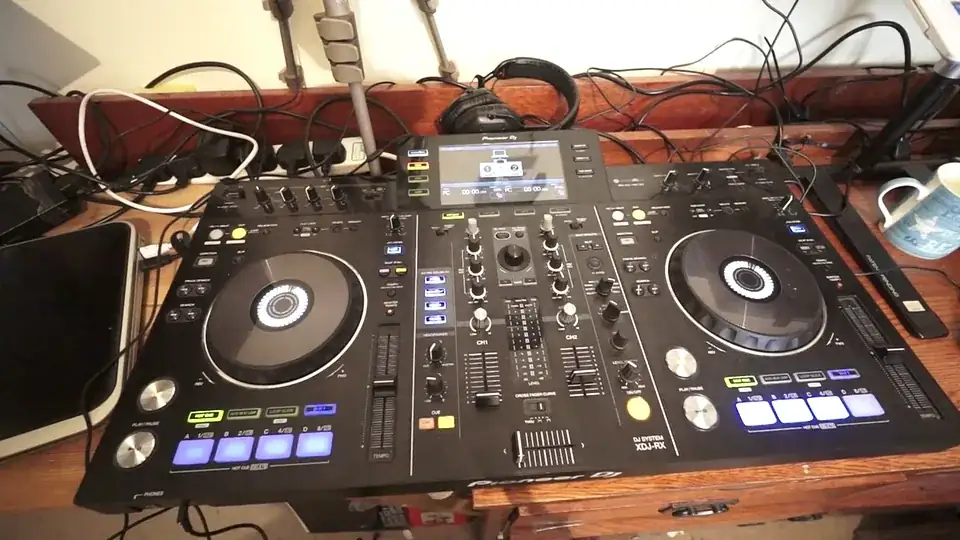
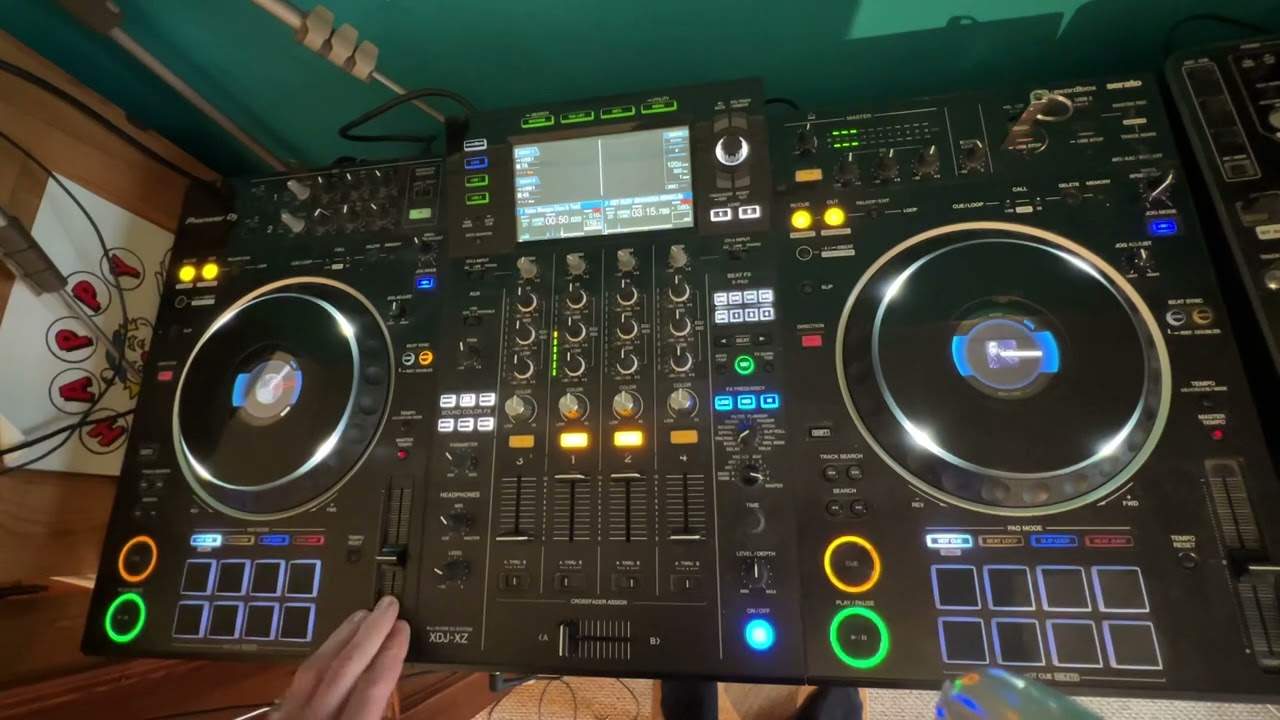
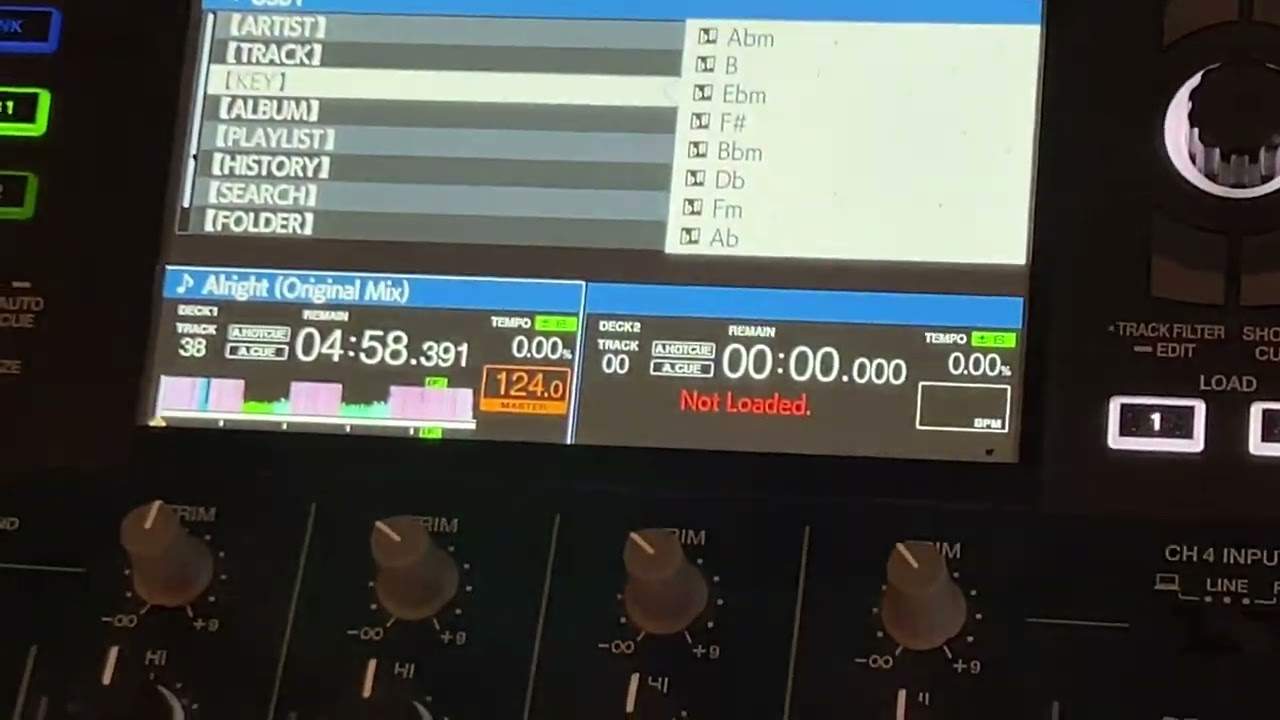
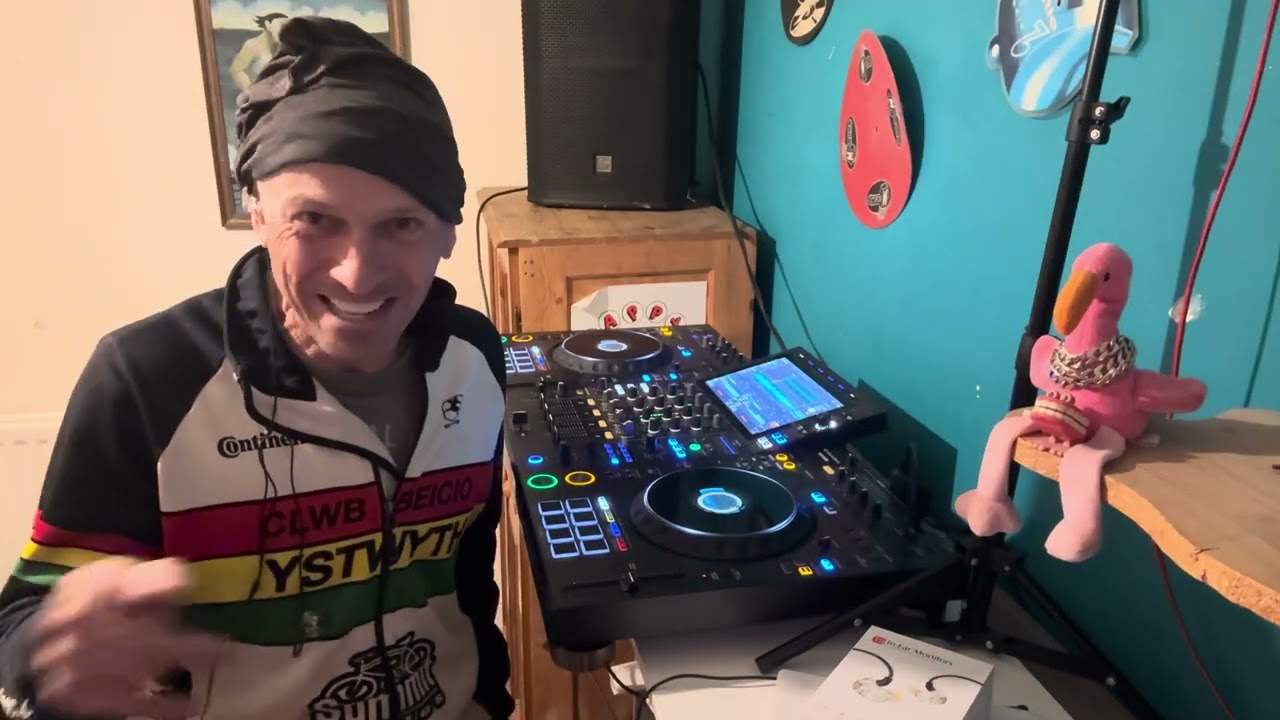
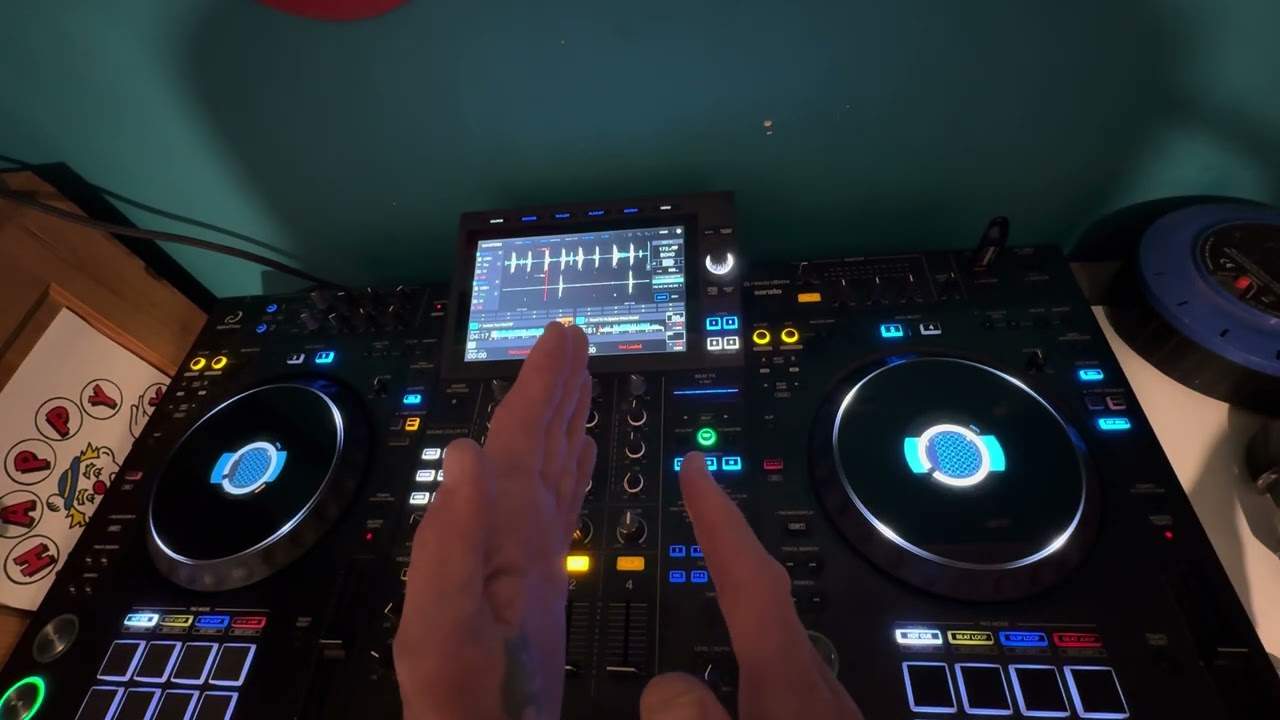
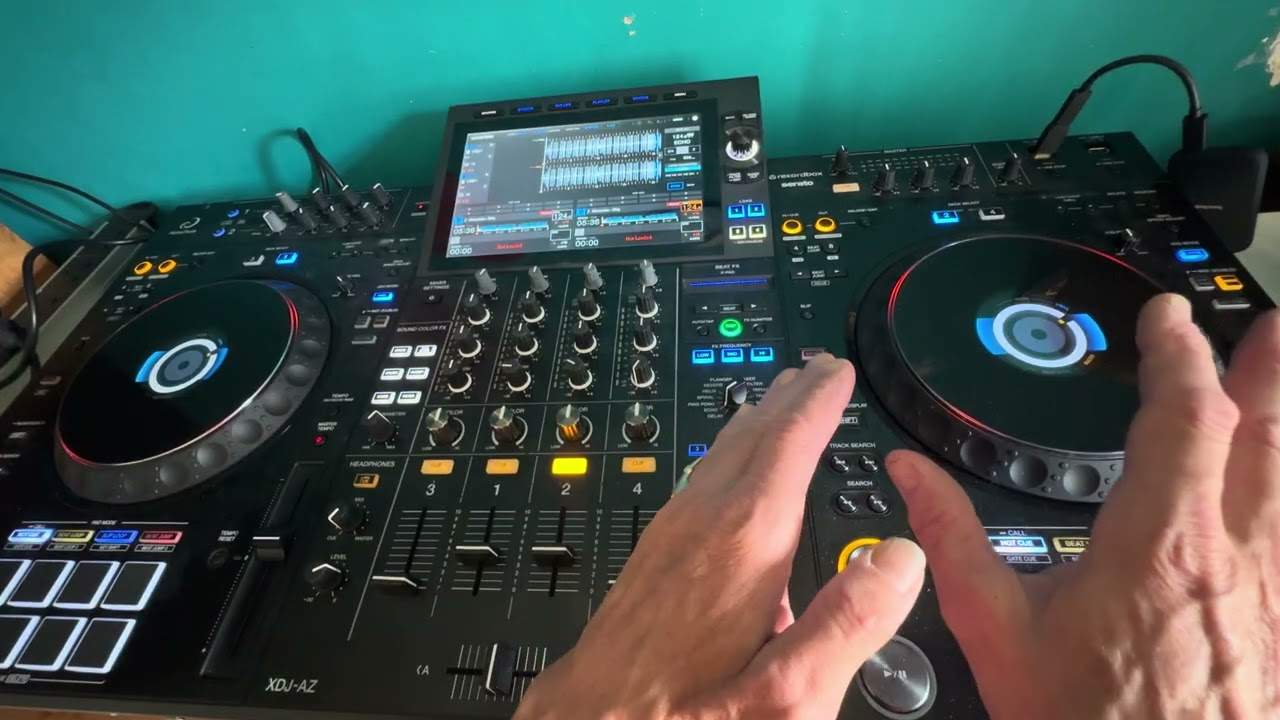
Alright guys, Jonathan here, The DJ Tutor. In this video, hopefully I'm going to be doing some very basic transitions with popular songs at the moment. You know, not your regular deep house track or techno tune where you've just got this random kind of rolling bass line. More poppy vocals, sort of stuff you would expect. At the moment to play at an 18th, 21st or any kind of birthday because you know they've been hammered on the radio. So on this side here we've got Pitbull featuring Neo and it's a very cheesy song. If you haven't heard this then I suggest you take up needlework or flower arranging. Okay, I'm using VirtualDJ at the moment as well on the laptop. So, you get the general idea there. Now, what I've got here is another very poppy song, Maroon 5. Oh my god. You know, never thought I'd be playing something like this in a tutorial, but music is universal, so... Now, so many people seem to think that whatever gig you're at, wherever you're playing, you have to have these perfect transitions that are mixed.
To perfection, you've got to have like a minimum of 8 or 16 bars of a transition. If you haven't got that then you're not really a DJ, you're not doing your job. Well that's absolutely rubbish. So long as you mix in key, in phrase, you're pretty much good to go. A couple of rules, make sure you don't have vocals over vocals, make sure that... You know, you try and bring in the next track as best as you can on the one. So in other words, the track that's playing is 1, 2, 3, 4, 1, 2, 3, 4. Your next track's coming in for 1, 2, 3, 4. The next track, 1, 2, 3, 4. Now it doesn't even matter if you mix different genres. So long as you try and keep to these very basic fundamentals is... In time, in phrase and in key or keys that work. Right so you know we're playing something like this. I'm gonna go towards the end.
2:21 One, two, three, four
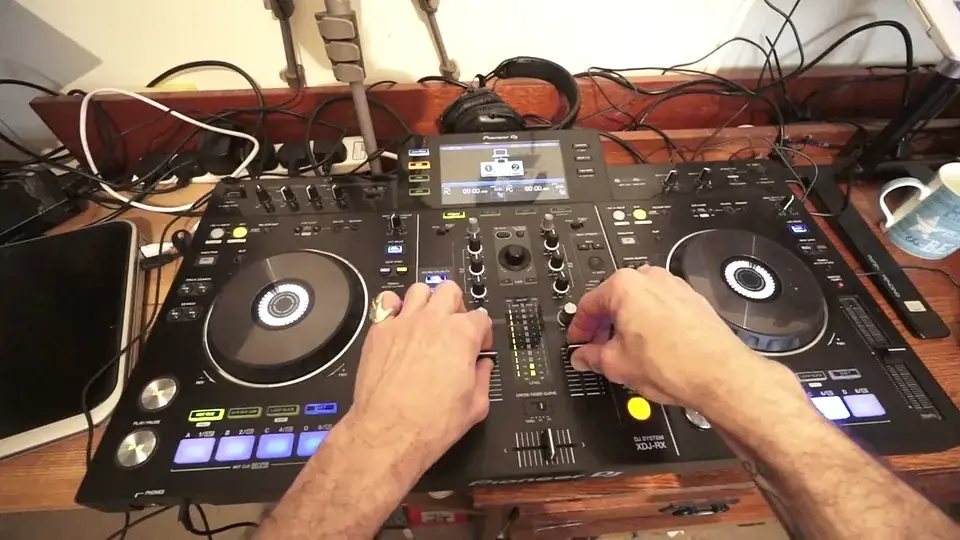
One, two, three, four. One, two, three, four. One, two, three, four. One, two, three, four. One, two, three, four. One, two, three, four. One, two, three, four. One, two, three, four. I mean, how simple is that? Okay, how simple? You can't get much simpler than that. Okay, so we've got that playing in the background and what I'm going to do now is I'm going to grab another tune, Galantis Runaway. So let's have a listen. Okay, so this is, where are we now? This is, I believe, Galantis, the East and Young mix, clean extended. Okay, so let's imagine that you don't want to play this kind of introduction. What you want to do is you want to get straight to that melody, straight to the part of the track where people know what it is, instead of, let's say, a lot of people who don't normally go out and listen to this kind of music.
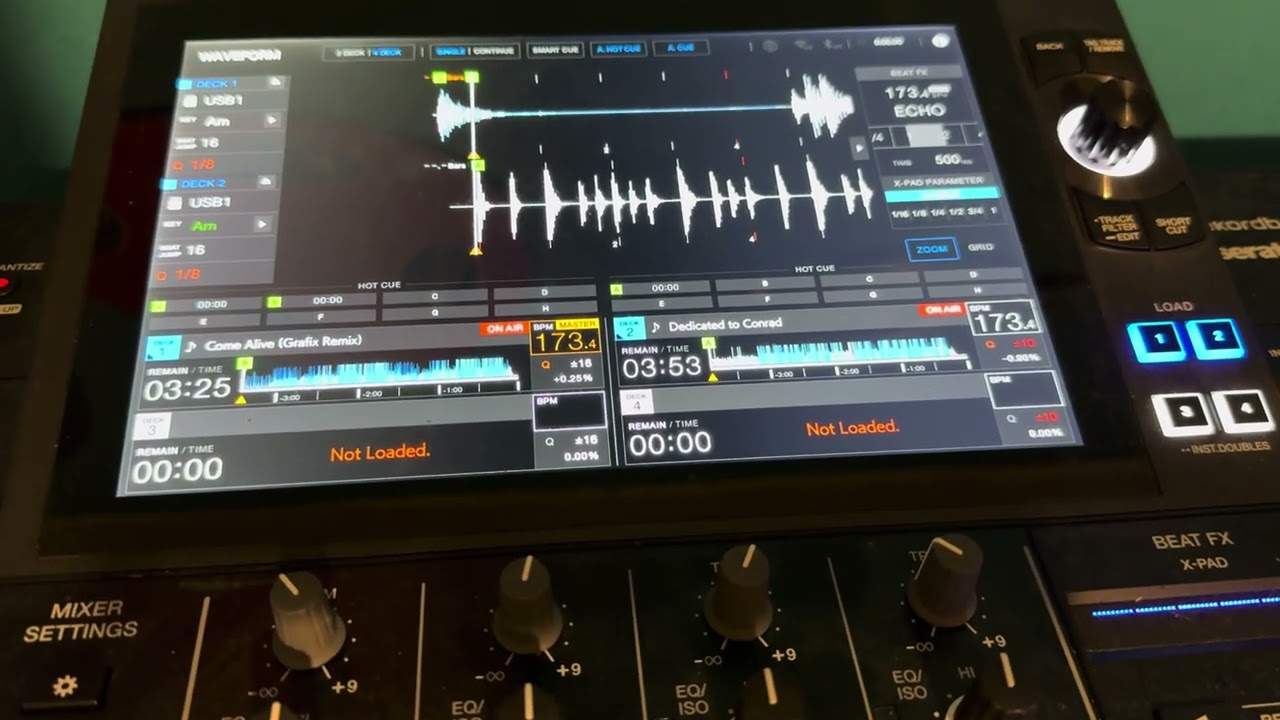
Over the age of 40 or 50, they're probably thinking, what the hell are you playing? So, there, I'm going to cue it there. 2, 3, 4, 1, 2. Now notice as well, there was a change. It was almost like the track seemed to change. Now what you'll find... Is 99% of the time when you have a change like that, it's a new phrase and also you will find the new phrase will begin at either 8, 16, 32 bars. That's the extended version. If you look at radio versions, it's more likely going to be 4 bars. This is the extended. It's pretty much going to be 8 or a 16. So if we go back a little bit, have a listen. Got that sort of rolling kind of melody in the background and then we get that. There, so there's my cue point. So let's get to... Hold on. How simple is that? Okay, so let's go to another one now. I've got Zeely Banks here, 212. Okay, so we get the general idea of that. Now maybe this one here, we could do more of a mix. And I believe at the moment, for simplicity's sake, I do have these...
4:52 Introduction kick
Okay, so again, think about it. Some tracks with a very sort of slow, not a slow introduction, but just a kick are a little bit more difficult for people to know what they are. You know, if you watch the dance floor, sometimes you can see people, if you play an introduction with just a kick, they're sort of looking at you as if to say, what is this? We don't know it. But then there are other tracks. Like Azealia Banks 212, where they know the intro because it's slightly different from your regular 1-2-3-4. So I would be more inclined to play that kind of intro because it's more known. So let's go to Azealia and we'll go towards the end of it. Okay, so you get a general idea there. What else have we got here? I'm in control. Okay.
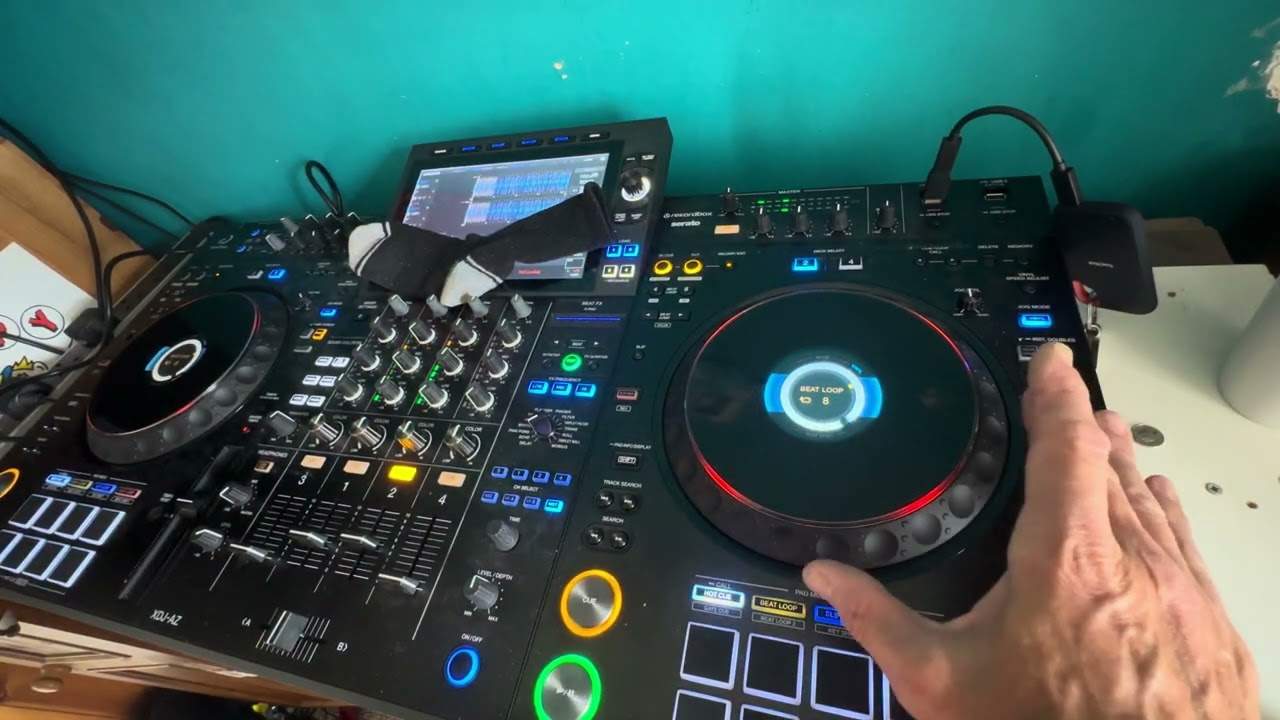
I'm going to go again to there. Right, this is quite a good... I don't know, maybe I can explain this very well. Hopefully I can because I set a cue point there. If we have a listen. Now that's the first cue point I set very quickly. But if, let's say, I started that cue point on the one, it would actually be out of time, believe it or not. Have a listen. If we go back a little bit.
7:01 I actually set that cue point slightly off time
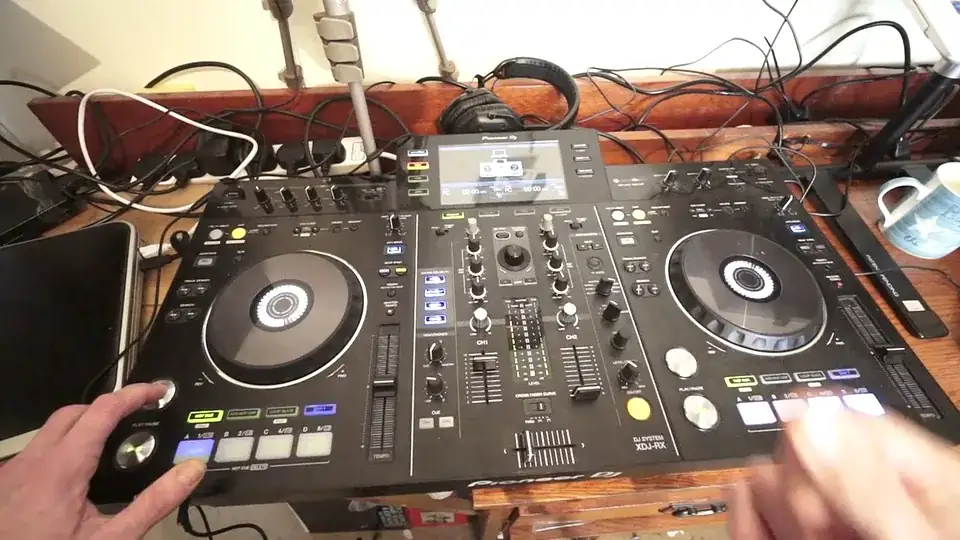
So I actually set that cue point slightly off time. So if I'd have brought that in on the one of Azealia Banks, it would have been out of time. Now this is the important part here to make sure when you set a cue point, it is on the one and then when you bring that in on the one, of course it has to be brought in on the one with the other track. Alternatively, you could of course bring it in anywhere. So long... Now, the only time you'll do something like that is if let's say the vocals of the other track happen to not stop on the one. Maybe the vocals finish on the two or the three in the other bar. Slightly more difficult, a little bit more technical but it is still doable. So, let's have a listen to this.
That's my cue point. Okay, so let's go back to Madame Azealia. Something like that. Such a simple transition. There's no need to think about beatmatching. It's all about the structure of the tracks and fitting them together. Alright, I hope that's been a help and don't forget I do one-to-one Skype lessons, so if you're interested... Thank you for watching.
This transcript was produced automatically from the audio of the video and may contain mistakes.