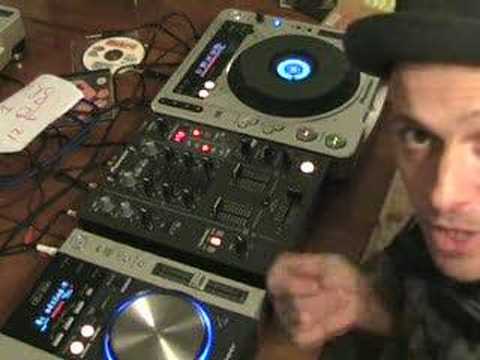
 10:45
Mixing funk, soul and disco
On YouTube this video is called Tutorial, How to Mix Funk, soul, disco, Video 1, FUNK!
What this lesson teaches
An emailed question, and the answer starts with a comparison that explains every older genre in this course.
Machines against people
A drum machine keeps perfect time. A track programmed at 120 starts at 120 and finishes at 120, and the gap between every pair of kicks is identical.
A band does not. A real drummer playing at 120 will drift - down to 117 in a verse, up to 121 in a chorus, pushing and relaxing with the song. The tempo is a range rather than a number.
That is true of soul and funk from the late sixties through the seventies and well into the eighties, and of plenty of modern soul and gospel where there is still a drummer in the room.
What it does to mixing
There is no correct pitch setting to find, because the target moves. Match the intro perfectly and you will be wrong by the second chorus, through no fault of your own.
So you cannot set it and take your hands away. You ride it - finger on the pitch, correcting continuously, following rather than matching.
That is the hardest version of beatmatching and it is why DJs who grew up on this material have a particular kind of ear. They never had the option of trusting a number.
The practical consequences
Keep the overlaps short. The less time two tracks spend together, the less opportunity the drift has to become audible. An eight-bar blend is achievable where a thirty-two-bar one is not.
Expect to work. A mix that needs constant attention is not a sign you have done something wrong here. It is the normal condition.
And consider not blending at all. Cutting, or using an intro and an outro, sidesteps the problem entirely - and is what most DJs playing this material actually do.
Why bother
Because it is some of the best dance music ever recorded, and because the records that fluctuate are fluctuating for a reason. The push and pull is what makes a funk record feel alive, and it is the thing a drum machine spent twenty years failing to imitate.
Contents of the video
0:00 There's a few ways of doing it but first of all very important, okay
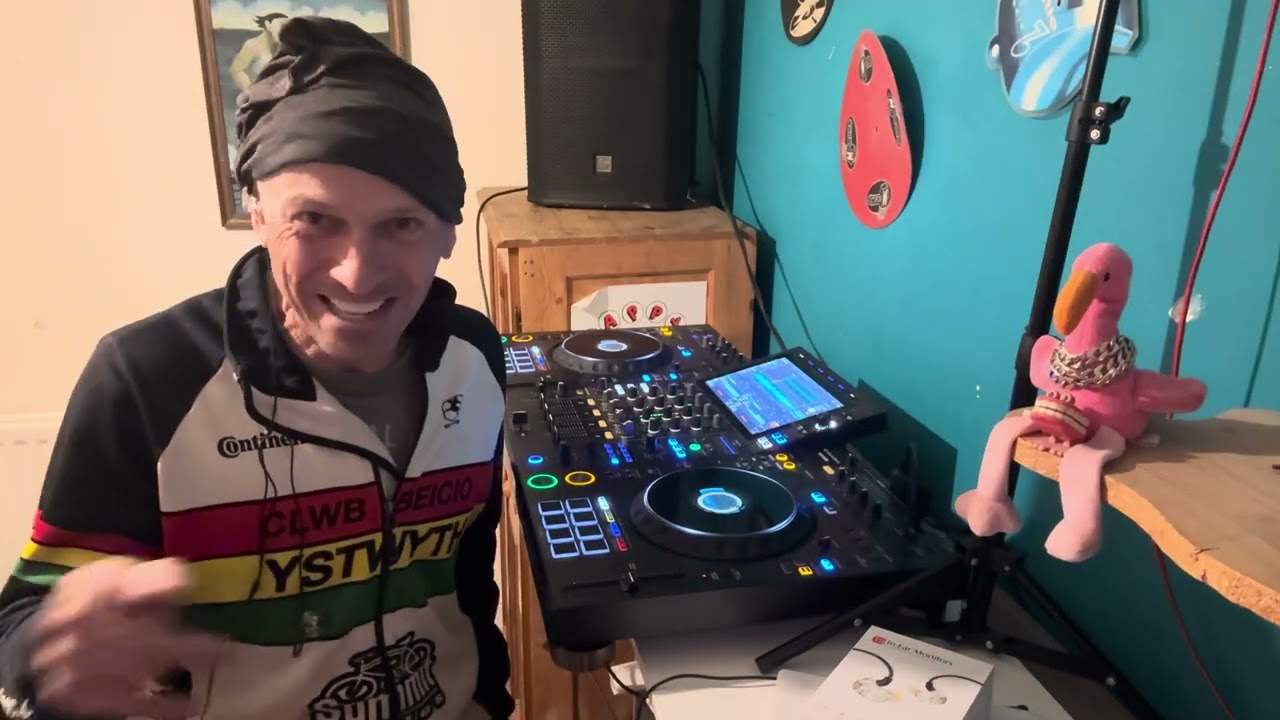
Right folks, Jonathan here. Now I had an email from someone asking me, how do you mix old school soul, funk and disco? Right, okay, there's a few ways of doing it but first of all very important, okay. Modern day music we have drum machines. Now what a drum machine will do, it will make sure that the song is in time. In perfect time all the way through. In other words, if the song starts at 120 beats per minute, that's 120 bam, bam, bam in every single minute. Starts like that, it'll finish like that. With most modern day music, that's how it is. But if we go back to old school soul, and even modern day soul, when I'm talking about modern day soul, I'm on about perhaps gospel singers, soul singers, where there is a real band. In other words, there's a real drummer, not a drum machine. Now of course, if we go back to the late 60s, early 70s, 70s through, no, all the way through the 70s, just sort of like the 80s.
Quite often the funk bands would have a real drummer. Now even though the drummer may start at say 120 BPM, and the song will almost be as though it's being 120 BPM all the way through, there's a very good chance that the actual drummer will speed up and slow down during the course of the track. So for example... Start at 120 BPM, maybe go down to say, I don't know, 117 BPM, slightly up, maybe 121. So the actual speed is fluctuating. Now, of course, the trouble is from a person who's beatmixing, that's very difficult because when you actually beatmix, like say a house tune, let's say a techno or trance tune, when that pitch control is set and the beats are matched, you know, theoretically, if they're matched correctly from the beginning
All the mix, they should stay beatmatched all the way through the mix. The likes of funk, soul and also old school disco, that isn't the case because, of course, you have a drummer and the drummer cannot keep perfect, perfect time. Yes, drummers are very good at keeping time. I play the drums but they are not as good as a machine, OK? Maybe some drummers are. But it's highly unlikely they could not keep exactly at 120 beats per minute continually for 10 minutes. So of course, how do we do this? How do we mix funk, soul, old school disco? Now there's a few ways, okay? The first way is to use your ears. Listen to the tone, the key and the feel and match the tone, the key and the feel. And then at certain points...
3:35 You have to bear that in mind
You go bang and you go from one track straight through to the other. Now there, the emphasis isn't on keeping the beats matched and it isn't on keeping the timing correct. In other words, if one track is 110 BPM, the other track does not have to be 110 BPM. The other track could be say... If you match two modern day house tracks, you know that that one house track is 120 BPM. It probably will be all the way through. And the other one is 120 BPM. It will be all the way through. But old school disco tracks, maybe the start of the track could be 118.
But at that specific point where you want to mix it in, it could be 120. So you have to bear that in mind. So you can't start beatmatching right at the beginning of the track and think, yeah, I've got it in beat. Because at that particular point where you want to start mixing your next track in and you've got it set prior to that, you'll find that it will actually be off beat. So when you're doing a set... And you're mixing old school disco, it's advisable to make note of the positions of the pitch at that specific point in that specific track. That's very important, alright? So what I'm going to do now, I'm going to pause the camera and I'm going to show you two ways of how to actually mix. We're going to do a bit of funk, okay? So bear with me. Right, now the first way, okay, and again, you know, there's lots of other ways of doing this but...
5:17 We'll find that point
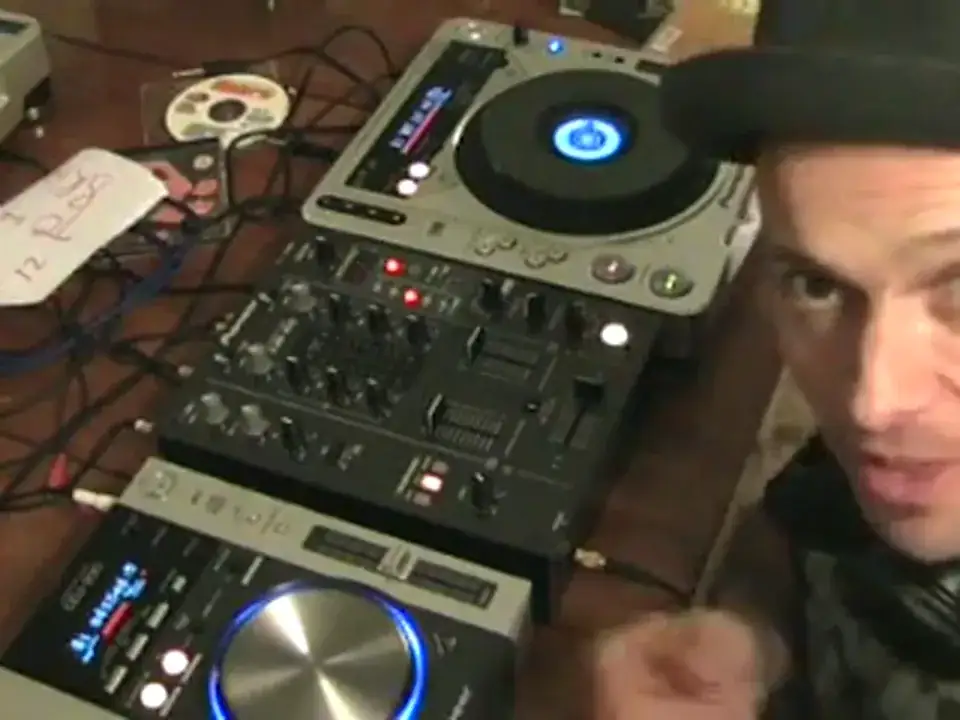
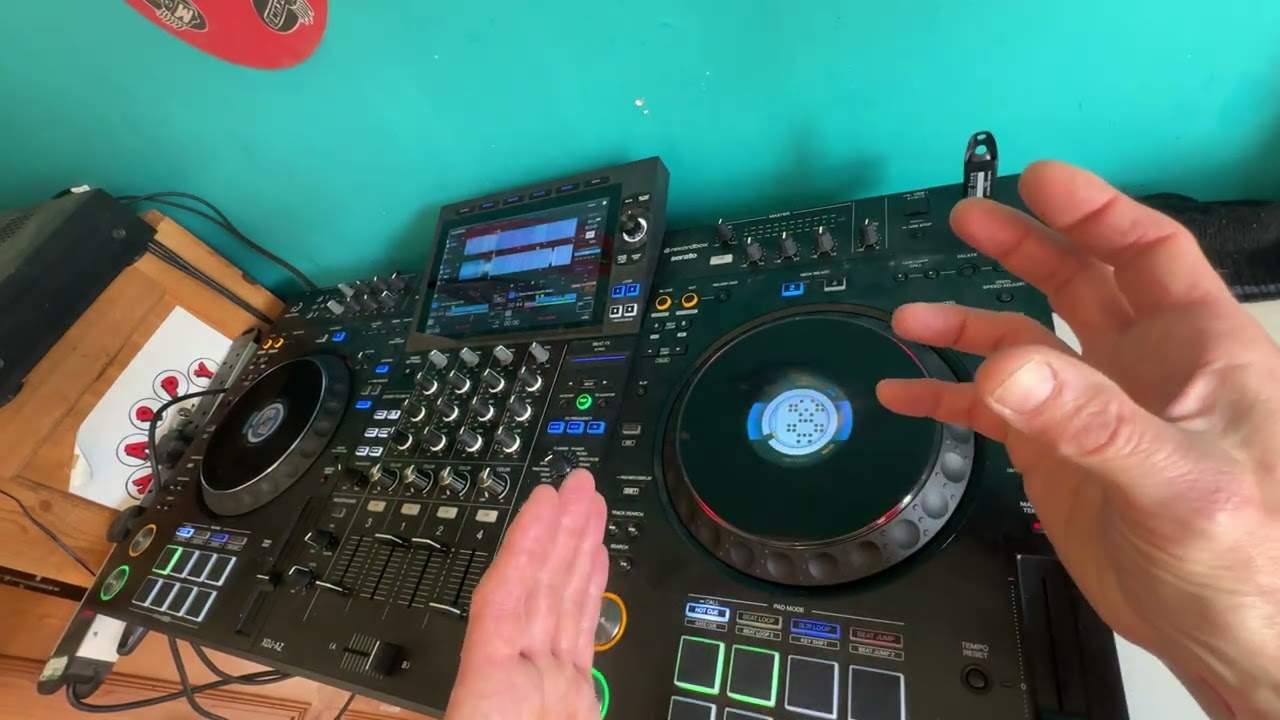
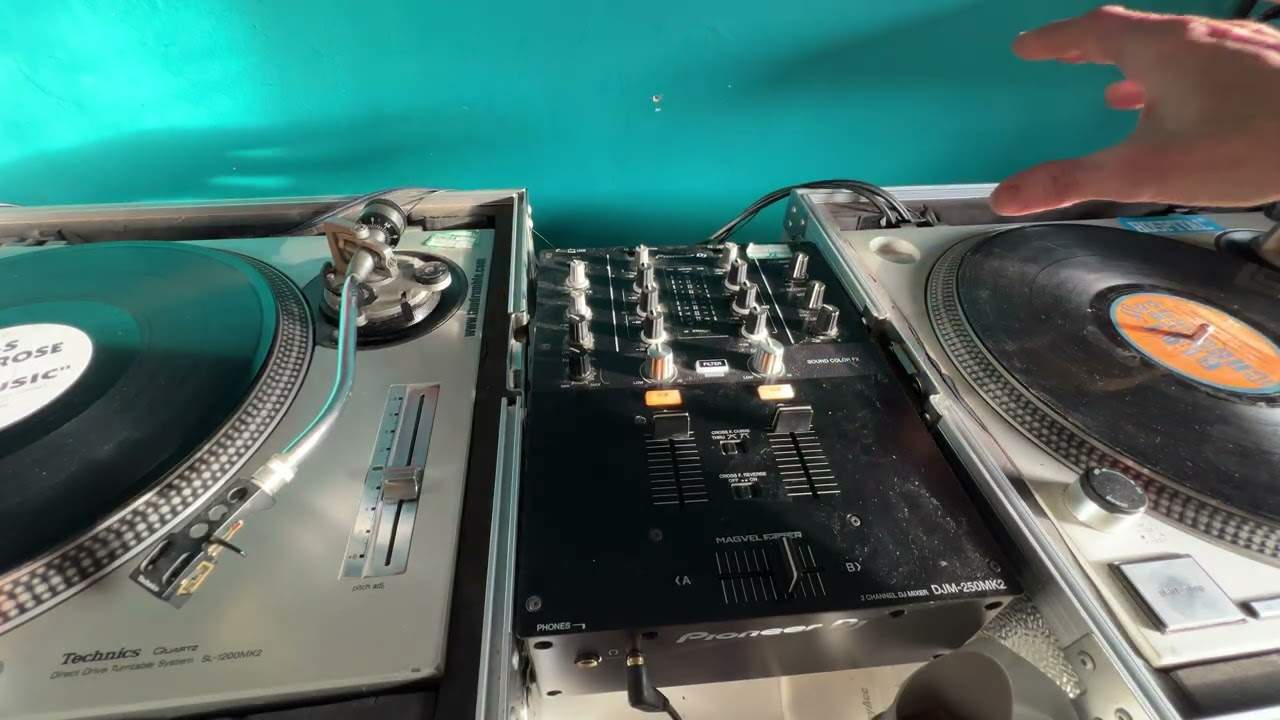
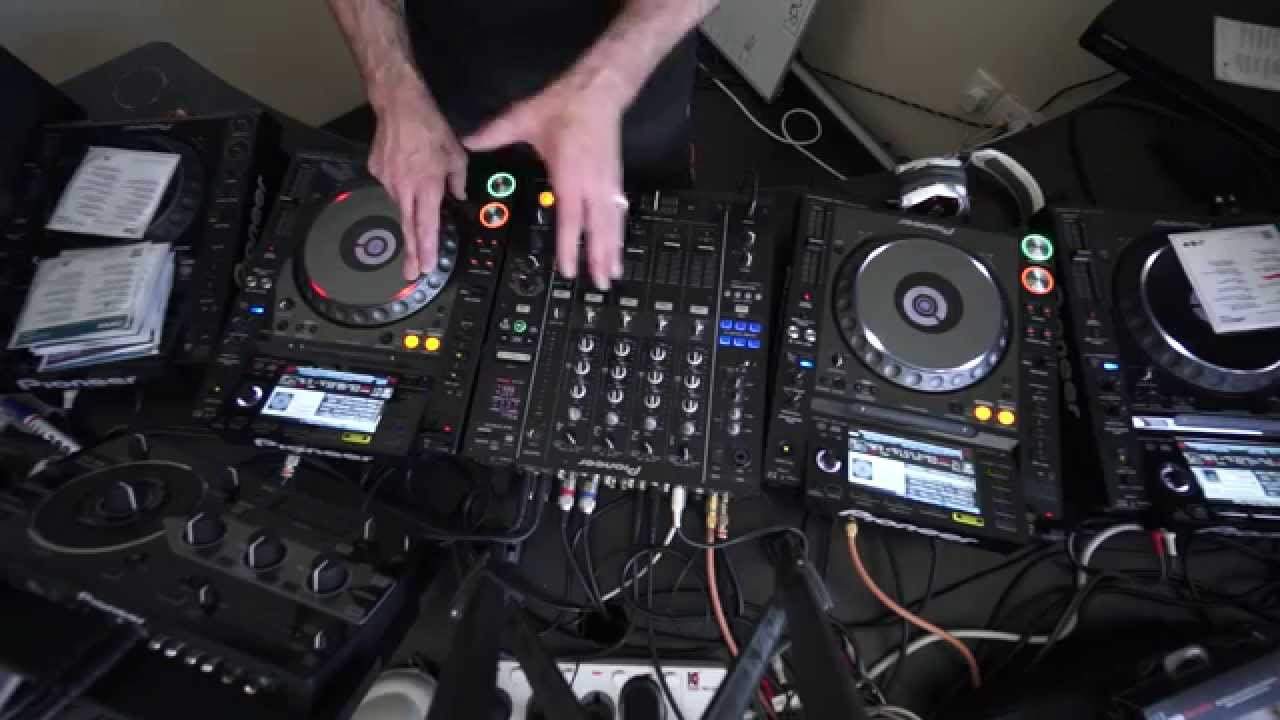
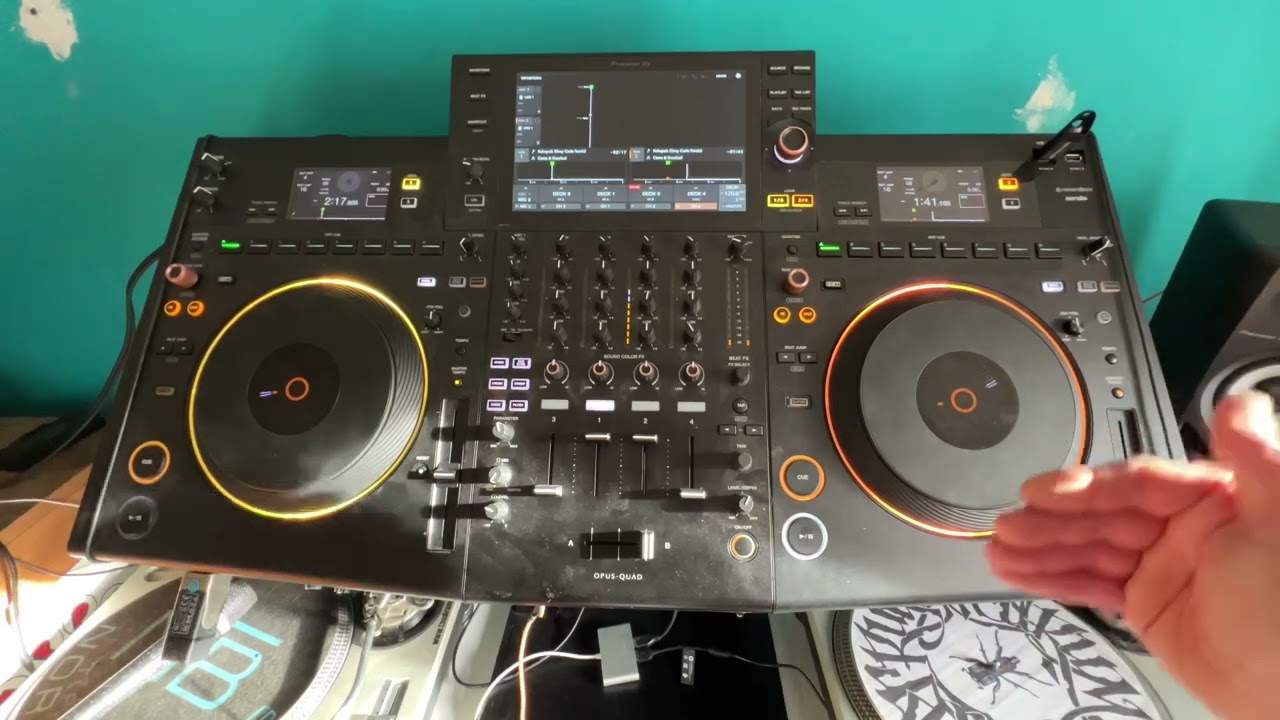
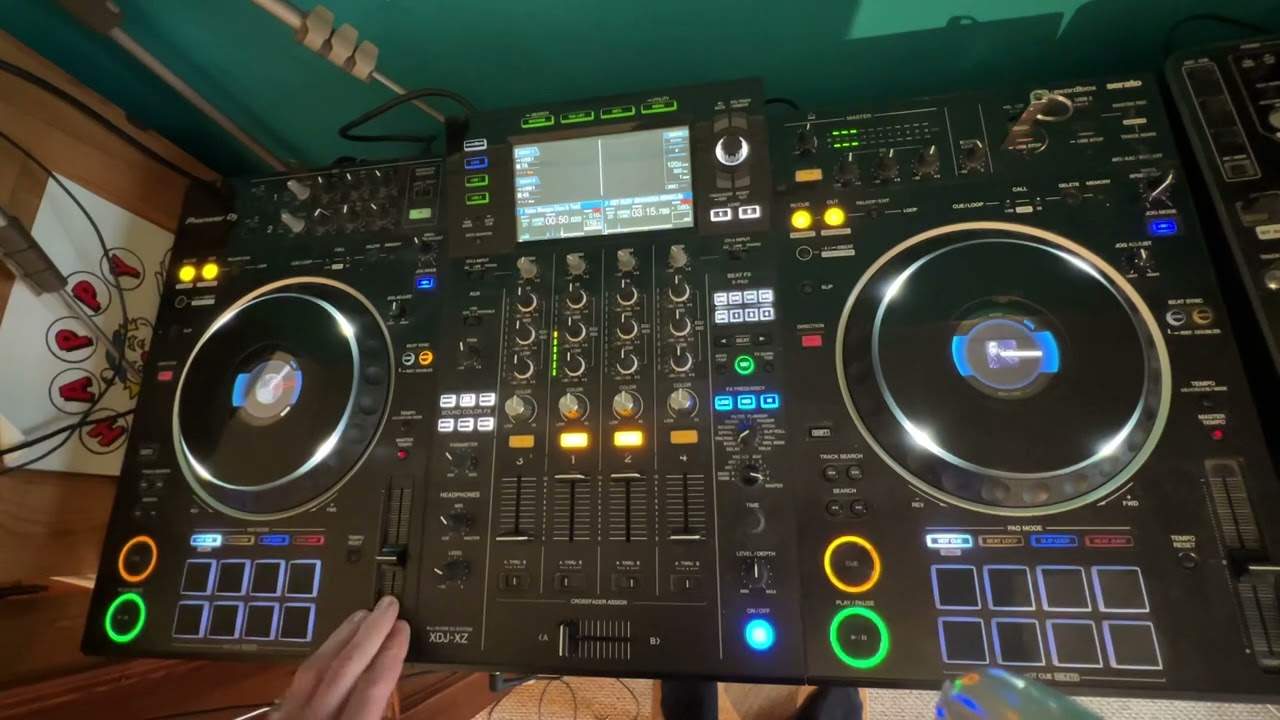
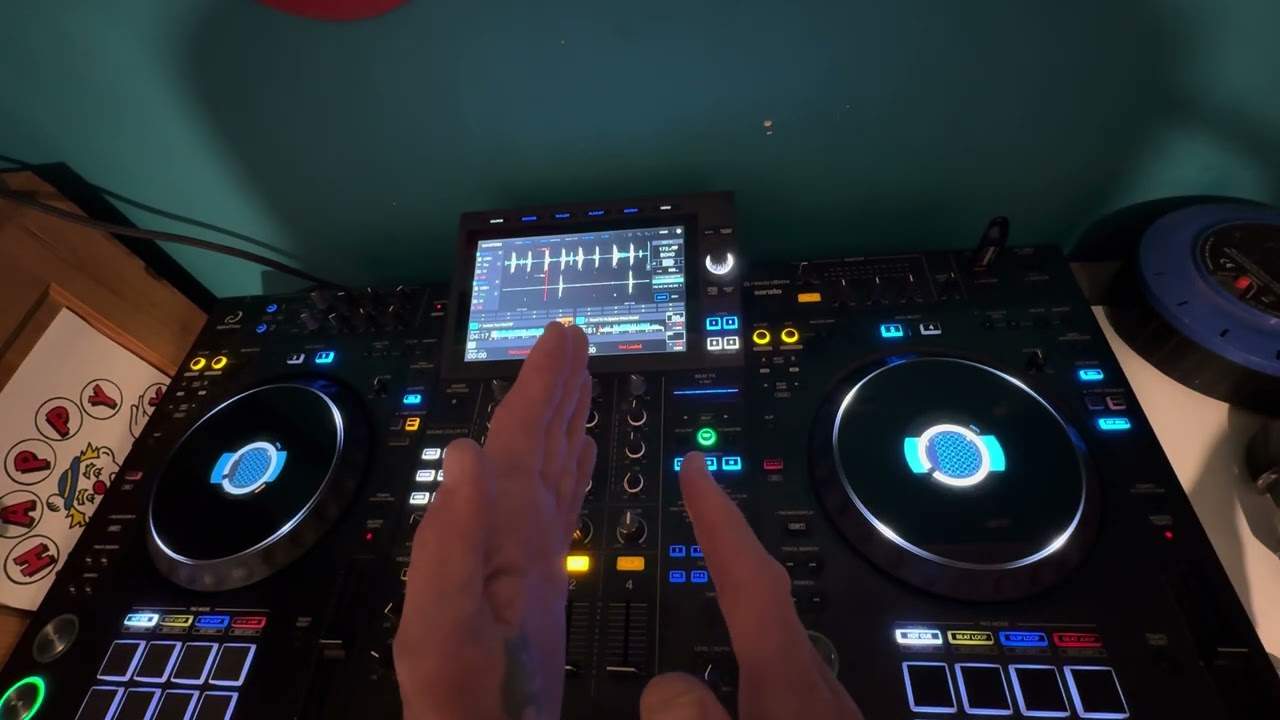
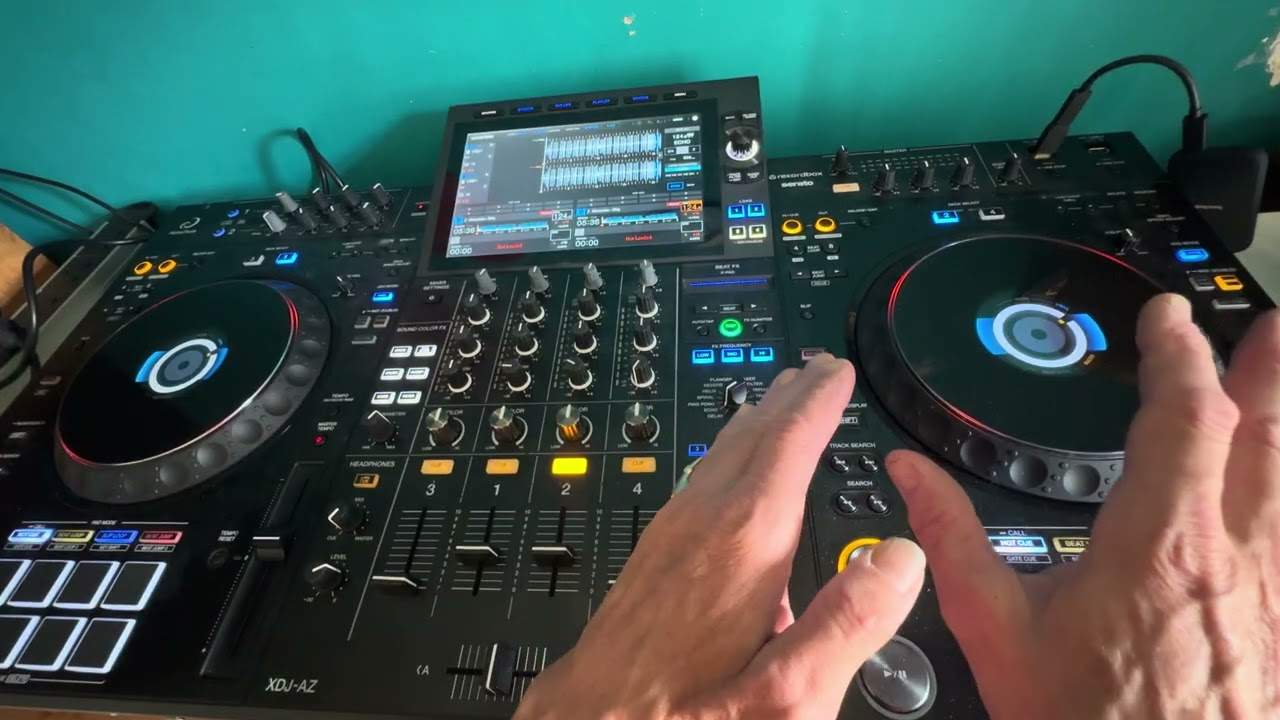
This is a couple of ways to show you, okay? If you've got any different ways then, you know, stick them underneath here, no worries, right? Now the first way is basically just cutting from one track, like I said, straight through to the other. Now the two tracks I'm going to be using on this side here, it's Just Kiss My Baby by The Meters and then this guy here is Brass Construction, a track entitled Moving On. Now let's hear the beginning though of the Brass Construction track, alright? So what we'll do, we'll just wang that and we'll press play. Now if you listen at the beginning, there's a sort of a beat there. There, that's where I'm going to bring it in. So, there, pause that right now then. If we listen to this track here, check it out. Which I think sounds nice and just go wham from one straight through to the other. Okay, so we'll find that point. I've started again haven't I? Beatmatched it, we've got a nice feel of the music but we've gone straight through from one to the other. Right, I'll pause the camera and we'll do it a different way.
8:35 I guarantee you it probably will be off only by a very tiny amount
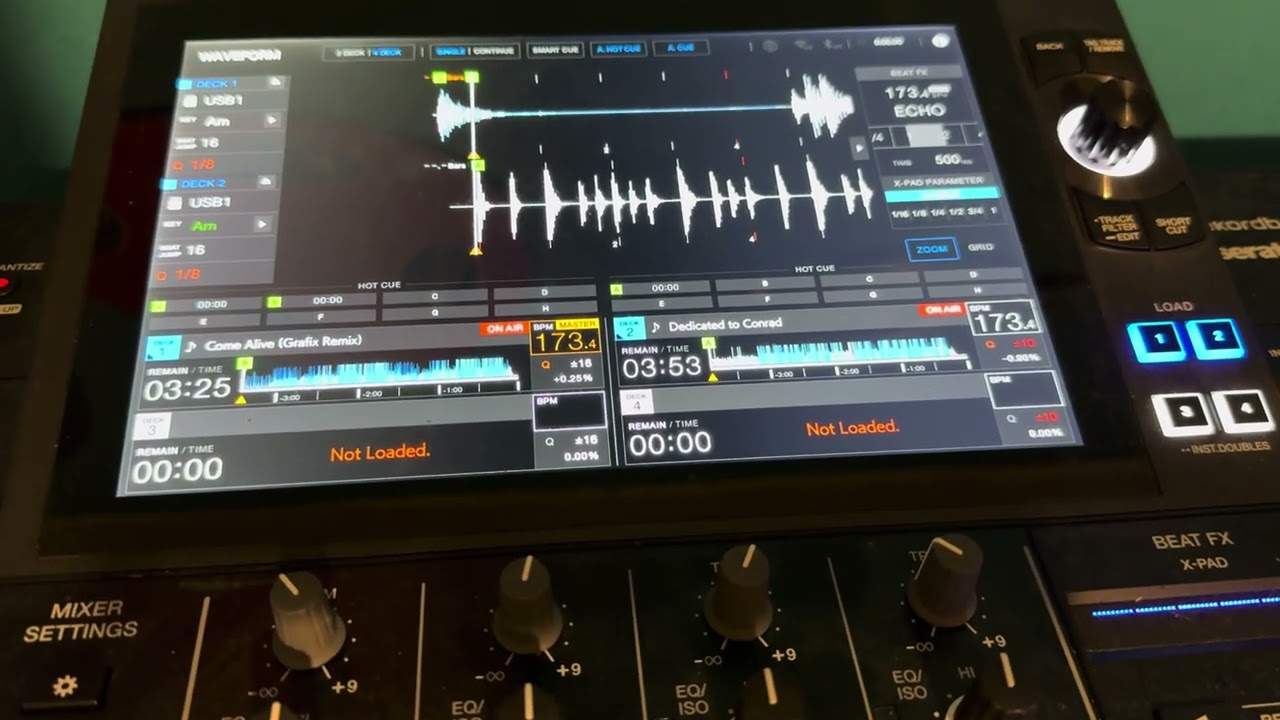
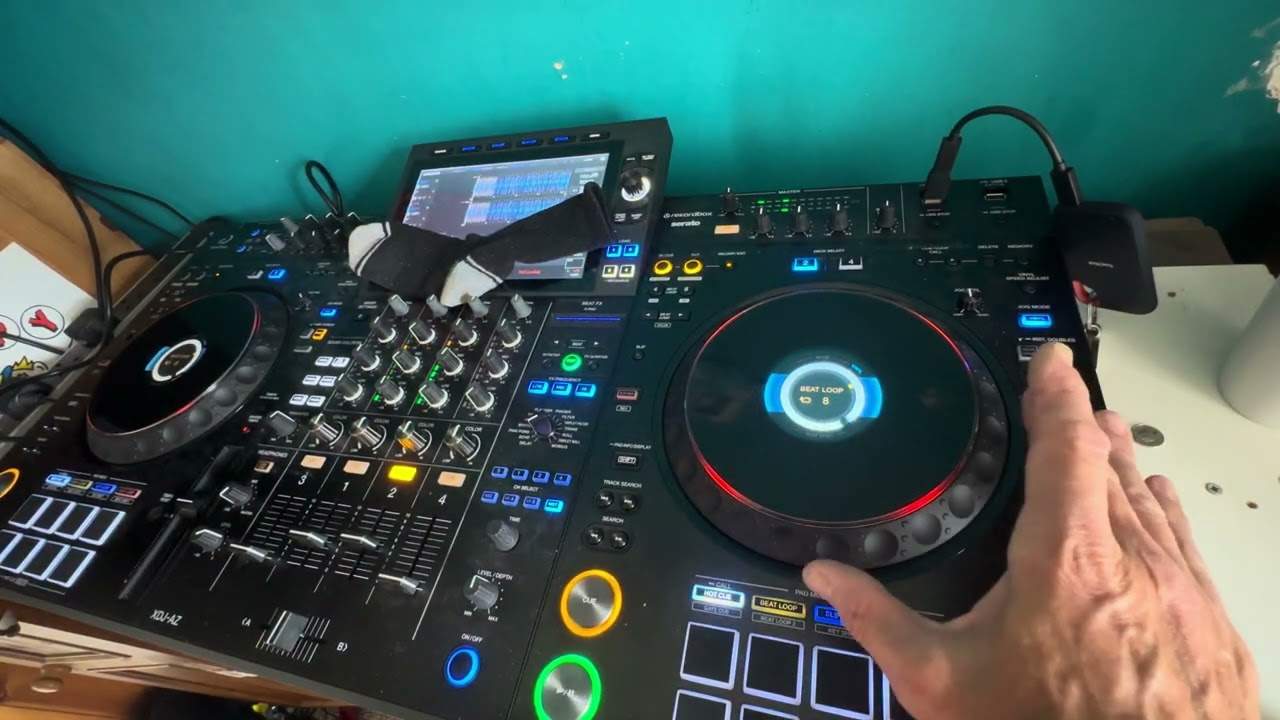
Right, okay, for all track listings look to the side of the video, okay? Now this time what we're going to do, we're going to actually try and beatmatch the tracks, alright? Now then, I'm going to mess around a little bit here. But this is what you need to do at home, alright? Now I'm not going to do this correctly but I will explain what you should do correctly. Do apologise, okay? And that is you need to first of all find the position at which you need to mix the track in. In other words, in this case, this one is playing... I'm going to be mixing this one in.
Now let's say for example, I want to mix this particular track in and when I say I want to mix it in, I need to find the optimum place to mix it in. And let's say if the optimum place is at about 130 seconds into this track, then what I need to do, I need to find that particular point, I need to get this track ready and I need to practice. One minute and 30. Now let's say all of a sudden I thought, yeah, I'm going to mix in maybe when this one is at one minute and say 45 or even two minutes. I guarantee you it probably will be off only by a very tiny amount. But bearing in mind there are no drum machines involved with the likes of a lot of old school funk etc.
So right, what we'll do, we'll play this one and we'll play that one and we'll give it a go. So this is that track and this is the other track.
Demonstration. Oh my God. Mixing this sort of music is very, very difficult. Now that's why when you see a lot of people mixing the likes of funk, soul and old school disco, you very, very rarely see them mixing the actual beats. But you see a lot of them cutting going bam, bam, bam, bam from one to the other because really it's the only... Easy way of actually doing it. I hope this video has been a help. As usual, practice and goddamn enjoy it.
This transcript was produced automatically from the audio of the video and may contain mistakes.